
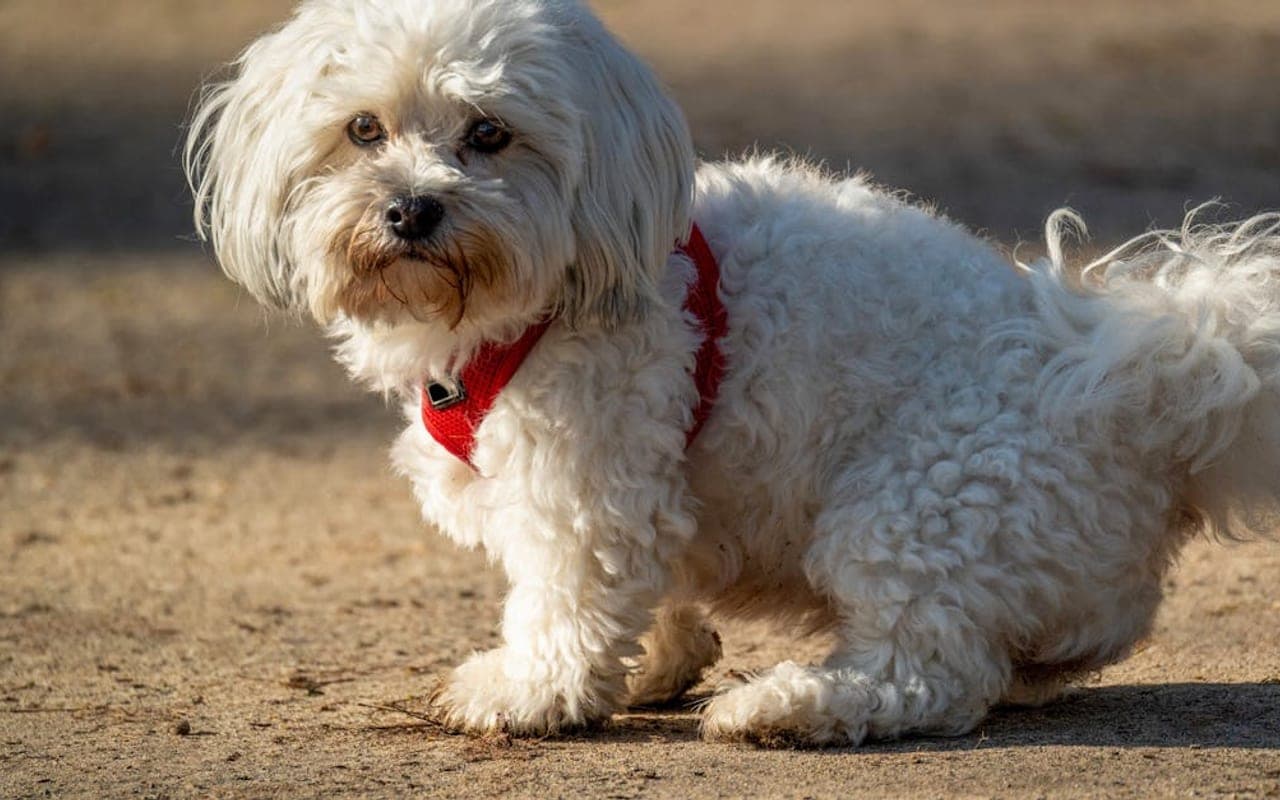

At a Glance
| Attribute | Maltese | Shih Tzu |
|---|---|---|
| Origin | — | Tibet/China |
| Breed Group | Toy | Toy |
| Life Span | 12–15 yrs | 10–16 yrs |
| Weight | 1.8–3.2 kg | 4.1–7.3 kg |
| Height | 17.8–25.4 cm | 20.3–27.9 cm |
| Temperament | Gentle, Playful, Charming | Affectionate, Playful, Outgoing |
| Exercise Needs | Moderate (30-60 min/day) | Low (20-30 min/day) |
| Grooming | moderate | — |
| Shedding | moderate | moderate |
| Good with Children | No | Yes |
| Apartment Friendly | Yes | Yes |
Temperament Comparison
The Maltese is known for being gentle, playful, charming, while the Shih Tzu tends to be affectionate, playful, outgoing.
Maltese
Shih Tzu
Family Suitability
Maltese
- Good with children: No
- Good with other pets: No
- Apartment friendly: Yes
- Exercise: moderate
Shih Tzu
- Good with children: Yes
- Good with other pets: Yes
- Apartment friendly: Yes
- Exercise: low
Training & Exercise
When it comes to daily activity, the Maltese requires moderate (30-60 min/day) exercise, compared to the Shih Tzu which needs low (20-30 min/day).
Maltese
- Exercise
- moderate
- Grooming
- moderate
- Shedding
- moderate
Shih Tzu
- Exercise
- low
- Grooming
- —
- Shedding
- moderate
Cost Comparison
Understanding the financial commitment of each breed helps you plan for a lifetime of care.
| Cost | Maltese | Shih Tzu |
|---|---|---|
| Purchase Price | — – — | $500 – $2,000 |
| Monthly Cost | — | ~$100/mo |
Health Considerations
Both breeds have breed-specific health considerations. Being aware of these helps you plan for preventive care and vet visits.
Maltese
Life span: 12–15 yrs
- Patellar luxation — the kneecap slips out of its groove, causing a skipping or hopping gait, intermittent rear-leg lameness, and eventual arthritis; very common in toy breeds, graded I-IV, with higher grades often needing surgical correction in the $1,500-$4,000 range per knee.
- Portosystemic (liver) shunt — an inherited abnormal blood vessel that bypasses the liver so toxins aren't filtered; the Maltese is notably over-represented. Signs include poor growth, disorientation or neurologic episodes (often after meals), and it frequently requires diagnostic workup and surgical correction, a major early-life cost.
- Periodontal (dental) disease — crowded teeth in a tiny jaw cause early, severe gum disease, tooth loss, oral pain, and bacterial strain on the heart; near-universal in the breed without consistent home tooth-brushing and routine professional cleanings, making it the most preventable major problem.
- Tracheal collapse — weakening of the windpipe's cartilage rings producing a chronic honking cough, especially with excitement or collar pressure; this is why a harness rather than a neck collar is standard for the breed, with severe cases needing medical or surgical management.
- White Shaker (idiopathic cerebellitis) syndrome — a condition seen in small white-coated breeds causing generalized fine body tremors, typically with onset in young adulthood; it is usually responsive to veterinary corticosteroid treatment but warrants prompt diagnosis rather than home monitoring.
- Myxomatous mitral valve disease — progressive degeneration and leaking of the mitral heart valve common in small breeds, first detected as a murmur in middle to older age and potentially advancing to congestive heart failure; managed with medication and monitoring rather than cured.
Shih Tzu
Life span: 10–16 yrs
- Brachycephalic obstructive airway syndrome (BOAS) — the breed's defining risk: the short skull narrows the airway, causing snoring, snorting, exercise and heat intolerance, and in severe cases collapse or life-threatening respiratory distress. Many Shih Tzu have it to some degree; surgical correction of nostrils/soft palate can run $1,500-$4,000+.
- Brachycephalic ocular syndrome / corneal ulcers — shallow eye sockets leave the cornea exposed and under-protected, so the breed is highly prone to chronic dry eye and corneal ulceration that can threaten vision if untreated.
- Eye proptosis — because the eye sits so shallowly, relatively minor head trauma or rough handling can displace the globe forward out of the socket; this is an immediate emergency requiring same-hour veterinary surgery to save the eye.
- Intervertebral disc disease (IVDD) — the breed's long back and short legs predispose it to disc herniation, causing pain, hind-limb weakness, or paralysis; managed conservatively in mild cases and surgically (often $3,000-$8,000) in severe ones.
- Patellar luxation — the kneecap slips out of its groove, common in small breeds and seen in Shih Tzu from as early as a few months old; ranges from an intermittent skip to surgical correction depending on grade.
- Renal dysplasia — a congenital condition in which the kidneys fail to develop normally; affected dogs often show signs as puppies (excess thirst, poor growth) and the condition is inherited, making it a screening question for breeders.
Which Breed is Right for You?
Choose the Maltese if you want a breed that's gentle and playful and works well in apartments.
Choose the Shih Tzu if you prefer a breed that's affectionate and playful and adapts to smaller spaces, great with kids.
Explore More About Maltese
Dive deeper into everything Maltese — costs, care, and expert insights.
How Much Does a Maltese Cost?
Purchase price, monthly costs, and lifetime expenses
Maltese Care Guide
Few dogs carry the weight of...
Considering a cat instead?
Browse Cats