Pet Domestication Timeline
Somewhere between a campfire and a couch cushion, wolves became dogs, wildcats chose us, and horses changed everything. This is the 15,000-year story of how animals stopped being wild — and started being family.

From wolves joining hunter-gatherers 15,000 years ago to sacred cats in ancient Egypt — discover how animals evolved from wild beasts to beloved companions.

Somewhere between a campfire and a couch cushion, wolves became dogs, wildcats chose us, and horses changed everything. This is the 15,000-year story of how animals stopped being wild — and started being family.

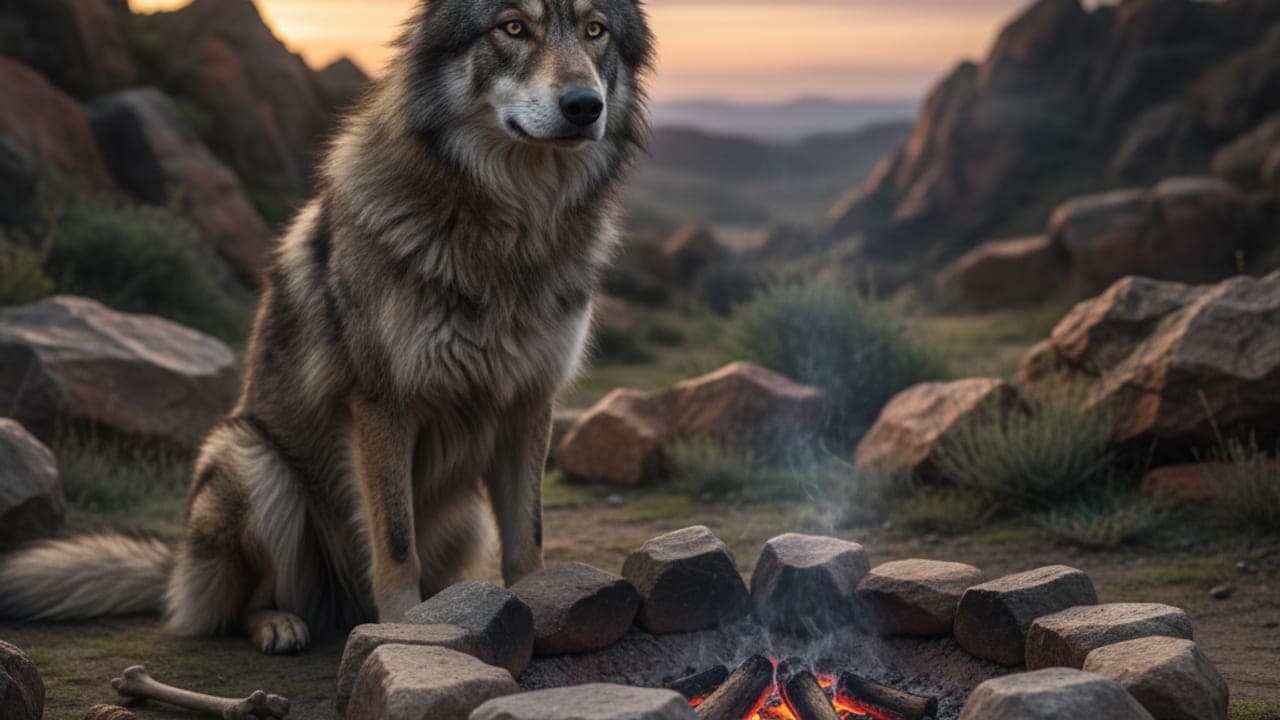
Discover how wolves evolved into dogs over 15,000 years ago — the archaeological evidence, theories of domestication, and how this partnership changed both species.

Discover how cats rose to divine status in Ancient Egypt — from household protectors to embodiments of the goddess Bastet, worshipped for millennia.

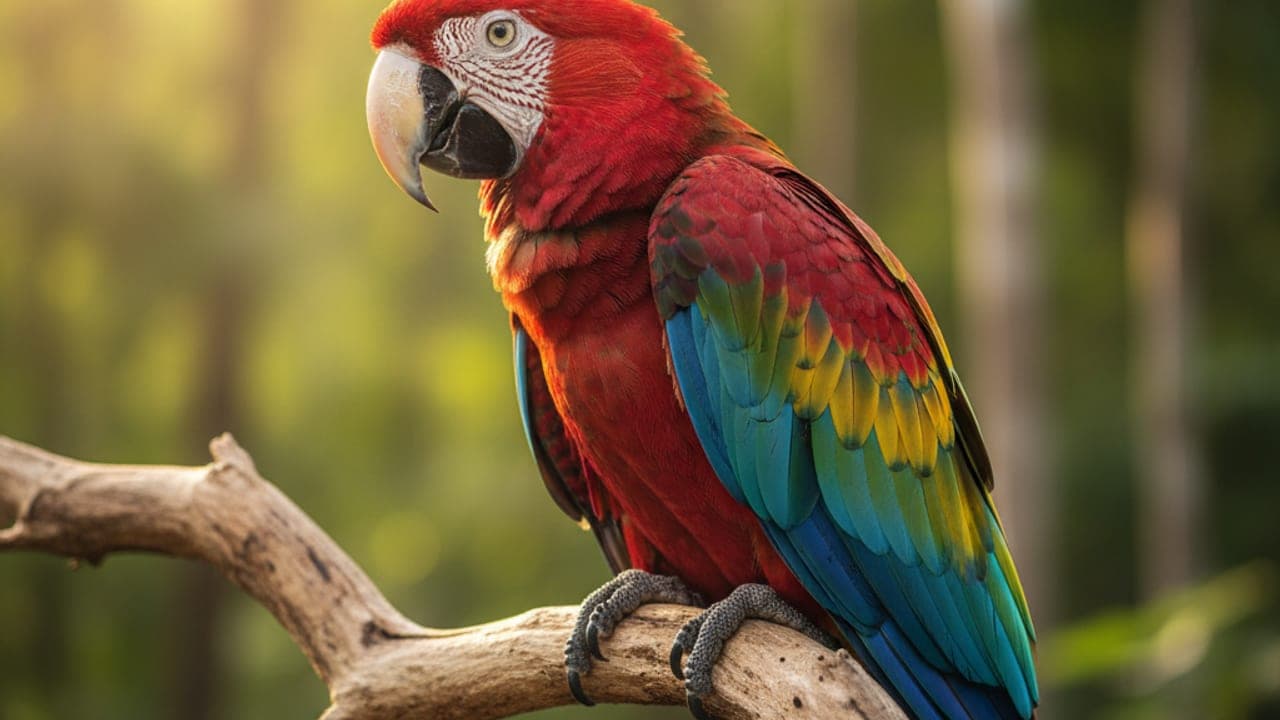
Explore the history of birds as human companions — from ancient Egyptian aviaries and sacred ibises to Victorian canary collections spanning 6,000 years.

Discover how horses became the backbone of medieval European society — revolutionizing warfare, agriculture, transportation, and social status.

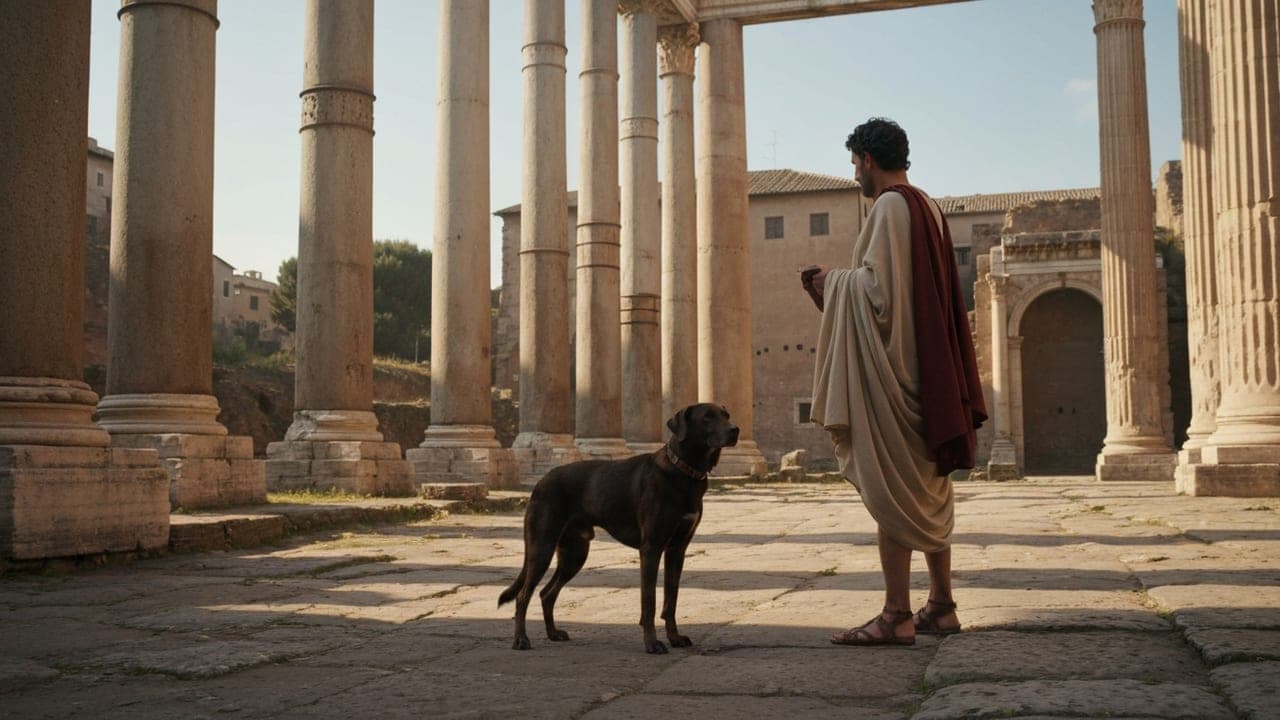
When archaeologists excavated Pompeii, they found a dog chained at the door of the House of the Tragic Poet — not as a warning to intruders, but as a memorial to a beloved guardian killed trying to protect his family. Rome's relationship with dogs was one of the ancient world's most sophisticated, spanning war, law, medicine, and genuine affection across twelve centuries.

China's relationship with cats began not in a palace but in a granary — small wildcats drawn to the rodents eating silk worm cocoons along the nascent Silk Road, tolerated and then welcomed by Han Dynasty merchants who understood exactly what their grain stores were worth. What followed over eighteen centuries was one of the most sophisticated human-cat relationships in history, producing court poetry, Buddhist theology, a thriving cat market economy, and the cultural foundation for Japan's beloved lucky cat tradition.

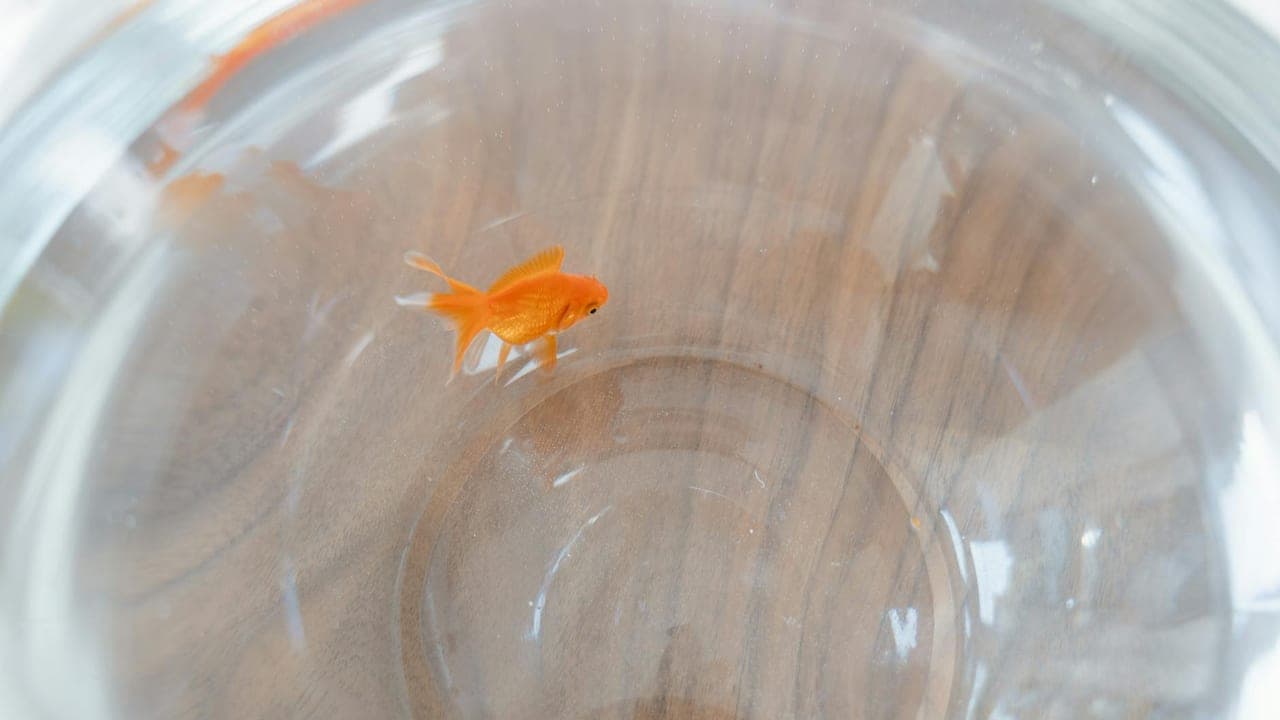
The goldfish you can buy for fifty cents at a pet store is the product of 1,700 years of deliberate selective breeding — one of the longest and most successful domestication projects in human history. It began not with beauty in mind but with Buddhist monks noticing color mutations in wild carp they were forbidden to eat, and it produced over 200 recognized varieties before Victorian England invented the glass fish tank.

When Odysseus returned to Ithaca after twenty years of war and wandering, disguised as a beggar so that not even his wife recognized him, only one being saw through the disguise immediately: his old dog Argos, lying on a dung heap, too weak to rise, who wagged his tail once and died. Homer wrote this scene in the eighth century BCE, and it remains one of the most affecting animal portraits in all of world literature — the oldest dog story most people have never read.

Every domestic rabbit in the world — every Holland Lop, every Flemish Giant, every Rex — descends from a single wild species: the European rabbit native to the Iberian Peninsula. Their path from prey animal to beloved companion runs through French monasteries, Roman pleasure parks, Victorian exhibition halls, and a California garage where a nonprofit was founded in 1988 that would permanently change how humans think about rabbits.

In the span of a few centuries, cats went from respected household guardians to targets of organized persecution across medieval Europe. The story of how religious fear, superstition, and a papal decree reshaped humanity's relationship with the cat — and may have accelerated the Black Death.

Medieval Europe developed a sophisticated science of hunting dogs — five distinct types with specialized roles, detailed training manuals, and legal protections that rivaled those extended to humans. The breeds that emerged from this era still run, point, and retrieve today.

Kings, queens, and emperors have kept pets since the earliest civilizations — using animals to project power, forge diplomatic bonds, express personal devotion, and inadvertently shape the breeds millions of people own today. This is the story of history's most consequential pet owners.

For five centuries, the lapdog was far more than a pet in European courts. It was a status marker, a political symbol, a subject for master painters, and — in an age of cold stone palaces — a practical source of warmth. The story of the lapdog is the story of European aristocratic culture itself.

For five thousand years, cats sailed aboard ships as working crew members — controlling the rats that destroyed ropes, navigation charts, and food supplies. Their journeys changed the world: ship cats carried domestic cats to the Americas and Australia, gave sailors good luck, and produced some of history's most decorated animal war heroes.

When Queen Victoria wept openly at the death of her Collie, Noble, in 1887, something had shifted permanently in the relationship between humans and dogs. This is the story of how one monarch's obsession reshaped an entire culture's relationship with pets.

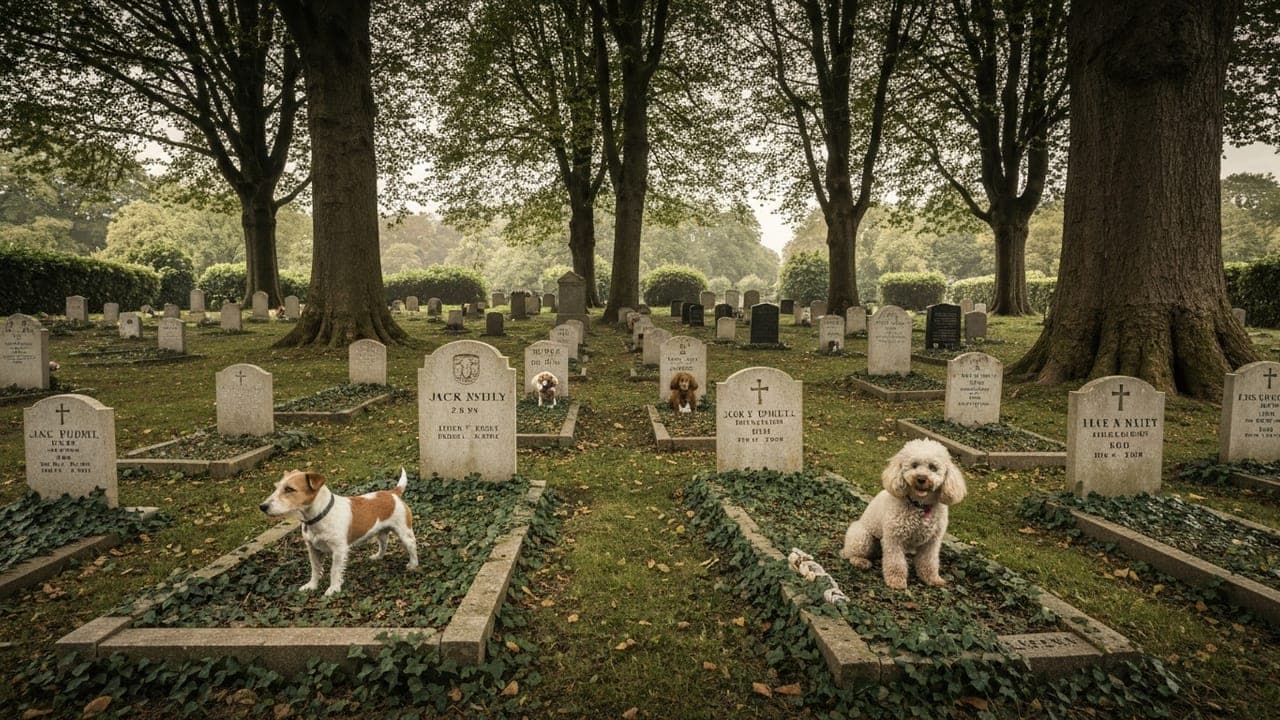
In 79 CE, as Vesuvius buried Pompeii, it also preserved a stone slab bearing a dog's epitaph: 'I am in tears, while carrying you to your last resting place.' The history of pet cemeteries reveals that human grief for animals is not modern sentiment — it is ancient truth.

The first recorded dog show, held in Newcastle upon Tyne in 1859, accepted only two breeds and was organized as an afterthought to a poultry exhibition. Within two decades, dog shows had become major social events that permanently altered what dogs looked like and what we expected from them.

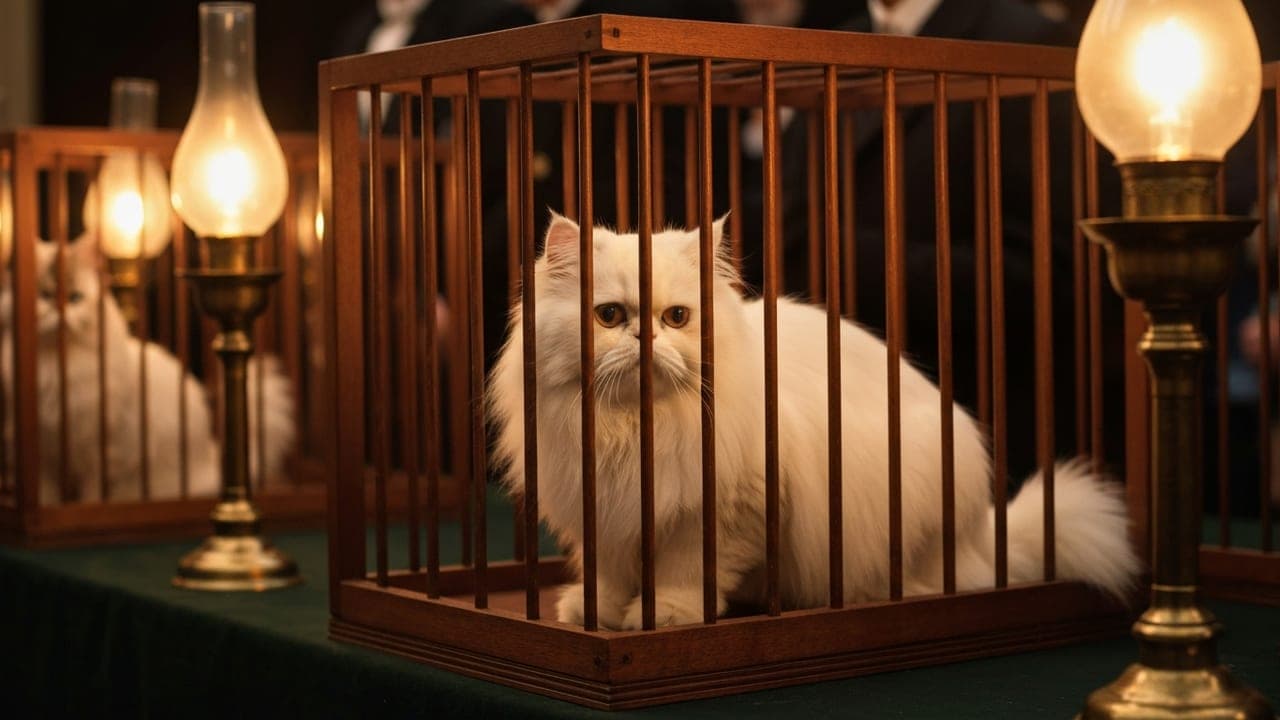
On July 13, 1871, 160 cats entered the Crystal Palace in London for the world's first cat show. The man who organized it, Harrison Weir, called himself the 'Father of the Cat Fancy.' What he actually created was a system that would permanently change what cats looked like — for better and sometimes for worse.

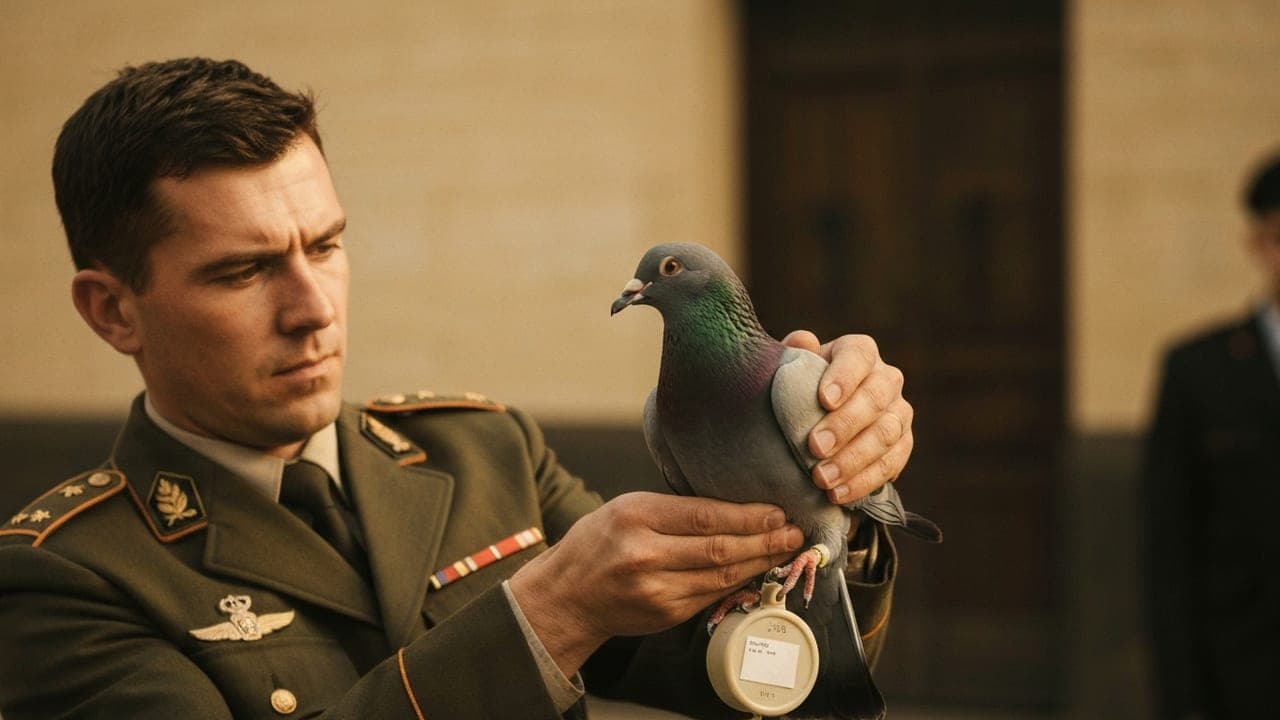
On October 4, 1918, a pigeon named Cher Ami arrived at Allied headquarters with a message capsule hanging from a shattered leg, her chest torn open by shrapnel. She had just saved nearly 200 American soldiers. This is the story of the pigeon — history's most unlikely hero.

From the muddy trenches of the Western Front to the jungles of the Pacific, dogs served alongside soldiers in roles that saved countless human lives — and earned their place in military history forever.

Before any human left Earth's atmosphere, animals went first — some as reluctant pioneers, some as celebrated heroes, and one small dog whose fate sparked a global conversation about scientific ethics that continues today.

The guide dog partnership began with blinded soldiers and a German doctor's compassion. A century later, it has given independence to hundreds of thousands of people worldwide — and redefined what it means for a human and a dog to trust each other completely.

Long before therapy dogs became a fixture of hospitals and schools, a Quaker reformer, a Viennese analyst, and an accidental discovery by a child psychiatrist all pointed to the same truth: the presence of an animal changes something fundamental in us.

The history of animal shelters is not a feel-good story. It is a story of slow moral progress, hard-fought policy battles, and the persistent belief of a small number of determined people that killing was not an acceptable solution to a problem humans had created.

Before 1860, dogs ate what humans discarded — scraps, raw bones, slaughterhouse offal. Then an American electrician in London changed everything. The story of commercial pet food is a story about industry, war, profit, and our evolving understanding of animal nutrition.

Veterinary medicine is 4,000 years old, but for most of that history it had nothing to do with dogs and cats. It was about protecting economic assets — cattle, horses, camels. The pivot to companion animal medicine is surprisingly recent, and it changed everything.

The aquarium was invented by a woman the history books mostly forgot, popularized by a man who coined the word, and elevated to an art form by a Japanese photographer who treated moss and driftwood the way a painter treats canvas. This is the story of glass, water, and living creatures in the home.

In 1930, a zoologist on an expedition near Aleppo found a female hamster with eleven pups in an underground burrow. He took them all. Those twelve animals are the ancestors of virtually every golden hamster in captivity today. The story of how a laboratory research animal became a classroom fixture is stranger than most people know.

George Washington bred dogs with Lafayette's gift hounds. A Newfoundland named Seaman walked 8,000 miles with Lewis and Clark. A Bull Terrier bit the French ambassador's pants. A Cocker Spaniel saved a vice presidential career. American history is full of dogs, and their stories tell us something the official record doesn't.

Dogs have lived beside humans for 14,000 years, yet most of the 400+ recognized breeds were invented between 1800 and 1930. The Kennel Club, the AKC, and a handful of obsessive aristocrats standardized canine diversity into something stranger, more beautiful, and sometimes more fragile than nature ever intended.

Egyptian dogs are among the most documented animals in the ancient world. From tomb paintings depicting leashed hunting hounds to mummified pets buried alongside royalty, the Nile civilization left a 3,000-year record of human-canine partnership that reveals just how deep our bond with dogs runs.

Every era has had its exotic pet craze. Egyptian pharaohs kept giraffes. Roman nobles stripped Africa of hippos for arena spectacles. Victorian aristocrats paid fortunes for parrots. And post-WWII America unleashed 300,000 Burmese pythons on the Florida Everglades. The history of exotic pets is also a history of ecological consequences.

Photography and pet portraiture arrived in the same decade. The very first cameras were pointed at animals almost immediately, and every photographic innovation since — from the action shot to the smartphone — has been partly driven by humans' desire to capture their animal companions. The pet photography industry is now worth $4.5 billion.

Cats arrived in Japan as cargo guards on Buddhist scripture ships around the 7th century CE. Within three centuries, they were sleeping on silk cushions in the Imperial Palace. Today Japan has cat islands, 2,500 cat cafés, and Hello Kitty — a $7 billion brand built on an animal that wasn't even native to the islands. The story of how this happened reveals as much about Japanese culture as it does about cats.
Discover the modern descendants of ancient companion animals with detailed breed profiles.
Modern care practices built on centuries of human-animal companionship knowledge.
Real stories of the bond between humans and animals — the same bond that began thousands of years ago.