Browse 287+ AKC-recognized breeds with temperament profiles, care requirements, health data, and cost estimates.
There are over 340 dog breeds recognized by the American Kennel Club (AKC), organized into 7 groups: Sporting, Hound, Working, Terrier, Toy, Herding, and Non-Sporting. Each group reflects the breed's original purpose — from retrieving game to herding livestock to companionship. Choosing the right breed means matching energy level, grooming needs, trainability, and size to your home and lifestyle. Family-friendly breeds like the Golden Retriever and Labrador Retriever top adoption lists for good reason — patient, trainable, and gentle. Apartment dwellers tend to do better with lower-energy breeds like the French Bulldog or Cavalier King Charles Spaniel. Use the filters below to narrow by breed group, size, and key traits.
Showing all 287 breeds

Friendly · 10–12 yrs

Confident · 9–13 yrs

Alert · 13–16 yrs

Outgoing · 12–14 yrs

Friendly · 12–15 yrs

Active · 12–15 yrs

Active · 10–18 yrs

Friendly · 8–10 yrs

Agile · 10–18 yrs

Active · 10–18 yrs

Loyal · 8–10 yrs

Fun-loving · 10–12 yrs

Friendly · 10–12 yrs

Clever · 12–16 yrs

Affectionate · 11–15 yrs

Playful · 10–12 yrs

Friendly · 10–12 yrs

Dignified · 10–14 yrs

Intelligent · 10–12 yrs

Good-natured · 7–10 yrs

Friendly · 7–10 yrs

Affectionate · 12–14 yrs

Energetic · 10–13 yrs

Affectionate · 10–14 yrs

Friendly · 12–15 yrs

Gentle · 10–14 yrs

Playful · 10–14 yrs

Friendly · 11–13 yrs

Sweet · 7–10 yrs

Also known as 'Shelties,' these small herding dogs resemble miniature Collies and are known for their intelligence and trainability · 12–15 yrs

Intelligent · 14–16 yrs

Patient · 10–12 yrs

Lively · 12–16 yrs

Bright · 12–14 yrs

Intelligent · 12–15 yrs

Friendly · 12–14 yrs

Smart · 12–15 yrs

Charming · 13–15 yrs

Gentle · 8–12 yrs

Courageous · 6–10 yrs

Gentle · 12–15 yrs

Friendly · 12–15 yrs

Gentle · 10–12 yrs

Assertive · 10–12 yrs

Charming · 14–16 yrs

Good-Natured · 12–13 yrs

Friendly · 10–13 yrs

Gentle · 12–15 yrs

Devoted · 12–14 yrs

Affectionate · 10–10 yrs

Confident · 14–16 yrs

Affectionate · 10–13 yrs

Gentle · 10–12 yrs

Affectionate · 11–13 yrs

Affectionate · 7–9 yrs

Energetic · 12–14 yrs

Friendly · 12–14 yrs

Friendly · 14–16 yrs

Alert · 12–16 yrs

Affectionate · 10–14 yrs

Friendly · 11–14 yrs

Affectionate · 12–15 yrs

Playful · 12–13 yrs

Affectionate · 14–16 yrs

Loyal · 8–12 yrs

Friendly · 12–15 yrs

Gentle · 10–12 yrs

Affectionate · 5–8 yrs

Affectionate · 12–15 yrs

Alert · 13–15 yrs

Fearless · 12–16 yrs

Confident · 12–15 yrs

Adaptable · 10–12 yrs

Playful · 14–15 yrs

Faithful · 8–11 yrs

Dignified · 8–12 yrs

Courageous · 6–8 yrs

Outgoing · 12–15 yrs

Loyal · 12–15 yrs

Affectionate · 13–18 yrs

Clever · 12–14 yrs

Charming · 15–19 yrs

Alert · 12–14 yrs

Affectionate · 12–14 yrs

Affectionate · 10–12 yrs

Confident · 12–16 yrs

Friendly · 12–18 yrs

Independent · 13–14 yrs

Affectionate · 12–15 yrs

Fearless · 13–16 yrs

Loyal · 11–13 yrs

Cheerful · 8–10 yrs

Affectionate · 12–14 yrs

Friendly · 9–9 yrs

Friendly · 12–15 yrs

Affectionate · 15–16 yrs

Friendly · 12–15 yrs

Loyal · 12–15 yrs

Affectionate · 15–17 yrs

Friendly · 10–15 yrs

Confident · 12–15 yrs

Loyal · 7–9 yrs

Affectionate · 9–14 yrs

Charming · 10–12 yrs

Confident · 12–14 yrs

Courageous · 12–14 yrs

Friendly · 12–15 yrs

Affectionate · 12–15 yrs

Sociable · 10–12 yrs

Upbeat · 11–13 yrs

Friendly · 13–15 yrs

Friendly · 13–15 yrs

Dignified · 12–15 yrs

Loyal · 12–17 yrs

Affectionate · 12–13 yrs

Bold · 13–15 yrs

Friendly · 13–15 yrs

Intelligent · 10–12 yrs

Playful · 12–15 yrs

Gentle · 10–17 yrs

Confident · 9–11 yrs

Playful · 13–15 yrs

Friendly · 12–15 yrs

Gentle · 10–12 yrs

Bright · 12–14 yrs

Fearless · 12–16 yrs

Smart · 12–14 yrs

Happy · 12–15 yrs

Smart · 12–15 yrs

Smart · 11–12 yrs

Independent · 10–12 yrs

Confident · 12–12 yrs

Spirited · 15–17 yrs

Agile · 15–17 yrs

Courageous · 12–14 yrs

Gentle · 10–12 yrs

Energetic · 14–16 yrs

Smart · 12–13 yrs

Easy-Going · 10–12 yrs

Affectionate · 11–15 yrs

Loyal · 13–18 yrs

Loyal · 11–16 yrs

Even-Tempered · 12–15 yrs

Mellow · 10–12 yrs

Loyal · 12–13 yrs

Courageous · 11–15 yrs

Friendly · 12–15 yrs

Confident · 12–15 yrs

Sweet · 12–13 yrs

Friendly · 12–15 yrs

Energetic · 12–13 yrs

Family-Oriented · 11–14 yrs

Playful but also Work-Oriented. Very Active and Upbeat. · 12–14 yrs

Playful · 12–15 yrs

Friendly · 12–14 yrs

Alert · 12–14 yrs

Loyal · 11–13 yrs

Gentle · 8–11 yrs

Playful · 12–13 yrs

Loyal · 10–15 yrs

Friendly · 12–15 yrs

Confident · 10–12 yrs

Loyal · 10–12 yrs

Alert · 12–14 yrs

Confident · 12–15 yrs

Eager · 10–14 yrs

Gentle · 12–14 yrs

Affectionate · 15–15 yrs

Friendly · 12–15 yrs

Confident · 12–14 yrs

Loyal · 12–14 yrs

Friendly · 12–14 yrs

Loyal · 10–12 yrs

Gentle · 10–15 yrs

Sweet · 11–12 yrs

Independent · 12–15 yrs

Independent · 13–15 yrs

Courageous · 12–14 yrs

Confident · 12–15 yrs

Friendly · 13–15 yrs

Affectionate · 12–15 yrs

Even-Tempered · 10–13 yrs

Affectionate · 12–14 yrs

Friendly · 13–15 yrs

Clever · 12–15 yrs

Independent · 11–13 yrs

Independent · 13–15 yrs

Affectionate · 10–13 yrs

Friendly · 12–15 yrs

Smart · 12–15 yrs

Loyal · 12–15 yrs

Reserved · 10–15 yrs

· 12–14 yrs

Affectionate · 10–12 yrs

Friendly · 12–16 yrs

Playful · 12–14 yrs

· 12–15 yrs

Independent · 12–14 yrs

Loyal · 12–14 yrs

· 12–15 yrs

Friendly · 12–14 yrs

Affectionate · 10–12 yrs

Courageous · 11–13 yrs

Devoted · 13–15 yrs

Friendly · 12–14 yrs

Friendly · 12–15 yrs

Confident · 12–16 yrs

Gentle · 8–10 yrs

Intelligent · 12–13 yrs

Loyal · 10–14 yrs

Friendly · 11–13 yrs

Affectionate · 10–16 yrs

Loyal · 13–14 yrs

Courageous · 10–14 yrs

Loyal · 15–15 yrs

Loyal · 11–14 yrs

Friendly · 12–14 yrs

Alert · 14–14 yrs

Fearless · 14–17 yrs

Confident · 9–11 yrs

Intelligent · 11–14 yrs

Alert · 10–14 yrs

Friendly · 10–14 yrs

Energetic · 10–12 yrs

Loyal · 10–14 yrs

Independent · 12–13 yrs

Affectionate · 10–12 yrs

Independent · 12–15 yrs

Loyal · 13–13 yrs

Playful · 12–16 yrs

Friendly · 12–15 yrs

· 12–15 yrs

Loyal · 9–13 yrs

Energetic · 13–16 yrs

Loyal · 12–13 yrs

Friendly · 12–14 yrs

Loyal · 10–12 yrs

Affectionate · 10–12 yrs

Loyal · 10–13 yrs

Friendly · 10–12 yrs

Smart · 12–12 yrs

· 12–15 yrs

· 12–15 yrs

Agile · 12–15 yrs

Intelligent · 10–13 yrs

Alert · 12–15 yrs

Intelligent · 16–16 yrs

Affectionate · 10–14 yrs

Friendly · 8–10 yrs

· 12–15 yrs

Loyal · 12–15 yrs

Loyal · 12–14 yrs

Fearless · 10–12 yrs

Loyal · 10–15 yrs

Alert · 10–14 yrs

Versatile · 12–14 yrs

Energetic · 11–13 yrs

Dignified · 12–15 yrs

Loyal · 12–14 yrs

Loyal · 11–13 yrs

Intelligent · 13–15 yrs

Gentle · 10–12 yrs

Affectionate · 12–15 yrs

Agile · 14–17 yrs

Loyal · 12–14 yrs

Courageous · 10–12 yrs

· 15–20 yrs

Loyal · 12–15 yrs

Faithful · 11–13 yrs

Affectionate · 12–14 yrs

Affectionate · 14–14 yrs

Friendly · 14–14 yrs

Gentle · 10–13 yrs

Confident · 12–14 yrs

Loyal · 12–14 yrs

Courageous · 12–13 yrs

Independent · 10–12 yrs

Intelligent · 12–14 yrs

Intelligent · 13–15 yrs

Playful · 12–14 yrs

Playful · 14–16 yrs

Fearless · 10–12 yrs

Alert · 12–15 yrs

Sociable · 12–15 yrs

· 12–14 yrs

Loyal · 12–15 yrs

Friendly · 9–15 yrs
Every one of our 287 dog breed profiles, listed alphabetically. Browse the full database or jump to a letter.
The right breed for your neighbor may be completely wrong for you. Four factors determine fit more than any others.
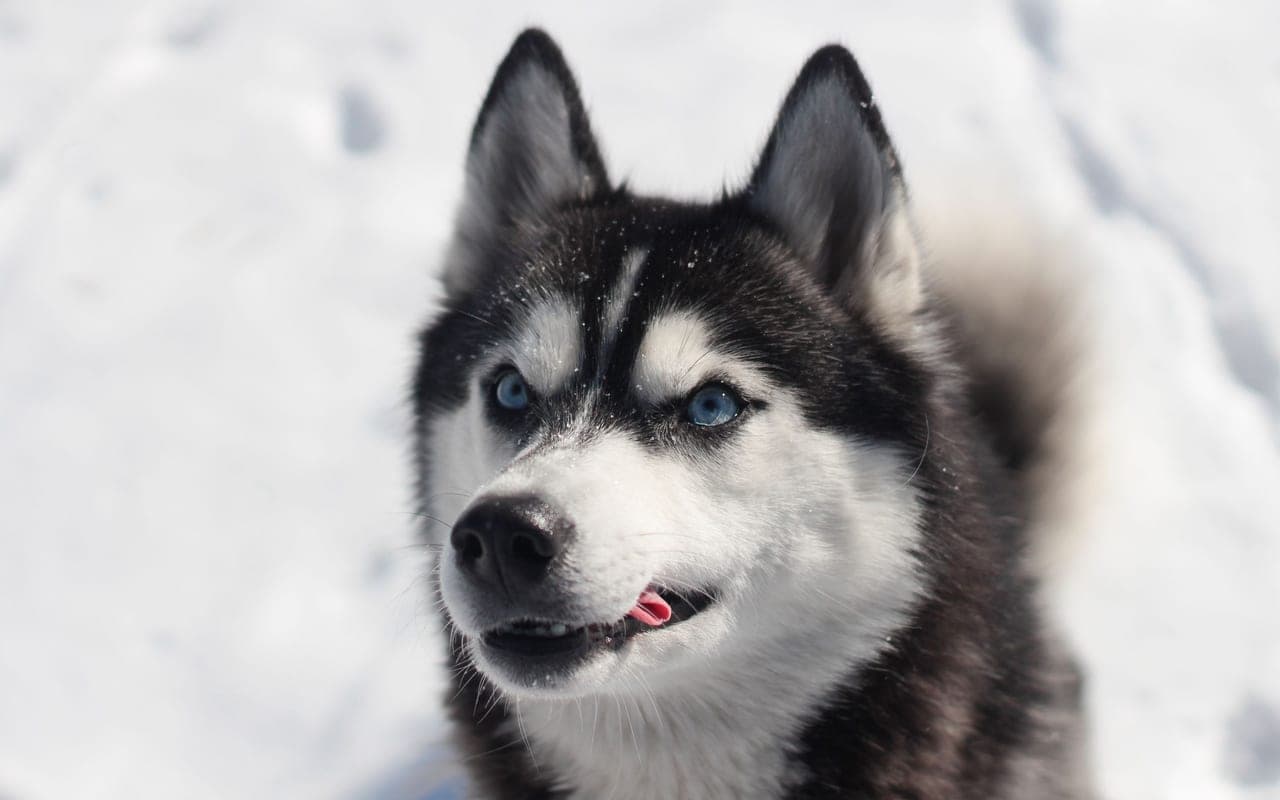
High-energy breeds — Border Collies, Australian Shepherds, Siberian Huskies — need 1–2+ hours of vigorous exercise daily. Under-exercised, they develop destructive behaviors. If you walk 30 minutes a day, choose a low-energy breed like a Basset Hound, Shih Tzu, or French Bulldog. Energy level is the single biggest predictor of owner satisfaction.
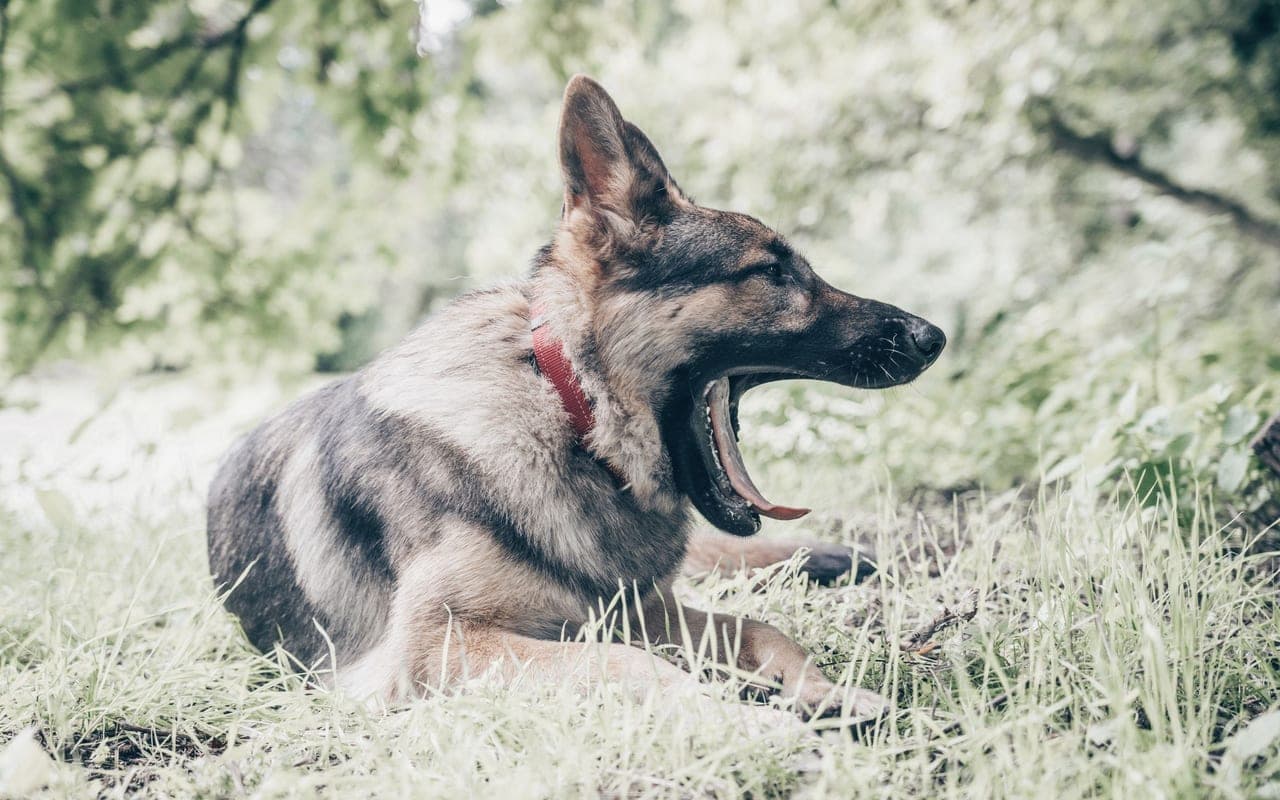
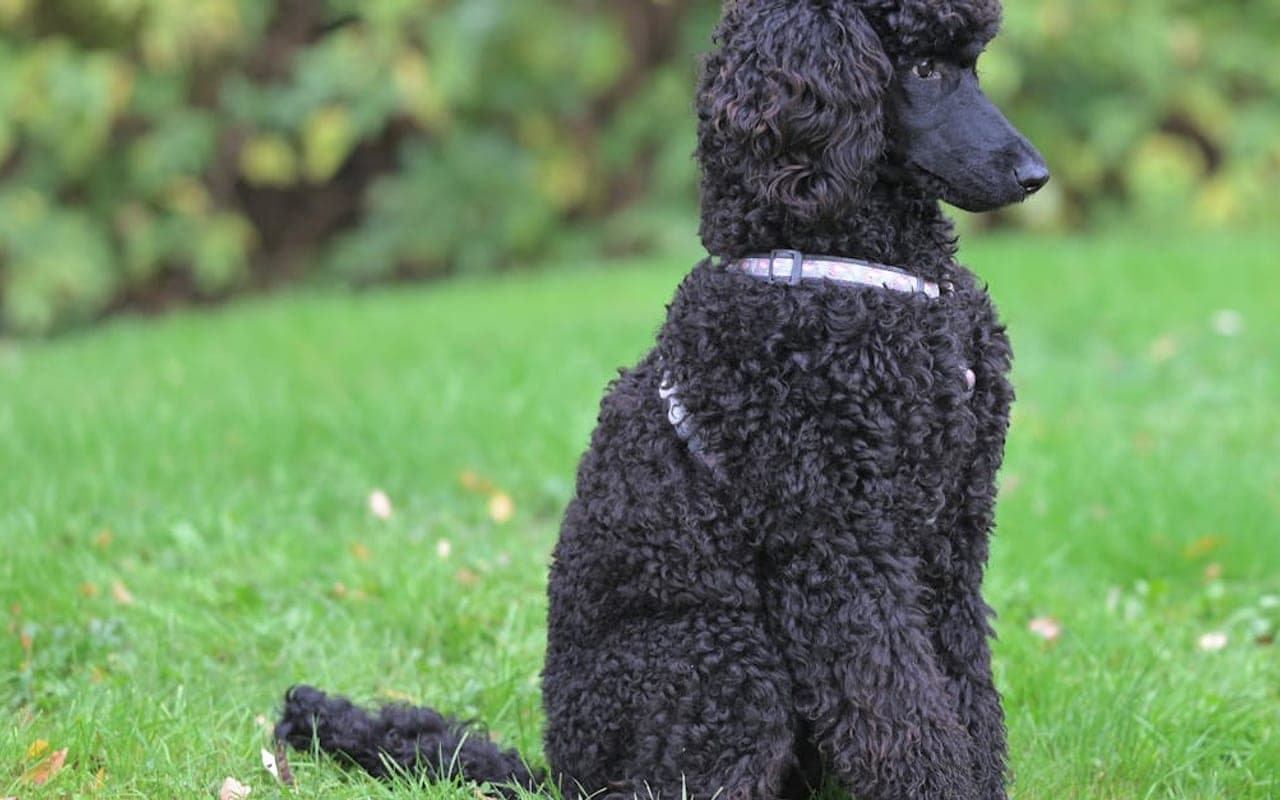
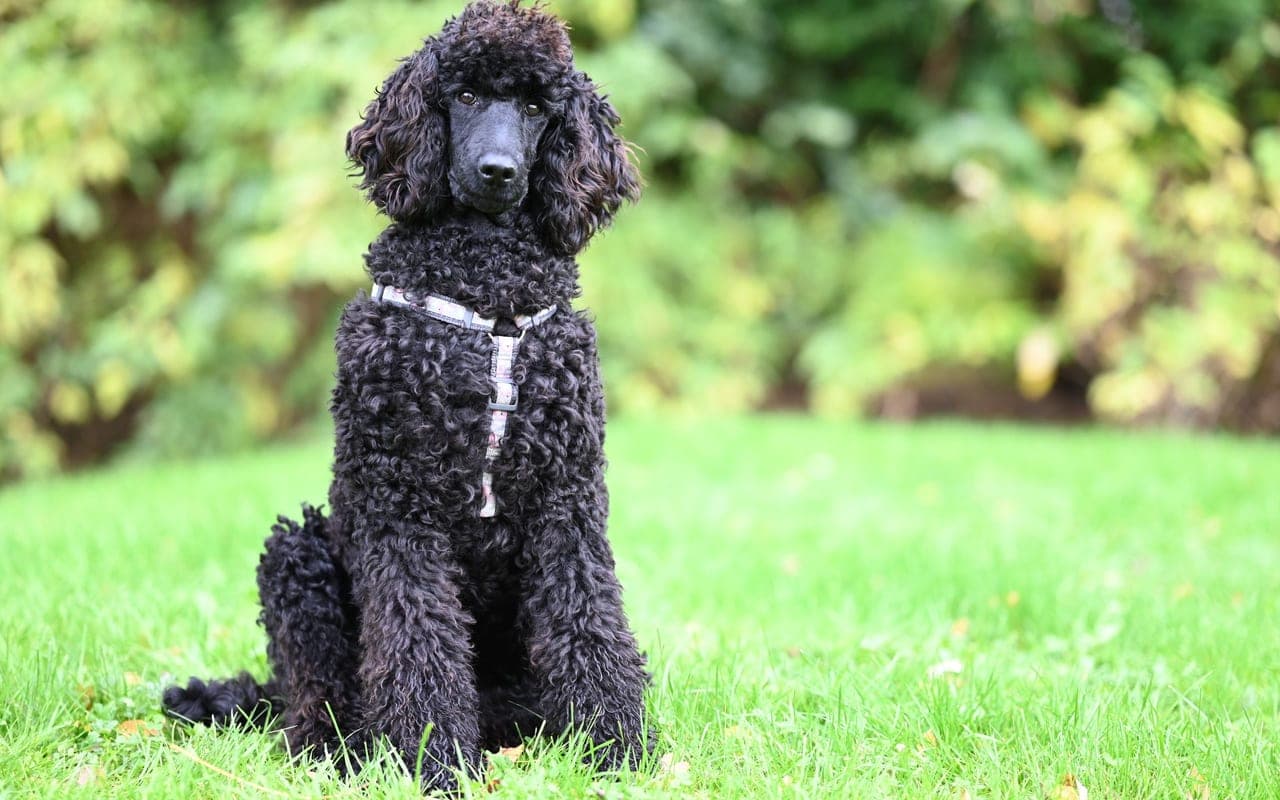
Long-coated breeds like the Afghan Hound, Maltese, or Poodle require professional grooming every 6–8 weeks ($50–$150 per session). Double-coated breeds like the German Shepherd and Golden Retriever shed heavily twice a year. Short single-coated breeds like the Beagle or Boxer are the lowest maintenance. Budget $50–$800/year for grooming depending on coat type.
Every breed has predispositions. Brachycephalic breeds (French Bulldog, Pug, Boston Terrier) are prone to breathing difficulties and surgical costs of $1,500–$5,000. German Shepherds and Golden Retrievers carry higher hip dysplasia risk. Cavalier King Charles Spaniels frequently develop mitral valve disease. Knowing these risks upfront helps you budget for pet insurance and preventive care.
Apartment living favors calm, quiet, low-shedding breeds. Houses with yards work for nearly any breed but are required for high-energy working dogs. Some breeds — particularly Livestock Guardian Dogs like the Great Pyrenees or Anatolian Shepherd — are unsuitable for urban environments entirely. Check local breed restrictions if you rent, as many landlords restrict specific breeds by name.
Dog breeds are organized into groups based on their original purpose and characteristics.
Feisty, independent dogs originally bred to hunt vermin. Full of personality and tenacity — best for owners who appreciate a dog with opinions.
Active retrievers, spaniels, and pointers bred to work alongside hunters. High energy, friendly, and trainable — great for active families.
Sight and scent hunters built for endurance. Hounds range from couch-loving Basset Hounds to relentlessly active Greyhounds.
Large, powerful breeds trained for guarding, pulling, or rescue. Loyal and capable, but require experienced owners and firm boundaries.
Intelligent working dogs bred to control livestock. Exceptionally smart and obedient, but need mental stimulation and daily exercise.
Small companion breeds that thrive on human affection. Ideal for apartment living, though many have surprisingly spirited personalities.
Go beyond breed browsing — compare breeds side-by-side, estimate costs, explore care guides, or identify a breed from a photo.
Golden Retrievers, Labrador Retrievers, and Beagles consistently top family-friendly breed rankings. These breeds combine patience, gentle temperament, and sturdy build to handle the unpredictable movements of young children. Cavalier King Charles Spaniels and Boxers are also excellent choices for families. The most important factor is early socialization — any breed raised well with children from puppyhood adapts better than an adult dog introduced later.
French Bulldogs, Cavalier King Charles Spaniels, Pugs, and Shih Tzus are well-suited to apartment life. Size alone does not determine apartment suitability — energy level matters more. A calm Great Dane can thrive in an apartment, while a high-energy Border Collie will struggle even in a large house without daily off-leash exercise. Look for breeds with low-to-moderate exercise needs and low tendency to bark.
According to the AKC's most recent registration data, the French Bulldog has been the most registered breed in the US for consecutive years, followed by the Labrador Retriever, Golden Retriever, German Shepherd, and Poodle. Popularity reflects a combination of family suitability, trainability, and size — all five top breeds are known for adaptability across different household types.
Purebred dogs offer predictable size, temperament, and health tendencies — useful when you know exactly what traits you need. Mixed breeds often benefit from hybrid vigor and have lower incidence of breed-specific genetic conditions. The most important consideration is matching energy level and grooming needs to your lifestyle, not the pedigree status. Both purebreds and mixed breeds available through rescues or shelters are equally capable of being wonderful companions.
Border Collies, Poodles, and Golden Retrievers are consistently ranked as the most trainable dog breeds, driven by high intelligence, eagerness to please, and food motivation. Labrador Retrievers and German Shepherds also train quickly. Ease of training depends on the individual dog's drive and the handler's consistency more than breed alone. Dogs bred for independent work — hounds, terriers, huskies — can be highly intelligent but less inclined to follow commands on cue.
The average cost to own a dog in the United States ranges from $1,500 to $9,900 per year depending on breed size and health needs. The primary expenses are food ($300–$900/year), veterinary care ($200–$2,500/year), grooming ($50–$800/year for professional grooming), and pet insurance ($360–$840/year). Large breeds with higher food consumption and breeds prone to genetic health conditions — like French Bulldogs or Dachshunds — trend toward the higher end of this range.
More of a cat person?
Explore Cat Breeds