
Hound group
Afghan Hound
The Afghan Hound is a sighthound first and a glamour breed second, and almost every mismatch between owner and dog comes from getting that order backwards.
Size
51-60 lb
Lifespan
12-15 years
Exercise
30-60 minutes
Shedding
Moderate
Experience
Match to owner routine
Decision first
Is a Afghan Hound right for you?
Start with fit before history or trivia. These are ownership signals, not guarantees about any individual dog.
Best suited for
- Households with children.
- Homes with other compatible pets.
- Apartment homes with a consistent routine.
- Owners seeking a manageable daily exercise routine.
Think carefully if
- You need a dog with almost no daily routine.
- You cannot keep up with grooming and preventive care.
- The dog will spend most days alone without support.
Conditional fit
Apartment fit depends on exercise, enrichment, noise management, and outdoor access.
Daily reality
Afghan Hound commitment snapshot
Daily exercise
30-60 minutes
Match activity to age, health, weather, and training goals.
Coat care
Moderate
Grooming needs vary by coat, shedding, and lifestyle.
Time alone
Needs planning
Most dogs need gradual alone-time conditioning and support.
Structured facts
Afghan Hound at a glance
The measurements and traits that most affect day-to-day life with this breed.
Group
Hound
Weight
51-60 lb
Height
25-29 in
Lifespan
12-15 years
Temperament
Dignified | Profoundly Loyal | Aristocratic
View all characteristics and methodology
Lifestyle fit
- Apartment suitability
- Likely fit
- Child friendliness
- Often good, with socialisation and supervision
- Other-pet fit
- Often compatible with careful introductions
Owner commitment
- Exercise
- 30-60 minutes
- Grooming
- Moderate
- Shedding
- Moderate
- Training
- Moderate
Environment and health
- Health risk
- Needs planning
Ratings combine structured breed data, visible breed fields, and editorial context. They are planning aids, not predictions for an individual dog.
Daily life
Afghan Hound temperament and behavior
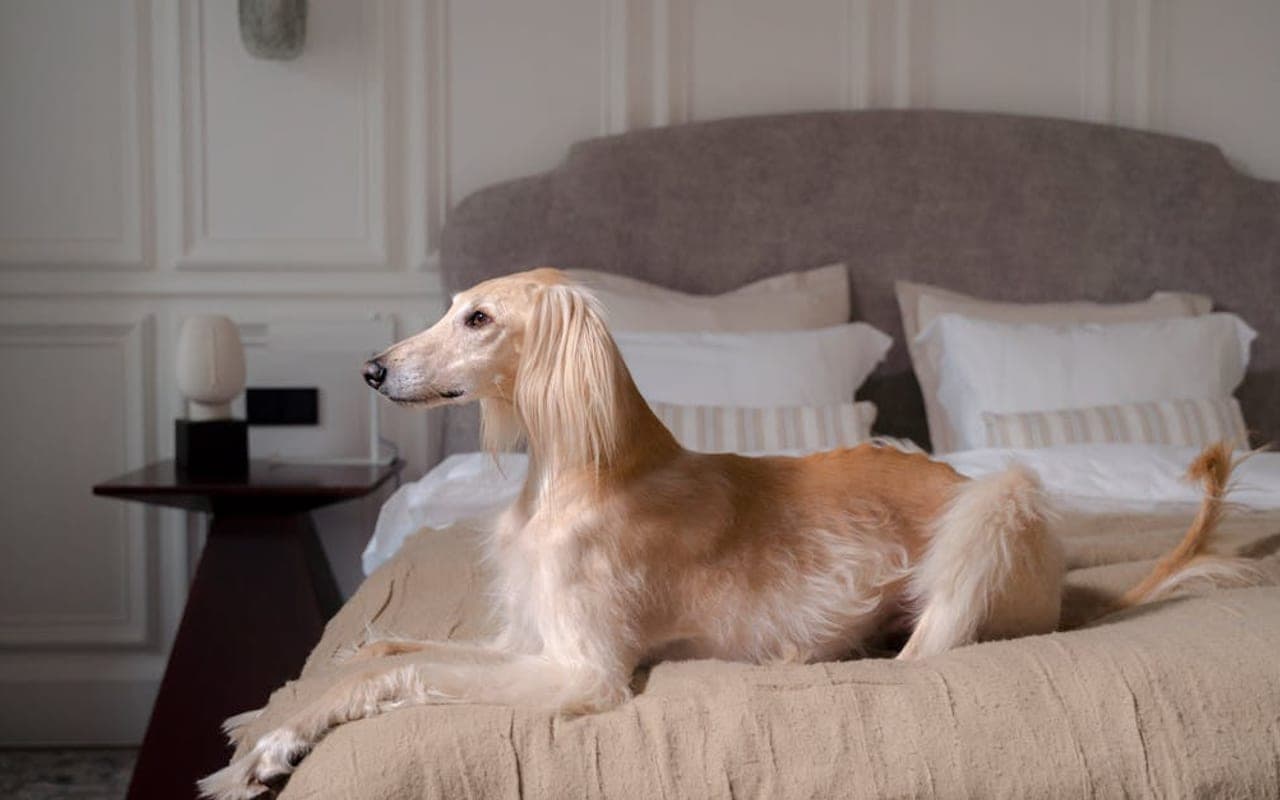
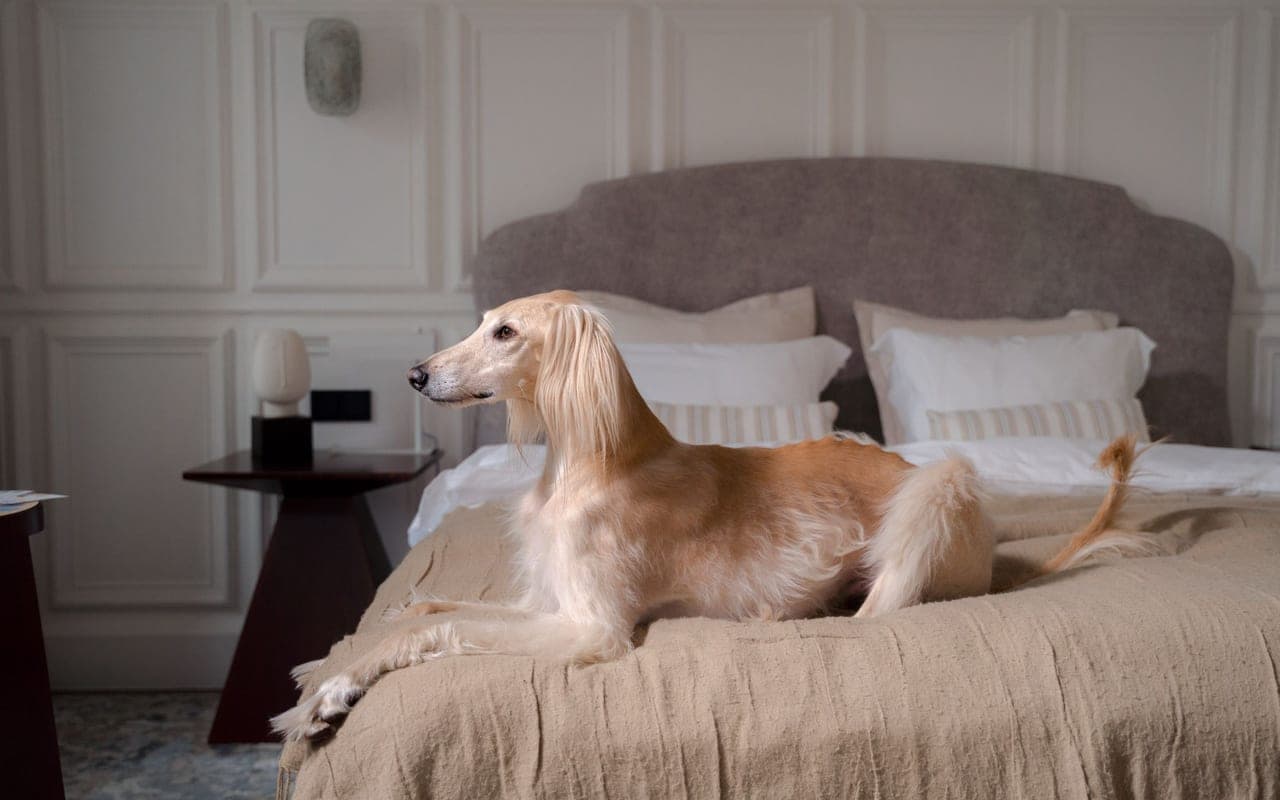
The Afghan Hound is a sighthound first and a glamour breed second, and almost every mismatch between owner and dog comes from getting that order backwards. People are drawn to the flowing silk coat and the aristocratic profile and assume the temperament matches the elegance. It does not. Underneath the coat is an ancient, independent coursing hound bred to hunt large game across the mountains of Afghanistan with little human direction — a dog wired to spot movement at distance, give chase at up to 40 mph, and make its own decisions. That hardware is intact in the modern show dog. Physically the Afghan is a large hound, standing 25-27 inches and weighing roughly 50-60 pounds, built for speed and endurance with prominent hipbones, a ring tail, and the breed's signature long, fine, silky coat that historically protected it from cold mountain climates. The face and 'saddle' along the back are typically short-haired; the rest is long and demanding to maintain. Temperament is aloof, dignified, sensitive, and famously independent. Afghans bond deeply with their own people but are reserved with strangers, do not live to please the way a retriever does, and have a well-earned reputation for selective hearing. They are not stupid — they are a different kind of intelligent: problem-solving, self-directed, and unimpressed by repetition. Who the Afghan Hound is right for: an experienced, patient owner who wants a quiet, clean, dignified companion, has a securely fenced large space, will never trust off-leash recall near an open boundary, and genuinely enjoys (or will pay for) high-maintenance grooming. Who it is wrong for: first-time owners, obedience-competition hopefuls, anyone expecting an eager-to-please dog, and homes without secure fencing. The chase instinct does not negotiate with a road.
Dignified | Profoundly Loyal | Aristocratic
Dignified
A common Afghan Hound temperament descriptor that should be interpreted alongside training, exercise, and household fit.
Profoundly Loyal
A common Afghan Hound temperament descriptor that should be interpreted alongside training, exercise, and household fit.
Aristocratic
A common Afghan Hound temperament descriptor that should be interpreted alongside training, exercise, and household fit.
Owner note
Temperament labels are starting points, not guarantees. Meet the individual dog and ask about behavior history whenever possible.
Care essentials
How to care for a Afghan Hound
What looking after one actually involves: exercise, grooming, food, training, and routine health.
ExerciseAs needed
- Moderately active breed needing 30-60 minutes of daily exercise through walks, play, and mental stimulation.
GroomingAs needed
- Regular grooming needed — brush 2-3 times per week and bathe monthly.
TrainingAs needed
- Moderately trainable — consistent, patient training with positive methods works best.
NutritionAs needed
- Feed a high-quality dog food appropriate for their age, size, and activity level. Monitor portions to prevent obesity.
Veterinary CareAs needed
- Annual wellness exams, core vaccinations, dental care, and parasite prevention. Breed-specific health screenings as recommended by your vet.
Health planning
Afghan Hound health risks and screening
Every breed has individual health variation. Use this profile for planning and discuss medical decisions with a veterinarian.
Responsible ownership
Finding a Afghan Hound responsibly
What to ask a breeder or rescue is the same conversation for every breed, so we keep it in one place and keep it current.
Health documentation, meeting the parents or foster, contracts and return support, and the warning signs worth walking away from.
Original purpose
Afghan Hound history
History is useful when it explains today's behavior, coat, exercise needs, and training style.
Read the breed history
The Afghan Hound is one of the oldest dog types still in existence, developed over centuries in the mountains and deserts of Afghanistan and surrounding regions as a coursing sighthound used to hunt large and fast game such as gazelle, hare, and even leopard, often working alongside falconers. The long, silky coat was functional, insulating the dog against the bitter cold of high-altitude terrain, and the large, prominent paw pads acted as natural shock absorbers on harsh ground. Isolated by geography, distinct regional strains developed before the breed reached the West. British soldiers brought Afghan Hounds to the United Kingdom in the early 20th century, and a kennel established in Scotland around the 1920s became foundational to the modern breed. The AKC recognized the Afghan Hound in 1926. Despite its show-ring fame and brief mid-century fashion status, the breed's hunting wiring — independence, prey drive, and indifference to obedience — was never bred out.
Gallery
Afghan Hound photos
Images are cropped consistently and loaded progressively to keep the page responsive.
Lower-page context
Afghan Hounds in culture
Where the breed shows up in film, sport, work and folklore — the enjoyable part, once the practical questions are answered.
Fun facts
- The Afghan Hound belongs to the Hound Group.
- With proper care, Afghan Hound dogs can live up to 15 years or more.
- Afghan Hound dogs are valued for their dignified, profoundly loyal, aristocratic nature.
Afghan Hound FAQs
How long do Afghan Hounds live?
A healthy Afghan Hound generally lives 12-15 years, which is good longevity for a large breed. Lifespan is most affected by the deep-chested breed's bloat risk and by inherited issues like hip dysplasia and hypothyroidism. Buying from health-tested lines (hips, eyes, thyroid per the breed's CHIC program), keeping the dog at a lean weight, and knowing the emergency signs of bloat are the practical levers that move the average toward the top of that range rather than the bottom.
Are Afghan Hounds good with children?
They can be, with the right children and realistic expectations. Afghans are gentle but aloof and sensitive — they tolerate respectful older children well but are not a rough-and-tumble family playmate and do not appreciate grabbing, chasing, or coat-pulling from toddlers. They also need their own space and quiet. With calm, school-age children who have been taught to respect the dog's independence, an Afghan can be a good family companion; in a chaotic young-toddler household it is usually a poor fit.
Can Afghan Hounds be let off leash?
Only inside a tall, securely fenced area — never in open or unfenced spaces. The Afghan is a coursing sighthound bred to chase moving game at speed and make independent decisions, so when prey drive engages, recall training fails. A squirrel, cat, or jogger across a road can trigger a 40-mph chase with no functional brakes. This is not a training failure you can fix; it is the breed working as designed. Plan your life around secure containment, not reliable recall.
How much grooming does an Afghan Hound need?
A lot — it is the breed's single biggest ongoing commitment. The long, fine, silky coat mats quickly, especially at the ears, legs, and friction points, and requires thorough line-brushing 3-4 times a week plus frequent baths because a dirty coat tangles faster. Owners who keep a full show coat often spend several hours a week or pay a groomer every 4-6 weeks. Keeping the coat in a shorter pet clip is a legitimate way to reduce the workload dramatically without harming the dog.
Are Afghan Hounds easy to train?
Not in the conventional obedience sense. Afghans are intelligent but independent and self-directed, bred to work away from human control, so they do not have the eager-to-please drive of a retriever and are famous for selective hearing. They learn, but slowly, on their own terms, and they shut down under harsh or repetitive methods. Success comes from patient, positive, short sessions and from accepting that an Afghan will never be a precision obedience dog — that mismatch in expectations is the most common owner frustration.
Do Afghan Hounds need a lot of exercise?
Yes, but a specific kind. As a coursing hound the Afghan needs the chance to genuinely run, not just walk — roughly an hour a day including a gallop in a securely fenced space. They are sprinters that explode into bursts of high speed and then rest, so leash walks alone leave them under-exercised and restless. A safe enclosed area to run, or organized lure coursing, satisfies the breed far better than distance walking and channels the chase instinct constructively.
Sources
These are the published sources this page draws on. Each opens in a new tab so you can check it yourself.
American Kennel Club
Afghan Hound — breed standard and profile(opens in a new tab)Supports: Breed standard and recognition details.
Similar breeds to consider
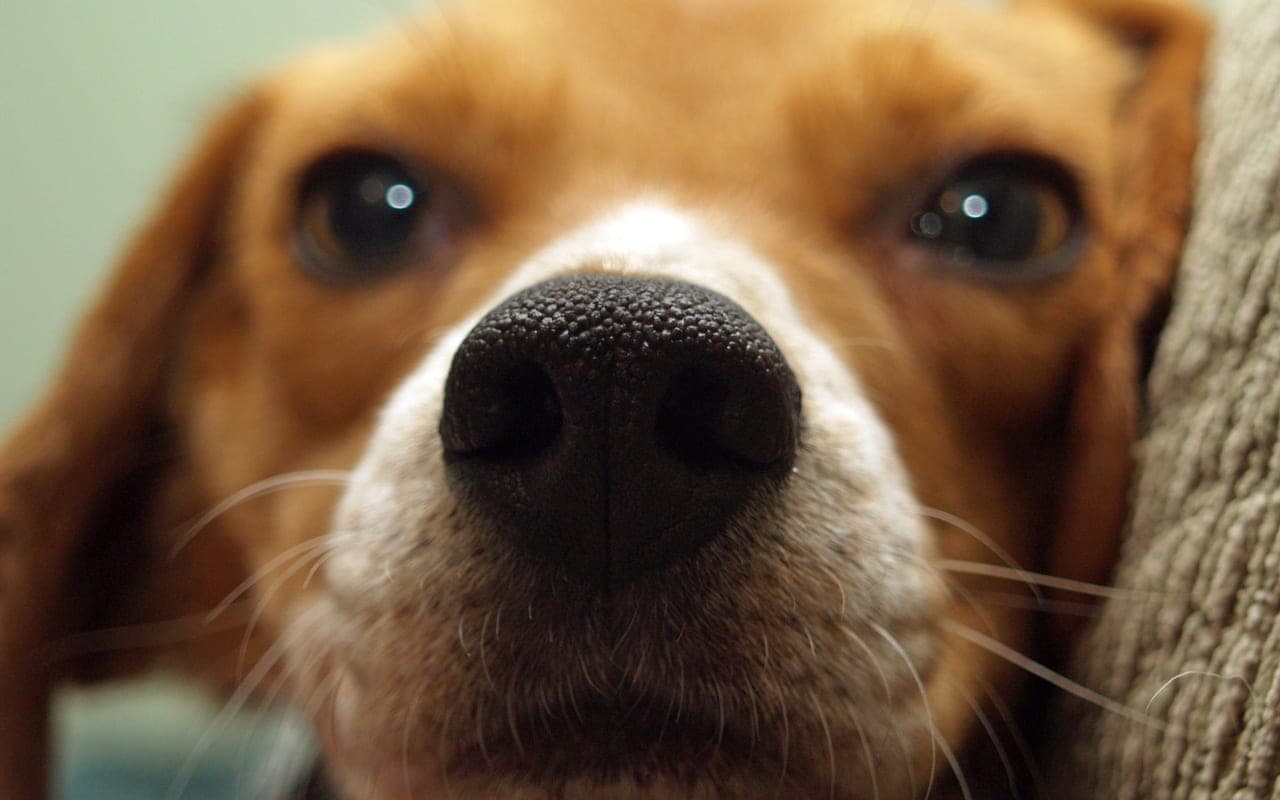
Beagle
Also in the Hound group, with different care and temperament tradeoffs.
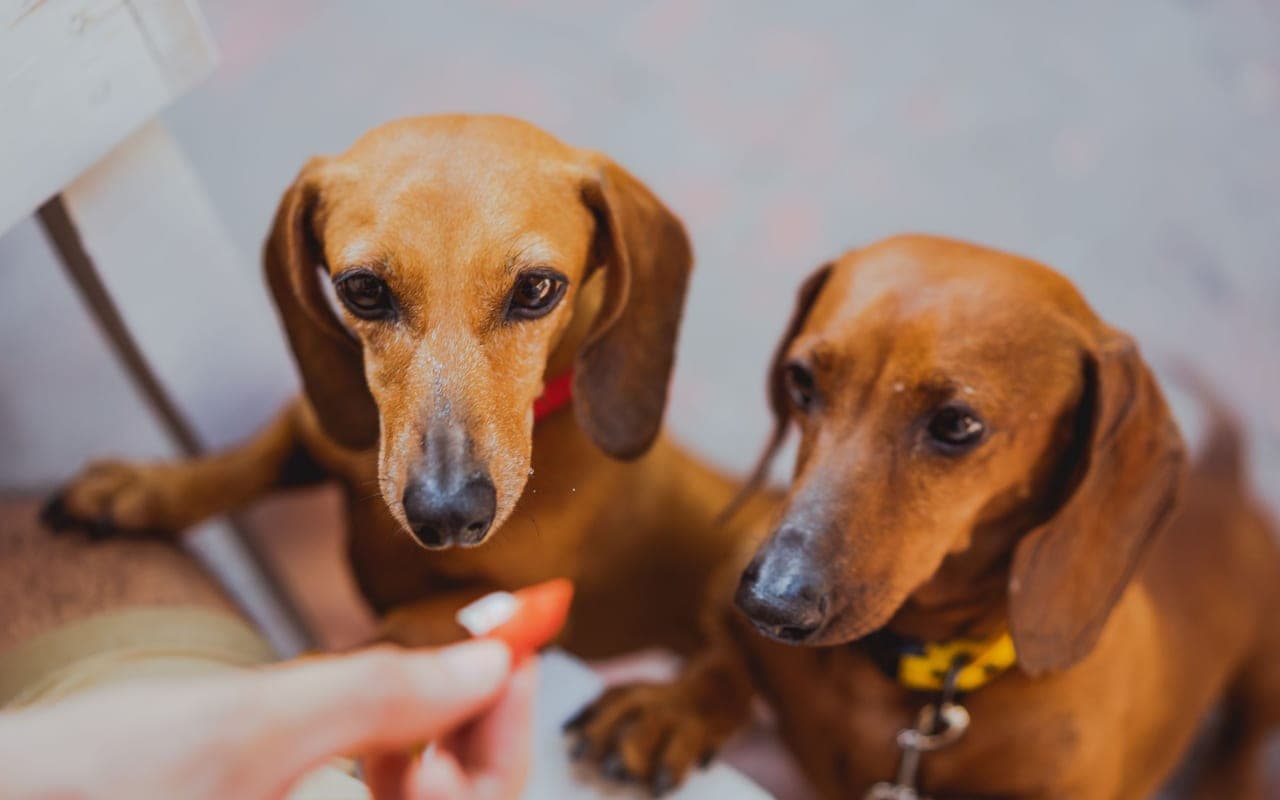
Dachshund
Also in the Hound group, with different care and temperament tradeoffs.
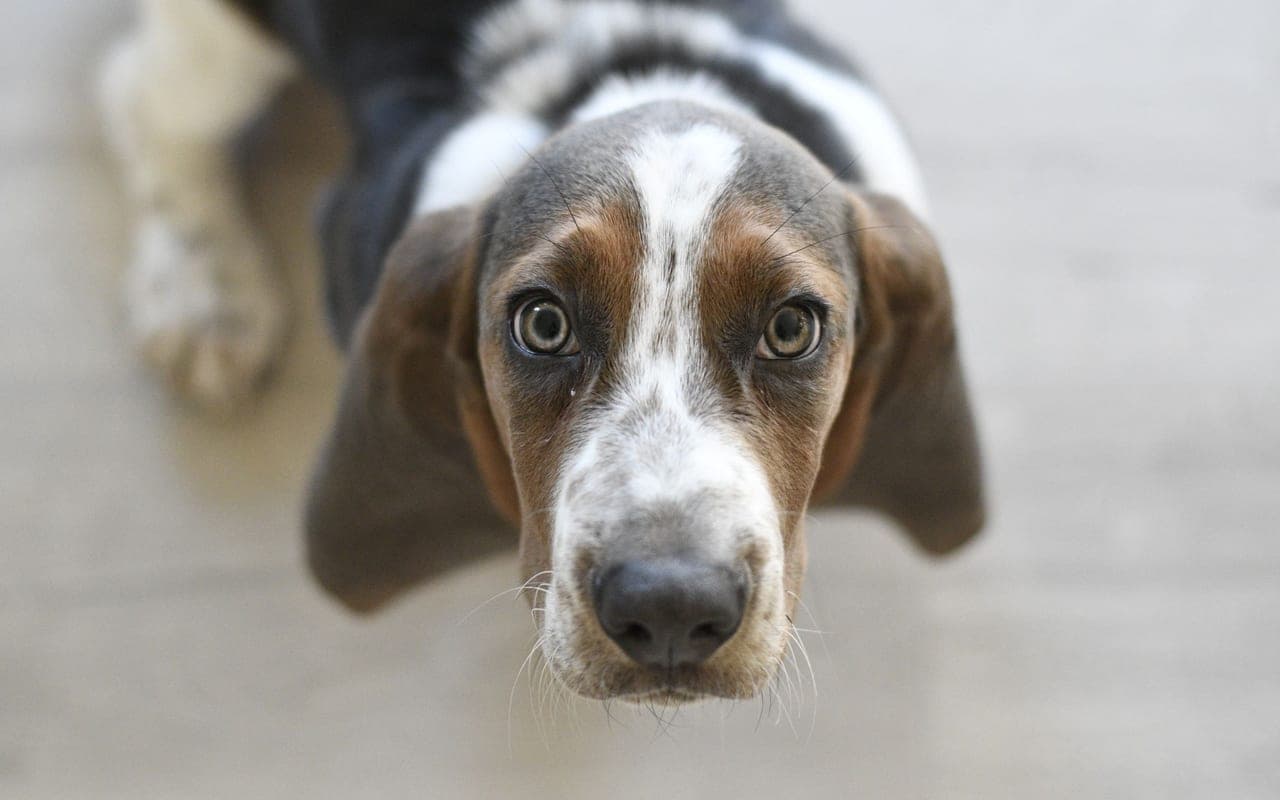
Basset Hound
Also in the Hound group, with different care and temperament tradeoffs.
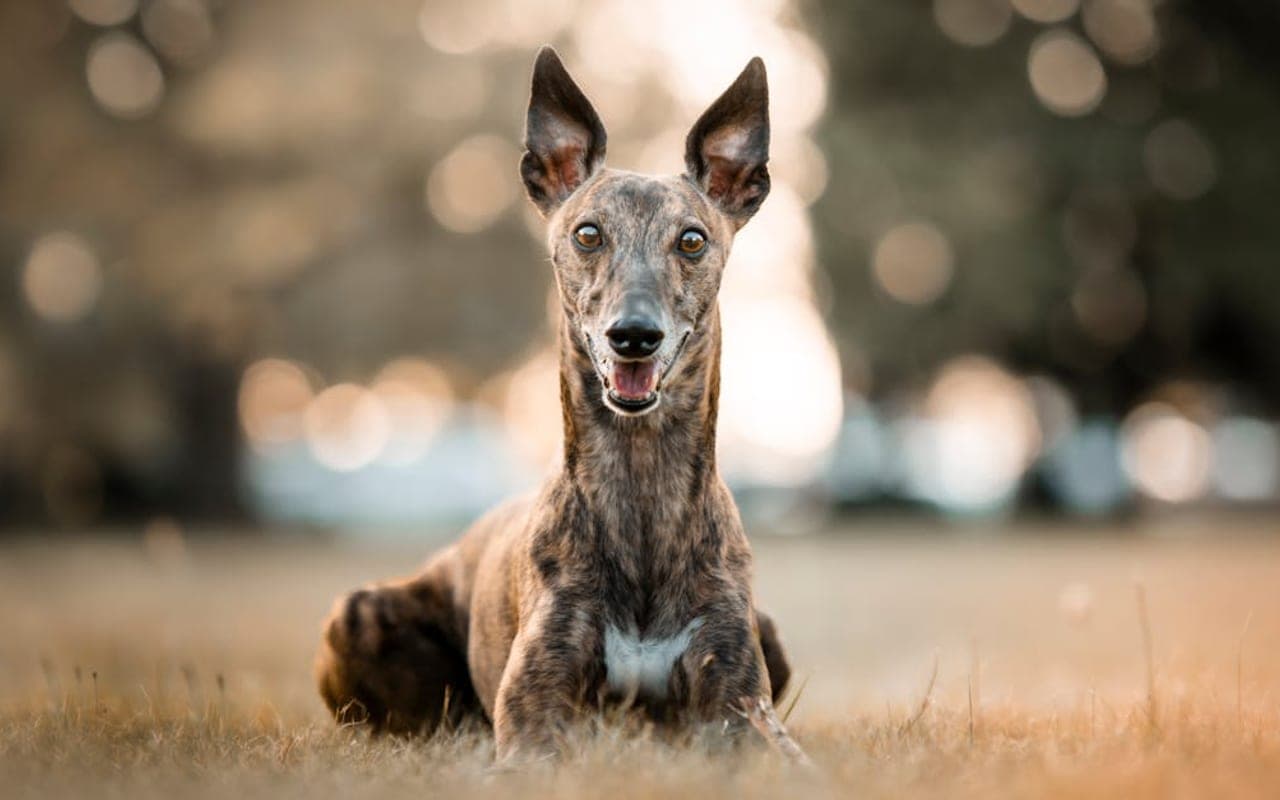
Greyhound
Also in the Hound group, with different care and temperament tradeoffs.
Explore More About Afghan Hound
Dive deeper into everything Afghan Hound — costs, care, and expert insights.
Large Dog Care Guide: Everything Over 50 lbs
Owning a large or giant breed dog means accepting one of biology's...
Puppy Teething & Biting: Timeline and What Actually Works
A puppy has all 28 deciduous ("baby") teeth by roughly eight weeks of age, and...
Considering a cat instead?
Browse Cats