
Herding group
German Shepherd
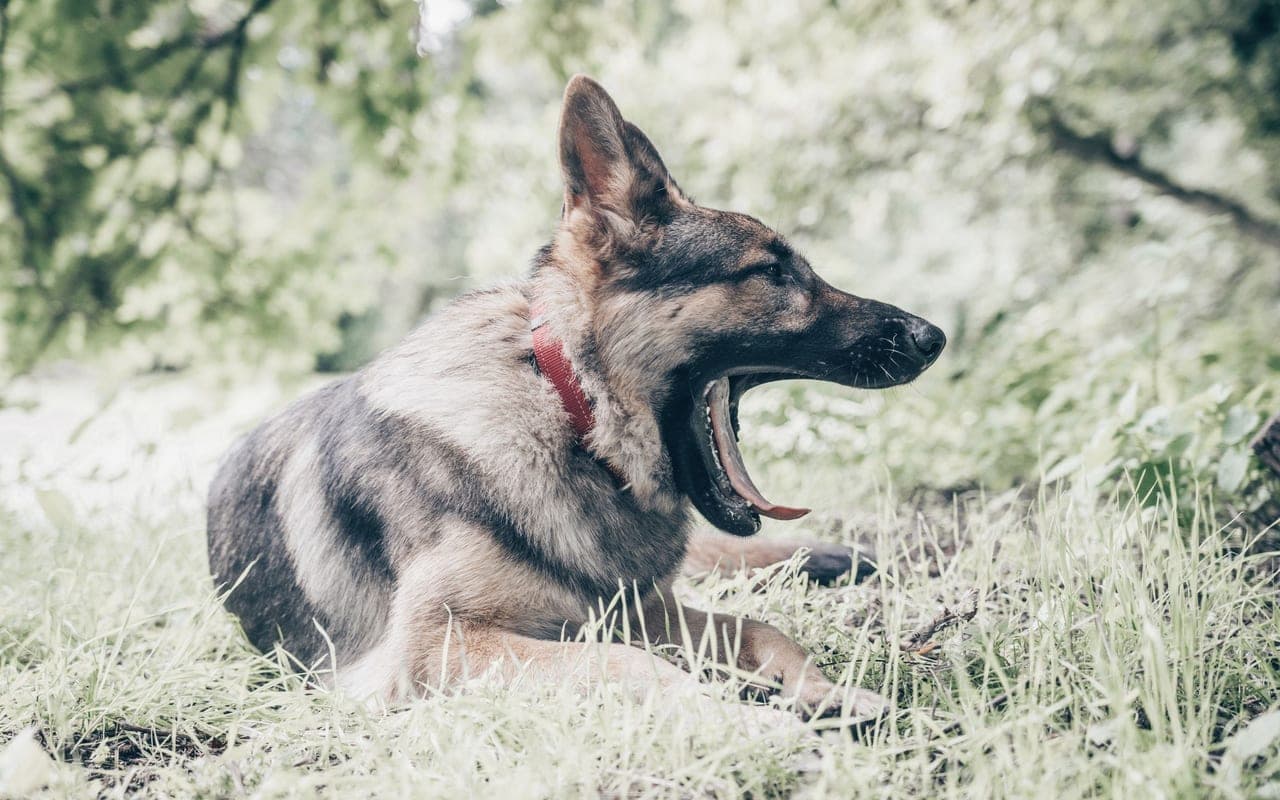
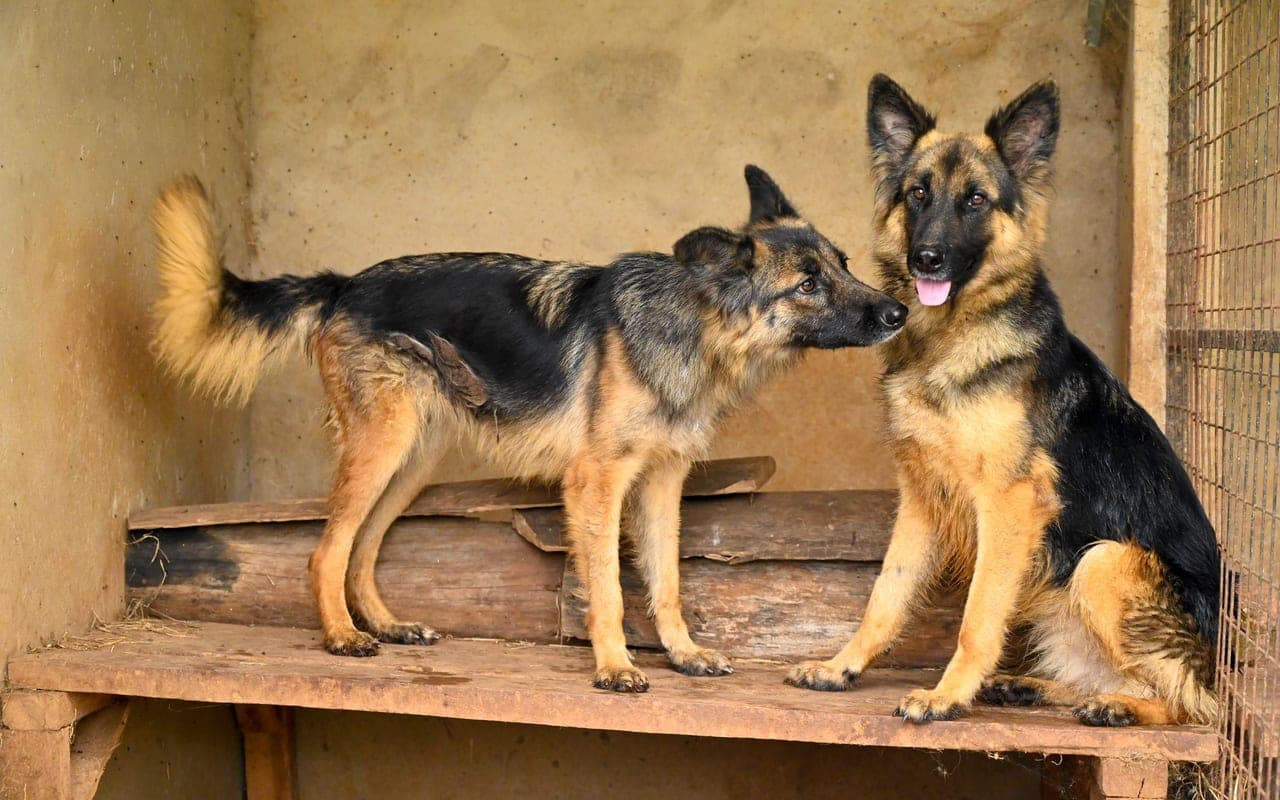
The German Shepherd is a 50-90 lb (23-41 kg) German herding dog re-engineered into the world's default working dog — and that working drive is the entire point, including the parts owners struggle with.
Size
49-88 lb
Lifespan
9-13 years
Exercise
90+ minutes
Shedding
High
Experience
Match to owner routine
Decision first
Is a German Shepherd right for you?
Start with fit before history or trivia. These are ownership signals, not guarantees about any individual dog.
Best suited for
- Households with children.
- Active owners who enjoy daily outdoor exercise.
Think carefully if
- You cannot provide substantial daily exercise.
- You want a very low-shedding home.
- The dog will spend most days alone without support.
Conditional fit
Apartment living may be difficult unless the owner can meet the breed's exercise, training, and space needs.
Daily reality
German Shepherd commitment snapshot
Daily exercise
90+ minutes
Match activity to age, health, weather, and training goals.
Coat care
Moderate
Grooming needs vary by coat, shedding, and lifestyle.
Time alone
Needs planning
Most dogs need gradual alone-time conditioning and support.
Structured facts
German Shepherd at a glance
The measurements and traits that most affect day-to-day life with this breed.
Origin
Germany
Group
Herding
Weight
49-88 lb
Height
22-26 in
Lifespan
9-13 years
Temperament
Confident | courageous | smart | and loyal
View all characteristics and methodology
Lifestyle fit
- Apartment suitability
- Needs caution
- Child friendliness
- Often good, with socialisation and supervision
Owner commitment
- Exercise
- 90+ minutes
- Grooming
- Moderate
- Shedding
- High
- Training
- Very high
Environment and health
- Health risk
- Needs planning
Ratings combine structured breed data, visible breed fields, and editorial context. They are planning aids, not predictions for an individual dog.
Daily life
German Shepherd temperament and behavior
The German Shepherd is a 50-90 lb (23-41 kg) German herding dog re-engineered into the world's default working dog — and that working drive is the entire point, including the parts owners struggle with. The intelligence that makes it a police, military, and service dog is the same intelligence that turns destructive and reactive when it is bored. The protectiveness people want is the same trait that, without early socialization and structure, becomes fearful guarding and bites. You are not getting a relaxed family pet that happens to be smart; you are getting a high-drive working dog that needs a job. Line matters more in this breed than almost any other. Working-line Shepherds are leaner, more driven, and harder for a novice; show-line (especially the sloped-back conformation) trades some drive for looks but carries the heaviest hip and back risk; American/family lines sit in between. A first-time owner choosing a hard working-line dog because it looked impressive is the single most common mistake — match the line to your actual lifestyle, not the image. The German Shepherd is right for you if you will deliver 60-90 minutes of physical exercise plus daily training and mental work, you commit to formal socialization and obedience in the first year, and you can house and afford a large dog with real orthopedic risk for 9-13 years. It is the wrong dog if you want a low-effort companion, you cannot commit to training, or you are not prepared for the cost and heartbreak of degenerative myelopathy and hip dysplasia. Buy from a breeder who provides OFA/PennHIP hip and elbow clearances and DM (degenerative myelopathy) genetic testing on both parents — in this breed those are the clearances that decide how the last third of the dog's life goes.
Confident | courageous | smart | and loyal
Confident
A common German Shepherd temperament descriptor that should be interpreted alongside training, exercise, and household fit.
courageous
A common German Shepherd temperament descriptor that should be interpreted alongside training, exercise, and household fit.
smart
A common German Shepherd temperament descriptor that should be interpreted alongside training, exercise, and household fit.
and loyal
A common German Shepherd temperament descriptor that should be interpreted alongside training, exercise, and household fit.
Owner note
Temperament labels are starting points, not guarantees. Meet the individual dog and ask about behavior history whenever possible.
Care essentials
How to care for a German Shepherd
What looking after one actually involves: exercise, grooming, food, training, and routine health.
HealthAs needed
- German Shepherds are generally robust dogs, but they're prone to several breed-specific health concerns. Hip and elbow dysplasia affect a significant percentage of the breed, making screening of breeding stock essential. Degenerative myelopathy, a progressive spinal cord disease, occurs at higher rates in German Shepherds than in many other breeds. Exocrine pancreatic insufficiency (EPI), a digestive disorder where the pancreas fails to produce sufficient digestive enzymes, is also more common in the breed. German Shepherds can suffer from bloat (gastric dilatation-volvulus), a life-threatening emergency requiring immediate veterinary attention. Some lines experience increased rates of certain autoimmune disorders. Reputable breeders screen for these conditions to minimize risks. Regular veterinary check-ups, maintaining appropriate weight, and providing proper exercise contribute significantly to health and longevity. The breed's lifespan has decreased in recent decades, making health-focused breeding especially important.
ExerciseAs needed
- German Shepherds are active, athletic dogs that require significant daily exercise to maintain physical and mental health. Plan for at least 1-2 hours of vigorous activity daily, which should include walks, runs, and play sessions. Without adequate exercise, German Shepherds often develop destructive behaviors stemming from frustration and pent-up energy. Beyond physical activity, this intelligent breed needs mental stimulation through training exercises, puzzle toys, or work-oriented activities. They excel in dog sports like agility, tracking, obedience, and protection work, which provide both physical exertion and mental challenges. Young German Shepherds (under 18 months) should avoid high-impact exercise like jumping or running on hard surfaces to protect developing joints. Their exercise regimen should be adjusted according to age, health status, and climate conditions.
GroomingAs needed
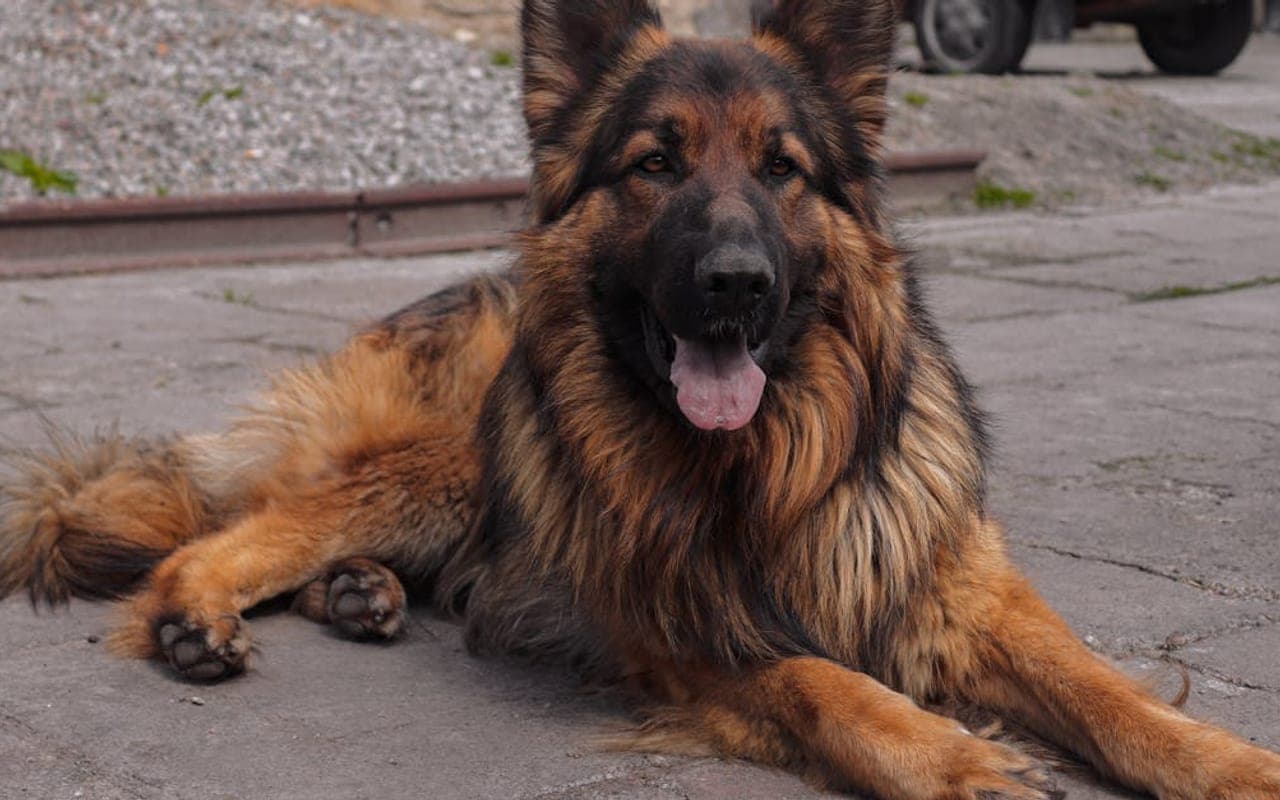
- The German Shepherd's double coat consists of a thick, plush undercoat and a straight, dense outer coat that requires regular maintenance. They shed moderately year-round and experience heavy seasonal shedding ('blowing coat') typically twice annually. During these shedding periods, daily brushing is necessary to manage the fur; otherwise, brushing 2-3 times weekly with a slicker brush and undercoat rake keeps shedding manageable. Bathe only when necessary to preserve natural oils. Routine care includes regular nail trimming, ear cleaning to prevent infections (especially in dogs with erect ears), and dental hygiene. German Shepherds with longer coats may need additional attention to prevent matting behind the ears and on the legs. Despite the moderate grooming requirements, the breed's coat serves an important purpose in providing protection from various weather conditions.
TrainingAs needed
- Few breeds match the German Shepherd's trainability, intelligence, and work ethic. Training should begin early with positive, consistent methods—harsh corrections are unnecessary and can damage the trusting relationship this breed forms with its handler. Early and extensive socialization is crucial to ensure German Shepherds distinguish between normal situations and genuine threats. The breed excels in obedience, protection work, tracking, herding, and service dog roles. Their intelligence means they need mentally stimulating training that progresses in complexity; basic obedience is just the beginning. German Shepherds thrive when given jobs and purpose, making training activities that simulate work particularly effective. They respond best to handlers who establish clear leadership while respecting the dog's intelligence. With proper training, German Shepherds develop into confident, well-mannered companions capable of extraordinary working feats.
NutritionAs needed
- German Shepherds thrive on high-quality dog food formulated for large, active breeds. Portion sizes should be calibrated based on the dog's age, activity level, metabolism, and health status—typically ranging from 3 to 4 cups of quality dry food daily, divided into two meals. Carefully monitor food intake to prevent obesity, which can exacerbate joint problems common in the breed. Puppies require specific nutritional management with appropriate calcium-to-phosphorus ratios to support proper skeletal development and minimize the risk of joint disorders. Some German Shepherds have sensitive digestive systems and may benefit from specialized diets. As with all breeds, clean, fresh water should be available at all times. Consult with your veterinarian to create a nutrition plan tailored to your specific dog's needs.
Health planning
German Shepherd health risks and screening
Every breed has individual health variation. Use this profile for planning and discuss medical decisions with a veterinarian.
Ownership cost
How much does a German Shepherd cost?
Cost figures are structured so first-year and lifetime estimates do not conflict with the underlying line items.
| Acquisition | $1,000-$3,500 |
|---|---|
| Routine monthly | About $160/month |
| Routine annual | About $1,920/year |
| First-year estimate | $2,920-$5,420 |
| Lifetime routine estimate | $17,280-$24,960 routine costs |
Currency: USD. Region: United States. Typical ranges for this breed. Equipment, insurance, emergency veterinary care, boarding and training are NOT included: we hold no sourced figures for them, and estimating them would be a guess presented as data.
Responsible ownership
Finding a German Shepherd responsibly
What to ask a breeder or rescue is the same conversation for every breed, so we keep it in one place and keep it current.
Health documentation, meeting the parents or foster, contracts and return support, and the warning signs worth walking away from.
Original purpose
German Shepherd history
History is useful when it explains today's behavior, coat, exercise needs, and training style.
Read the breed history
The German Shepherd was created from scratch by cavalry officer Captain Max von Stephanitz starting in 1899, when he bought a working herding dog named Hektor Linksrhein, renamed him Horand von Grafrath, and registered him as the first German Shepherd. Von Stephanitz founded the breed club (the SV) and bred relentlessly for working ability — herding flocks across open, unfenced pasture demanded a dog with stamina, trainability, nerve, and the judgment to make decisions at a distance. As industrialization erased the herding economy, von Stephanitz pivoted the breed into police and military service, where exactly those traits — biddability, drive, courage, and problem-solving — made it indispensable through both World Wars and into modern police, military, detection, and assistance work. That deliberate selection for a thinking working partner is why the modern dog needs a job and structure to be stable: the breed was never designed to be idle. The later split into working and show lines, and the show-ring trend toward an angulated, sloped topline, also explains the breed's well-documented hip and back vulnerabilities today.
Gallery
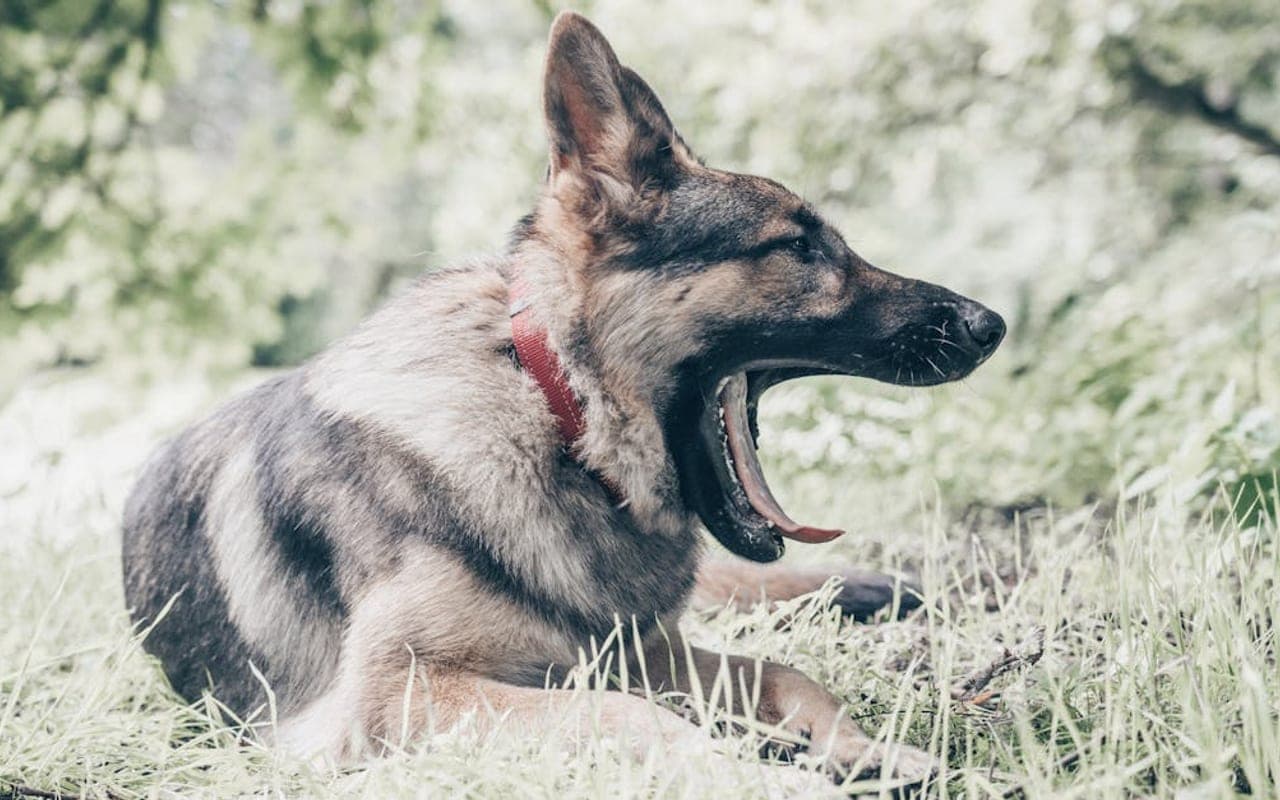
German Shepherd photos
Images are cropped consistently and loaded progressively to keep the page responsive.
Lower-page context
German Shepherds in culture
Where the breed shows up in film, sport, work and folklore — the enjoyable part, once the practical questions are answered.
Movies and TV
- Rin Tin Tin (1922)
A rescued German Shepherd who became a silent film star in the 1920s and helped popularize the breed in America.
- K-9 (1989)
Starring James Belushi and a German Shepherd named Jerry Lee as reluctant police partners.
Fun facts
- German Shepherds have the remarkable ability to distinguish between over 500 different scents and can remember them throughout their life.
- The breed served in both World Wars as messenger dogs, rescue dogs, and sentries.
- Strongheart and Rin Tin Tin, two famous German Shepherds in early Hollywood films, significantly boosted the breed's popularity in America.
- Unlike many large breeds, German Shepherds don't reach full maturity until they're 2-3 years old, retaining puppy-like characteristics longer than expected.
- The first Seeing Eye guide dog in America was a German Shepherd named Buddy, beginning the breed's long history of service to humans with disabilities.
German Shepherd FAQs
How long do German Shepherds live?
Typically 9-13 years, on the shorter side for a dog this versatile, with the back third of life often shaped by orthopedic and neurologic disease — hip dysplasia, arthritis, and degenerative myelopathy. Lifespan is heavily influenced by the buying decision: a dog from OFA/PennHIP- and DM-tested parents, kept lean for life, has a materially better and more comfortable old age than one from untested lines.
Are German Shepherds good with children and family?
Yes, when properly bred and socialized — they are loyal, protective, and bond hard to a family. The caveats are real: this is a powerful, drive-y dog whose protectiveness can tip into reactivity without early socialization, and a 75 lb dog can knock a small child over in play. They are excellent family dogs in homes that do the training and supervision work, and a liability in homes that treat them as a low-effort pet.
How much exercise and training does a German Shepherd need?
60-90 minutes of physical exercise daily plus 15-30 minutes of dedicated training or mental work — every day, not just weekends. Mental work is mandatory, not enrichment: an unworked Shepherd becomes destructive, reactive, or anxious because you have left a working dog jobless. Plan on formal obedience and socialization classes through the first year; that early investment is what separates a stable adult from a problem dog.
How much does a German Shepherd shed and what is grooming like?
Heavily and constantly — the double coat sheds year-round and 'blows' for 2-3 weeks twice a year. Brush 2-3 times a week, daily during a blow, and accept hair on floors, furniture, and clothing as a permanent condition. Grooming is otherwise low-skill (no clipping, no professional cuts needed), but never shave the double coat — it regulates temperature and often regrows incorrectly.
What does a German Shepherd cost to own?
A health-tested puppy from a reputable working or show line runs $1,500-$3,500; rescue is $200-$500. Ongoing costs are $1,800-$3,500 a year for a large dog including training. The hidden costs are orthopedic and neurologic: hip surgery can run $4,000-$7,000+ per side, EPI means lifelong enzyme supplementation, and degenerative myelopathy means months of mobility and quality-of-life care. Puppy-onset insurance at $50-$90/month is the rational hedge for this breed's risk profile.
What is degenerative myelopathy and can I avoid it?
Degenerative myelopathy (DM) is a progressive, painless but incurable degeneration of the spinal cord that typically begins after age 8 with hind-limb weakness and ends in paralysis. German Shepherds are a classically affected breed. You substantially reduce risk by buying from a breeder who DNA-tests both parents and breeds away from at-risk pairings. There is no cure, only management — physiotherapy and mobility support — so prevention through breeder selection is the only real lever, which is why DM testing is non-negotiable in this breed.
Sources
These are the published sources this page draws on. Each opens in a new tab so you can check it yourself.
American Kennel Club
German Shepherd — breed standard and profile(opens in a new tab)Supports: Breed standard and recognition details.
Similar breeds to consider
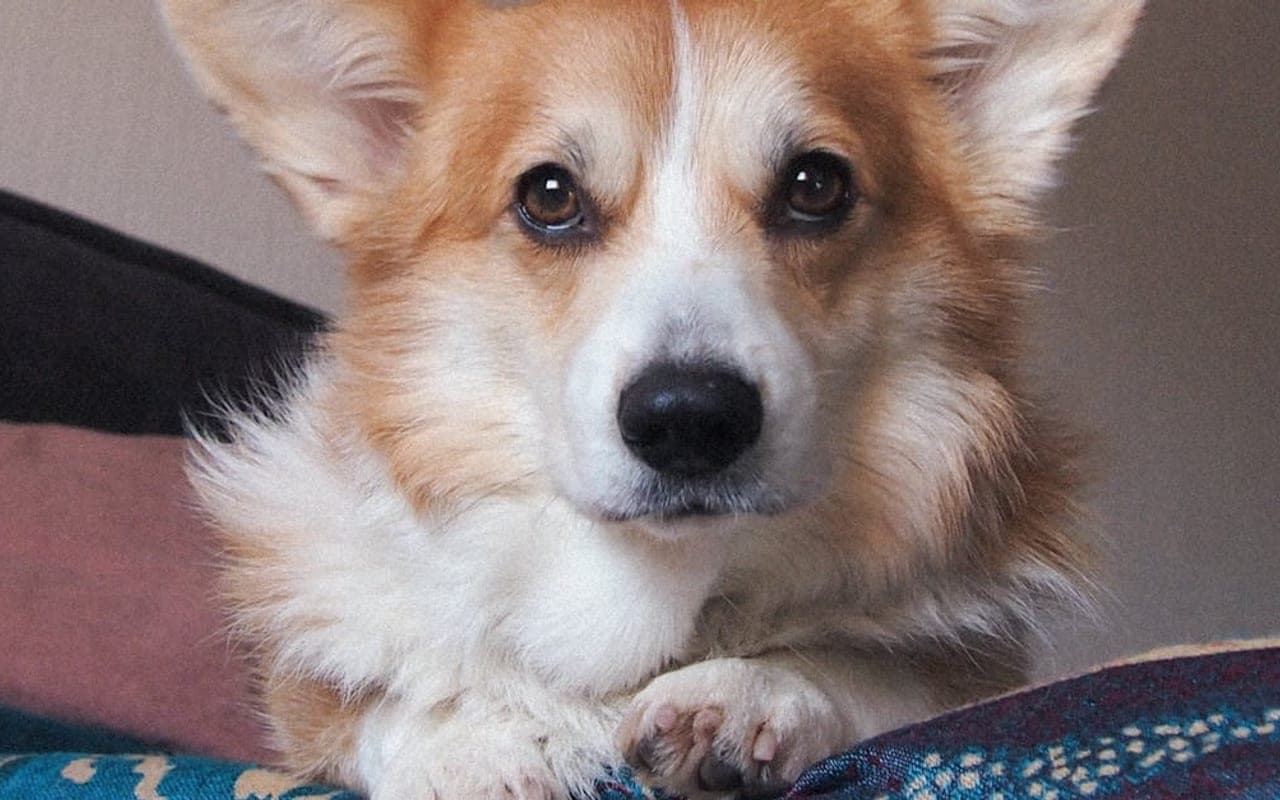
Pembroke Welsh Corgi
Also in the Herding group, with different care and temperament tradeoffs.
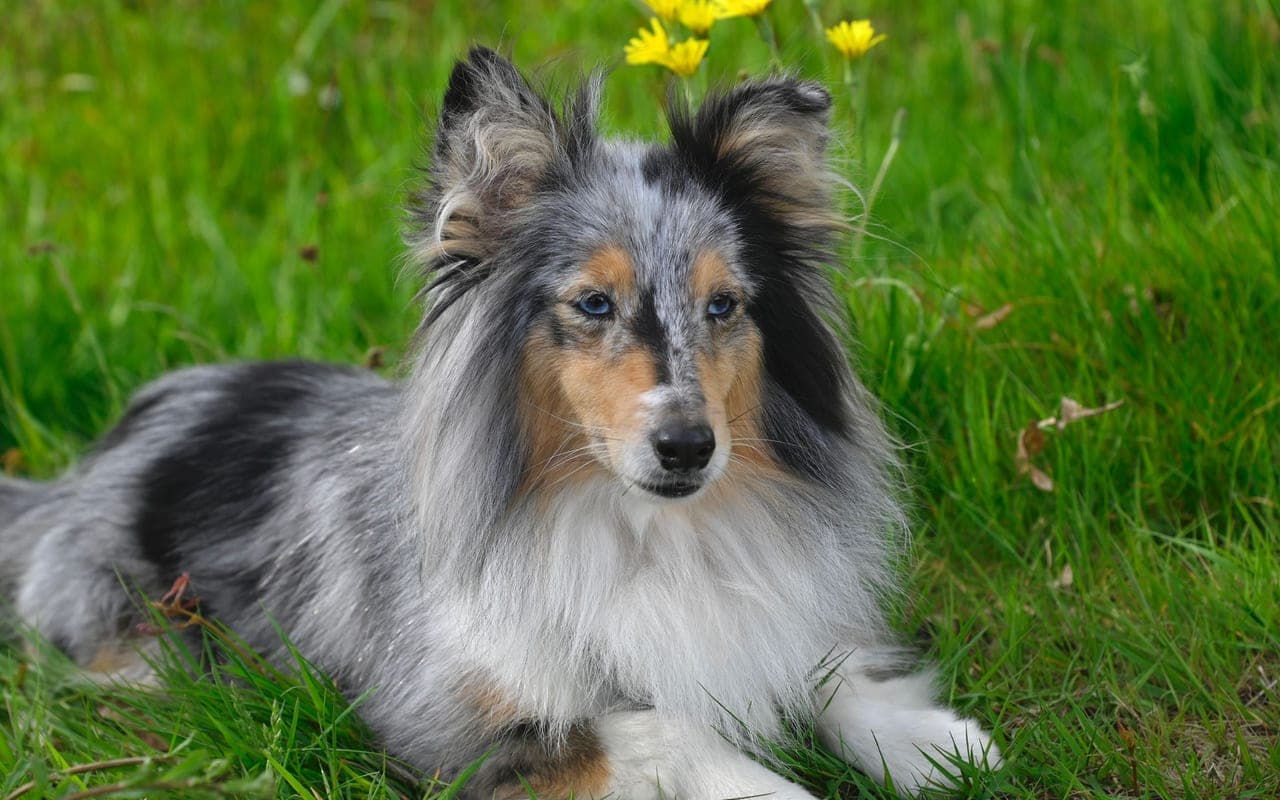
Shetland Sheepdog
Also in the Herding group, with different care and temperament tradeoffs.
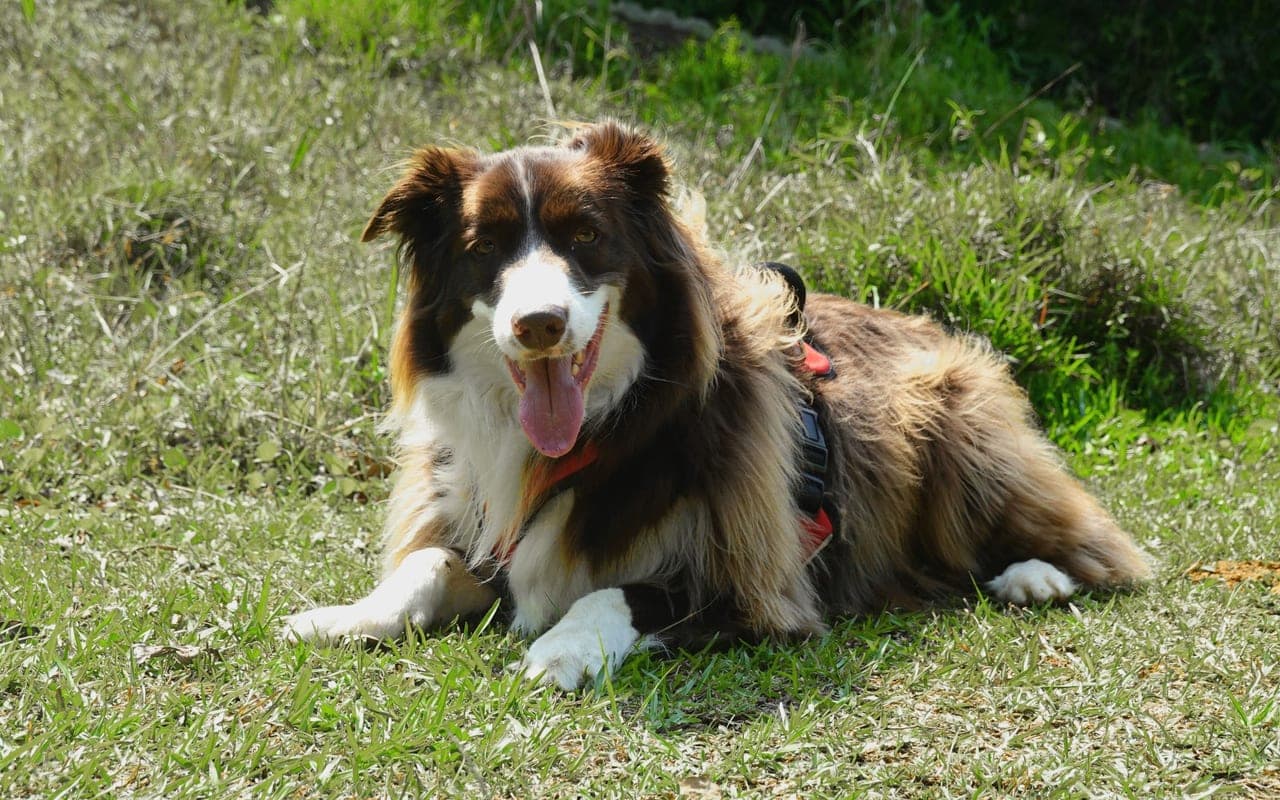
Border Collie
Also in the Herding group, with different care and temperament tradeoffs.
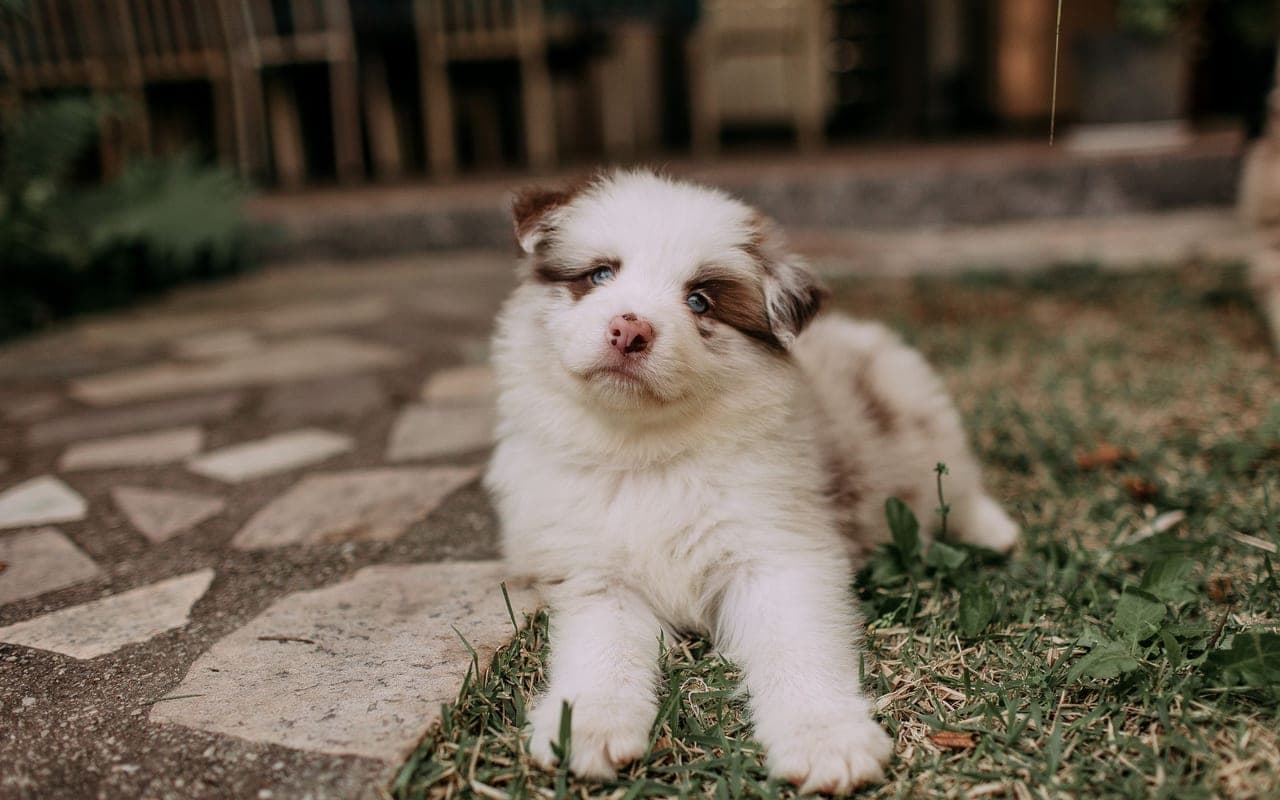
Australian Shepherd
Also in the Herding group, with different care and temperament tradeoffs.
Explore More About German Shepherd
Dive deeper into everything German Shepherd — costs, care, and expert insights.
How Much Does a German Shepherd Cost?
Purchase price, monthly costs, and lifetime expenses
Complete German Shepherd Care Guide
They move with a purpose that smaller dogs don't possess — a fluid, ground-covering trot that tells...
How to Start a Dog Breeding Business
Most guides to this business will tell you how to register an LLC. None of the six ranking guides...
Emergency Vet Costs: What 8 Common Emergencies Actually Cost (and How to Prepare)
What 8 common pet emergencies actually cost, how big an emergency fund needs to be, and what...
How Long Are Dogs Pregnant? A Week-by-Week Timeline (+ When to Call the Vet)
Dogs are pregnant about 63 days (range 58–68). A week-by-week timeline of what to expect, how to...
Considering a cat instead?
Browse Cats