
Hound group
Beagle
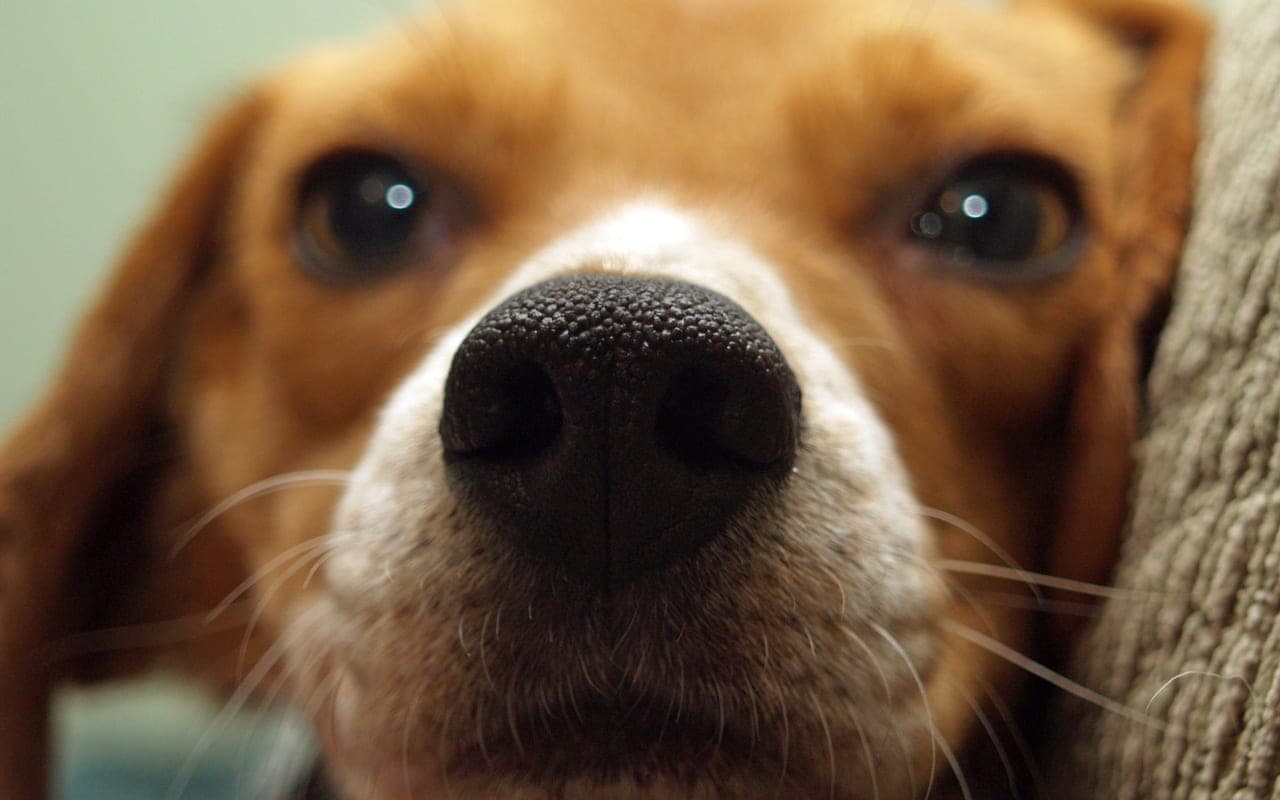
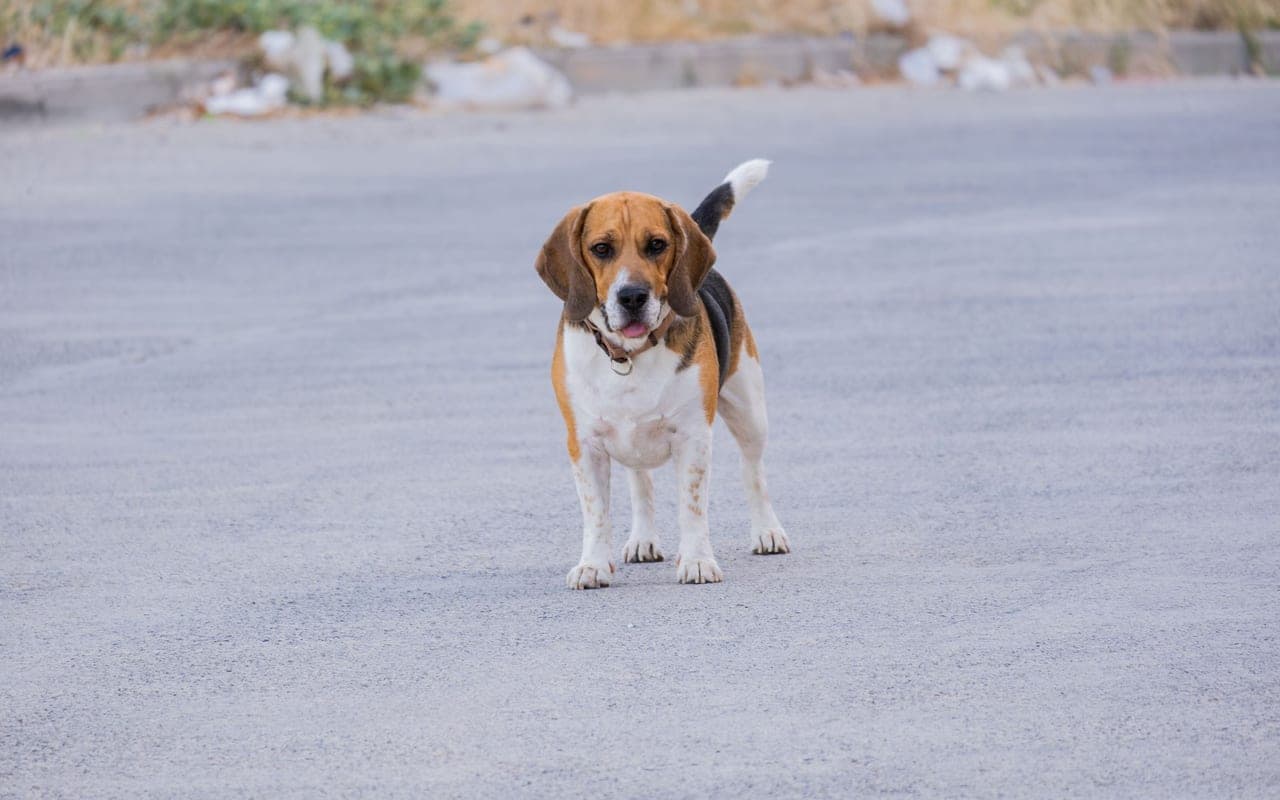
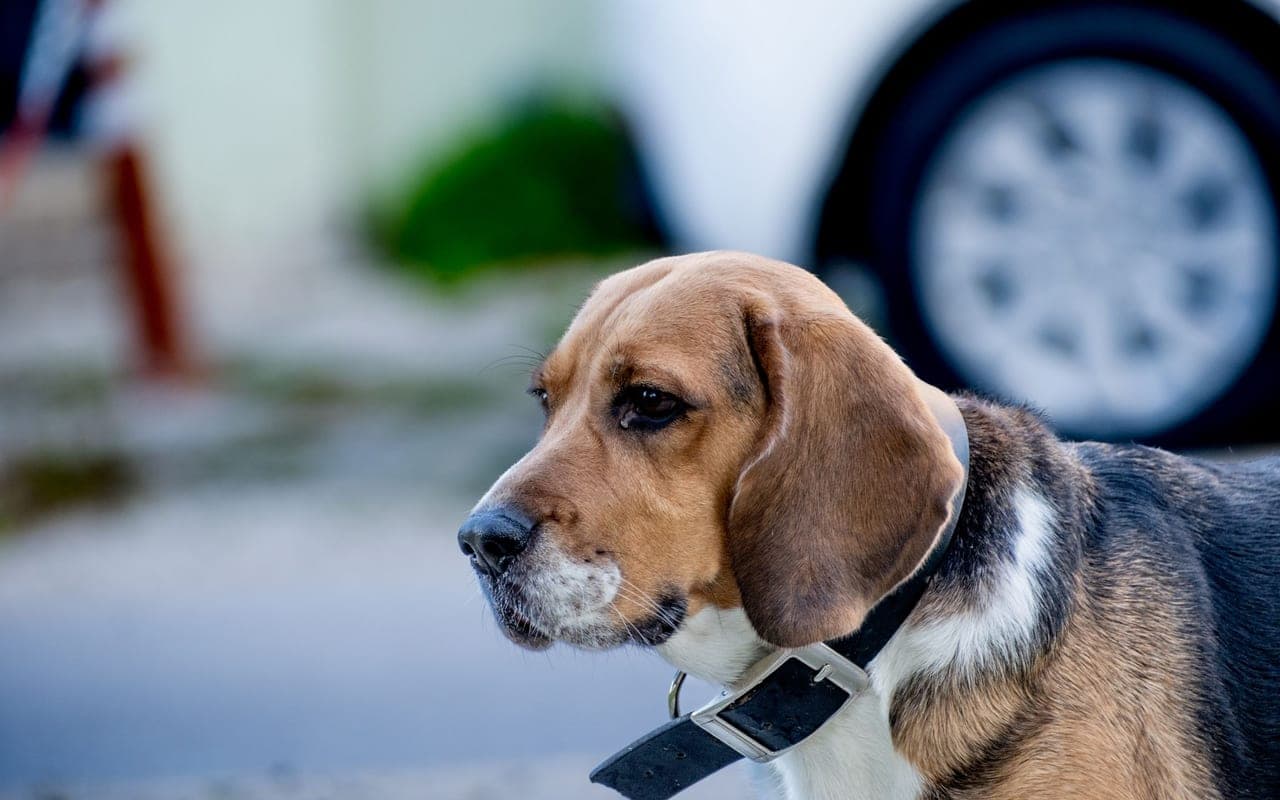
The Beagle is a small-to-medium scent hound (8-14 kg, 33-41 cm) bred in England to hunt hare in packs with hunters on foot.

Size
20-33 lb
Lifespan
12-15 years
Exercise
60-90 minutes
Shedding
Moderate
Experience
Match to owner routine
Decision first
Is a Beagle right for you?
Start with fit before history or trivia. These are ownership signals, not guarantees about any individual dog.
Best suited for
- Households with children.
- Homes with other compatible pets.
- Active owners who enjoy daily outdoor exercise.
Think carefully if
- You cannot provide substantial daily exercise.
- You cannot keep up with grooming and preventive care.
- The dog will spend most days alone without support.
Conditional fit
Apartment living may be difficult unless the owner can meet the breed's exercise, training, and space needs.
Daily reality
Beagle commitment snapshot
Daily exercise
60-90 minutes
Match activity to age, health, weather, and training goals.
Coat care
Moderate
Grooming needs vary by coat, shedding, and lifestyle.
Time alone
Needs planning
Most dogs need gradual alone-time conditioning and support.
Structured facts
Beagle at a glance
The measurements and traits that most affect day-to-day life with this breed.
Origin
England
Group
Hound
Weight
20-33 lb
Height
13-16 in
Lifespan
12-15 years
Temperament
Friendly | curious | and merry
View all characteristics and methodology
Lifestyle fit
- Apartment suitability
- Needs caution
- Child friendliness
- Often good, with socialisation and supervision
- Other-pet fit
- Often compatible with careful introductions
- Adaptability
- Very high
Owner commitment
- Exercise
- 60-90 minutes
- Grooming
- Moderate
- Shedding
- Moderate
- Training
- Moderate
Environment and health
- Health risk
- Needs planning
Ratings combine structured breed data, visible breed fields, and editorial context. They are planning aids, not predictions for an individual dog.
Daily life
Beagle temperament and behavior
The Beagle is a small-to-medium scent hound (8-14 kg, 33-41 cm) bred in England to hunt hare in packs with hunters on foot. Every quirk that delights and exhausts Beagle owners — the nose that overrides commands, the baying voice, the food obsession, the cheerful indifference to recall — is a feature of that job, not a flaw to be trained out. An honest profile leads with what the hunting heritage means for your living room. The nose runs this dog. A Beagle has roughly 220 million scent receptors and was bred to follow a trail independently, ignoring the handler. In practice that means: an unreliable off-leash recall (a Beagle on a scent is functionally deaf), a powerful drive to roam, and a tendency to dig and bolt. Beagles are escape artists; a securely fenced yard and a leash in open ground are non-negotiable. The voice is the second reality. Beagles bay and howl — a loud, carrying, pack-signaling sound — when bored, lonely, excited, or triggered by sirens. This is the breed's single biggest cause of rehoming and neighbor complaints, and it is wrong for shared walls or strict noise rules. The upside is large. Beagles are merry, friendly, sturdy, and famously good with children and other dogs. They are compact, low-maintenance in coat, adaptable, and rarely aggressive. As pack animals they slot happily into family life and tolerate the chaos of kids. Who the Beagle is right for: an active family with a fenced yard, tolerance for a vocal dog, and willingness to manage relentless food motivation and an unreliable recall. Who it is wrong for: anyone wanting off-leash freedom, a quiet apartment dog with thin walls, a guard dog, or an owner who works long days and leaves the dog alone to howl. Decide whether you can live with the nose and the voice before the puppy charm decides for you.
Friendly | curious | and merry
Friendly
A common Beagle temperament descriptor that should be interpreted alongside training, exercise, and household fit.
curious
A common Beagle temperament descriptor that should be interpreted alongside training, exercise, and household fit.
and merry
A common Beagle temperament descriptor that should be interpreted alongside training, exercise, and household fit.
Owner note
Temperament labels are starting points, not guarantees. Meet the individual dog and ask about behavior history whenever possible.
Care essentials
How to care for a Beagle
What looking after one actually involves: exercise, grooming, food, training, and routine health.
HealthAs needed
- Beagles are generally healthy dogs with a lifespan of 10-15 years, though they are prone to certain genetic health conditions. The most common issues include hip dysplasia, intervertebral disk disease, epilepsy, hypothyroidism, and various eye conditions such as glaucoma, cherry eye, and progressive retinal atrophy. Beagles can also suffer from factor VII deficiency (a bleeding disorder), heart conditions like mitral valve disease, and chondrodystrophy, which affects cartilage development and can lead to disc problems. One condition particularly associated with the breed is 'Beagle Pain Syndrome' (Steroid Responsive Meningitis-Arteritis), an inflammatory disease requiring prompt veterinary attention. Ear infections are common due to their droopy ears, which trap moisture and debris. Obesity is a significant health concern for Beagles given their hearty appetites, and excess weight can exacerbate other health problems like joint issues and heart conditions. Regular veterinary check-ups, dental care, appropriate diet, and exercise are essential preventive measures. When acquiring a Beagle puppy, look for breeders who conduct health screenings for genetic conditions. Despite these potential health concerns, with proper care and preventive health measures, most Beagles live active, healthy lives well into their senior years.
ExerciseAs needed
- Beagles require substantial daily exercise to satisfy their energetic nature and hunting instincts. Plan for at least 60-90 minutes of activity each day, ideally split between morning and evening sessions. Their exercise should include brisk walks (where they're allowed to sniff and explore), play sessions, and off-leash running in secure areas. Beagles excel at scent work and tracking activities, which provide both physical exercise and mental stimulation that satisfies their hunting heritage. Without adequate exercise, Beagles can become bored and develop problematic behaviors like excessive barking, digging, or destructive chewing. Their strong scenting abilities mean they should only be allowed off-leash in securely fenced areas, as they're likely to follow interesting scents with single-minded determination, ignoring recalls. Beagles can be excellent jogging companions once fully mature (18+ months), but their exercise should be moderated in hot weather as their short muzzles can make them susceptible to overheating. Interactive toys, puzzle feeders, and nose work games are excellent additions to their physical exercise routine.
GroomingAs needed
- Beagles have short, dense double coats that shed moderately year-round with heavier seasonal shedding. Weekly brushing with a medium-bristle brush or rubber grooming mitt helps remove loose hair and stimulates natural oil production for a healthy coat. During heavy shedding periods (typically spring and fall), brushing should be increased to every other day. Beagles generally need bathing only every 2-3 months unless they've gotten particularly dirty—more frequent bathing can strip the natural oils from their coat. Their pendulous ears require weekly cleaning to prevent infection, using a veterinarian-recommended ear cleaning solution and cotton balls (never cotton swabs). Check ears for redness, odor, or excessive wax that might indicate infection. Nails should be trimmed monthly if not naturally worn down through activity. Dental care is important—aim for brushing teeth 2-3 times weekly with dog-specific toothpaste. Beagles have a distinctive 'hound odor' that's normal for the breed, though regular grooming helps manage it. Inspect and clean facial wrinkles and folds regularly to prevent skin issues.
TrainingAs needed
- Training a Beagle requires patience, consistency, and understanding of their unique temperament. These dogs are intelligent but independent thinkers bred to work without constant human direction, which can sometimes be misinterpreted as stubbornness. Beagles are strongly motivated by food and scent, making positive reinforcement with high-value treats the most effective training approach. Training sessions should be kept short (5-10 minutes), upbeat, and engaging, as Beagles can lose interest in repetitive exercises. Socialization should begin early and continue throughout their lives to ensure they develop into well-adjusted adults comfortable in various situations. Basic obedience training is essential, though recall commands may always remain challenging due to their tendency to follow scents with single-minded focus. House training can be more challenging and take longer with Beagles compared to some other breeds, requiring vigilance, consistency, and positive reinforcement. Crate training is often helpful for house training and provides a safe space for your Beagle. Harsh training methods or punishment are counterproductive with this sensitive breed and can damage your relationship. Beagles excel at scent work, tracking, and nosework activities that engage their natural abilities, providing excellent opportunities for advanced training that works with their instincts rather than against them.
NutritionAs needed
- Beagles are notorious for their hearty appetites and tendency to gain weight easily, making proper nutrition and portion control especially important. Adult Beagles typically require 1-1.5 cups of high-quality dry dog food daily, divided into two meals. The exact amount depends on the dog's age, activity level, metabolism, and the caloric density of the food. Choose a complete and balanced dog food appropriate for your Beagle's life stage with meat protein as the primary ingredient. Watch for appropriate fat content (about 12-16%) and moderate carbohydrates to maintain energy without contributing to weight gain. Beagles are particularly prone to obesity due to their food-driven nature and tendency to beg, scavenge, or steal food when possible. Strict portion control is essential—measure meals precisely rather than free-feeding, and factor treats used for training into the daily caloric allowance. Use low-calorie training treats when possible, and resist those pleading eyes at the dinner table—human food scraps can quickly lead to weight gain. Fresh water should always be available. Special dietary considerations may be necessary for Beagles with specific health conditions, such as joint problems or food allergies. Regular weight checks and body condition scoring help ensure your feeding program is keeping your Beagle at a healthy weight.
Health planning
Beagle health risks and screening
Every breed has individual health variation. Use this profile for planning and discuss medical decisions with a veterinarian.
Ownership cost
How much does a Beagle cost?
Cost figures are structured so first-year and lifetime estimates do not conflict with the underlying line items.
| Acquisition | $500-$2,000 |
|---|---|
| Routine monthly | About $100/month |
| Routine annual | About $1,200/year |
| First-year estimate | $1,700-$3,200 |
| Lifetime routine estimate | $14,400-$18,000 routine costs |
Currency: USD. Region: United States. Typical ranges for this breed. Equipment, insurance, emergency veterinary care, boarding and training are NOT included: we hold no sourced figures for them, and estimating them would be a guess presented as data.
Responsible ownership
Finding a Beagle responsibly
What to ask a breeder or rescue is the same conversation for every breed, so we keep it in one place and keep it current.
Health documentation, meeting the parents or foster, contracts and return support, and the warning signs worth walking away from.
Original purpose
Beagle history
History is useful when it explains today's behavior, coat, exercise needs, and training style.
Read the breed history
The Beagle's ancestry traces to small pack-hunting hounds in England, with scent-hound lineages described for centuries; the modern breed was standardized in Britain in the 1830s-1880s. It was bred specifically to hunt hare ('beagling') by scent in packs followed by hunters on foot, so it was selected for a phenomenal nose, stamina at a moderate pace, biddability within a pack, and a carrying voice to signal the line of the trail — the exact traits owners now experience as obsessive sniffing, energy, sociability, and baying. The breed name likely derives from the French 'be'gueule' (open throat) or Old English 'beag' (small). Beagles came to the United States in the 1800s, the National Beagle Club of America formed in 1888, and the AKC has ranked them among the most popular breeds ever since. Their reliable nose and non-threatening look made them the USDA 'Beagle Brigade' detection dogs at airports — the working heritage still earning its keep.
Gallery
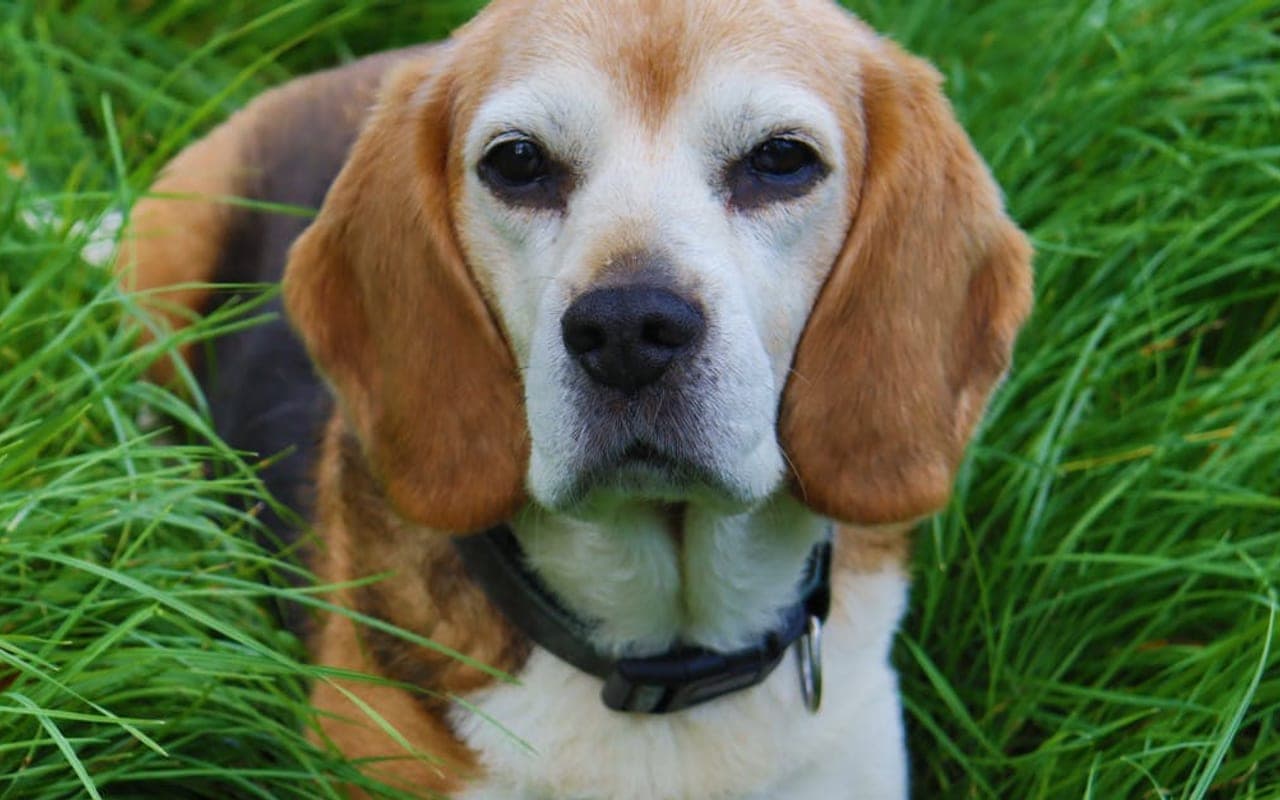
Beagle photos
Images are cropped consistently and loaded progressively to keep the page responsive.
Lower-page context
Beagles in culture
Where the breed shows up in film, sport, work and folklore — the enjoyable part, once the practical questions are answered.
Movies and TV
- Peanuts (1950)
Snoopy, Charlie Brown's pet in the beloved comic strip and animated specials, is the world's most famous Beagle.
- Shiloh (1996)
Film based on the Newbery Medal-winning novel about a boy who rescues an abused Beagle.
- Underdog (1964)
Animated TV series featuring an anthropomorphic Beagle superhero who speaks in rhyme.
Fun facts
- Beagles have approximately 220 million scent receptors, compared to a human's mere 5 million, giving them an extraordinary sense of smell.
- They're one of only a few breeds recognized by the AKC since its formation in the 1880s.
- NASA sent beagles to Mars! In 2008, NASA named a Mars exploration vehicle after the breed due to its hunting abilities.
- Beagles are used by the USDA's "Beagle Brigade" to detect illegal food items at airports due to their excellent noses and non-threatening appearance.
- One of the most famous cartoon dogs of all time, Snoopy from Peanuts, was a beagle.
Beagle FAQs
Can a Beagle be trusted off-leash?
Generally no. The Beagle was bred to follow a scent trail independently of the handler, so when it hits an interesting smell it becomes functionally deaf to recall and will follow its nose for miles. Even well-trained Beagles fail recall against a strong scent. Keep them leashed in any unfenced area and provide a securely fenced, dig-proofed yard. Off-leash freedom is realistically limited to enclosed dog parks, not trails or open ground.
Do Beagles bark or howl a lot?
Yes — and prospective owners must take this seriously, because vocalization is the leading reason Beagles are rehomed. Their natural sound is a loud, carrying bay or howl bred in to signal a scent line to hunters. They bay when bored, lonely, excited, or triggered by sirens. Exercise, company, and mental work reduce it, but you cannot fully train it out. A Beagle behind thin apartment walls or under strict noise rules is a recipe for conflict.
Why do Beagles get fat, and why does it matter so much?
Beagles are among the most relentlessly food-motivated breeds and will eat far past need, raid counters, and open bins. Obesity is the default unless you actively prevent it, and it directly worsens their disc disease (IVDD), joints, and diabetes risk. Measure every meal, count treats inside the daily ration, secure the trash, and body-score monthly. Preventing obesity is the cheapest, highest-impact health intervention you can make in this breed.
Are Beagles easy to train?
House manners and basic obedience are achievable, but Beagles are independent, scent-driven, and motivated by food and smells rather than pleasing you, so reliability — especially recall — stays imperfect for life. Use short, varied, high-value food-reward sessions and incorporate scent games that work with the nose instead of against it. Expect house training to take longer than average. Judge a Beagle on its merry temperament, not on obedience-trial precision.
Are Beagles good family dogs?
Yes — this is the breed's strongest selling point. Beagles are sturdy at 8-14 kg, patient, merry, pack-oriented, and generally excellent with children and other dogs, rarely showing aggression. Two caveats: their food drive can trigger guarding or stealing from small children, so manage food and teach boundaries; and their energy means supervised, active play. For an active family that can handle the nose and the voice, few breeds are friendlier.
How much does owning a Beagle cost?
A puppy from a reputable breeder who screens for MLS and hip/eye conditions typically runs $800-$1,500; Beagle rescues are far cheaper and common. Routine annual cost is roughly $1,000-$2,000 for food, vet, parasite control, and recurrent ear care. The budget swing is health: IVDD surgery can be $3,000-$8,000 and epilepsy means lifelong medication, which is why weight control and screened lines are the smartest money you spend.
Sources
These are the published sources this page draws on. Each opens in a new tab so you can check it yourself.
American Kennel Club
Beagle — breed standard and profile(opens in a new tab)Supports: Breed standard and recognition details.
Similar breeds to consider

Dachshund
Also in the Hound group, with different care and temperament tradeoffs.
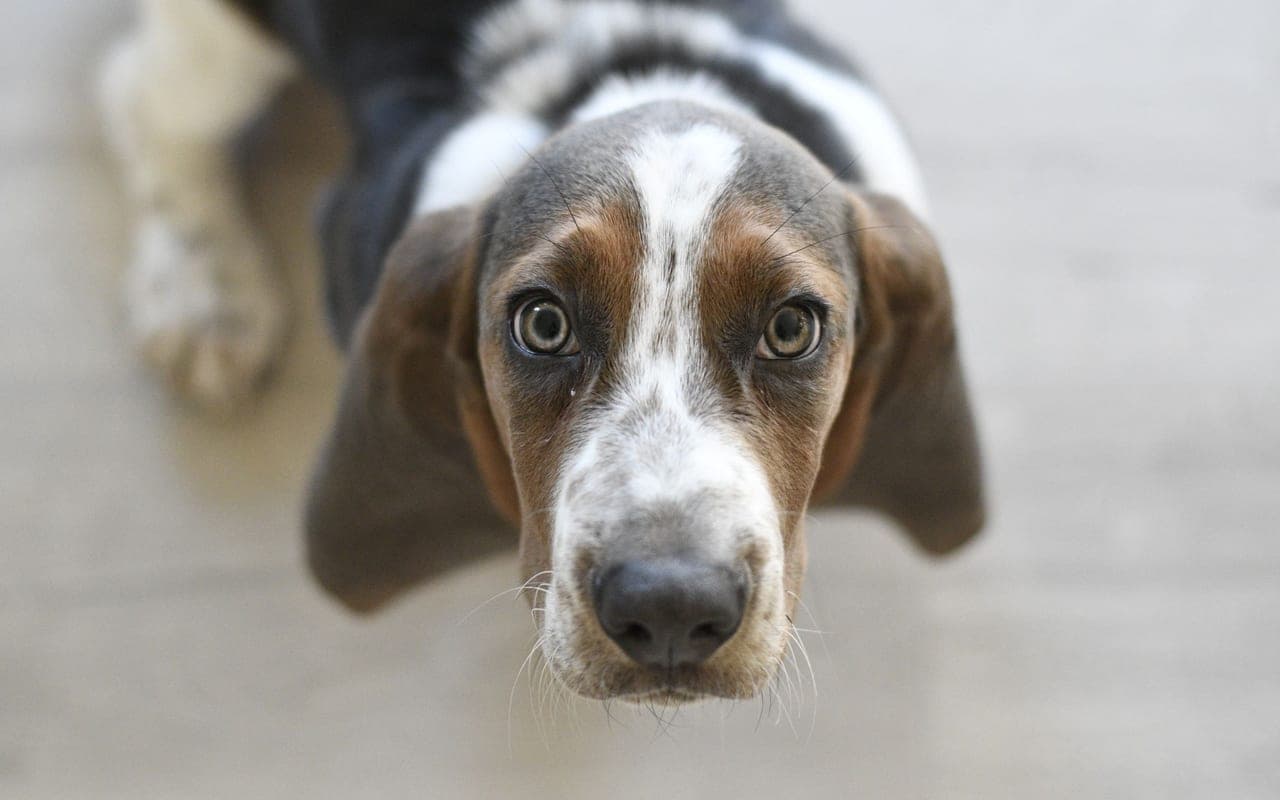
Basset Hound
Also in the Hound group, with different care and temperament tradeoffs.

Greyhound
Also in the Hound group, with different care and temperament tradeoffs.
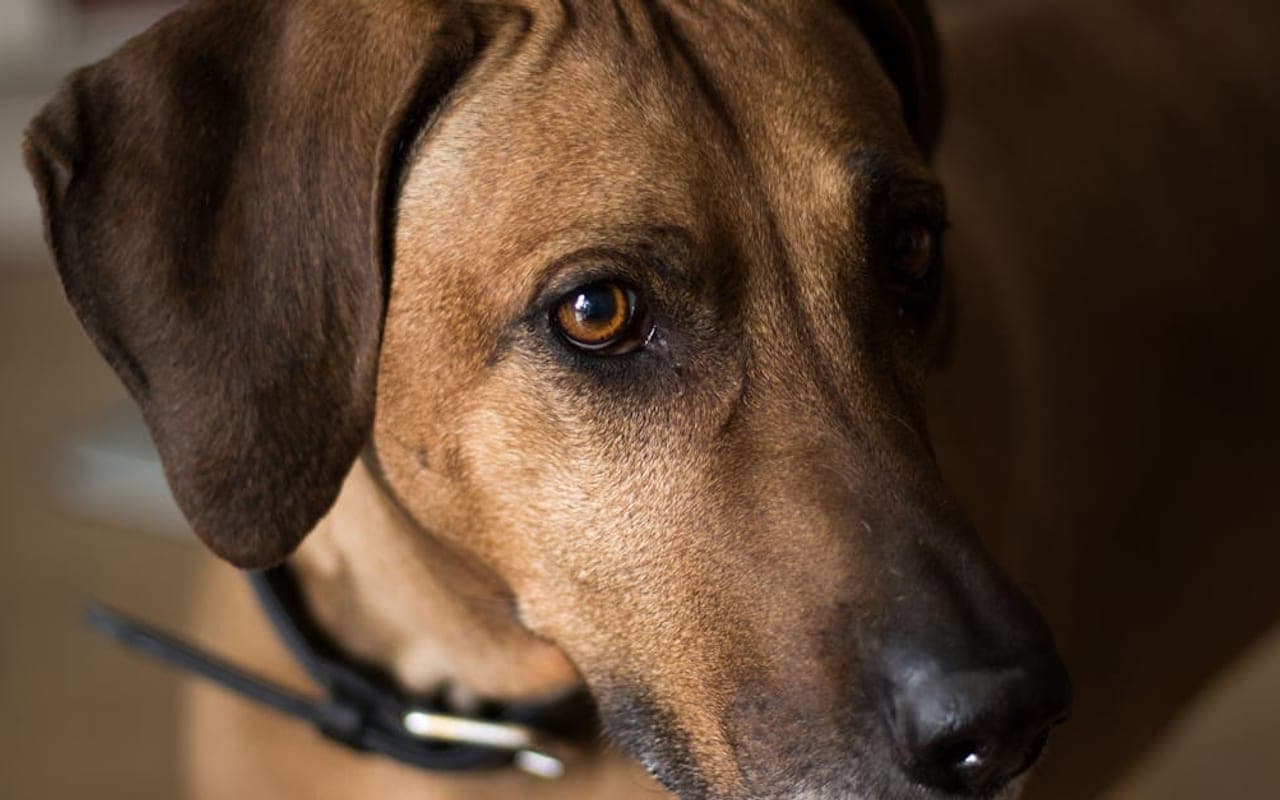
Rhodesian Ridgeback
Also in the Hound group, with different care and temperament tradeoffs.
Explore More About Beagle
Dive deeper into everything Beagle — costs, care, and expert insights.
How Much Does a Beagle Cost?
Purchase price, monthly costs, and lifetime expenses
Complete Beagle Care Guide
You open the back door and your Beagle's nose hits the ground before their paws do. Within seconds...
Can Dogs Eat Chocolate? Toxicity by Weight + What to Do Right Now
No — chocolate is toxic to dogs. How much is dangerous by your dog's weight and the chocolate type,...
Can Dogs Eat Grapes & Raisins? Even a Few Can Be Dangerous
No — grapes and raisins are toxic to dogs, and there is no established safe amount. Why even a few...
Obesity in Pets: The #1 Preventable Health Problem
Over 50% of dogs and cats are overweight. Extra weight shortens lives and causes real health...
Considering a cat instead?
Browse Cats