
Working group
Siberian Husky
The Siberian Husky is a medium working dog (16-27 kg, 51-60 cm at the shoulder) bred by the Chukchi people of northeastern Siberia to pull light loads over enormous distances on almost no food.
Size
35-60 lb
Lifespan
12-14 years
Exercise
90+ minutes
Shedding
High
Experience
Match to owner routine
Decision first
Is a Siberian Husky right for you?
Start with fit before history or trivia. These are ownership signals, not guarantees about any individual dog.
Best suited for
- Households with children.
- Active owners who enjoy daily outdoor exercise.
Think carefully if
- You cannot provide substantial daily exercise.
- You want a very low-shedding home.
- The dog will spend most days alone without support.
Conditional fit
Apartment living may be difficult unless the owner can meet the breed's exercise, training, and space needs.
Daily reality
Siberian Husky commitment snapshot
Daily exercise
90+ minutes
Match activity to age, health, weather, and training goals.
Time alone
Needs planning
Most dogs need gradual alone-time conditioning and support.
Structured facts
Siberian Husky at a glance
The measurements and traits that most affect day-to-day life with this breed.
Origin
Siberia
Group
Working
Weight
35-60 lb
Height
20-24 in
Lifespan
12-14 years
Temperament
Outgoing | mischievous | and loyal
View all characteristics and methodology
Lifestyle fit
- Apartment suitability
- Needs caution
- Child friendliness
- Often good, with socialisation and supervision
Owner commitment
- Exercise
- 90+ minutes
- Shedding
- High
- Training
- Moderate
Environment and health
- Health risk
- Needs planning
Ratings combine structured breed data, visible breed fields, and editorial context. They are planning aids, not predictions for an individual dog.
Daily life
Siberian Husky temperament and behavior
The Siberian Husky is a medium working dog (16-27 kg, 51-60 cm at the shoulder) bred by the Chukchi people of northeastern Siberia to pull light loads over enormous distances on almost no food. Everything that frustrates Husky owners traces directly to that job description, and an honest profile leads with the trade-offs, not the blue eyes. This is a dog built to run away from you in a straight line for fifty miles. The recall instinct most breeds have was actively bred out of the Husky — a sled dog that stops to check in is a liability on the trail. Combine that with an Olympic-grade prey drive (cats, rabbits, small dogs are fair game) and you get a breed that cannot be trusted off-leash in an unfenced area, ever, at any age, regardless of training. People who ignore this lose their dog to traffic or a shelter. That is the single most important sentence in this profile. Temperament is the part people fall in love with: outgoing, mischievous, people-loving, and almost uselessly friendly toward strangers (they make terrible guard dogs — a Husky will show a burglar where the silver is). They are pack animals that suffer when left alone for long workdays, and a bored, under-exercised Husky digs craters, scales six-foot fences, and 'talks' the neighborhood awake. Who the Husky is right for: an active owner with a securely fenced yard, 1-2 hours a day for hard exercise, tolerance for heavy shedding and a vocal dog, and the discipline to never unclip the leash in open ground. Who it is wrong for: first-time owners, apartment dwellers without a serious exercise plan, anyone wanting an off-leash hiking companion, households with small prey pets, and people who work long days. Get this decision right before the dog, not after.
Outgoing | mischievous | and loyal
Outgoing
A common Siberian Husky temperament descriptor that should be interpreted alongside training, exercise, and household fit.
mischievous
A common Siberian Husky temperament descriptor that should be interpreted alongside training, exercise, and household fit.
and loyal
A common Siberian Husky temperament descriptor that should be interpreted alongside training, exercise, and household fit.
Owner note
Temperament labels are starting points, not guarantees. Meet the individual dog and ask about behavior history whenever possible.
Care essentials
How to care for a Siberian Husky
What looking after one actually involves: exercise, grooming, food, training, and routine health.
ExerciseAs needed
- Siberian Huskies have extremely high exercise needs. They require at least 1-2 hours of vigorous activity daily. They excel at activities like running, hiking, and pulling sports such as sledding, skijoring, or bikejoring. A bored or under-exercised Husky is likely to become destructive and attempt to escape. They have strong prey drives and should be exercised in secure areas.
GroomingAs needed
- Despite their thick coat, Huskies are relatively clean dogs with minimal doggy odor. They have a double coat that 'blows' (sheds heavily) twice a year, during which daily brushing is necessary. During non-shedding periods, weekly brushing is sufficient. Bathing should be done only when necessary as it can strip natural oils. Their nails should be trimmed regularly, and teeth should be brushed frequently for good dental health.
TrainingAs needed
- Siberian Huskies are intelligent but independent thinkers with a stubborn streak. Training should be consistent, positive, and start early. They respond well to variety and fun training sessions but may quickly become bored with repetition. Socialization is extremely important due to their friendly nature. Recall training requires extra attention as their prey drive can override commands when off-leash.
NutritionAs needed
- Huskies are known for their efficient metabolism, often requiring less food than dogs of similar size. High-quality dog food appropriate for their age, size, and activity level is essential. Working Huskies may need higher calorie diets, while less active pets may need portion control to prevent weight gain. Fresh water should always be available.
Health MonitoringAs needed
- Regular veterinary check-ups are important for Siberian Huskies. The breed can be prone to certain genetic conditions including hip dysplasia, eye disorders (particularly juvenile cataracts, corneal dystrophy, and progressive retinal atrophy), and hypothyroidism. Zinc-responsive dermatosis can also occur in some Huskies. Early detection through regular screening can help manage these conditions effectively.
Health planning
Siberian Husky health risks and screening
Every breed has individual health variation. Use this profile for planning and discuss medical decisions with a veterinarian.
Ownership cost
How much does a Siberian Husky cost?
Cost figures are structured so first-year and lifetime estimates do not conflict with the underlying line items.
| Acquisition | $800-$2,500 |
|---|---|
| Routine monthly | About $130/month |
| Routine annual | About $1,560/year |
| First-year estimate | $2,360-$4,060 |
| Lifetime routine estimate | $18,720-$21,840 routine costs |
Currency: USD. Region: United States. Typical ranges for this breed. Equipment, insurance, emergency veterinary care, boarding and training are NOT included: we hold no sourced figures for them, and estimating them would be a guess presented as data.
Responsible ownership
Finding a Siberian Husky responsibly
What to ask a breeder or rescue is the same conversation for every breed, so we keep it in one place and keep it current.
Health documentation, meeting the parents or foster, contracts and return support, and the warning signs worth walking away from.
Original purpose
Siberian Husky history
History is useful when it explains today's behavior, coat, exercise needs, and training style.
Read the breed history
The Siberian Husky was developed over millennia by the Chukchi people of the Chukotka Peninsula in northeastern Siberia as an endurance sled dog — a fast, light-eating hauler that let a semi-nomadic people travel and hunt across frozen tundra. The Chukchi bred for stamina, biddability within the team, and metabolic efficiency rather than size or guarding instinct, which is why the modern dog is friendly, lean, and famously poor at protecting a house. In 1908-1909 the dogs were imported to Alaska for long-distance sled racing, where their speed over distance dominated. The breed entered legend in the 1925 'Great Race of Mercy,' a relay of sled teams that carried diphtheria antitoxin nearly 700 miles to Nome during an epidemic; the lead dogs Balto and Togo became national figures. The American Kennel Club recognized the breed in 1930. Genetic studies place the Husky among the more ancient dog lineages, close to its working roots.
Gallery
Siberian Husky photos
Images are cropped consistently and loaded progressively to keep the page responsive.
Lower-page context
Siberian Huskys in culture
Where the breed shows up in film, sport, work and folklore — the enjoyable part, once the practical questions are answered.
Movies and TV
- Game of Thrones (2011)
Northern Inuit Dogs (similar to Huskies) played the Stark family's direwolves in the early seasons of this popular series.
- Eight Below (2006)
A film about sled dogs, including Siberian Huskies, who must survive alone in Antarctica after their owner evacuates.
Fun facts
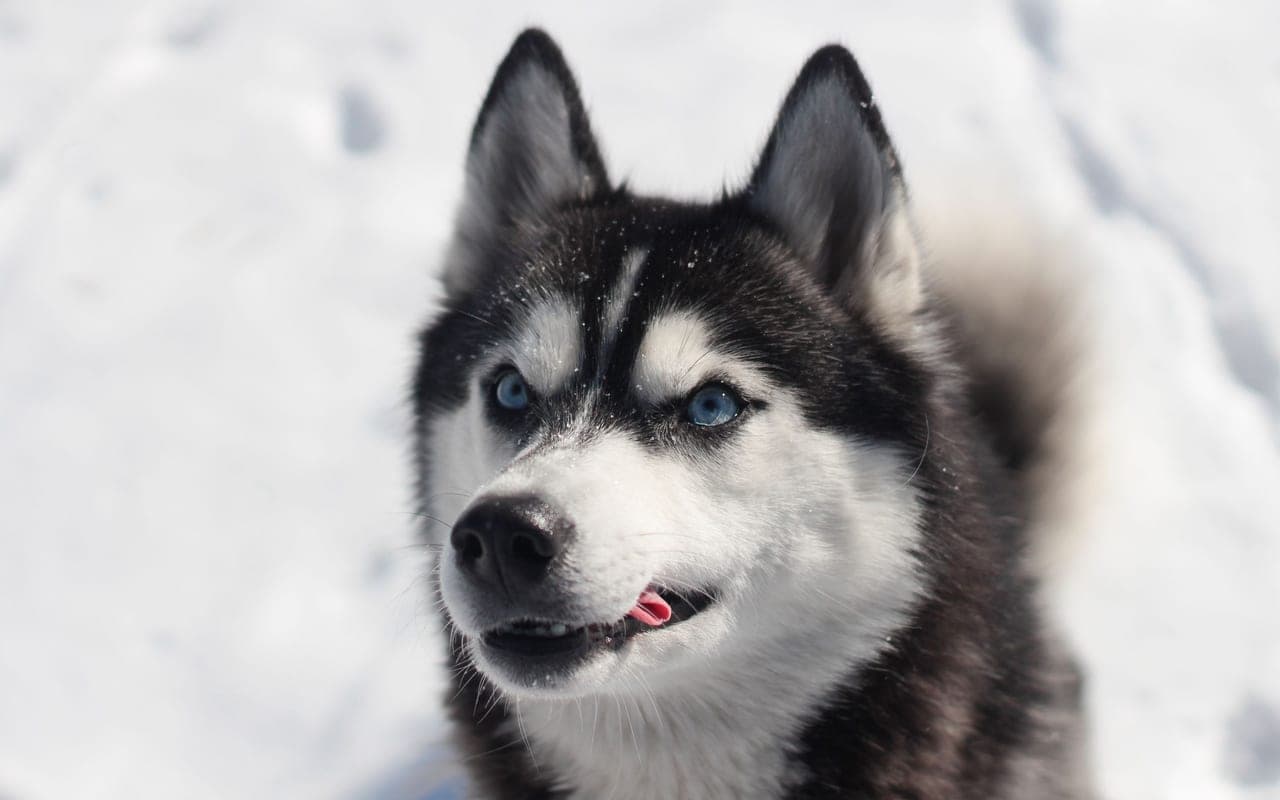
- Siberian Huskies often have striking blue eyes, though they can also have brown eyes, one of each color, or even parti-colored eyes.
- Their thick double coat acts as excellent insulation, allowing them to work in temperatures as low as -60°F (-51°C).
- The breed gained fame through the 1925 serum run to Nome, Alaska, where Huskies (including the famous Balto) relayed diphtheria antitoxin 674 miles to save the town.
- Unlike many dogs, Huskies don't bark much – but they're very vocal with howls, whines, and 'talking'.
- Siberian Huskies are notorious escape artists, known for digging under fences and learning to open gates.
Siberian Husky FAQs
Can a Siberian Husky ever be trusted off-leash?
Realistically, no — not in any unfenced or unsecured area, at any age, regardless of how much training you invest. The Husky was deliberately bred for independent forward motion over distance with low recall, paired with a strong prey drive. Even well-trained Huskies bolt after a squirrel and do not stop. Off-leash freedom is limited to fully fenced yards and dog parks. Treat this as a fixed breed constraint, not a training failure.
How much exercise does a Siberian Husky actually need?
Plan for 60-120 minutes of vigorous activity every day — running, hiking, canicross, skijoring, or a sustained bike-run, not a casual walk. This is a sled dog with deep endurance. The destructive digging, fence-climbing, and constant howling owners complain about are almost always an under-exercised Husky telling you it has unspent fuel. Less than an hour a day of real work and this breed will make your life difficult.
Do Siberian Huskies shed a lot, and can I shave the coat in summer?
Yes, heavily — they shed year-round and 'blow' the entire undercoat twice a year, producing tufts of fur for 2-3 weeks each spring and autumn. Brush weekly and daily during a coat blow with an undercoat rake. Never shave a Husky: the double coat insulates against both heat and cold and regulates temperature; shaving damages regrowth and removes their heat protection. Manage summer with shade, water, and dawn/dusk exercise instead.
Are Siberian Huskies good guard dogs?
No, and you should not buy one expecting protection. The Chukchi bred Huskies for sled work and selected against guarding and aggression, so the typical Husky greets strangers, including intruders, with delight rather than suspicion. They may alert-howl at noise, but they will not defend a home or person. If you want a watchdog, this is the wrong breed; if you want a friendly dog that loves everyone, it is ideal.
How much does owning a Siberian Husky cost?
A puppy from a reputable breeder who screens hips and eyes typically runs $1,000-$2,500; rescues are far less and full of well-bred Huskies surrendered for the exact reasons in this profile. The bigger numbers are ongoing: $1,500-$3,000 a year for food, grooming, and routine vet, plus a real upfront fence ($1,500-$4,000 done properly). Under-budgeting the fence is how most owners end up paying with a lost or rehomed dog.
Are Siberian Huskies good with children and other pets?
With children they are generally excellent — playful, sturdy at 16-27 kg, and pack-oriented, though their exuberant energy means supervision with toddlers. With other pets the answer is harder: their prey drive makes cats, rabbits, and small dogs a genuine risk, especially if introduced as adults. Husky-and-cat households can work when raised together from puppyhood and managed, but never assume it; introduce slowly and supervise indefinitely.
Sources
These are the published sources this page draws on. Each opens in a new tab so you can check it yourself.
American Kennel Club
Siberian Husky — breed standard and profile(opens in a new tab)Supports: Breed standard and recognition details.
Similar breeds to consider
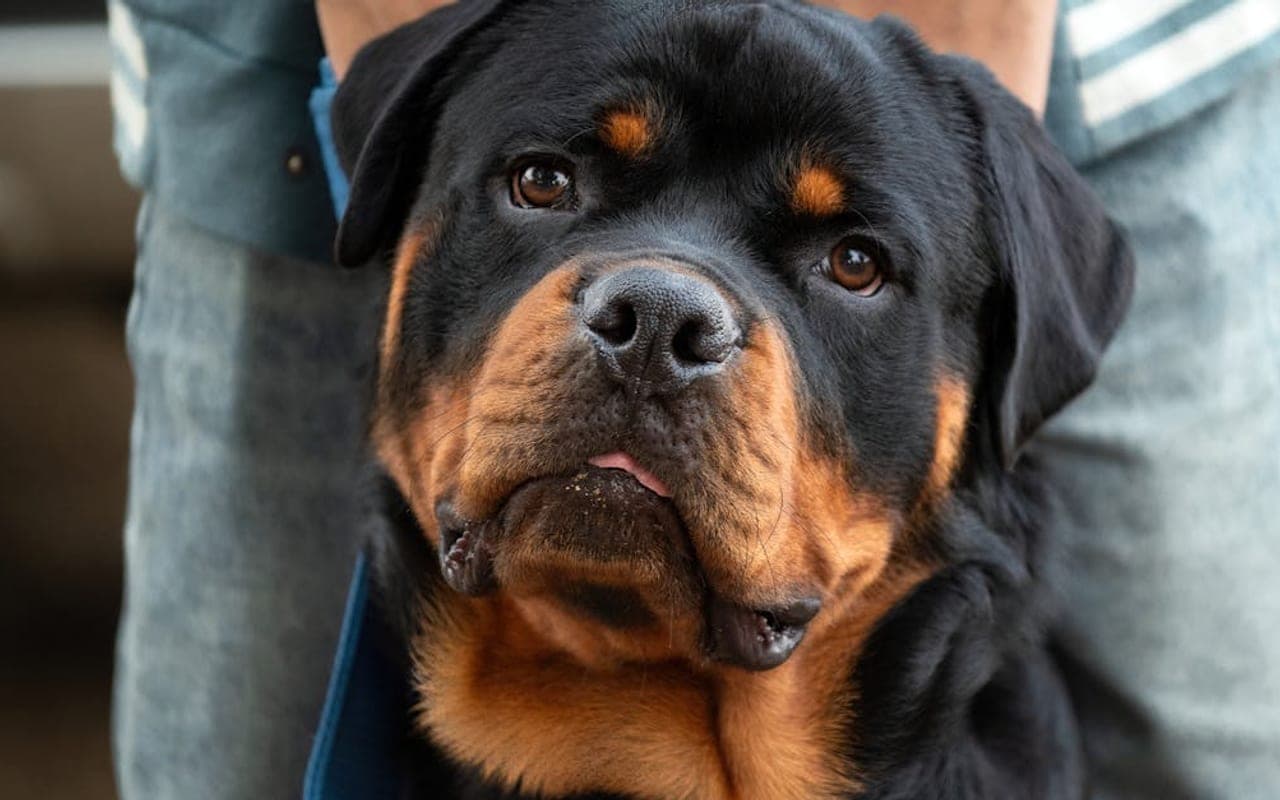
Rottweiler
Also in the Working group, with different care and temperament tradeoffs.
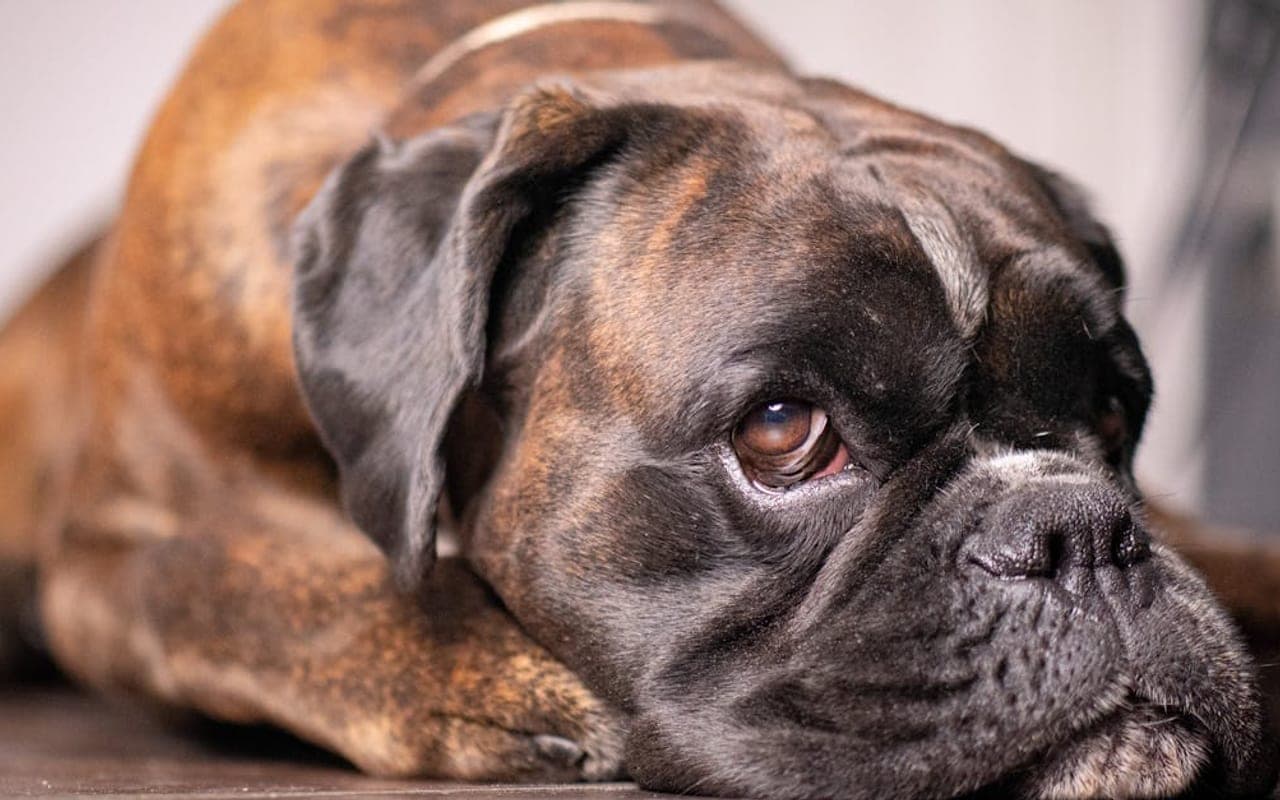
Boxer
Also in the Working group, with different care and temperament tradeoffs.
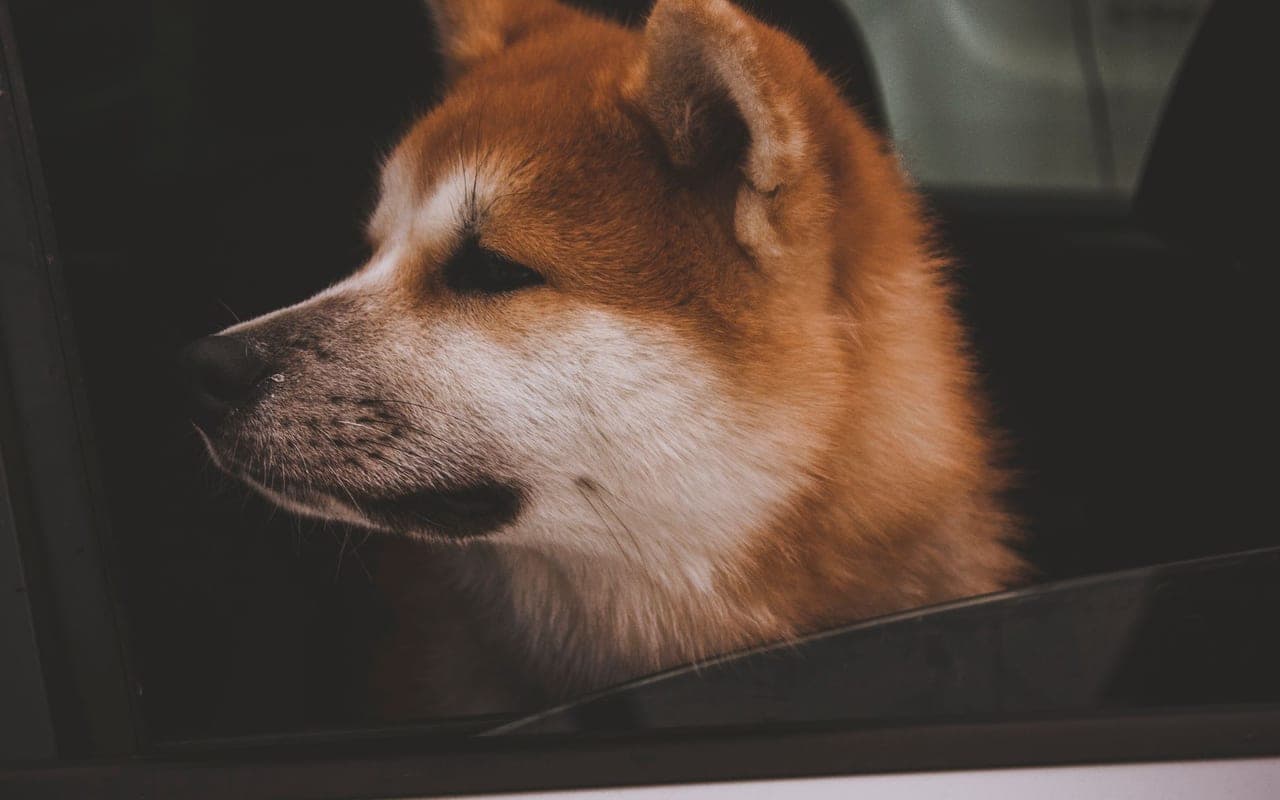
Akita
Also in the Working group, with different care and temperament tradeoffs.
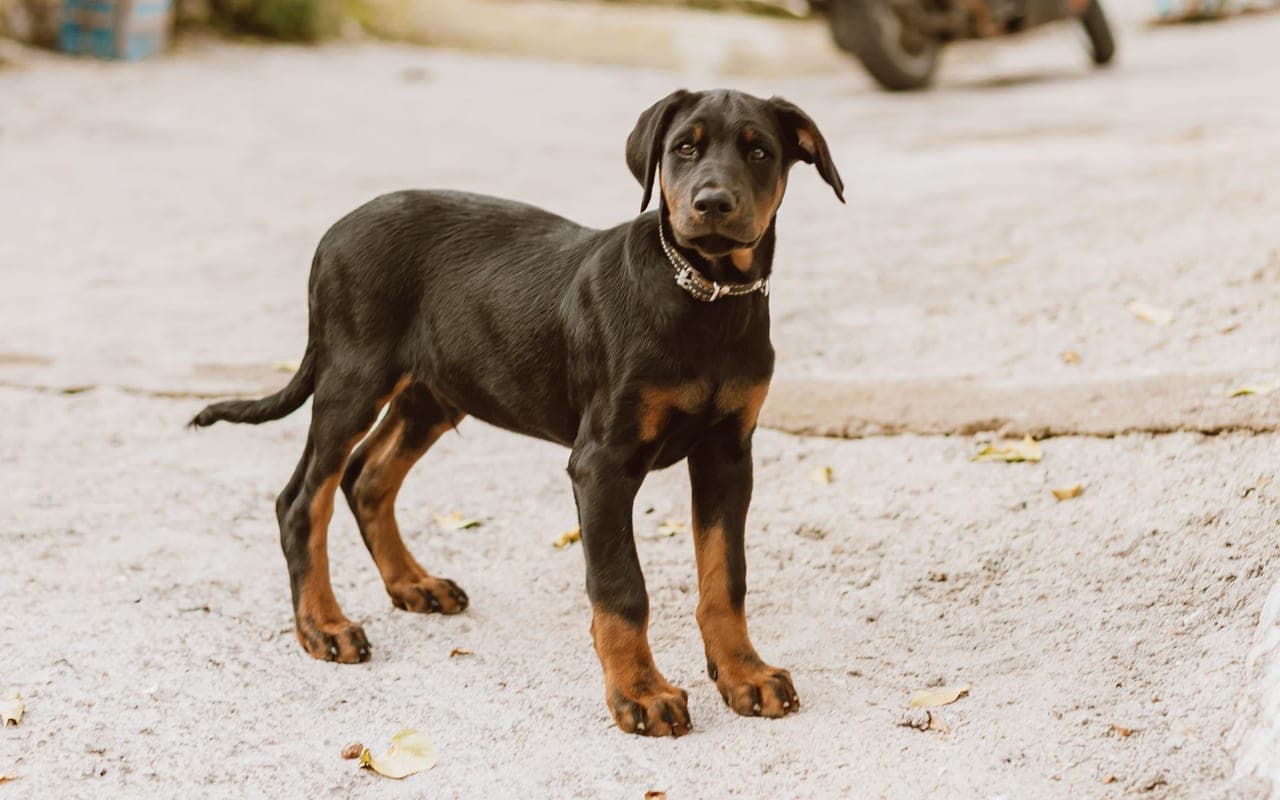
Doberman Pinscher
Also in the Working group, with different care and temperament tradeoffs.
Explore More About Siberian Husky
Dive deeper into everything Siberian Husky — costs, care, and expert insights.
How Much Does a Siberian Husky Cost?
Purchase price, monthly costs, and lifetime expenses
Siberian Husky Care Guide
The Siberian Husky...
ChomChom Roller Review: Best Reusable Pet Hair Remover?
The ChomChom Roller is a simple reusable pet hair remover for couches, bedding, and car seats. See...
Best Pet Grooming Vacuums for Heavy Shedders: The War on Pet Hair
Heavy-shedding dogs and cats can overwhelm a home fast. Compare pet grooming vacuums, undercoat...
How Often Should You Really Bathe Your Dog?
Bathing too often can harm your dog's skin. Here is how to find the right frequency for your dog's...
Considering a cat instead?
Browse Cats