
Non-Sporting group
Shiba Inu
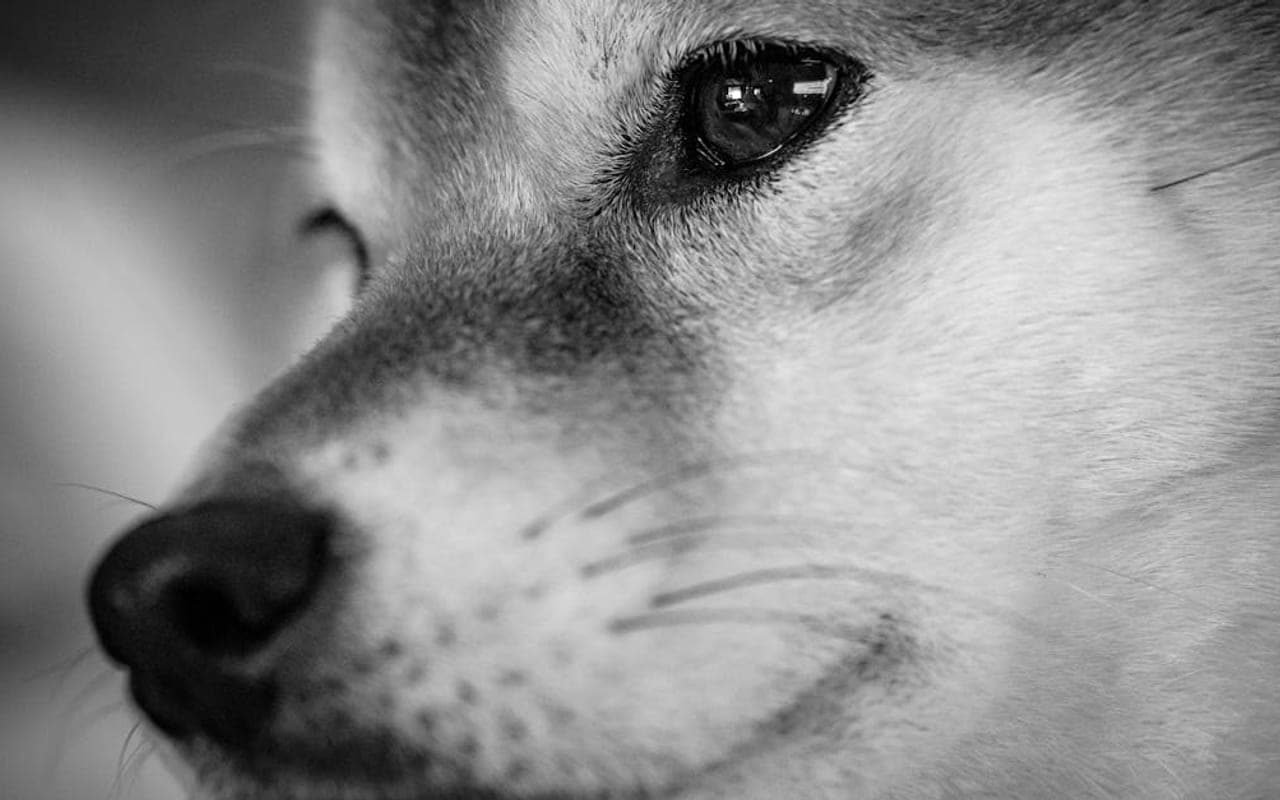
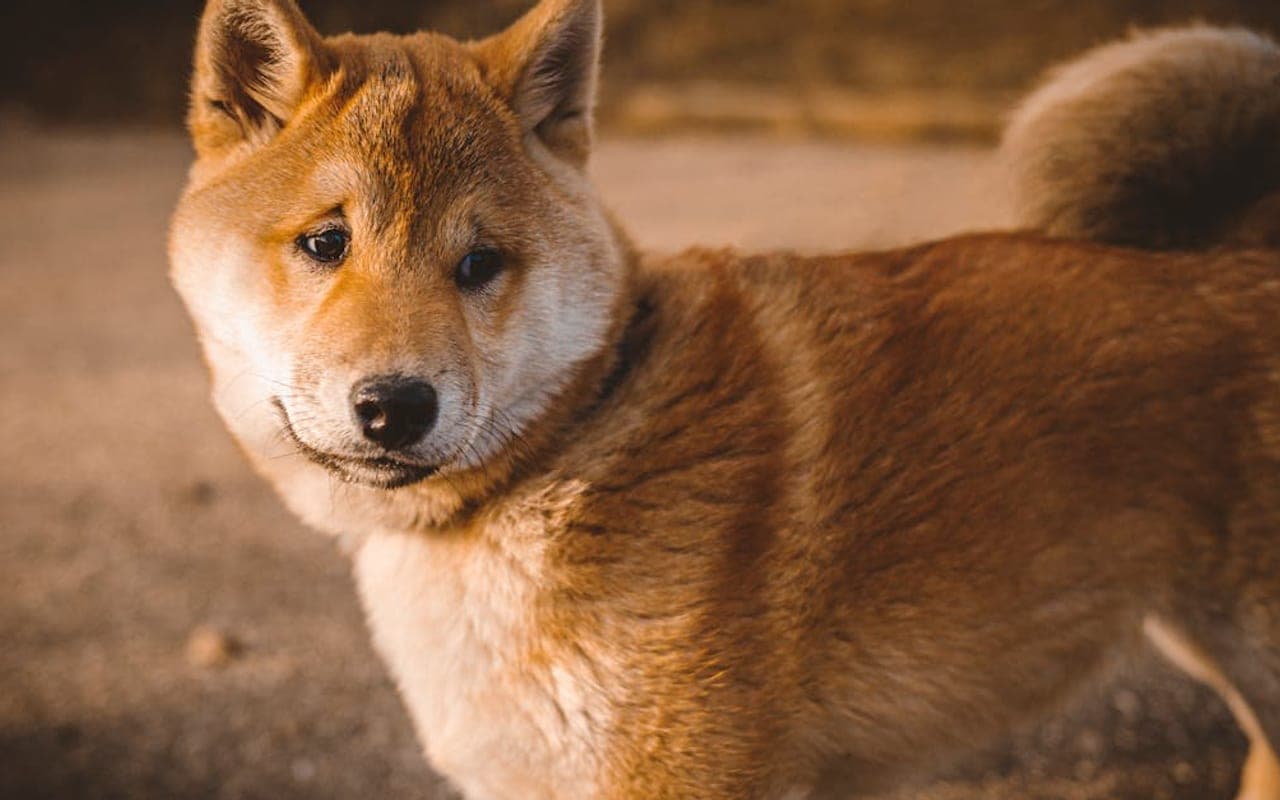
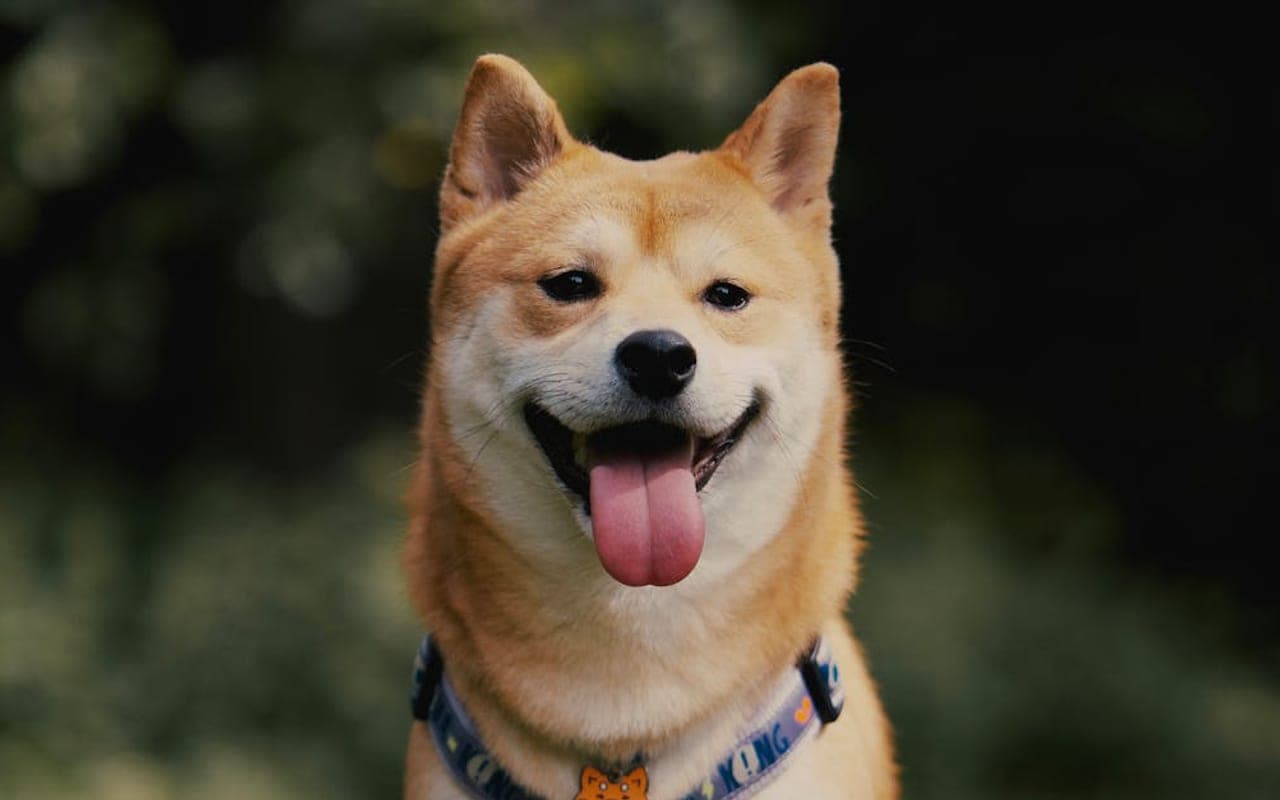
The Shiba Inu is a 17-23 lb (8-10 kg) ancient Japanese hunting spitz with a fox-like look and a cat-like operating system — and the cat comparison is the single most important thing a buyer must understand.
Size
17-23 lb
Lifespan
13-16 years
Exercise
30-60 minutes
Shedding
High
Experience
Match to owner routine
Decision first
Is a Shiba Inu right for you?
Start with fit before history or trivia. These are ownership signals, not guarantees about any individual dog.
Best suited for
- Apartment homes with a consistent routine.
- Owners seeking a manageable daily exercise routine.
Think carefully if
- You need a dog with almost no daily routine.
- You want a very low-shedding home.
- The dog will spend most days alone without support.
Conditional fit
Apartment fit depends on exercise, enrichment, noise management, and outdoor access.
Daily reality
Shiba Inu commitment snapshot
Daily exercise
30-60 minutes
Match activity to age, health, weather, and training goals.
Coat care
Moderate
Grooming needs vary by coat, shedding, and lifestyle.
Time alone
Needs planning
Most dogs need gradual alone-time conditioning and support.
Structured facts
Shiba Inu at a glance
The measurements and traits that most affect day-to-day life with this breed.
Origin
Japan
Group
Non-Sporting
Weight
17-23 lb
Height
13-17 in
Lifespan
13-16 years
Temperament
Alert | Attentive | Independent | Confident | Loyal
View all characteristics and methodology
Lifestyle fit
- Apartment suitability
- Likely fit
- Adaptability
- High
Owner commitment
- Exercise
- 30-60 minutes
- Grooming
- Moderate
- Shedding
- High
- Training
- Low-moderate
Environment and health
- Health risk
- Needs planning
Ratings combine structured breed data, visible breed fields, and editorial context. They are planning aids, not predictions for an individual dog.
Daily life
Shiba Inu temperament and behavior
The Shiba Inu is a 17-23 lb (8-10 kg) ancient Japanese hunting spitz with a fox-like look and a cat-like operating system — and the cat comparison is the single most important thing a buyer must understand. This dog was bred to flush birds and small game alone in dense mountain brush, making decisions without a handler. That independence is hardwired: a Shiba is clean, self-contained, and aloof by design, not a soft, eager-to-please companion, and treating it like a Labrador is the most common ownership mistake. Three behaviors define daily life with this breed and none of them are training failures — they are the breed. First, recall is genuinely unreliable: a Shiba's prey drive and independence mean off-leash freedom in an unfenced area is a real risk to the dog's life, and most experienced owners simply never trust it. Second, the 'Shiba scream' — a piercing vocalization during nail trims, baths, or restraint — is normal and loud. Third, same-sex dog aggression and resource guarding are common and need early management. The upside is substantial: a Shiba is naturally clean (near house-trains itself), low-odor, sheds heavily but is otherwise low-maintenance, healthy and long-lived (13-16 years), and intensely loyal to its person on its own terms. The Shiba Inu is right for you if you want an independent, clean, dignified dog, you will commit to lifelong leash discipline and a securely fenced yard, and you accept a dog that respects you rather than worships you. It is the wrong dog if you want an off-leash trail companion, an eager obedience dog, a dog park regular, or an easy first dog. Buy from a breeder who screens for patellar luxation and hip dysplasia and does eye clearances — and meet the parents' temperament, because nerve and reactivity are heritable here.
Alert | Attentive | Independent | Confident | Loyal
Alert
A common Shiba Inu temperament descriptor that should be interpreted alongside training, exercise, and household fit.
Attentive
A common Shiba Inu temperament descriptor that should be interpreted alongside training, exercise, and household fit.
Independent
A common Shiba Inu temperament descriptor that should be interpreted alongside training, exercise, and household fit.
Confident
A common Shiba Inu temperament descriptor that should be interpreted alongside training, exercise, and household fit.
Owner note
Temperament labels are starting points, not guarantees. Meet the individual dog and ask about behavior history whenever possible.
Care essentials
How to care for a Shiba Inu
What looking after one actually involves: exercise, grooming, food, training, and routine health.
HealthAs needed
- Shiba Inus are generally a healthy breed. Potential concerns include allergies, hip dysplasia, patellar luxation, and eye conditions like glaucoma. They are one of the longer-lived breeds, with many reaching 15+ years.
ExerciseAs needed
- Shiba Inus need about 45-60 minutes of daily exercise. They enjoy brisk walks, hiking, and exploratory outings. They should always be on leash outside of securely fenced areas, as their strong prey drive and independent nature mean they may not return when called.
GroomingAs needed
- Shiba Inus are naturally clean dogs that groom themselves like cats. Their double coat needs brushing 1-2 times per week, increasing to daily during their twice-yearly heavy shedding periods. They rarely need baths as their coat naturally repels dirt.
TrainingAs needed
- Shiba Inus are intelligent but famously independent and strong-willed. They are often compared to cats in their aloofness. Positive reinforcement with high-value rewards works best. They can be challenging for first-time dog owners. Early socialization is absolutely critical.
NutritionAs needed
- Feed a high-quality small to medium-breed food, about 1 to 1.5 cups daily divided into two meals. Shiba Inus can be picky eaters and may refuse food if they don't like it. Some owners find success with a partial raw diet or high-quality kibble rotation.
Health planning
Shiba Inu health risks and screening
Every breed has individual health variation. Use this profile for planning and discuss medical decisions with a veterinarian.
Ownership cost
How much does a Shiba Inu cost?
Cost figures are structured so first-year and lifetime estimates do not conflict with the underlying line items.
| Acquisition | $1,000-$3,500 |
|---|---|
| Routine monthly | About $100/month |
| Routine annual | About $1,200/year |
| First-year estimate | $2,200-$4,700 |
| Lifetime routine estimate | $15,600-$19,200 routine costs |
Currency: USD. Region: United States. Typical ranges for this breed. Equipment, insurance, emergency veterinary care, boarding and training are NOT included: we hold no sourced figures for them, and estimating them would be a guess presented as data.
Responsible ownership
Finding a Shiba Inu responsibly
What to ask a breeder or rescue is the same conversation for every breed, so we keep it in one place and keep it current.
Health documentation, meeting the parents or foster, contracts and return support, and the warning signs worth walking away from.
Original purpose
Shiba Inu history
History is useful when it explains today's behavior, coat, exercise needs, and training style.
Read the breed history
The Shiba Inu is the smallest and one of the oldest of Japan's native dogs, a primitive spitz used for centuries to flush birds and hunt small game through the dense undergrowth of Japan's mountainous regions, often working independently of the hunter. That solitary hunting job is the genetic root of every modern trait: the sharp prey drive, the unreliable recall, the bold self-reliance, the cleanliness and low odor of a dog built to slip silently through brush, and the loyalty-without-servility that makes it bond hard but obey on its own terms. The breed was nearly lost twice — first to crossbreeding with imported Western dogs, then to WWII bombing and a post-war distemper epidemic — and the entire modern population was rebuilt from three surviving regional bloodlines (the Shinshu, Mino, and San'in), which is also why the gene pool is relatively narrow and parental health screening matters. Japan declared the Shiba a national treasure in 1936. Knowing it is an ancient, minimally re-engineered hunting dog explains why it behaves more like a wild canid than a modern companion breed.
Gallery
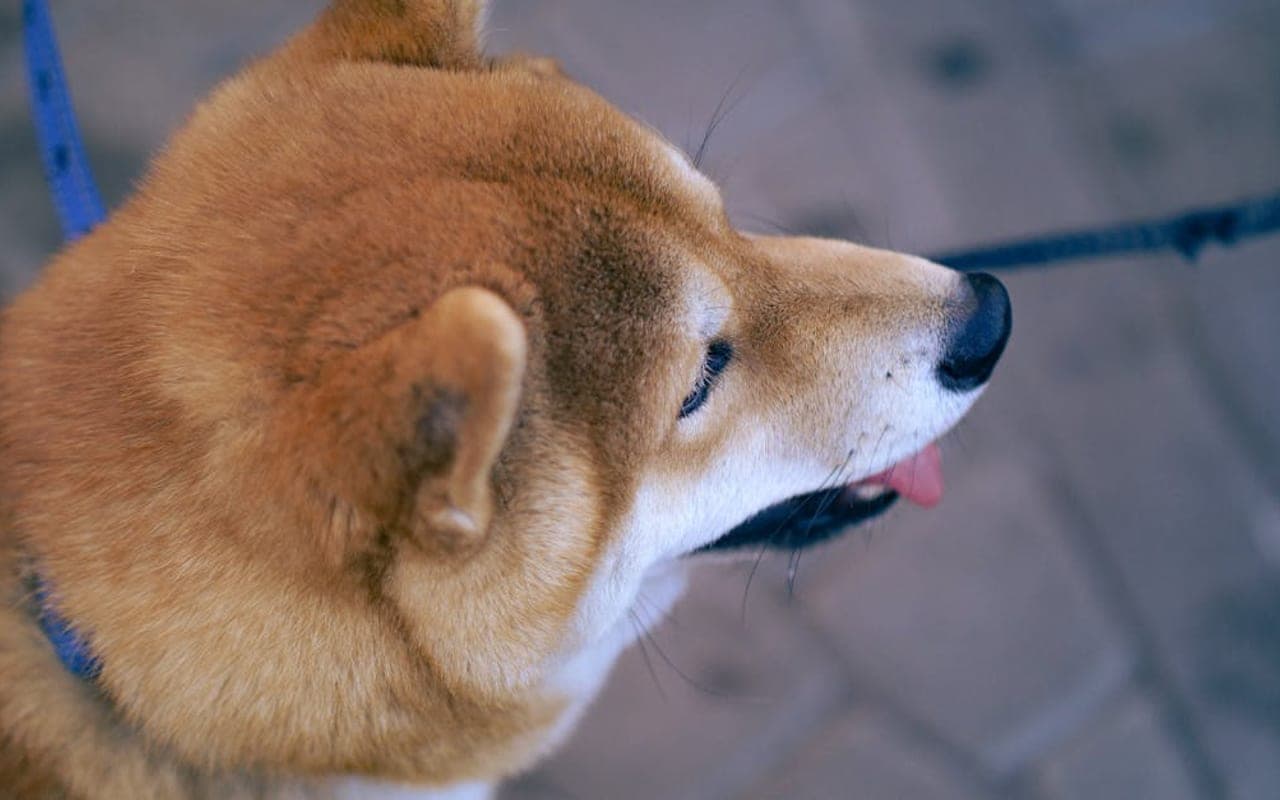
Shiba Inu photos
Images are cropped consistently and loaded progressively to keep the page responsive.
Lower-page context
Shiba Inus in culture
Where the breed shows up in film, sport, work and folklore — the enjoyable part, once the practical questions are answered.
Fun facts
- The Shiba Inu is the most popular companion dog breed in Japan
- Shiba Inus are famous for the "Shiba scream" — a unique, loud vocalization they make when excited, displeased, or happy
- The breed nearly went extinct during World War II and all modern Shibas descend from just three surviving bloodlines
- The Shiba Inu was declared a National Treasure of Japan in 1936
- The internet-famous "Doge" meme features a Shiba Inu named Kabosu, and the Dogecoin cryptocurrency uses the Shiba Inu as its mascot
Shiba Inu FAQs
How long do Shiba Inus live?
Typically 13-16 years, which is long even for a small dog, and the breed is generally robust compared with many purebreds. The main caveats are orthopedic (patellar luxation, hip dysplasia) and allergic skin disease, which affect quality of life more than lifespan. Buying from a breeder who screens hips, knees, and eyes, and keeping the dog lean, are the levers that protect both the length and the comfort of that long life.
Are Shiba Inus good with children and other dogs?
With respectful older children, often fine — but a Shiba is independent and will not tolerate rough handling, ear-pulling, or being cornered, and it is more likely to walk away or warn than to absorb abuse like a Golden. With other dogs, same-sex aggression and resource guarding are common and need early, deliberate management. They are not natural dog-park dogs. A calm home with older kids and managed dog introductions suits them best.
Can a Shiba Inu be let off leash?
Realistically, no — and this is the single most important thing to accept before getting one. The Shiba's hunting heritage gives it strong prey drive and a famously unreliable recall that training rarely fully overcomes. Most experienced owners keep their Shiba leashed in any unfenced area for its entire life. A loose Shiba chasing a squirrel into traffic is a leading cause of preventable death in the breed; a securely fenced yard is effectively mandatory.
How much do Shiba Inus shed and what is grooming like?
Day to day, very little maintenance — a weekly brush and infrequent baths, and they are naturally clean and low-odor. Twice a year, however, the double coat 'blows' for 3-4 weeks and the volume of shed undercoat is dramatic for such a small dog; daily brushing and a deshedding tool are needed during that window. Never shave the double coat — it regulates temperature and may regrow incorrectly. Expect the loud 'Shiba scream' during nail trims and baths.
How much does a Shiba Inu cost to own?
A health-screened puppy from a reputable breeder typically runs $1,000-$3,500; breed rescue is far less. Ongoing costs are modest for a small, generally healthy dog — about $1,000-$2,000 a year for food, parasite prevention, and routine vet. The hidden costs are orthopedic (patellar luxation surgery $1,500-$3,000+ per knee) and behavioral: many owners pay for a professional trainer or behaviorist to manage resource guarding or dog reactivity, which is money well spent in this breed.
What is the Shiba scream and is it a behavior problem?
The 'Shiba scream' is a piercing, almost human-sounding vocalization a Shiba makes when restrained, frightened, frustrated, or sometimes overjoyed — typically during nail trims, baths, or vet handling. It is normal breed behavior, not aggression or a training failure, though it is genuinely loud. You reduce it by socializing handling early (paws, mouth, restraint) from puppyhood and keeping grooming low-stress, but you will likely never fully eliminate it — accepting it is part of accepting the breed.
Sources
These are the published sources this page draws on. Each opens in a new tab so you can check it yourself.
American Kennel Club
Shiba Inu — breed standard and profile(opens in a new tab)Supports: Breed standard and recognition details.
Similar breeds to consider
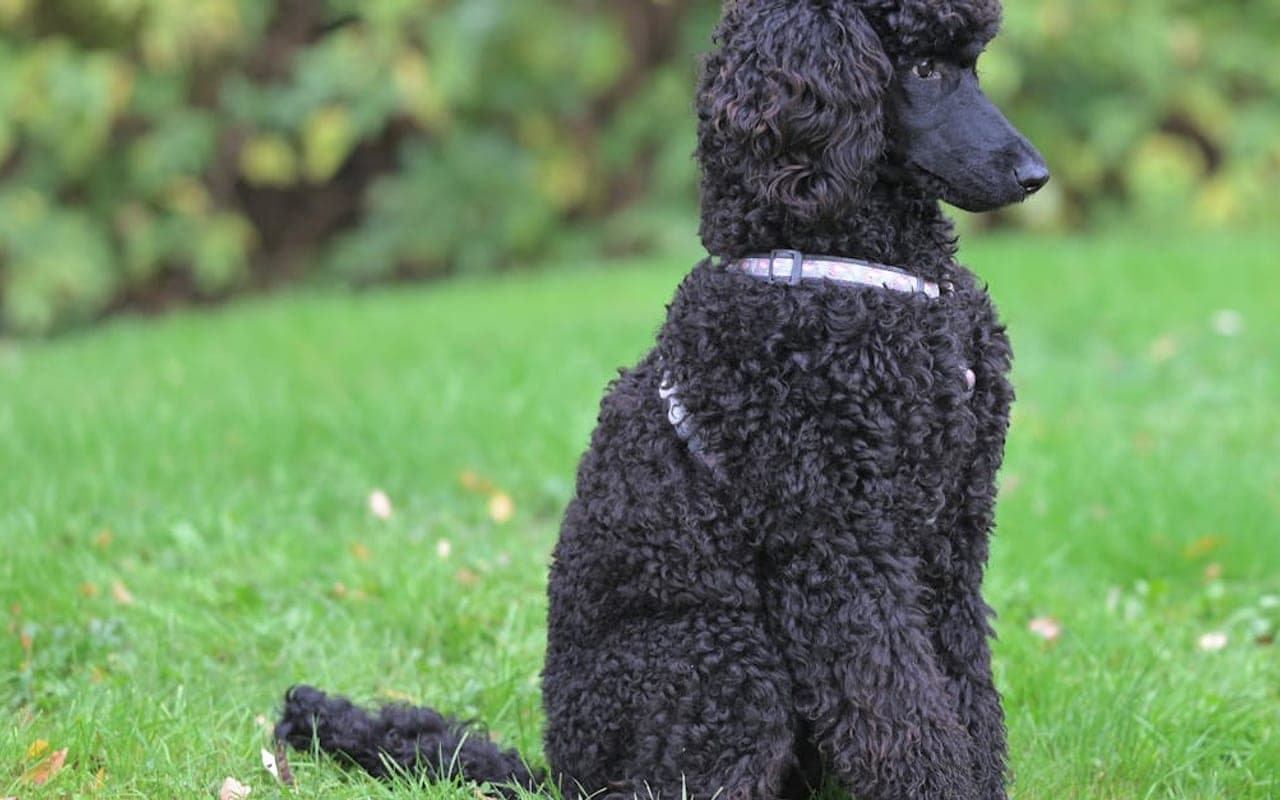
Poodle
Also in the Non-Sporting group, with different care and temperament tradeoffs.
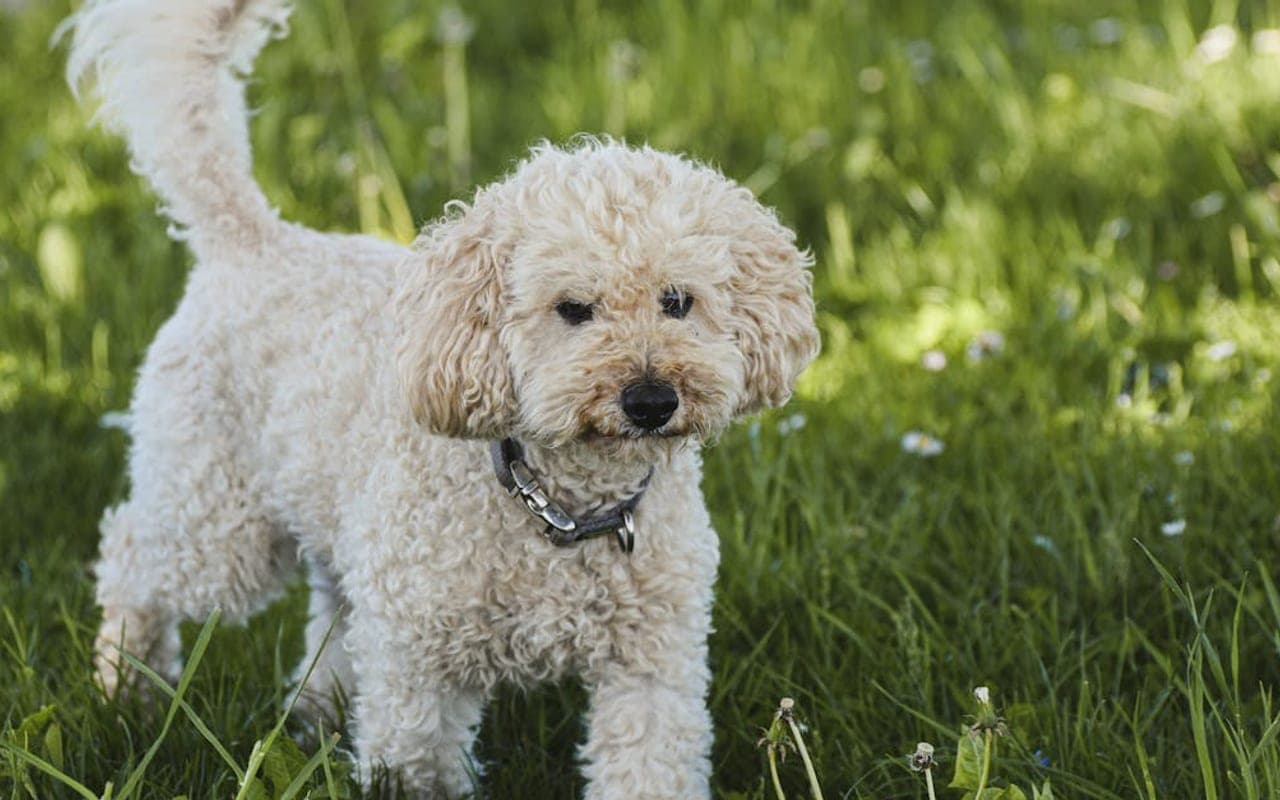
Poodle (Miniature)
Also in the Non-Sporting group, with different care and temperament tradeoffs.
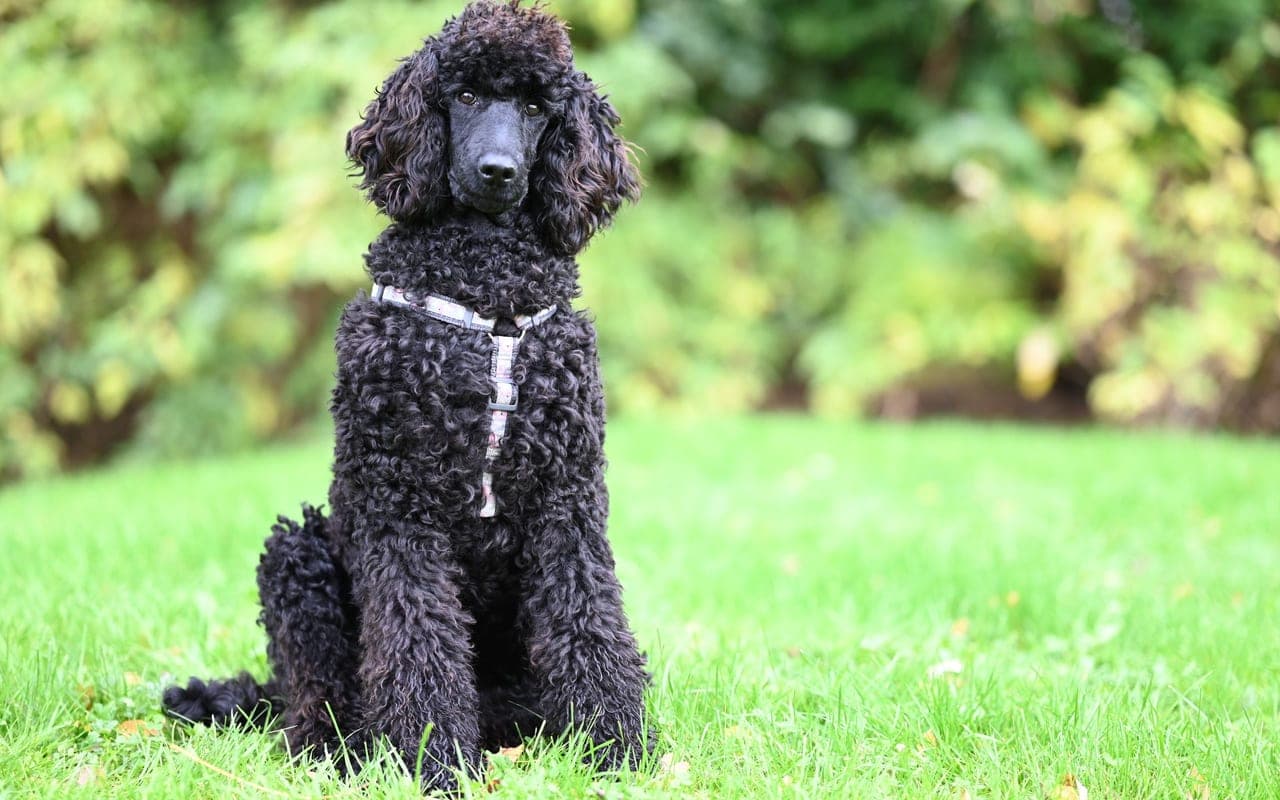
Poodle (Standard)
Also in the Non-Sporting group, with different care and temperament tradeoffs.
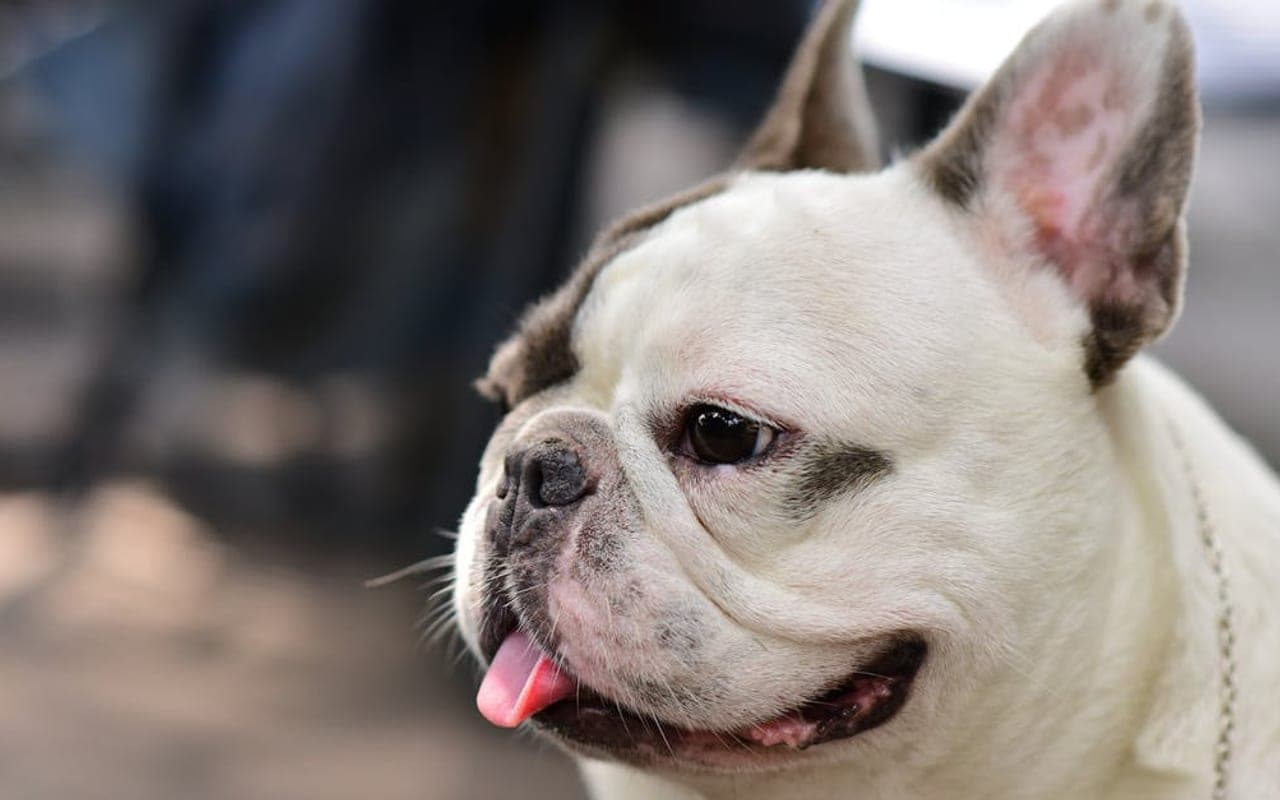
Bulldog
Also in the Non-Sporting group, with different care and temperament tradeoffs.
Explore More About Shiba Inu
Dive deeper into everything Shiba Inu — costs, care, and expert insights.
How Much Does a Shiba Inu Cost?
Purchase price, monthly costs, and lifetime expenses
Shiba Inu Care Guide
The Shiba Inu is Japan's oldest and...
Your Dog's Tail Position Says More Than You Think
Your dog's tail is a communication tool. Learn what different positions, speeds, and directions...
Considering a cat instead?
Browse Cats