
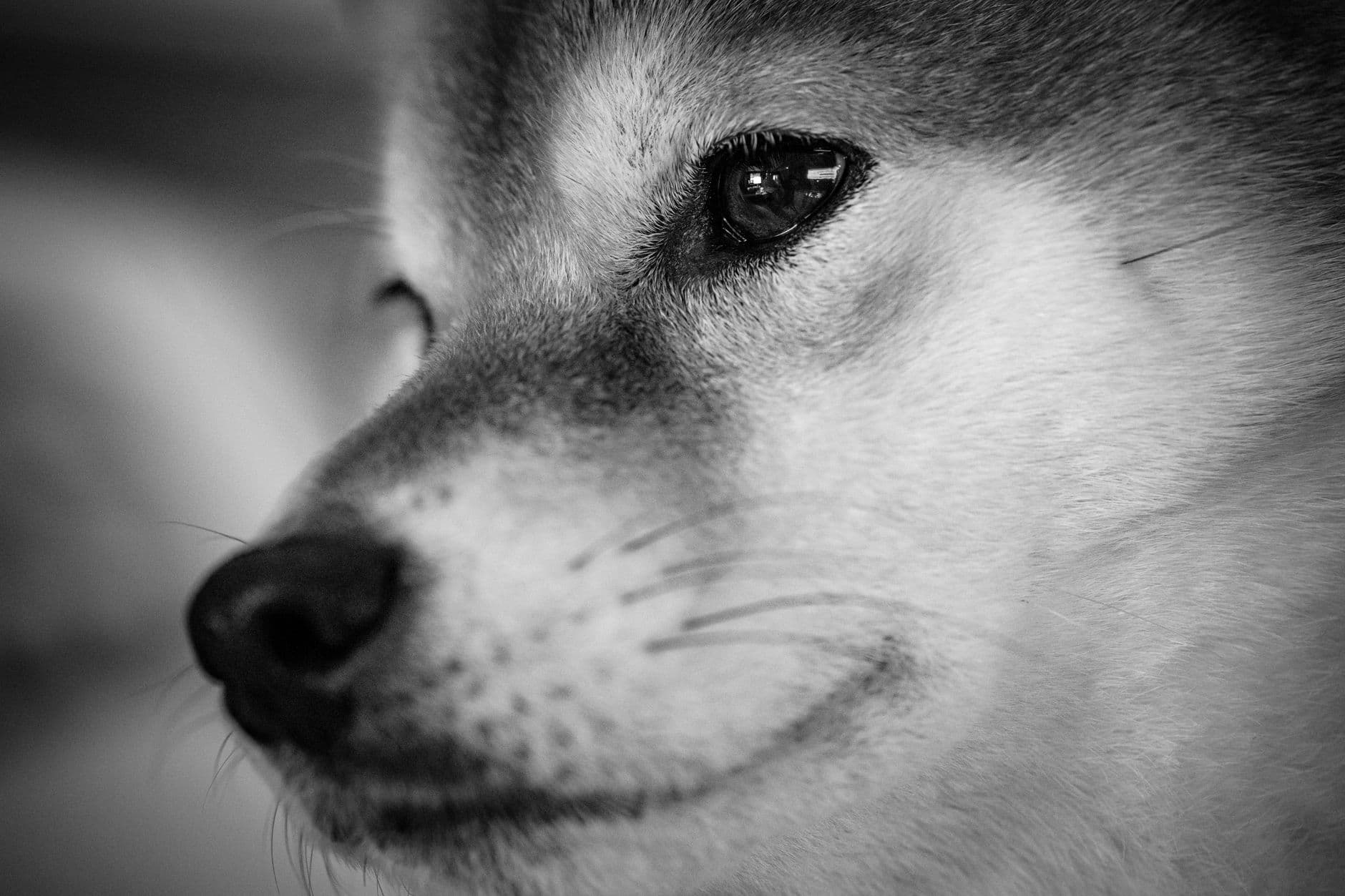
Shiba Inu Care Guide
The Shiba Inu: Japan's Ancient Dog in a Modern World The Shiba Inu is Japan's oldest and smallest native dog breed, with a lineage that traces back thousands of years to the mountainous regions of cen
In This Guide
Overview
The Shiba Inu: Japan's Ancient Dog in a Modern World
The Shiba Inu is Japan's oldest and smallest native dog breed, with a lineage that traces back thousands of years to the mountainous regions of central Japan where these compact, agile hunters were used to flush small game and birds. Today the Shiba holds the distinction of being Japan's most popular companion dog -- and, thanks to social media, one of the most recognizable dogs on the internet worldwide.
That recognition comes with a significant problem. The viral spread of Shiba images -- especially the famous Doge meme featuring Kabosu, the Shiba Inu photographed with an internet-famous expression in 2010 -- created enormous demand for the breed among people whose primary exposure to Shibas was a meme. The gap between the meme and the reality of living with a Shiba is substantial.
What the Shiba Inu Actually Is
At 17 to 23 pounds and 13.5 to 16.5 inches at the shoulder, the Shiba is a medium-small dog with a foxlike face, pricked ears, a curled tail, and a dense double coat. The American Kennel Club standard allows three colours — red, black and tan, and sesame — given equal consideration, and requires urajiro, the cream-to-white ventral markings, on all of them. Cream is not a fourth colour: the standard calls cream, white, pinto or any other unlisted colour a very serious fault that must be penalised. It gives no reason, so treat any explanation you read for it as someone's inference.
The Shiba is classified as a primitive breed -- genetically, it sits closer to wolves and ancient Asian breeds than to the modern European breeds that dominate Western dog culture. This matters for ownership. Primitive breeds were never bred to look to humans for direction. They were bred to hunt independently, make their own decisions, and operate at a distance from their handlers. That heritage is alive in every Shiba alive today.
The Shiba Scream
If there is one behavior that defines the Shiba to people who live with them, it is the Shiba Scream. This is a high-pitched, piercing vocalization that Shibas produce when they are distressed, displeased, excited, or disagree with something happening to them. Nail trimming, bath time, veterinary handling, and being asked to stop doing something they want to do are all common triggers. The scream is distinctive, startling, and -- to owners who are not prepared -- alarming. It is not a sign of injury. It is a sign that the dog disagrees with the current situation and has chosen to express that disagreement at maximum volume.
The Misidentification Problem
Social media has produced a persistent pattern of Shiba Inus being identified as huskies, wolves, foxes, or wolf-dog hybrids. This is incorrect. The Shiba is a domestic dog -- fully dog, fully domestic -- with no more wolf content than any other breed. The foxlike face and alert expression are breed characteristics, not indicators of wild ancestry. Potential owners should understand the breed for what it actually is: an intelligent, independent, cat-like companion with strong prey drive and a distinct personality, not a wolf surrogate.
Is the Shiba Right for You?
The Shiba Inu is best suited for experienced dog owners who understand primitive breed psychology, can provide consistent structure without harsh corrections, and have the patience for a dog that will test every boundary they set. It is not a breed for first-time owners who want an easy, people-pleasing companion. For the right owner -- one who respects the breed's independence and invests in early socialization and training -- the Shiba is an enormously rewarding dog: clean, dignified, athletic, and deeply loyal to its household. With a lifespan of 13 to 16 years, it is a long-term relationship that rewards the investment made early.
Daily Care
Daily Care for Your Shiba Inu
Containment First, Always
Before any daily routine can be established, Shiba owners must internalize one non-negotiable fact: this breed cannot be trusted off-leash in any unfenced area. The Shiba's prey drive is not a training problem to be solved -- it is a breed characteristic. A Shiba that spots a squirrel, rabbit, bird, or fast-moving object will be gone before a verbal recall has any chance of functioning. A 6-foot fence is the minimum recommended height; 4-foot is not sufficient. Check fence integrity regularly -- Shibas are athletic and motivated.
Cat-Like Cleanliness
Shibas are famously fastidious. They groom themselves, dislike being wet or muddy, and will often avoid walking through puddles. This cleanliness makes them easy to live with in terms of household tidiness but can complicate housetraining if weather prevents outdoor potty breaks they find objectionable. Establish a consistent outdoor routine early and stick to it regardless of weather.
Mental Stimulation
A bored Shiba becomes a destructive, vocal, or escape-focused Shiba. Daily mental enrichment is as important as physical exercise. Puzzle feeders, sniff walks (walks where the dog controls the pace and investigates freely), training sessions kept short (5 to 10 minutes) to maintain interest, and appropriate chew items all help manage a Shiba's cognitive needs. Shibas do not typically retrieve, but many enjoy scent work and nose games.
Social Interaction with Other Dogs
Male Shibas in particular have a strong tendency toward dog aggression, especially with other intact males. Socialization started early and maintained consistently can improve tolerance, but owner realism matters here. Many Shibas do best as the only dog in the household or with a carefully chosen compatible dog (typically a dog of the opposite sex). Never assume a Shiba will be friendly with other dogs at a dog park -- off-leash dog parks are not appropriate for most Shibas.
Nutrition
Feeding Your Shiba Inu
Caloric Needs
An adult Shiba Inu at 18 to 22 pounds requires approximately 600 to 900 calories per day depending on activity level, age, and metabolic rate. Active Shibas on the higher end of the weight range may need more; sedentary adults or older dogs need less. Avoid free-feeding -- Shibas can be prone to weight gain in middle age when activity levels drop, and monitored feeding makes it easier to catch early.
Food Sensitivities and Allergies
Allergies and food sensitivities are common in Shibas. The most frequent presentation is environmental allergies (pollen, dust mites) with a secondary food component, but true food allergies -- typically to proteins like chicken, beef, or dairy -- also occur. Signs include itchy paws (the dog licks or chews the feet excessively), facial rubbing, recurring ear infections, and gastrointestinal upset. If your Shiba shows these signs, a food elimination trial with a novel protein (rabbit, duck, venison) or hydrolyzed protein diet can help identify the trigger.
Protein Source Rotation
Many Shiba owners rotate protein sources every few months as a practical strategy to reduce the risk of developing sensitivities to any single protein. If your dog does well on chicken kibble, periodically rotating to salmon or lamb may help long-term. This is not scientifically proven to prevent allergies, but it is a low-risk, practical approach favored by experienced Shiba breeders.
What to Feed
High-quality commercial kibble formulated for medium breeds works well for most Shibas. Look for a named protein as the first ingredient, limited filler grains, and no artificial preservatives. Some Shiba owners feed raw or home-cooked diets successfully, but these require careful nutritional balancing -- consult a veterinary nutritionist before transitioning away from commercial food.
Supplements
Omega-3 fatty acids (fish oil) benefit the Shiba's coat and may help manage allergy-related skin inflammation. Probiotic supplementation can support gut health, particularly useful during the dietary transitions that allergy investigations require.
Exercise
Exercise Requirements for the Shiba Inu
Daily Minimums
An adult Shiba Inu needs a minimum of 45 to 60 minutes of intentional exercise daily. This is a breed that was built to move through mountainous terrain for hours at a time, and the modern companion version retains much of that stamina. Under-exercised Shibas redirect their energy in ways that make household life difficult: excessive vocalization, destructive behavior, and intensified escape attempts.
On-Leash Exercise Is the Only Safe Exercise
Because Shibas cannot be reliably recalled off-leash, all outdoor exercise happens on a leash or in a securely fenced area. A 6-foot privacy fence (not chain-link a motivated Shiba can climb) enables free running, play, and zoomies in a controlled environment. Retractable leashes are not recommended -- they provide too much slack to react to a sudden prey pursuit and can cause serious injury to both dog and owner.
Ideal Activities
Shibas excel at activities that engage both body and mind. Structured leash walks cover the basics. Hiking on trails is ideal -- the varied terrain, new smells, and physical demands suit the breed well. Canine sports like agility and scent work have growing Shiba communities; the breed's athleticism and independent intelligence translate well to these sports for owners willing to work with the Shiba's do-it-on-my-own-terms training personality.
The Seasonal Shedding Warning
Twice yearly -- typically spring and fall -- Shibas "blow their coat", shedding the dense undercoat in large quantities over three to six weeks. During these periods, daily brushing is essential to manage the volume and prevent matting of the remaining guard coat. Exercise outdoors during blow-coat season means returning home covered in dog hair -- prepare accordingly.
Grooming
Grooming the Shiba Inu
The Double Coat
The Shiba carries a thick double coat consisting of a stiff, straight outer layer (guard coat) and a dense, soft undercoat. This construction was designed for insulation against mountain weather extremes -- cold winters and damp, humid summers. The coat repels dirt and light moisture to a degree that surprises new owners: a Shiba that runs through mud often shakes clean within hours as the dirt dries and falls away.
The coat requires minimal grooming during most of the year. Weekly brushing with a slicker brush and metal comb removes loose hair and maintains coat health. Bathing every six to eight weeks (or as needed) is sufficient for most companion Shibas.
Shedding Season
The coat blow (twice-yearly heavy shedding) is in a different category entirely. During this three-to-six-week period, the undercoat releases in massive quantities. Brushing every day during coat blow is essential, and a deshedding tool or undercoat rake dramatically reduces the amount of hair that ends up on furniture and clothing. A professional deshedding treatment at a groomer -- which involves a thorough bath, blow-out, and undercoat removal -- is worth considering at the start of each coat blow season.
Important: Do Not Shave a Shiba
Double-coated breeds should never be shaved. The double coat regulates body temperature in both directions -- insulating from cold in winter and reflecting heat in summer. Shaving disrupts the coat structure permanently in some dogs and provides no benefit to the dog's comfort. If your Shiba seems uncomfortable in summer heat, limit outdoor time to early morning and evening, provide shade and fresh water, and never shave.
Nails and Ears
Nail trims every three to four weeks prevent the overgrowth that changes gait and causes discomfort. Many Shibas resist nail trimming strongly -- desensitization starting in puppyhood is critical. Ear checks weekly; clean with a vet-approved solution if there is wax buildup. Erect ears are easy to look into, so check them when you groom. Do not read that as immunity: this guide's own health section lists recurring ear infections among the signs of allergy in the breed, and VCA Animal Hospitals describes recurring skin and ear infections as part of the atopy picture.
Health
Shiba Inu Health: Key Concerns
Allergies
Allergies are the most common health issue in Shibas. Environmental allergens (grasses, pollens, dust mites, molds) cause seasonal itching, paw licking, face rubbing, and recurring skin or ear infections. Food allergies produce similar symptoms year-round. Management involves identifying and reducing exposure to triggers, veterinary-prescribed medication — your vet will choose from the licensed options for canine atopic dermatitis — and, in food allergy cases, dietary elimination trials. Allergies in Shibas are manageable but rarely cured -- most owners develop a long-term management protocol with their veterinarian.
Patellar Luxation
The kneecap slipping out of its groove (patellar luxation) affects Shibas at rates similar to other medium-small breeds. Mild cases are managed conservatively with weight control and limited impact activity. Severe cases require surgery. Reputable breeders screen breeding dogs using Orthopedic Foundation for Animals (OFA) evaluations.
Hip Dysplasia
Hip dysplasia -- abnormal development of the hip joint -- occurs in Shibas and can range from mild (managed with weight control and anti-inflammatory medication) to severe (requiring total hip replacement in some cases). OFA hip certification in breeding dogs reduces but does not eliminate risk.
Glaucoma
Shibas have elevated risk for glaucoma, a condition in which increased pressure within the eye causes damage to the optic nerve. Early glaucoma is often asymptomatic -- by the time cloudiness, redness, or pain appears, significant damage has already occurred. Annual eye exams by a board-certified veterinary ophthalmologist are recommended for Shibas starting at age 3. Glaucoma treatment involves long-term topical medications; advanced cases may require surgical intervention or enucleation.
Finding a Responsible Breeder
Reputable Shiba breeders conduct OFA hip and patella evaluations, CAER eye exams, and in some cases thyroid and cardiac screening. Ask for documentation of all health clearances before purchasing. The national breed club (National Shiba Club of America) maintains breeder referrals and health registry resources.
Costs
The Cost of Owning a Shiba Inu
Purchase Price
A Shiba Inu from a health-testing breeder in the United States typically costs $1,500 to $3,000. Show-line dogs or dogs from championship pedigrees may cost more. Rescue Shibas are available through Shiba Inu Rescue organizations for $200 to $400 in adoption fees -- adult rescues can be an excellent option for owners who want to avoid the challenging puppy phase.
Annual Veterinary Costs
Budget $400 to $700 per year for routine care. Allergy management is the significant variable for Shibas: daily or monthly medication, and in some cases allergy testing followed by ongoing immunotherapy, are the lines that separate an easy year from an expensive one. Ask your vet which options apply before budgeting. Owners whose Shibas have significant allergy disease should expect veterinary costs of $1,200 to $2,500 or more annually.
Grooming
Shibas require relatively little professional grooming outside of shedding season. Annual professional deshedding treatments (two per year) run $75 to $150 each. A slicker brush, deshedding tool, and metal comb represent a one-time investment of $60 to $100 for owners who manage coat maintenance at home.
Food
Monthly food costs for a quality kibble run $60 to $90 for an adult Shiba. Novel protein or hydrolyzed protein foods for allergy management cost $90 to $150 per month.
Fencing
If your property is not already fenced to 6 feet, factor in the cost of installing appropriate fencing. This is a non-optional safety cost for Shiba ownership.
Total First-Year Estimate
Including purchase, setup, veterinary care, food, and grooming, expect $3,000 to $6,000 in the first year. Subsequent years without significant health events run $2,000 to $4,000, potentially more for allergy-prone individuals.
Frequently Asked Questions
My Shiba has a perfect recall in the garden. Why can I still not let him off lead at the park?
Because a garden recall tests nothing the breed was built to override. The American Kennel Club's own breed advice states that even the most well-trained Shibas should never be allowed off lead unless they are in a fenced or enclosed area. The AKC breed standard describes a dog developed for hunting by sight and scent in dense mountain undergrowth, so a moving squirrel competes directly with your voice. Use a long line in open ground and save freedom for enclosed space.
What is GM1 gangliosidosis, and how do I know a Shiba puppy is clear of it?
It is an inherited, fatal storage disease of the nervous system found in this breed. Japanese screening research indexed in PubMed Central describes it as autosomal recessive, caused by the GLB1 c.1649delC mutation, with neurological signs appearing at five to six months and euthanasia usually needed by twelve to eighteen months. Carriers appear completely healthy, so only a DNA test identifies them. The Royal Kennel Club now lists a gangliosidosis DNA test for the breed, so ask to see both parents' results before you reserve a puppy.
My Shiba skips on a back leg for a few steps, then walks normally. What is that?
That brief hop is the classic presentation of patellar luxation. The Merck Veterinary Manual describes intermittent non-weight-bearing lameness of a hind limb that resolves within a few steps. Cornell's Riney Canine Health Center warns that it progresses, rubbing joint cartilage into arthritis and raising the risk of cruciate ligament rupture. The National Shiba Club of America calls it the breed's most prevalent serious condition and says diagnosis rests on hands-on palpation by an experienced veterinarian. Book a physical examination rather than waiting for the skip to get more frequent.
Which eye test should I ask a Shiba breeder for by name?
Ask for gonioscopy, the drainage-angle examination. The Royal Kennel Club lists eye testing with gonioscopy under the BVA, Kennel Club and ISDS Eye Scheme as good practice for this breed. The British Veterinary Association explains that a goniolens is placed on the surface of the eye so the drainage angle can be seen, and that dogs with more than 75% of that area abnormal are severely affected and at risk of developing glaucoma. A general eye certificate does not include it, so ask for the grade specifically.
A breeder is charging extra for a cream Shiba as a rare colour. Is that justified?
No. The American Kennel Club standard for the Shiba lists three allowed colours and gives them equal consideration, then names cream, white or pinto a very serious fault that must be penalised. The standard also requires urajiro, the cream to white ventral markings, on every coat colour. A cream Shiba can be a perfectly good pet, but the standard treats the colour as a fault rather than a premium variety. Judge the litter on the parents' hip, patella and eye results instead.
Sources
This guide draws on the following published references. Each opens in a new tab so you can check it against what you have read here.
American Kennel Club
Shiba Inu — breed standard and profile(opens in a new tab)American Kennel Club
Official Standard of the Shiba Inu(opens in a new tab)American Kennel Club
Is the Shiba Inu a Good Fit for You?(opens in a new tab)National Shiba Club of America
Shiba Health(opens in a new tab)Royal Kennel Club
Japanese Shiba Inu - Breeds A to Z(opens in a new tab)ASPCA
General Dog Care(opens in a new tab)VCA Animal Hospitals
Atopic Dermatitis (Atopy) in Dogs(opens in a new tab)British Veterinary Association
Canine Health Schemes: Eye Scheme(opens in a new tab)Merck Veterinary Manual
Patellar Luxation in Dogs and Cats(opens in a new tab)Merck Veterinary Manual
Routine Health Care of Dogs(opens in a new tab)Cornell University College of Veterinary Medicine, Riney Canine Health Center
Patellar luxation(opens in a new tab)VCA Animal Hospitals
Glaucoma in Dogs(opens in a new tab)PubMed Central (US National Library of Medicine)
Carrier Rate and Mutant Allele Frequency of GM1 Gangliosidosis in Miniature Shiba Inus (Mame Shiba): Population Screening of Breeding Dogs in Japan(opens in a new tab)
Affiliate disclosure: We may earn a commission from qualifying purchases. This doesn't affect our recommendations.
Recommended Products
Get personalized pet care tips
Join our newsletter for breed-specific advice, care guides, and expert tips delivered weekly.
No spam, ever. Unsubscribe anytime.