
English Bulldog Care Guide
English Bulldog Overview The English Bulldog is one of the most recognizable dog breeds in the world, with a wrinkled face, pushed-in nose, and stocky, low-slung body that has made it an enduring cult
In This Guide
Overview
English Bulldog Overview
The English Bulldog is one of the most recognizable dog breeds in the world, with a wrinkled face, pushed-in nose, and stocky, low-slung body that has made it an enduring cultural icon. Despite a history rooted in bull-baiting — a brutal sport banned in England in 1835 — the modern Bulldog bears almost no temperamental resemblance to its ancestors. Today's Bulldog is calm, affectionate, and profoundly devoted to its family, earning a reputation as one of the gentlest and most loyal companions in the canine world.
Bulldogs typically weigh between 40 and 50 pounds and stand about 14 to 15 inches tall. Their compact, muscular build is deceptive — they are heavier than they look. The characteristic loose, wrinkled skin, especially around the face and neck, the wide-set eyes, the underbite, and the signature shuffling gait are all immediately identifiable. They come in a range of colors including brindle, white, fawn, red, and piebald combinations.
Temperamentally, Bulldogs are deeply affectionate and people-oriented. They thrive on human companionship and are known for forming strong bonds with children, making them excellent family pets. They are patient, tolerant, and rarely aggressive — though they do carry a stubborn streak that can be both amusing and frustrating for first-time owners. Training a Bulldog requires consistency and positive reinforcement; harsh correction tends to make them dig in harder. They are not eager to please in the way a Labrador Retriever is, but they are intelligent and will comply on their own terms.
Socially, Bulldogs generally get along well with other pets and strangers, though early socialization is always beneficial. They tend to be quiet dogs — they are not frequent barkers — and their moderate energy levels make them surprisingly well-suited to apartment living, provided their exercise needs (which are modest) are met.
However, owning an English Bulldog comes with significant responsibilities that prospective owners must understand before committing. This breed is defined by its brachycephalic (flat-faced) anatomy, which creates a cascade of health vulnerabilities. Brachycephalic Obstructive Airway Syndrome (BOAS) affects the majority of Bulldogs to varying degrees. The combination of narrowed nostrils (stenotic nares), an elongated soft palate, and a narrowed trachea means that Bulldogs struggle to breathe efficiently, especially during exercise, excitement, or heat exposure. Many Bulldogs snore loudly and breathe audibly at rest — this is normal for the breed, but owners must learn to distinguish the breed's baseline from signs of genuine respiratory distress.
Heat is one of the most serious dangers for Bulldogs. Their compromised airways make them unable to cool themselves effectively through panting, and heatstroke can develop in minutes in warm weather. Bulldogs should never be left in hot cars, exercised in warm midday temperatures, or kept outdoors without shade and cool water.
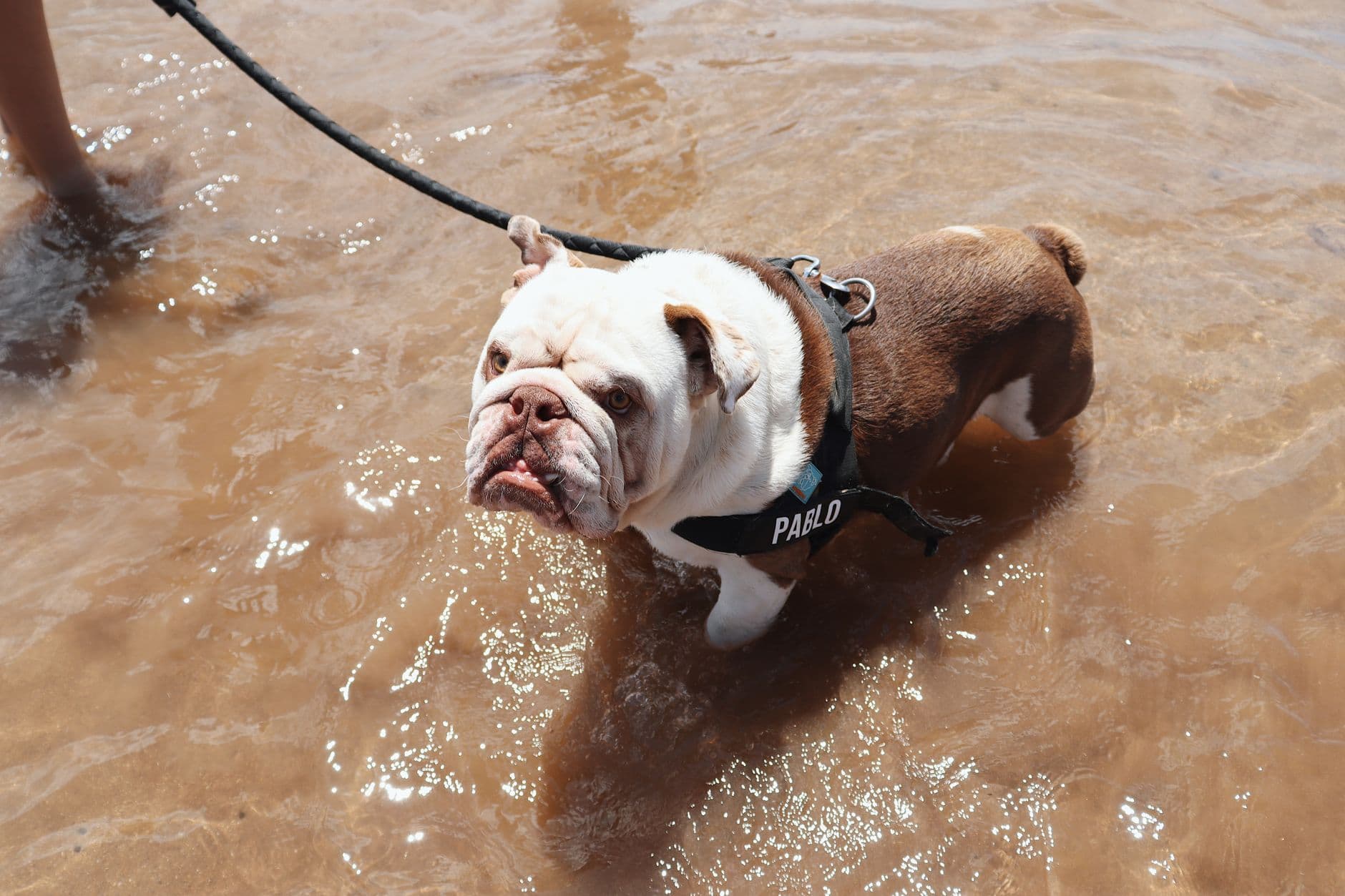
Perhaps one of the least-known facts about Bulldogs: they are extremely poor swimmers. Their heavy front-loaded bodies, short legs, and flat faces mean they sink almost immediately in deep water. A Bulldog should never be left unsupervised near a pool, lake, or any body of water deep enough to submerge its head.
The iconic wrinkles that make the Bulldog so distinctive also require daily maintenance. Skin fold dermatitis — a bacterial or yeast infection in the moist folds — is common and preventable with a consistent cleaning routine. Neglecting the folds can lead to painful infections that require veterinary treatment.
For the right owner — someone who is home frequently, lives in a temperate climate, is prepared for potential veterinary expenses, and wants a calm, loving companion — the English Bulldog is a deeply rewarding breed. They are not dogs for high-energy households or owners who want an athletic partner. But as a gentle, devoted, and endlessly endearing companion, few breeds compare. Explore more at /dogs/bulldog and read our broader care guides collection for related breed comparisons.
Daily Care
Daily Care for English Bulldogs
Owning an English Bulldog means building a daily routine that prioritizes their comfort, health, and the unique vulnerabilities of their anatomy. This is not a breed you can care for casually — their flat faces, deep skin folds, and sensitive bodies require consistent daily attention.
Morning Routine
Begin each day with a brief inspection of your Bulldog's face folds. Using a soft cloth or unscented baby wipe, gently clean inside each fold — particularly the nose rope (the large fold above the nose), the folds around the cheeks, and the fold under the chin if your dog has one. Moisture and debris accumulate overnight, and bacteria thrive in these warm, damp creases. Pat the folds dry after cleaning — moisture left behind accelerates infection.
Check the tail pocket if your Bulldog has one. Many Bulldogs have a screw or corkscrew tail that sits in a shallow pocket of skin above the tail. This area is especially prone to infections and needs the same wipe-and-dry treatment as the facial folds.
Exercise (Keep It Brief)
Bulldogs need exercise, but it must be carefully managed. A 15- to 20-minute walk in the morning is appropriate for most adults, extended to 20-30 minutes only in cool weather. Never exercise a Bulldog in temperatures above 75°F. Midday and afternoon walks in summer should be skipped entirely. Early morning or evening walks after sunset are safest in warm months.
Watch for signs of overexertion: excessive panting, drooling, slowing down, blue-tinged gums, or collapse. If your Bulldog sits down and refuses to move during a walk, respect that signal — they are not being stubborn, they are managing their airway.
Feeding
Feed on a consistent twice-daily schedule. Avoid feeding immediately before or after exercise to reduce bloat risk. Keep a fresh water bowl available at all times, particularly in warm months.
Evening and Wind-Down
Bulldogs are low-energy and will happily spend evenings lounging beside you. This is exactly what they are bred for. Evening is a good time for gentle interactive play — short tug sessions, puzzle feeders, or training exercises that provide mental stimulation without physical exertion.
Before bed, do a final quick check of the folds, particularly if your Bulldog has been drooling or eating. Clean any food debris from the face folds to prevent overnight bacterial growth.
What to Watch For Daily
- Noisy or labored breathing beyond the breed's normal snoring baseline
- Rubbing of the face or eyes (may indicate fold irritation or eye issues)
- Limping or reluctance to walk (early sign of hip dysplasia or patellar issues)
- Redness, odor, or discharge in any skin fold
- Changes in stool consistency or frequency
Nutrition
Nutrition for English Bulldogs
Feeding an English Bulldog correctly is one of the most impactful things you can do for their long-term health. Obesity is a serious concern for this breed — excess weight compounds every structural health issue they face, from BOAS-related breathing difficulties to joint stress and hip dysplasia.
Daily Caloric Needs
Most adult Bulldogs (40-50 lbs) require approximately 1,200 to 1,600 calories per day, depending on activity level and age. Because Bulldogs are low-activity dogs, it is easy to overfeed them. Use a measuring cup — never free-feed — and weigh your dog monthly to track trends.
Feeding Schedule
- Puppies (8-12 weeks): 3-4 small meals per day
- Puppies (3-6 months): 3 meals per day
- Adults (1 year and older): 2 meals per day
Dividing meals reduces the risk of bloat (gastric dilatation) and helps regulate digestion. Do not feed within one hour before or after exercise.
Food Selection
Choose a high-quality dry kibble formulated for medium breeds, ideally one with a named animal protein (chicken, beef, lamb, salmon) as the first ingredient. Avoid formulas with corn syrup, artificial preservatives (BHA, BHT, ethoxyquin), or excessive fillers.
Bulldogs are prone to food allergies, with common triggers including chicken, beef, dairy, and wheat. If you notice chronic ear infections, itchy paws, or gastrointestinal upset, a limited-ingredient diet or novel protein (duck, venison, rabbit) may help. Consult your vet before making significant dietary changes.
Raw or fresh food diets can work for Bulldogs but require careful nutritional balancing. If you go this route, work with a veterinary nutritionist to ensure complete and balanced nutrition.
Age-Specific Guidance
- Puppies need higher protein and fat content to support growth. Look for formulas labeled for large breed puppies (despite the Bulldog's medium size, the growth-rate management matters).
- Senior Bulldogs (7+ years) benefit from reduced-calorie formulas with joint-supporting additives like glucosamine and chondroitin.
Foods to Avoid
Never feed Bulldogs: grapes, raisins, chocolate, macadamia nuts, onions, garlic, xylitol (found in many sugar-free products), alcohol, or cooked bones. Avoid high-sodium table scraps, which can worsen skin issues.
Supplements
Many Bulldog owners supplement with omega-3 fatty acids (fish oil) for skin and coat health, and joint supplements (glucosamine/chondroitin) starting around age 5. Always consult your vet before adding supplements.
Exercise
Exercise Needs for English Bulldogs
The English Bulldog has one of the lowest exercise requirements of any breed — and this is not a shortcoming, it is who they are. Understanding the why behind their exercise limits helps owners make smart choices that protect their dog's health rather than inadvertently harming it.
The Brachycephalic Constraint
Bulldogs cannot cool themselves efficiently. Normal dogs pant heavily during exercise, rapidly evaporating moisture from the tongue and airways to lower body temperature. A Bulldog's compromised airway restricts airflow so significantly that this cooling mechanism is partially broken. Add to this their heavy, compact body — which generates substantial heat — and you have a dog that overheats faster than almost any other breed.
How Much Exercise Is Enough
For most adult Bulldogs, 20-40 minutes of light to moderate exercise per day is sufficient. This is best split into two short sessions: a 15-20 minute morning walk and a 15-20 minute evening walk. In summer, reduce total duration and shift entirely to early morning (before 8 AM) or evening (after 8 PM) to avoid peak heat.
Puppies should have even shorter sessions — 5 minutes per month of age, up to twice per day. A 4-month-old Bulldog puppy needs only about 20 minutes total per day.
Types of Exercise That Work
- Leash walks on flat terrain at a relaxed pace
- Short play sessions in a fenced yard (let the dog dictate pace)
- Puzzle feeders and nose work games (excellent mental exercise)
- Gentle tug games (indoors, climate-controlled)
- Calm socialization visits
Activities to Avoid
- Swimming or any water deeper than the Bulldog's knees (they cannot swim and will sink)
- Running, jogging, or any sustained aerobic activity
- Fetch sessions that require sprinting or repeated fast retrieval
- Dog parks with high-energy dogs that may encourage overexertion
- Exercise in temperatures above 75°F or in high humidity
Mental Stimulation
Bulldogs are more mentally active than their sedentary reputation suggests. Puzzle feeders, Kong toys stuffed with healthy fillings, and short (5-10 minute) training sessions provide mental engagement that tires them out without physical stress. Test your knowledge of Bulldogs and other breeds with our dog breed quiz.
Signs You Have Overdone It
If your Bulldog is panting excessively, drooling heavily, walking slowly, or sits and refuses to continue — stop immediately. Move to shade, offer cool (not ice-cold) water, and allow full recovery. If symptoms persist or gums appear pale or blue, seek emergency veterinary care.
Grooming
Grooming Your English Bulldog
English Bulldogs are moderate shedders with short, smooth coats — but their grooming needs go far beyond a quick brush. The defining feature of Bulldog grooming is the daily maintenance of skin folds, which is non-negotiable for preventing infection.
Skin Fold Care (Daily)
This is the most critical grooming task for any Bulldog owner. The folds around the nose, face, jowls, and — in many dogs — the tail pocket must be cleaned daily. Use unscented baby wipes, a soft cloth dampened with water, or a veterinarian-recommended fold cleaner. Wipe gently inside each fold, removing food debris, moisture, and discharge. Then dry thoroughly — moisture left in the folds is the primary cause of skin fold dermatitis.
Signs of fold infection include redness, odor, brown or yellowish discharge, and your dog rubbing or scratching at the area. Mild infections can be treated with veterinarian-recommended antiseptic wipes or powders; established infections require prescription treatment.
Brushing (Weekly)
The Bulldog's short, fine coat requires brushing only once or twice per week. Use a rubber curry brush or a soft-bristle brush. Brushing removes loose hair, distributes skin oils, and gives you the opportunity to inspect the skin for redness, bumps, or parasites. Bulldogs are moderate year-round shedders — regular brushing keeps hair off your furniture.
Bathing (Monthly or As Needed)
Bulldogs need baths approximately once a month. Use a gentle, hypoallergenic dog shampoo. Be especially careful to rinse thoroughly inside and around the folds, and dry everything completely afterward. A damp Bulldog that isn't fully dried is prone to skin issues.
Nail Trimming (Every 3-4 Weeks)
Bulldogs have thick nails that grow quickly. Overgrown nails alter gait, which adds stress to already vulnerable hips and joints. Trim nails every 3-4 weeks or when you hear them clicking on hard floors. If your dog is resistant, introduce nail trimming gradually with positive reinforcement.
Ear Cleaning (Weekly)
Bulldogs have compact ear canals that can trap moisture and debris. Check ears weekly for odor, redness, or dark discharge — signs of infection. Use a veterinarian-approved ear cleaning solution and a cotton ball (never a cotton swab inside the canal) to clean the visible ear flap and entrance.
Dental Care (Daily or Every Other Day)
Bulldogs are prone to dental disease due to their crowded jaw structure. Brush teeth with a dog-safe toothpaste at least 3-4 times per week, ideally daily. Dental chews can supplement but do not replace brushing.
Eye Cleaning
Bulldogs with prominent, wide-set eyes can develop discharge around the eyes. Wipe gently with a damp cloth daily, being careful not to touch the eye surface.
Health
English Bulldog Health Guide
The English Bulldog is one of the most health-challenged purebred dogs in existence. Their extreme conformation — bred for aesthetic rather than function — creates a range of structural vulnerabilities that every owner must understand and actively manage.
Brachycephalic Obstructive Airway Syndrome (BOAS)
BOAS is the single most significant health issue in Bulldogs. The combination of stenotic nares (narrowed nostrils), an elongated soft palate, a hypoplastic trachea, and everted laryngeal saccules creates varying degrees of respiratory obstruction. Mild cases may require only lifestyle management (avoiding heat and overexertion). Severe cases require corrective surgery — nares widening, soft palate shortening, or laryngeal sacculectomy — which can cost $1,500 to $4,000 and significantly improves quality of life. Many veterinarians recommend surgical evaluation in puppyhood rather than waiting for symptoms to worsen.
Hip Dysplasia
Malformation of the hip joint is common in Bulldogs due to their unusual body structure. Signs include difficulty rising, a swaying gait, reluctance to exercise, and pain. Management ranges from weight control and joint supplements to surgical intervention in severe cases. OFA (Orthopedic Foundation for Animals) hip screening of breeding dogs helps, but the breed's hip conformation makes perfect hips rare.
Cherry Eye
The third eyelid (nictitating membrane) contains a tear gland that can prolapse and appear as a red, cherry-like mass in the corner of the eye. Cherry eye is common in Bulldogs and requires surgical correction to tuck the gland back into position. Left untreated, it leads to dry eye (keratoconjunctivitis sicca, or KCS) and corneal damage.
Skin Fold Dermatitis
Bacterial and yeast infections in skin folds are extremely common and directly preventable with daily cleaning. Chronic untreated fold infections can spread and become serious. See the grooming section for prevention protocols.
Patellar Luxation
The kneecap slipping out of position occurs in Bulldogs, manifesting as an occasional skip or hop during walking. Mild cases are managed conservatively; severe cases require surgical correction.
Cardiac Issues
Bulldogs have a higher prevalence of congenital heart defects, including pulmonic stenosis. Annual cardiac screening is recommended.
Lifespan
The average English Bulldog lifespan is 8 to 10 years — significantly shorter than most breeds of similar size, primarily due to their structural health challenges. Dogs from health-tested lines and maintained at healthy weights tend to live toward the upper end of this range.
Veterinary Schedule
- Puppies: every 3-4 weeks until 16 weeks for core vaccines
- Adults: annual wellness exam with cardiac and orthopedic evaluation
- Adults 5+: biannual exams recommended
- Ongoing: fold monitoring, weight management checks
Costs
English Bulldog Cost Guide
The English Bulldog is one of the most expensive dog breeds to own — not just to acquire, but to maintain throughout their lives. Financial preparation is essential before bringing one home.
Acquisition Cost
A well-bred English Bulldog from a health-tested, reputable breeder costs $2,500 to $5,000 in the United States. Bulldogs are difficult and expensive to breed — most litters require artificial insemination and C-section delivery due to the puppies' large heads, which cannot safely pass through the birth canal naturally. This drives up puppy prices. Avoid breeders offering Bulldogs below $2,000 without documented health testing — this is a red flag for puppy mills.
Adoption from a Bulldog rescue organization is a more affordable option ($300 to $600) and should be seriously considered.
One-Time Setup Costs
- Spay/neuter: $300-$600
- Initial vet exam and vaccines: $200-$400
- Crate, bed, bowls, collar, leash: $200-$400
- Puppy-proofing, gates: $50-$150
- Total one-time setup: $750 - $1,550
Monthly Operating Costs
- Premium dry food (adult, 40-50 lbs): $60-$90/month
- Flea, tick, and heartworm prevention: $20-$40/month
- Grooming supplies (wipes, shampoo, fold cleaner): $15-$25/month
- Treats and toys: $20-$40/month
- Monthly total: $115 - $195
Annual Veterinary Costs (Healthy Dog)
- Annual wellness exam: $200-$400
- Core vaccines (alternating years): $50-$150
- Dental cleaning (often annual in this breed): $300-$700
- Annual total (healthy): $550 - $1,250
Potential Major Medical Expenses
- BOAS corrective surgery: $1,500-$4,000
- Cherry eye surgery (one or both eyes): $500-$1,500
- Hip dysplasia management or surgery: $1,500-$6,000
- Skin fold infection treatment: $100-$500 per episode
Pet insurance is strongly recommended for Bulldogs. Budget $60-$120/month for a comprehensive policy with a reasonable deductible. Without insurance, a single BOAS surgery can represent 1-2 years of routine ownership costs.
Total Annual Budget Range
- Healthy year (no major interventions): $2,500-$4,500
- Year with one significant medical event: $4,000-$8,000+
For more context on related breeds, visit our care guides collection.
Frequently Asked Questions
Are English Bulldogs good family dogs?
Yes. English Bulldogs are calm, affectionate, and people-oriented, and they form strong bonds with children, which makes them excellent family pets. They are patient, tolerant, and rarely aggressive, though they carry a stubborn streak that can challenge first-time owners. They are generally quiet dogs and not frequent barkers.
How much exercise does an English Bulldog need?
Bulldogs have one of the lowest exercise requirements of any breed, with 20-40 minutes of light to moderate exercise per day being sufficient for most adults, ideally split into two short walks. Never exercise a Bulldog in temperatures above 75°F, because their brachycephalic airway makes them unable to cool themselves efficiently. Note too that Bulldogs cannot swim and will sink in water deeper than their knees.
Why do English Bulldogs need daily skin fold cleaning?
The Bulldog's iconic wrinkles trap moisture and debris, and bacteria thrive in these warm, damp creases, leading to skin fold dermatitis. Clean inside each fold daily with unscented baby wipes or a damp cloth, paying attention to the nose rope and any tail pocket, then dry thoroughly since leftover moisture is the primary cause of infection. Signs of a fold infection include redness, odor, and brown or yellowish discharge.
What health problems are English Bulldogs prone to?
BOAS (Brachycephalic Obstructive Airway Syndrome) is the single most significant health issue, arising from narrowed nostrils, an elongated soft palate, and a narrowed trachea. Bulldogs are also prone to hip dysplasia, cherry eye, skin fold dermatitis, patellar luxation, and congenital heart defects such as pulmonic stenosis. Their average lifespan is 8 to 10 years, shorter than most breeds of similar size.
How much does it cost to own an English Bulldog?
A well-bred English Bulldog from a health-tested breeder costs $2,500 to $5,000, while rescue adoption runs $300 to $600. A healthy year with no major interventions costs roughly $2,500 to $4,500, but a year with a significant medical event can reach $4,000 to $8,000 or more. Major procedures like BOAS corrective surgery ($1,500-$4,000) make pet insurance strongly recommended for this breed.
Sources
This guide draws on the following published references. Each opens in a new tab so you can check it against what you have read here.
American Kennel Club
Bulldog — breed standard and profile(opens in a new tab)ASPCA
General Dog Care(opens in a new tab)Merck Veterinary Manual
Routine Health Care of Dogs(opens in a new tab)
Affiliate disclosure: We may earn a commission from qualifying purchases. This doesn't affect our recommendations.
Recommended Products
Get personalized pet care tips
Join our newsletter for breed-specific advice, care guides, and expert tips delivered weekly.
No spam, ever. Unsubscribe anytime.