
Non-Sporting group
Bulldog
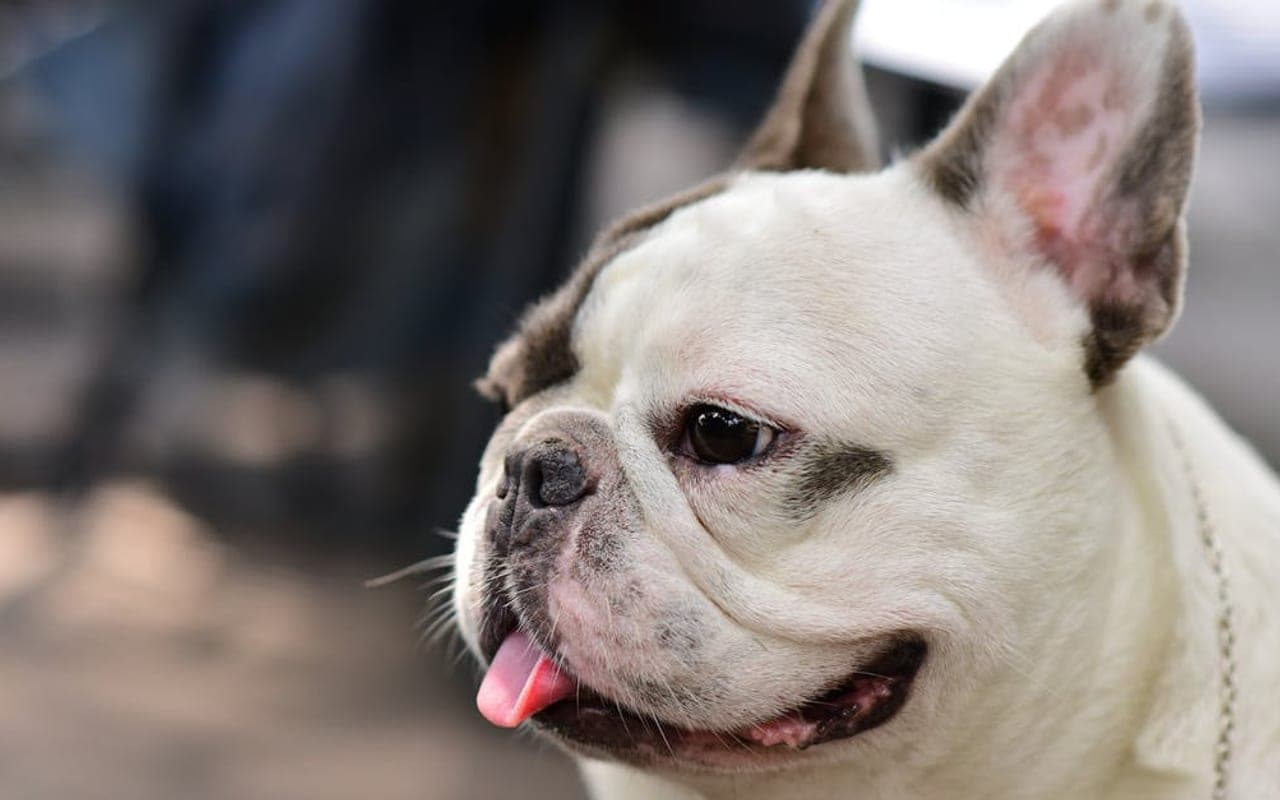
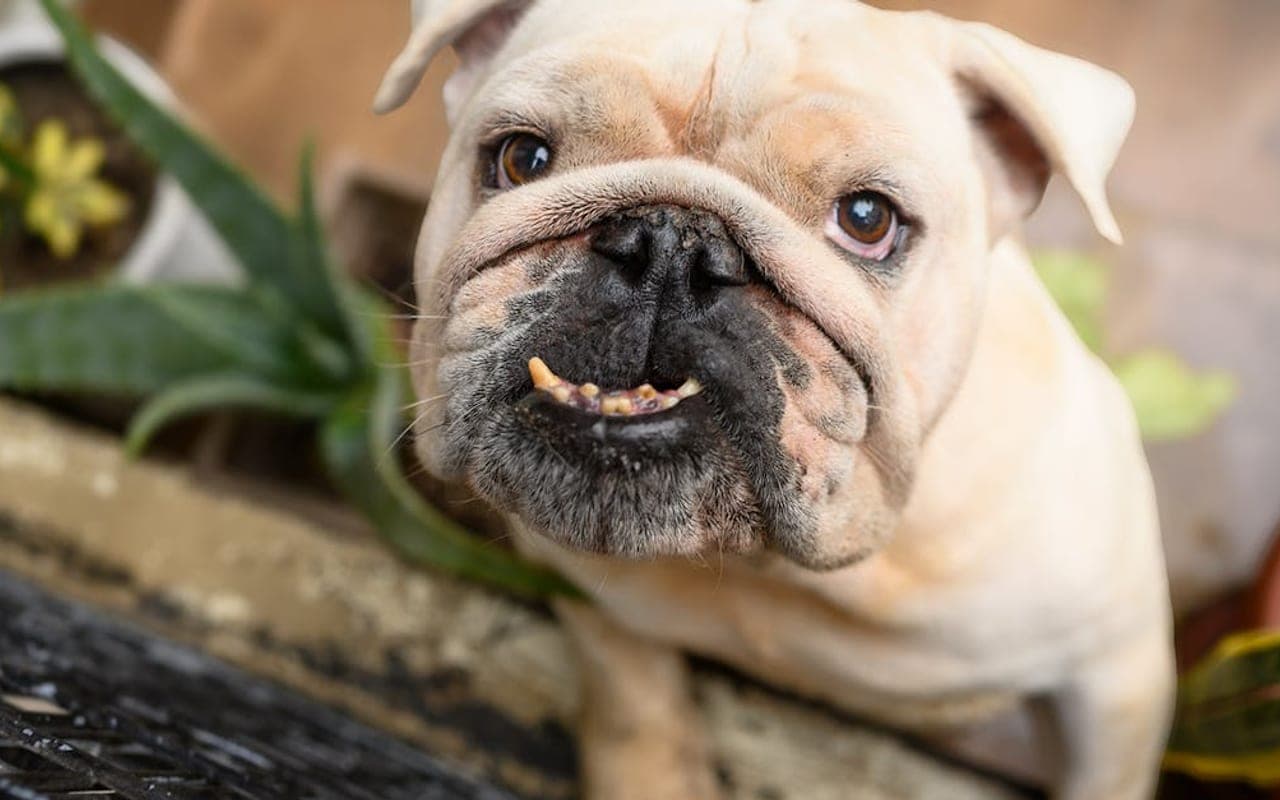
The Bulldog — often called the English Bulldog — is a 40-50 lb (18-23 kg), low-slung, heavily built companion dog with a massive head, an undershot jaw, deep facial folds, and a flat (brachycephalic) face.
Size
40-55 lb
Lifespan
8-10 years
Exercise
20-40 minutes
Shedding
Moderate
Experience
Match to owner routine
Decision first
Is a Bulldog right for you?
Start with fit before history or trivia. These are ownership signals, not guarantees about any individual dog.
Best suited for
- Households with children.
- Homes with other compatible pets.
- Apartment homes with a consistent routine.
- Owners seeking a manageable daily exercise routine.
Think carefully if
- You need a dog with almost no daily routine.
- You cannot keep up with grooming and preventive care.
- The dog will spend most days alone without support.
Conditional fit
Apartment fit depends on exercise, enrichment, noise management, and outdoor access.
Daily reality
Bulldog commitment snapshot
Daily exercise
20-40 minutes
Match activity to age, health, weather, and training goals.
Coat care
Moderate
Grooming needs vary by coat, shedding, and lifestyle.
Time alone
Needs planning
Most dogs need gradual alone-time conditioning and support.
Structured facts
Bulldog at a glance
The measurements and traits that most affect day-to-day life with this breed.
Origin
England
Group
Non-Sporting
Weight
40-55 lb
Height
12-16 in
Lifespan
8-10 years
Temperament
Friendly | courageous | and calm
View all characteristics and methodology
Lifestyle fit
- Apartment suitability
- Likely fit
- Child friendliness
- Often good, with socialisation and supervision
- Other-pet fit
- Often compatible with careful introductions
- Adaptability
- High
Owner commitment
- Exercise
- 20-40 minutes
- Grooming
- Moderate
- Shedding
- Moderate
- Training
- Moderate
Environment and health
- Health risk
- Needs planning
Ratings combine structured breed data, visible breed fields, and editorial context. They are planning aids, not predictions for an individual dog.
Daily life
Bulldog temperament and behavior
The Bulldog — often called the English Bulldog — is a 40-50 lb (18-23 kg), low-slung, heavily built companion dog with a massive head, an undershot jaw, deep facial folds, and a flat (brachycephalic) face. Almost everything people love about the Bulldog and almost everything that costs Bulldog owners money comes from the same source: a body bred for a dramatic look rather than for function. You are not choosing a low-maintenance couch dog; you are choosing the single most veterinary-intensive popular breed, and any honest profile has to lead with that. Temperament is the breed's redeeming strength. The modern Bulldog is calm, affectionate, patient with children, low-energy indoors, and genuinely good in apartments — it is one of the few large-headed dogs that is content with two short walks a day. They are stubborn rather than stupid: training works with food and repetition, not force. They bond hard to a family, are rarely aggressive, and tolerate household chaos well. The trade-offs are structural, not behavioral. The flat face means a compromised airway (most Bulldogs snore, snort, and overheat); the wrinkled skin means lifelong fold hygiene; the broad shoulders and narrow pelvis mean roughly 80% of litters are delivered by planned C-section; and the average lifespan is only 8-10 years — short for a dog this size. Who the Bulldog is right for: a calm-home owner who wants a devoted, low-energy companion AND who has budgeted for high routine vet costs, climate control, and possible airway surgery. Who it is wrong for: anyone in a hot climate without air conditioning, anyone wanting a hiking or jogging partner, or anyone choosing on price — a cheap Bulldog almost always becomes an expensive one. Decide on the vet budget first, the temperament second.
Friendly | courageous | and calm
Friendly
A common Bulldog temperament descriptor that should be interpreted alongside training, exercise, and household fit.
courageous
A common Bulldog temperament descriptor that should be interpreted alongside training, exercise, and household fit.
and calm
A common Bulldog temperament descriptor that should be interpreted alongside training, exercise, and household fit.
Owner note
Temperament labels are starting points, not guarantees. Meet the individual dog and ask about behavior history whenever possible.
Care essentials
How to care for a Bulldog
What looking after one actually involves: exercise, grooming, food, training, and routine health.
HealthAs needed
- Bulldogs are prone to numerous health issues including brachycephalic syndrome, hip dysplasia, cherry eye, skin fold dermatitis, heat stroke, and spinal issues. Choose breeders who health test and maintain regular vet visits. Pet insurance is strongly recommended.
ExerciseAs needed
- Bulldogs need only moderate exercise — about 20-30 minutes of walking daily. They overheat easily due to their brachycephalic (flat-faced) structure, so avoid exercise in hot or humid weather. Short, gentle walks in cool temperatures are ideal.
GroomingAs needed
- Brush their short coat weekly. The most important grooming task is cleaning the facial wrinkles daily to prevent infection and irritation. Clean between skin folds with a damp cloth and dry thoroughly. Check ears weekly and maintain regular dental care.
TrainingAs needed
- Bulldogs are moderately intelligent but can be stubborn. They respond best to positive reinforcement with food rewards. Training sessions should be short (5-10 minutes) due to their low endurance. They are sensitive to harsh corrections.
NutritionAs needed
- Feed a high-quality medium-breed food, about 1 to 1.5 cups daily divided into two meals. Bulldogs gain weight easily, so portion control is essential. Avoid foods that cause gas, and consider elevated food bowls to reduce air swallowing.
Health planning
Bulldog health risks and screening
Every breed has individual health variation. Use this profile for planning and discuss medical decisions with a veterinarian.
Ownership cost
How much does a Bulldog cost?
Cost figures are structured so first-year and lifetime estimates do not conflict with the underlying line items.
| Acquisition | $1,500-$5,000 |
|---|---|
| Routine monthly | About $200/month |
| Routine annual | About $2,400/year |
| First-year estimate | $3,900-$7,400 |
| Lifetime routine estimate | $19,200-$24,000 routine costs |
Currency: USD. Region: United States. Typical ranges for this breed. Equipment, insurance, emergency veterinary care, boarding and training are NOT included: we hold no sourced figures for them, and estimating them would be a guess presented as data.
Responsible ownership
Finding a Bulldog responsibly
What to ask a breeder or rescue is the same conversation for every breed, so we keep it in one place and keep it current.
Health documentation, meeting the parents or foster, contracts and return support, and the warning signs worth walking away from.
Original purpose
Bulldog history
History is useful when it explains today's behavior, coat, exercise needs, and training style.
Read the breed history
The Bulldog descends from the bull-baiting dogs of England, a blood sport in which dogs were set on tethered bulls. That brutal function shaped the original animal: a heavy, low, powerful dog with a wide jaw and high pain tolerance. When bull-baiting was banned in England in 1835 the breed lost its job and nearly disappeared. Fanciers preserved it by re-selecting away from aggression and toward companionship, deliberately breeding the calm, people-oriented temperament that defines the modern dog. Over the following century, show breeding progressively exaggerated the head size, shortened the muzzle, broadened the chest, and lowered the body — a cosmetic drift that produced today's distinctive silhouette but also today's airway, birthing, and lifespan problems. The Bulldog became a national symbol of British tenacity and remains one of the most recognized breeds in the world. Understanding this history matters for owners: the breed's health challenges are not bad luck but the direct, documented consequence of selecting for appearance after its working purpose ended.
Gallery
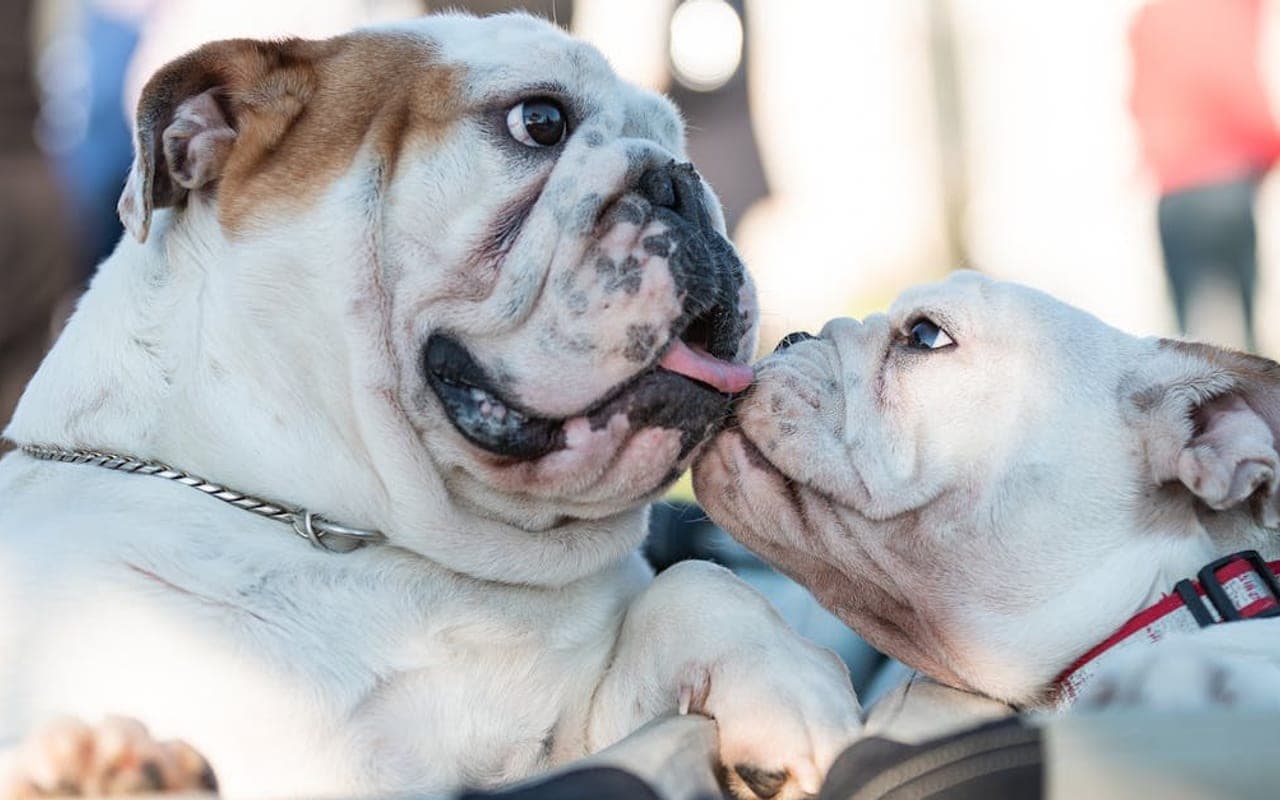
Bulldog photos
Images are cropped consistently and loaded progressively to keep the page responsive.
Lower-page context
Bulldogs in culture
Where the breed shows up in film, sport, work and folklore — the enjoyable part, once the practical questions are answered.
Fun facts
- Bulldogs are the official mascot of the United States Marine Corps
- They cannot swim due to their heavy, front-loaded body structure
- Over 80% of Bulldogs are delivered by cesarean section because their large heads make natural birth difficult
- Despite their tough appearance, Bulldogs are one of the gentlest and most affectionate breeds
- Winston Churchill was often compared to the Bulldog, and the breed became a symbol of British determination during WWII
Bulldog FAQs
How long do Bulldogs live?
The Bulldog averages 8-10 years, which is short for a dog of its size and one of the lowest lifespans among popular breeds. The limiting factors are the airway, joint disease, and weight, not random bad luck. Owners who keep a Bulldog lean, climate-controlled, and surgically corrected for airway problems early tend to reach the upper end; overweight Bulldogs in hot climates often fall well short.
Why do Bulldogs snore and breathe so loudly?
Almost all Bulldogs snore and snort because the flat face comes with narrowed nostrils, an overlong soft palate, and a small windpipe — together called brachycephalic obstructive airway syndrome. Mild noise is normal for the breed, but loud daytime breathing, gagging, exercise intolerance, or sleep that is interrupted by choking means the airway should be assessed; surgery often improves quality of life dramatically and is best done young.
Are Bulldogs good apartment dogs?
Yes — this is one of the breed's genuine strengths. Bulldogs are calm indoors, low-energy, rarely bark excessively, and need only two short daily walks totaling 20-30 minutes. The apartment-relevant caution is climate: a Bulldog in a warm, un-air-conditioned apartment is at real heatstroke risk, so reliable cooling is a non-negotiable part of keeping the breed comfortable and safe in any small space.
How much does owning a Bulldog really cost?
Purchase price is typically $1,500-$5,000, but the purchase price is the smallest number. Budget for higher-than-average routine vet care, recurring skin-fold treatment, likely airway surgery ($2,000-$5,000+), and possible hip or eye procedures. Pet insurance for this breed costs more for a reason. Treat the Bulldog as a high-veterinary-cost commitment over its lifetime, and choose only if that budget is realistic for you.
Can Bulldogs swim or be jogging partners?
No to both. Their dense, low-buoyancy body and large head make most Bulldogs poor swimmers that can drown quickly, so they should never be left near unfenced water. Their restricted airway makes them unsuitable jogging or hiking partners — sustained exertion, especially in warmth, risks a respiratory emergency. The Bulldog is a short-walk companion dog, and matching activity expectations to that reality prevents the most common owner mistakes.
Are Bulldogs easy to train and house-train?
Bulldogs are intelligent but famously stubborn, so training is slow rather than hard — they respond to short, consistent, food-motivated sessions and resist forceful or repetitive drilling. House-training often takes longer than average and benefits from a strict schedule and crate routine. The realistic expectation is a dog that learns reliably but on its own timetable; owners who expect Labrador-style biddability are usually frustrated, while owners who train with patience and treats get a well-mannered companion.
Do Bulldogs have a lot of digestive and gas problems?
Yes, more than most breeds. The flat face means Bulldogs swallow a lot of air while eating and breathing, which causes the flatulence the breed is notorious for, and many have sensitive digestion that reacts to diet changes. Feeding a consistent, quality diet in measured meals from a slow-feeder bowl, avoiding table scraps, and not exercising right after eating reduce both the gas and the bloat risk. Sudden vomiting or a distended belly always warrants a vet check.
Sources
These are the published sources this page draws on. Each opens in a new tab so you can check it yourself.
American Kennel Club
Bulldog — breed standard and profile(opens in a new tab)Supports: Breed standard and recognition details.
Similar breeds to consider
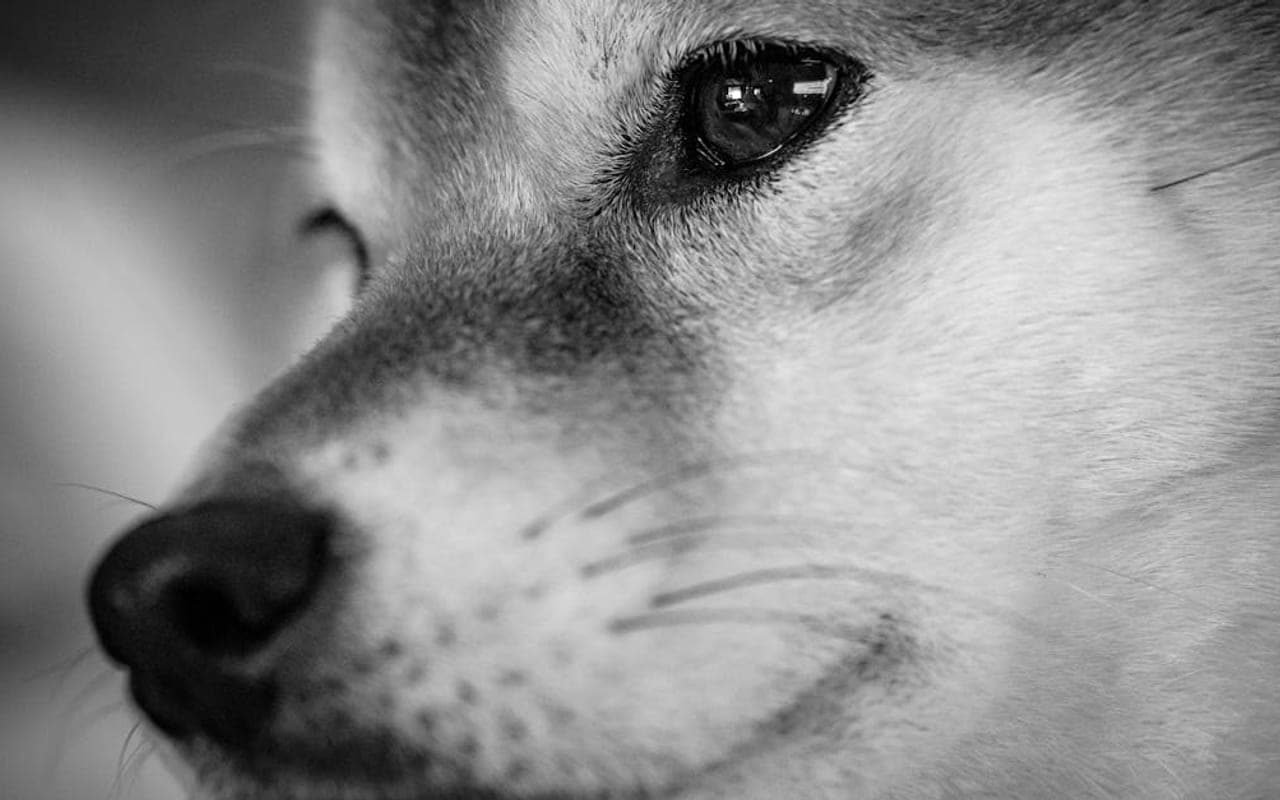
Shiba Inu
Also in the Non-Sporting group, with different care and temperament tradeoffs.
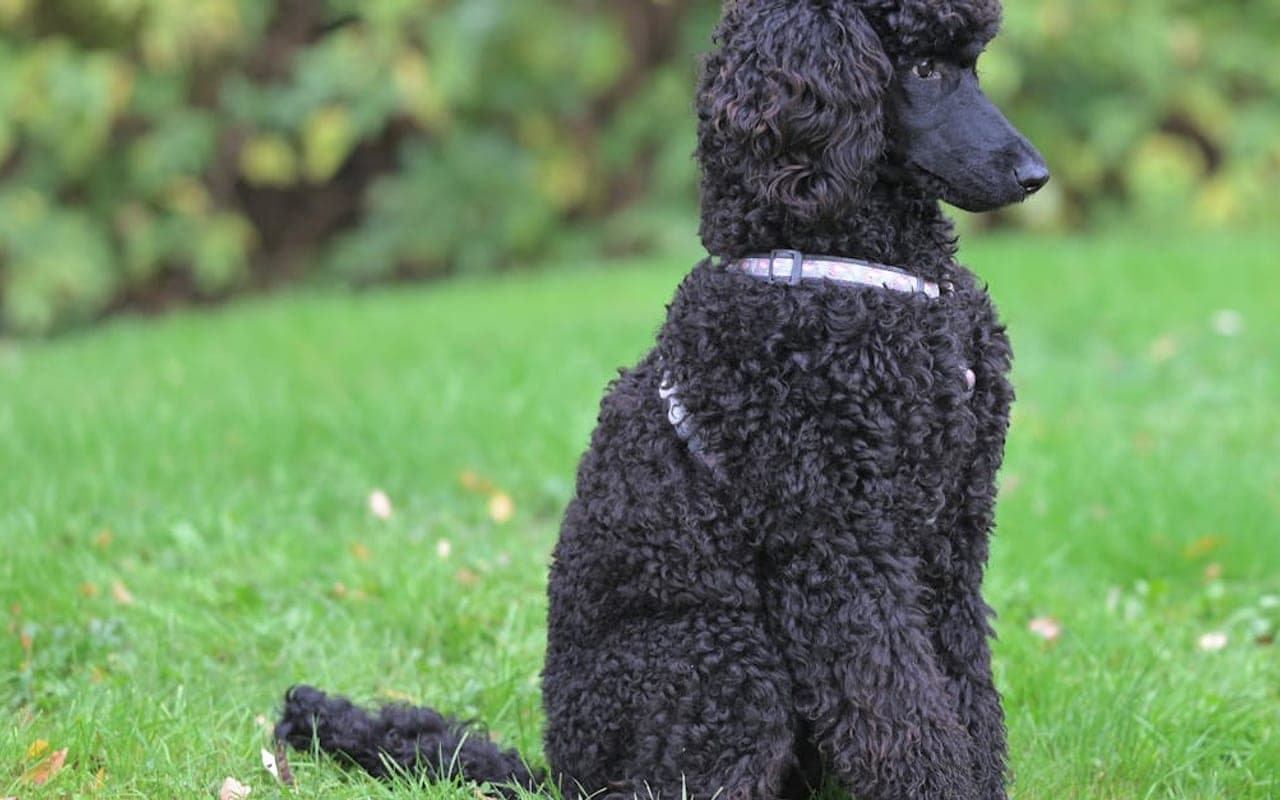
Poodle
Also in the Non-Sporting group, with different care and temperament tradeoffs.
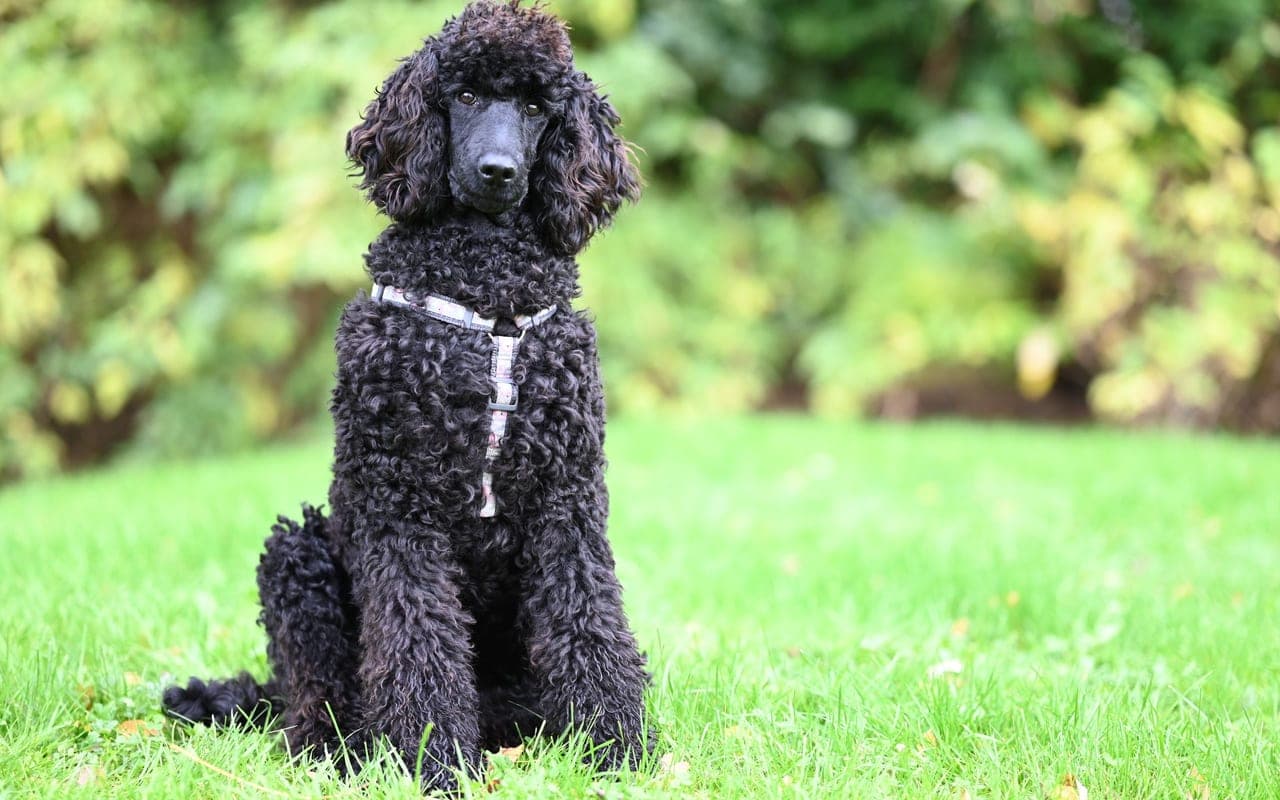
Poodle (Standard)
Also in the Non-Sporting group, with different care and temperament tradeoffs.
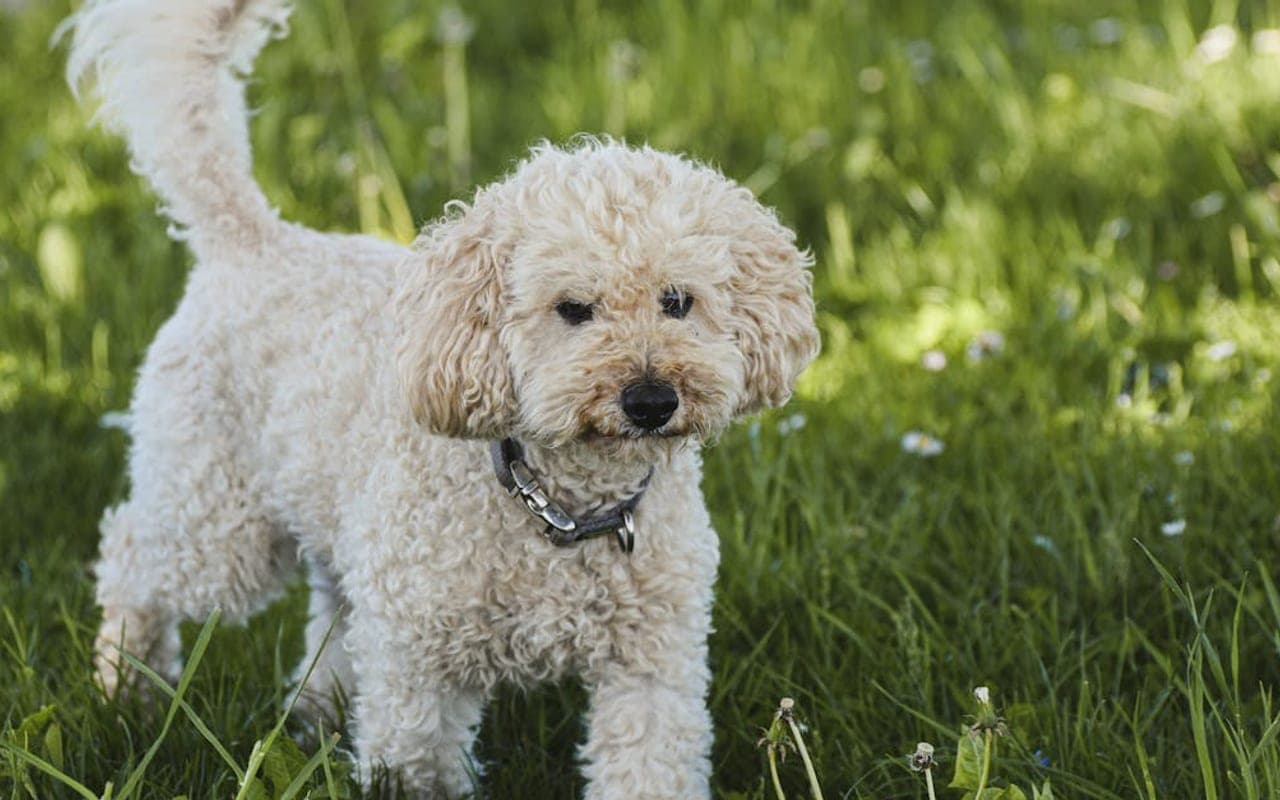
Poodle (Miniature)
Also in the Non-Sporting group, with different care and temperament tradeoffs.
Explore More About Bulldog
Dive deeper into everything Bulldog — costs, care, and expert insights.
How Much Does a Bulldog Cost?
Purchase price, monthly costs, and lifetime expenses
English Bulldog Care Guide
The English Bulldog is one of the most recognizable dog breeds in the...
Can Dogs Eat Rice? When It Helps and When to Avoid It
Rice is safe for dogs and often recommended by vets for upset stomachs. Learn white vs brown,...
Considering a cat instead?
Browse Cats