
Sporting group
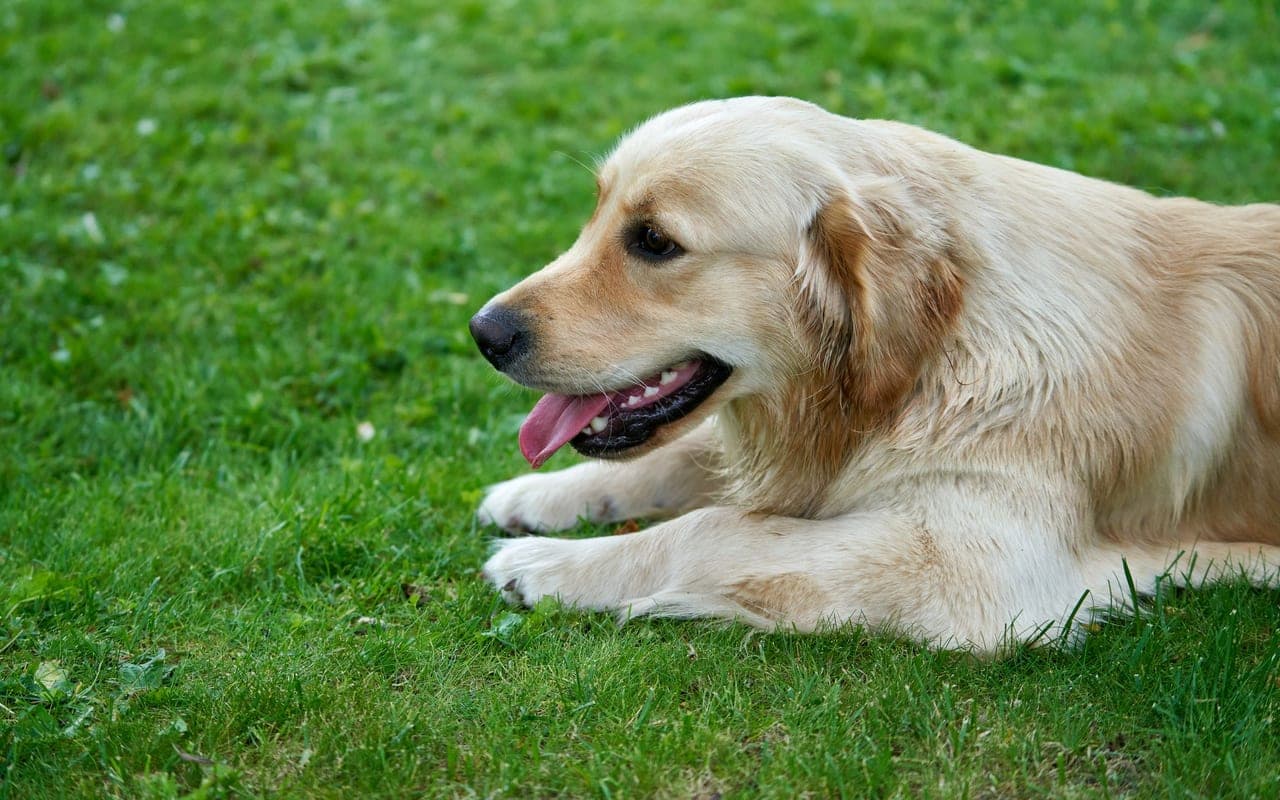
Golden Retriever
A friendly, highly trainable family companion that needs substantial daily exercise, regular grooming, and realistic preparation for breed-specific health risks.


Size
55-75 lb
Lifespan
10-12 years
Exercise
1-2 hours, physical + mental
Shedding
High
Experience
Beginner friendly with commitment
Decision first
Is a Golden Retriever right for you?
Start with fit before history or trivia. These are ownership signals, not guarantees about any individual dog.
Best suited for
- Active families who can give daily outdoor exercise and steady companionship.
- First-time owners prepared to train kindly and consistently.
- Homes with children that can manage an affectionate, energetic large dog.
- Owners who want a social, cooperative dog rather than an independent guard dog.
- People comfortable with regular brushing, shedding, and seasonal coat blow.
Think carefully if
- You have very limited daily time for exercise, training, and interaction.
- You want a low-shedding dog or a very tidy home.
- The dog will routinely be left alone for long workdays.
- You cannot budget for screening, insurance, or potentially significant vet costs.
- You are not ready for a large adolescent dog that may jump, mouth, or chew.
Conditional fit
Can live in an apartment when daily exercise, training, outdoor time, and coat cleanup are handled consistently. The owner routine matters more than square footage.
Daily reality
Golden Retriever commitment snapshot
Daily exercise
60-90 minutes
Split walks, retrieving games, swimming, or training work across the day.
Coat care
Several times weekly
Brush the double coat often; expect heavier seasonal shedding.
Training
Highly responsive
Short, positive sessions work well, but adolescence still needs consistency.
Time alone
Prefers company
Long solo days can create stress, boredom, and destructive behavior.
Expected cost
Moderate-high
Routine care is manageable, but health screening and emergencies need planning.
Before you choose
Hard truths about Golden Retrievers
These points are not meant to discourage good matches. They make the tradeoffs visible before the dog comes home.
Shedding is not occasional
Golden Retrievers shed year-round and blow coat seasonally. Brushing helps; it does not remove the reality of hair in the home.
Exercise is a daily requirement
A bored Golden can chew, jump, dig, or become restless indoors. Mental work matters as much as miles.
Adolescence lasts
Many Goldens stay puppy-like for two to three years. Training cannot be treated as a short puppy phase.
Vet costs need planning
Joint, eye, ear, cancer, and emergency risks make insurance or a dedicated health reserve practical.
Structured facts
Golden Retriever at a glance
The measurements and traits that most affect day-to-day life with this breed.
Origin
Scotland
Group
Sporting
Weight
55-75 lb
Height
20-24 in
Lifespan
10-12 years
Temperament
Friendly | intelligent | devoted | and eager to please
View all characteristics and methodology
Lifestyle fit
- Apartment suitabilityWorks only when exercise, training, and cleanup are consistent.
- Conditional
- Child friendliness
- Often good, with socialisation and supervision
- Other-pet fit
- Often compatible with careful introductions
- Adaptability
- Very high
Owner commitment
- Exercise
- 1-2 hours, physical + mental
- Grooming
- High
- Shedding
- High
- Training
- Highly responsive
Environment and health
- Health risk
- Significant planning needed
- Weight sensitivity
- High
Ratings combine structured breed data, visible breed fields, and editorial context. They are planning aids, not predictions for an individual dog.
Daily life
Golden Retriever temperament and behavior
Golden Retrievers are usually affectionate, social, and cooperative, but their working-dog background still shows in their energy, mouthiness, and desire to carry things.
Friendly | intelligent | devoted | and eager to please
Social by default
Most Goldens greet people warmly, which is excellent for families but weak for guard-dog expectations.
Built to retrieve
Carrying, mouthing, swimming, and fetch are not quirks; they come from the breed's original work.
Sensitive to tone
They usually respond better to clear routines and positive training than harsh correction.
Youthful for years
The friendly adult dog people imagine often arrives after a long, energetic adolescent stage.
Owner note
Plan for a friendly dog that wants to be involved in daily life. The same sociability that makes Goldens easy to love can become jumping, chewing, or anxiety when routine and training are weak.
Care essentials
How to care for a Golden Retriever
What looking after one actually involves: exercise, grooming, food, training, and routine health.
ExerciseDaily, 60-90 minutes
- Use two or more sessions when possible: brisk walks, fetch, swimming, field games, or structured training.
- Avoid turning every walk into high-impact repetition for growing puppies.
- A tired Golden should still be mentally settled, not simply exhausted.
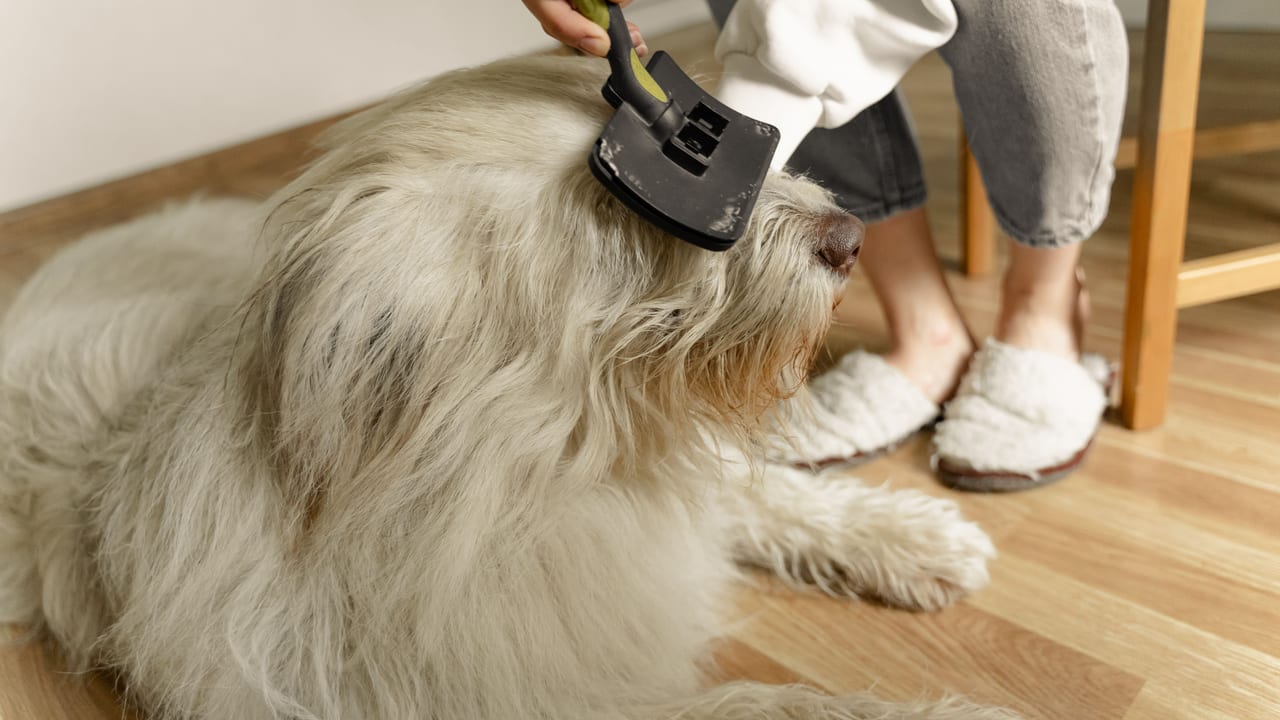
GroomingBrush several times weekly
- Use a slicker brush and undercoat rake during heavy shedding periods.
- Check ears after swimming or bathing because moisture can trigger irritation.
- Keep nails, paw fur, and feathering tidy enough for traction and cleanliness.
NutritionMeasured meals
- Food motivation is useful for training but can drive weight gain.
- Use body condition, not appetite, to judge portions.
- Ask a veterinarian about diet changes for puppies, seniors, or dogs with skin or digestive issues.
TrainingShort sessions most days
- Practice calm greetings, loose-leash walking, recall, and leave-it early.
- Retrieving games should include release cues and impulse control.
- Adolescent consistency matters more than one long obedience class.
Routine healthWeekly checks, annual exams
- Check ears, skin, lumps, gait changes, and weight trends.
- Discuss hips, elbows, heart, eyes, and cancer screening with your veterinarian.
- Urgent symptoms should be assessed by a veterinary professional, not managed from an article.
Care calendar
Daily
- Meals, water, exercise, interaction, training, and a quick health check.
Several times weekly
- Brushing, enrichment, recall work, and ear checks.
Weekly
- Nails, teeth, ears, coat condition, and body-weight trend review.
Monthly
- Preventive medication where prescribed, deeper grooming, and lump or gait checks.
Annually
- Veterinary examination, vaccination review, dental plan, and screening discussion.
Health planning
Golden Retriever health risks and screening
Golden Retrievers have several important inherited or breed-associated risks. Screening and regular veterinary care reduce uncertainty but cannot guarantee an individual dog's outcome.
Hip and elbow dysplasia
Why it mattersJoint disease can affect comfort, activity, and long-term mobility.
ScreeningAsk breeders for documented hip and elbow screening through recognized registries.
Call a vet forLimping, difficulty rising, exercise reluctance, or pain after activity.
Cancer risk
Why it mattersGolden Retrievers are closely watched in breed health research because cancer is a major concern.
ScreeningRegular veterinary exams, lump checks, and age-appropriate diagnostics.
Call a vet forNew masses, unexplained weight loss, collapse, persistent lethargy, or appetite changes.
Eye disease
Why it mattersInherited and breed-associated eye issues can affect comfort and vision.
ScreeningResponsible breeding programs use ophthalmic exams where appropriate.
Call a vet forCloudiness, squinting, redness, discharge, or sudden vision changes.
Ear infections
Why it mattersFloppy ears and frequent swimming can trap moisture.
ScreeningRoutine ear checks and veterinary guidance for recurrent irritation.
Call a vet forOdor, head shaking, redness, discharge, pain, or repeated scratching.
Bloat or sudden collapse
Why it mattersLarge, deep-chested dogs can face urgent abdominal or cardiovascular emergencies.
ScreeningDiscuss individual risk and prevention with your veterinarian.
Call a vet forAbdominal swelling, retching without vomit, pale gums, severe weakness, or breathing difficulty.
What a real health clearance looks like
The GRCA recommends screening breeding dogs for four things. Each produces a record you can look up yourself — you do not have to take a breeder's word for any of it.
| Hips | Radiographs evaluated and graded. Excellent, Good and Fair all pass; Borderline and the dysplastic grades do not. Ask which grade, not just whether it is “clear”. |
| Elbows | A separate evaluation from hips, reported as normal or graded. A hip clearance does not cover elbows, and the two are often quoted together as though it did. |
| Eyes | Examined by a board-certified veterinary ophthalmologist. Eye clearances expire, so a certificate from several years ago is not a current one. |
| Heart | A cardiac evaluation, with an examination by a veterinary cardiologist the stronger form. Ask who performed it. |
| “Vet checked” | Not a clearance. It usually means a general health examination, which every puppy should have anyway. It says nothing about hips, elbows, eyes or heart. |
Ownership cost
How much does a Golden Retriever cost?
Cost figures are structured so first-year and lifetime estimates do not conflict with the underlying line items.
| Acquisition | $1,000-$3,500 |
|---|---|
| Routine monthly | About $150/month |
| Routine annual | About $1,800/year |
| First-year estimate | $2,800-$5,300 |
| Lifetime routine estimate | $18,000-$21,600 routine costs |
Currency: USD. Region: United States. Typical ranges for this breed. Equipment, insurance, emergency veterinary care, boarding and training are NOT included: we hold no sourced figures for them, and estimating them would be a guess presented as data.
puppy development
Golden Retriever puppy growth timeline
Milestones vary by individual dog. Vaccination and medical timing should be veterinarian-directed and location-dependent.
Stage 1
Birth to 8 weeks
- Focus
- Litter development and breeder-led early socialization.
- Training
- Gentle handling and early confidence building.
- Care
- Puppies should remain with the litter and receive breeder-managed veterinary care.
Stage 2
8 to 16 weeks
- Focus
- Home transition, routines, bite inhibition, and safe socialization.
- Training
- Potty schedule, crate comfort, name response, sit, and gentle leash work.
- Care
- Veterinarian-directed vaccination and deworming schedule.
Stage 3
4 to 6 months
- Focus
- Teething, impulse control, grooming tolerance, and confidence.
- Training
- Leave-it, calm greetings, recall basics, and handling practice.
- Care
- Manage chewing outlets and avoid excessive repetitive impact.
Stage 4
6 to 12 months
- Focus
- Adolescence, size gain, independence, and boundary testing.
- Training
- Daily consistency with leash manners, recall, settling, and polite play.
- Care
- Monitor weight, gait, and recovery after exercise.
Stage 5
1 to 2 years
- Focus
- Physical maturity and more demanding work.
- Training
- Advance retrieving, obedience, field games, or therapy foundations if suitable.
- Care
- Keep exercise balanced and continue preventive veterinary care.
Stage 6
Adult maturity
- Focus
- Steady routines, health monitoring, and long-term conditioning.
- Training
- Maintain manners and mental work so the dog has a job.
- Care
- Annual exams, dental planning, weight control, and screening conversations.
Responsible ownership
Finding a Golden Retriever responsibly
A responsible path can be a documented breeder or a good rescue match. The important part is transparency and support.
Reputable breeder
- Documented hip, elbow, heart, and eye screening for appropriate parent dogs.
- Transparent medical history, pedigree context, and temperament notes.
- Early socialization, written contract, and lifetime return support.
- No pressure selling and no always-available litters.
Rescue or adoption
- Check breed-specific rescue groups and reputable shelters.
- Ask about temperament, medical history, foster notes, and support after adoption.
- Match the individual dog's age, energy, and behavior history to your household.
Warning signs
- No health documentation.
- Pressure to buy immediately.
- No questions about your home or experience.
- Unclear return policy or unwillingness to provide references.
Original purpose
Golden Retriever history
History is useful when it explains today's behavior, coat, exercise needs, and training style.
Read the breed history
The Golden Retriever was deliberately engineered in the Scottish Highlands between the 1860s and 1890s by Sir Dudley Marjoribanks (Lord Tweedmouth), whose kennel records survive and debunk the Russian circus-dog myth. He crossed a yellow Wavy-Coated Retriever named Nous with the now-extinct Tweed Water Spaniel, then added Bloodhound, Irish Setter, and more Tweed Water Spaniel. The brief was specific: a dog that could mark and retrieve waterfowl on the wet, rough Highland estates, hold a bird gently enough not to crush it (the 'soft mouth'), and work in close partnership with the gun. Every modern trait is a fossil of that job — the dense water-repellent coat, the obsessive love of water and carrying things, the off-the-charts trainability, and the need to do something with a person rather than alone. The Kennel Club recognized the breed in 1911 and the AKC in 1925. Its biddability later made it the widely used in service, guide, therapy, detection and search-and-rescue work. A Golden without enough to do tends to show it — chewing, restlessness, pacing and persistent attention-seeking are the usual signs.
Gallery
Golden Retriever photos
Images are cropped consistently and loaded progressively to keep the page responsive.
Lower-page context
Golden Retrievers in culture
Where the breed shows up in film, sport, work and folklore — the enjoyable part, once the practical questions are answered.
Movies and TV
- Air Bud (1997)
Family film featuring a Golden Retriever with an unusual talent for basketball.
- Homeward Bound: The Incredible Journey (1993)
Adventure film following three pets trying to find their way home, featuring Shadow, a wise old Golden Retriever.
- Full House (1987)
Popular TV sitcom featuring Comet, the Tanner family's Golden Retriever.
Fun facts
- Golden Retrievers were bred for a 'soft mouth' — the ability to carry shot game birds back to the handler undamaged. The often-repeated claim that a Golden can carry a raw egg without breaking it is a long-standing anecdote rather than a documented breed test.
- The Golden Retriever consistently ranks among the top five most popular dog breeds in America.
- They don't fully mature mentally until they're 3-4 years old, maintaining their puppy-like enthusiasm well into adulthood.
- Golden Retrievers excel in search and rescue work—several were heroic responders after the September 11 attacks.
- Their water-repellent double coat serves an important purpose for a breed originally developed to retrieve waterfowl.
Golden Retriever FAQs
How long do Golden Retrievers live?
Typically 10-12 years, which is shorter than many dogs this size, and cancer is a leading cause of death in the breed. The Morris Animal Foundation's Golden Retriever Lifetime Study, which follows a US cohort of more than 3,000 dogs, has recorded cancer in a large share of the goldens it tracks. Incidence estimates vary between populations and study designs, so treat any single percentage as specific to the study that produced it. You cannot eliminate that risk, but keeping the dog lean for life, buying from health-tested lines, and budgeting for twice-yearly senior vet exams after age 8 are the levers that meaningfully shift outcomes within that 10-12 year window.
Are Golden Retrievers good with children?
Usually, yes. Well-bred, well-socialised Goldens are typically patient and gentle with children, which is why they rank so highly as family dogs. That outcome comes from breeding, socialisation, training and supervision rather than from the breed label on its own, and no breed is a guarantee — supervise young children around any dog. The real caution is not aggression but enthusiasm: a 65 lb adolescent Golden can flatten a toddler in play and mouths everything because it is a retriever. Supervise, teach the dog a settled greeting, and channel the mouthing into fetch rather than punishing it.
How much do Golden Retrievers shed and how much grooming do they need?
Heavily, all year, with two 2-3 week 'coat blows' in spring and autumn where it becomes extreme. Plan on brushing 3 times a week (slicker plus undercoat rake), daily during a blow, and accept hair on everything regardless. If you outsource grooming, budget $50-$90 every 6-8 weeks. Never shave the double coat — it disrupts temperature regulation and often grows back patchy or coarse.
How much exercise does a Golden Retriever need and can it live in an apartment?
60-90 minutes of real exercise daily — walking, fetch, or swimming — plus 10-15 minutes of training or puzzle work, for the dog's entire life. An apartment can work, but only if you genuinely deliver that time outside; the destructive, 'hyper' Goldens surrendered at 1-2 years are almost always under-exercised working dogs, not bad dogs. Space matters far less than your daily time commitment.
What does a Golden Retriever cost to own?
A health-tested puppy costs $1,000-$3,500 — the same acquisition range the cost section above shows. Routine ownership (food, parasite prevention, routine vet care, and grooming) runs about $1,800 a year. Two further costs are real but left without a figure here because we hold no sourced estimate for them: insurance or an emergency fund, and the larger veterinary bills that can come with the breed's cancer risk later in life. Planning for that unpredictable part matters more than any single number.
Why do Golden Retrievers get so much cancer?
It is a breed-wide genetic burden — the modern Golden gene pool carries elevated risk for hemangiosarcoma, lymphoma, mast cell tumors, and osteosarcoma, and cancer is a leading cause of death in the breed. You reduce, not remove, the risk by buying from breeders using health-tested lines, keeping the dog lean (obesity is an independent cancer risk), and doing twice-yearly vet exams after age 8 so tumors are caught early enough to act on. Treat any unexplained lethargy, collapse, or pale gums in an older Golden as a same-day emergency — hemangiosarcoma bleeds internally.
Owner essentials
Essentials for Golden Retriever owners
Kit that follows from this breed's actual care demands, rather than a generic starter list.
Coat and shedding
Brushes, undercoat tools, lint control.
Enrichment
Retrieving toys, puzzle feeders, scent games.
Feeding
Measured meals and slow-feeder options if needed.
Walking and training
Leash, long line, reward pouch, training treats.
Ear care
Vet-approved ear routine after swimming or bathing.
Sources
These are the published sources this page draws on. Each opens in a new tab so you can check it yourself.
GRCA
Golden Retriever Club of America — Breed Standard & Health Information(opens in a new tab)Supports: Authoritative breed information, health guidelines, and breeder code of ethics
OFA
Orthopedic Foundation for Animals (OFA) — Hip & Elbow Dysplasia Screening(opens in a new tab)Supports: Official registry for breed health certifications; required for responsible breeding programs
Morris
Morris Animal Foundation — Golden Retriever Lifetime Study(opens in a new tab)Supports: Multi-year epidemiological study on Golden Retriever health, cancer incidence, and longevity factors
AKC
American Kennel Club (AKC) — Golden Retriever Breed Information(opens in a new tab)Supports: Official breed standard, temperament overview, and AKC-registered breeder directory
PetMD
PetMD — Golden Retriever Health & Care(opens in a new tab)Supports: Veterinary overview of breed-specific health conditions, ear care, and training tips
GRCA
GRCA Health & Genetics Committee — Screening Recommendations(opens in a new tab)Supports: Detailed guidelines for responsible breeding and health clearances specific to Goldens
Similar breeds to consider
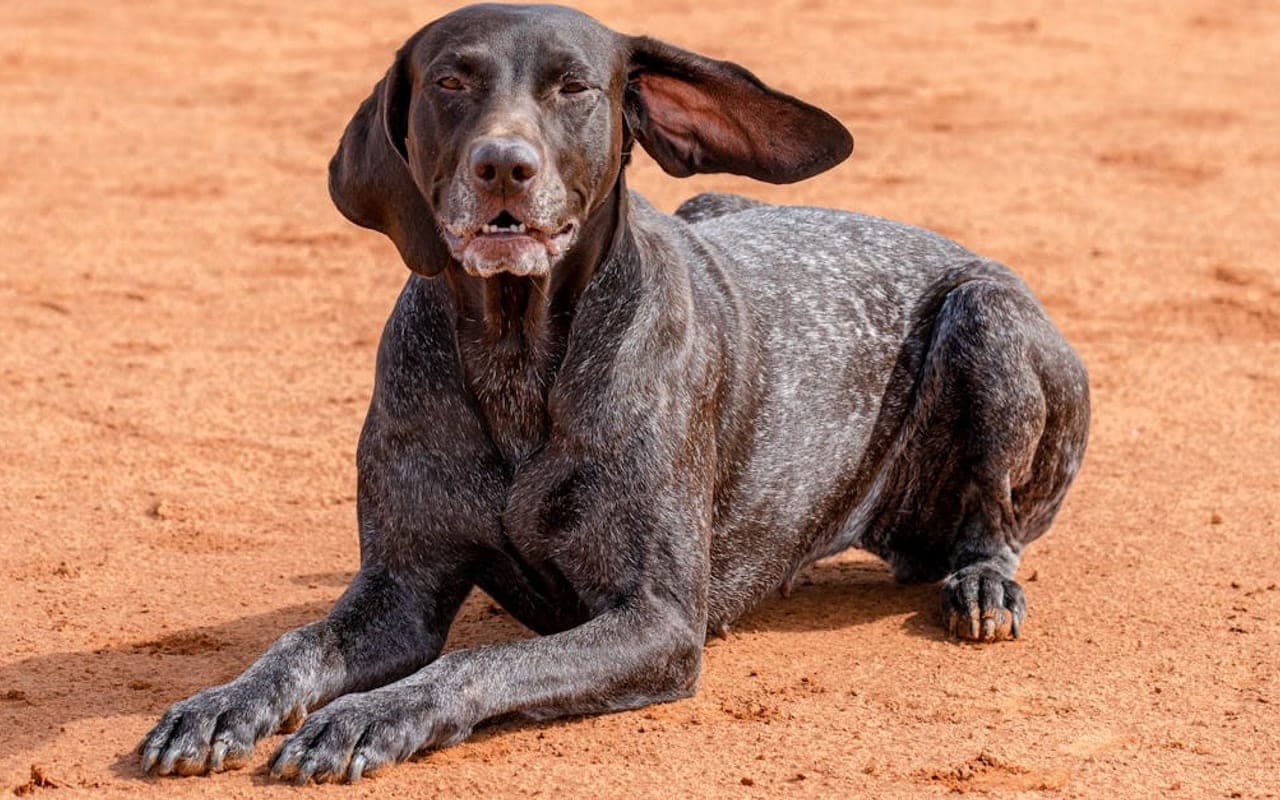
German Shorthaired Pointer
Worth comparing for size, activity level, family fit, and grooming commitment.

Labrador Retriever
Similar family temperament and retrieving background, usually with a shorter coat.

Vizsla
Worth comparing for size, activity level, family fit, and grooming commitment.
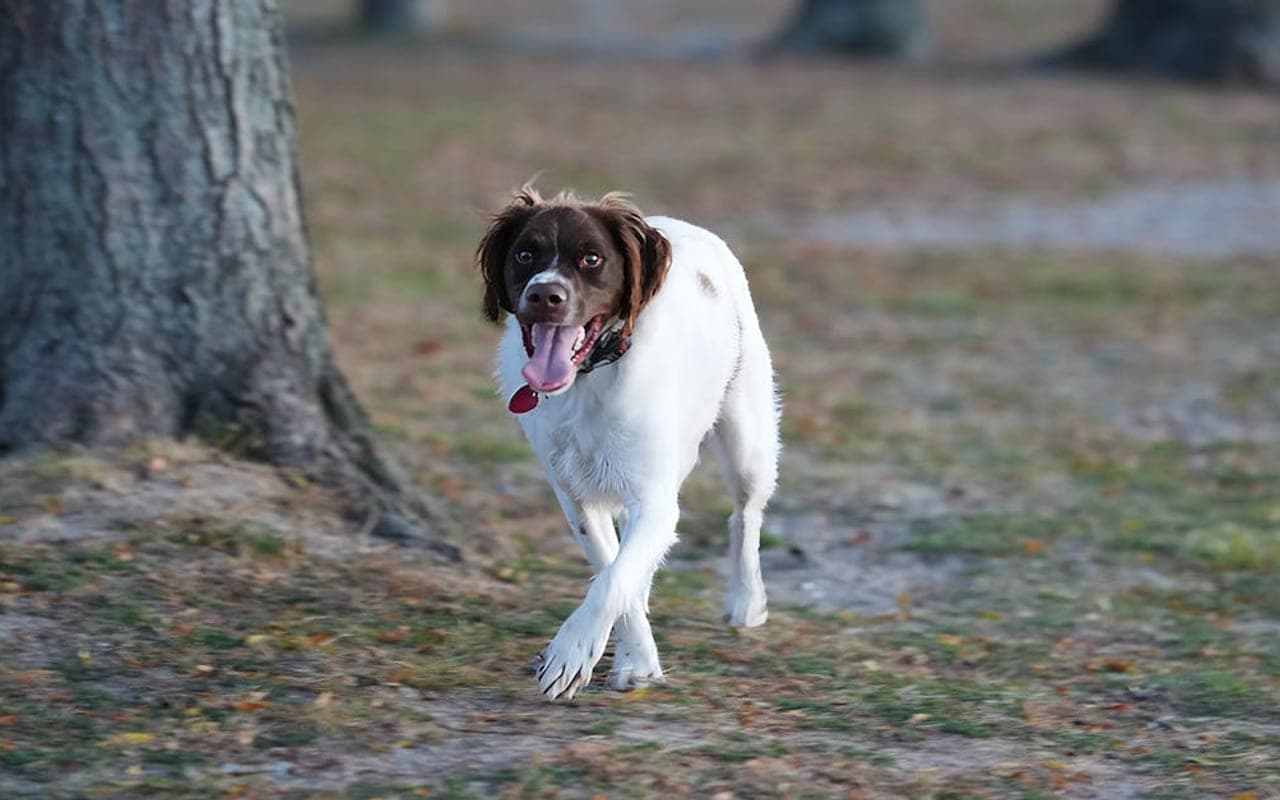
Brittany
Worth comparing for size, activity level, family fit, and grooming commitment.
Explore More About Golden Retriever
Dive deeper into everything Golden Retriever — costs, care, and expert insights.
How Much Does a Golden Retriever Cost?
Purchase price, monthly costs, and lifetime expenses
Complete Golden Retriever Care Guide
Your Golden Retriever brings endless joy — but that beautiful coat, those puppy eyes, and that...
How to Start a Dog Breeding Business
Most guides to this business will tell you how to register an LLC. None of the six ranking guides...
Can Dogs Eat Grapes & Raisins? Even a Few Can Be Dangerous
No — grapes and raisins are toxic to dogs, and there is no established safe amount. Why even a few...
Furbo vs Petcube: Which Pet Camera and Treat Dispenser Should You Buy?
Furbo and Petcube both make popular pet cameras, but they serve different buyers. Compare video...
Considering a cat instead?
Browse Cats