
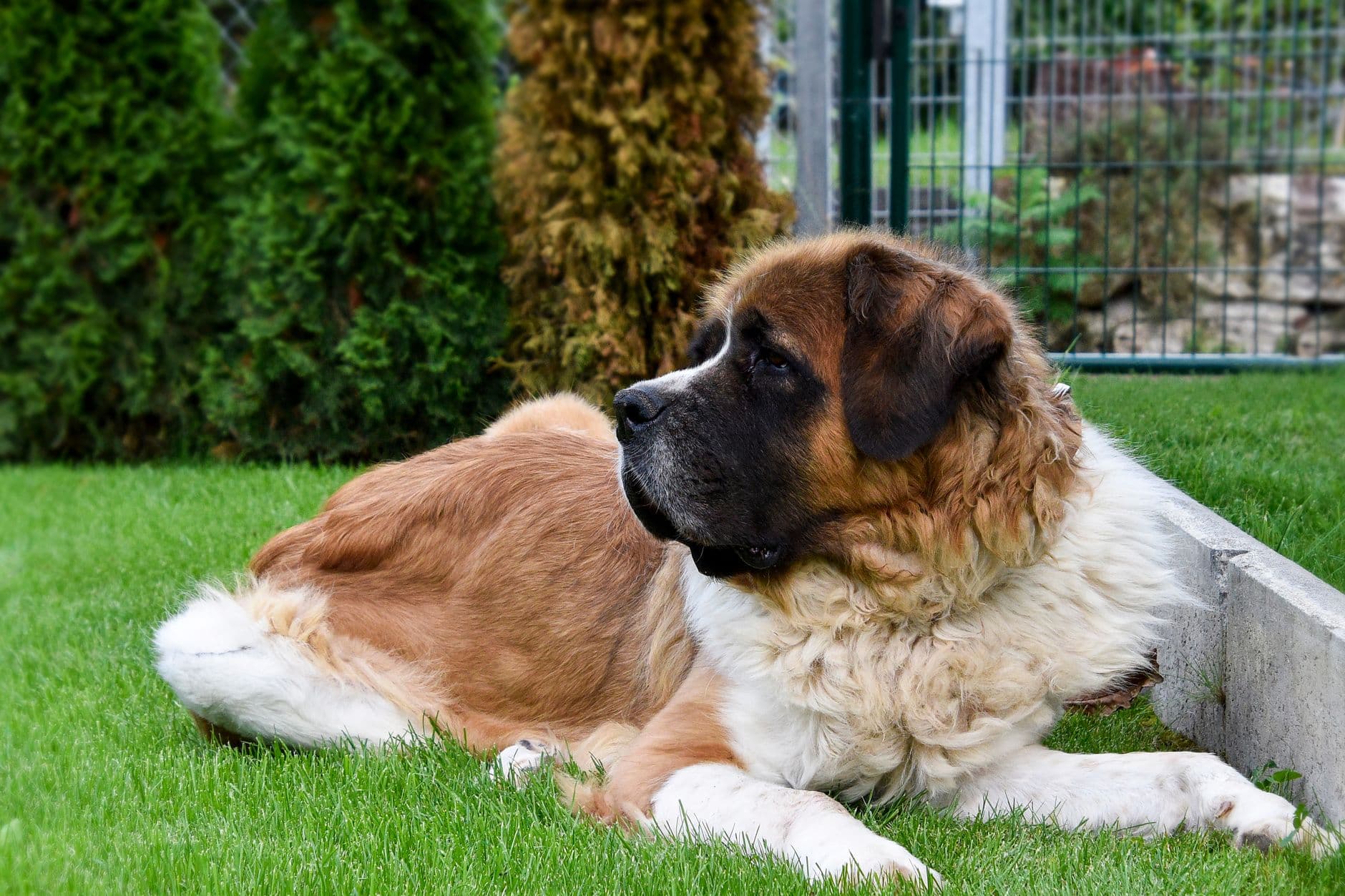
Large Dog Care Guide: Everything Over 50 lbs
The Size-Lifespan Tradeoff Owning a large or giant breed dog means accepting one of biology's more sobering facts: bigger dogs live shorter lives. Large breeds (50-90 pounds) average 10-13 years. A st
Reading Time
📖 18 min read
Guide Type
📋 General
Last Updated
📅 Sep 9, 2026
Breed
🐶 All Pets
In This Guide
Overview
The Size-Lifespan Tradeoff
Owning a large or giant breed dog means accepting one of biology's more sobering facts: bigger dogs live shorter lives. Large breeds (50-90 pounds) average 10-13 years. A study of more than 13 million dogs put life expectancy at birth at 11.51 years for large dogs (26 to under 45 kg) and 9.51 years for giant dogs (45 kg and over). An Irish Wolfhound is often elderly at six. A Great Dane rarely sees ten. Why bigger dogs live shorter lives is not settled, and explanations you will read for it are often stated with more confidence than the evidence supports. What is not in doubt is that a giant breed reaches old age years earlier than a small one, so senior screening should start earlier too.
This is not a tragedy. It is a feature of the relationship that large breed owners should understand clearly before committing. The love, companionship, and presence of a large breed dog is extraordinary. The owner who knows the actuarial reality manages the relationship differently - more intentionally, with better preventive care, with the awareness that the window is shorter than it appears.
Bloat and GDV: The Emergency That Kills Without Warning
Gastric dilatation and volvulus (GDV), commonly called bloat, is the single most time-critical emergency large breed owners must know. The stomach fills with gas, liquid, or food and rotates on its own axis, cutting off blood supply to the stomach and spleen. It is a true emergency — go straight to an emergency vet rather than waiting to see whether it settles. Large, deep-chested dogs are markedly overrepresented: VCA Animal Hospitals puts the lifetime bloat risk at approximately 20% for dogs weighing over 100 pounds. Standard Poodles, German Shepherds, Weimaraners, Dobermans, and Irish Setters are also high-risk.
Signs of bloat include a distended abdomen that may feel tight, unproductive retching or attempting to vomit without producing anything, excessive drooling, restlessness that quickly transitions to collapse, and rapid deterioration. If you see any combination of these signs in a large breed dog, do not wait. Drive to the nearest emergency veterinary hospital immediately. There is no home treatment.
Prevention strategies include feeding two or three smaller meals rather than one large meal, using a slow feeder bowl to reduce air intake during eating, avoiding vigorous exercise for one hour before and after meals, and discussing prophylactic gastropexy (stomach tacking) with your veterinarian. The raised food bowl recommendation, long believed to reduce bloat risk, has been challenged by research suggesting it may increase risk in some breeds - the current evidence favors floor-level feeding for most large breeds.
The Growth Plate Problem
Large and giant breed puppies have open growth plates (cartilaginous growth zones at bone ends) until 12-18 months of age, with larger breeds maturing later. Repetitive impact on open growth plates - running on stairs, jumping in and out of vehicles, prolonged running on hard surfaces, and high-impact play - causes micro-trauma that accumulates and can result in developmental orthopedic diseases including osteochondrosis and panosteitis.
Until a large breed dog reaches skeletal maturity (confirmed by the breed's known maturation timeline, not just apparent size), prioritize walking over running, avoid repetitive jump-and-land activities, and provide assistance with vehicle loading through a ramp or a lift. These restrictions feel excessive when your puppy seems eager and energetic. They prevent conditions that cause significant lifelong pain.
Financial Commitment Reality
Every product, service, and medication dosed by weight costs more for a large dog. Food costs $80-150 per month. Heartworm and flea prevention are dosed by weight. Anesthesia is dosed by weight. Hospital procedures include XL or custom-sized equipment. A 100-pound dog's ACL (cruciate) surgery runs $4,000-6,000, twice what the same procedure costs in a 40-pound dog. This is not a reason to avoid large breed ownership. It is a reason to plan for it honestly with appropriate emergency savings or pet insurance.
Why Muscle Mass Is the Large Breed's Best Friend
Muscle mass surrounding joints is the most effective protective mechanism against large breed orthopedic disease. A well-muscled large breed dog distributes joint loading more evenly, compensates for early arthritis more effectively, and maintains mobility significantly longer than a poorly muscled dog of the same skeletal size. The exercise program for a large breed dog is not optional fitness maintenance. It is joint preservation medicine.
Daily Care
Vehicle Loading Protocol
Loading and unloading from vehicles is a daily large breed ritual that carries genuine injury risk. The impact of a 100-pound dog launching from the bed of a pickup truck or jumping from an SUV represents hundreds of pounds of force per square inch absorbed by the front legs and shoulders on landing. Over thousands of such jumps across a decade, the cumulative damage is significant. Vehicle ramps or foldable steps are not luxury accessories - they are joint preservation tools. Train your large breed puppy to use a ramp from the first week in your home, before jumping is an established habit.
Crate and Space Requirements
Large breed dogs require appropriately sized crates where they can stand, turn around, and lie fully extended on their side. An undersized crate that prevents comfortable position changes overnight causes pressure point injuries (calluses, hygroma bursae) and poor sleep quality. Measure your dog's standing height from floor to top of head and length from nose to tail base. The crate should exceed both dimensions by four inches minimum.
Sleeping Surface Management
Large breeds develop elbow and hip calluses from sleeping on hard surfaces. While light calluses are cosmetic, severe calluses crack, bleed, and become infected. Provide a supportive orthopedic dog bed with memory foam at least three inches thick from the time your large breed puppy arrives. Dogs that develop comfortable sleeping habits on appropriate beds rarely develop callus problems. Replacing a $120 orthopedic bed annually is cheaper than treating infected hygromas.
Heat Management
Large and giant breeds generate more body heat from greater muscle mass and have a less efficient surface-to-mass ratio for heat dissipation. Exercise large breeds in early morning or evening during warm months. Provide consistent access to shade and fresh water. Double-coated large breeds (Bernese Mountain Dogs, Golden Retrievers, Samoyeds, Huskies) are particularly heat-sensitive. Know the heat exhaustion signs: excessive panting, drooling, disorientation, dark red or purple gums, and collapse. These are veterinary emergencies.
Socialization and Management in Public
A 100-pound dog that jumps on people, pulls on leash, or fails to respond to basic commands is a liability regardless of temperament. Large breed owners have a civic responsibility to train their dogs to a reliable standard. A French Bulldog jumping on a toddler is a minor nuisance. A Great Dane doing the same is a genuine danger. Basic commands, a well-fitted no-pull harness, and consistent leash manners are non-negotiable with dogs over 50 pounds.
Nutrition
Large Breed Puppy Food: A Separate Category
Large breed puppy food is not marketing. It is a distinct nutritional formulation addressing a real medical risk. Standard puppy food is high in calcium, phosphorus, and calories to support rapid growth. In giant and large breed puppies, excessive growth rate is the primary driver of developmental orthopedic diseases including hip dysplasia, osteochondrosis, and hypertrophic osteodystrophy.
Large breed puppy formulas reduce calcium to 0.7-1.2% (vs 1.5%+ in standard puppy food), control phosphorus, and moderate calorie density to produce slower, more controlled growth. Feed a food explicitly labeled (for large breed puppies) or that lists an AAFCO statement of (complete and balanced for growth of large size dogs, defined as 70 lbs or more as an adult). Do not supplement calcium or phosphorus while feeding a large breed puppy formula - more is actively harmful.
Adult Feeding Volume
A 75-pound adult Labrador Retriever eating a quality dry food typically requires three to four cups per day divided across two meals. A 120-pound Great Dane may require six to eight cups. Always follow the feeding guidelines on your specific food as a starting point, then adjust based on body condition score. You should be able to feel the last two ribs without pressing hard and see a waist when viewed from above. Large breed obesity is insidious - the dogs remain athletic-looking while carrying dangerous excess weight that accelerates joint deterioration.
Slow Feeder Investment
Slow feeder bowls that force the dog to eat around obstacles, reducing intake rate by 50-70%, are one of the highest-value preventive health investments for large breeds. Beyond bloat risk reduction, slower eating reduces vomiting from aerophagia (air swallowing) and creates a minor enrichment experience from each meal. The $15-30 cost of a quality slow feeder bowl is one of the better returns on investment in large breed dog ownership.
Joint Nutrition Starting Early
Begin omega-3 fatty acid supplementation (fish oil) at six months of age for large breeds, before any orthopedic symptoms appear. EPA and DHA have documented anti-inflammatory effects that support joint cartilage health. Ask your vet for the dose — it is set by body weight and by what the diet already provides. At 12-18 months, add glucosamine and chondroitin at vet-advised doses. Do not wait until lameness is visible. Cartilage loss is not reversible; it can only be slowed.
Exercise
The Exercise Sweet Spot
The exercise prescription for large breed dogs requires balancing two competing risks: insufficient exercise allows the muscle atrophy that removes the joint's best protection, while excessive high-impact exercise causes the micro-trauma that accelerates degenerative joint disease. The exercise sweet spot for most large breeds is 45-90 minutes of moderate activity daily, weighted toward lower-impact movement and away from repetitive jumping and hard-surface running.
Walking (including variable-terrain walking on trails, grass, and light incline), swimming, and controlled play on grass are the ideal exercise modes for large breeds throughout their lives. High-impact activities (frisbee with repeated jump-and-land catches, agility with sharp turns at speed, fetch with rapid stops on hard surfaces) are enjoyable but should be limited in frequency and duration, particularly in dogs over six years old.
Puppy Exercise Restrictions
Until skeletal maturity (12-18 months for large breeds, up to 24 months for giant breeds), be guided by the dog rather than by the widely-quoted "five minutes per month of age" rule, which is a rule of thumb rather than a research finding. Keep sessions short and self-directed, and ask your vet what suits your breed's growth pattern. A four-month-old large breed puppy needs only two 20-minute walks, not hour-long hikes. This does not mean the puppy stays sedentary - free play at the puppy's chosen pace on soft surfaces is lower-impact and self-regulating. Forced sustained exercise on hard surfaces before growth plates close is the risk to manage.
Swimming as the Ideal Large Breed Exercise
Swimming is the single best exercise for large breed dogs, particularly those with existing orthopedic issues or over seven years old. Water provides resistance for cardiovascular and muscular work while eliminating the ground-impact forces that stress joints. Most large breed dogs take to water readily. Canine hydrotherapy pools and underwater treadmills are available at many veterinary rehabilitation centers for dogs with conditions requiring supervised aquatic therapy.
Senior Exercise Adjustment
Large breed dogs over seven years old often have subclinical arthritis that becomes apparent only when owners notice changes in gait, rising difficulty, or reluctance to jump. Do not reduce exercise in senior large breeds without a veterinary assessment - reduced activity in arthritic dogs accelerates muscle loss, which worsens joint stability and pain in a downward spiral. Instead, maintain exercise frequency while reducing high-impact components: more walking, less fetch; more swimming, less stair climbing.
Signs of Over-Exercise
Watch for over-exercise signs in large breeds: lagging behind on walks, lying down mid-walk, excessive panting lasting more than 15 minutes after stopping, and stiffness or three-legged gait the following morning. These signs indicate the previous session exceeded the dog's current tolerance and the program should be scaled back. Large breed owners often inadvertently over-exercise young dogs because the dog's willingness to continue exceeds their physiological ability to do so safely.
Grooming
Scale of the Grooming Commitment
Grooming a large dog is physically demanding. Bathing a 90-pound Labrador, brushing a Bernese Mountain Dog through a seasonal shed, or drying a Standard Poodle after a bath is a different scale of task than grooming a small breed. Plan for regular professional grooming for double-coated large breeds (every eight to twelve weeks) and invest in tools sized for the task: a high-velocity dryer for double coats, a de-shedding tool (deshedding tool or equivalent) for seasonal shedding, and a slicker brush maintained free of accumulated fur.
Double Coat Management
Golden Retrievers, Labrador Retrievers, German Shepherds, Bernese Mountain Dogs, and most Nordic breeds have double coats that shed seasonally in what owners describe as (blowing coat). During these periods, daily brushing prevents the loose undercoat from compacting into mats and reduces the volume of shed fur deposited throughout the home by 60-70%. Never shave a double-coated dog in an attempt to reduce shedding or manage heat. The double coat insulates against heat as well as cold - a shaved double-coated dog is actually less thermally protected in summer, and the coat may regrow with permanently altered texture.
Ear Care for Drop-Eared Large Breeds
Blood Hounds, Basset Hounds, Weimaraners, Labradors, and Golden Retrievers with drop ears have elevated ear infection rates from reduced airflow and moisture accumulation. Check ears weekly for redness, dark discharge, odor, or the dog shaking its head. Clean ears with a veterinarian-recommended ear cleaner when needed (not on a fixed schedule - over-cleaning irritates healthy ears). Dry ears thoroughly after swimming.
Nail Care at Scale
Large dog nails that grow long enough to contact the floor alter the dog's gait and contribute to joint misalignment over time. Large dogs on pavement often maintain reasonable nail length through natural wear. Large dogs walking primarily on grass need trimming every three to four weeks. Use large-dog nail clippers sized for the task and know that the quick in pigmented nails requires a light source or experience to locate. Many large breed owners use professional grooming for nail maintenance and do coat brushing at home.
Skin Fold and Wrinkle Care
Bloodhounds, Mastiffs, Shar-Peis, and Neapolitan Mastiffs have skin folds that trap moisture and cause fold dermatitis without regular cleaning. Wipe all skin folds two to three times weekly with a dry cloth or pet-safe wipe. In warm weather, fold infections develop faster - increase cleaning frequency and monitor for redness, odor, or the dog scratching at fold areas.
Health
Hip Dysplasia: Prevention and Management
Hip dysplasia affects 15-20% of large breed dogs, with German Shepherds, Golden Retrievers, Labrador Retrievers, and Rottweilers at the highest rates. It is a developmental condition influenced by genetics and environmental factors during growth. The environmental factors you can control include controlled growth rate through large breed puppy food, avoiding slippery flooring during puppyhood (that causes puppies to splay and stress developing hip joints), and the exercise restrictions during growth described elsewhere in this guide.
Breeder selection matters: choose breeders who OFA-certify hips in breeding stock (Orthopedic Foundation for Animals) or participate in the PennHIP program. An OFA-certified breeding pair does not guarantee offspring with perfect hips, but it dramatically reduces the probability of severe hip dysplasia. Ask to see the certification documentation for both parents, not just one.
Cruciate Ligament Disease
Cranial cruciate ligament (CCL) rupture is the most common orthopedic injury in dogs and disproportionately affects large breeds. Unlike human ACL tears that are typically traumatic, dog CCL disease is degenerative - the ligament weakens over time before rupturing, often during a relatively minor movement. Signs include sudden three-legged lameness in a rear leg, swelling of the stifle joint, and reluctance to bear weight. Surgery (TPLO or TTA for large breeds) is the standard treatment at $4,000-6,000 per knee. Thirty percent of dogs who rupture one cruciate will rupture the other within 18 months.
Cancer Awareness
Large and giant breeds have significantly elevated cancer rates compared to small breeds. Osteosarcoma (bone cancer) predominantly affects large breeds, particularly the Rottweiler, Irish Wolfhound, and Great Dane. Hemangiosarcoma (aggressive cancer of blood vessel walls) affects German Shepherds and Golden Retrievers at elevated rates. Golden Retrievers are frequently cited as having a high cancer burden overall; be wary of seeing that whole-cancer figure quoted against a single tumour type such as lymphoma, which is a different and smaller claim. Know your breed's specific cancer profile and discuss appropriate screening with your veterinarian.
Cardiac Monitoring
Several large breeds have specific cardiac vulnerabilities. Doberman Pinschers have a high incidence of dilated cardiomyopathy, with studies suggesting 40-56% of the breed carries the gene mutation. Boxers develop arrhythmogenic right ventricular cardiomyopathy (boxer cardiomyopathy). Annual cardiac auscultation and breed-appropriate cardiac screening (echocardiogram every two years for high-risk breeds) catches disease in stages where medication meaningfully extends quality life.
Costs
Monthly Food Budget
Food is the most predictable and ongoing cost differential between large and small breed ownership:
- 50-70 lb dog, mid-range dry food: $60-90/month
- 70-100 lb dog, mid-range dry food: $90-130/month
- 100+ lb dog, mid-range dry food: $130-180/month
- Premium or raw diet for 100 lb dog: $200-400/month
Brand choices matter. The per-cup caloric density of premium foods often means feeding less volume for equivalent nutrition, narrowing the cost gap between premium and budget brands when calculated per-calorie rather than per-bag.
Veterinary Cost Scale
All weight-dosed veterinary services scale dramatically with large breed size. Heartworm prevention for a 100-pound dog runs $25-45/month versus $10-18/month for a 25-pound dog. A routine spay for a large breed female runs $400-800 at general practices versus $200-400 for a small breed. Bloat emergency treatment ranges $3,000-8,000 depending on severity and surgical complexity. Maintaining a $2,500-4,000 emergency fund or carrying comprehensive pet insurance is not excessive for large breed owners.
Equipment and Infrastructure Costs
One-time and recurring large breed infrastructure costs add up:
- XL orthopedic dog bed (replace every 1-2 years): $100-200
- Vehicle ramp (one-time): $80-200
- Large breed crate: $100-250
- Professional grooming (for double-coated breeds every 8-12 weeks): $70-130/session
- Large breed-specific harness, leash, collar: $60-120
Cruciate and Hip Surgery Planning
Statistically, a significant percentage of large breed owners will face cruciate ligament surgery ($4,000-6,000) or hip surgery ($3,500-6,500 per hip for total hip replacement) at some point in their dog's life. Pet insurance with orthopedic coverage purchased before any signs appear (typically before 18 months) covers 70-90% of these costs after deductible. The annual insurance premium ($600-1,200/year for a large breed) is a clear financial win if any major orthopedic event occurs. Browse large dog breeds to compare breed-specific orthopedic risk profiles before committing.
Frequently Asked Questions
My large-breed puppy is growing fast — should I be slowing that down?
Yes. A 2025 Frontiers in Veterinary Science review on managing osteoarthritis in growing dogs names rapid weight gain during the first year of life as detrimental to skeletal development, and lists unrestricted feeding, overfeeding high-energy foods, and treats or supplements carrying excess calcium among the drivers. Treats count toward that calcium load. Measure meals against the label instead of free-feeding, weigh your puppy monthly, and clear any supplement with your vet first.
My large dog is only three — surely it is too early to worry about arthritis?
Not necessarily. Cornell's Riney Canine Health Center states that osteoarthritis is not just a disease that occurs in senior dogs and can develop at any age, especially in dogs with contributing factors such as obesity or another orthopedic condition — it names hip and elbow dysplasia, cruciate ligament damage, past fractures and repetitive high-impact activity. Reluctance on stairs or hesitation before jumping up belongs in front of a vet, not filed under clumsiness.
Is a preventive stomach tack worth it on a dog that has never bloated?
VCA Animal Hospitals states that dogs weighing over 100 pounds have approximately a 20% risk of bloat during their lifetime, and that some veterinarians recommend prophylactic gastropexy at the time the dog is spayed or neutered. Know what it buys: the Merck Veterinary Manual says a gastropexy should prevent the life-threatening volvulus, but it has not prevented gastric dilation itself. A tacked dog can still bloat, so you still drive on the signs.
My big dog is already stiff — is losing weight still worth it now?
Yes. The Merck Veterinary Manual is direct about this: the primacy of even very modest weight loss to improving function in overweight dogs with osteoarthritis is well established, and it calls weight optimization imperative when the patient is already overweight. Fat is not inert padding — Merck describes adipose tissue as the body's largest endocrine organ, secreting pro-inflammatory mediators. Cornell adds that obesity often leads to shorter lifespans. Ask your vet for a written weight plan.
At what weight does my dog count as giant, and what does that size cost him in years?
A 2023 study in Frontiers in Veterinary Science, built from the clinical records of more than 13 million dogs, defines large as 26 to under 45 kilograms and giant as 45 kilograms and above. Life expectancy at birth was 11.51 years for large dogs and 9.51 years for giant ones, against 12.70 for medium. Half a giant breed's expected span is gone before age five, so start the joint and weight work now.
Sources
This guide draws on the following published references. Each opens in a new tab so you can check it against what you have read here.
ASPCA
General Dog Care(opens in a new tab)AVMA
What's Your Pet's Life Stage?(opens in a new tab)AVMA
Selecting a Pet Dog(opens in a new tab)VCA Animal Hospitals
Bloat - Gastric Dilatation and Volvulus in Dogs(opens in a new tab)Cornell University College of Veterinary Medicine, Riney Canine Health Center
Osteoarthritis(opens in a new tab)Cornell University College of Veterinary Medicine, Riney Canine Health Center
Obesity and weight loss in dogs(opens in a new tab)Merck Veterinary Manual
Hip Dysplasia in Dogs(opens in a new tab)Frontiers in Veterinary Science (PubMed Central)
Life expectancy tables for dogs and cats derived from clinical data(opens in a new tab)Merck Veterinary Manual
Routine Health Care of Dogs(opens in a new tab)Frontiers in Veterinary Science (PubMed Central)
A proposed framework for practical multimodal management of osteoarthritis in growing dogs(opens in a new tab)Merck Veterinary Manual
Providing a Home for a Dog(opens in a new tab)Merck Veterinary Manual
Gastric Dilation and Volvulus in Small Animals(opens in a new tab)Merck Veterinary Manual
Osteoarthritis in Dogs and Cats(opens in a new tab)
Get personalized pet care tips
Join our newsletter for breed-specific advice, care guides, and expert tips delivered weekly.
No spam, ever. Unsubscribe anytime.