
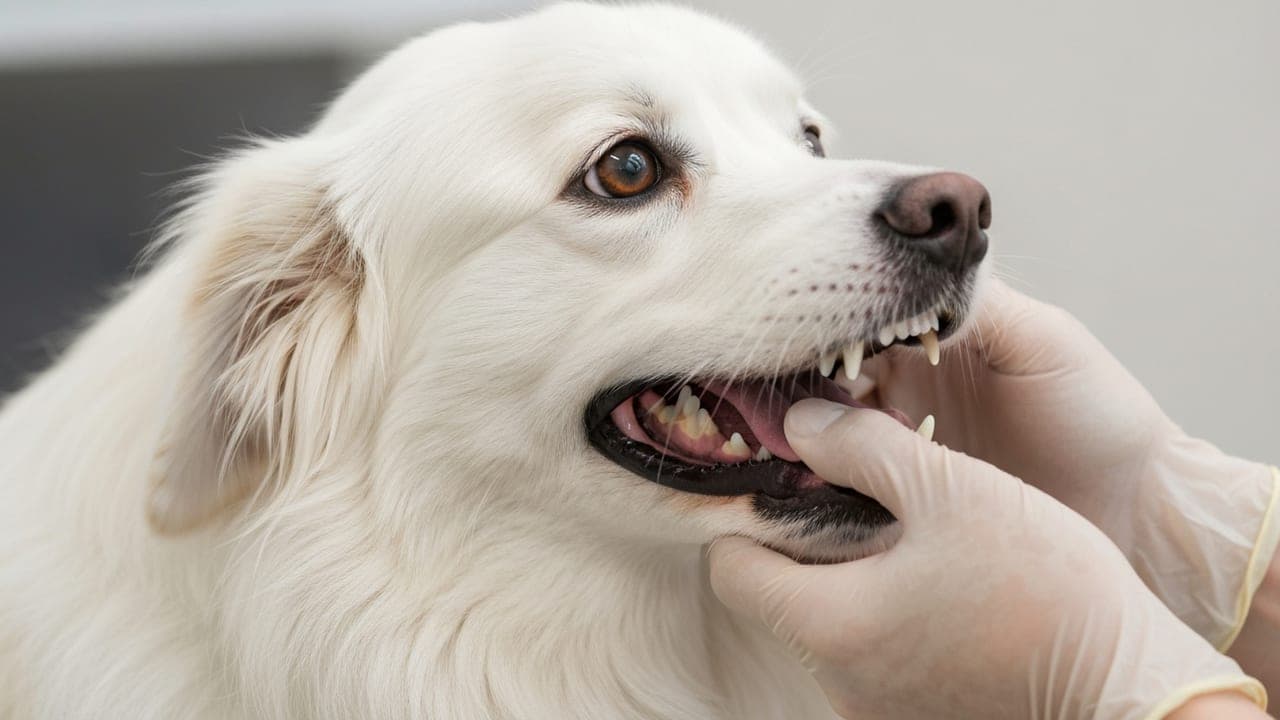
Complete Pet Dental Care Guide
Here's a statistic that should change how you think about pet care: by age 3, over 80% of dogs and 70% of cats have some form of dental disease. That's not a typo — the overwhelming majority of pets a
Reading Time
📖 14 min read
Guide Type
📋 General
Last Updated
📅 Sep 9, 2026
Breed
🐶 All Pets
In This Guide
Overview
Here's a statistic that should change how you think about pet care: by age 3, over 80% of dogs and 70% of cats have some form of dental disease. That's not a typo — the overwhelming majority of pets are walking around with dental problems their owners don't know about, because pets are remarkably good at hiding oral pain.
Why Pet Dental Care Matters More Than You Think
Dental disease in pets isn't just about bad breath and ugly teeth. The bacteria from periodontal disease enter the bloodstream through inflamed gums and travel to the heart, liver, and kidneys. Studies published in the Journal of Veterinary Dentistry have linked chronic dental disease to shortened lifespans — dogs with severe periodontal disease live an average of 1.5–3 years less than dogs with healthy mouths.
What This Guide Covers
This guide provides everything you need to maintain your pet's dental health, from daily at-home care to understanding when professional intervention is needed:
- How to brush your dog's or cat's teeth (it's easier than you think)
- Signs of dental disease every owner should recognize
- What happens during a professional dental cleaning (and why anesthesia is necessary)
- Breed-specific dental risks for popular breeds
- The cost of dental care versus the cost of dental neglect
- Products that actually work versus those that are marketing hype
The best time to start dental care was when your pet was a puppy or kitten. The second best time is today.
Daily Care
At-home dental care is the foundation of your pet's oral health. Professional cleanings are essential, but they happen once or twice a year — what you do every day determines whether dental disease progresses or stays controlled between those cleanings.
How to Brush Your Pet's Teeth
Getting Started (The 2-Week Conditioning Period)
Most pets resist tooth brushing initially. The key is gradual conditioning:
- Day 1–2: Let your pet taste the enzymatic toothpaste from your finger. Choose poultry or seafood flavors — pets should enjoy the taste.
- Day 3–4: Rub a small amount of paste on their front teeth with your finger. Lift the lip gently, touch teeth, give praise and a treat.
- Day 5–7: Progress to rubbing paste along the gumline of the front and side teeth. Keep sessions under 30 seconds.
- Introduce the toothbrush (finger brush for beginners, small-head angled brush for experienced pets). Use the same gradual approach — let them investigate the brush, then touch teeth briefly.
- By end of week 2, aim for 30–60 second brushing sessions covering the outer surfaces of all teeth.
Daily Brushing Technique
- Angle the brush at 45 degrees toward the gumline — this is where plaque accumulates
- Short, gentle circular motions along the gumline. You're disrupting the bacterial biofilm, not scrubbing enamel.
- Focus on the outer surfaces — the side facing the cheek. The tongue side stays relatively cleaner naturally.
- Prioritize the back teeth (premolars and molars) — these accumulate the most tartar and are where periodontal disease usually starts
- The whole process should take 1–2 minutes — not longer. Quick and consistent beats thorough and occasional.
Frequency
- Gold standard: Daily brushing
- Minimum effective: 3 times per week (studies show this significantly reduces plaque compared to less frequent brushing)
- Below 3 times per week: Limited benefit — plaque mineralizes into tartar within 48–72 hours
Products to Use
- Enzymatic pet toothpaste only — NEVER human toothpaste (fluoride and xylitol are toxic to pets)
- Finger brushes — Best for cats and small dogs, and for beginners of any size
- Dual-headed pet toothbrushes — Clean both sides of large dog teeth simultaneously
- Gauze wrapped around your finger — Acceptable alternative if your pet refuses brushes
Beyond Brushing: Additional Daily/Weekly Care
- Dental chews — VOHC-accepted dental chews (look for the Veterinary Oral Health Council seal) provide mechanical cleaning action. Give daily, after meals. Not all dental treats are effective — the VOHC seal means they've been tested and proven to reduce plaque or tartar.
- Water additives — Enzymatic water additives reduce bacterial load. They're no substitute for brushing but provide supplemental benefit. Change water daily when using additives.
- Dental diets — Prescription dental diets use kibble engineered to clean teeth during chewing; ask your vet which VOHC-accepted diet suits your pet. Best used as part of a comprehensive approach, not as a sole solution.
Nutrition
What your pet eats directly affects their dental health — from the mechanical action of chewing to the nutritional support for gum tissue integrity.
How Diet Affects Dental Health
Common myth: "Dry food cleans teeth." This is mostly marketing. Standard kibble shatters on contact and provides minimal dental cleaning. However, specifically designed dental kibble (with fibers that don't shatter but scrub the tooth surface) does provide benefit. The distinction matters.
- Dental-specific diets: therapeutic dental diets use a kibble structure designed to clean the tooth as the animal chews; look for the Veterinary Oral Health Council seal, which is awarded only when a product has demonstrated dental efficacy for plaque and/or tartar control when used as directed
- Raw meaty bones (controversial but effective): Chicken necks (cats), marrow bones (dogs) — mechanical chewing action cleans teeth. Discuss with your vet, as raw feeding has bacterial contamination risks. NEVER cooked bones (they splinter).
- Crunchy vegetables: Carrots, apple slices (no seeds), and celery provide modest cleaning action and are safe for most dogs.
Nutritional Support for Dental Health
- Vitamin C: Supports gum tissue health. Most pet foods include adequate amounts, but senior pets may benefit from supplementation.
- Omega-3 fatty acids: Anti-inflammatory properties help reduce gingivitis. Fish oil supplementation supports both dental and overall health.
- Coenzyme Q10: Some evidence suggests CoQ10 supports gum health. Available as pet-specific supplements.
- Probiotics: Oral probiotics (pet-specific formulations) can reduce harmful bacterial populations in the mouth.
Foods That Harm Dental Health
- Sugary treats: Promote bacterial growth. Avoid any pet treats with added sugars.
- Starchy foods: Starches convert to sugars and stick to teeth. Limit grain-heavy treats.
- Soft-only diets: Pets fed exclusively soft food develop more tartar than those who get some mechanical chewing. If your pet needs a soft diet for medical reasons, increase other dental care efforts.
- Table scraps: Many human foods leave residue that promotes plaque formation.
Dental-Friendly Feeding Practices
- Timed meals over free-feeding: Scheduled meals allow saliva production cycles to naturally clean the mouth between meals. Free-feeding means constant food residue on teeth.
- Post-meal dental chew: Give a VOHC-accepted dental chew after the last meal of the day.
- Water access: Continuous access to fresh water helps rinse food particles from teeth naturally.
Exercise
While exercise doesn't directly affect dental health, the connection between overall health, stress levels, and oral health is well-documented. This section covers how activity choices intersect with dental care.
Exercise and Dental Health Connections
- Chewing as exercise: Dogs, especially puppies and young adults, need appropriate chewing outlets. Chewing is a natural stress-relief behavior AND provides dental cleaning. Providing appropriate chew items — dental-specific toys, VOHC-approved chews, and appropriately sized raw bones — channels chewing instinct toward dental benefit.
- Stress and dental health: Stressed pets are more prone to bruxism (teeth grinding), which wears enamel and can crack teeth. Regular exercise reduces stress, indirectly protecting dental health.
- Fetch and dental damage: Tennis balls are the #1 cause of premature tooth wear in dogs. The fuzz on tennis balls acts like sandpaper on teeth over time. For dental-conscious play, use rubber balls, Chuckit balls, or dental-specific fetch toys.
Safe Chew Items (Support Dental Health)
| Item | Dental Benefit | Risk Level | Best For | |---|---|---|---| | KONG (stuffed, frozen) | Moderate — chewing action | Very low | All dogs | | Bully sticks | Good — extended chewing | Low (supervise for swallowing end pieces) | Medium to large dogs | | Dental-specific chews (VOHC) | High — proven plaque reduction | Very low | All dogs | | Nylon bones (Nylabone) | Moderate — gentle abrasion | Low | Moderate chewers | | Raw marrow bones | High — mechanical cleaning | Moderate (discuss with vet) | Large dogs | | Antlers | High — long-lasting | HIGH — can fracture teeth | Use with caution | | Ice cubes | None | MODERATE — can crack teeth | Avoid as chew items |
Items to Avoid
- Cooked bones — Splinter into sharp fragments that can perforate the GI tract
- Tennis balls (for sustained chewing — brief fetch is fine)
- Hard nylon toys — If you can't dent it with your fingernail, it can crack a tooth
- Rocks, sticks, and other outdoor "finds" — Tooth fractures, splinters, bacterial exposure
- Hooves, hard antlers — Very common cause of slab fractures (a large piece of tooth breaks off)
The "Thumbnail Test" for Chew Safety
Press your thumbnail into the chew item. If it doesn't give at all — it's too hard and risks tooth fracture. Safe chews have some flexibility.
Cat Dental Play
- Dental treats after play sessions (positive association)
- Catnip toys with textured surfaces that provide light abrasion during play
- Freeze-dried meat treats that require crunching
Grooming
Dental care is, fundamentally, a grooming activity — and it intersects with other grooming routines in practical ways that pet owners can build on.
Integrating Dental Care Into Grooming Routines
The most effective way to maintain dental care consistency is to pair it with existing grooming habits:
- Brush teeth before coat brushing: Your pet is already in "being handled" mode. Adding dental care first (while they're fresh and cooperative) integrates it seamlessly.
- Check teeth during face grooming: When cleaning around the face (especially for flat-faced breeds), lift lips and visually inspect teeth and gums. Look for tartar buildup (brown/yellow deposits at the gumline), red or swollen gums, and broken or discolored teeth.
- Post-bath dental check: After a bath, while your pet is being dried, take 30 seconds to check their mouth. The cooperative state after bathing makes this an easy addition.
Breed-Specific Dental Grooming Needs
High-Risk Dog Breeds (Require Extra Dental Attention)
- Yorkshire Terriers: The worst dental health of any breed. Crowded teeth, rapid tartar formation. Daily brushing mandatory; professional cleaning 1–2 times per year.
- Dachshunds: Narrow jaw, crowded teeth, similar risk profile to Yorkies
- Toy breeds generally (Chihuahuas, Maltese, Pomeranians): Small jaws = crowded teeth = accelerated periodontal disease. Professional cleanings more frequently than larger breeds.
- Boxers: Prone to gingival hyperplasia (gum overgrowth) which traps bacteria
- Greyhounds: Known for exceptionally poor dental health. Daily brushing and frequent professional cleanings essential.
High-Risk Cat Breeds
- Siamese: Prone to dental disease and tooth resorption
- Persians: Crowded teeth due to brachycephalic jaw
- Abyssinians: Higher rates of tooth resorption
- Maine Coons: Prone to stomatitis (severe mouth inflammation)
Signs You Should See During Grooming
Healthy mouth: Pink gums (not red, white, or blue), no swelling, clean tooth surfaces, no odor beyond normal "pet breath."
- Bright red gumline (gingivitis)
- Brown/yellow buildup at the gumline (tartar)
- Teeth that appear longer than normal (gum recession)
- Loose teeth (advanced periodontal disease)
- Bumps or growths on gums (oral masses — need vet evaluation)
- Drooling more than normal
- Reluctance to have the face/mouth touched (pain)
If you notice any warning signs during grooming, schedule a veterinary dental evaluation within 2 weeks.
Health
Dental disease is the most common health condition in both dogs and cats — more common than obesity, allergies, or any other condition. Understanding its progression and health impacts motivates the daily care investment.
The Stages of Periodontal Disease
Stage 1: Gingivitis - Inflammation of the gums only — no bone loss yet - Signs: Red gumline, mild bad breath - Reversible with proper care: Brushing, professional cleaning, and ongoing maintenance can return gums to full health - This is the critical intervention window
Stage 2: Early Periodontitis - Up to 25% bone loss around affected teeth - Signs: Worsening bad breath, slightly swollen gums, occasional bleeding - Partially reversible: Professional cleaning and aggressive home care can stabilize, but some damage is permanent
Stage 3: Moderate Periodontitis - 25–50% bone loss - Signs: Significant bad breath, gum recession, loose teeth, pain during eating - Not reversible: Extraction of affected teeth may be necessary. Remaining teeth need aggressive management.
Stage 4: Advanced Periodontitis - Greater than 50% bone loss - Signs: Missing teeth, severe pain, difficulty eating, visible pus, facial swelling - Extraction is the treatment: Severely affected teeth must be removed. The good news: pets do remarkably well after extractions — they eat better because the pain source is gone.
Systemic Health Impacts
Dental disease doesn't stay in the mouth. The bacteria responsible for periodontal disease enter the bloodstream through inflamed, bleeding gums (a process called bacteremia):
- Heart: Bacterial endocarditis (infection of heart valves). Studies show dogs with periodontal disease have higher rates of cardiac changes.
- Kidneys: Bacterial seeding of the kidneys causes chronic damage. Kidney disease is already the #1 killer of senior cats — dental bacteria accelerate it.
- Liver: Hepatic bacterial infection from oral bacteria.
- Joints: Some veterinary researchers have linked chronic dental disease to inflammatory joint conditions.
Professional Dental Cleanings
Why Anesthesia Is Necessary
"Anesthesia-free" dental cleanings are marketed as a safer alternative but are considered inadequate by the American Veterinary Dental College. Here's why:
- Only the visible tooth surface is cleaned — the critical area is below the gumline, where periodontal disease actually develops. No conscious pet allows subgingival cleaning.
- No dental X-rays — 60% of tooth problems are below the gumline and invisible without radiographs. An anesthesia-free cleaning misses them entirely.
- Cosmetic, not medical — The teeth look cleaner on the surface, but the disease progresses underneath.
What a Proper Dental Cleaning Includes
- Pre-anesthetic blood work (ensures organ function supports anesthesia)
- Full-mouth dental X-rays (identifies problems below the gumline)
- Scaling above AND below the gumline (ultrasonic scaler)
- Probing every tooth (measuring pocket depth — the space between tooth and gum)
- Polishing (smooths microscopic scratches from scaling that would otherwise harbor bacteria)
- Extractions if needed (diseased teeth that can't be saved)
- Recovery monitoring
Frequency
- Most pets: Annual dental cleaning
- High-risk breeds (Yorkies, Siamese, toy breeds): Every 6 months
- Pets with excellent home care: May extend to every 18–24 months (vet's judgment)
Costs
Dental care has real costs — but dental neglect has far higher ones. Understanding the financial landscape helps you budget effectively and prevents the shock of unexpected dental bills.
At-Home Dental Care Costs
| Item | Cost | Frequency | |---|---|---| | Enzymatic toothpaste | $8–$15 | Every 2–3 months | | Pet toothbrush/finger brush | $5–$12 | Every 3 months | | VOHC dental chews (30-day supply) | $15–$40 | Monthly | | Dental water additive | $10–$20 | Monthly | | Annual at-home dental total | $200–$450 | |
Professional Dental Cleaning Costs
| Procedure | Dog | Cat | |---|---|---| | Standard cleaning (no extractions) | $300–$700 | $250–$600 | | Cleaning + 1–3 extractions | $500–$1,200 | $400–$1,000 | | Cleaning + multiple extractions | $800–$2,500 | $700–$2,000 | | Full-mouth extraction (severe disease) | $2,000–$4,000 | $1,500–$3,000 |
Why the range is so wide: Cost varies by geographic location, pet size (larger dogs require more anesthesia), number of extractions, and whether complications arise. Pre-anesthetic blood work adds $80–$200 but is standard and necessary.
The Cost of Dental Neglect
Ignoring dental care doesn't save money — it delays and multiplies costs:
| Scenario | Lifetime Cost (avg 12-year lifespan) | |---|---| | Consistent home care + annual cleaning | $3,500–$7,000 | | No home care + periodic cleanings when symptoms appear | $5,000–$12,000 | | No dental care until crisis | $6,000–$15,000+ |
The math is straightforward: a $10 tube of toothpaste and 2 minutes daily prevents the $2,000 extraction session. Prevention is dramatically cheaper than treatment.
Pet Insurance and Dental Coverage
Most pet insurance policies cover dental illness (infections, fractures, extractions from disease) but NOT routine dental cleanings. Check your policy for:
- Dental illness coverage (should be included)
- Dental accident coverage (broken teeth from trauma)
- Routine dental cleaning coverage (rare — usually a wellness add-on at $10–$20/month extra)
- Waiting periods for dental claims (typically 6–12 months)
Smart Dental Spending
- Start early: Begin brushing during the puppy/kitten phase. Animals conditioned young accept dental care for life, reducing professional intervention frequency.
- VOHC seal matters: Only buy dental products with the VOHC seal. Unverified "dental" products often provide zero actual benefit.
- Schedule cleanings during promotions: Many veterinary practices offer dental month specials (usually February — National Pet Dental Health Month) with 10–20% discounts on cleanings.
- Don't wait for symptoms: By the time you notice bad breath or eating difficulty, the disease is already advanced. Proactive annual cleanings catch problems when they're cheapest to address.
Sources
This guide draws on the following published references. Each opens in a new tab so you can check it against what you have read here.
AVMA
Pet Dental Care(opens in a new tab)AVMA
Pet Care(opens in a new tab)Merck Veterinary Manual
Dental Disorders of Dogs(opens in a new tab)Merck Veterinary Manual
Dental Disorders of Cats(opens in a new tab)
Affiliate disclosure: We may earn a commission from qualifying purchases. This doesn't affect our recommendations.
Recommended Products
Get personalized pet care tips
Join our newsletter for breed-specific advice, care guides, and expert tips delivered weekly.
No spam, ever. Unsubscribe anytime.