
How Often Should You Really Bathe Your Dog?
Not individually reviewed by a veterinarian. Read our editorial standards.
Last updated:
- Most dogs need bathing every 4-8 weeks, but coat type is the biggest variable
- Over-bathing strips natural oils and can cause dry, itchy skin
- Double-coated breeds need thorough drying to prevent hot spots
- Between baths, brushing and wipe-downs handle most dirt and odor
- Dogs with skin conditions may need medicated baths on a vet-prescribed schedule
Your dog just rolled in something unspeakable at the park, and now the entire car smells like regret. As you haul her toward the bathtub, you wonder — when was her last bath, and is there such a thing as bathing her too often?
The answer to the second question is yes. Over-bathing is one of the most common grooming mistakes dog owners make, and the right frequency depends almost entirely on your dog's coat type.
Why Does Coat Type Determine Bathing Frequency?
Your dog's skin produces natural oils (sebum) that waterproof the coat, protect the skin barrier, and maintain overall coat health. Bathing removes these oils. A reasonable bathing schedule replenishes them between baths; an aggressive one strips them faster than they can regenerate.
Different coat types produce and distribute oils differently, which means a Poodle and a Labrador Retriever have fundamentally different bathing needs — even if they are equally muddy.
How Often Should You Bathe a Double-Coated Dog?
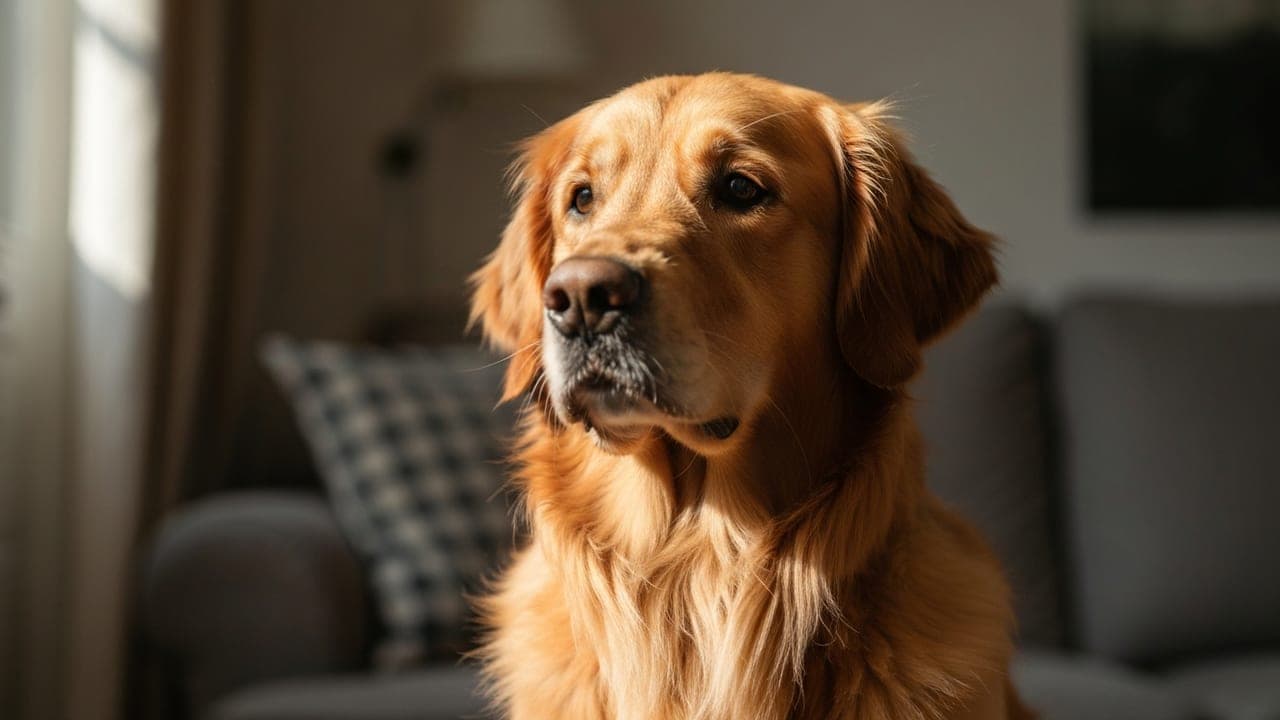
Double-coated breeds — Golden Retrievers, Labrador Retrievers, Huskies, German Shepherds, Corgis — have a dense undercoat beneath a protective outer coat. This dual layer is remarkably self-maintaining.
Recommended frequency: Every 6-8 weeks, or when visibly dirty or smelly.
Double coats repel water and dirt naturally. Bathing too often disrupts the undercoat's texture and can actually increase shedding. Between baths, regular brushing (2-3 times weekly) distributes natural oils and removes loose undercoat far more effectively than water.
Important: Never shave a double-coated dog. The undercoat provides insulation in both hot and cold weather, and shaving damages the coat texture permanently.
What About Wire-Haired or Rough-Coated Dogs?
Wire-haired breeds (Wirehaired Pointing Griffon, Airedale, Wire Fox Terrier, most Schnauzers) have coarse, bristly outer coats that resist dirt and moisture well.
Recommended frequency: Every 6-8 weeks, similar to double-coated dogs.
Wire coats benefit more from hand-stripping (a grooming technique that removes dead outer coat) than from frequent bathing. Excessive bathing softens the wire texture, which changes the coat's appearance and reduces its natural weather resistance.
How Often Should Curly or Wool-Coated Dogs Be Bathed?
Curly-coated breeds like Poodles, Bichon Frise, and Poodle mixes have hair that grows continuously (like human hair) rather than shedding seasonally. This coat type traps dirt, debris, and odor more readily.
Recommended frequency: Every 3-4 weeks.
Curly coats need more frequent bathing because they do not self-clean the way smooth or double coats do. However, this must be paired with conditioning to prevent the coat from drying out and matting. A quality dog-specific conditioner after every bath is essential for curly-coated breeds.
Professional grooming every 4-6 weeks is also standard for these breeds, and most groomers include a bath in the service.
What Is the Right Bathing Schedule for Smooth-Coated Dogs?
Smooth-coated breeds (Beagles, Boxers, Dalmatians, Greyhounds) have short, flat coats that lie close to the body. These coats are low-maintenance and naturally resistant to odor buildup.
Recommended frequency: Every 8-12 weeks, or when dirty or smelly.
Smooth coats rarely tangle and shed dirt. A rubdown with a damp towel or grooming wipe between baths is often sufficient for routine maintenance. Over-bathing smooth-coated dogs frequently leads to dry, flaky skin.
Does Your Dog's Activity Level Change the Schedule?
Absolutely. The breed-based schedules above assume a typical indoor pet lifestyle. Adjust for:
- Swimming dogs: Rinse with fresh water after every swim (chlorine and lake water are both irritating), but full shampoo baths still follow the breed schedule.
- Outdoor/active dogs: Dogs who hike, roll in mud, or play in dirt regularly may need a quick rinse or spot clean between scheduled baths.
- Urban apartment dogs: Often need less frequent bathing than their suburban counterparts because they encounter less outdoor debris.
The key distinction is between a rinse (water only, to remove surface dirt) and a bath (shampoo, which strips oils). Rinses can happen as needed without disrupting the skin barrier.
Can Over-Bathing Actually Harm Your Dog?
Yes. Frequent bathing with shampoo strips the natural oils that keep your dog's skin and coat healthy. The consequences include:
- Dry, flaky skin that may look like dandruff
- Itchiness — your dog scratches more, which can create hot spots
- Dull, brittle coat that lacks shine and elasticity
- Increased odor — ironically, over-bathed dogs often smell worse because their skin overproduces oil to compensate, leading to a faster buildup of yeasty or musty odor
If your dog's skin looks dry, irritated, or flaky after baths, you are likely bathing too frequently or using the wrong shampoo.
What About Dogs with Skin Conditions?
Dogs with allergies, seborrhea, bacterial or fungal infections, or other dermatological conditions may need medicated baths on a different schedule than their coat type would suggest.
Common medicated bath protocols:
- Allergic dermatitis: Every 1-2 weeks with a vet-prescribed hypoallergenic or oatmeal shampoo
- Bacterial skin infection: Every 3-5 days with a chlorhexidine or benzoyl peroxide shampoo
- Yeast infection: Weekly with an antifungal shampoo
Always follow your vet's guidance for medicated bathing. The frequency, shampoo type, and contact time (how long the shampoo sits on the skin before rinsing) all matter for treatment efficacy. When in doubt, ask your vet.
Step-by-Step: How to Give Your Dog a Great Bath
-
Brush first. Remove tangles, mats, and loose fur before the water touches the coat. Wet mats tighten and become nearly impossible to remove.
-
Use lukewarm water. Too hot irritates the skin; too cold is uncomfortable. Test on the inside of your wrist, just like you would for a baby's bath.
-
Wet thoroughly. Dense and double coats can take several minutes to fully saturate. Take your time — shampoo will not work on a dry undercoat.
-
Use dog-specific shampoo. Human shampoo has the wrong pH for dog skin (human skin is ~5.5 pH; dog skin is ~7.0-7.5 pH). Even "gentle" baby shampoo can disrupt your dog's skin barrier.
-
Lather and massage. Work the shampoo into the coat with your fingertips, not your nails. Pay attention to areas that trap odor: armpits, belly, behind the ears, and the base of the tail.
-
Rinse completely. Leftover shampoo residue causes itching and irritation. Rinse until the water runs perfectly clear. Then rinse once more.
-
Condition if needed. Curly and long-coated breeds benefit from a dog-specific conditioner. Apply from mid-shaft to ends, avoiding the skin.
-
Dry appropriately. Towel dry first, then use a blow dryer on the cool or low-heat setting if your dog tolerates it. Never leave a double-coated dog to air-dry completely — the trapped moisture can cause hot spots.
What Can You Do Between Baths?
- Brushing is the single best maintenance tool. It removes loose fur, distributes oils, and keeps the coat clean.
- Grooming wipes (dog-specific) are excellent for paws, faces, and quick spot-cleaning.
- Dry shampoo formulated for dogs can absorb oil and odor between baths.
- Paw washing after walks keeps dirt from being tracked through the house without a full bath.
Coat type changes the bathing decision. Use the breed pages for the Poodle, Yorkshire Terrier, and Miniature Schnauzer to check grooming needs before setting a wash schedule.
FAQ
Can I use human shampoo on my dog in an emergency?
In a true emergency (skunk spray, hazardous substance), yes — use what you have and rinse thoroughly. For routine bathing, always use dog-specific shampoo. Human products have a pH that disrupts canine skin balance and can cause dryness and irritation with repeated use.
Why does my dog still smell bad right after a bath?
Persistent odor despite bathing often indicates an underlying issue: ear infection, dental disease, anal gland problems, or a skin condition like yeast overgrowth. If the smell returns within 1-2 days of a bath, schedule a vet visit.
Should I bathe my puppy differently than an adult dog?
Puppies can be bathed from about 8 weeks of age using a gentle, puppy-specific shampoo. Keep baths brief, use warm water, and make the experience positive with treats and calm praise. Early positive bath experiences prevent lifelong grooming struggles.
How do I bathe a dog who hates water?
Start with desensitization — run the water without putting your dog in the tub, feed treats near the bathroom, place a nonslip mat in the tub. Use a lick mat with peanut butter stuck to the wall as a distraction during the bath. Patience and positive associations work better than force. Visit our care guides for more grooming tips.
Is professional grooming worth it?
For breeds that require regular haircuts (Poodles, Shih Tzus, Yorkies), professional grooming is practically essential. For other breeds, professional groomers offer thorough deshedding, nail trimming, ear cleaning, and anal gland expression that most owners find difficult to do at home. Even if you bathe at home, a professional visit every 3-4 months can catch skin issues early.
Find grooming recommendations specific to your breed in our dog breed guides or take our personality quiz to learn more about your dog's care needs.
Mr Pet Lover Team
The Mr Pet Lover team is dedicated to providing warm, accurate, and practical pet care advice backed by veterinary research and real-world experience.
Related Articles
How to Help Your Anxious Dog Feel Calmer During Storms
Thunderstorms can terrify dogs. Learn vet-approved techniques to comfort your pup and reduce storm anxiety.
Is Your Dog Bored? 8 Signs (And What to Do About It)
Destructive chewing, constant barking, and restless pacing are not personality flaws — they are boredom signals.
Your Dog's Tail Position Says More Than You Think
Your dog's tail is a communication tool. Learn what different positions, speeds, and directions reveal.