
Sporting group
Labrador Retriever
The Labrador Retriever has been the most-registered dog in the world for decades, and that popularity is the first thing a buyer should understand — it means the gene pool is enormous, the quality range is enormous, and where you source the dog matters more than the breed name on paper.




Size
55-79 lb
Lifespan
10-12 years
Exercise
90+ minutes
Shedding
High
Experience
Match to owner routine
Decision first
Is a Labrador Retriever right for you?
Start with fit before history or trivia. These are ownership signals, not guarantees about any individual dog.
Best suited for
- Households with children.
- Homes with other compatible pets.
- Active owners who enjoy daily outdoor exercise.
Think carefully if
- You cannot provide substantial daily exercise.
- You want a very low-shedding home.
- The dog will spend most days alone without support.
Conditional fit
Apartment living may be difficult unless the owner can meet the breed's exercise, training, and space needs.
Daily reality
Labrador Retriever commitment snapshot
Daily exercise
90+ minutes
Match activity to age, health, weather, and training goals.
Coat care
Moderate
Grooming needs vary by coat, shedding, and lifestyle.
Time alone
Needs planning
Most dogs need gradual alone-time conditioning and support.
Structured facts
Labrador Retriever at a glance
The measurements and traits that most affect day-to-day life with this breed.
Origin
Canada
Group
Sporting
Weight
55-79 lb
Height
21-24 in
Lifespan
10-12 years
Temperament
Friendly | active | and outgoing
View all characteristics and methodology
Lifestyle fit
- Apartment suitability
- Needs caution
- Child friendliness
- Often good, with socialisation and supervision
- Other-pet fit
- Often compatible with careful introductions
- Adaptability
- Very high
Owner commitment
- Exercise
- 90+ minutes
- Grooming
- Moderate
- Shedding
- High
- Training
- Very high
Environment and health
- Health risk
- Needs planning
Ratings combine structured breed data, visible breed fields, and editorial context. They are planning aids, not predictions for an individual dog.
Daily life
Labrador Retriever temperament and behavior
The Labrador Retriever has been the most-registered dog in the world for decades, and that popularity is the first thing a buyer should understand — it means the gene pool is enormous, the quality range is enormous, and where you source the dog matters more than the breed name on paper. A well-bred Lab is a 25-36 kg sporting dog: friendly, biddable, food-motivated to a fault, and built to work all day retrieving from cold water. The double coat (black, yellow, or chocolate) is short, dense, and weatherproof, and it sheds — heavily, year-round, with two bigger blowouts. Anyone imagining a low-maintenance dog because the coat is short has the wrong mental model. There are effectively two Labradors. The 'English' or show line is heavier, calmer, and blockier. The 'American' or field line is leaner, faster, and considerably higher-drive. A field-bred Lab in a low-activity home is one of the most common reasons Labs land in rescue at 12-18 months — the dog is not broken, it is under-exercised. Match the line to your life before you fall for a face. Temperament is the breed's genuine superpower: stable, people-oriented, soft-mouthed, eager to please, and famously good with children and other dogs. This is why Labs dominate service, guide, and detection work. The trade-off is that a Lab is rarely aloof or independent — it wants to be with you, and a Lab left alone all day will find a job, usually a destructive one. Who the Labrador is right for: an active family or individual who will deliver 60+ minutes of real exercise daily, control food intake with discipline, and source from a breeder who hip/elbow scores and DNA-tests for EIC and PRA. Who it is wrong for: a sedentary household, or anyone who treats 'friendly breed' as 'no training required.'
Friendly | active | and outgoing
Friendly
A common Labrador Retriever temperament descriptor that should be interpreted alongside training, exercise, and household fit.
active
A common Labrador Retriever temperament descriptor that should be interpreted alongside training, exercise, and household fit.
and outgoing
A common Labrador Retriever temperament descriptor that should be interpreted alongside training, exercise, and household fit.
Owner note
Temperament labels are starting points, not guarantees. Meet the individual dog and ask about behavior history whenever possible.
Care essentials
How to care for a Labrador Retriever
What looking after one actually involves: exercise, grooming, food, training, and routine health.
HealthAs needed
- Labrador Retrievers generally enjoy good health with a lifespan of 10-12 years, but they're predisposed to several conditions that potential owners should be aware of. Hip and elbow dysplasia affect many Labs, potentially leading to arthritis and mobility issues as they age. Exercise-induced collapse (EIC) is a genetic condition unique to certain retriever breeds, causing weakness, incoordination, and collapse during intense exercise. Progressive retinal atrophy (PRA) and cataracts are the most common eye issues in the breed. Labs are particularly prone to obesity, which exacerbates joint problems and can lead to numerous health complications including diabetes. Ear infections occur frequently due to their drop ears and love of water. Heart conditions, particularly tricuspid valve dysplasia, appear in some lines. Labrador Retrievers can suffer from laryngeal paralysis, affecting their breathing later in life. Cancer rates are significant in older Labs, with lymphoma, hemangiosarcoma, and mast cell tumors being most common. Purchasing from breeders who conduct health testing for hips, elbows, eyes, EIC, and heart conditions helps reduce these risks. Regular veterinary care, dental maintenance, appropriate weight management, and sufficient exercise are crucial for maximizing a Labrador's health and longevity. Despite these health concerns, with proper care, many Labs live active, healthy lives well into their senior years.
ExerciseAs needed
- Labrador Retrievers are energetic, athletic dogs that require substantial daily exercise to maintain their physical and mental wellbeing—typically 1-2 hours daily. Without adequate activity, Labs may develop destructive behaviors stemming from boredom and excess energy. Their exercise regimen should be varied, including daily walks (at least 30-60 minutes total), active play sessions, off-leash running in secure areas, and swimming, which is an ideal activity for this water-loving breed. Mental stimulation through training exercises, puzzle toys, and retrieving games is equally important as physical exercise for this intelligent breed. Labs excel at and enjoy canine sports including agility, flyball, dock diving, hunting trials, obedience, and tracking, which provide excellent physical and mental stimulation. Lab puppies are naturally exuberant but should have their high-impact exercise limited until about 18 months of age to protect developing joints. Adult Labradors who consistently receive adequate exercise are generally calm and well-behaved in the home environment. Senior Labs still need regular exercise but may require adjustments to account for joint issues or reduced energy levels. Because of their food motivation and tendency toward obesity, adequate exercise is particularly crucial for this breed to maintain a healthy weight, which significantly impacts their overall health and longevity.
GroomingAs needed
- Despite their relatively short coat, Labrador Retrievers have significant grooming needs due to their dense, water-resistant double coat that sheds heavily year-round, with extreme seasonal shedding twice annually. Weekly brushing with a slicker brush and undercoat rake helps manage shedding and distributes natural skin oils, increasing to daily brushing during seasonal "blowing coat" periods. Labs should only be bathed when necessary—typically every 4-8 weeks—as over-bathing can strip their coat's natural oils and waterproofing. Their ears require weekly cleaning with a veterinarian-approved solution to prevent infections, as their drop ears limit air circulation and their love of water increases infection risk. Nails should be trimmed every 3-4 weeks, and teeth should be brushed several times weekly with dog-specific toothpaste for optimal dental health. After swimming, it's important to rinse chlorine or salt water from their coat and thoroughly dry their ears to prevent infections. Labrador Retrievers with very active outdoor lifestyles may need more frequent coat checks for burrs, ticks, and debris. Special attention should be paid to their eyes, which can collect discharge that should be gently wiped away with a damp cloth. While professional grooming isn't strictly necessary for Labs, many owners find periodic professional services helpful, especially during heavy shedding seasons.
TrainingAs needed
- Labrador Retrievers are highly trainable dogs that excel in obedience and various working roles due to their intelligence, eagerness to please, and food motivation. Training should begin early, with puppies capable of learning basic commands and socialization from 8 weeks of age. The breed responds exceptionally well to positive reinforcement methods using treats, praise, and play as rewards, while harsh corrections or punishment can damage their sensitive nature and training relationship. Consistency is crucial with Labs, as they quickly learn which rules are firmly enforced and which can be ignored. Basic obedience training should be mastered before progressing to advanced skills, tricks, or specialized activities like therapy work, search and rescue, or competitive obedience. Their natural retrieving instincts make fetch games ideal training opportunities, and their love of water means swimming can be incorporated into training exercises. Socialization should continue throughout their first year, exposing them to various people, animals, environments, and situations to develop a well-adjusted adult dog. Labs typically house train relatively quickly with consistent scheduling and positive reinforcement. Mental stimulation through training exercises helps prevent boredom and associated destructive behaviors. While generally eager to learn, adolescent Labs (6-18 months) may test boundaries, requiring patient reinforcement of training. Crate training benefits this breed, providing them with a secure space and preventing destructive behaviors when unsupervised, especially important during their extended puppyhood.
NutritionAs needed
- Labrador Retrievers require high-quality nutrition tailored to their age, size, and activity level, with special attention to portion control as they are notoriously prone to obesity. Adult Labs typically need 2-3 cups of premium dry food daily, divided into two meals, though exact amounts vary based on the dog's metabolism, activity level, and the food's caloric density. As a breed that will eat virtually anything and rarely self-regulates, free-feeding is strongly discouraged. Their food should contain balanced protein (20-25%) and moderate fat levels (10-15%), with quality animal protein sources listed among the first ingredients. Labs may benefit from foods that include glucosamine and chondroitin to support joint health, particularly important for this active breed that's prone to joint issues. Puppies should be fed food specifically formulated for large-breed puppies to support proper growth rates and reduce orthopedic problems. Treats should comprise no more than 10% of their daily caloric intake, and human food should be strictly limited. Some Labs have food allergies or sensitivities that may require specialized diets. Fresh, clean water should always be available, especially important for this active breed. Senior Labradors often require lower-calorie formulations to prevent weight gain as their metabolism and activity levels decrease. Weight management through proper nutrition is perhaps the single most important factor in maintaining a Lab's health and extending their lifespan.
Health planning
Labrador Retriever health risks and screening
Every breed has individual health variation. Use this profile for planning and discuss medical decisions with a veterinarian.
Ownership cost
How much does a Labrador Retriever cost?
Cost figures are structured so first-year and lifetime estimates do not conflict with the underlying line items.
| Acquisition | $800-$3,000 |
|---|---|
| Routine monthly | About $140/month |
| Routine annual | About $1,680/year |
| First-year estimate | $2,480-$4,680 |
| Lifetime routine estimate | $16,800-$20,160 routine costs |
Currency: USD. Region: United States. Typical ranges for this breed. Equipment, insurance, emergency veterinary care, boarding and training are NOT included: we hold no sourced figures for them, and estimating them would be a guess presented as data.
Responsible ownership
Finding a Labrador Retriever responsibly
What to ask a breeder or rescue is the same conversation for every breed, so we keep it in one place and keep it current.
Health documentation, meeting the parents or foster, contracts and return support, and the warning signs worth walking away from.
Original purpose
Labrador Retriever history
History is useful when it explains today's behavior, coat, exercise needs, and training style.
Read the breed history
The Labrador Retriever did not originate in Labrador. The breed was developed from the St. John's water dog of Newfoundland, Canada — a hardy fisherman's dog that hauled nets and retrieved fish in frigid Atlantic water. In the early 1800s these dogs were imported to England, where landed estates refined them into a dedicated gundog for retrieving waterfowl. The Earl of Malmesbury and the Dukes of Buccleuch are credited with stabilizing the early breeding lines, and the breed was named 'Labrador' to distinguish it from the larger Newfoundland. The Kennel Club (UK) recognized the breed in 1903, the American Kennel Club in 1917. Heavy quarantine and fishing-tax pressures drove the St. John's dog to extinction in its homeland, making the refined English Labrador the surviving lineage. The breed's water-retrieving heritage explains everything about the modern dog: the otter tail, the webbed feet, the weatherproof double coat, the soft mouth, and the relentless work drive that still defines a correctly bred Lab today.
Gallery
Labrador Retriever photos
Images are cropped consistently and loaded progressively to keep the page responsive.

Lower-page context
Labrador Retrievers in culture
Where the breed shows up in film, sport, work and folklore — the enjoyable part, once the practical questions are answered.
Movies and TV
- Marley & Me (2008)
Film based on the memoir about a family's experiences with their challenging but beloved yellow Labrador Retriever.
- Old Yeller (1957)
Classic Disney film featuring a Labrador Retriever/Mastiff mix who becomes a loyal family dog.
- Far From Home: The Adventures of Yellow Dog (1995)
Adventure film about a boy and his Labrador Retriever trying to survive in the wilderness after being shipwrecked.
Fun facts
- Labrador Retrievers have been the most popular dog breed in America for 31 consecutive years (as of 2022).
- Their coat is actually water-resistant, with a special oily outer layer that repels water.
- Labs have webbed feet that make them exceptional swimmers.
- They come in three official colors: black, yellow (ranging from cream to fox-red), and chocolate.
- A Labrador named Endal was considered the most decorated service dog in the world, able to perform over 100 different tasks for his disabled owner.
Labrador Retriever FAQs
How long do Labrador Retrievers live?
A healthy Labrador typically lives 10-12 years. The biggest modifiable factor is weight: a landmark lifetime study showed lean Labs lived roughly two years longer than their overweight littermates. So the practical answer is that your feeding discipline, more than genetics, determines whether your Lab sees the top or the bottom of that range — keep the dog lean and the joints last.
Why does my Labrador always act starving?
It is not your imagination or bad training. A large share of Labs carry a deletion in the POMC gene that blunts the satiety signal, so they are genuinely hungrier than most breeds and will overeat if allowed. The fix is structural, not willpower: measure every meal by weight, feed on a schedule, use low-calorie vegetables for training rewards, and never free-feed. Manage the bowl and you manage the dog.
How much exercise does a Labrador Retriever need?
Plan for 60-90 minutes of genuine daily activity — retrieving, swimming, scent games, or structured walks — not a slow neighborhood loop. Field-bred Labs need the upper end. Under-exercised Labs become destructive, mouthy, and overweight, which is the single most common reason young Labs end up in rescue. If your dog is wrecking the house, add exercise before anything else.
Are Labradors good with children and other pets?
Yes — stable temperament with children and other animals is the breed's defining strength, which is why Labs dominate service and therapy work. The realistic caveats: an adolescent Lab is large, fast, and exuberant, so it can knock over a toddler without any aggression, and its strong retrieve drive means it will body-check during play. Supervise young children and invest in early impulse-control training.
What is the difference between English and American Labradors?
They are the same breed split by breeding purpose. 'English' (show/bench) lines are heavier, calmer, blockier, and better suited to family pet life. 'American' (field/working) lines are leaner, faster, and far higher-drive — superb for active hunters and dog-sports homes but overwhelming for a sedentary one. This is a critical buying decision: pick the line that matches your activity level, not the look you prefer.
How much does a Labrador Retriever cost to own?
Expect roughly $800-$2,500 for a health-tested puppy from a breeder who hip/elbow scores and DNA-tests for EIC and PRA. The recurring costs that surprise owners: food for a large active dog, frequent ear-infection visits ($150-$300 each) from the drop ears, and — if you skip parental health screening — orthopedic surgery for dysplasia that can run $4,000-$7,000 per joint. Paying for tested parents is the cheapest insurance in this breed.
Sources
These are the published sources this page draws on. Each opens in a new tab so you can check it yourself.
American Kennel Club
Labrador Retriever — breed standard and profile(opens in a new tab)Supports: Breed standard and recognition details.
Similar breeds to consider

Golden Retriever
Also in the Sporting group, with different care and temperament tradeoffs.
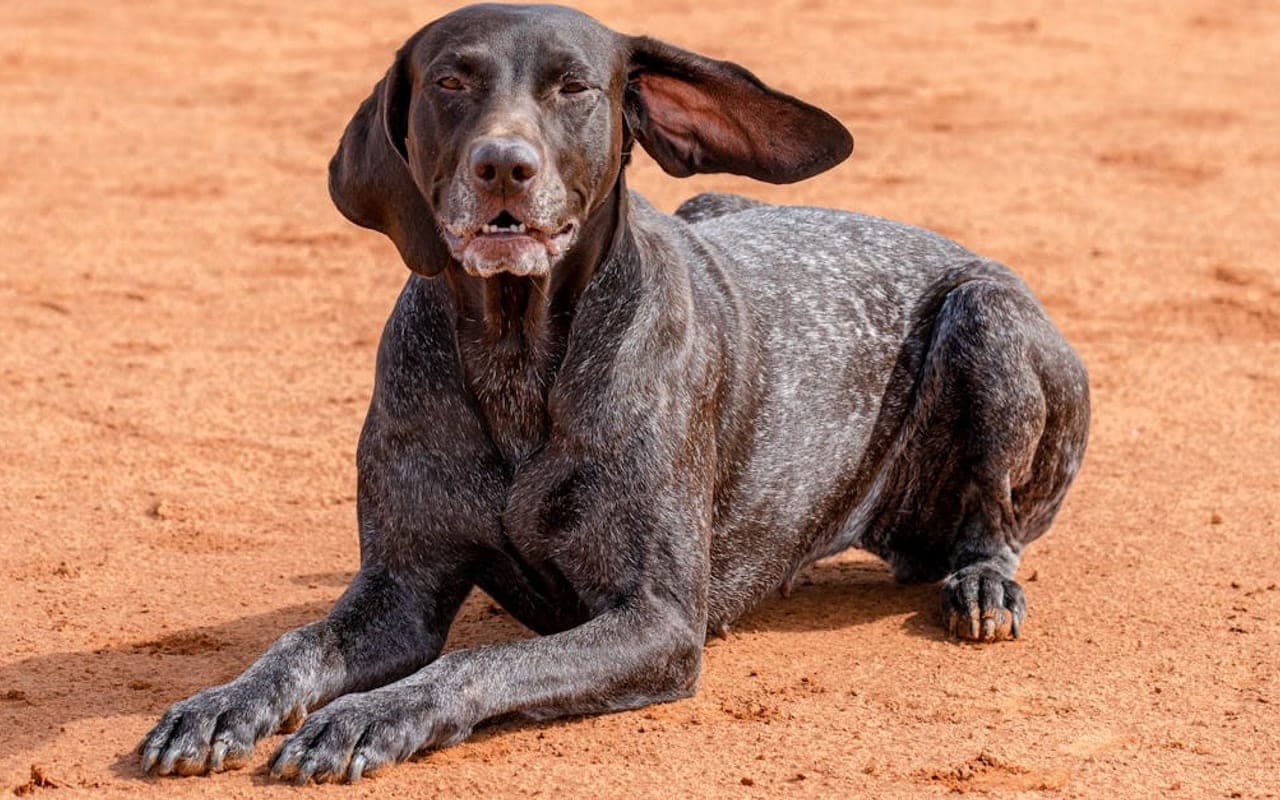
German Shorthaired Pointer
Also in the Sporting group, with different care and temperament tradeoffs.

Vizsla
Also in the Sporting group, with different care and temperament tradeoffs.
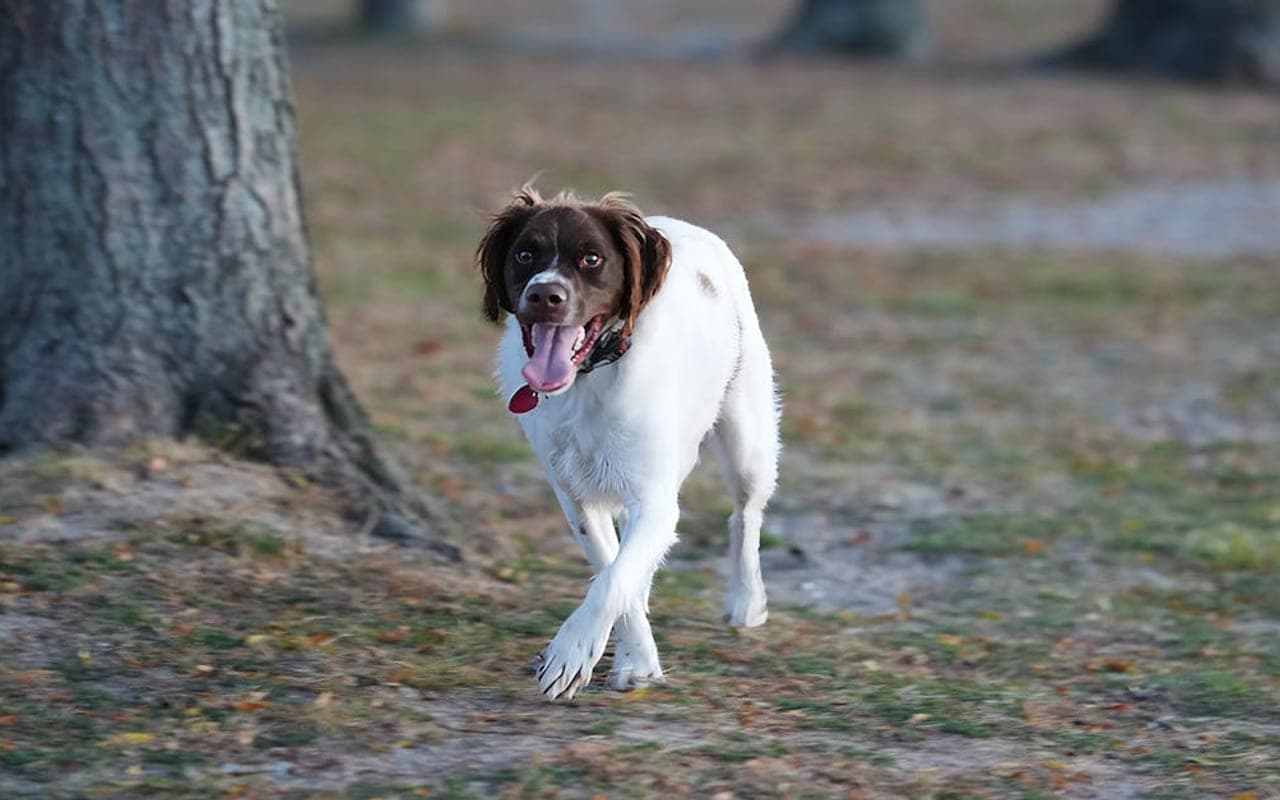
Brittany
Also in the Sporting group, with different care and temperament tradeoffs.
Explore More About Labrador Retriever
Dive deeper into everything Labrador Retriever — costs, care, and expert insights.
How Much Does a Labrador Retriever Cost?
Purchase price, monthly costs, and lifetime expenses
Labrador Retriever Care Guide: Everything You Need to Know
Your Labrador Retriever is America's favorite dog for a reason — loyal,...
How to Start a Dog Breeding Business
Most guides to this business will tell you how to register an LLC. None of the six ranking guides...
How Long Are Dogs Pregnant? A Week-by-Week Timeline (+ When to Call the Vet)
Dogs are pregnant about 63 days (range 58–68). A week-by-week timeline of what to expect, how to...
Can Dogs Eat Grapes & Raisins? Even a Few Can Be Dangerous
No — grapes and raisins are toxic to dogs, and there is no established safe amount. Why even a few...
Considering a cat instead?
Browse Cats