
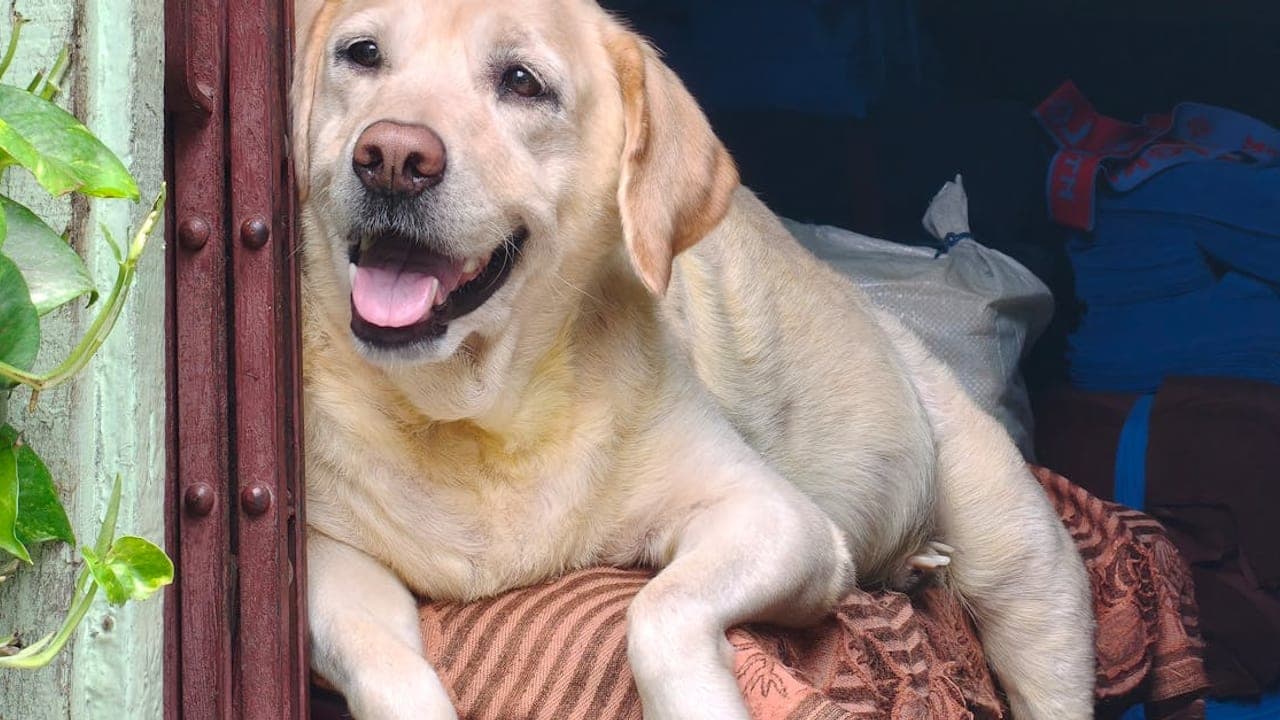
Labrador Retriever Care Guide: Everything You Need to Know
Your Labrador Retriever is America's favorite dog for a reason — loyal, playful, and always ready for the next adventure. But that enthusiasm comes with specific care needs that make the difference be
Reading Time
📖 8 min read
Guide Type
🐾 Breed-Specific
Last Updated
📅 Sep 9, 2026
Breed
🐶 Labrador RetrieverIn This Guide
Overview
Your Labrador Retriever is America's favorite dog for a reason — loyal, playful, and always ready for the next adventure. But that enthusiasm comes with specific care needs that make the difference between a healthy Lab and one struggling with weight, joint problems, or behavioral issues.
Why This Guide Matters
Labrador Retrievers are prone to obesity more than almost any other breed. A study published in Cell Metabolism found that many Labs carry a mutation in the POMC gene that makes them feel perpetually hungry. This means portion control isn't just helpful — it's medically necessary.
What You'll Learn
- How to manage your Lab's weight (the single most important thing you can do)
- Exercise routines that satisfy their working-dog drive
- Grooming their water-resistant double coat
- Health screenings specific to Labrador Retrievers
- Realistic costs for Lab ownership
Daily Care
Labs are high-energy dogs that need structure. A bored Lab is a destructive Lab.
Morning Routine
- Walk or run (30-45 minutes) — Labs need vigorous exercise. A slow walk around the block won't cut it for this breed.
- Breakfast — Measured portions in a slow-feeder or puzzle feeder. Labs eat fast and are prone to bloat.
- Mental enrichment — Leave a stuffed Kong or snuffle mat while you're away.
Evening Routine
- Second exercise session (30-45 minutes) — Fetch, swimming, or active play.
- Training time (15 minutes) — Labs are working dogs that need a job. Obedience practice, trick training, or nose work keeps them mentally satisfied.
- Dinner — Same measured portions, same time each day.
- Settle time — Teach your Lab a "place" command for calm evenings.
💡 Pro Tip
Labs under age 3 are essentially puppies in large bodies. If your young Lab seems hyperactive or destructive, they almost certainly need more exercise and mental stimulation — not less freedom. Increase activity before restricting access.
Weekly Tasks
- Full coat brushing (15-20 minutes)
- Ear cleaning (Labs' floppy ears trap water)
- Nail trim check
- Paw pad inspection
- Toy rotation
- Clean food and water bowls thoroughly
For quick daily habit reinforcement, connect this guide with five Labrador care habits, the dog food selection guide, and the Labrador Retriever breed profile.
Nutrition
Weight management is the single most important aspect of Labrador care. An overweight Lab faces higher risks of joint disease, diabetes, heart disease, and a shorter lifespan.
The POMC Gene Reality
Research shows that approximately 25% of Labrador Retrievers carry a variant of the POMC gene that affects their ability to feel full. If your Lab acts like they're starving after every meal, it may be genetic — and it means you need to be the gatekeeper of their calories.
Feeding by Life Stage
Puppies (8 weeks to 12 months) Large-breed puppy formula, 3 meals daily until 6 months, then twice daily. Follow the manufacturer's portion guide for your puppy's target adult weight (65-80 lbs for males, 55-70 lbs for females).
Adults (1-7 years) High-quality large-breed adult food, twice daily. Most Labs need 1,200-1,500 calories per day. Active, working Labs may need up to 1,800.
Seniors (7+ years) Senior formula with joint support. Reduce calories by 15-20% as activity decreases.
⚠️ Important
Labs will eat anything — literally anything. They're the breed most likely to ingest foreign objects (socks, toys, rocks). If your Lab suddenly stops eating or starts vomiting, a foreign body obstruction is always on the differential. Contact your vet promptly.
Weight Check Method
Feel your Lab's ribs with light pressure. You should feel each rib under a thin layer of fat. If you have to press to find ribs, your Lab is overweight. If you can see ribs, they're underweight.
Exercise
Labs were bred to retrieve game for hours in cold water. They're built for endurance and need exercise that matches.
Daily Requirements
Puppies: 5 minutes per month of age, twice daily (controlled exercise only). Adults: 60-120 minutes daily. Labs on the lower end of this range need high-intensity activity; moderate-intensity walks need to be longer. Seniors: 30-60 minutes daily, prioritizing low-impact activity.
Best Activities
- Swimming — Labs are natural swimmers with webbed feet and a water-resistant coat. Swimming is the ideal exercise: low-impact, full-body, and they love it.
- Fetch — Retrieving is literally what they were bred for. Use a launcher for distance and rotate between balls and bumpers.
- Running — Once past 18 months, Labs make excellent running partners. Build distance gradually.
- Dock diving — Many Labs excel at dock diving, which combines their love of water and retrieving.
- Scent work — Labs have exceptional noses. Hide-and-seek games or formal nose work classes provide intense mental exercise.
💡 Pro Tip
Swimming is the perfect exercise for Labs with joint issues or those recovering from surgery. The water supports their weight while providing resistance training. Many veterinary rehab centers have underwater treadmills specifically for this purpose.
Grooming
Labs have a dense, water-resistant double coat that's relatively low-maintenance — but "low-maintenance" doesn't mean "no maintenance."
Coat Characteristics
The Lab coat has two layers: a soft, insulating undercoat and a short, dense outer coat with natural oils that repel water. This coat sheds moderately year-round and heavily twice a year during seasonal blowouts.
Grooming Schedule
Twice Weekly (10-15 minutes) Brush with a slicker brush or rubber curry brush. This removes loose fur, distributes natural oils, and keeps shedding manageable.
During Blowout Season (Spring and Fall) Daily brushing with an undercoat rake. You'll be amazed at how much fur comes out — it's normal and necessary.
Monthly Bathe only when necessary (after swimming in muddy water, rolling in something unpleasant). Over-bathing strips the natural oils that make their coat water-resistant.
Ear Care
Labs' floppy ears and love of water make ear infections very common. Dry ears thoroughly after every swim or bath. Clean weekly with a vet-approved ear solution.
⚠️ Important
If your Lab's ears smell yeasty or they're shaking their head frequently, don't wait — see your vet. Chronic ear infections in Labs often signal underlying allergies that need broader treatment.
Health
Labrador Retrievers are generally robust dogs, but breed-specific health concerns require proactive monitoring.
Common Health Issues
- Obesity — The #1 health problem in Labs. Directly contributes to joint disease, diabetes, heart disease, and reduced lifespan. A landmark study showed that lean Labs lived an average of 2 years longer than overweight Labs.
- Hip and elbow dysplasia — Genetic joint conditions screened by responsible breeders. Maintain healthy weight to reduce joint stress.
- Exercise-induced collapse (EIC) — A genetic condition where affected Labs collapse during intense exercise. A DNA test is available.
- Cruciate ligament tears — Common in active Labs, especially those who are overweight.
- Eye conditions — Progressive retinal atrophy (PRA) and cataracts.
- Ear infections — Chronic recurring infections, often linked to allergies.
Recommended Screenings
- OFA hip and elbow evaluation — After age 2
- EIC DNA test — Once in lifetime (genetic)
- POMC gene test — Once (to understand hunger drive)
- Annual eye exam — OFA eye certification
- Annual wellness bloodwork — After age 5, biannual
🩺 When to See Your Vet
If your Lab suddenly becomes lethargic, loses interest in food (unusual for a Lab), or develops a distended abdomen, seek veterinary care the same day. These can be signs of bloat, splenic masses, or other emergencies that are time-sensitive.
Costs
Labs are moderate-cost dogs to own, with food being the biggest ongoing expense due to their size.
First-Year Costs
- Purchase/adoption: $800-$2,500 (breeder) or $100-$400 (rescue)
- Initial vet visits + vaccines: $300-$500
- Spay/neuter: $200-$500
- Supplies: $250-$450
- First-year total: $1,100-$3,850
Monthly Costs
- Food: $50-$90
- Pet insurance: $35-$70
- Preventive medications: $25-$40
- Treats: $10-$25
- Monthly total: $120-$225
Budget Tips
💡 Pro Tip
Consider pet insurance early — Labs are active dogs prone to cruciate ligament tears ($2,500-$5,000 per knee) and hip dysplasia treatment ($1,500-$7,000). Insurance purchased before these conditions develop can save thousands.
Lifetime Cost
Over an 11-13 year lifespan, budget $14,000-$26,000 total. The biggest variable is veterinary expenses: a Lab with no major health issues lands on the lower end; one requiring joint surgery or cancer treatment can push costs higher.
Frequently Asked Questions
How do I stop my Labrador from begging for food?
Feed meals at consistent times and never reward begging with food — even occasionally. Use a designated "place" command during human mealtimes. If your Lab's hunger seems genuinely excessive, ask your vet about the POMC gene test.
Are Labradors really always hungry?
Many are, yes. Research shows a significant percentage of Labs carry a gene variant that reduces their ability to feel satiated. This isn't bad behavior — it's biology. Your job is portion control, not relying on your Lab to self-regulate.
What treats can I give my Lab without causing weight gain?
Use their regular kibble as training treats (subtract from daily ration), or offer low-calorie options like baby carrots, ice cubes, green beans, or small pieces of apple. Avoid commercial treats that are calorie-dense.
Sources
This guide draws on the following published references. Each opens in a new tab so you can check it against what you have read here.
American Kennel Club
Labrador Retriever — breed standard and profile(opens in a new tab)ASPCA
Dog Nutrition Tips(opens in a new tab)ASPCA
Dog Grooming Tips(opens in a new tab)ASPCA
General Dog Care(opens in a new tab)Merck Veterinary Manual
Routine Health Care of Dogs(opens in a new tab)
Affiliate disclosure: We may earn a commission from qualifying purchases. This doesn't affect our recommendations.
Recommended Products
Labrador Retriever Care Guide Book
Breed-focused reading and owner references for Labrador Retriever care, training, grooming, and health planning.
KONG Classic Dog Toy — Large
Virtually indestructible for power chewers. Stuff with peanut butter and freeze for hours of mental enrichment.
Purina Pro Plan Large Breed Adult Dog Food
EPA+DHA for joint health, high protein for lean muscle mass. Formulated for large breeds like Labs.
Ruffwear Float Coat Dog Life Jacket
Essential for water-loving Labs during boating, dock diving, and ocean swimming. Strong handle for lifting.
Get personalized pet care tips
Join our newsletter for breed-specific advice, care guides, and expert tips delivered weekly.
No spam, ever. Unsubscribe anytime.