
Non-Sporting group
Poodle
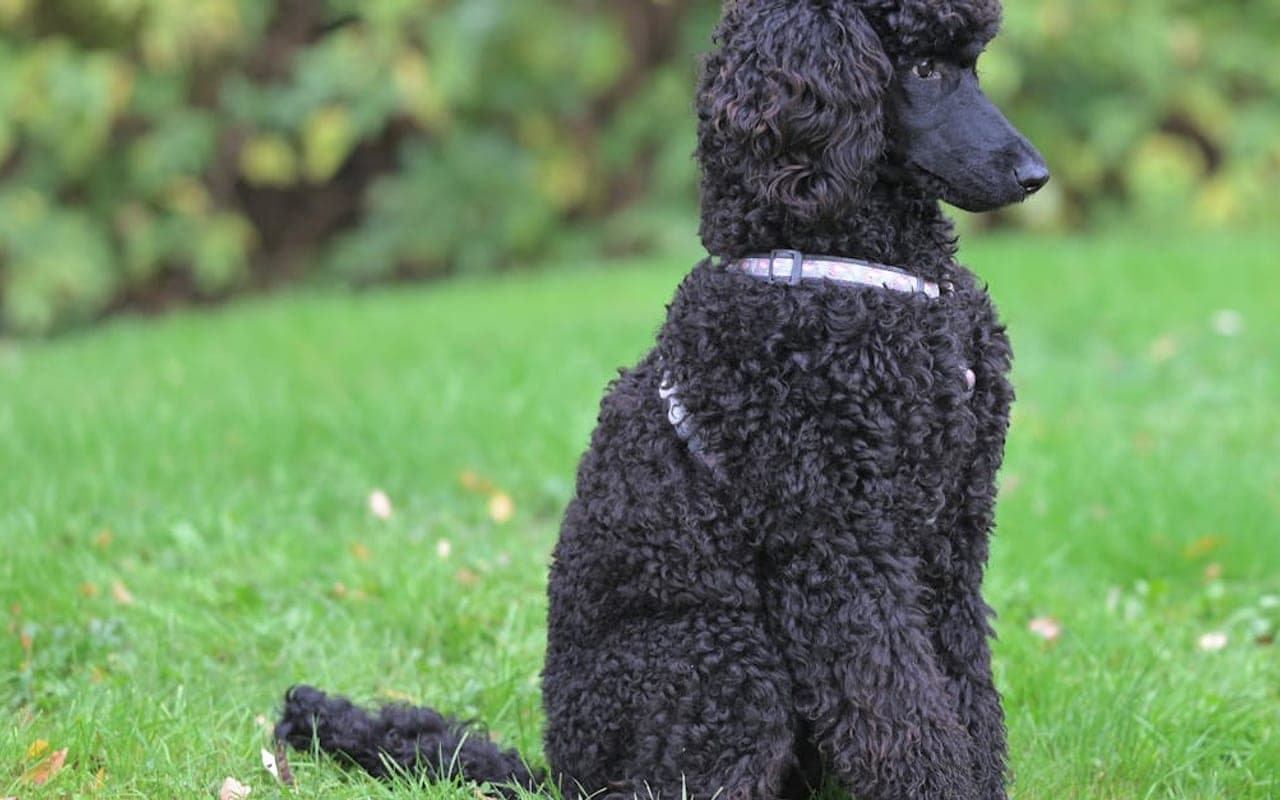
The Poodle in this profile is the Standard (20-32 kg, 38-61 cm) — the original size, a German water-retrieving gundog later refined in France into a show and companion breed.
Size
6-71 lb
Lifespan
12-15 years
Exercise
60-90 minutes
Shedding
Low
Experience
Match to owner routine
Decision first
Is a Poodle right for you?
Start with fit before history or trivia. These are ownership signals, not guarantees about any individual dog.
Best suited for
- Households with children.
- Homes with other compatible pets.
- Apartment homes with a consistent routine.
- Active owners who enjoy daily outdoor exercise.
Think carefully if
- You cannot provide substantial daily exercise.
- You cannot keep up with grooming and preventive care.
- The dog will spend most days alone without support.
Conditional fit
Apartment fit depends on exercise, enrichment, noise management, and outdoor access.
Daily reality
Poodle commitment snapshot
Daily exercise
60-90 minutes
Match activity to age, health, weather, and training goals.
Coat care
High
Grooming needs vary by coat, shedding, and lifestyle.
Time alone
Needs planning
Most dogs need gradual alone-time conditioning and support.
Structured facts
Poodle at a glance
The measurements and traits that most affect day-to-day life with this breed.
Origin
Germany
Group
Non-Sporting
Weight
6-71 lb
Height
9-24 in
Lifespan
12-15 years
Temperament
Active | intelligent | and elegant
View all characteristics and methodology
Lifestyle fit
- Apartment suitability
- Likely fit
- Child friendliness
- Often good, with socialisation and supervision
- Other-pet fit
- Often compatible with careful introductions
- Adaptability
- Very high
Owner commitment
- Exercise
- 60-90 minutes
- Grooming
- High
- Shedding
- Low
- Training
- Very high
Environment and health
- Health risk
- Needs planning
Ratings combine structured breed data, visible breed fields, and editorial context. They are planning aids, not predictions for an individual dog.
Daily life
Poodle temperament and behavior
The Poodle in this profile is the Standard (20-32 kg, 38-61 cm) — the original size, a German water-retrieving gundog later refined in France into a show and companion breed. Drop the powder-puff stereotype: under the coat is one of the most athletic, trainable, and demanding dogs you can own, and an honest profile leads with what that intelligence costs you, not just what it buys. Intelligence is the headline and the hazard. The Poodle is consistently ranked the second-smartest breed; it learns commands in a handful of repetitions and excels at obedience, agility, retrieving, and service work. The flip side: a bored, under-stimulated Standard Poodle invents its own jobs — opening doors, counter-surfing, anxious barking, destructive chewing. This is not a dog you can under-engage and ignore. It needs daily physical exercise and daily mental work. The coat is the second non-negotiable. Poodles have continuously growing, low-shedding curly hair — genuinely better for many allergy sufferers, but it is hair, not low-maintenance fur. Without near-daily brushing and a professional groom every 4-6 weeks, it pelts into a solid mat that must be shaved off. That groomer bill is a permanent line item, not an optional luxury. Temperament is excellent: affectionate, sensitive, family-bonded, generally good with children and other dogs, and alert enough to be a decent watchdog without aggression. They are people-oriented and do poorly with long isolation. Who the Standard Poodle is right for: an owner who will train, exercise, and mentally challenge the dog daily and budget for lifelong professional grooming, ideally an allergy-aware household. Who it is wrong for: anyone wanting a low-effort, low-grooming, leave-it-alone dog, or someone who thinks 'smart' means 'easy.' Smart means high-input. Decide on the grooming budget and the daily engagement before the dog.
Active | intelligent | and elegant
Active
A common Poodle temperament descriptor that should be interpreted alongside training, exercise, and household fit.
intelligent
A common Poodle temperament descriptor that should be interpreted alongside training, exercise, and household fit.
and elegant
A common Poodle temperament descriptor that should be interpreted alongside training, exercise, and household fit.
Owner note
Temperament labels are starting points, not guarantees. Meet the individual dog and ask about behavior history whenever possible.
Care essentials
How to care for a Poodle
What looking after one actually involves: exercise, grooming, food, training, and routine health.
HealthAs needed
- Poodles are generally healthy and long-lived. Standard Poodles can be prone to hip dysplasia, bloat, and Addison's disease. Miniatures and Toys may experience patellar luxation and Legg-Calve-Perthes disease. Progressive retinal atrophy can affect all sizes. Regular health screenings are recommended.
ExerciseAs needed
- Standard Poodles need 60+ minutes of daily exercise. Miniatures need 30-60 minutes. Toys need 20-30 minutes. All Poodles are athletic and enjoy swimming, retrieving, agility, and long walks. They are much more active than their glamorous appearance suggests.
GroomingAs needed
- Poodle coats grow continuously and require significant maintenance. Brush daily to prevent matting. Professional grooming every 4-6 weeks is essential for clip maintenance. Many owners opt for a simpler "puppy clip" or "sporting clip" rather than show-ring styles. Their hypoallergenic coat makes them popular for allergy sufferers.
TrainingAs needed
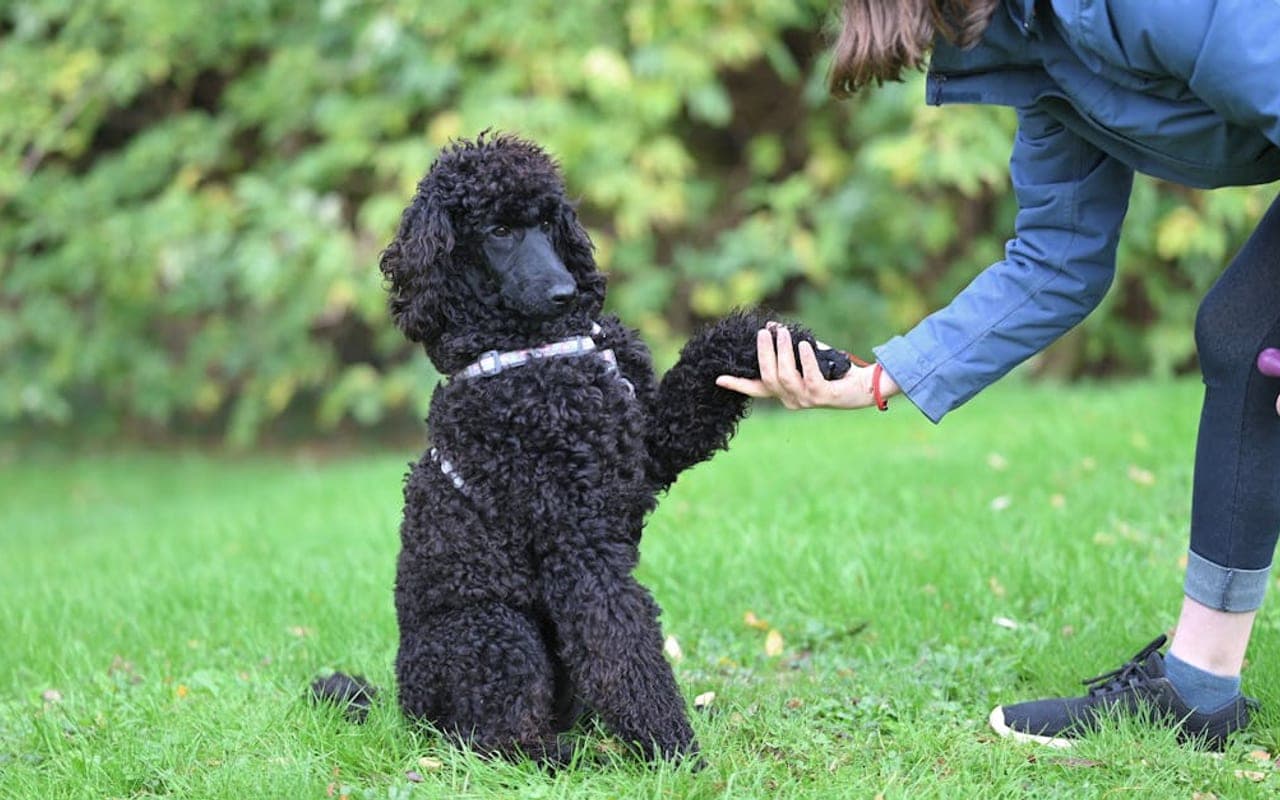
- Poodles are the 2nd most intelligent dog breed (after Border Collies) and are exceptionally easy to train. They excel in obedience, agility, tracking, and virtually any canine sport. They thrive on mental challenges and can learn complex commands and tricks with ease.
NutritionAs needed
- Feed a high-quality food appropriate for their size variety (Standard, Miniature, or Toy). Standards need 1.5-3 cups daily, Miniatures about 3/4-1 cup, and Toys 1/4-1/2 cup, divided into two meals. Poodles can be prone to bloat (Standards), so avoid exercise immediately after meals.
Health planning
Poodle health risks and screening
Every breed has individual health variation. Use this profile for planning and discuss medical decisions with a veterinarian.
Ownership cost
How much does a Poodle cost?
Cost figures are structured so first-year and lifetime estimates do not conflict with the underlying line items.
| Acquisition | $1,000-$3,000 |
|---|---|
| Routine monthly | About $130/month |
| Routine annual | About $1,560/year |
| First-year estimate | $2,560-$4,560 |
| Lifetime routine estimate | $18,720-$23,400 routine costs |
Currency: USD. Region: United States. Typical ranges for this breed. Equipment, insurance, emergency veterinary care, boarding and training are NOT included: we hold no sourced figures for them, and estimating them would be a guess presented as data.
Responsible ownership
Finding a Poodle responsibly
What to ask a breeder or rescue is the same conversation for every breed, so we keep it in one place and keep it current.
Health documentation, meeting the parents or foster, contracts and return support, and the warning signs worth walking away from.
Original purpose
Poodle history
History is useful when it explains today's behavior, coat, exercise needs, and training style.
Read the breed history
Despite its strong association with France, the Poodle originated in Germany over 400 years ago as a water retriever — the name comes from the German 'pudeln,' to splash in water. The Standard is the original and oldest size, bred to retrieve waterfowl, with the iconic 'continental' clip starting as a working trim: hair was left over the chest, joints, and vital organs for cold-water insulation while the rest was shorn for swimming efficiency. France adopted and refined the breed, miniaturized it for companionship among the nobility, and made it a national favorite; Poodles also became celebrated circus performers thanks to their trainability. The AKC recognized the Standard Poodle in 1887. The breed's working-retriever roots explain the modern dog precisely: high intelligence, biddability, athleticism, a love of water, and a coat designed for the water rather than the show ring.
Gallery
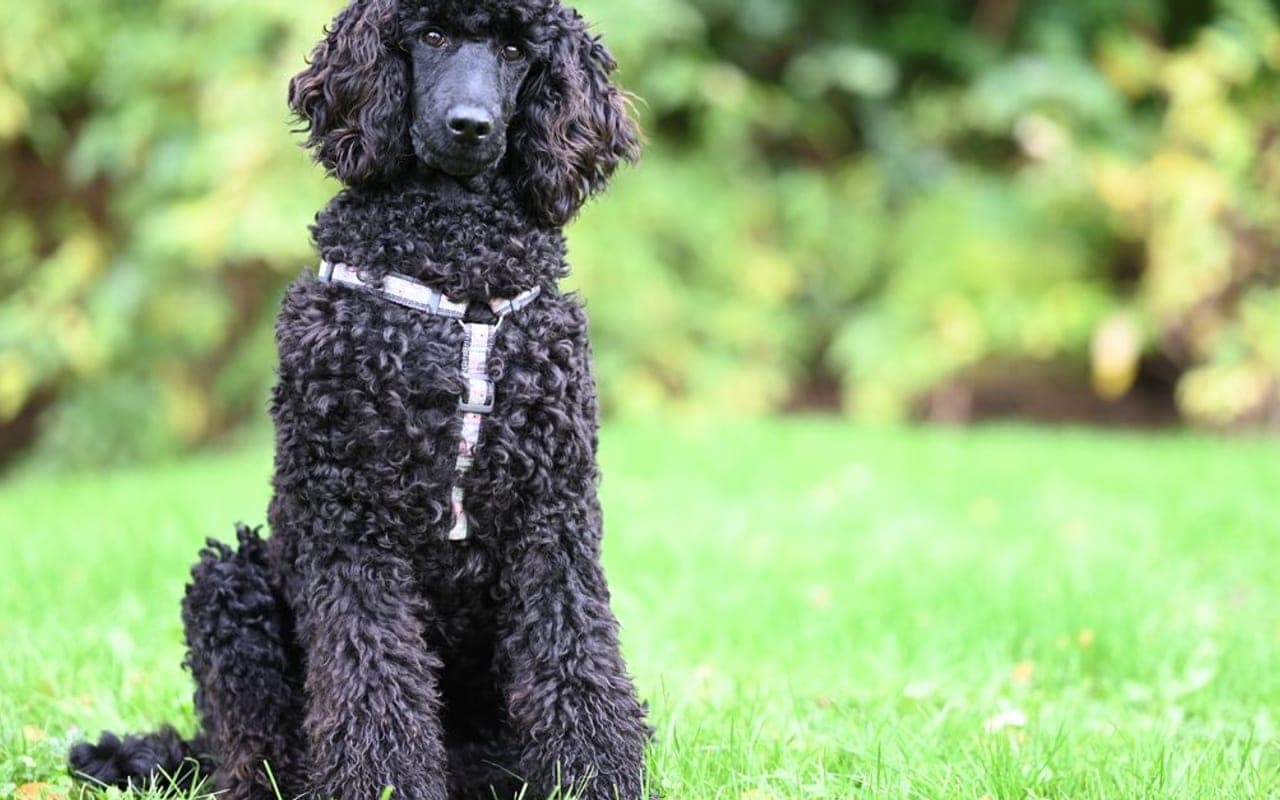
Poodle photos
Images are cropped consistently and loaded progressively to keep the page responsive.
Lower-page context
Poodles in culture
Where the breed shows up in film, sport, work and folklore — the enjoyable part, once the practical questions are answered.
Fun facts
- Poodles are the 2nd most intelligent dog breed in the world, after the Border Collie
- Despite being the national dog of France, Poodles actually originated in Germany as water retrievers — "Pudel" means "to splash" in German
- The elaborate Poodle haircuts originated as functional trims for water retrieving — hair was left around joints and organs for warmth while being shaved elsewhere for swimming mobility
- Elvis Presley loved Poodles and often gave them as gifts to women he dated
- Poodles come in three sizes (Standard, Miniature, Toy) but are all the same breed
Poodle FAQs
Are Poodles really hypoallergenic?
No dog is truly hypoallergenic, but the Standard Poodle is one of the better-tolerated breeds for allergy sufferers because its curly, continuously growing coat sheds very little and traps dander rather than releasing it. Reactions vary by individual and by saliva and dander, not just hair. Spend extended time with an adult Poodle before committing, and remember the trade-off: low shedding means high grooming, since that trapped coat must be brushed and clipped constantly.
How much grooming does a Standard Poodle actually need?
A lot, permanently. Poodle coat is hair that grows continuously and never sheds out, so it must be brushed to the skin every 1-2 days and professionally clipped every 4-6 weeks for the dog's entire life. Skipped grooming pelts into a solid mat that has to be shaved off. Budget roughly $600-$1,200 a year in professional grooming. Choosing a short 'sporting' or 'puppy' clip over show coats greatly reduces the daily workload.
Is a Standard Poodle a good first dog?
It can be, but not for an owner expecting 'smart' to mean 'easy.' Standard Poodles are highly intelligent and learn fast, which also means they get bored fast and invent destructive or anxious behavior if under-stimulated. They need 60+ minutes of daily exercise plus structured mental work and a real grooming budget. A committed first-time owner who trains and engages the dog daily does very well; a hands-off owner does not.
What is bloat and why does it matter for this breed?
Bloat (gastric dilatation-volvulus) is a sudden, life-threatening twisting of the stomach that deep-chested breeds like the Standard Poodle are predisposed to. Signs include a swollen hard abdomen, unproductive retching, drooling, and restlessness — it is a same-day surgical emergency where minutes matter. Feed measured meals, avoid hard exercise right around eating, and ask your vet whether a prophylactic gastropexy is appropriate for your dog.
What is the difference between Standard, Miniature, and Toy Poodles?
They are the same breed in three sizes with the same coat, intelligence, and temperament. Standards stand over 15 inches and weigh roughly 20-32 kg; Miniatures are about 10-15 inches; Toys are under 10 inches and only a few kilograms. Health risks shift with size — Standards skew toward bloat and Addison's, while smaller varieties skew toward patellar luxation and Legg-Calve-Perthes. This profile covers the Standard specifically.
How much does a Standard Poodle cost to own?
Expect $1,500-$3,000+ for a puppy from a breeder who screens hips, eyes (PRA), and skin (sebaceous adenitis); breed rescues are far cheaper. The recurring cost owners underestimate is grooming: roughly $600-$1,200 a year for life. Total routine annual cost typically runs $2,000-$3,500 including food, vet, and grooming, before health events like bloat surgery, which alone can exceed $5,000.
Sources
These are the published sources this page draws on. Each opens in a new tab so you can check it yourself.
American Kennel Club
Poodle — breed standard and profile(opens in a new tab)Supports: Breed standard and recognition details.
Similar breeds to consider
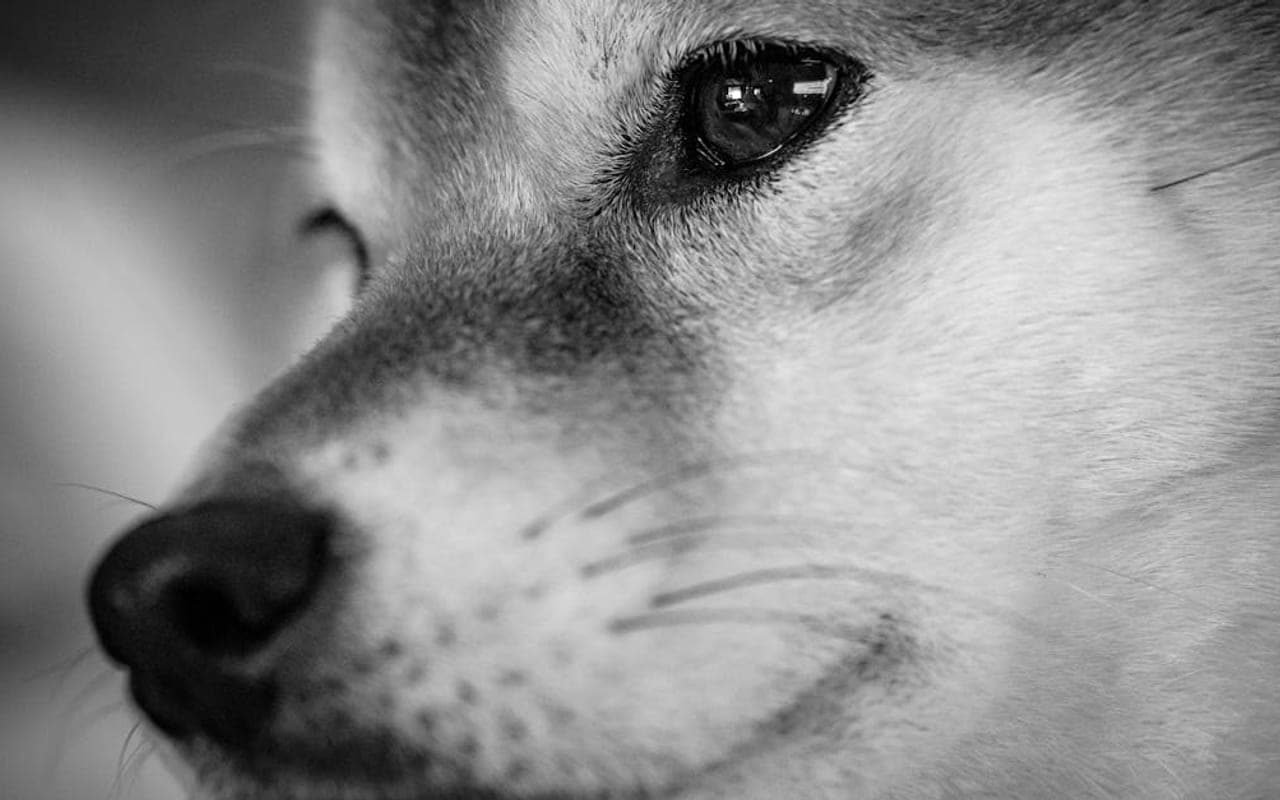
Shiba Inu
Also in the Non-Sporting group, with different care and temperament tradeoffs.
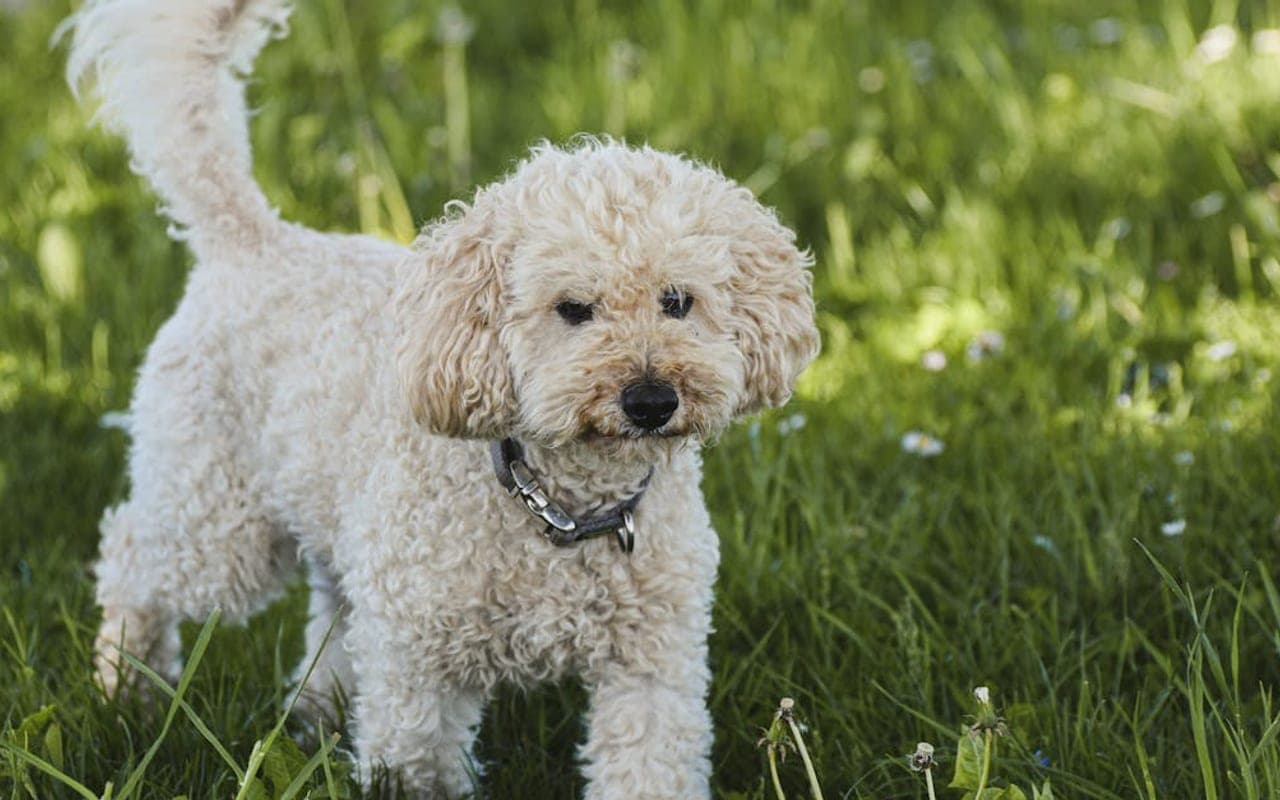
Poodle (Miniature)
Also in the Non-Sporting group, with different care and temperament tradeoffs.
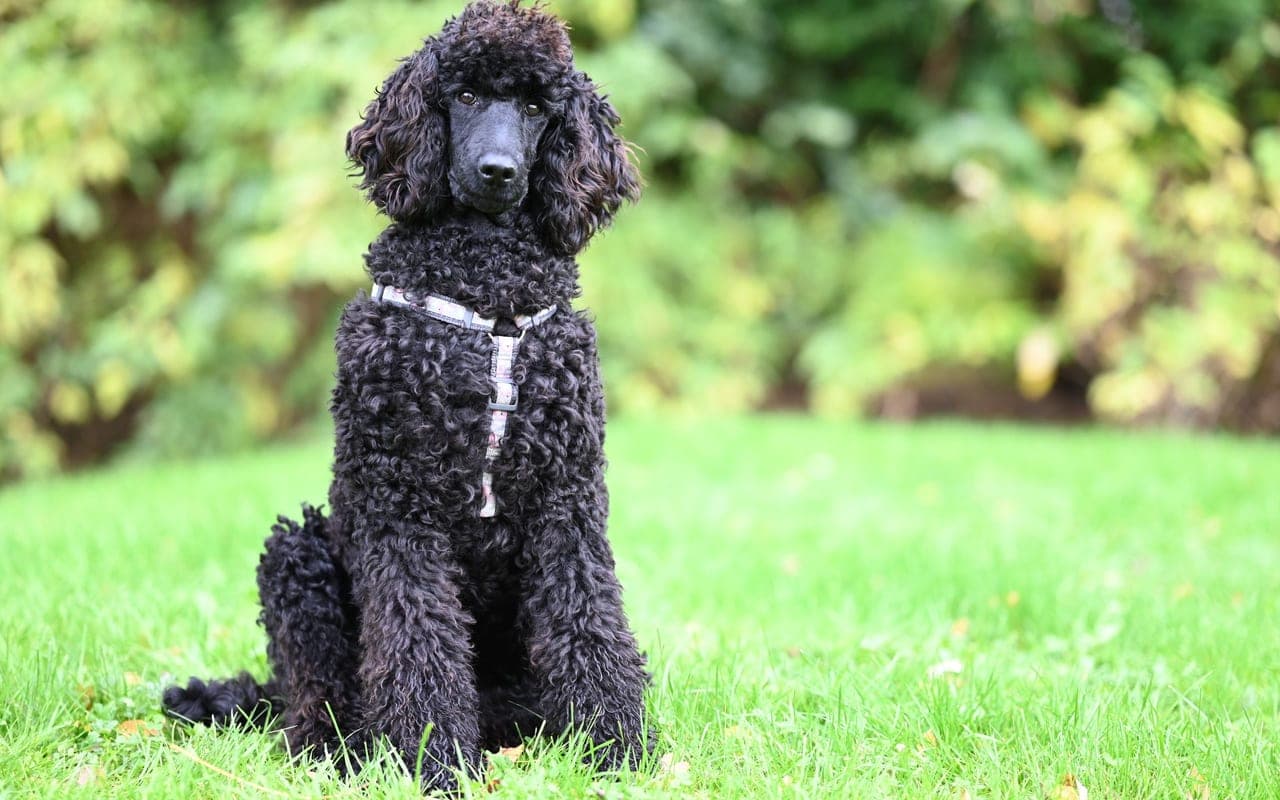
Poodle (Standard)
Also in the Non-Sporting group, with different care and temperament tradeoffs.
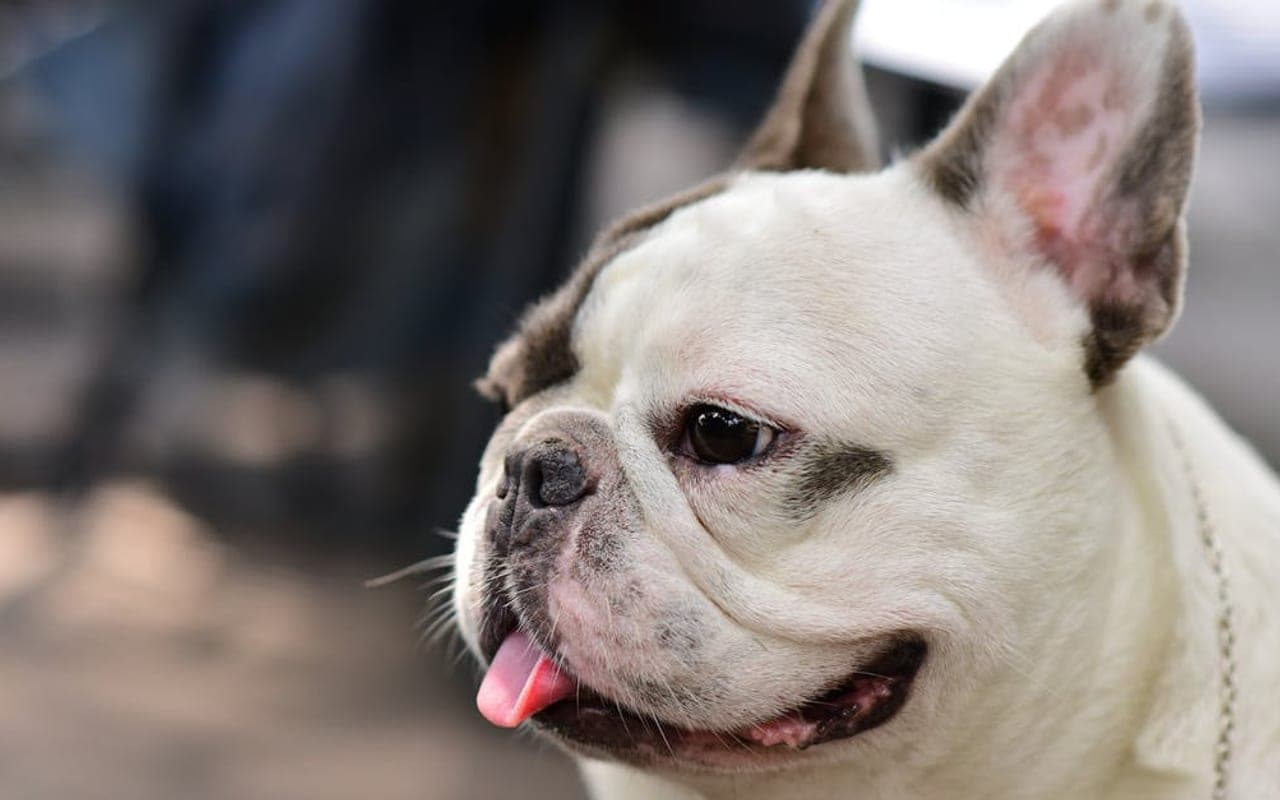
Bulldog
Also in the Non-Sporting group, with different care and temperament tradeoffs.
Explore More About Poodle
Dive deeper into everything Poodle — costs, care, and expert insights.
How Much Does a Poodle Cost?
Purchase price, monthly costs, and lifetime expenses
Poodle Care Guide: Standard, Miniature & Toy
The Poodle is one of the most misunderstood dogs in...
The 10 Best Dog Breeds for First-Time Owners
The best first-dog breeds are forgiving, trainable, and healthy. Five breeds that set new owners up...
Can Dogs Eat Bananas? Benefits, Risks & Serving Tips
Bananas are a safe, nutritious treat for dogs in moderation. Learn proper portions by size,...
First-Time Dog Owner? 7 Things Nobody Tells You (But Should)
The puppy guides cover the basics, but nobody mentions the emotional rollercoaster, the 3 AM...
Considering a cat instead?
Browse Cats