
Poodle Care Guide: Standard, Miniature & Toy
Poodle Overview: Standard, Miniature & Toy The Poodle is one of the most misunderstood dogs in the world. The elaborate show clips, the silk bows, the association with pampered luxury — none of it ref
In This Guide
Overview
Poodle Overview: Standard, Miniature & Toy
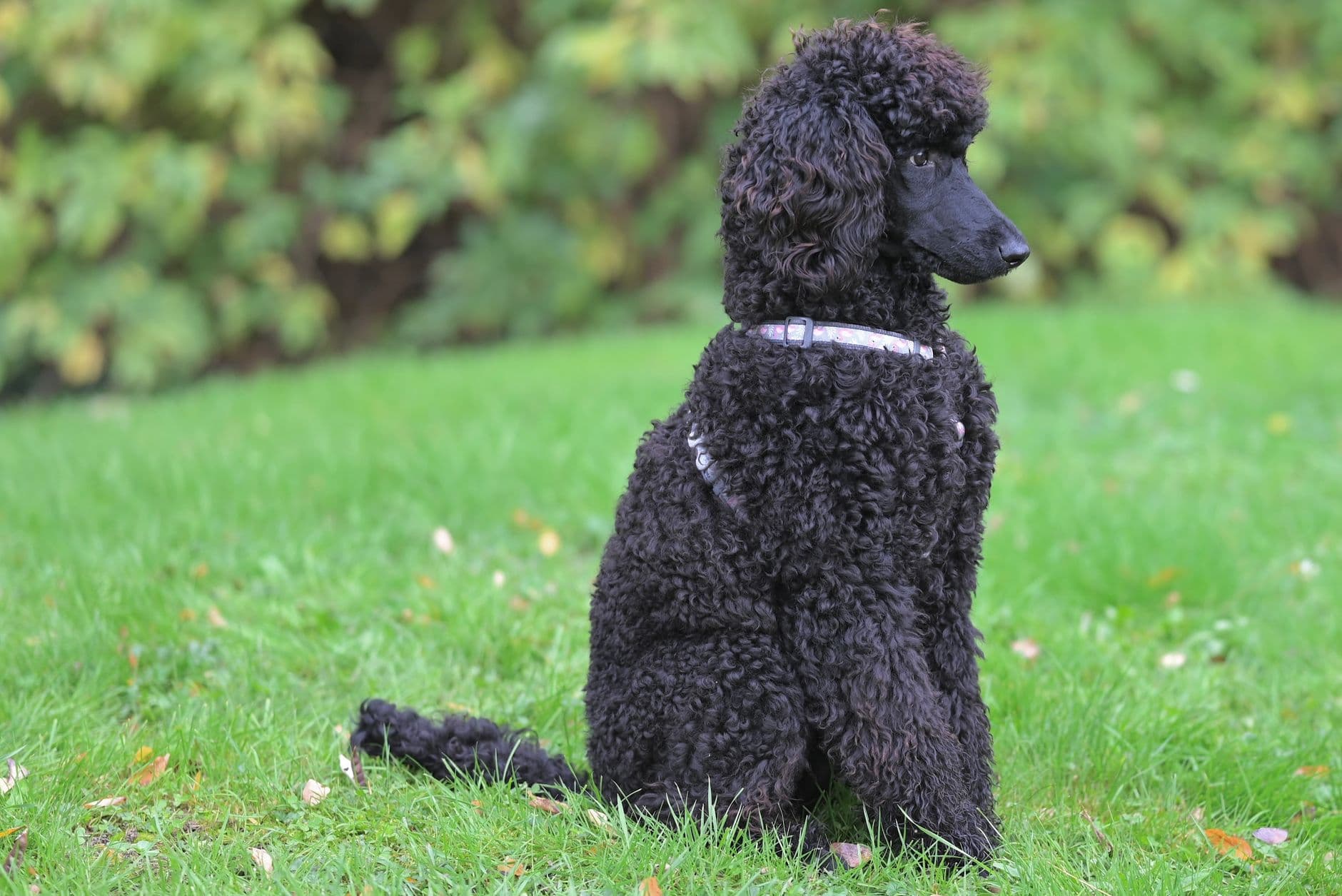
The Poodle is one of the most misunderstood dogs in the world. The elaborate show clips, the silk bows, the association with pampered luxury — none of it reflects the true character of this breed. The Poodle is a working retriever, developed in Germany (not France, despite the French national breed designation) as a water-fowl hunter. The name derives from the German (Pudel), meaning (to splash in water). The distinctive continental clip that defines the show ring was not invented for aesthetics — it was a functional working cut designed to keep joints warm while allowing the dog to swim freely through cold water.
This history matters because it explains everything about the Poodle's temperament and needs. This is a highly athletic, intensely intelligent, deeply social dog that happens to wear a coat that requires considerable maintenance. Ranked second only to the Border Collie in canine intelligence research, Poodles learn commands with remarkable speed, excel at virtually every dog sport, and possess a problem-solving ability that regularly surprises their owners. They are also emotionally sensitive — they read human moods accurately and respond to household tension, making a calm, consistent environment important for their wellbeing.
Poodles come in three recognized size varieties, each with somewhat different needs and health profiles:
Standard Poodle stands over 15 inches at the shoulder and typically weighs 40-70 pounds. This is the original size — the working retriever from which the smaller varieties were selectively bred. Standards are the most athletic, the most energetic, and arguably the most versatile of the three. They are excellent family dogs, calm enough to be gentle with children, and athletic enough to satisfy active owners.
Miniature Poodle stands 10-15 inches at the shoulder and weighs 10-15 pounds. Miniatures retain most of the Standard's intelligence and energy but in a more compact package. They adapt well to smaller living spaces but still require meaningful daily exercise and mental stimulation.
Toy Poodle stands under 10 inches at the shoulder and weighs 4-6 pounds. Toys are the smallest variety and require the most careful handling. They are prone to dental crowding, hypoglycemia in puppyhood, and joint issues. Despite their small size, they maintain the full Poodle intelligence and can be surprisingly energetic.
All three sizes share several defining characteristics: the low-shedding, low-dander coat that makes them among the most popular choices for allergy-sensitive households; exceptional trainability; a playful, curious personality that persists well into old age; and a deep need for human companionship that makes them poorly suited to long periods alone.
One important clarification: (hypoallergenic) does not mean allergy-free. Poodle coats produce significantly less dander than most breeds and shed minimally, which reduces — but does not eliminate — allergic reactions. People with severe dog allergies should spend time with a Poodle before committing.
The Poodle's coat, while low-shedding, grows continuously and requires professional grooming every 6-8 weeks without exception. This is not optional maintenance — a Poodle coat left ungroomed will mat painfully to the skin within weeks, creating a welfare issue. The annual grooming cost for a Poodle is one of the most significant recurring ownership expenses to budget for.
For prospective owners who want an intelligent, trainable, athletic dog that sheds minimally — and who are prepared for the grooming investment — the Poodle is genuinely exceptional. They excel in agility, obedience, tracking, hunting, therapy work, and as family companions. They are adaptable, long-lived, and endlessly engaging. The (fancy dog) reputation is bad marketing for one of the most capable, versatile, and rewarding dogs available. Learn more about individual Poodle varieties at /dogs/poodle.
Daily Care
Daily Care for Poodles
Poodles of all sizes thrive on routine. Their intelligence means they quickly learn household schedules, and predictability reduces anxiety for these emotionally sensitive dogs. A consistent daily structure benefits both the dog and the owner.
Morning
Begin with exercise — the duration depends on size. Standard Poodles need a vigorous 30-45 minute morning session: brisk walk, off-leash run in a secure yard, or a swim (they are natural water dogs). Miniature Poodles need 20-30 minutes of active exercise. Toy Poodles can be satisfied with a 15-20 minute walk.
After exercise, feed the first meal. Check the coat for any early matting, especially behind the ears, in the armpits, and around the collar — these high-friction areas mat fastest.
Training and Mental Stimulation (Daily Non-Negotiable)
This is not optional for Poodles. A mentally under-stimulated Poodle will find its own entertainment, which is rarely what owners want. Dedicate 10-15 minutes daily to training exercises — this breed thrives with ongoing learning. Mix basic obedience refreshers with new commands, trick training, or nose-work games.
Rotate puzzle toys, Kong-style enrichment feeders, and scent-based games throughout the week. A bored Poodle can become anxious, destructive, or develop compulsive behaviors.
Social Time
Poodles are highly people-oriented. They should not spend the majority of the day isolated. If you work full-time, consider doggy daycare, a dog walker, or arranging for company during long absences. Chronic isolation leads to separation anxiety in this breed.
Evening
A second exercise session — lighter than the morning — followed by calm interactive time. Poodles enjoy fetch, gentle tug, and puzzle games in the evening. They also enjoy being in the same room as their people, which their presence-oriented temperament makes deeply satisfying for them.
What to Check Daily
- Coat for early matting (behind ears, armpits, groin, around collar)
- Eyes for discharge (Poodles can develop tear staining)
- Paws for debris or matting between the pads
- Water bowl is clean and full at all times
Nutrition
Poodle Nutrition Guide
Poodles across all three sizes have high metabolisms relative to many breeds, particularly when young and active. Nutrition quality directly impacts coat health, energy levels, and long-term disease resistance.
Feeding Schedule
- Puppies (under 6 months): 3-4 small meals per day
- Puppies (6-12 months): 2-3 meals per day
- Adults: 2 meals per day
- Toy Poodle puppies specifically: 3-4 small meals per day to prevent hypoglycemia
Caloric Needs by Size
- Toy Poodle (4-6 lbs): 200-300 calories/day
- Miniature Poodle (10-15 lbs): 400-600 calories/day
- Standard Poodle (40-70 lbs): 1,200-1,800 calories/day (higher for very active dogs)
Standards doing agility, hunting work, or regular intense exercise may need up to 2,200 calories/day. Use body condition scoring (visible waist from above, ribs palpable but not visible) rather than weight alone to calibrate portions.
Food Selection
Choose high-quality kibble with a named protein source as the first ingredient. Poodles are prone to food sensitivities, with chicken and beef being common triggers. If you notice itching, ear infections, or gastrointestinal upset, consult your vet about a limited-ingredient or novel protein diet.
Standard Poodles can benefit from large-breed formulas to support joint health. Toy Poodles should be fed small-breed formulas with appropriate kibble size to protect their teeth.
Coat Health Through Nutrition
The Poodle's distinctive coat benefits greatly from omega-3 fatty acids. Fish oil supplementation (consult your vet for appropriate dosing by weight) promotes coat sheen, reduces flaking, and supports skin barrier function. This is particularly valuable for Poodles with sebaceous adenitis (see health section).
Foods to Avoid
Grapes, raisins, chocolate, onions, garlic, xylitol, macadamia nuts, and cooked bones. Avoid high-sodium treats, which can worsen skin conditions. Limit dairy products, which some Poodles digest poorly.
Supplements
- Omega-3 fish oil: highly recommended for coat health
- Probiotics: beneficial for Poodles with sensitive stomachs
- Joint supplements (glucosamine/chondroitin): recommended for Standards from age 6+
Exercise
Poodle Exercise Requirements
Poodles are athletic dogs that require genuine physical exercise — not just a short walk around the block. The (decorative) reputation does this breed a disservice. A Poodle that does not receive adequate exercise becomes restless, anxious, and difficult to live with.
Standard Poodle
Standard Poodles need 1-2 hours of vigorous daily exercise. This should include at least one session of off-leash activity in a secure space — running, fetch, swimming (they are outstanding swimmers and genuinely love it), or agility work. Standards excel at virtually every canine sport: agility, obedience trials, tracking, dock diving, and hunt tests. If you have an active outdoor lifestyle, a Standard Poodle is an ideal companion.
Miniature Poodle
Miniatures need 45-60 minutes of active exercise per day. They are energetic enough to enjoy longer sessions but adapt more readily to moderate activity levels than Standards. They excel in agility and obedience at the mini/toy level of competition.
Toy Poodle
Toy Poodles need 30-40 minutes of daily exercise. Given their small size, indoor play sessions can contribute meaningfully to their exercise quota. However, they should still receive outdoor walks for environmental enrichment and socialization.
Mental Exercise Is Equally Important
For Poodles, mental exercise is not a substitute for physical exercise — it complements it. Nose work, obedience training, trick sessions, puzzle feeders, and interactive games challenge the Poodle's exceptional intelligence and prevent behavioral problems born of boredom. A Standard Poodle given rigorous physical exercise but no mental stimulation will still develop problem behaviors.
Best Activities for Poodles
- Swimming (all sizes, with appropriate supervision for Toys near deep water)
- Fetch (ball, frisbee, bumper retrieves)
- Agility courses (all three sizes have their own competition divisions)
- Hide-and-seek games using scent
- Obedience and trick training
- Off-leash running in secure areas
Test your Poodle knowledge with our dog breed quiz or explore other active breeds at /care-guides.
Grooming
Poodle Grooming Guide
The Poodle coat is one of the most high-maintenance in the dog world — and one of the most misunderstood. It does not shed in the way most coats do; instead, the hair grows continuously and, when it does loosen, it tends to tangle back into the existing coat rather than falling out. The result is a coat that is low-dander and low-shedding but requires professional grooming every 6-8 weeks without exception.
Professional Grooming (Every 6-8 Weeks)
This is a non-negotiable budget item for Poodle ownership. A full groom typically costs $60-$150 depending on size and style. Skipping appointments leads to matting that can progress to pelting — a condition where the entire coat mats to the skin, causing pain, restricting circulation, and harboring skin infections. Severely matted Poodles often require a full shave under sedation, which is both expensive and stressful.
Common Poodle cuts include the puppy clip (uniform medium length all over), the teddy bear or sporting clip (practical for pet dogs), and the continental and English saddle clips seen in conformation shows. The show clips are genuinely demanding to maintain and impractical for most pet owners — a sporting or puppy clip is the sensible default.
At-Home Brushing (3-4 Times Per Week)
Brush your Poodle 3-4 times per week minimum, daily for Toy Poodles with longer styling. Use a slicker brush followed by a metal comb to ensure you reach through the entire coat, not just the surface. Work in sections, and always check behind the ears, the armpits, the groin, and around the collar where matting develops fastest.
Never brush a dry coat — lightly mist with a conditioning spray first to prevent breakage and static.
Bathing (Every 3-4 Weeks)
Bathe at home between professional appointments using a high-quality dog shampoo and conditioner. Blow-dry completely — a damp Poodle coat mats rapidly and can develop skin issues.
Ear Cleaning (Weekly)
Poodle ears are a particular concern. The drop ear and the hair that grows inside the ear canal create conditions that trap moisture and promote bacterial and yeast infections. Check ears weekly for odor, redness, or dark discharge. Many Poodle owners and groomers remove the ear canal hair routinely — discuss this with your vet or groomer, as the evidence on whether hair removal helps or hinders ear health is mixed.
Nail Trimming (Every 3-4 Weeks)
Trim nails regularly — Poodles that do most of their exercise on soft surfaces may need more frequent trimming than those walking on pavement, which naturally files nails down.
Dental Care
All three sizes benefit from daily tooth brushing. Toy and Miniature Poodles are especially prone to dental disease due to crowded teeth in smaller jaws.
Health
Poodle Health Guide
Poodles are among the healthier purebred dogs, particularly compared to extreme-conformation breeds, but they carry several inherited conditions that owners should know and screen for. Lifespan is generally excellent: Toy Poodles live 14-18 years, Miniatures 14-17 years, and Standards 10-13 years.
Addison's Disease (Hypoadrenocorticism)
Addison's disease is a significant concern in Standard Poodles, occurring at rates much higher than the general dog population. The adrenal glands fail to produce adequate cortisol and aldosterone. Symptoms can be subtle and episodic — lethargy, vomiting, poor appetite — but Addisonian crises are life-threatening emergencies involving collapse, severe weakness, and cardiovascular compromise. The condition is manageable with medication once diagnosed, but diagnosis requires bloodwork and can be challenging because symptoms mimic many other conditions. Poodles presenting with vague, recurring illness should be tested.
Sebaceous Adenitis
This immune-mediated inflammatory condition targets the sebaceous glands in the skin, ultimately destroying them. Affected dogs develop scaling, hair loss (particularly on the top of the head and back), a musty odor, and secondary skin infections. Standard Poodles carry a significantly elevated risk. There is no cure, but the condition is manageable with specialized shampoos, oil treatments, and in some cases immunosuppressive therapy. Breeding dogs should be tested.
Hip Dysplasia
Standard Poodles, like many larger breeds, carry risk for hip dysplasia. OFA screening of breeding dogs reduces prevalence. Signs include difficulty rising, a swaying gait, and reluctance to exercise. Weight management and joint supplementation help; severe cases may require surgical intervention.
Progressive Retinal Atrophy (PRA)
All three Poodle sizes can be affected by PRA, a group of genetic conditions causing progressive degeneration of the retina and eventual blindness. DNA testing is available and should be required of all breeders. PRA-affected dogs lose night vision first, progressing to complete blindness over months to years.
Bloat (Gastric Dilatation-Volvulus)
Standard Poodles are deep-chested and carry meaningful bloat risk. This life-threatening condition occurs when the stomach fills with gas and twists on itself. Prevention includes feeding two smaller meals daily, avoiding exercise immediately before and after eating, and using slow-feeder bowls. Prophylactic gastropexy (surgical tacking of the stomach) can be performed at the time of spay/neuter and is worth discussing with your vet.
Veterinary Schedule
- Puppies: every 3-4 weeks until 16 weeks
- Adults: annual wellness exam
- Seniors (7+ for Standards, 10+ for Miniature/Toy): biannual exams recommended
- Ongoing: DNA testing for PRA before breeding, periodic thyroid screening (hypothyroidism is common in Standards)
Costs
Poodle Cost Guide
Poodles represent a moderate-to-high initial investment with ongoing grooming costs that significantly exceed most breeds. Budget carefully, particularly for the grooming line item.
Acquisition Cost
- Standard Poodle from health-tested breeder: $1,500-$3,000
- Miniature Poodle from health-tested breeder: $1,500-$3,500
- Toy Poodle from health-tested breeder: $1,500-$4,000
Rescue adoption through Poodle-specific rescue organizations: $200-$500. Highly recommended for families open to adult dogs.
One-Time Setup Costs
- Spay/neuter: $200-$500
- Initial vet exam and vaccines: $200-$400
- Quality slicker brush, metal comb, conditioning spray: $50-$100
- Crate, bed, bowls, leash, collar: $150-$300
- Total setup: $600 - $1,300
Monthly Operating Costs
- Premium food (Standard): $80-$120/month; (Mini/Toy): $30-$60/month
- Professional grooming amortized monthly (Standard $100-$150 every 6-8 weeks): $65-$100/month; (Mini): $50-$80/month; (Toy): $45-$70/month
- Flea/tick/heartworm prevention: $20-$40/month
- Treats and enrichment toys: $20-$40/month
- Monthly total (Standard): $185 - $300 | (Mini): $120 - $220 | (Toy): $115 - $210
Annual Veterinary Costs (Healthy Dog)
- Annual wellness exam: $200-$400
- Core vaccines and heartworm test: $100-$200
- Dental cleaning (every 1-2 years): $300-$700
- Annual vet total: $600 - $1,300
Potential Major Medical Expenses
- Addison's disease ongoing medication: $50-$150/month indefinitely
- Bloat emergency surgery (GDV): $3,000-$7,000
- Hip dysplasia surgery: $1,500-$6,000
- Sebaceous adenitis management: $50-$200/month
Total Annual Budget Range
- Healthy Standard Poodle: $4,000-$6,500
- Healthy Miniature/Toy Poodle: $2,500-$4,500
- Year with major medical event: add $3,000-$8,000
Pet insurance is strongly recommended, especially for Standards given bloat and Addison's risk. Explore more breed options at /care-guides.
Frequently Asked Questions
What is the difference between Standard, Miniature, and Toy Poodles?
Standard Poodles stand over 15 inches and weigh 40-70 pounds, and are the original, most athletic and versatile variety. Miniature Poodles stand 10-15 inches and weigh 10-15 pounds, retaining most of the Standard's intelligence and energy in a more compact package. Toy Poodles stand under 10 inches and weigh 4-6 pounds, require the most careful handling, and are prone to dental crowding, puppyhood hypoglycemia, and joint issues.
Are Poodles hypoallergenic?
Poodle coats are low-shedding and low-dander, which makes them among the most popular choices for allergy-sensitive households, but hypoallergenic does not mean allergy-free. Their coats produce significantly less dander than most breeds, which reduces but does not eliminate allergic reactions. People with severe dog allergies should spend time with a Poodle before committing.
How often do Poodles need grooming?
A Poodle's coat grows continuously and requires professional grooming every 6-8 weeks without exception, typically costing $60-$150 depending on size and style. Skipping appointments leads to matting that can progress to pelting, where the entire coat mats to the skin and may require a full shave under sedation. At home, brush 3-4 times per week (daily for Toys with longer styling) using a slicker brush followed by a metal comb, and never brush a dry coat.
How much exercise does a Poodle need?
Exercise needs depend on the variety: Standard Poodles need 1-2 hours of vigorous daily exercise, Miniatures need 45-60 minutes, and Toys need 30-40 minutes. Poodles are genuinely athletic working retrievers and outstanding swimmers, and they excel at agility, obedience, tracking, and dock diving. Mental exercise complements but does not substitute for physical exercise, since even a well-exercised Poodle will develop problem behaviors without mental stimulation.
What health issues are Poodles prone to?
Standard Poodles are notably prone to Addison's disease and sebaceous adenitis, both occurring at elevated rates in the variety, and they also carry meaningful bloat risk as a deep-chested breed. All three sizes can be affected by progressive retinal atrophy (PRA), for which DNA testing is available. Lifespan is generally excellent: Toy Poodles live 14-18 years, Miniatures 14-17 years, and Standards 10-13 years.
Sources
This guide draws on the following published references. Each opens in a new tab so you can check it against what you have read here.
American Kennel Club
Poodle — breed standard and profile(opens in a new tab)ASPCA
General Dog Care(opens in a new tab)Merck Veterinary Manual
Routine Health Care of Dogs(opens in a new tab)
Affiliate disclosure: We may earn a commission from qualifying purchases. This doesn't affect our recommendations.
Recommended Products
Get personalized pet care tips
Join our newsletter for breed-specific advice, care guides, and expert tips delivered weekly.
No spam, ever. Unsubscribe anytime.