
How to Help Your Anxious Dog Feel Calmer During Storms
Not individually reviewed by a veterinarian. Read our editorial standards.
Last updated:
- Dogs sense storms through barometric pressure, static electricity, and sound — not just thunder
- Create a den-like safe space with your scent before storm season starts
- Calming pressure wraps and white noise can reduce anxiety behaviors significantly
- Desensitization training takes 4-8 weeks but is the most effective long-term solution
- Severe anxiety (destructive behavior, escape attempts) warrants a vet visit
Your dog hears the first distant rumble of thunder and immediately starts panting, pacing, or squeezing behind the couch. If watching your best friend tremble through every storm breaks your heart, you are far from alone — storm anxiety is one of the most common behavioral concerns dog owners face.
The good news? There are proven, practical strategies that can help your dog feel safer when the sky gets loud.
Why Are Dogs So Afraid of Thunderstorms?
Storm phobia in dogs goes deeper than just loud noise. Your dog experiences a thunderstorm as a full-body sensory event.
Barometric pressure changes happen before a storm even arrives. Dogs can sense the drop in air pressure, which may trigger anxiety well before you hear the first crack of thunder. Some dogs start pacing 30 minutes or more before rain begins.
Static electricity builds in the atmosphere during storms, and dogs — especially those with thick or double coats — can feel it in their fur. Breeds like German Shepherds and Border Collies with dense undercoats may be particularly affected. Some dogs seek out bathtubs or tile floors because grounded surfaces reduce that uncomfortable static feeling.
Sound sensitivity plays the most obvious role. Dogs hear frequencies we cannot, which means the booms, cracks, and rumbles of a storm sound even more intense to them. Herding and working breeds tend to score higher on noise sensitivity scales, though any dog can develop a storm phobia at any age.
How Can You Create a Safe Space for Your Dog?
The most immediate thing you can do is give your dog a predictable, comforting retreat. A closet, interior bathroom, or crate draped with a thick blanket can all work well.
The goal is a den-like enclosure that muffles sound and blocks flashing light. Place your dog's favorite blanket or a worn piece of your clothing inside — your scent is deeply calming. Keep this space available at all times so your dog associates it with comfort, not just storms.
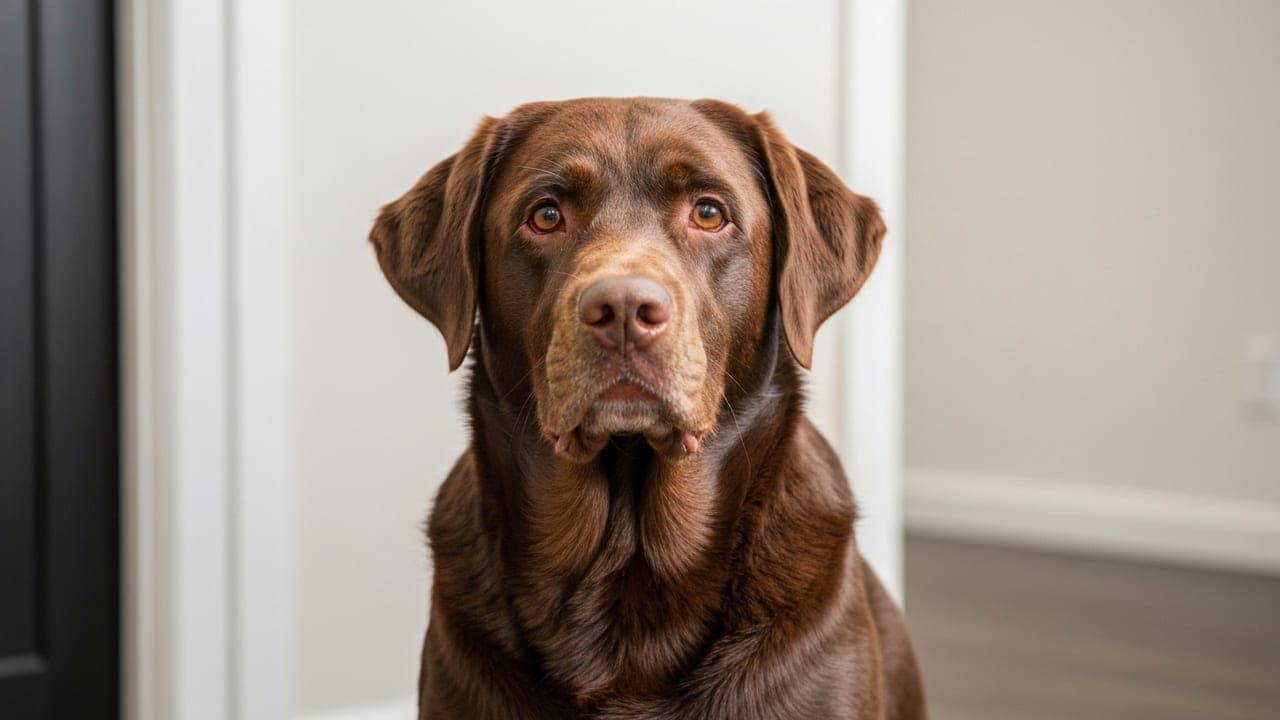
If your Labrador Retriever already has a preferred hiding spot during storms, work with that instinct rather than against it. Make her chosen spot cozier instead of redirecting her somewhere new.
Do Calming Pressure Wraps Actually Work?
Anxiety wraps like ThunderShirts apply gentle, constant pressure to your dog's torso — similar to swaddling an infant. The pressure activates the nervous system in a way that can reduce heart rate and cortisol levels.
Research results are mixed, but many pet parents report visible improvement. A 2014 study published in the Journal of Veterinary Behavior found that dogs wearing pressure wraps showed fewer anxiety-related behaviors during simulated thunderstorms.
For the best results, introduce the wrap during calm moments first. Let your dog wear it during relaxed activities — a treat session, a nap on the couch — so she builds a positive association before you need it during an actual storm.
Can White Noise or Music Help a Storm-Anxious Dog?
Yes, and the key is timing. Turn on calming music or a white noise machine before the storm arrives, not after your dog is already panicking.
Classical music with a slow tempo (around 50-60 beats per minute) has been shown to reduce stress behaviors in kenneled dogs. There are also playlists specifically composed for canine relaxation — "Through a Dog's Ear" is one well-researched option.
A box fan, white noise machine, or even a television at moderate volume can help mask the unpredictable booming that makes thunder so frightening. Consistency matters: if your dog learns that the sound of the white noise machine means "everything is okay," it becomes a calming cue over time.
What Is Desensitization Training for Storm Phobia?
Desensitization is a gradual process of exposing your dog to storm sounds at a very low intensity while pairing them with positive experiences. Over weeks or months, you slowly increase the volume.
Here is a simple protocol you can start at home:
- Find a high-quality thunderstorm recording (YouTube has many options).
- Play it at the lowest audible volume while your dog eats a meal or enjoys a chew toy.
- If your dog shows zero signs of stress, increase the volume slightly the next day.
- If your dog shows any anxiety — lip licking, yawning, ears back — lower the volume and stay at that level for several more sessions.
- Progress slowly over 4-8 weeks.
This works best during the off-season when real storms are not reinforcing the fear. Pair the sounds with high-value treats like small pieces of chicken or cheese to build a positive emotional response.
Be patient. Desensitization is not a quick fix, but it is one of the most effective long-term strategies available.
When Should You Talk to Your Vet About Storm Anxiety?
If your dog's storm anxiety involves any of the following, it is time to involve your veterinarian:
- Destructive behavior — scratching through doors, breaking crates, chewing walls
- Escape attempts — jumping through screens or bolting out doors
- Refusal to eat for hours after the storm ends
- Self-injury — broken nails, bloody paws, or raw skin from frantic scratching
Your vet may recommend calming supplements (L-theanine, melatonin), prescription anti-anxiety medication for acute episodes, or a referral to a veterinary behaviorist. When in doubt, ask your vet — severe storm phobia tends to worsen with each season if left untreated.
There is no shame in medication. For some dogs, it is the kindest and most responsible option.
What Should You Avoid Doing During a Storm?
A few well-meaning habits can actually make storm anxiety worse:
- Do not punish fearful behavior. Scolding a trembling dog adds stress on top of fear and teaches her that storms mean trouble from every direction.
- Do not force your dog out of hiding. If she has retreated to her safe space, respect that choice. Dragging her out increases panic.
- Do not ignore the problem entirely. Storm phobia rarely resolves on its own and typically escalates over time. Early, gentle intervention gives your dog the best chance at improvement.
- Do not leave the TV or radio on a chaotic channel. Action movies with explosions or loud commercials can add to the sensory overload.
How Can You Prepare Before Storm Season?
The best time to address storm anxiety is when skies are clear. Build the safe space now. Practice with the ThunderShirt during calm moments. Start the desensitization playlist at low volume during dinner.
If your dog has a history of severe reactions, schedule a vet visit before the season begins so you have a plan — and any medications — ready to go.
Your dog relies on you to be her calm anchor. With patience, consistency, and the right tools, most dogs can learn to weather storms more comfortably.
FAQ
How long does it take to desensitize a dog to storms?
Most desensitization protocols take 4-8 weeks of consistent, daily practice. Some dogs respond faster, while dogs with deeply entrenched phobias may need several months. The key is never rushing the process or increasing volume too quickly.
Can puppies develop storm anxiety?
Yes. Storm phobia can develop at any age, though it most commonly appears between ages 1-5. Early exposure to gentle storm sounds paired with positive experiences during the socialization window can reduce the risk.
Are certain breeds more prone to storm anxiety?
Herding breeds like Border Collies and working breeds like German Shepherds tend to show higher rates of noise sensitivity. However, storm anxiety can affect any breed, including typically easygoing dogs like Labrador Retrievers.
Is it okay to comfort my dog during a storm?
Absolutely. Outdated advice suggested that comforting a fearful dog "reinforces" the fear, but modern veterinary behaviorists disagree. Calm, gentle reassurance helps your dog feel safe. Just avoid matching her panic with your own anxious energy.
Can CBD products help with storm anxiety?
Some pet parents report positive results with CBD products formulated for dogs. However, regulation is inconsistent and research is still limited. Talk to your vet before trying any supplement to ensure it is safe and appropriate for your dog's health profile.
Looking for breed-specific anxiety insights? Explore our dog breed guides or discover your pup's personality with our dog breed quiz.
Mr Pet Lover Team
The Mr Pet Lover team is dedicated to providing warm, accurate, and practical pet care advice backed by veterinary research and real-world experience.
Related Articles

Is Your Dog Bored? 8 Signs (And What to Do About It)
Destructive chewing, constant barking, and restless pacing are not personality flaws — they are boredom signals.
Your Dog's Tail Position Says More Than You Think
Your dog's tail is a communication tool. Learn what different positions, speeds, and directions reveal.
How Often Should You Really Bathe Your Dog?
Bathing too often can harm your dog's skin. Here is how to find the right frequency for your dog's coat type.