
Herding group
Border Collie
The Border Collie is the smartest dog breed in the world, and that single fact is the trap.
Size
30-50 lb
Lifespan
12-15 years
Exercise
90+ minutes
Shedding
High
Experience
Match to owner routine
Decision first
Is a Border Collie right for you?
Start with fit before history or trivia. These are ownership signals, not guarantees about any individual dog.
Best suited for
- Households with children.
- Active owners who enjoy daily outdoor exercise.
Think carefully if
- You cannot provide substantial daily exercise.
- You want a very low-shedding home.
- The dog will spend most days alone without support.
Conditional fit
Apartment living may be difficult unless the owner can meet the breed's exercise, training, and space needs.
Daily reality
Border Collie commitment snapshot
Daily exercise
90+ minutes
Match activity to age, health, weather, and training goals.
Coat care
Moderate
Grooming needs vary by coat, shedding, and lifestyle.
Time alone
Needs planning
Most dogs need gradual alone-time conditioning and support.
Structured facts
Border Collie at a glance
The measurements and traits that most affect day-to-day life with this breed.
Origin
United Kingdom
Group
Herding
Weight
30-50 lb
Height
18-22 in
Lifespan
12-15 years
Temperament
Intelligent | athletic | and energetic
View all characteristics and methodology
Lifestyle fit
- Apartment suitability
- Needs caution
- Child friendliness
- Often good, with socialisation and supervision
Owner commitment
- Exercise
- 90+ minutes
- Grooming
- Moderate
- Shedding
- High
- Training
- Very high
Environment and health
- Health risk
- Needs planning
Ratings combine structured breed data, visible breed fields, and editorial context. They are planning aids, not predictions for an individual dog.
Daily life
Border Collie temperament and behavior
The Border Collie is the smartest dog breed in the world, and that single fact is the trap. People read 'world's most intelligent dog' as a selling point; in practice it is a warning label. A Border Collie is a 14-20 kg working athlete bred for 200+ years to run all day controlling sheep, and a brain that powerful does not switch off because you live in a flat or work nine-to-five. Denied a job, this dog invents one — herding children, chasing cars, spinning, light-fixation, perimeter patrolling, or chewing your house apart. The number-one reason Border Collies land in rescue is not aggression or illness; it is a normal family discovering that the smartest dog alive is the wrong dog for a sedentary home. Physically the Border Collie is medium-sized: 46-56 cm at the shoulder, lean and tireless rather than bulky, with a double coat (rough or smooth) that sheds heavily and needs real grooming. Lifespan is a genuinely good 12-15 years. The signature is the 'eye' — a low, crouched, intense stare used to move livestock, and the same hyper-focus you will see locked onto a tennis ball, a frisbee, or a moving bicycle wheel. This breed is right for you if you genuinely want a sport, work, or all-weather-hiking partner and will commit to 2+ hours of combined physical and mental work every single day, for 13 years, including the days you are tired or sick. It is wrong for you if you want a dog that fits around a busy life, is happy with a walk and a cuddle, is good for first-time owners, or will be left alone all day. There is no version of a understimulated Border Collie that is also a calm one — that is the whole decision in one sentence.
Intelligent | athletic | and energetic
Intelligent
A common Border Collie temperament descriptor that should be interpreted alongside training, exercise, and household fit.
athletic
A common Border Collie temperament descriptor that should be interpreted alongside training, exercise, and household fit.
and energetic
A common Border Collie temperament descriptor that should be interpreted alongside training, exercise, and household fit.
Owner note
Temperament labels are starting points, not guarantees. Meet the individual dog and ask about behavior history whenever possible.
Care essentials
How to care for a Border Collie
What looking after one actually involves: exercise, grooming, food, training, and routine health.
HealthAs needed
- Border Collies are generally healthy with a good lifespan, but they're prone to several genetic conditions. Hip and elbow dysplasia can affect mobility, while eye conditions like Collie Eye Anomaly (CEA) and Progressive Retinal Atrophy (PRA) may impact vision. Epilepsy occurs at higher rates in this breed than in many others. Border Collie Collapse, a condition causing hyperthermia and collapse during intense exercise, affects some lines. Reputable breeders screen for these conditions. Regular veterinary check-ups, maintaining appropriate weight, and providing proper exercise contribute to overall health.
ExerciseAs needed
- Border Collies have extraordinary energy levels and require extensive daily exercise—both physical and mental. Plan for at least 1-2 hours of activity daily, including runs, hikes, play sessions, and training. Without sufficient outlets for their energy and intelligence, Border Collies often develop problematic behaviors like excessive barking, digging, or destructive chewing. Dog sports such as agility, flyball, dock diving, and advanced obedience are ideal activities for this breed, providing both physical exertion and mental stimulation.
GroomingAs needed
- Border Collies have a double coat that comes in two varieties: smooth (short-to-medium length) and rough (medium-to-long length). Both types shed moderately year-round with heavier seasonal shedding. Brush weekly (more during shedding seasons) to remove loose hair and prevent matting. Bathe only when necessary, as over-bathing can strip natural oils. Check and clean ears regularly, trim nails monthly, and maintain dental hygiene with regular brushing. Pay special attention to the feathering on legs, tail, and behind ears, which can tangle in rough-coated dogs.
TrainingAs needed
- Few breeds are as trainable as the Border Collie. Their intelligence, eagerness to please, and work ethic make them exceptional students, but these same qualities mean they require consistent mental stimulation. Begin training early with positive reinforcement techniques—harsh methods are unnecessary and counterproductive with this sensitive breed. Border Collies excel at learning complex commands and sequences, making them perfect candidates for advanced training. Beyond basic obedience, provide puzzle toys and training challenges to satisfy their problem-solving needs. Early socialization is crucial to prevent shyness or reactivity.
NutritionAs needed
- Border Collies thrive on high-quality dog food formulated for active breeds. Due to their high energy expenditure, they may require more calories than similarly sized but less active breeds. Portion sizes should be adjusted based on age, activity level, and metabolism. Working Border Collies may benefit from performance-formulated foods with higher protein and fat content. Be vigilant about weight management as their enthusiasm for activity can mask early signs of weight gain. As with all breeds, clean, fresh water should be available at all times.
Health planning
Border Collie health risks and screening
Every breed has individual health variation. Use this profile for planning and discuss medical decisions with a veterinarian.
Ownership cost
How much does a Border Collie cost?
Cost figures are structured so first-year and lifetime estimates do not conflict with the underlying line items.
| Acquisition | $600-$2,500 |
|---|---|
| Routine monthly | About $110/month |
| Routine annual | About $1,320/year |
| First-year estimate | $1,920-$3,820 |
| Lifetime routine estimate | $15,840-$19,800 routine costs |
Currency: USD. Region: United States. Typical ranges for this breed. Equipment, insurance, emergency veterinary care, boarding and training are NOT included: we hold no sourced figures for them, and estimating them would be a guess presented as data.
Responsible ownership
Finding a Border Collie responsibly
What to ask a breeder or rescue is the same conversation for every breed, so we keep it in one place and keep it current.
Health documentation, meeting the parents or foster, contracts and return support, and the warning signs worth walking away from.
Original purpose
Border Collie history
History is useful when it explains today's behavior, coat, exercise needs, and training style.
Read the breed history
The Border Collie was developed in the hill country along the Anglo-Scottish border, where shepherds needed a dog that could gather and move large flocks of sheep across vast, rough terrain on whistle and voice commands alone. Selection was ruthless and purely functional: only the dogs that could work — stamina, biddability, and the controlling 'eye' — were bred, with no regard for looks. A single dog, Old Hemp (born 1893), is considered the breed's foundation sire; his quiet, powerful working style was so effective that he stamped the modern breed. The 1873 sheepdog trials and later the International Sheep Dog Society institutionalized selection for working ability over appearance. The name 'Border Collie' was not formalized until 1915. The American Kennel Club only recognized the breed in 1995, and that recognition was controversial: working-dog breeders feared (and many still argue) that breeding for the show ring would dilute the herding instinct and temperament that define the dog.
Gallery
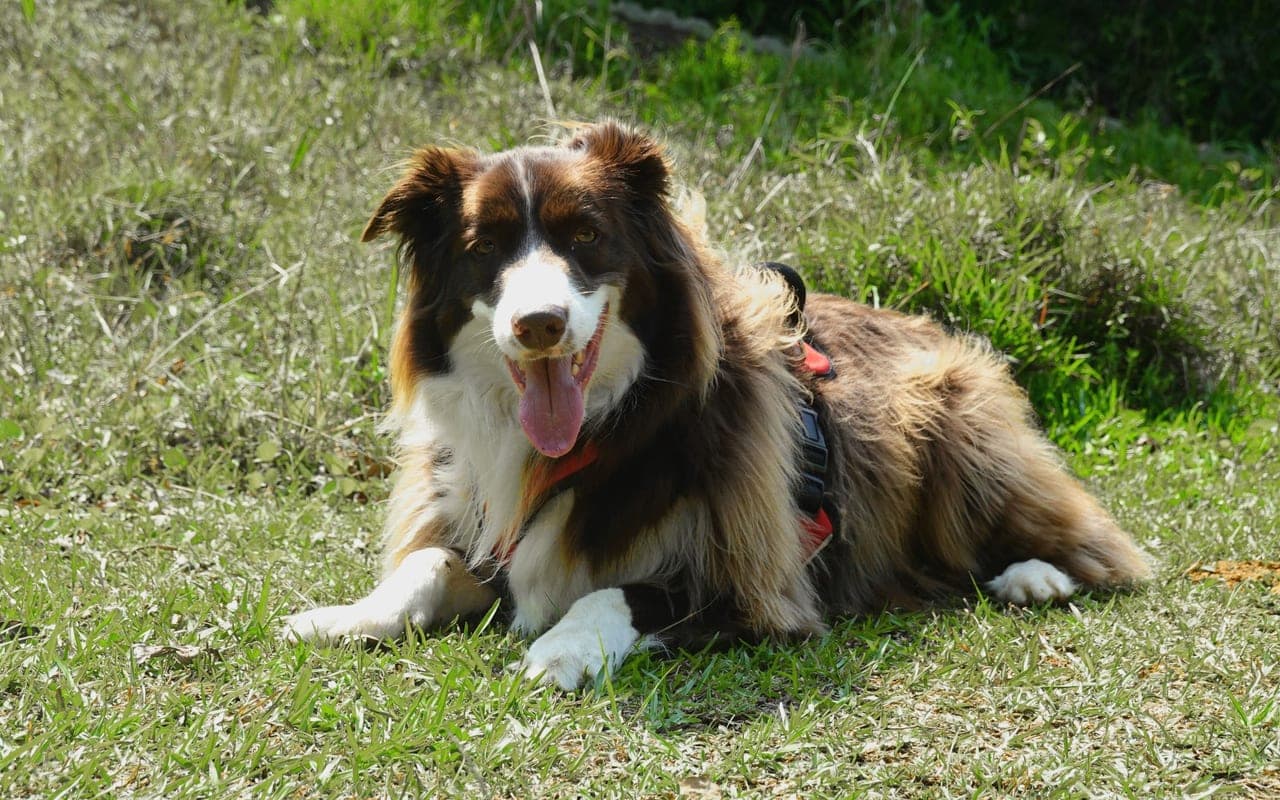
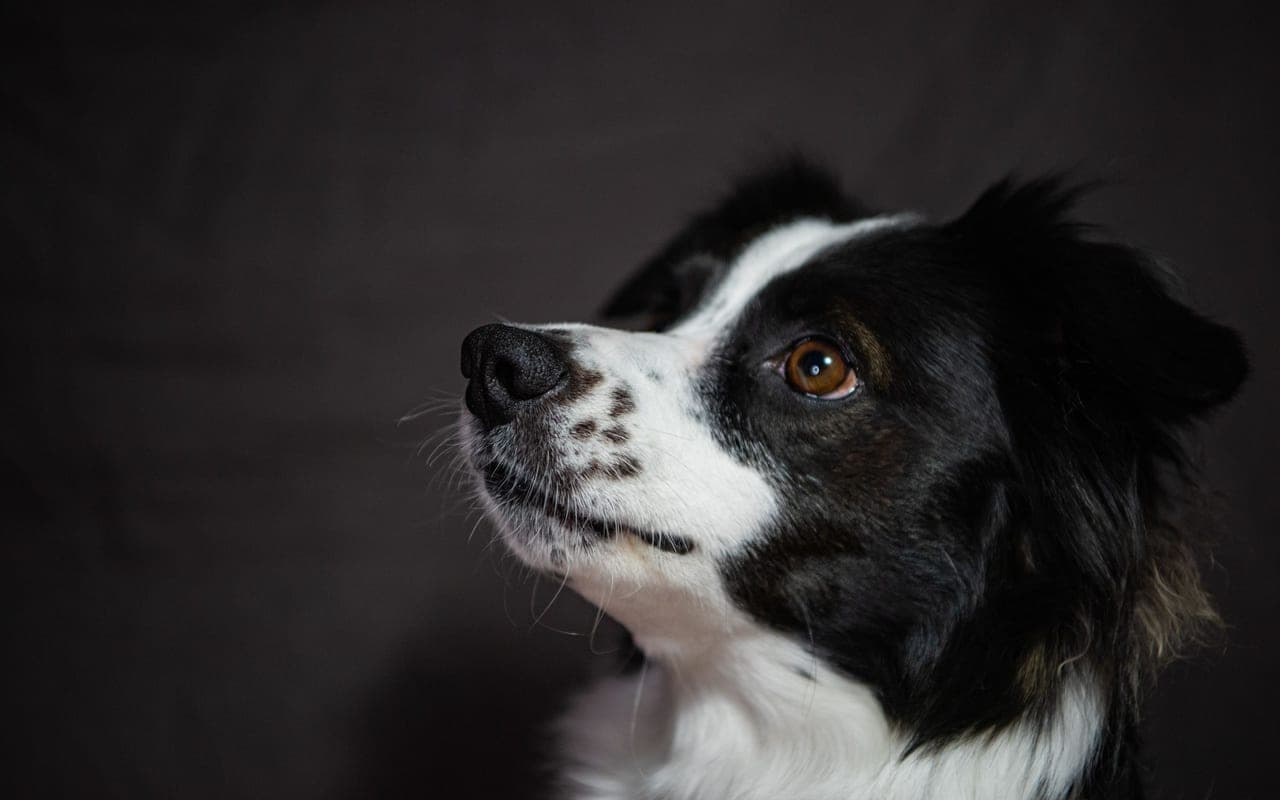
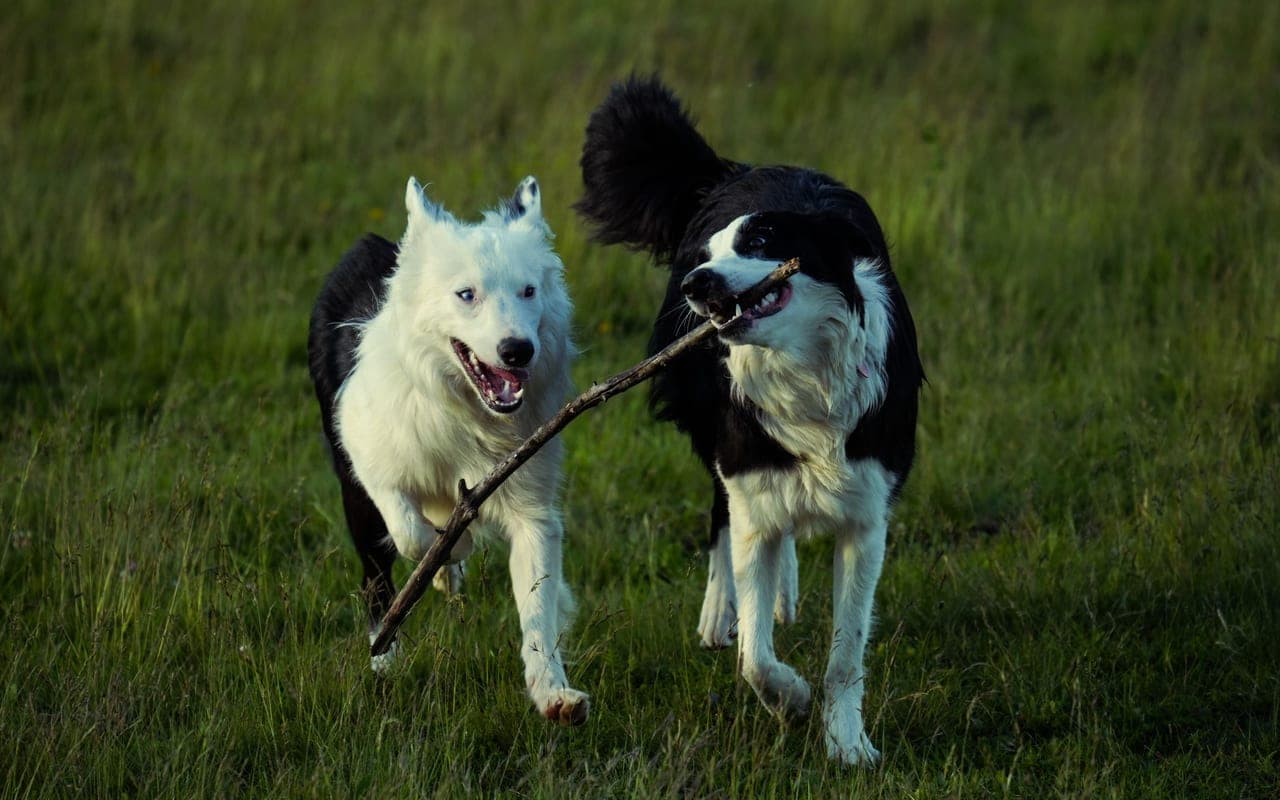
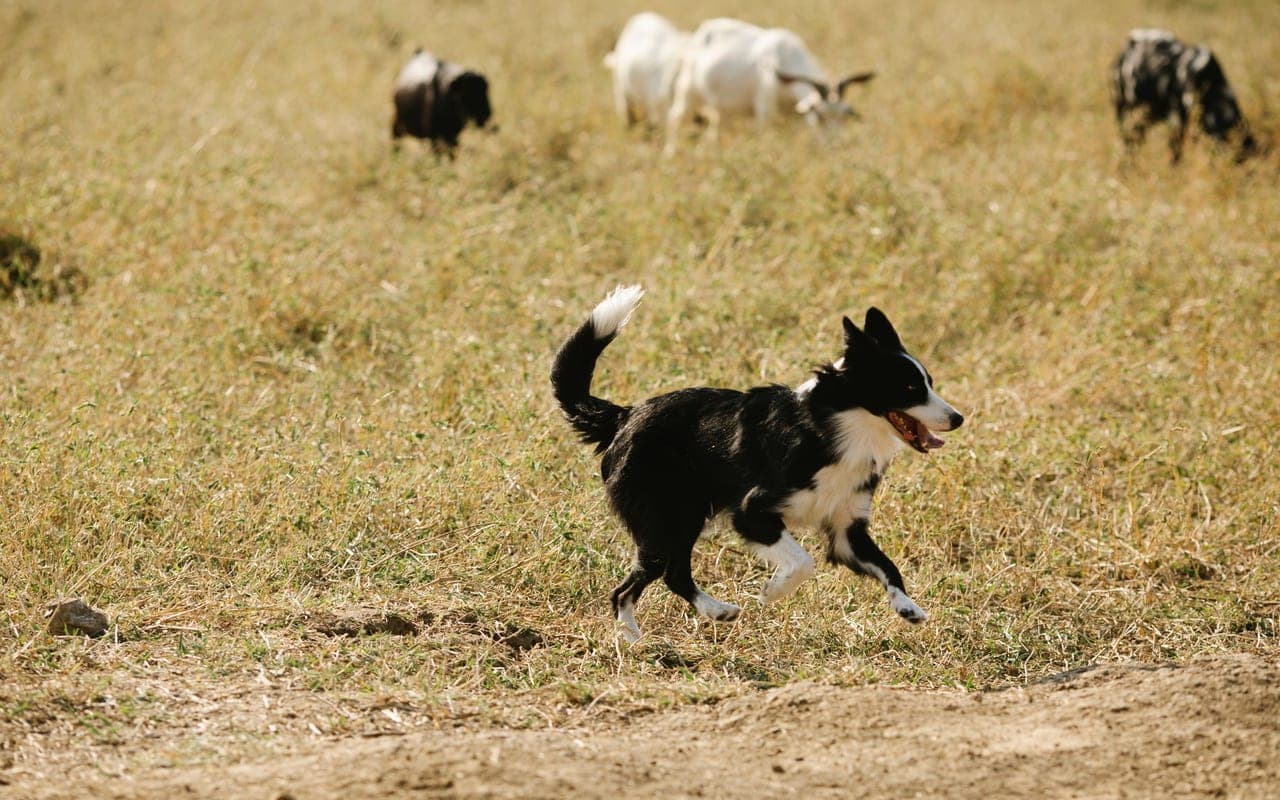
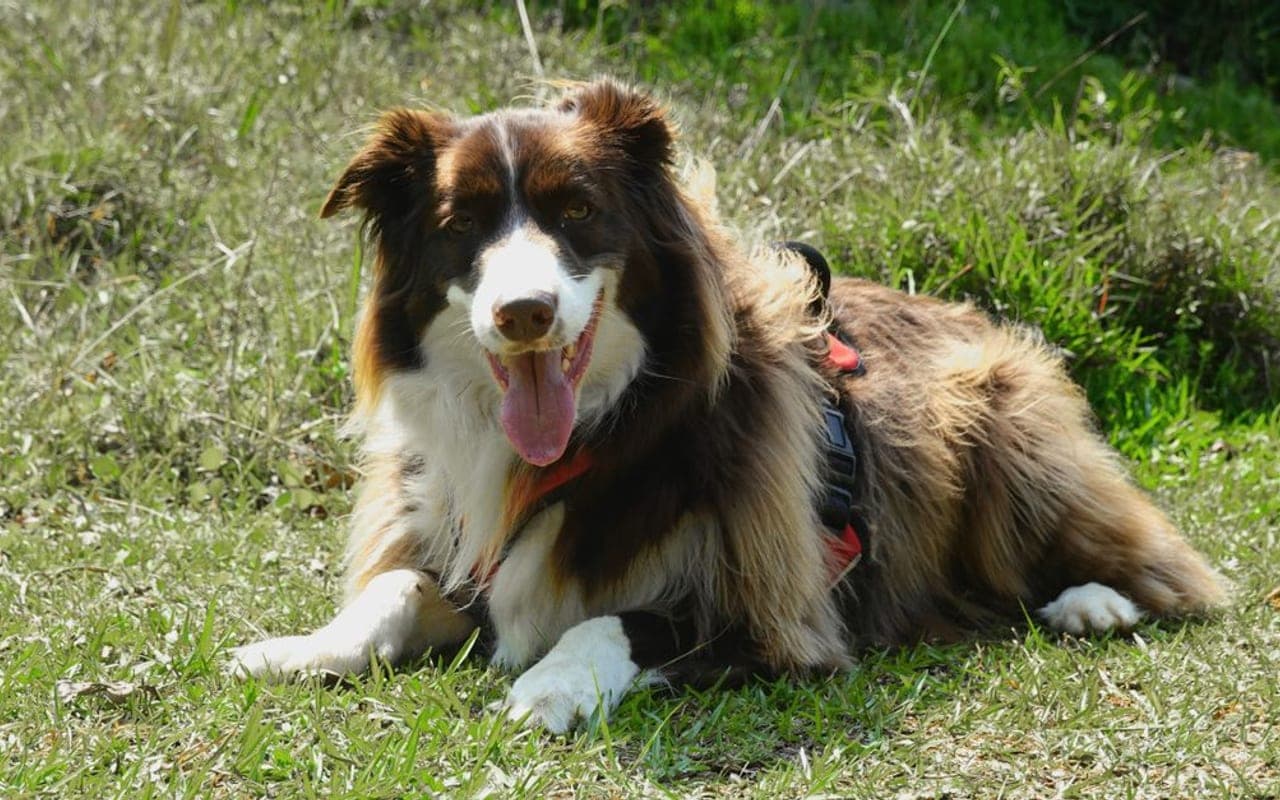
Border Collie photos
Images are cropped consistently and loaded progressively to keep the page responsive.
Lower-page context
Border Collies in culture
Where the breed shows up in film, sport, work and folklore — the enjoyable part, once the practical questions are answered.
Movies and TV
- Babe (1995)
Border Collies played the sheep-herding dogs in this beloved family film about a pig who learns to herd sheep.
- Animal Planet's 'Dogs 101' (2008)
Educational series featuring Border Collies as one of the world's most intelligent dog breeds.
Fun facts
- Border Collies consistently rank as the most intelligent dog breed in canine cognition studies, with the ability to learn new commands in as few as 5 repetitions.
- A Border Collie named Chaser learned the names of over 1,000 objects, demonstrating the breed's exceptional vocabulary capacity.
- Many Border Collies are sensitive to high-pitched sounds and may display a unique reaction to certain noises like emergency sirens.
- The breed's intense stare, known as 'the eye,' is a herding technique used to control livestock through eye contact alone.
- Border Collies hold most of the world records for dog sports, including highest jump, fastest obstacle course completions, and most complex tricks.
Border Collie FAQs
Is a Border Collie a good first dog or family pet?
For most first-time or typical family owners, no. The Border Collie needs roughly 2 hours of physical and mental work every day for 12-15 years, and an under-stimulated one develops compulsive and destructive behaviors that overwhelm inexperienced owners. They can be excellent family dogs in genuinely active households that do dog sports, hiking, or herding — but as a default family pet for a busy nine-to-five home, this is one of the easiest breeds to get wrong.
How much exercise does a Border Collie actually need?
Plan on 60-90 minutes of hard physical exercise plus 30-45 minutes of structured mental work (training, scentwork, puzzle games, herding) every single day, including days you are tired or sick. Critically, physical exercise alone is not enough — a Border Collie run for two hours but never mentally challenged stays restless. The body and the brain both need a job; that is the core commitment of the breed.
Why does the MDR1 gene matter so much for Border Collies?
A large share of Border Collies carry the MDR1 mutation, which lets common drugs cross into the brain and cause severe or fatal neurotoxicity at normal doses — including ivermectin-based wormers, the anti-diarrheal loperamide, and some sedatives and chemo drugs. A roughly $50 DNA cheek swab tells you the dog's status for life. Knowing it before any vet treatment can prevent a $2,000+ emergency or a dead dog, which makes it the highest-value test you will run.
Do Border Collies shed and are they hard to groom?
Yes, they shed substantially. The double coat (rough or smooth) needs brushing 2-3 times a week year-round and daily during the two heavy shedding weeks in spring and autumn. Expect hair on furniture and clothing as normal. Grooming itself is straightforward — no professional clipping required — but anyone expecting a low-shed dog will be unhappy. Check and dry the ears after swimming or wet herding work.
How long do Border Collies live and what does ongoing care cost?
Border Collies typically live 12-15 years, which is long for a medium dog and means a 13-year-plus commitment. Routine annual costs run a few hundred dollars, but budget realistically for genetic risk: hip dysplasia management, lifelong epilepsy medication, or eye disease can each add hundreds to thousands. The single best cost-control move is buying from parents DNA-tested for MDR1, CEA, TNS and NCL and hip-screened — prevention here is far cheaper than treatment.
Sources
These are the published sources this page draws on. Each opens in a new tab so you can check it yourself.
American Kennel Club
Border Collie — breed standard and profile(opens in a new tab)Supports: Breed standard and recognition details.
Similar breeds to consider
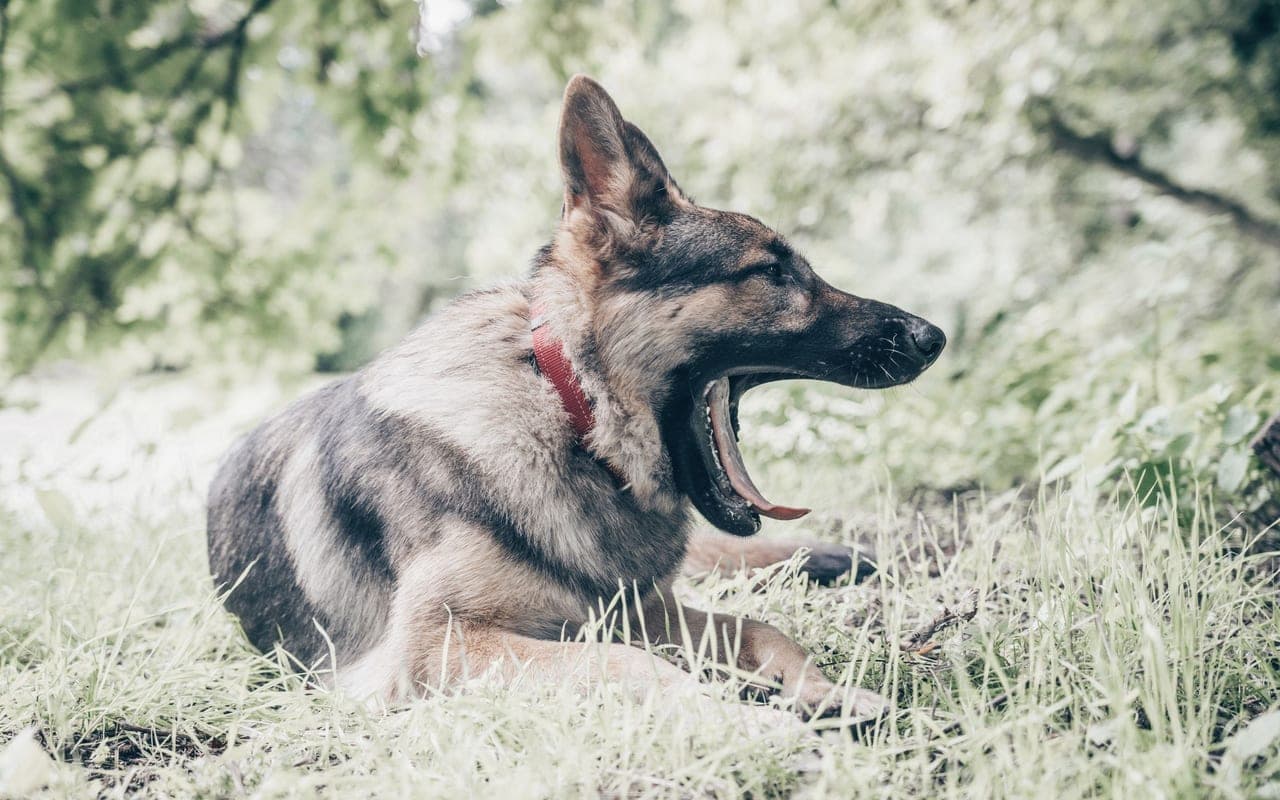
German Shepherd
Also in the Herding group, with different care and temperament tradeoffs.
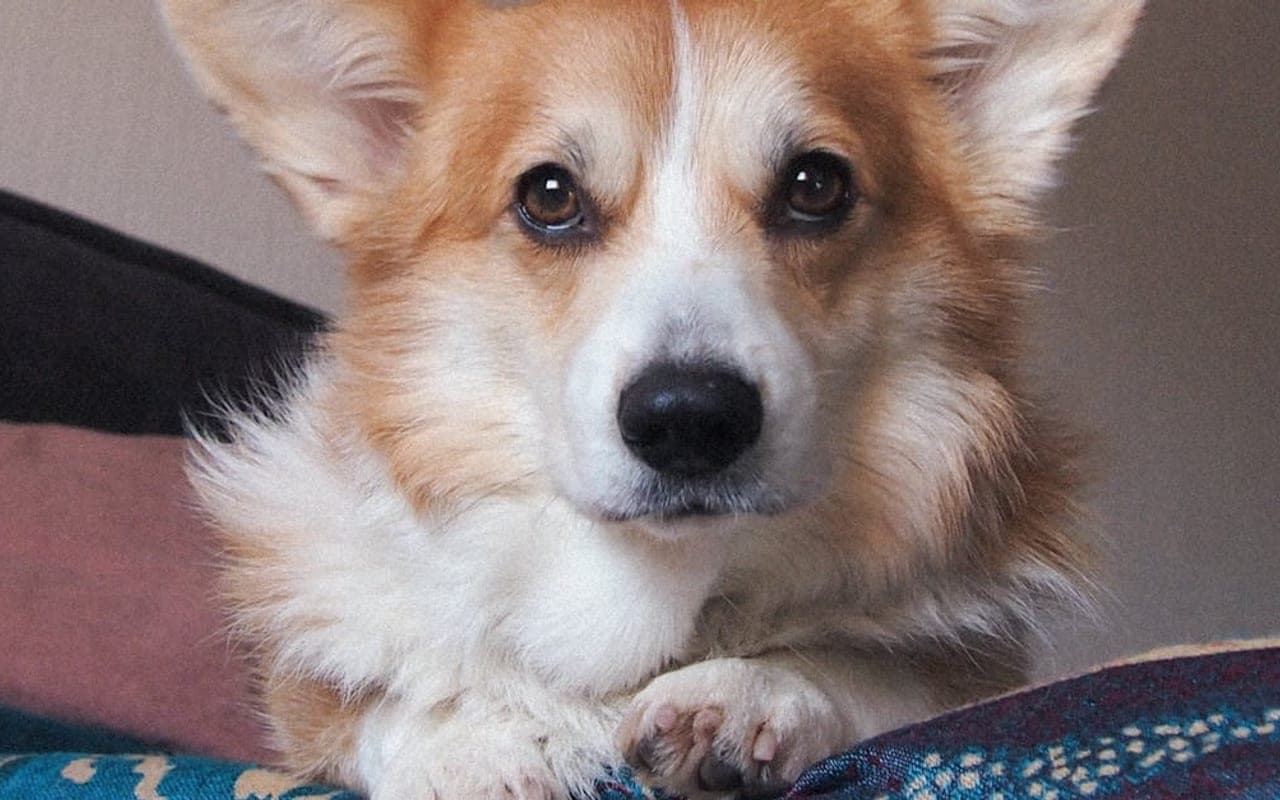
Pembroke Welsh Corgi
Also in the Herding group, with different care and temperament tradeoffs.
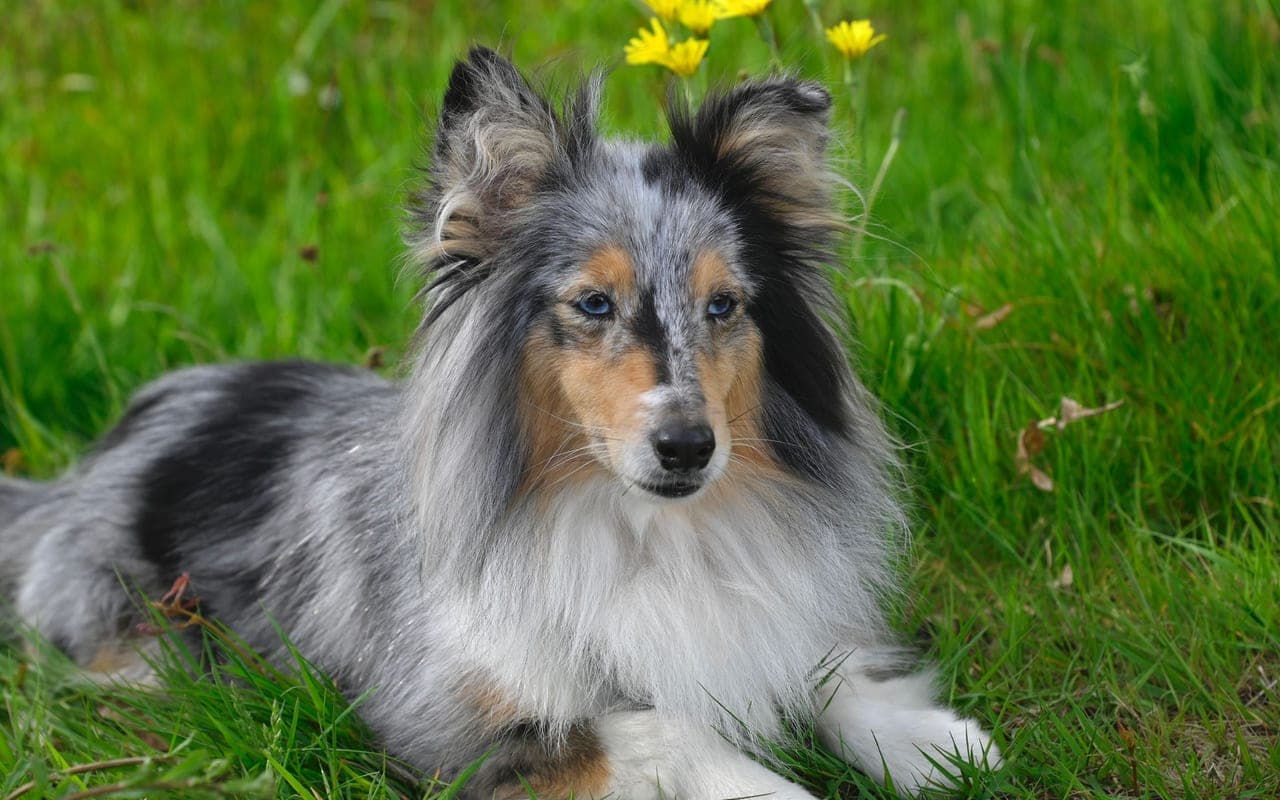
Shetland Sheepdog
Also in the Herding group, with different care and temperament tradeoffs.
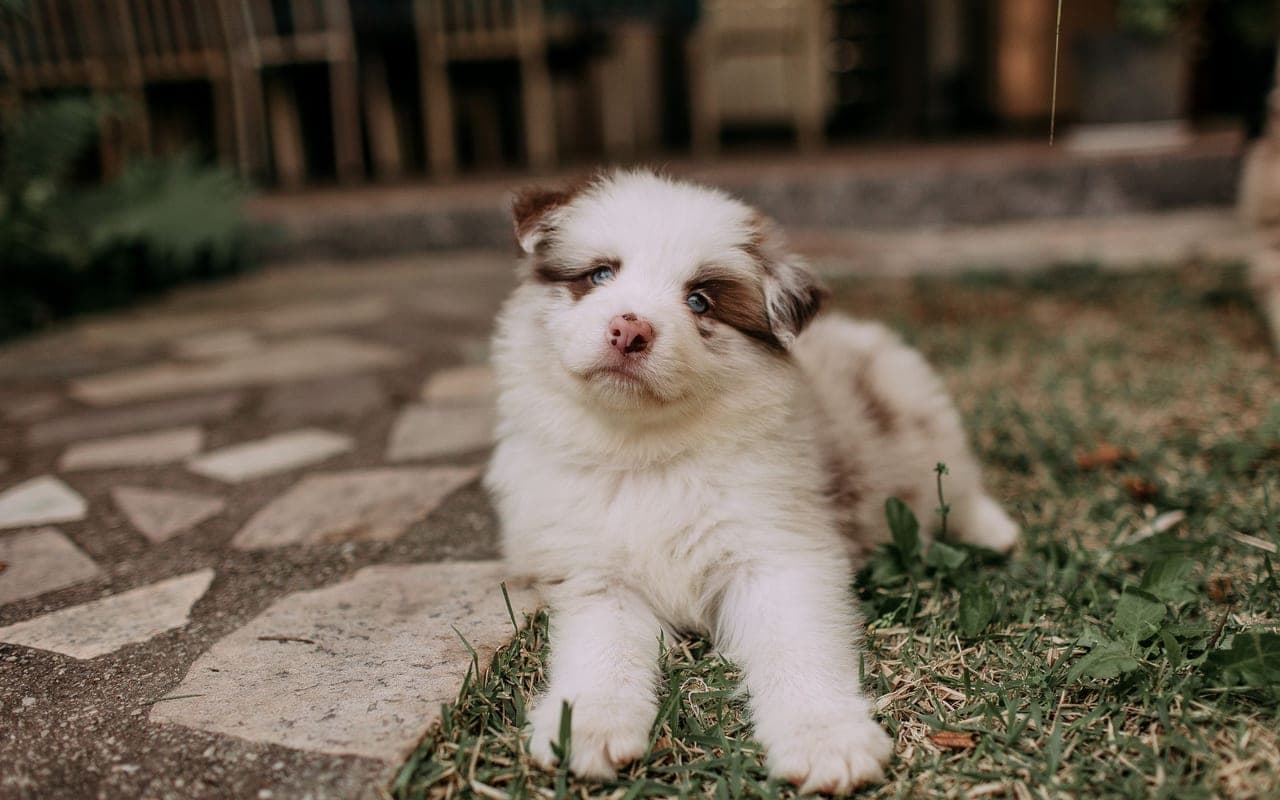
Australian Shepherd
Also in the Herding group, with different care and temperament tradeoffs.
Explore More About Border Collie
Dive deeper into everything Border Collie — costs, care, and expert insights.
How Much Does a Border Collie Cost?
Purchase price, monthly costs, and lifetime expenses
Border Collie Care Guide
The Border Collie is widely regarded...
Is a Dog DNA Test Worth It? Embark, Wisdom Panel, and Rescue Dogs
Dog DNA tests can help mixed-breed and rescue-dog owners understand breed mix, traits, size clues,...
How to Help Your Dog with Thunderstorm Anxiety
Storm anxiety goes deeper than noise — barometric pressure, static electricity, and scent all play...
How to Read Your Dog's Body Language — A Visual Guide
Your dog is constantly talking to you through posture, tail position, ear angle, and eye contact....
Considering a cat instead?
Browse Cats