
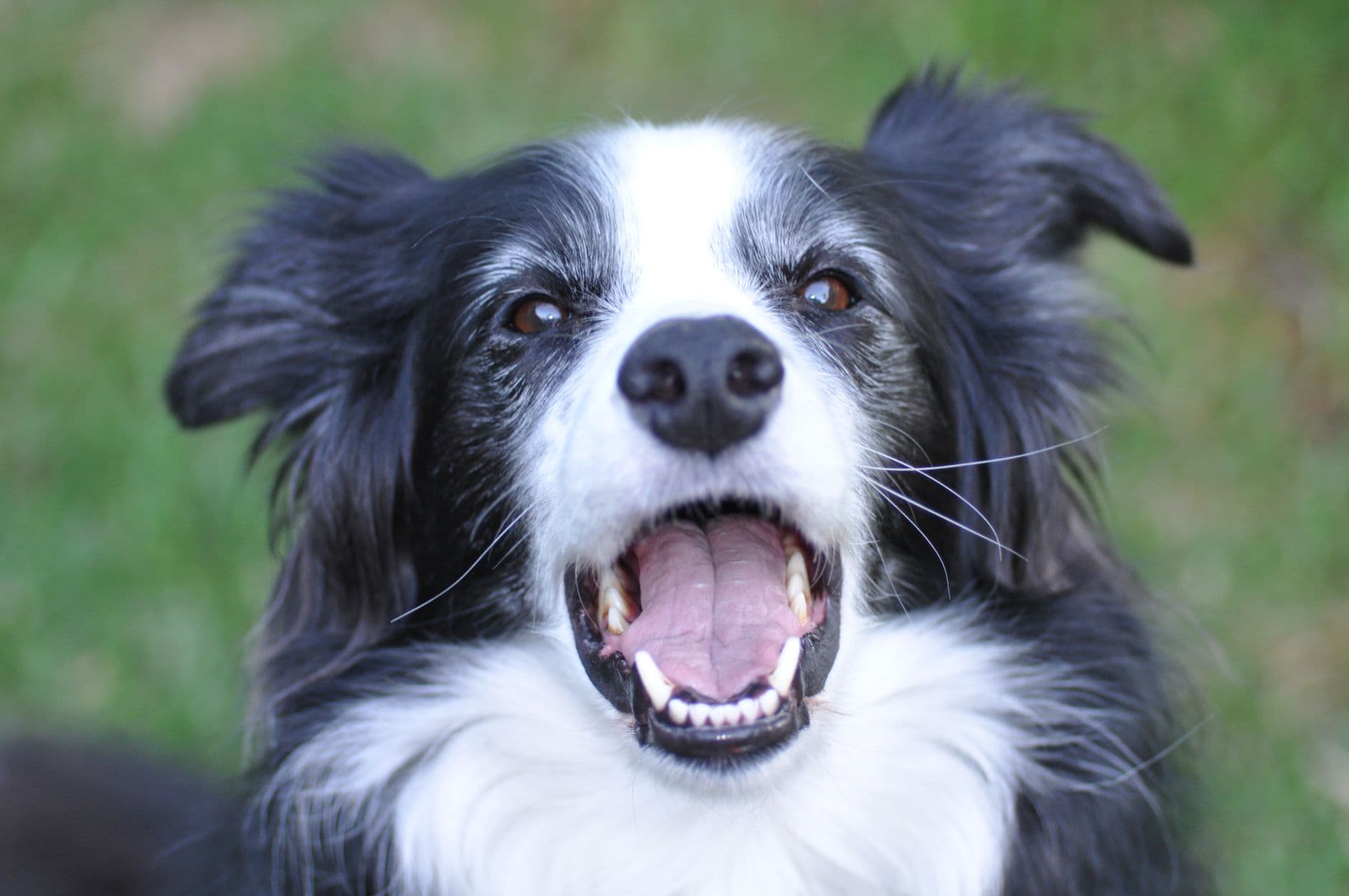
Border Collie Care Guide
Border Collie Overview: The World's Most Intelligent Dog The Border Collie is widely regarded as the most intelligent dog breed on the planet. Stanley Coren's landmark book "The Intelligence of Dogs"
In This Guide
Overview
Border Collie Overview: The World's Most Intelligent Dog
The Border Collie is widely regarded as the most intelligent dog breed on the planet. Stanley Coren's landmark book "The Intelligence of Dogs" ranked the Border Collie first for working and obedience intelligence — a ranking built from trainer surveys rather than laboratory testing, and one the breed's record in herding, agility, flyball and obedience trials has done nothing to contradict.
Border Collies originated along the Anglo-Scottish border region, where they were selectively bred over centuries to herd sheep across the rugged hills of Northumberland and the Scottish Lowlands. The name "Border" refers directly to this borderland geography. Every trait in the modern Border Collie — the laser focus, the explosive athleticism, the obsessive work drive — was crafted by shepherds who needed a dog that could make independent decisions, respond instantly to hand signals and whistles from hundreds of meters away, and work for 10 to 12 hours a day without flagging.
The breed's most iconic feature is "eye" — a fixed, hypnotic stare used to psychologically pressure and direct sheep without physical contact. When a Border Collie locks "eye" onto a flock, the sheep instinctively move away. This behavior is deeply hardwired. At home, your Border Collie will likely fix "eye" on children, cats, bicycles, and anything else it decides needs herding.
The Rico Study, published in Science in 2004, demonstrated that a Border Collie named Rico had learned the names of more than 200 objects and could retrieve a novel item by exclusion — a cognitive ability previously thought to be uniquely human. Subsequent research with a Border Collie named Chaser pushed that number beyond 1,000 named objects.
This intelligence is a double-edged sword. A Border Collie with adequate mental and physical stimulation is arguably the most impressive companion dog in existence. A Border Collie that is bored, under-stimulated, or confined to a small apartment will develop obsessive behaviors (shadow chasing, light chasing, spinning), destructive habits, anxiety, and neurosis. These are not behavioral problems — they are the predictable outcome of an elite athlete being denied the purpose it was bred for.
Border Collies require a minimum of 2 to 3 hours of vigorous exercise per day. This means running, not walking. Mental engagement through agility, flyball, herding trials, advanced obedience, or trick training must accompany physical exercise. Without both, no amount of physical exertion will satisfy a Border Collie's cognitive needs.
For this reason, Border Collies are genuinely not suitable for the vast majority of households. Families with sedentary lifestyles, small apartments, full-time office hours with no dog care arrangements, or young children who may be herded and nipped are not good matches. This is not a judgment — it is a welfare consideration. Border Collies placed in unsuitable homes frequently end up surrendered to rescues, often with behavioral problems that take months of rehabilitation to address.
If you are an active individual, a runner, a competitive dog sport enthusiast, or a working farm owner, the Border Collie may be the most rewarding dog you will ever own. If you are looking for a low-maintenance companion, look elsewhere. See our guide to choosing the right dog breed for a broader comparison.
Daily Care
Daily Care for Border Collies
Border Collies thrive on routine, mental engagement, and physical challenge. A typical day for a well-cared-for Border Collie looks nothing like the routine for most other breeds.
Morning Exercise (60-90 minutes): Start with a vigorous run, off-leash play in a securely fenced area, or a training session combining agility drills and obedience work. A leash walk around the block is insufficient. Border Collies need to move at speed.
Mental Stimulation Throughout the Day: Puzzle feeders, sniff work, trick training sessions (even 10-minute sessions two to three times per day), and interactive toys help bridge the gap between exercise sessions. A rubber chew toy stuffed with frozen food buys a useful stretch of quiet; a food puzzle set at medium difficulty rarely buys more than a few minutes before this breed solves it.
Afternoon or Evening Exercise (60-90 minutes): A second dedicated exercise session is non-negotiable. Activities like frisbee, flyball, fetch on varied terrain, or herding instinct work are ideal.
Social and Training Time: Border Collies bond intensely with their primary person. They need direct engagement, not just proximity. Daily training sessions reinforce your relationship and provide the cognitive challenge the breed craves.
What Boredom Looks Like: A bored Border Collie does not sleep. It finds a purpose — herding family members, obsessively chasing shadows or light reflections, pacing, barking, dismantling furniture, or developing anxiety-driven repetitive behaviors. These are not misbehaviors. They are symptoms of a dog whose needs are unmet.
Border Collies are best suited to homes with large, securely fenced yards. They are not good kennel dogs and should not be left alone for extended periods without enrichment. Doggy daycare, working from home, or a dog walker who actually exercises (rather than walks) the dog are all viable arrangements for working owners.
Nutrition
Nutrition for Border Collies
Border Collies are high-performance working dogs with metabolisms to match. Their nutritional needs differ from sedentary breeds of similar size.
Caloric Requirements: An active adult Border Collie (18-25 kg) engaged in 2 to 3 hours of daily exercise typically requires 1,000 to 1,400 kcal per day. Working farm dogs or dogs competing in agility or flyball may require significantly more. Use the manufacturer's feeding guidelines as a starting point and adjust based on body condition score — you should be able to feel but not see the ribs.
Protein and Fat: Look for a food where the first ingredient is a named animal protein (chicken, beef, salmon, lamb). Active Border Collies benefit from diets with 24 to 28 percent protein and 14 to 18 percent fat. These macros support sustained energy output, muscle maintenance, and coat health.
Joint Support: Given the breed's susceptibility to hip dysplasia, foods containing glucosamine and chondroitin, or supplementation with these compounds, is worth discussing with your veterinarian. Omega-3 fatty acids (from fish oil) also support joint health and cognitive function — relevant for a breed this reliant on brain performance.
Puppy Nutrition: Border Collie puppies grow rapidly and should be fed a large-breed puppy formula to avoid excessive growth rates that can stress developing joints. Do not supplement with additional calcium — over-supplementation is more dangerous than deficiency in puppies already eating a balanced diet.
Meal Timing and Frequency: Feed adults twice daily. Avoid exercising vigorously within one hour of meals, as Border Collies (like all active breeds) can be susceptible to bloat, though they are at lower risk than deep-chested giant breeds.
Foods to Avoid: Grapes, raisins, xylitol, onions, macadamia nuts, and chocolate are toxic to all dogs. Avoid high-filler kibbles with corn syrup or artificial preservatives as primary ingredients.
Exercise
Exercise Requirements for Border Collies
No section of this guide is more important than this one. Exercise is not optional for a Border Collie — it is the foundation of the dog's physical health, mental stability, and behavioral manageability.
Minimum Daily Requirement: 2 to 3 hours of vigorous physical activity per day. This is the floor, not the ideal. On days when this is not possible, expect behavioral regression.
- Agility: The gold standard for Border Collies. Combines high-speed physical work with split-second decision-making and handler communication. Many Border Collies take to agility within weeks of introduction.
- Flyball: A relay-race sport involving jumping hurdles and catching a tennis ball launcher. Border Collies dominate flyball competition globally.
- Disc/Frisbee: Taps into the breed's prey drive and athleticism. Distance and freestyle frisbee disciplines exist at competitive levels.
- Herding Trials: The original purpose. Access to sheep herding — even in casual herding instinct tests — provides psychological satisfaction that no substitute fully replicates.
- Canicross: Running with your dog harnessed to you. Ideal for owners who run regularly.
Off-Leash Safety: Border Collies should only be exercised off-leash in securely fenced environments. Their herding instinct and prey drive can override recall training when a cyclist, jogger, or vehicle triggers the chase response. A Border Collie that bolts after a bicycle is not being disobedient — it is being a Border Collie.
Puppy Exercise Limits: Do not over-exercise Border Collie puppies under 12 months. The growth plates have not closed, and repetitive impact exercise on hard surfaces can cause lasting joint damage. Short sessions on grass, swimming, and mental games are preferable until 12 to 18 months.
Mental Exercise Counts: Focused training and scent work tire a Border Collie in a way plain running does not, but it supplements the physical work rather than substituting for it. Use both.
Grooming
Grooming a Border Collie
Border Collies come in two coat varieties: rough (long, feathered outer coat) and smooth (shorter, coarser coat). Both are double-coated and shed year-round, with heavier seasonal sheds in spring and autumn.
Brushing: Rough-coated Border Collies require brushing three to four times per week to prevent matting, particularly behind the ears, in the armpits, and around the collar area. Smooth-coated dogs require brushing once or twice per week. Use a slicker brush for general brushing and a metal comb to work through any tangles. A de-shedding tool (such as an undercoat rake) is useful during seasonal coat blows.
Bathing: Bathe every 6 to 8 weeks, or when the dog is visibly dirty. Over-bathing strips the natural oils that keep the double coat weather-resistant. Use a dog-specific shampoo that preserves coat oils. Blow-drying is recommended after bathing to prevent matting in rough-coated dogs.
Ears: Check ears weekly for redness, odor, or discharge. Border Collies with semi-erect ears are less prone to ear infections than fully floppy-eared breeds, but moisture from swimming or bathing can still create conditions for bacterial growth. Dry ears thoroughly after water exposure.
Nails: Trim every 3 to 4 weeks. Active dogs that exercise on hard surfaces may wear their nails naturally, but check monthly regardless. Overgrown nails alter gait and can cause joint stress — a meaningful concern for a breed already at risk for hip dysplasia.
Teeth: Brush two to three times per week with a dog-specific toothpaste. Most dogs show some degree of periodontal disease by middle age, and it contributes to systemic health problems. Dental chews can supplement but do not replace brushing.
Professional Grooming: Rough-coated Border Collies benefit from professional grooming two to three times per year for coat trimming and de-shedding treatments. Never shave a double-coated dog — the double coat regulates temperature in both heat and cold.
Health
Border Collie Health: What to Know Before You Commit
Border Collies are generally healthy dogs with a lifespan of 12 to 15 years, but the breed carries several well-documented hereditary conditions that prospective owners must understand.
Hip Dysplasia: Abnormal development of the hip joint causing pain, lameness, and arthritis. Prevalence in Border Collies is moderate. Reputable breeders screen breeding pairs using OFA or BVA hip scoring. Ask for certificates before purchasing a puppy.
Collie Eye Anomaly (CEA): A genetic condition affecting eye development, ranging from minor choroidal hypoplasia (vision unaffected) to severe coloboma or retinal detachment (significant vision loss). CEA is present at birth and does not progress, but affected dogs should not be bred. DNA testing is available.
Epilepsy: Border Collies have a higher-than-average rate of idiopathic epilepsy. Seizures typically begin between 1 and 5 years of age. Management with anti-seizure medication is effective for most dogs, though it requires lifelong commitment and regular monitoring.
Trapped Neutrophil Syndrome (TNS): A severe inherited immune disorder in which too few neutrophils (white blood cells) reach the bloodstream, leaving the dog immunocompromised. The name is a misnomer — neutrophils are not literally trapped in the marrow, and affected dogs are found to have neutrophilic inflammation in several organs. Without treatment, affected puppies typically fail to thrive and die within the first year. DNA testing can identify carriers, and responsible breeders test for TNS before breeding.
Neuronal Ceroid Lipofuscinosis (NCL): A progressive neurological disease causing dementia-like symptoms, vision loss, and loss of motor control. Rare but devastating. DNA test available.
MDR1/ABCB1 Mutation: Some Border Collies carry the MDR1 gene mutation, which causes sensitivity to certain drugs. Washington State University's veterinary pharmacology lab singles out loperamide (the active ingredient in over-the-counter anti-diarrhoeals) as a drug to avoid in every dog with the mutation, alongside several chemotherapy agents; the licensed heartworm and parasite preventives built on ivermectin, milbemycin, moxidectin or selamectin have been tested and cleared at label doses. Other formulations of those same drugs — the concentrated livestock products in particular — are not covered by that clearance. The mutation gives no warning sign, so test and put the result on the dog's file rather than waiting for a reaction. Prevalence in Border Collies is low — under 5% in WSU's tested sample, against about 70% in Collies.
Recommended Health Screenings: Hip evaluation (OFA/BVA), eye exam (CAER), DNA panel for CEA, TNS, NCL, and MDR1. Annual wellness exams with bloodwork from age 7 onwards.
Costs
Cost of Owning a Border Collie
Border Collies are not an expensive breed to acquire compared to some designer dogs, but the ongoing costs of meeting their needs are significant.
Acquisition Cost: Reputable breeders typically charge $800 to $2,000 USD for a health-tested puppy. Rescue Border Collies are available through breed-specific rescues (often $200 to $500 in adoption fees) and are a responsible option, particularly for experienced owners.
Food: A high-quality kibble or raw diet for a 20 kg active Border Collie costs $60 to $120 per month depending on diet type and brand.
Veterinary Care: Budget $500 to $800 per year for routine wellness care (annual exam, vaccinations, parasite prevention, dental cleaning every 2 to 3 years). Add $3,000 to $8,000 potential cost for hip dysplasia treatment (surgery if severe) or epilepsy management ($50 to $150/month for medication ongoing).
Pet Insurance: Strongly recommended given the breed's hereditary conditions. Monthly premiums range from $40 to $90 depending on coverage level and deductible. Enroll before any conditions are diagnosed, as insurers exclude pre-existing conditions.
Exercise and Sport: Agility training classes run $15 to $30 per session. Equipment for home agility setups costs $200 to $800. Flyball club membership is typically $100 to $300 annually. These are not optional luxuries — they are infrastructure for a breed that needs structured activity.
Grooming: Professional grooming 2 to 3 times per year at $60 to $100 per session. Home grooming tools (slicker brush, undercoat rake, nail clippers) cost $50 to $100 upfront.
Total Annual Cost Estimate: $2,500 to $5,000 for a healthy, active Border Collie with appropriate care and enrichment. Costs rise significantly if serious health conditions develop.
Frequently Asked Questions
My Border Collie locks on and stares at the children, the cat and passing bikes. Is that a behaviour problem?
It is the trait the breed was selected for. The American Kennel Club standard describes stock being controlled with an intense gaze known as eye, coupled with a stalking style of movement, and credits the breed with the ability to work out of sight of its master without commands. Punishing the stare does not remove the instinct driving it. Book the drive a real weekly outlet and your household stops being the flock.
Everyone quotes two hours a day. Is that a real figure, and do puzzle games count towards it?
The Royal Kennel Club places the Border Collie in its top exercise band, more than two hours per day, and the American Kennel Club standard calls endurance the breed's trademark. So the band itself is real. The swap rates that circulate online, where a set number of minutes of brain work is said to replace a set number of minutes of running, are not measured figures. Budget the hours first and add thinking work on top.
A breeder tells me both parents are DNA tested. How much does that actually cover?
Less than it sounds. The Royal Kennel Club sets eye testing with gonioscopy under the BVA, Kennel Club and ISDS scheme as the minimum, then lists separate DNA tests for collie eye anomaly, ceroid lipofuscinosis, trapped neutrophil syndrome, sensory neuropathy, goniodysgenesis and glaucoma risk, Imerslund-Grasbeck syndrome, multi-drug resistance and Raine's syndrome, plus hip, elbow and BAER hearing schemes. Ask which of those names appear on the paperwork, and read the results yourself.
A puppy in the litter I was offered died young of an immune problem. What could that have been?
Trapped neutrophil syndrome is the one to ask about. A canine genetics study in BMC Genomics traced it to a four base pair deletion in the VPS13B gene and found that parents who had produced affected pups each carried a single copy, so it takes two carriers to make an affected puppy. Veterinary case reports describe it as fatal within the first year of life without treatment. Ask for both parents' results before you commit.
Is MDR1 testing really a Border Collie issue, or is that a Rough Collie thing?
Mostly the latter, but not entirely. Washington State University's breed frequency table puts the Border Collie under five percent, against roughly seventy percent for the Collie and fifty for the Australian Shepherd. Low is not zero, and the result matters most in an emergency, when nobody has time to wait on a swab. Have the test run once and get the status written into your dog's clinical record before you ever need it.
Sources
This guide draws on the following published references. Each opens in a new tab so you can check it against what you have read here.
The Royal Kennel Club
Border Collie | Breeds A to Z (Pastoral Group)(opens in a new tab)The Royal Kennel Club
New DNA test reporting scheme to combat inherited disease in the Border Collie(opens in a new tab)American Kennel Club
Border Collie — breed standard and profile(opens in a new tab)American Kennel Club
Official Standard of the Border Collie (approved April 21, 2015; effective July 1, 2015)(opens in a new tab)VCA Animal Hospitals
Collie Eye Anomaly(opens in a new tab)ASPCA
General Dog Care(opens in a new tab)Washington Animal Disease Diagnostic Laboratory, Washington State University
MDR1 in Dogs (breed frequency table for the mutant MDR1/ABCB1 gene)(opens in a new tab)Washington Animal Disease Diagnostic Laboratory, Washington State University
Problem medications for dogs (MDR1 drug recommendation table)(opens in a new tab)BMC Genomics via Europe PMC
A canine model of Cohen syndrome: Trapped Neutrophil Syndrome (BMC Genomics 2011;12:258)(opens in a new tab)Journal of Veterinary Medical Science via Europe PMC
Successful therapy of a dog with trapped neutrophil syndrome using a combination of cyclosporine and prednisolone: a case report (J Vet Med Sci 2026)(opens in a new tab)Journal of Veterinary Internal Medicine via Europe PMC
Multiorgan neutrophilic inflammation in a Border Collie with trapped neutrophil syndrome (J Vet Intern Med 2022;36:2170-2176)(opens in a new tab)Merck Veterinary Manual (MSD)
The Ocular Fundus in Animals (Collie eye anomaly section)(opens in a new tab)Merck Veterinary Manual
Routine Health Care of Dogs(opens in a new tab)
Affiliate disclosure: We may earn a commission from qualifying purchases. This doesn't affect our recommendations.
Recommended Products
Get personalized pet care tips
Join our newsletter for breed-specific advice, care guides, and expert tips delivered weekly.
No spam, ever. Unsubscribe anytime.