
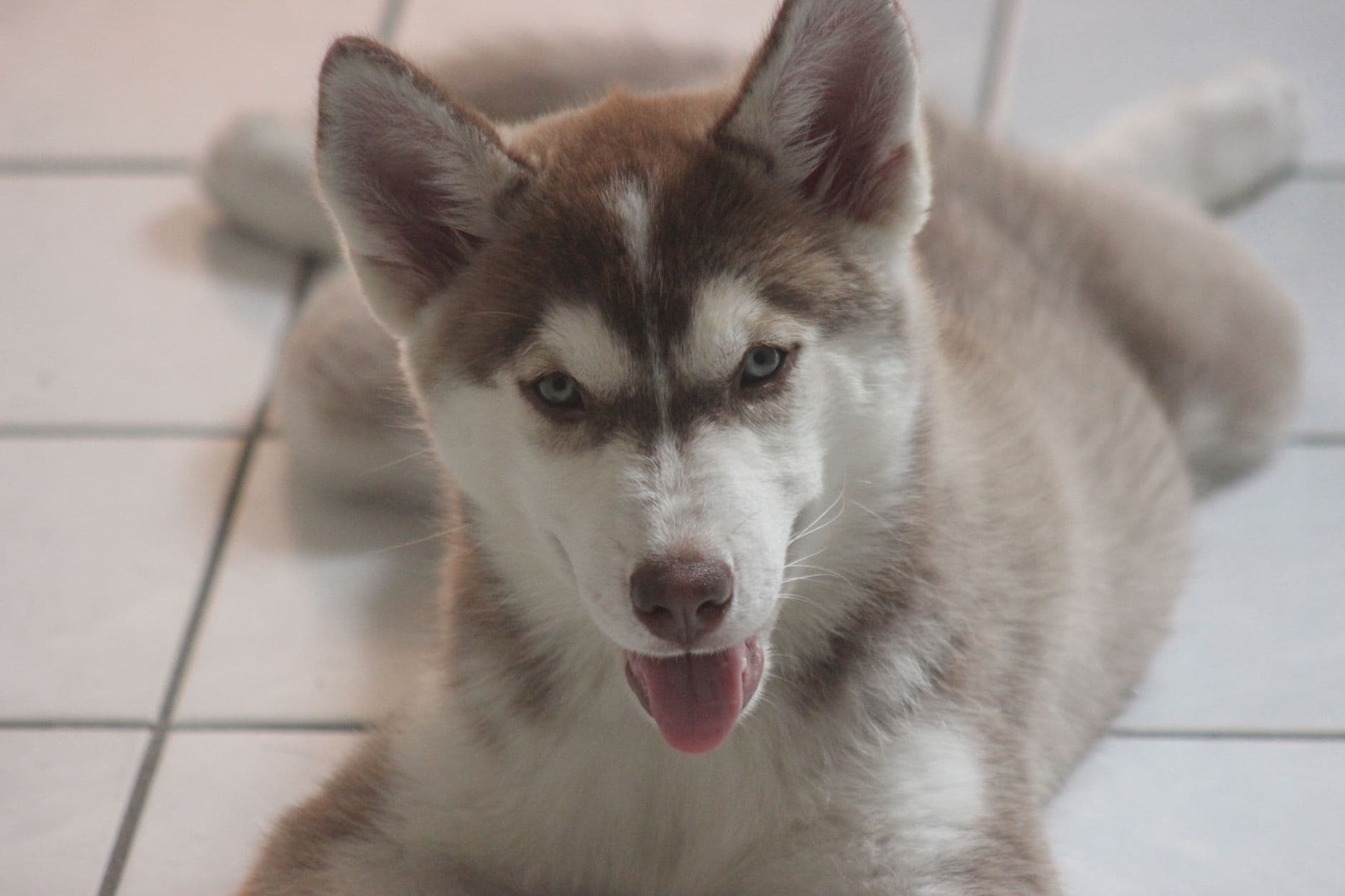
Siberian Husky Care Guide
Siberian Husky Overview: The Arctic Sled Dog That Rewrites Escape Artistry The Siberian Husky is one of the oldest and most genetically distinct dog breeds in existence. DNA analysis places Huskies am
In This Guide
Overview
Siberian Husky Overview: The Arctic Sled Dog That Rewrites Escape Artistry
The Siberian Husky is one of the oldest and most genetically distinct dog breeds in existence. DNA analysis places Huskies among the breeds most closely related to the ancestral wolf populations of Siberia, a lineage shaped over 3,000 years by the Chukchi people of northeastern Siberia. The Chukchi bred Huskies to accomplish something that seems biologically improbable: run 100 or more miles per day in temperatures reaching minus 60 degrees Fahrenheit, subsisting on a fraction of the caloric intake that should be physiologically necessary.
This metabolic efficiency is not just interesting trivia — it is one of the most important facts a Husky owner needs to understand. Huskies evolved to do more with less. They eat less food than dogs of comparable size, tolerate cold with a coat that functions as a thermal regulation system, and draw energy from fat reserves with unusual efficiency. Researchers studying sled dogs during the Iditarod discovered that elite Huskies can maintain aerobic capacity for days by dynamically regulating their fat metabolism in ways no other animal studied has demonstrated.
The breed entered mainstream Western consciousness through the 1925 diphtheria serum run to Nome, Alaska — a relay of 150 sled dogs and 20 mushers covering 674 miles in 5.5 days through blizzard conditions to deliver life-saving medicine to a town cut off by ice and storm. Balto, the lead dog on the final leg, became internationally famous. Togo, who ran the longest and arguably most treacherous leg of the relay (261 miles), was recognized by sled dog historians as the more exceptional dog, though Balto received the monument in Central Park.
Today's Siberian Husky is bred primarily as a companion and sport dog, but the working drives remain fully intact. Huskies are escape artists of extraordinary capability — they can scale 6-foot fences, dig under barriers, manipulate gate latches, and locate structural weaknesses in enclosures that no other dog would notice. This is not stubbornness. It is the expression of a breed that was built to cover enormous distances and has a low threshold for containment.
Huskies are famously vocal, but not in the way most people expect. They rarely bark. Instead, they howl — long, melodic, wolf-like vocalizations that carry for miles. They also "talk" in a distinctive chattering, mumbling vocalization that owners find charming and neighbors sometimes do not. If you live in an apartment or close-quarters housing, this is a serious practical consideration.
The Siberian Husky's eye color genetics are among the most varied of any breed. Eyes can be brown, blue, green, or heterochromatic (one blue, one brown). Parti-colored eyes (a single eye with two colors) also occur. Blue eyes in Huskies are strongly associated with a duplication on chromosome 18 near the ALX4 gene, though the eye colour also occurs without it — a different mechanism than the merle gene that causes blue eyes in other breeds.
For the right owner — active, patient, experienced, with secure outdoor space — the Siberian Husky is a breathtaking companion with a playful, affectionate temperament and near-boundless energy. For an owner expecting a compliant, easy-to-contain dog, the Husky is a mismatch with real safety consequences. Huskies that escape are at high risk of being hit by vehicles. They should never be exercised off-leash in an unfenced area, regardless of how reliable their recall appears.
Daily Care
Daily Care for Siberian Huskies
Owning a Siberian Husky requires infrastructure — a securely fenced yard (6 feet minimum, with a dig-guard barrier along the fence line), a contained exercise plan, and a household schedule that accommodates genuine activity needs.
Morning Exercise (60-90 minutes): A vigorous run, off-leash play in a double-gated secure area, or bikejoring/canicross session. Huskies were built to run, and slow-paced leash walks are not adequate primary exercise. Many Husky owners cycle or inline skate with their dogs to achieve the speed the breed requires.
Enclosure Security: Before leaving a Husky in any outdoor area, perform a perimeter inspection. Huskies probe fences methodically. Check for loosened posts, gaps at ground level, and any objects leaning against the fence that could serve as a climbing platform. A roller bar along the top of a fence makes climbing out much harder.
Mental Stimulation: Huskies are intelligent but not Border Collie-level obedience performers. They are independent thinkers — bred to make decisions without handler direction while running 50 miles from the nearest human. Mental stimulation through puzzle feeders, scent work, and novel environmental exposure (new trails, new parks) is more effective than repetitive obedience drills.
Companion Needs: Huskies are pack animals and do not thrive in isolation. A second dog, a work-from-home owner, or doggy daycare provides the social contact they need. A Husky left alone for 8 hours daily in a small space will howl, dig, and destroy.
Temperature Management: Huskies can overheat quickly in warm weather; judge by the dog and the conditions rather than a single temperature threshold. Exercise in early morning or evening during warm months. Always provide shade and fresh water. Never shave the double coat — it insulates against heat as well as cold.
Nutrition
Nutrition for Siberian Huskies
The Husky's unique metabolic efficiency means overfeeding is a more common mistake than underfeeding. A 50-pound Husky may thrive on noticeably less food than a 50-pound Labrador.
Caloric Requirements: A moderately active adult Husky typically requires 1,100 to 1,400 kcal per day. Sled dogs in heavy work may require 10,000 kcal or more daily — context matters enormously. Use body condition scoring (you should be able to feel ribs, with a visible waist tuck) rather than manufacturer guidelines as your primary calibration tool.
Protein and Fat Profile: Huskies evolved on a diet rich in animal fat and protein from fish, seal, and other Arctic protein sources. Modern diets should reflect this — look for 24 to 30 percent protein and 16 to 20 percent fat from named animal sources. Grain-inclusive or grain-free both work; the key is ingredient quality, not grain status.
Zinc Absorption: Siberian Huskies have a documented susceptibility to zinc-responsive dermatosis — a condition where the skin becomes scaly and crusted despite adequate dietary zinc. Some Huskies require zinc supplementation beyond what standard kibble provides. If you notice skin and coat changes despite a quality diet, zinc levels are worth investigating with your veterinarian.
Meal Frequency: Feed adults twice daily. Do not free-feed Huskies — they will occasionally gorge and then fast on their own schedule, which makes monitoring food intake difficult and body weight harder to manage.
Puppy Feeding: The AKC standard describes a medium-sized working dog, so match the food to that rather than to a large-breed formula, supporting joint development without promoting excessive growth speed. Huskies are fully grown at 12 to 18 months.
Hydration: Huskies exercising heavily in warm conditions can dehydrate quickly. Ensure constant access to fresh water, and carry water on long exercise sessions.
Exercise
Exercise Requirements for Siberian Huskies
The Siberian Husky requires 2 or more hours of vigorous exercise daily. Unlike some working breeds, the Husky's exercise need does not diminish significantly with age until the senior years.
- Canicross/Bikejoring: Harnessing a Husky to a runner or cyclist for joring is the gold standard. It mimics mushing and allows the dog to pull at speed, which is instinctively satisfying.
- Mushing and Skijoring: If you live in a region with snow, these sports fulfill the Husky's deepest instincts. Even small recreational setups with 1 to 2 dogs and a sled or skis provide extraordinary enrichment.
- Hiking: Long off-trail hikes in varied terrain are excellent. Note that off-leash hiking is only appropriate in remote, fenced, or extraordinarily reliable recall conditions — which most Huskies do not have.
- Swimming: Many Huskies enjoy water, though not all. Swimming is a low-impact option for older dogs or those with joint issues.
- Dog Parks: A double-gated dog park with adequate space can work, but monitor carefully. Huskies have a high prey drive and may not coexist safely with small dogs they do not know.
The Off-Leash Rule: A Husky should never be walked off-leash in an unfenced area. This is not about training quality — it is a breed reality. The prey drive and independent nature of the Husky means that even a well-trained dog may bolt in pursuit of a squirrel, deer, or interesting smell. The risk of vehicle collision is too high to gamble with recall.
Puppy Exercise: Keep sessions shorter (30 to 45 minutes) until 12 months. Growth plate stress is a real concern in rapidly developing large-breed puppies.
Grooming
Grooming a Siberian Husky
The Siberian Husky's double coat is a thermal management system of impressive engineering. The dense, soft undercoat is built for cold. The longer, coarser guard hairs repel moisture and debris. Together, they make the Husky remarkably self-cleaning — but they also shed enough fur to stuff a mattress twice a year.
Coat Blowing: Huskies "blow their coat" — undergo a massive seasonal shed — twice per year, typically in spring and autumn. For 3 to 6 weeks, the undercoat comes out in clumps that can be pulled out by hand. During this period, daily brushing with an undercoat rake or de-shedding tool is essential. Without it, the dead coat mats and traps moisture against the skin.
Year-Round Brushing: Outside of coat blow season, brush 2 to 3 times per week with a slicker brush and follow with a stainless steel comb. Pay attention to the areas behind the ears, around the collar, and in the armpits where matting develops first.
Bathing: Huskies are famously self-grooming and rarely need baths more than 3 to 4 times per year. Their coat repels dirt effectively. When you do bathe, use a high-velocity dryer afterward — the undercoat traps water and takes hours to dry without assistance, which can cause skin issues.
Never Shave a Husky: The double coat must not be shaved. It does not grow back correctly and loses its insulating properties. This applies in summer too, but for reasons that are actually documented rather than the often-quoted cooling claim: the AKC's health guidance warns that a clipped coat exposes skin to sunburn and that the undercoat can regrow faster than the guard hairs, crowding them out and risking follicle damage. Whether the coat keeps a dog cooler is asserted more often than it is demonstrated.
Nails: Trim every 3 to 4 weeks. Active Huskies wear nails more than sedentary dogs but rarely enough to skip monthly checks.
Ears and Teeth: Weekly ear checks and 2 to 3 times weekly teeth brushing are standard maintenance. Huskies generally have good ear health given their erect ear structure.
Health
Siberian Husky Health: Breed-Specific Conditions
Siberian Huskies are a generally robust breed with a lifespan of 12 to 14 years, but several hereditary conditions warrant attention from prospective owners.
- Progressive Retinal Atrophy (PRA): A degenerative disease causing gradual vision loss leading to blindness. There is no validated DNA test for progressive retinal atrophy in this breed — the Siberian Husky Club of Great Britain's breed health plan reports that the candidate-gene search found no disease-causing mutation. Eye screening is done by examination, not by a panel. Reputable breeders test breeding stock.
- Corneal Dystrophy: Deposits of lipids or minerals in the cornea, often appearing as a cloudiness or crystalline opacity. Typically does not cause significant vision loss but should be monitored.
- Juvenile Cataracts: Cataracts appearing before age 6, in contrast to the age-related cataracts common in all breeds. Hereditary in Huskies. CAER eye exams by a board-certified veterinary ophthalmologist are recommended annually for breeding dogs.
Hip Dysplasia: Moderate prevalence in the breed. OFA or PennHIP evaluation of breeding stock is standard in responsible breeding programs.
Hypothyroidism: Huskies have a higher rate of hypothyroidism than many breeds. Symptoms include weight gain, lethargy, coat changes, and cold intolerance. Manageable with daily oral supplementation once diagnosed.
Zinc-Responsive Dermatosis: As noted in the Nutrition section, some Huskies cannot absorb dietary zinc adequately, leading to skin and coat changes. Responding well to zinc supplementation.
Autoimmune Conditions: Huskies appear predisposed to certain autoimmune skin and eye disorders, including uveodermatologic syndrome (VKH-like syndrome), which simultaneously affects skin pigmentation and eye health.
Recommended Screenings: Annual CAER eye exam, OFA hip evaluation, thyroid panel at age 4 to 6 and again at age 8. Note that the breed's priority eye conditions are goniodysgenesis/primary glaucoma and hereditary cataract, screened by a panellist eye examination rather than by DNA.
Costs
Cost of Owning a Siberian Husky
Siberian Huskies are a moderately expensive breed to own, with costs driven primarily by their exercise needs, grooming demands during coat blow seasons, and veterinary attention to hereditary eye conditions.
Acquisition Cost: Reputable breeders charge $800 to $1,500 for health-tested puppies. Rescue Huskies are widely available through Siberian Husky rescue networks — this breed is frequently surrendered by owners who underestimated its needs.
Food: Huskies eat less than expected for their size. Budget $50 to $90 per month for a quality kibble or raw diet.
Veterinary Care: $400 to $700 annually for routine wellness. CAER eye exams add $50 to $100 per exam if not covered under a standard wellness visit. Eye surgery for cataracts, if pursued, can cost $1,500 to $4,000.
Pet Insurance: Monthly premiums of $35 to $80 are advisable given the hereditary eye conditions. Enroll before any diagnosis.
Containment Infrastructure: A proper 6-foot fence with dig-guard and double-gate entry is essential. Fence installation costs $3,000 to $8,000 depending on yard size and material. This is a one-time cost but a real one.
Grooming: Professional deshedding treatments during coat blow ($60 to $100 per session, twice per year) are useful but optional with a committed home grooming routine. Home tools (undercoat rake, slicker brush, high-velocity dryer) cost $150 to $300 upfront.
Sport and Activity: Canicross equipment (harness, bungee line, hip belt) costs $100 to $200. Mushing or skijoring setups range from $300 to $2,000+ depending on involvement level.
Total Annual Cost Estimate: $2,000 to $4,500 for a healthy adult Husky with appropriate care.
Frequently Asked Questions
Are Huskies part wolf, and do I need to be the pack leader?
The breed standards describe a friendly, gentle, outgoing dog with none of the guard dog's possessiveness, not a wolf in miniature. The American Veterinary Society of Animal Behavior notes dogs diverged from wolves across roughly the last 15,000 years, and that most unruly behaviour is behaviour that got rewarded rather than a bid for rank. It also reports that alpha rolls, dominance downs and staring a dog down frequently provoked aggression. Train with rewards and drop the pack-leader framing entirely.
The groomer offered to shave my Husky down for summer. Should I say yes?
No. The American Kennel Club's breed standard treats trimming anywhere beyond the whiskers and feet as a serious fault, and its health guidance warns that clipping exposes skin to sunburn and lets the undercoat regrow faster than the guard hairs, leaving a patchy coat and possible follicle damage. The cooling benefit owners expect is asserted rather than demonstrated. Book a deshedding session instead and leave the coat on the dog.
A breeder sent me a DNA health panel. Does it cover the eye problems Huskies actually get?
Not the ones that matter most. The breed's health and conservation plan lists Huskies under known inherited ocular disease for goniodysgenesis with primary glaucoma, and for hereditary cataract; the candidate-gene study it cites found no disease-causing mutation for the breed's retinal atrophy. Both listed conditions are caught by a clinical eye examination with gonioscopy, performed by an appointed panellist within twelve months before mating. Ask for that certificate, not a panel printout.
My Husky has crusty, scaly patches around his muzzle and eyes, and better food has not fixed them. What is this?
Have it biopsied before you change the food again. Zinc-responsive dermatosis is tightly linked to this breed: a case review of forty-one dogs found thirty-one of them were Huskies, and it was the most frequently reported specific condition in a Kennel Club breed survey. In the northern-breed form the diet is already adequate and the gut absorbs zinc poorly, so richer food will not resolve it. Diagnosis needs a skin biopsy and management is usually lifelong and vet-directed.
My Husky's eye has gone cloudy and he is squinting and rubbing at it. Can it wait until Monday?
No. Treat it as same-day urgent. Glaucoma heads the list of concerns the breed's own health coordinator reports, and the breed health plan describes pressure building inside the eye until it damages tissue, causing pain and blindness. Huskies also present with cataracts far younger than other breeds, at a mean of roughly three and a half years against nine and a half. Neither is a wait-and-see problem, so phone your vet today.
Sources
This guide draws on the following published references. Each opens in a new tab so you can check it against what you have read here.
American Kennel Club
Siberian Husky — breed standard and profile(opens in a new tab)American Kennel Club
Official Standard of the Siberian Husky(opens in a new tab)The Royal Kennel Club
Siberian Husky Breed Standard(opens in a new tab)Siberian Husky Club of Great Britain
Breed Health and Conservation Plan: Siberian Husky(opens in a new tab)The Royal Kennel Club
Eye screening scheme(opens in a new tab)American Kennel Club
Is It OK to Shave Your Dog's Coat in Summer?(opens in a new tab)ASPCA
General Dog Care(opens in a new tab)American Veterinary Society of Animal Behavior
Position Statement on the Use of Dominance Theory in Behavior Modification of Animals(opens in a new tab)Merck Veterinary Manual
Routine Health Care of Dogs(opens in a new tab)VCA Animal Hospitals
Zinc-Responsive Dermatosis in Dogs(opens in a new tab)Merck Veterinary Manual
Cutaneous Manifestations of Multisystemic and Metabolic Defects in Animals(opens in a new tab)
Affiliate disclosure: We may earn a commission from qualifying purchases. This doesn't affect our recommendations.
Recommended Products
Get personalized pet care tips
Join our newsletter for breed-specific advice, care guides, and expert tips delivered weekly.
No spam, ever. Unsubscribe anytime.