
Obesity in Pets: The #1 Preventable Health Problem
Not individually reviewed by a veterinarian. Read our editorial standards.
Last updated:
- Over 50% of dogs and cats in the US are overweight or obese
- Excess weight reduces lifespan by an average of 2 years in dogs
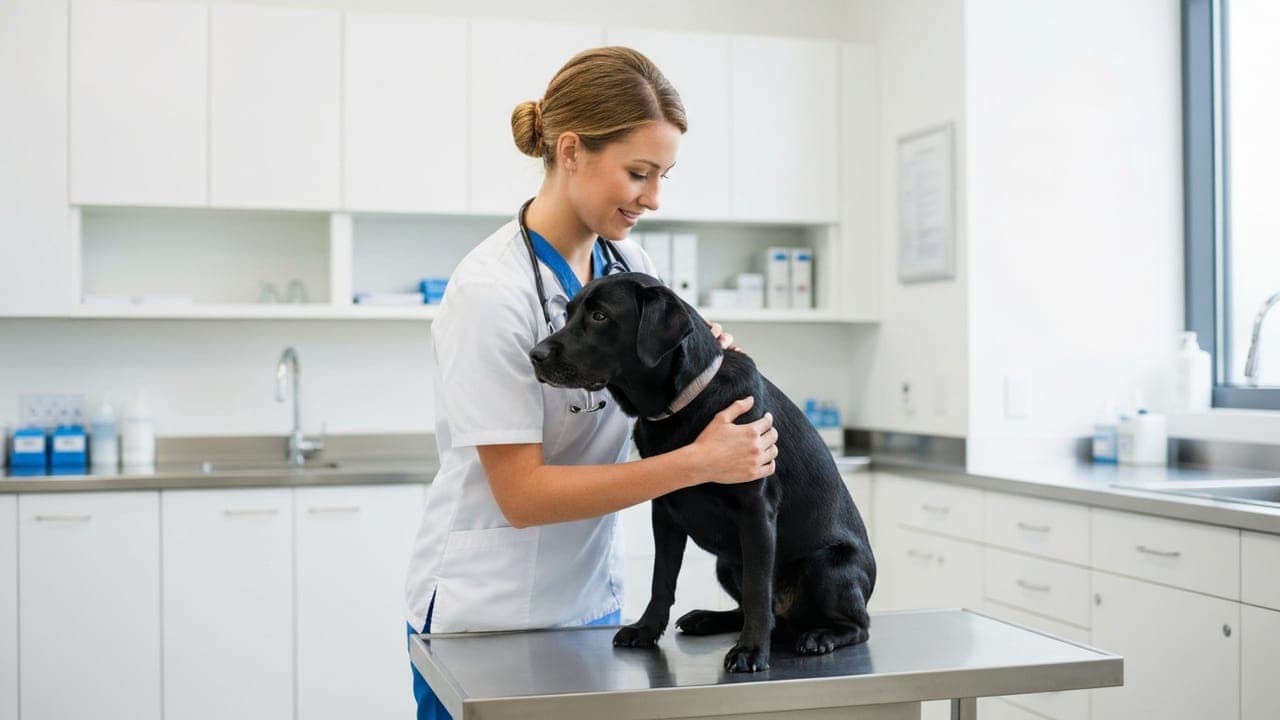
- You should be able to feel your pet's ribs with light pressure — if you can't, they're overweight
- Reduce portions by 10-15% and increase exercise gradually for safe weight loss
- Cats need weight loss supervised by a vet — rapid loss causes fatty liver disease
If your vet has mentioned that your pet needs to lose a few pounds, you might feel embarrassed or defensive — but you're actually in good company. Over half of all pets in the United States are overweight or obese. More importantly, you've been told early enough to make a real difference in your pet's health and lifespan.
How Big Is the Obesity Problem?
The Association for Pet Obesity Prevention estimates that approximately 59% of dogs and 61% of cats in the US are overweight or obese. That's over 100 million pets carrying excess weight.
Perhaps more alarming: most owners of overweight pets don't recognize the problem. Studies show that owners consistently underestimate their pet's body condition, and "normal" has shifted as heavier pets become the norm.
Why Pet Obesity Matters
Extra weight isn't just cosmetic. It's a medical condition with serious consequences:
Joint disease — every extra pound increases the mechanical load on joints. Overweight dogs are significantly more likely to develop arthritis, torn cruciate ligaments, and intervertebral disc disease.
Diabetes — obese cats are up to 4 times more likely to develop diabetes. In dogs, obesity increases diabetes risk and makes blood sugar harder to control.
Reduced lifespan — a landmark study of Labrador Retrievers showed that lean-fed dogs lived an average of 1.8 years longer than their overweight siblings. That's significant — nearly 15% of a Lab's typical lifespan.
Respiratory compromise — extra weight around the chest and abdomen makes breathing harder, especially in brachycephalic breeds that already have compromised airways.
Cancer risk — studies link obesity to increased risk of certain cancers in both dogs and cats.
Reduced quality of life — overweight pets play less, move less, and interact less. Owners often attribute this to "just getting older" when weight loss alone could restore their pet's energy.
Other health impacts:
- Heat intolerance
- Higher anesthetic risk
- Skin fold infections
- Urinary disorders
- Liver disease (hepatic lipidosis in cats — can be fatal)
How to Assess Your Pet's Body Condition
Veterinarians use a Body Condition Score (BCS) on a 1-9 scale:
| Score | Condition | Signs |
|---|---|---|
| 1-3 | Underweight | Ribs, spine, hip bones clearly visible. Little body fat. |
| 4-5 | Ideal | Ribs felt but not visible. Visible waist from above. Abdominal tuck from the side. |
| 6-7 | Overweight | Ribs difficult to feel under fat. Waist barely visible or absent. Belly rounded. |
| 8-9 | Obese | Ribs can't be felt. No visible waist. Belly distended. Fat deposits on neck, limbs, tail base. |
The rib check: Place your hands on your pet's sides. You should be able to feel individual ribs with light pressure — similar to feeling the back of your hand. If you have to press firmly to find ribs, your pet is overweight.
The waist check: Look at your pet from above. You should see a visible narrowing behind the ribs (a waist). From the side, the abdomen should tuck up behind the rib cage.
Breed matters. Beagles are famously food-driven and prone to weight gain. British Shorthairs tend to gain weight, especially after neutering.
Why Pets Gain Weight
The equation is simple: calories in exceed calories out. But the causes are often more nuanced:
Overfeeding — the most common cause. Feeding guidelines on pet food bags are often generous. Treats, table scraps, and dental chews add up quickly.
Lack of exercise — indoor cats and sedentary dogs don't burn enough calories.
Neutering/spaying — reduces metabolic rate by approximately 25-30%. Most pets need fewer calories after the procedure, but feeding amounts often stay the same.
Free-feeding — leaving food available all day (especially dry food for cats) makes it impossible to monitor intake.
Breed predisposition — some breeds gain weight more: Labs, Beagles, Pugs, Basset Hounds, Cocker Spaniels (dogs); British Shorthairs, Persians, domestic shorthairs (cats).
Medical conditions — hypothyroidism (dogs), Cushing's disease, and certain medications can promote weight gain. Your vet can rule these out with blood work.
Creating a Safe Weight Loss Plan
Step 1: Get a vet assessment
Before starting any diet, visit your vet. They'll determine your pet's ideal weight, rule out medical causes of weight gain, and calculate a safe caloric target.
Step 2: Calculate daily calories
Your vet will calculate your pet's resting energy requirement (RER) and set a target for gradual weight loss — typically 1-2% of body weight per week for dogs and 0.5-1% for cats. Faster weight loss is dangerous, especially in cats (risk of hepatic lipidosis).
Step 3: Measure everything
Use a kitchen scale or measuring cup for every meal. Eyeballing portions is the leading reason diets fail. Account for ALL food — treats should comprise no more than 10% of daily calories.
Step 4: Choose the right food
- Veterinary weight-loss diets are formulated to be lower in calories while maintaining satiety and nutritional completeness
- Higher protein, lower carb formulas help preserve muscle mass during weight loss
- Wet food can help with satiety because of its water content and volume
For cat nutrition specifics, see our guide on what to feed your cat.
Step 5: Rethink treats
- Replace calorie-dense treats with baby carrots, green beans, or small pieces of lean meat for dogs
- Use interactive feeders instead of treat rewards for cats
- If treats are important to your routine, subtract treat calories from the meal portion
Exercise Tips for Dogs
- Start slowly — if your dog is currently sedentary, begin with 10-15 minute walks twice daily
- Gradually increase duration and pace over weeks
- Swimming is excellent for overweight dogs with joint issues
- Puzzle feeders and sniff walks provide mental exercise without joint stress
- Aim for 30-60 minutes of activity daily (adjusted for breed, age, and condition)
Exercise Tips for Cats
- Interactive wand toys — 15-20 minutes twice daily
- Laser pointers (always end with a physical toy to "catch")
- Cat trees and vertical spaces that encourage climbing
- Puzzle feeders that make meals an activity
- Rotate toys to maintain interest
- Consider a cat wheel for active cats
Monitoring Progress
- Weigh monthly at the vet or use a baby scale at home for cats and small dogs
- Body condition score every 2-4 weeks
- Adjust calories as weight decreases (metabolic needs change as your pet gets smaller)
- Celebrate milestones — even 5-10% weight loss produces measurable health benefits
How Long Should Weight Loss Take?
Safe weight loss targets:
- Dogs: 1-2% body weight per week. A 75-pound dog losing to 65 pounds would take approximately 10-20 weeks.
- Cats: 0.5-1% per week. A 15-pound cat losing to 11 pounds would take approximately 8-16 months.
Patience is essential. Crash dieting is dangerous, especially for cats.
When to See the Vet
Contact your vet if:
- Your pet gains weight rapidly without increased food intake
- Weight loss efforts aren't working despite strict calorie control
- Your cat stops eating during a diet (hepatic lipidosis risk — seek immediate care)
- Your pet seems excessively lethargic or unwell during weight loss
The journey to a healthier weight is a marathon, not a sprint. Every pound lost adds quality and potentially quantity to your pet's life. Your vet is your best partner in this process. Browse our breed guides and cat guides for breed-specific weight management advice.
FAQ
How much should I feed my dog to lose weight?
There's no universal answer — it depends on your dog's current weight, ideal weight, activity level, and the specific food you're feeding. Your vet will calculate the right amount. As a general rule, most overweight dogs need 20-30% fewer calories than they're currently eating.
Is it safe to put a cat on a diet?
Yes, but it must be done gradually. Cats that stop eating or lose weight too quickly can develop hepatic lipidosis (fatty liver disease), which can be fatal. Never restrict a cat's food by more than 15-20% initially, and never allow a cat to go more than 24 hours without eating.
Can I just increase exercise instead of changing the diet?
Exercise alone rarely produces significant weight loss in pets. Diet control is responsible for approximately 60-70% of weight loss. Exercise supports weight loss, preserves muscle mass, and improves overall health, but calorie reduction is the primary tool.
My pet always seems hungry — how do I deal with begging?
Begging doesn't necessarily mean hunger — it's often a learned behavior. Try feeding smaller, more frequent meals. Use puzzle feeders to extend eating time. Add low-calorie bulk (green beans for dogs, water to wet food for cats). Redirect attention with play instead of treats.
Does neutering really cause weight gain?
Neutering reduces metabolic rate by 25-30%, so pets need fewer calories after the procedure. The surgery itself doesn't cause weight gain — overfeeding after neutering does. Reduce food portions by approximately 25% after neutering and monitor body condition closely.
Mr Pet Lover Team
The Mr Pet Lover team is dedicated to providing warm, accurate, and practical pet care advice backed by veterinary research and real-world experience.
Related Articles

Pancreatitis in Dogs: Causes, Diet, and Recovery
Pancreatitis strikes suddenly and can be life-threatening. Learn the warning signs, what causes it, and how to protect your dog from recurrence.
Hyperthyroidism in Cats: The Overactive Thyroid Explained
If your senior cat is losing weight but eating more than ever, hyperthyroidism may be the reason. Here's how it's diagnosed and the treatment options available.
Ear Infections in Dogs: Why They Keep Coming Back
Scratching, head shaking, and a funky smell from the ears usually mean one thing. Here's how ear infections happen and what to do about them.