
Shorthair group
British Shorthair
The British Shorthair is the sturdy, round-faced, plush-coated 'teddy bear' cat from the United Kingdom — and its defining trait is temperament, not looks: this is a calm, dignified, undemonstrative cat that loves its family on its own terms and is genuinely content alone for the workday.
Size
7-17 lb
Lifespan
12-17 years
Play
10-20 minutes
Shedding
High
Experience
Match to owner routine
Decision first
Is a British Shorthair right for you?
Start with fit before history or trivia. These are ownership signals, not guarantees about any individual cat.
Best suited for
- Households with children.
- Homes with other compatible pets.
- Apartment homes with a consistent routine.
- Owners seeking a manageable indoor routine with predictable care.
Think carefully if
- You need a cat with almost no daily routine.
- You want a very low-shedding home.
- The cat will spend most days without interaction or enrichment.
Conditional fit
Apartment fit depends on vertical space, litter setup, play, enrichment, and noise tolerance.
Daily reality
British Shorthair commitment snapshot
Daily play
10-20 minutes
Match play and enrichment to age, health, appetite, and household routine.
Coat care
Low
Grooming needs vary by coat, shedding, and lifestyle.
Social needs
Needs planning
Most cats still need predictable contact, enrichment, litter care, and monitoring.
Structured facts
British Shorthair at a glance
The measurements and traits that most affect day-to-day life with this breed.
Origin
United Kingdom
Group
Shorthair
Weight
7-17 lb
Height
11-14 in
Lifespan
12-17 years
Temperament
Affectionate | Easy Going | Gentle | Loyal | Patient | calm
View all characteristics and methodology
Lifestyle fit
- Apartment suitabilityWorks best with clean litter setup, vertical space, and daily enrichment.
- Likely fit
- Child friendliness
- Often good, with socialisation and supervision
- Other-pet fit
- Often compatible with careful introductions
- Adaptability
- Very high
Owner commitment
- Daily play
- 10-20 minutes
- Grooming
- Low
- Shedding
- High
- Indoor enrichment
- Moderate
Behavior
- Affection
- High
- Energy
- Low-moderate
- Vocalization
- Low
- Social needs
- Moderate
Environment and health
- Intelligence
- Moderate
- Health risk
- Needs planning
- Weight sensitivity
- Monitor closely
Ratings combine structured breed data, visible breed fields, and editorial context. They are planning aids, not predictions for an individual cat.
Daily life
British Shorthair temperament and behavior
The British Shorthair is the sturdy, round-faced, plush-coated 'teddy bear' cat from the United Kingdom — and its defining trait is temperament, not looks: this is a calm, dignified, undemonstrative cat that loves its family on its own terms and is genuinely content alone for the workday. For the right owner that independence is the whole appeal. For someone who wanted a cuddly lap cat, it is the most common disappointment, because most British Shorthairs tolerate being held only briefly and prefer to sit near you, not on you. This is a low-energy, low-drama, easygoing cat that plays in short bursts, rarely climbs or destroys, and adapts well to apartments and single-person households. It is patient with children and other pets without seeking constant interaction. The flip side of that placid, food-motivated nature is the breed's single biggest day-to-day problem: a strong tendency to obesity, which then drives or worsens its serious health risks. The two health facts every buyer must weigh are hypertrophic cardiomyopathy and, in lines crossed with or descended from Persians, polycystic kidney disease — neither is visible in a kitten and both are screenable in the parents. The British Shorthair is right for you if you want a calm, self-sufficient, undemanding companion for 12-17 years, you are out during the day, and you will actively manage its weight. It is the wrong cat if you want a clingy lap cat, a playful interactive cat, or a hands-on companion that wants to be carried. Buy from a breeder who cardiac-screens for HCM and DNA-tests for PKD and blood type — in this breed those screens, plus your own discipline about food, are what decide whether you get a healthy 16-year cat or an early cardiac or kidney crisis.
Affectionate | Easy Going | Gentle | Loyal | Patient | calm
Affectionate
A common British Shorthair temperament descriptor that should be interpreted alongside enrichment, handling, and household fit.
Easy Going
A common British Shorthair temperament descriptor that should be interpreted alongside enrichment, handling, and household fit.
Gentle
A common British Shorthair temperament descriptor that should be interpreted alongside enrichment, handling, and household fit.
Loyal
A common British Shorthair temperament descriptor that should be interpreted alongside enrichment, handling, and household fit.
Owner note
Temperament labels are starting points, not guarantees. Meet the individual cat and ask about behavior history whenever possible.
Care essentials
How to care for a British Shorthair
What looking after one actually involves: play, grooming, food, litter, and routine health.
ExerciseAs needed
- Calm and relaxed breed that prefers gentle play. Provide comfortable resting spots and occasional toy engagement.
GroomingAs needed
- Low-maintenance coat requiring weekly brushing. Occasional bathing as needed.
NutritionAs needed
- Feed a high-quality cat food appropriate for their age and activity level. Maintain fresh water at all times. Monitor weight to prevent obesity.
SocializationAs needed
- Enjoys human company and interaction. Can tolerate some alone time but prefers regular companionship.
Veterinary CareAs needed
- Annual wellness exams, vaccinations, dental checkups, and parasite prevention. Spay/neuter recommended if not breeding.
Health planning
British Shorthair health risks and screening
Every cat breed has individual health variation. Use this profile for planning and discuss medical decisions with a veterinarian.
Ownership cost
How much does a British Shorthair cost?
Cost figures are structured so first-year and lifetime estimates do not conflict with the underlying line items.
| Acquisition | $800-$3,000 |
|---|---|
| Routine monthly | About $75/month |
| Routine annual | About $900/year |
| First-year estimate | $1,700-$3,900 |
| Lifetime routine estimate | $10,800-$15,300 routine costs |
Currency: USD. Region: United States. Typical ranges for this breed. Equipment, insurance, emergency veterinary care, boarding and training are NOT included: we hold no sourced figures for them, and estimating them would be a guess presented as data.
Responsible ownership
Finding a British Shorthair responsibly
What to ask a breeder or rescue is the same conversation for every breed, so we keep it in one place and keep it current.
Health documentation, meeting the parents or foster, contracts and return support, and the warning signs worth walking away from.
Original purpose
British Shorthair history
History is useful when it explains today's behavior, coat, exercise needs, and training style.
Read the breed history
The British Shorthair is one of the oldest English cat breeds, descended from sturdy domestic working cats — Roman-introduced ratters that became the everyday farm, street, and home cat of Britain, selected by survival for hardiness, a dense weatherproof coat, and a calm, low-maintenance disposition rather than for looks. In the late 1800s these common 'British' cats were deliberately formalized into a show breed; they were among the very first cats exhibited at the pioneering 1871 Crystal Palace cat show. The World Wars devastated the breed's numbers, and recovery involved outcrossing to other breeds, notably the Persian — which is the direct historical reason polycystic kidney disease entered some British Shorthair lines and why PKD DNA-testing of breeding cats matters today. Its origin as an unfussy, self-reliant working cat rather than a bred-for-cuddling companion explains the modern breed precisely: the placid independence, the tolerance of being alone, the robust constitution, the low grooming needs, and the reserve about being held are all the legacy of a cat that earned its keep on its own and was prized for being undemanding.
Gallery
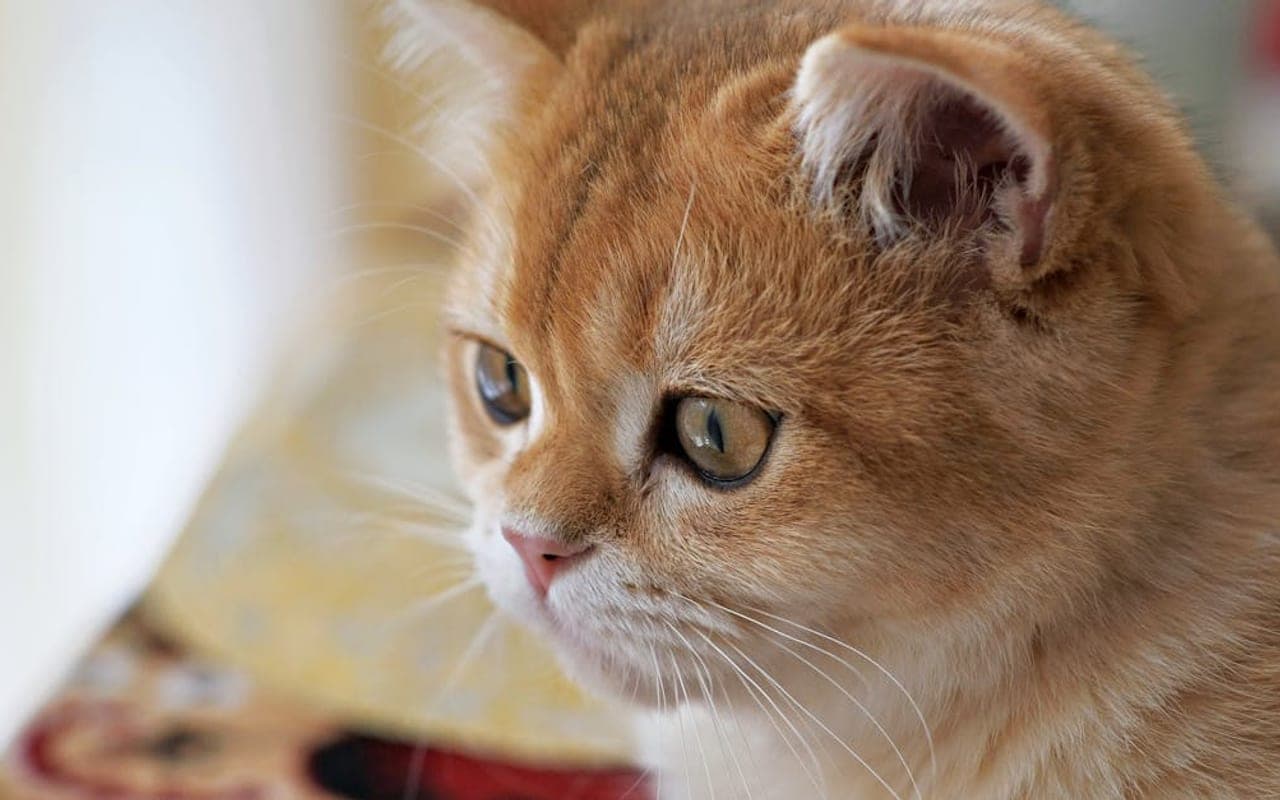
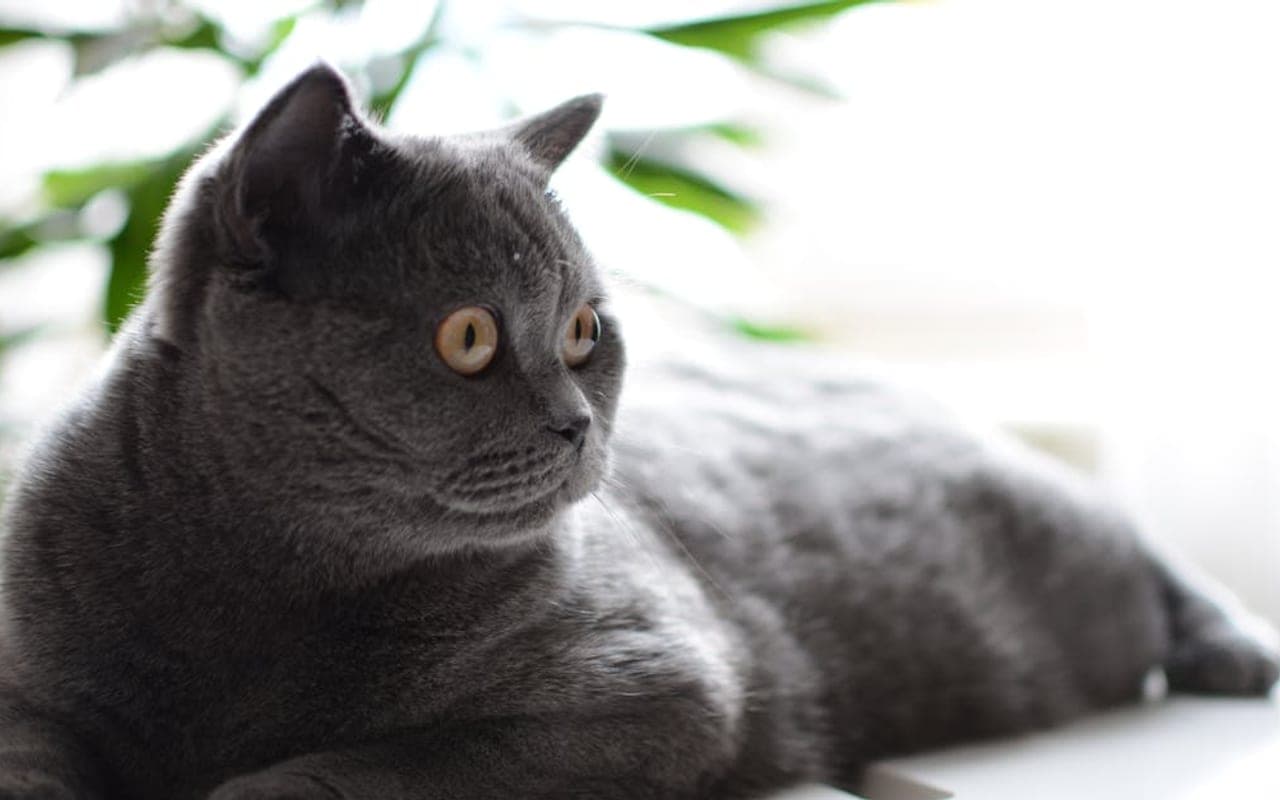
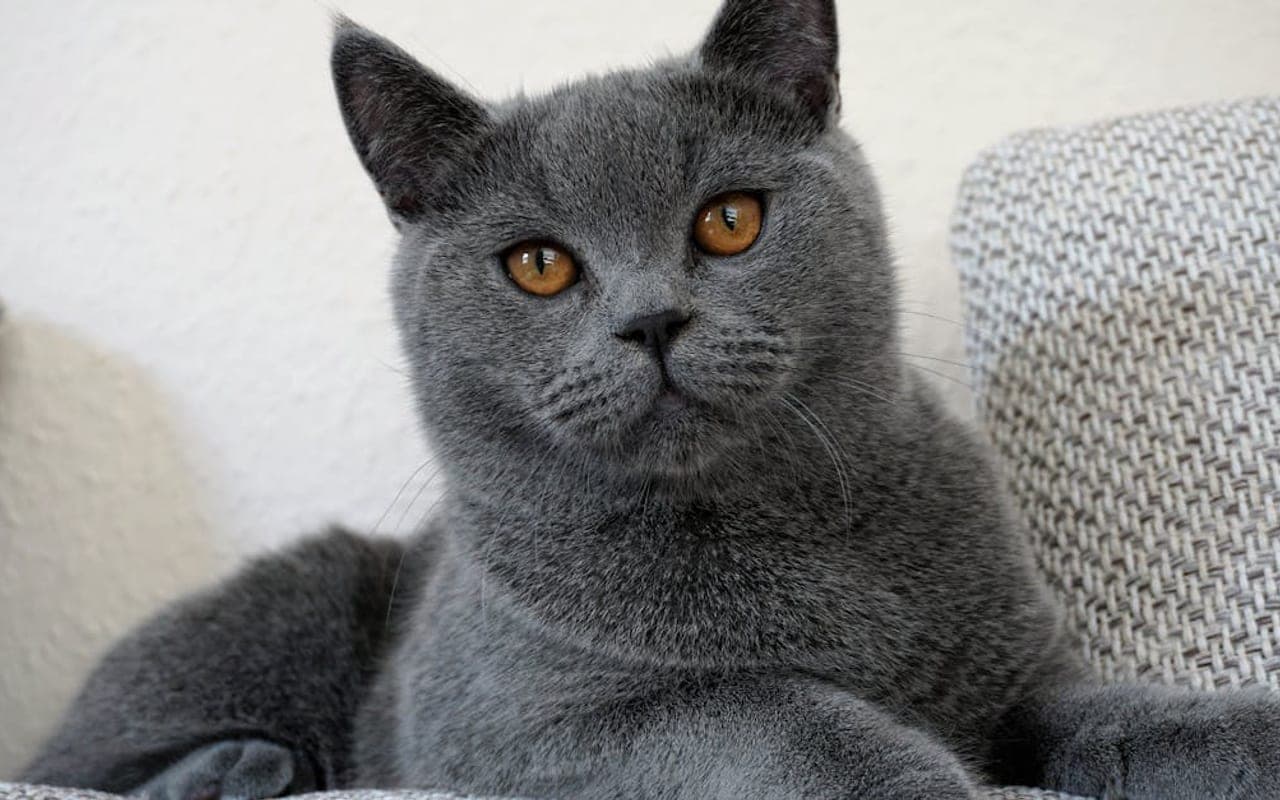
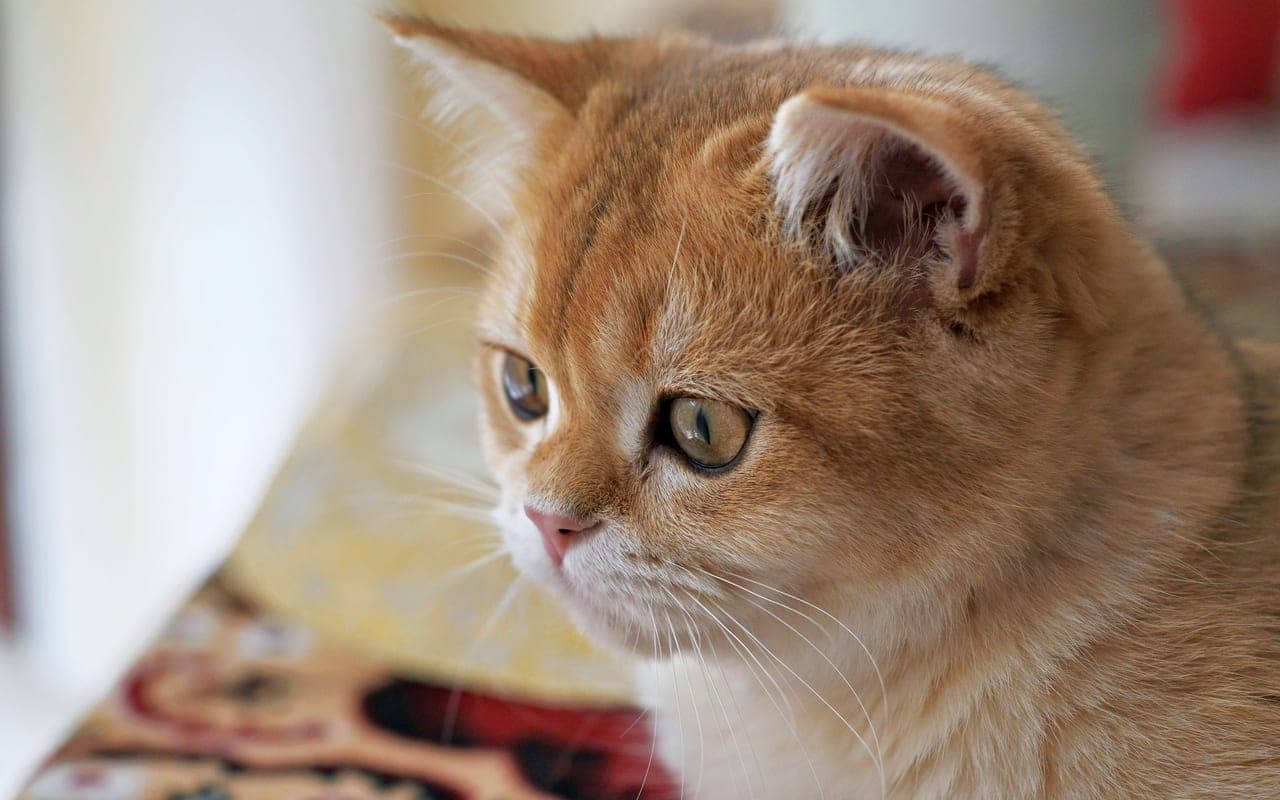
British Shorthair photos
Images are cropped consistently and loaded progressively to keep the page responsive.
Lower-page context
British Shorthair cats in culture
Where the breed shows up in film, sport, work and folklore — the enjoyable part, once the practical questions are answered.
Fun facts
- The British Shorthair originated in United Kingdom.
- The British Shorthair is a natural breed that developed without human selective breeding.
- The British Shorthair is a true lap cat that loves to curl up with their owners.
- British Shorthair cats are exceptionally dog-friendly and can live harmoniously with canine companions.
British Shorthair FAQs
How long do British Shorthairs live?
Typically 12-17 years, making it one of the longer-lived cat breeds when well managed. The two factors most likely to cut that short are hypertrophic cardiomyopathy and, in Persian-influenced lines, polycystic kidney disease — plus the obesity that worsens both. Lifespan here is largely decided by two things you control: buying from a breeder who cardiac-screens and PKD-tests, and keeping the cat lean for its whole life.
Are British Shorthairs affectionate and good lap cats?
They are affectionate but on their own terms, and they are usually not lap cats — this is the most common buyer mismatch. A British Shorthair typically loves its family, follows you between rooms, and sits near you, but most tolerate being picked up or held only briefly and dislike being clutched. If you specifically want a cat that curls up on you for hours, choose a more contact-seeking breed; if you want calm companionship without neediness, this breed excels.
Are British Shorthairs good with children and busy households?
Yes — their calm, patient, unflappable temperament suits families and they generally accept respectful children and other pets without stress. They are also one of the better breeds for people who work, because they genuinely tolerate being alone during the day rather than developing separation distress. Still provide a second pet or enrichment for very long absences and teach children that this is a stroke-and-watch cat, not a carry-around one.
How much grooming does a British Shorthair need?
Very little. The dense plush coat has no long fur to mat, so a weekly comb suffices most of the year, increasing to 2-3 times a week during the twice-yearly seasonal shed. No professional grooming or trimming is required. The realistic ongoing 'maintenance' for this breed is not coat care at all — it is portion control and weight monitoring, which take more discipline than the brushing ever will.
How much does a British Shorthair cost to own?
A health-screened pedigree kitten typically runs $1,000-$2,500 (popular colors like blue command the top of that); rescue is far less. Ongoing costs are modest at about $1,000-$2,000 a year because grooming is minimal. The hidden costs are cardiac and renal: HCM diagnostics and lifelong heart medication, or PKD management, can each add $1,000-$3,000+, which is why buying from screened lines and considering pet insurance early is the financially rational approach.
Why are British Shorthairs prone to obesity and why does it matter so much?
They are calm, food-motivated, and naturally low-activity, so given free-fed food and no encouragement to play they reliably gain weight — it is close to the default outcome of the breed's temperament. It matters because obesity is not just cosmetic here: it directly worsens the breed's hypertrophic cardiomyopathy risk and adds joint strain. Manage it with two measured meals (never free-feeding), monthly weigh-ins, and 15-20 minutes of daily play you initiate, since the cat will not self-exercise.
Sources
These are the published sources this page draws on. Each opens in a new tab so you can check it yourself.
Cat Fanciers' Association
British Shorthair — breed standard and profile(opens in a new tab)Supports: Breed standard and recognition details.
Similar breeds to consider
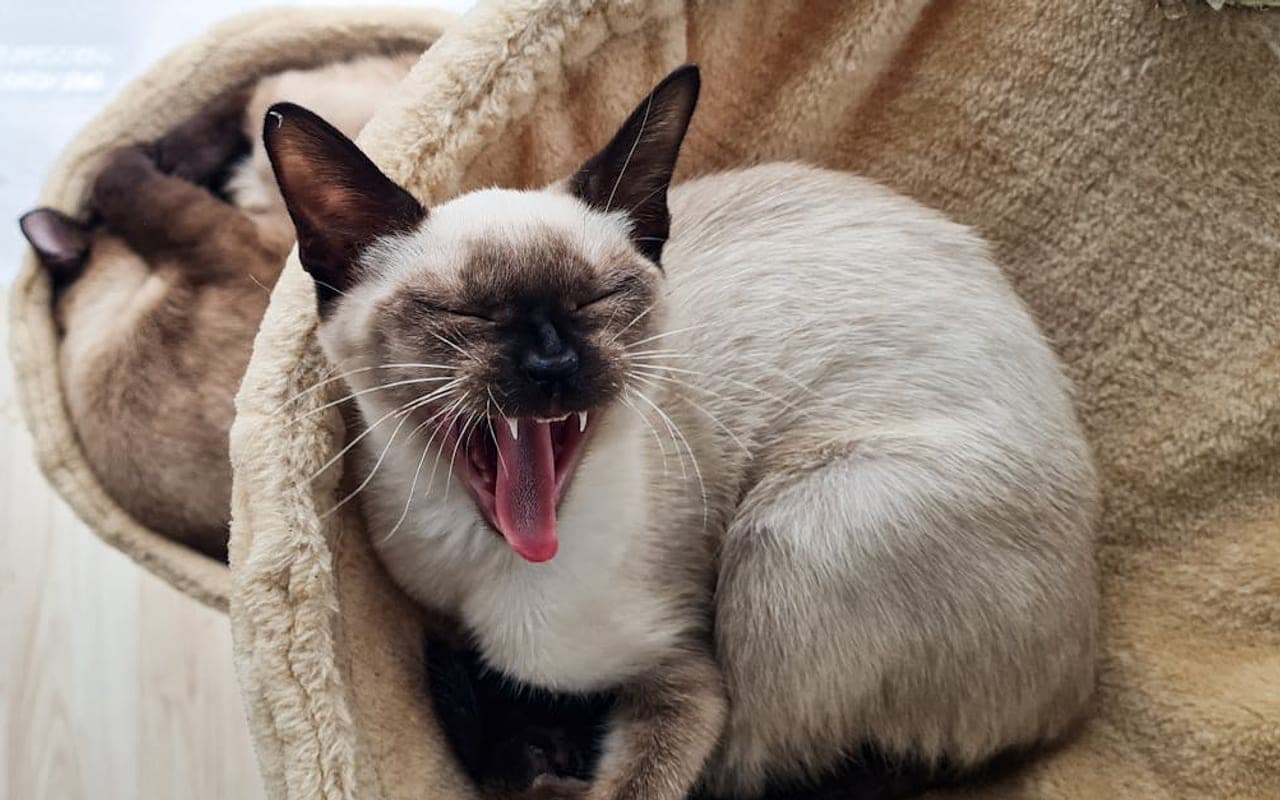
Siamese
Also in the Shorthair group, with different care and temperament tradeoffs.
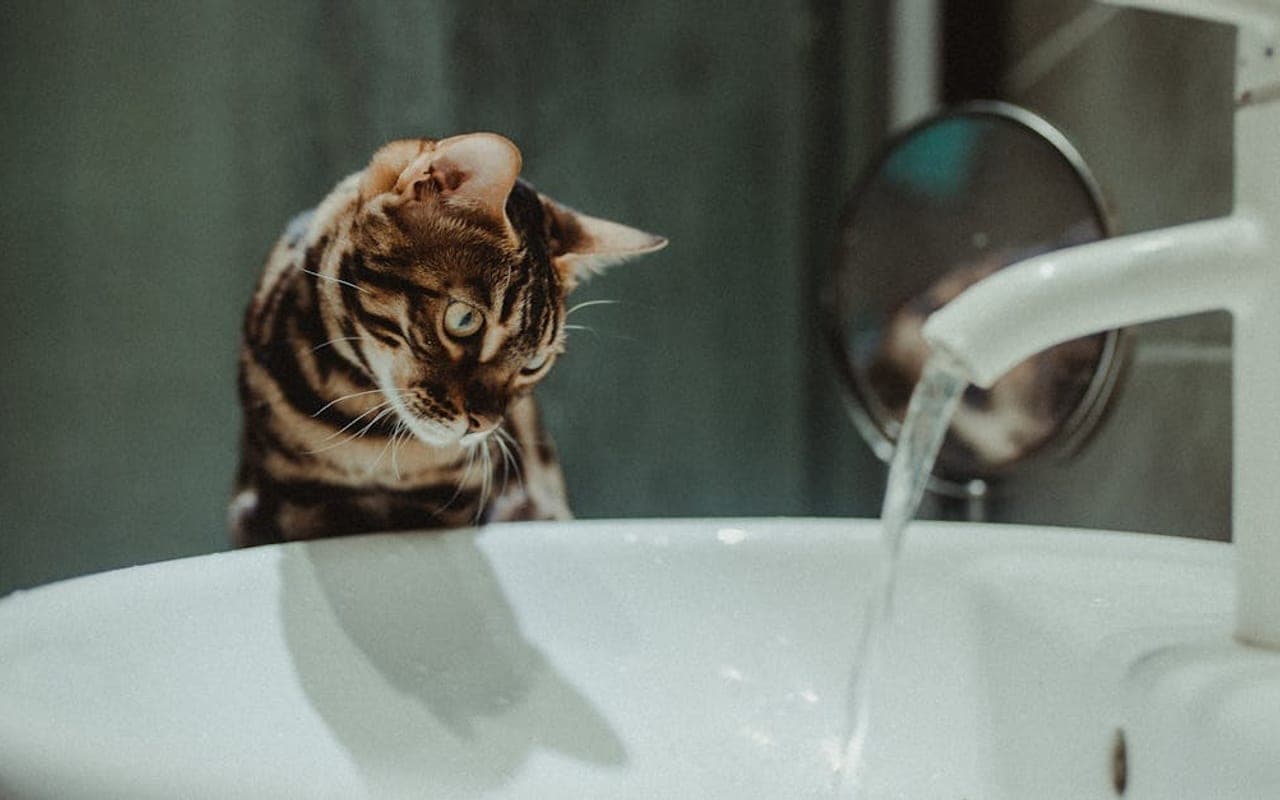
Bengal
Also in the Shorthair group, with different care and temperament tradeoffs.
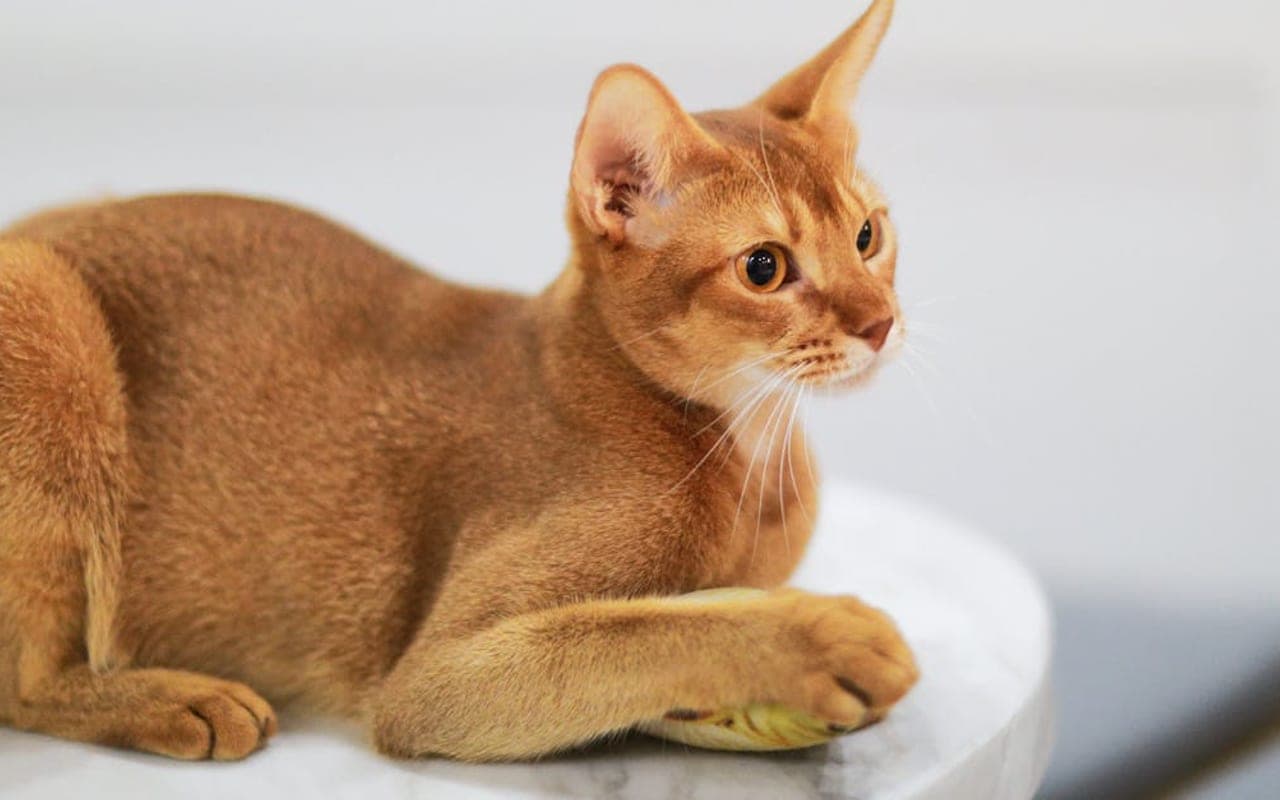
Abyssinian
Also in the Shorthair group, with different care and temperament tradeoffs.
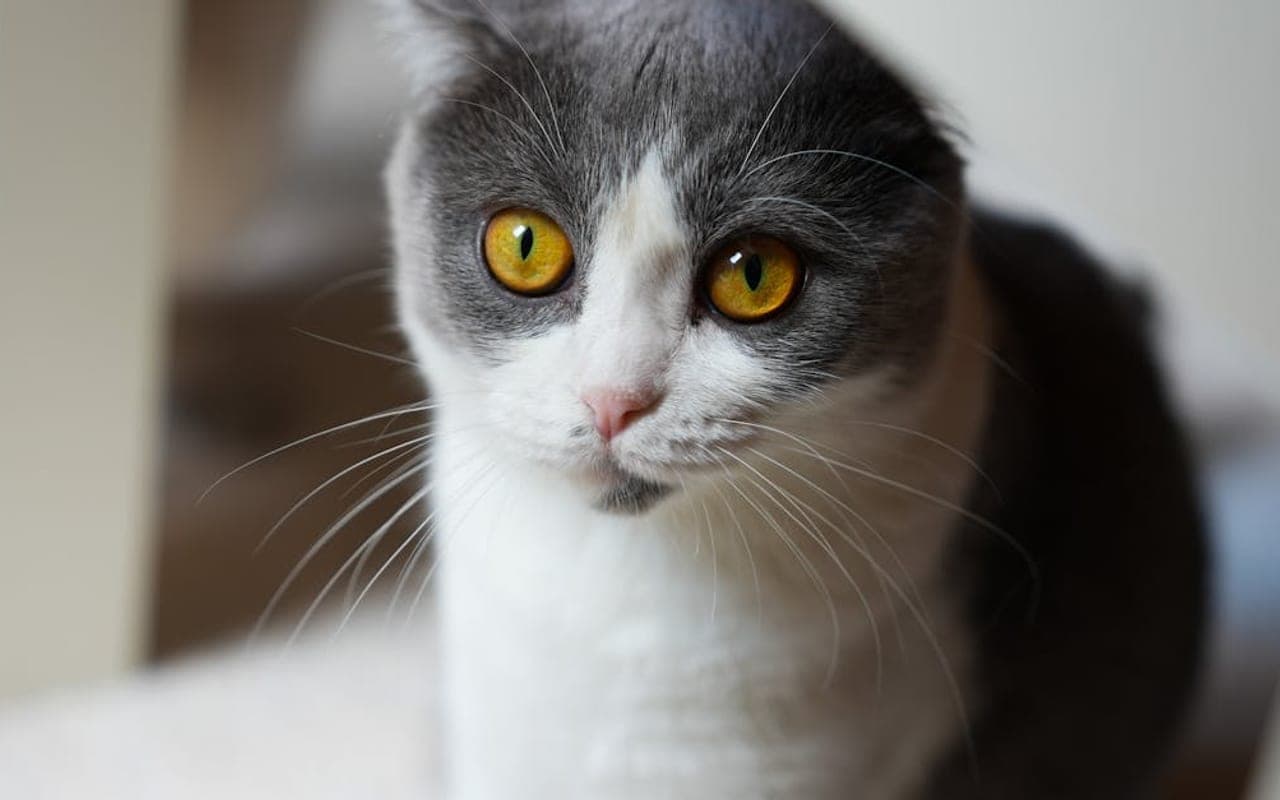
Scottish Fold
Also in the Shorthair group, with different care and temperament tradeoffs.
Explore More About British Shorthair
Dive deeper into everything British Shorthair — costs, care, and expert insights.
How Much Does a British Shorthair Cost?
Purchase price, monthly costs, and lifetime expenses
British Shorthair Care Guide
The British Shorthair is one of the...
Obesity in Pets: The #1 Preventable Health Problem
Over 50% of dogs and cats are overweight. Extra weight shortens lives and causes real health...
Cat Nutrition 101: What Your Cat Actually Needs
Cats are obligate carnivores with unique protein, taurine, and hydration needs. Everything you need...
How to Introduce a New Cat to Your Existing Cat
Throwing two cats together rarely works. This step-by-step guide covers the slow introduction...
Considering a dog instead?
Browse Dogs