
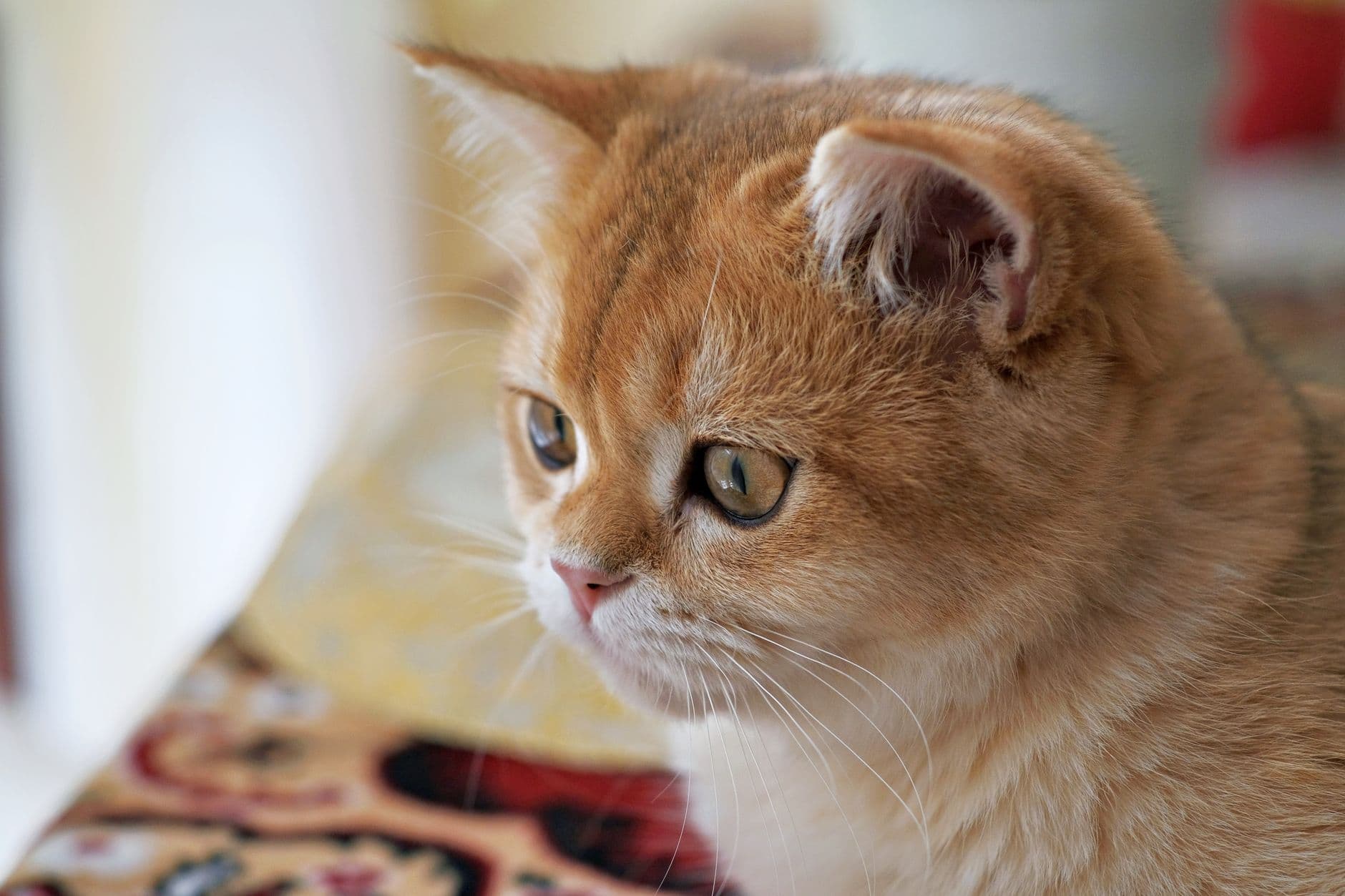
British Shorthair Care Guide
The British Shorthair: Victorian England's Teddy Bear Cat The British Shorthair is one of the oldest recognized cat breeds in the world, with documented roots in Victorian England and a history that m
Reading Time
📖 15 min read
Guide Type
🐾 Breed-Specific
Last Updated
📅 Sep 9, 2026
Breed
🐱 British ShorthairIn This Guide
Overview
The British Shorthair: Victorian England's Teddy Bear Cat
The British Shorthair is one of the oldest recognized cat breeds in the world, with documented roots in Victorian England and a history that may extend to cats brought to Britain by Roman soldiers nearly two thousand years ago. The breed's formal development began in the late 1800s when cat fancier Harrison Weir began selectively breeding the sturdy, round-faced working cats of Britain, showcasing them at the first Crystal Palace Cat Show in 1871.
If the British Shorthair looks familiar even to people who have never owned one, there is a cultural reason: the Cheshire Cat in Lewis Carroll's Alice in Wonderland -- that famously grinning, gradually disappearing cat -- is widely believed to have been modeled on a British Shorthair. The breed's broad round face, full cheeks, and expression that reads as perpetually pleased makes this literary connection intuitive.
Physical Characteristics
The British Shorthair is, above all, round. The head is round. The eyes -- large, and typically copper, gold, or blue depending on coat color -- are round. The body is cobby (compact and muscular), set on short, strong legs. The coat is dense and plush, described as having a crisp texture that springs back when touched -- like a living stuffed animal, which is exactly the (teddy bear cat) nickname that has followed the breed for decades.
This is not a cat that reaches full physical maturity quickly. British Shorthairs continue developing muscle and filling out their characteristic stocky frame until 3 to 5 years of age -- significantly longer than most cat breeds. A British Shorthair at 1 year looks like a juvenile version of the cat it will eventually become. Do not judge the adult silhouette from a kitten or young adult photograph.
The Blue-Grey Colorway and Beyond
When most people picture a British Shorthair, they picture a cat in the blue-grey colorway -- a cool, even silver-grey that is the breed's most famous and historically significant coat color. This is properly called (blue) in cat fancy terminology, and it is the color variant that dominated the breed's early development. But British Shorthairs come in a wide range of colors and patterns today: black, white, cream, silver tabby, golden, bicolor, and many more. All share the characteristic plush texture and round features that define the breed.
Temperament: Dignified, Affectionate, and Self-Possessed
The British Shorthair is not a high-maintenance cat emotionally. It is affectionate without being clingy, playful in a measured and dignified way, and content with moderate interaction rather than constant attention. This breed does not typically become a lap cat in the conventional sense -- it prefers to sit near you rather than on you, and is more likely to choose the arm of the sofa than your lap. Some individuals are warmer than others, and male British Shorthairs are often described as more openly affectionate than females.
This temperament makes the British Shorthair well-suited to households where humans work during the day, multi-pet households (they generally coexist peacefully with other cats and cat-friendly dogs), and families with older children who respect feline boundaries. The breed's calm, undemanding nature is one of its most valued traits -- but it should not be mistaken for disinterest. The British Shorthair pays attention and is more engaged with its household than it may appear.
Is the British Shorthair Right for You?
This breed suits owners who want a genuinely beautiful, calm companion that does not require constant entertainment or emotional labor. It is an ideal breed for first-time cat owners as well as experienced feline households. The primary commitments are managing the tendency toward obesity through measured feeding and regular play, staying on top of cardiac health monitoring given the HCM risk, and providing weekly grooming that the coat requires during certain seasons.
Daily Care
Daily Care for Your British Shorthair
Activity and Enrichment Needs
Despite the breed's calm reputation, British Shorthairs need daily play and enrichment. They are not hyperactive cats, but an entirely sedentary British Shorthair is an overweight one, which is a direct path to health complications. Two structured play sessions per day of 10 to 15 minutes each provide the physical activity and mental stimulation the breed needs. Wand toys, puzzle feeders, and rotating toy selections keep engagement high.
British Shorthairs are not typically climbers in the way that more agile breeds are, but they appreciate elevated perches and cat trees that allow them to observe their environment. Floor-level and mid-height enrichment works well; floor-level puzzle feeders and interactive toys are usually more popular than ceiling-level climbing structures.
Weight Monitoring
Obesity is the most common preventable health problem in British Shorthairs. The breed's dense, stocky build makes it easy to miss gradual weight gain until it has become significant. A healthy adult British Shorthair should have a waist visible from above when viewed from directly overhead, and ribs that can be felt (but not seen) under a moderate fat covering. Weigh your cat monthly. A food scale for measuring kibble portions is a worthwhile investment -- the cups provided with kibble bags are notoriously imprecise.
Interaction Style
Respect the British Shorthair's preference for proximity over physical contact. This is a cat that shows affection by being in the same room, following you through the house, and settling near (but not necessarily on) you. Forcing lap time on a British Shorthair that has not chosen it creates stress without building a stronger bond. Let the cat set the terms of physical contact and you will find it becomes more willing over time, not less.
Litter Box Maintenance
Scoop daily. British Shorthairs, like all cats, are sensitive to litter box cleanliness, and a dirty box can lead to house soiling. Large boxes (ideally 1.5 times the cat's body length) accommodate the breed's stocky frame comfortably. Provide one box per cat plus one extra in multi-cat households.
Nutrition
Feeding Your British Shorthair
Caloric Control Is Critical
The British Shorthair's tendency toward obesity is not a minor concern -- it is a central health management challenge. An overweight British Shorthair develops joint stress (on a body already built heavy and low to the ground), increased cardiac load (on a breed already predisposed to HCM), and metabolic complications including diabetes. Caloric precision matters for this breed more than for many others.
An average adult British Shorthair requires approximately 200 to 280 calories per day, depending on size, activity level, and whether the cat is spayed or neutered. Neutered cats require fewer calories than intact cats. Work with your veterinarian to establish a target weight and corresponding daily caloric intake for your specific cat.
Meal Feeding vs. Free Feeding
Free-feeding (leaving food available at all times) is not appropriate for British Shorthairs given the breed's obesity tendency. Meal feeding -- two measured portions per day -- allows precise caloric control and makes it easy to notice when appetite changes, which is an early indicator of illness.
Food Type Considerations
British Shorthairs do well on high-quality commercial wet or dry food, or a combination. Wet food provides additional hydration (cats are generally poor water drinkers) and tends to be more satiating on a per-calorie basis, which can help with weight management. Dry food is convenient and may provide some dental benefit, but caloric density is higher and portions must be measured carefully.
Look for a named protein source (chicken, turkey, salmon) as the first ingredient. Avoid foods where corn, soy, or wheat appear in the top three ingredients.
Slow-Feeding Tools
Puzzle feeders that require the cat to work for individual pieces of kibble extend eating time, provide mental stimulation, and reduce the risk of rapid eating that can cause vomiting in large meals. They are an especially useful tool for British Shorthairs who finish meals too quickly.
Exercise
Exercise and Activity for the British Shorthair
Realistic Activity Expectations
The British Shorthair is not a high-energy cat. It will not spend its days racing through the house or demanding athletic interaction. What it needs is consistent, moderate daily activity -- enough to maintain a healthy body weight, support joint health, and provide mental engagement. "Does not need much exercise" should not be interpreted as "does not need any exercise", which is a common mistake that contributes to the breed's obesity problem.
Play Session Structure
Two play sessions per day of 10 to 15 minutes each is the practical standard for an adult British Shorthair. Use interactive toys that mimic prey -- wand toys with feathers or fabric attachments, laser pointers used in conjunction with physical treats at the end so the cat experiences a (catch), and toys that can be batted and pounced on. Allow the cat to (catch) and (kill) the prey item at the end of each session; ending play abruptly without a conclusion can be frustrating for the cat.
Kitten and young British Shorthairs (under 2 years) are considerably more active than adults and will seek play more frequently. Take advantage of this period to build the play habit before the breed's natural tendency toward sedentary comfort becomes dominant.
Environmental Enrichment
A cat that is mentally engaged moves more. Window perches with bird feeders or a bird bath visible outside provide entertainment that keeps cats alert and occasionally moving. Cat trees at mid-height allow the British Shorthair to survey its territory without requiring the ceiling-level climbing the breed does not strongly favor. Food puzzles extend mealtimes and require physical engagement.
Managing the Slow-to-Mature Body
Because British Shorthairs continue developing physically until 3 to 5 years, avoid activities that place repetitive impact stress on joints during the developmental period. High-fall jumping from furniture is the main concern -- placing steps or a ramp to help a developing kitten reach and leave elevated positions reduces cumulative joint stress during growth.
Grooming
Grooming the British Shorthair
The Plush Coat
The British Shorthair coat is its most distinctive feature: dense, plush, and with a texture described as crisp or springy. Unlike longhaired breeds, the British Shorthair coat does not mat and is relatively self-maintaining during most of the year. Weekly brushing with a slicker brush or a rubber grooming mitt is sufficient for coat health maintenance during non-shedding periods.
The coat does shed more heavily during seasonal transitions, particularly in spring. During these periods, increase brushing frequency to two to three times per week to manage the volume of loose hair. Without additional grooming during shedding season, the coat can develop a dense, lifeless texture as loose undercoat accumulates.
Brushing Technique
British Shorthairs generally tolerate and often enjoy grooming when it is introduced early and approached as a positive interaction. Use a slicker brush in gentle, short strokes following the direction of coat growth. Follow with a metal comb to check for any areas of undercoat accumulation. The plush texture means mats are not a typical concern, but regular combing ensures the coat retains its characteristic crisp look.
Bathing
Most British Shorthairs rarely need baths unless they have gotten into something or for show preparation. If bathing is necessary, use a cat-specific shampoo and dry thoroughly with a low-heat blow dryer. The dense coat retains moisture and takes a long time to air-dry, leaving the cat chilled.
Nails, Ears, and Dental Care
Trim nails every two to three weeks. Provide a scratching post -- British Shorthairs scratch appropriately if given suitable options. Check ears weekly for wax accumulation or redness. Clean with a veterinarian-approved ear cleaner as needed.
Brush teeth with a cat-safe enzymatic toothpaste two to three times per week. Dental disease is a common finding in middle-aged British Shorthairs, and preventive care started early significantly reduces the need for anesthetic dental procedures later.
Health
British Shorthair Health: Key Concerns
Hypertrophic Cardiomyopathy (HCM)
HCM -- thickening of the heart muscle -- is the most significant health concern for the British Shorthair. The thickened muscle reduces the heart's ability to relax and fill efficiently, leading over time to poor cardiac output, blood clots, and congestive heart failure. HCM is common across cat breeds but occurs at elevated rates in British Shorthairs.
The practical implications for owners are important. Annual cardiac screenings by a board-certified veterinary cardiologist (via echocardiogram) are the gold standard for detecting HCM before clinical signs develop. Reputable British Shorthair breeders test breeding cats annually. There is no cure, but medication can manage signs and extend quality of life when HCM is caught before clinical deterioration. The breed club and responsible breeders are pushing for genetic testing as the mode of inheritance is better understood -- ask breeders about current cardiac screening practices.
Polycystic Kidney Disease (PKD)
PKD causes cysts to form in the kidney tissue, gradually reducing kidney function over the cat's lifetime. A DNA test for the PKD1 mutation exists and is reliable -- reputable breeders now routinely test breeding cats and do not breed PKD-positive individuals. When evaluating a breeder, ask for documented PKD-negative status for both parents. Adopting from a tested lineage essentially eliminates this risk.
Blood Type B
Approximately 40 to 60% of British Shorthairs carry blood type B (compared to fewer than 5% of most other breeds). If a type A kitten is born to a type B queen, the kitten receives antibodies against type A blood through the mother's colostrum, which can be fatal (neonatal isoerythrolysis). For companion owners, the practical concern arises if your cat ever needs a blood transfusion -- type B cats cannot receive type A blood without a severe reaction. Have your cat blood-typed at a young age and keep this in your veterinary records.
Obesity-Related Complications
Excess weight in British Shorthairs contributes to joint degeneration, increases cardiac workload (particularly problematic in an HCM-predisposed breed), and increases diabetes risk. Weight management is a preventive health strategy, not just cosmetic.
Costs
The Cost of Owning a British Shorthair
Purchase Price
British Shorthair kittens from health-testing breeders in the United States typically cost $1,500 to $3,500. The blue colorway is sometimes priced higher than other colors due to demand. Rare colors (golden, chocolate, lilac) may cost more in some breeding programs. Rescue British Shorthairs exist but are uncommon -- contact breed-specific organizations if adoption is preferred.
Annual Veterinary Costs
Budget $400 to $700 per year for routine care including wellness exams, vaccines, and parasite prevention. Cardiac screening is the significant add-on for this breed. A cardiac echocardiogram by a board-certified cardiologist runs $300 to $600 per screening -- annual screening for an adult British Shorthair is recommended, adding $300 to $600 to the annual veterinary budget. HCM management if diagnosed (medications, follow-up echos) adds $500 to $1,500 or more per year.
Nutrition
Monthly food costs for a quality commercial wet/dry diet run $40 to $80 per month, or $480 to $960 annually. Puzzle feeders and food toys add a one-time cost of $30 to $80.
Grooming
British Shorthairs are largely self-maintaining. Grooming equipment (slicker brush, metal comb, nail clippers) costs $40 to $80 upfront. Occasional professional grooming for deshedding or show preparation is the primary ongoing grooming expense, at $60 to $100 per session.
Dental Care
Professional dental cleanings under anesthesia, when needed, run $300 to $800. Starting a tooth brushing routine early can reduce the frequency of these procedures significantly.
Total First-Year Estimate
Including purchase price, setup, veterinary care, food, and cardiac screening, budget $3,500 to $7,000 in the first year. Subsequent years without major health events run $2,000 to $4,500 depending on cardiac monitoring and dental needs.
Frequently Asked Questions
My breeder says their cats are "HCM DNA tested" - does that mean anything for a British Shorthair?
Langford Vets, the University of Bristol laboratory, lists HCM DNA tests for Maine Coons and Ragdolls only. Neither mutation is validated in British Shorthairs, so an "HCM DNA tested" claim tells you nothing about this breed. The Cornell Feline Health Center is clear that HCM is diagnosed by echocardiography. Ask for a dated scan report on both parents, and if a breeder offers a certificate instead, treat that line as unscreened.
How young can HCM appear in a British Shorthair, and are males really at higher risk?
In a Danish cohort of 329 British Shorthairs screened by echocardiography and reported in the Journal of Veterinary Internal Medicine, 8.5% were HCM-positive at a median age of 2.7 years, and cats as young as 10 months tested positive. Males were affected at 20.4% against 2.1% of females. A clear scan at one year is not a lifetime clearance, so book repeat scans, particularly for a male.
Why does a British Shorthair breeder test for polycystic kidney disease when that is a Persian problem?
Because part of the gene pool is Persian. The Cat Fanciers' Association records that both World Wars forced cross-breeding to Persians to rebuild breed type, and Langford Vets lists British Shorthairs among the breeds at moderate risk of polycystic kidney disease. The PKD1 form is autosomal dominant, so a single inherited copy is enough to affect a cat. Ask for documented PKD-negative results on both parents before you reserve a kitten.
What is ALPS, and should I ask about it before buying a British Shorthair kitten?
Autoimmune lymphoproliferative syndrome is the one condition with a British Shorthair specific DNA test at Langford Vets. It is autosomal recessive, tied to a FASL mutation, and presents at six to eight weeks with abdominal distension, anaemia, lethargy and weight loss, progressing over two to three weeks. Two carriers must never be mated together. Ask whether both parents were ALPS-tested, and treat a swollen abdomen in a seven-week-old kitten as a same-day veterinary problem.
My British Shorthair looks chunky - is that the breed, or is he overweight?
Assume overweight until it is measured. Across Australian first-opinion clinics between 2008 and 2017, 48% of British Shorthairs were overweight or obese, bodyweight peaked at around nine years, and neutered cats were significantly heavier than entire ones. The dense cobby build hides the gain. Ask for a body condition score at every visit from about seven years on, and set portions against that score rather than against how he looks.
Sources
This guide draws on the following published references. Each opens in a new tab so you can check it against what you have read here.
Cat Fanciers' Association
British Shorthair Breed Profile(opens in a new tab)ASPCA
General Cat Care(opens in a new tab)Cornell Feline Health Center
Hypertrophic Cardiomyopathy(opens in a new tab)Journal of Veterinary Internal Medicine (Oxford Academic)
Prevalence of Hypertrophic Cardiomyopathy in a Cohort of British Shorthair Cats in Denmark(opens in a new tab)Langford Vets, University of Bristol
Polycystic Kidney Disease(opens in a new tab)Langford Vets, University of Bristol
British Shorthair Autoimmune Lymphoproliferative Syndrome (ALPS)(opens in a new tab)Merck Veterinary Manual
Routine Health Care of Cats(opens in a new tab)Frontiers in Veterinary Science (PubMed Central)
Bodyweight and body condition scores of Australian British shorthaired cats, 2008-2017(opens in a new tab)Langford Vets, University of Bristol
Genetic Disease and Trait Tests(opens in a new tab)Langford Vets, University of Bristol
Maine Coon Hypertrophic Cardiomyopathy (MC-HCM)(opens in a new tab)
Affiliate disclosure: We may earn a commission from qualifying purchases. This doesn't affect our recommendations.
Recommended Products
Get personalized pet care tips
Join our newsletter for breed-specific advice, care guides, and expert tips delivered weekly.
No spam, ever. Unsubscribe anytime.