
Longhair group
Maine Coon
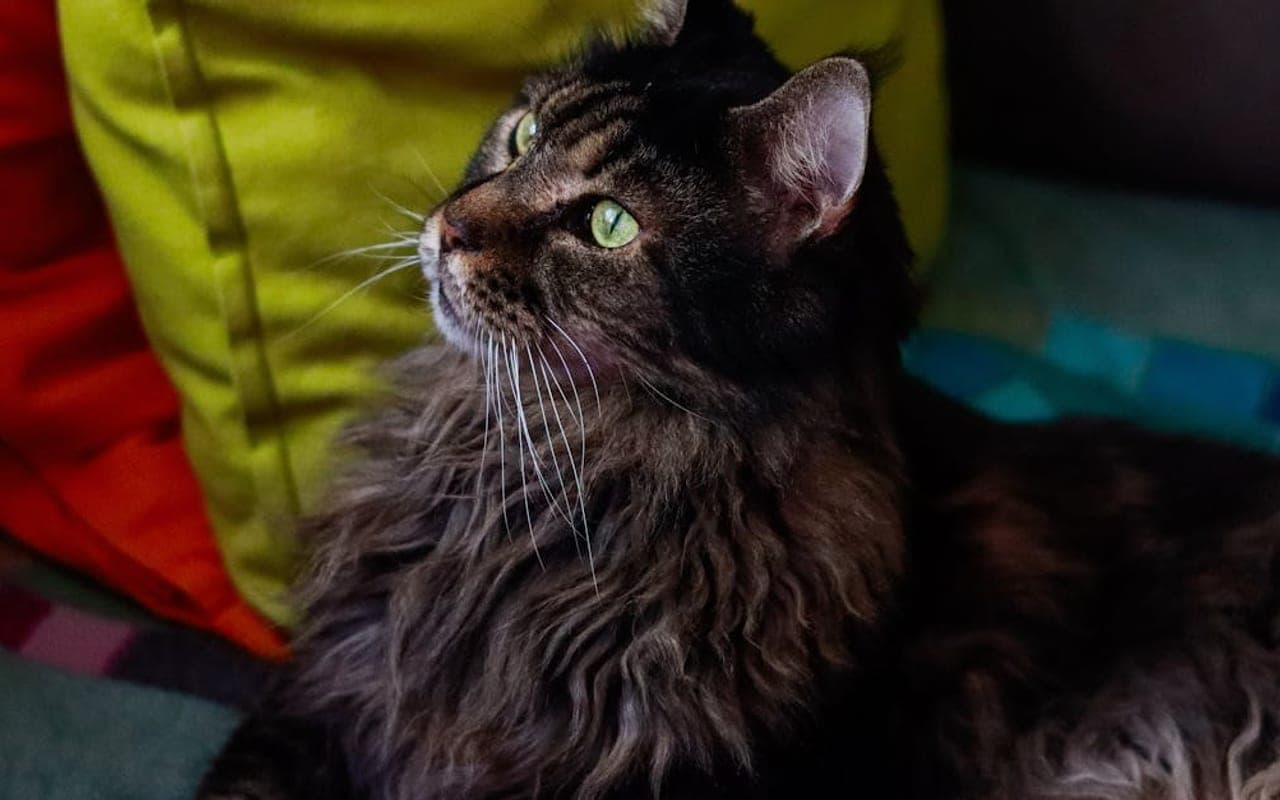
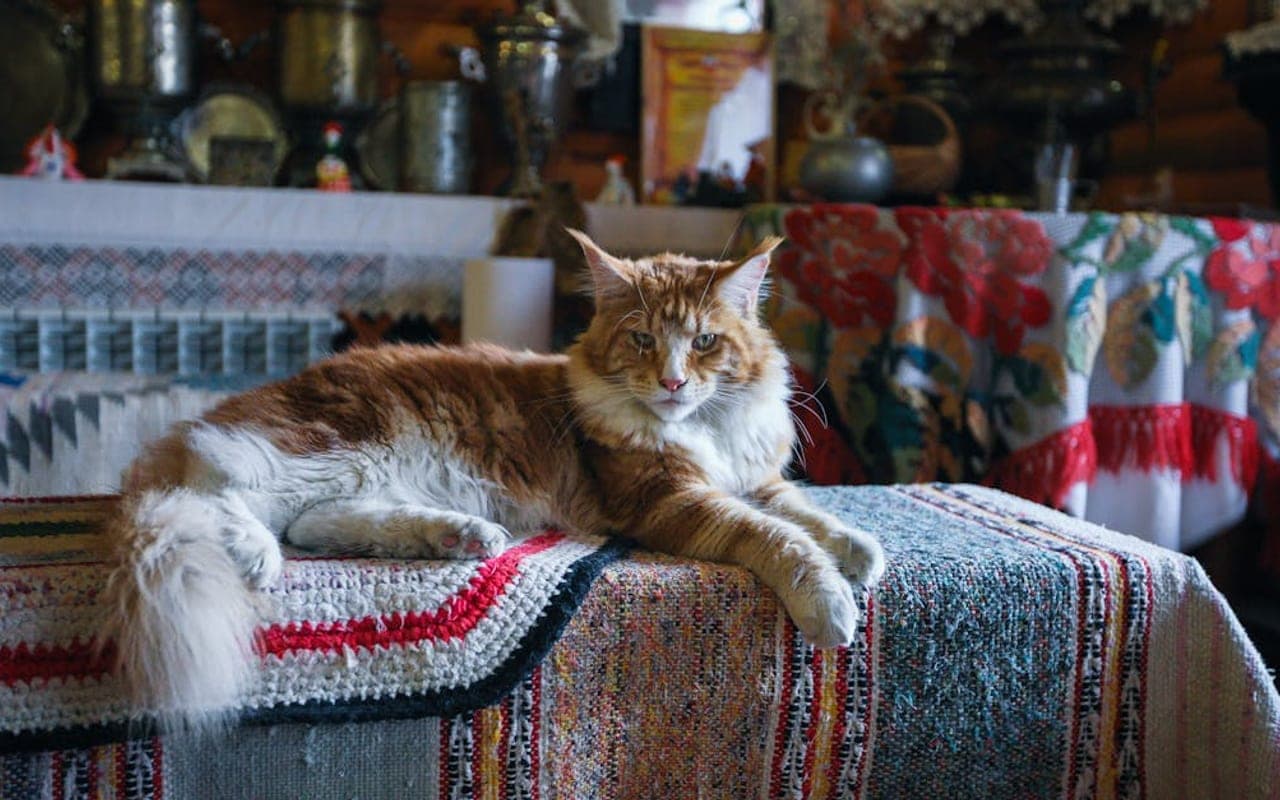
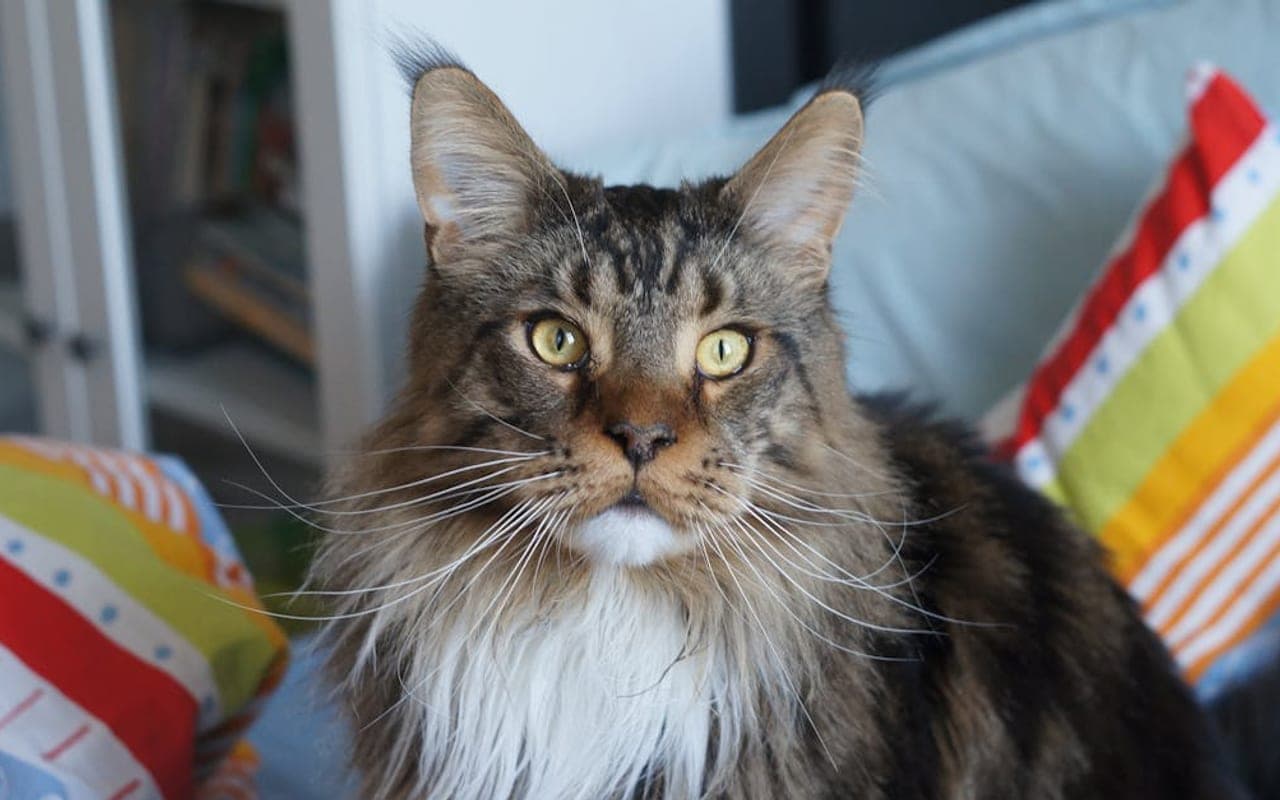
The Maine Coon is the 'gentle giant' — a large, semi-longhaired American working cat that grows to 11-18 lb (5-8 kg) and keeps growing until 3-4 years old, far later than other cats.
Size
10-24 lb
Lifespan
12-15 years
Play
15-30 minutes
Shedding
Moderate
Experience
Match to owner routine
Decision first
Is a Maine Coon right for you?
Start with fit before history or trivia. These are ownership signals, not guarantees about any individual cat.
Best suited for
- Households with children.
- Homes with other compatible pets.
- Apartment homes with a consistent routine.
- Owners seeking a manageable indoor routine with predictable care.
Think carefully if
- You need a cat with almost no daily routine.
- You cannot keep up with grooming and preventive care.
- The cat will spend most days without interaction or enrichment.
Conditional fit
Apartment fit depends on vertical space, litter setup, play, enrichment, and noise tolerance.
Daily reality
Maine Coon commitment snapshot
Daily play
15-30 minutes
Match play and enrichment to age, health, appetite, and household routine.
Coat care
Moderate
Grooming needs vary by coat, shedding, and lifestyle.
Social needs
Needs planning
Most cats still need predictable contact, enrichment, litter care, and monitoring.
Structured facts
Maine Coon at a glance
The measurements and traits that most affect day-to-day life with this breed.
Origin
United States
Group
Longhair
Weight
10-24 lb
Height
10-16 in
Lifespan
12-15 years
Temperament
Adaptable | Intelligent | Loving | Gentle | Independent
View all characteristics and methodology
Lifestyle fit
- Apartment suitabilityWorks best with clean litter setup, vertical space, and daily enrichment.
- Likely fit
- Child friendliness
- Often good, with socialisation and supervision
- Other-pet fit
- Often compatible with careful introductions
- Adaptability
- Very high
Owner commitment
- Daily play
- 15-30 minutes
- Grooming
- Moderate
- Shedding
- Moderate
- Indoor enrichment
- Moderate
Behavior
- Affection
- Very high
- Energy
- Moderate
- Vocalization
- Low
- Social needs
- Moderate
Environment and health
- Intelligence
- Very high
- Health risk
- Needs planning
- Weight sensitivity
- Routine monitoring
Ratings combine structured breed data, visible breed fields, and editorial context. They are planning aids, not predictions for an individual cat.
Daily life
Maine Coon temperament and behavior
The Maine Coon is the 'gentle giant' — a large, semi-longhaired American working cat that grows to 11-18 lb (5-8 kg) and keeps growing until 3-4 years old, far later than other cats. That slow maturation is the thing buyers underestimate: you are not getting a kitten that becomes a normal cat, you are getting a dog-sized, dog-tempered cat with a dog-sized health and food bill to match. The friendly, follow-you-around, water-curious personality is genuine and is the breed's biggest draw; the size is what makes it a bigger commitment than people expect. This is a sociable, adaptable, intelligent cat that bonds to a household rather than one person, tolerates children and other pets well, and stays interactive and playful into adulthood without being needy. It is not a delicate lap ornament; it is a sturdy, semi-active cat that wants to be involved in what you are doing and benefits from climbing space and play. The coat is semi-long and self-maintaining compared with a Persian, but 'lower maintenance than a Persian' is not 'no maintenance' — it still mats behind the legs and under the belly without regular combing. The Maine Coon is right for you if you want an interactive, family-friendly companion for 12-15 years, you have room for a large cat and tall climbing furniture, and you go in clear-eyed about two serious inherited risks: hypertrophic cardiomyopathy and hip dysplasia. It is the wrong cat if you want a small, low-cost, low-interaction pet, or if you are not prepared to buy from a breeder who screens for those conditions. In this breed, an HCM-screened, hip-evaluated, SMA/PKD-DNA-tested line is the difference between a long, sound life and an early cardiac crisis.
Adaptable | Intelligent | Loving | Gentle | Independent
Adaptable
A common Maine Coon temperament descriptor that should be interpreted alongside enrichment, handling, and household fit.
Intelligent
A common Maine Coon temperament descriptor that should be interpreted alongside enrichment, handling, and household fit.
Loving
A common Maine Coon temperament descriptor that should be interpreted alongside enrichment, handling, and household fit.
Gentle
A common Maine Coon temperament descriptor that should be interpreted alongside enrichment, handling, and household fit.
Owner note
Temperament labels are starting points, not guarantees. Meet the individual cat and ask about behavior history whenever possible.
Care essentials
How to care for a Maine Coon
What looking after one actually involves: play, grooming, food, litter, and routine health.
ExerciseAs needed
- Moderately active breed that enjoys regular play sessions and exploration. Provide toys and occasional interactive games.
GroomingAs needed
- Brush 2-3 times per week to maintain coat health and reduce shedding. Monthly bathing may be beneficial.
NutritionAs needed
- Feed a high-quality cat food appropriate for their age and activity level. Maintain fresh water at all times. Monitor weight to prevent obesity.
SocializationAs needed
- Enjoys human company and interaction. Can tolerate some alone time but prefers regular companionship.
Veterinary CareAs needed
- Annual wellness exams, vaccinations, dental checkups, and parasite prevention. Spay/neuter recommended if not breeding.
Health planning
Maine Coon health risks and screening
Every cat breed has individual health variation. Use this profile for planning and discuss medical decisions with a veterinarian.
Ownership cost
How much does a Maine Coon cost?
Cost figures are structured so first-year and lifetime estimates do not conflict with the underlying line items.
| Acquisition | $400-$2,000 |
|---|---|
| Routine monthly | About $80/month |
| Routine annual | About $960/year |
| First-year estimate | $1,360-$2,960 |
| Lifetime routine estimate | $11,520-$14,400 routine costs |
Currency: USD. Region: United States. Typical ranges for this breed. Equipment, insurance, emergency veterinary care, boarding and training are NOT included: we hold no sourced figures for them, and estimating them would be a guess presented as data.
Responsible ownership
Finding a Maine Coon responsibly
What to ask a breeder or rescue is the same conversation for every breed, so we keep it in one place and keep it current.
Health documentation, meeting the parents or foster, contracts and return support, and the warning signs worth walking away from.
Original purpose
Maine Coon history
History is useful when it explains today's behavior, coat, exercise needs, and training style.
Read the breed history
The Maine Coon is North America's oldest natural breed, developed not by design but by survival in the harsh winters of the northeastern United States, where it became the working barn and ship cat of New England. Folklore — that it descends from raccoons (genetically impossible) or from Marie Antoinette's smuggled Turkish Angoras — fills the gap, but the real story is functional selection: cats that survived Maine winters had a heavy, water-resistant semi-long coat, a bushy tail to wrap around themselves, large tufted paws that work like snowshoes, tufted ears, and the size and hardiness to hunt rodents in barns and on ships. Every signature trait is a cold-climate working adaptation, including the friendly, people-oriented temperament that made it a valued mouser around farms and docks. It was a popular show cat in the late 1800s, nearly vanished as exotic imported breeds took over, and was deliberately revived mid-20th century. Understanding that this is an unengineered survival breed explains both its robust working temperament and why its inherited problems — HCM, hip dysplasia, SMA — are managed through screening rather than designed away.
Gallery
Maine Coon photos
Images are cropped consistently and loaded progressively to keep the page responsive.
Lower-page context
Maine Coon cats in culture
Where the breed shows up in film, sport, work and folklore — the enjoyable part, once the practical questions are answered.
Fun facts
- The Maine Coon originated in United States.
- Maine Coon cats are considered one of the most intelligent cat breeds.
- The Maine Coon is a natural breed that developed without human selective breeding.
- The Maine Coon is a true lap cat that loves to curl up with their owners.
- Maine Coon cats are exceptionally dog-friendly and can live harmoniously with canine companions.
Maine Coon FAQs
How long do Maine Coons live?
Typically 12-15 years. The most common life-shortening factor is hypertrophic cardiomyopathy, which can strike even apparently healthy cats. Lifespan is strongly influenced by the buying decision: a kitten from a breeder who DNA-tests for the HCM mutation, cardiac-screens breeding cats, and radiographs hips has a materially better prognosis than one from an untested line, regardless of how good your day-to-day care is.
Are Maine Coons good with children and other pets?
Yes — this is one of the most family-friendly cat breeds. They are sturdy enough to tolerate respectful children, sociable, and dog-like in their willingness to engage rather than hide, and they generally accept other cats and dogs when introduced properly. The size is actually an advantage with kids: a 15 lb cat is less fragile than a small breed. Still supervise young children and provide the cat an elevated retreat.
How much grooming does a Maine Coon need?
Moderate — less than a Persian, more than a shorthair. Comb the semi-long coat 2-3 times a week, focusing on the belly and behind the legs where mats form, and every other day during the twice-yearly seasonal shed. Skip it for a couple of weeks and the coat pelts, eventually needing a sedated shave-down. It is manageable for an average owner, but it is not a no-grooming cat.
Do Maine Coons need a lot of space?
More than the average cat. They are large, semi-active, and climb, so they need a jumbo litter box, a tall cat tree rated for a heavy cat, and room to move — standard cat furniture is undersized for them. They adapt to apartments if that vertical and play space is provided and they get daily interactive play, but cramming a large, active cat into a bare studio invites weight gain and frustration.
How much does a Maine Coon cost to own?
A health-screened pedigree kitten typically runs $1,000-$2,500; rescue is far less. Ongoing costs are $1,300-$2,800 a year — higher than a small cat because of food volume, jumbo litter use, and larger doses for any medication. The hidden cost is cardiac: HCM diagnostics (echocardiogram, ~$300-$600) plus lifelong medication can add $1,000-$3,000+, and hip dysplasia management more on top. Budget for a big cat, not an average one.
What is HCM and how do I lower the risk in a Maine Coon?
Hypertrophic cardiomyopathy is a thickening of the heart muscle that can cause heart failure, blood clots, or sudden death, and it is the breed's signature health risk. You reduce risk by buying from a breeder who DNA-tests for the Maine Coon MYBPC3 mutation and has breeding cats cardiac-ultrasound screened by a veterinary cardiologist. There is no cure, only management, so breeder screening is the main lever. Treat any fast resting breathing, fainting, or sudden hind-limb weakness as a same-day emergency — HCM can decompensate quickly.
Sources
These are the published sources this page draws on. Each opens in a new tab so you can check it yourself.
Cat Fanciers' Association
Maine Coon — breed standard and profile(opens in a new tab)Supports: Breed standard and recognition details.
Similar breeds to consider
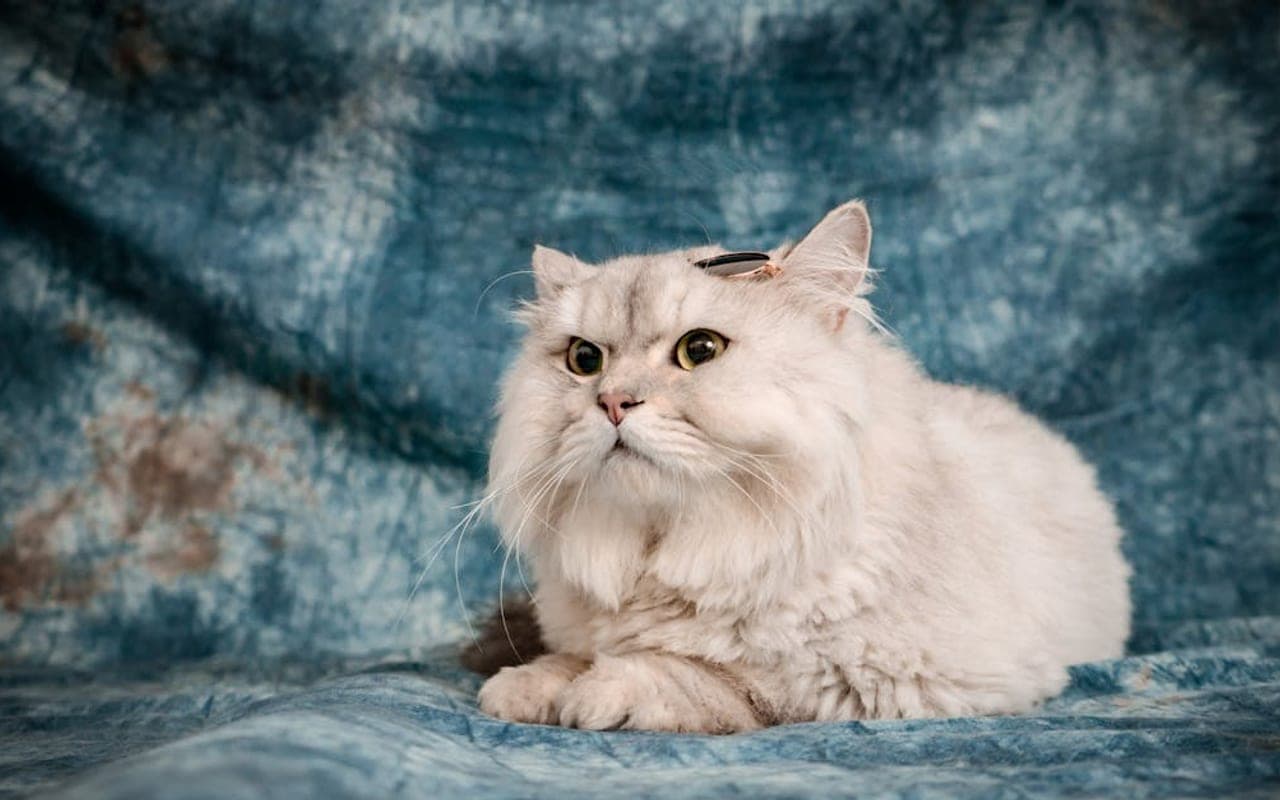
Persian
Also in the Longhair group, with different care and temperament tradeoffs.
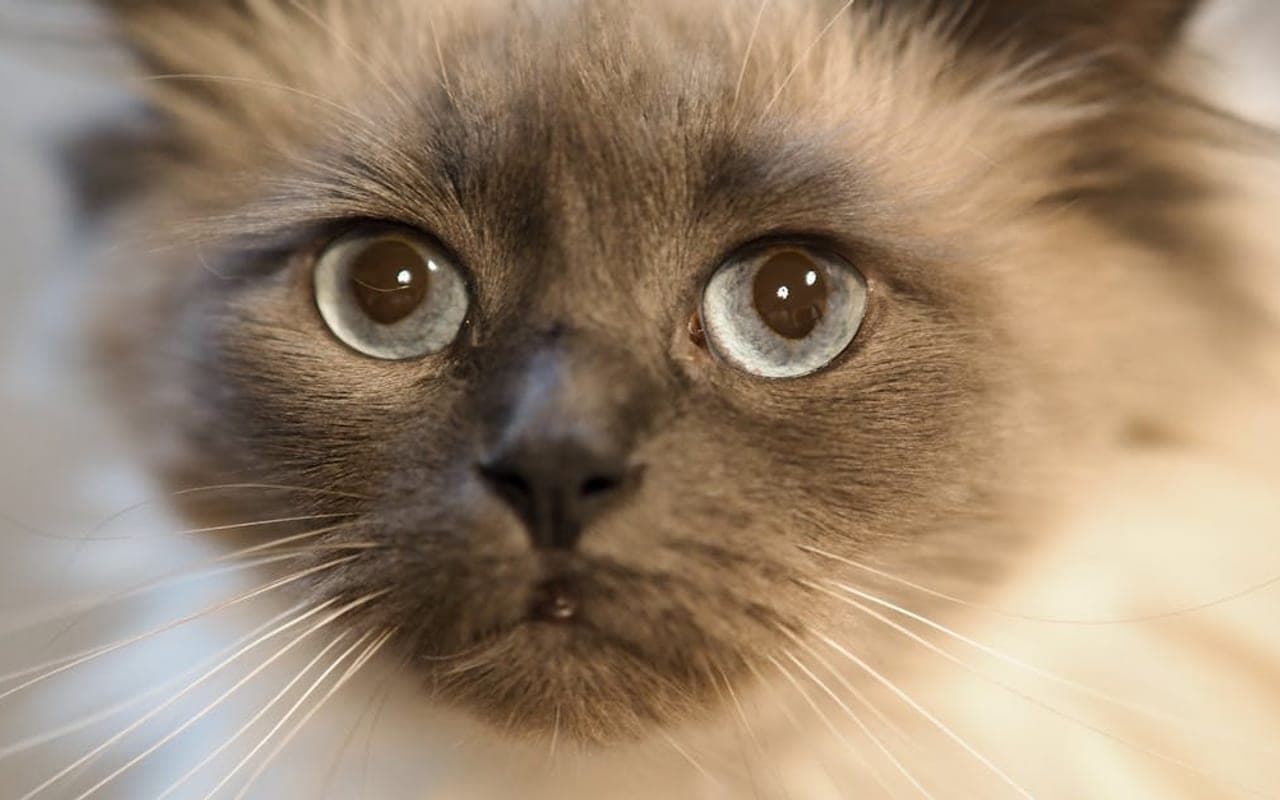
Ragdoll
Also in the Longhair group, with different care and temperament tradeoffs.
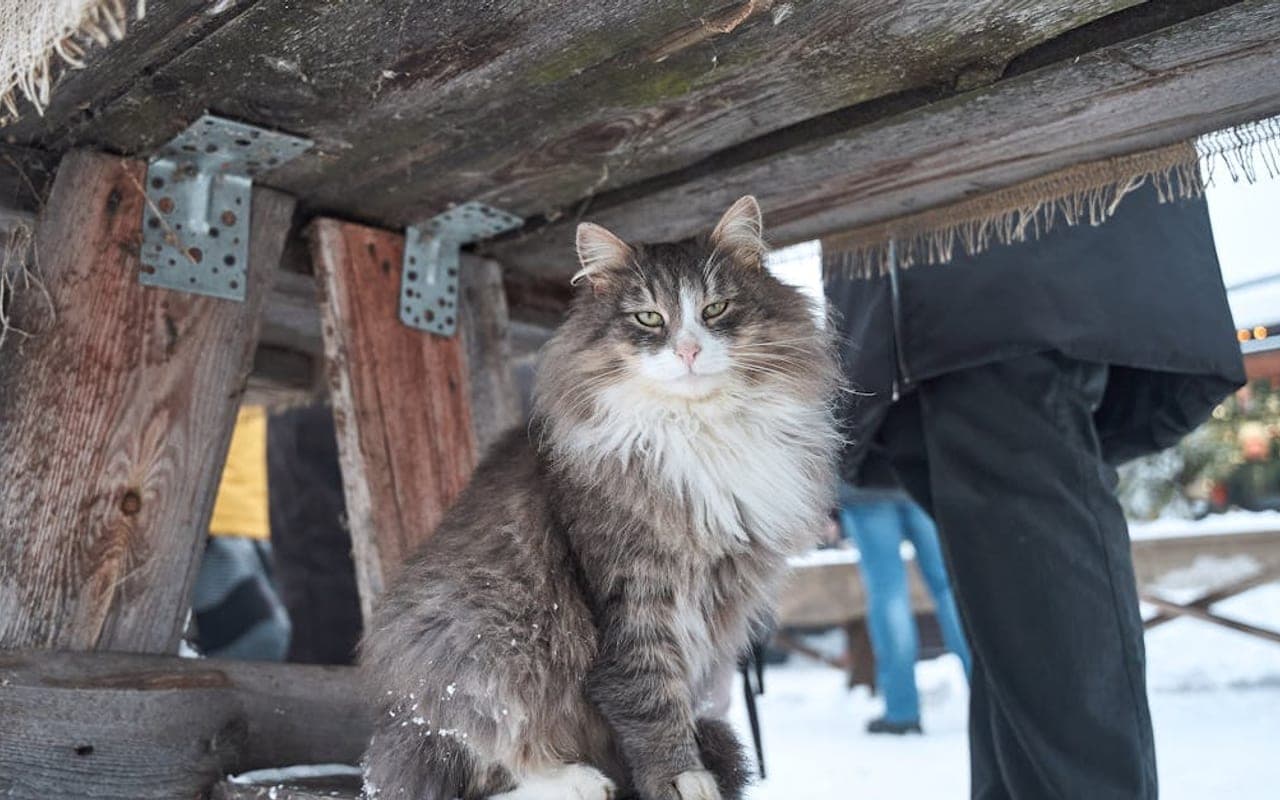
Norwegian Forest Cat
Also in the Longhair group, with different care and temperament tradeoffs.
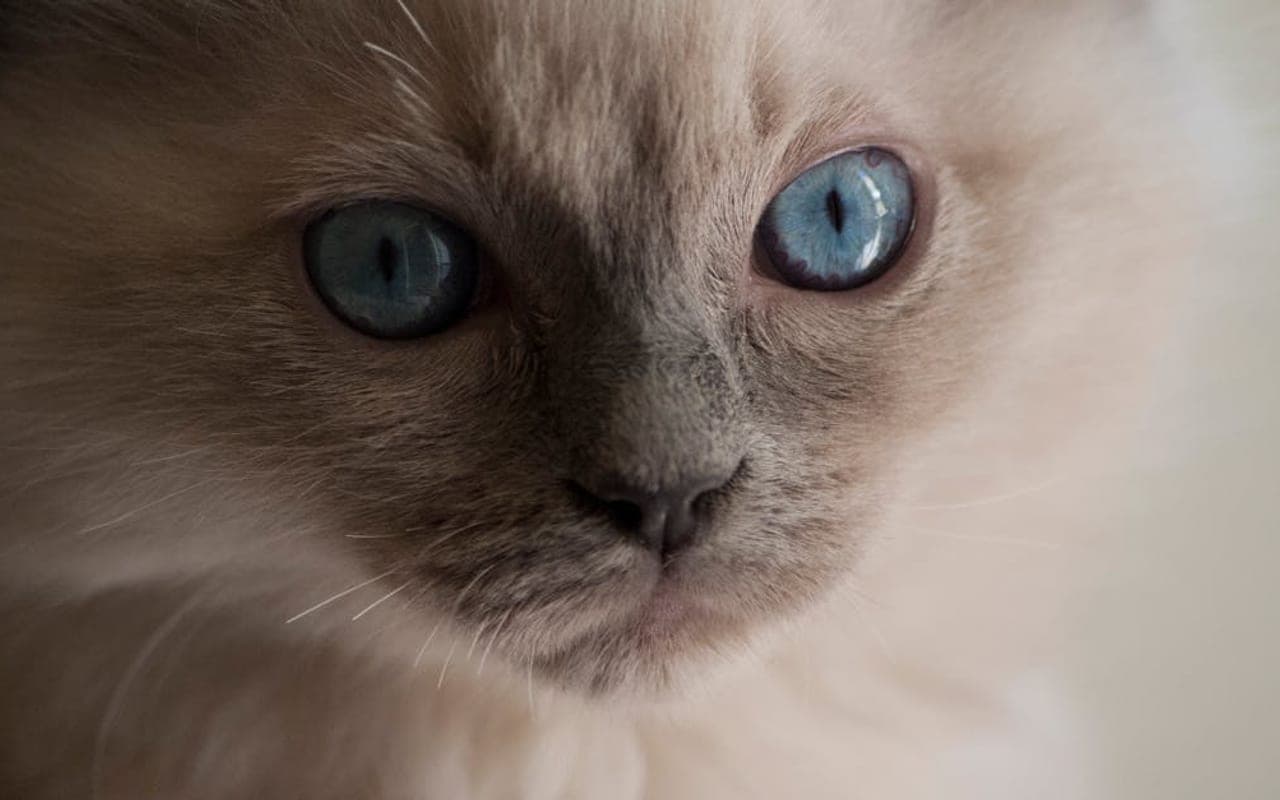
Birman
Also in the Longhair group, with different care and temperament tradeoffs.
Explore More About Maine Coon
Dive deeper into everything Maine Coon — costs, care, and expert insights.
How Much Does a Maine Coon Cost?
Purchase price, monthly costs, and lifetime expenses
Complete Maine Coon Care Guide
The first time a Maine Coon walks into a room, you understand why they're...
Can Cats Eat This? The Complete Toxic & Safe Human-Foods List
A cat-specific list of which human foods are safe, which are risky, and which are an emergency —...
Is Pet Insurance Worth It in 2026? A Real-Numbers Decision Guide
US accident-and-illness pet insurance averaged about $70/mo for dogs and $36/mo for cats in 2025 —...
Furbo vs Petcube: Which Pet Camera and Treat Dispenser Should You Buy?
Furbo and Petcube both make popular pet cameras, but they serve different buyers. Compare video...
Considering a dog instead?
Browse Dogs