
Longhair group
Persian
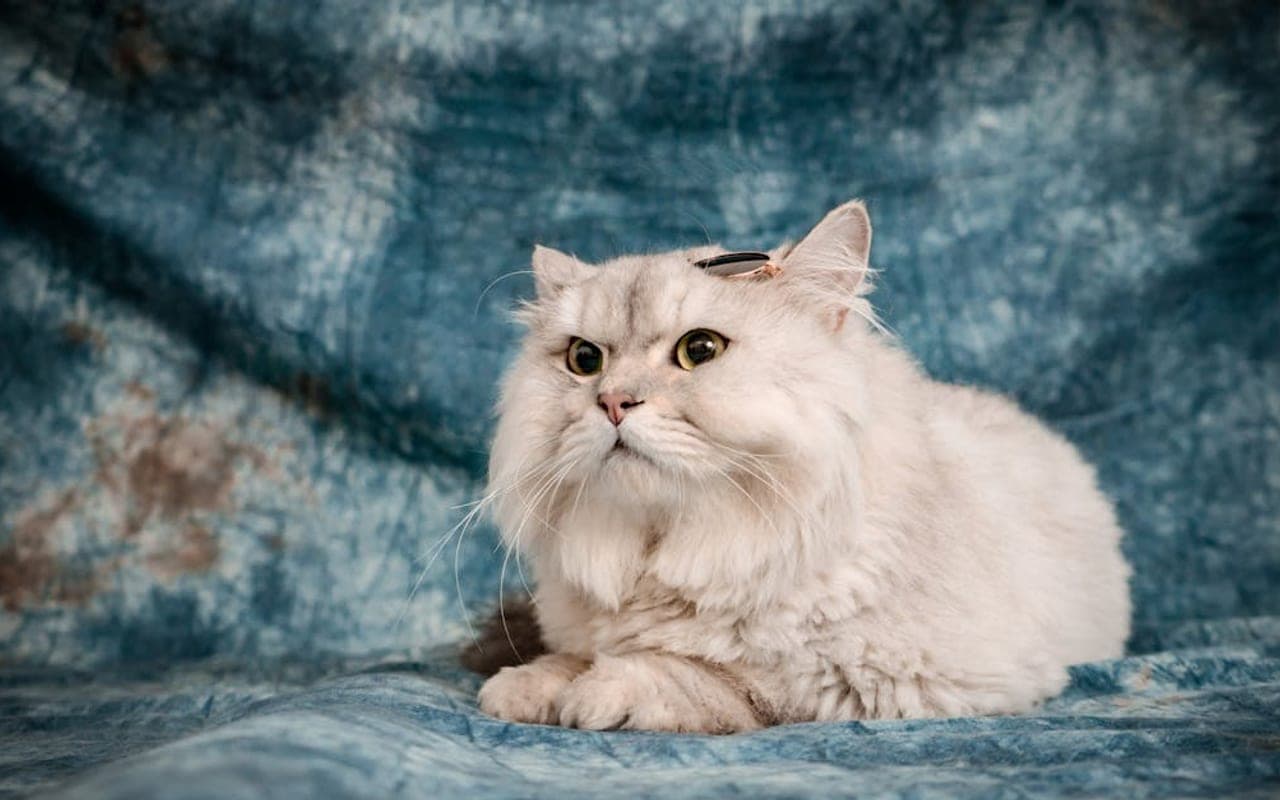
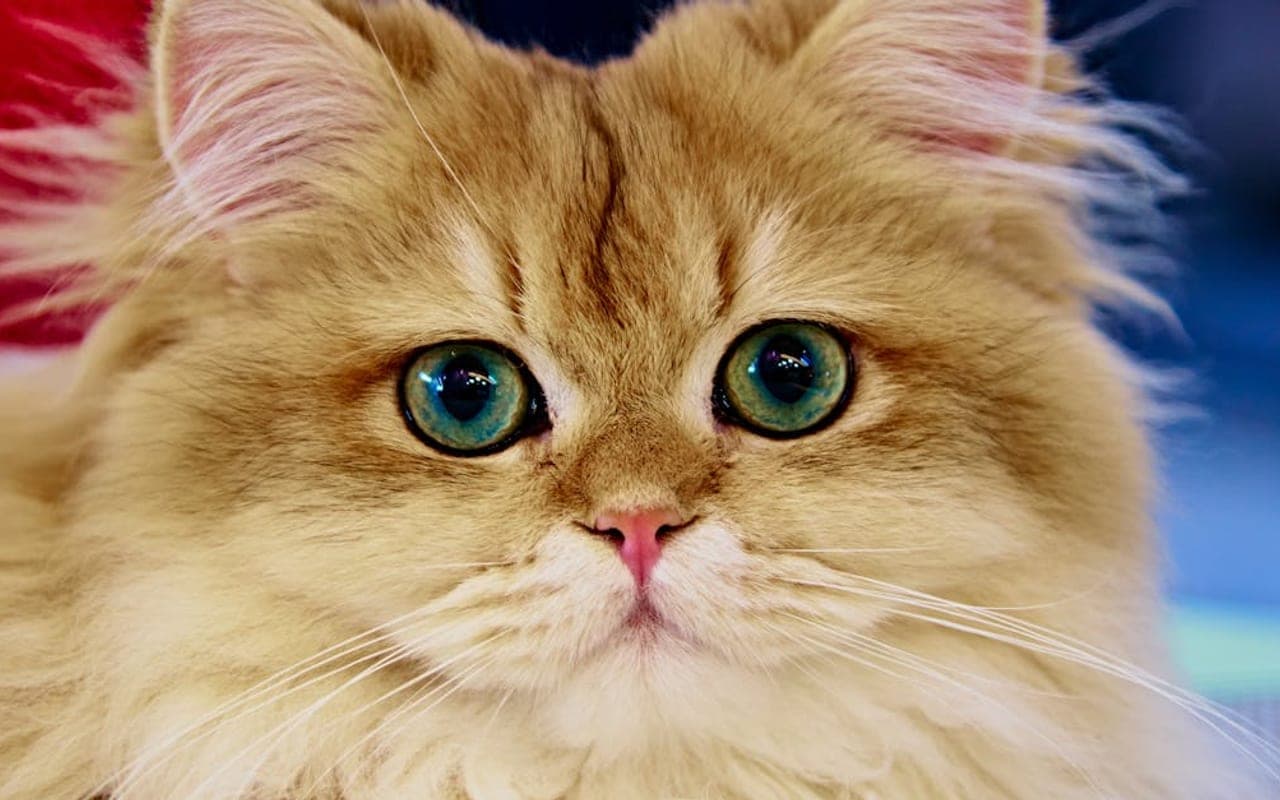
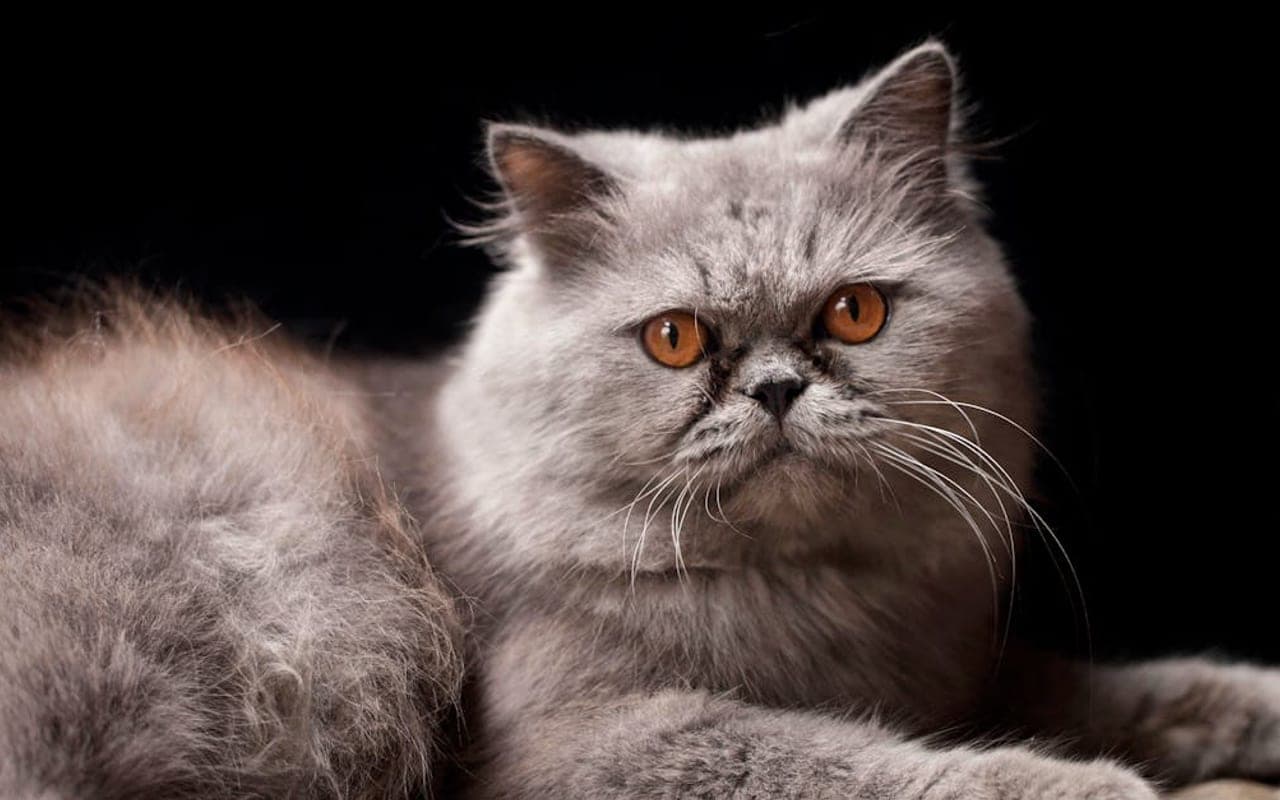
The Persian is the long-haired, flat-faced lap cat from Iran (historically Persia) — and choosing one is choosing two daily commitments most buyers underestimate: a coat that mats into a vet visit if you skip a week, and a face that, in the extreme 'peke-faced' form, can struggle to breathe, eat, and drain its own tears.
Size
7-12 lb
Lifespan
14-15 years
Play
10-20 minutes
Shedding
High
Experience
Match to owner routine
Decision first
Is a Persian right for you?
Start with fit before history or trivia. These are ownership signals, not guarantees about any individual cat.
Best suited for
- Households with children.
- Apartment homes with a consistent routine.
- Owners seeking a manageable indoor routine with predictable care.
Think carefully if
- You need a cat with almost no daily routine.
- You want a very low-shedding home.
- The cat will spend most days without interaction or enrichment.
Conditional fit
Apartment fit depends on vertical space, litter setup, play, enrichment, and noise tolerance.
Daily reality
Persian commitment snapshot
Daily play
10-20 minutes
Match play and enrichment to age, health, appetite, and household routine.
Coat care
High
Grooming needs vary by coat, shedding, and lifestyle.
Social needs
Needs planning
Most cats still need predictable contact, enrichment, litter care, and monitoring.
Structured facts
Persian at a glance
The measurements and traits that most affect day-to-day life with this breed.
Origin
Iran (Persia)
Group
Longhair
Weight
7-12 lb
Height
10-15 in
Lifespan
14-15 years
Temperament
Affectionate | loyal | Sedate | Quiet
View all characteristics and methodology
Lifestyle fit
- Apartment suitabilityWorks best with clean litter setup, vertical space, and daily enrichment.
- Likely fit
- Child friendliness
- Often good, with socialisation and supervision
- Adaptability
- Very high
Owner commitment
- Daily play
- 10-20 minutes
- Grooming
- High
- Shedding
- High
- Indoor enrichment
- Moderate
Behavior
- Affection
- Very high
- Energy
- Low
- Vocalization
- Low
- Social needs
- High
Environment and health
- Intelligence
- Moderate
- Health risk
- Needs planning
- Weight sensitivity
- Monitor closely
Ratings combine structured breed data, visible breed fields, and editorial context. They are planning aids, not predictions for an individual cat.
Daily life
Persian temperament and behavior
The Persian is the long-haired, flat-faced lap cat from Iran (historically Persia) — and choosing one is choosing two daily commitments most buyers underestimate: a coat that mats into a vet visit if you skip a week, and a face that, in the extreme 'peke-faced' form, can struggle to breathe, eat, and drain its own tears. This is a calm, quiet, affectionate companion that wants to lounge near you, not a low-maintenance cat. The serenity is real; the maintenance is the price. There are two Persian types and the difference matters more than color. The 'doll-face' or traditional Persian has a longer, more functional muzzle and far fewer breathing and tear-duct problems. The modern 'peke-faced' show Persian has the flat, pushed-in face that drives brachycephalic airway disease, chronic eye discharge, and dental crowding. If you want the look with less of the health bill, the doll-face is the smarter buy and an honest breeder will explain the trade-off rather than hide it. Temperament is the easy part: Persians are sweet, sedate, and gentle, good with calm children and other pets, and they tolerate a busy household but retreat when they have had enough. They are not climbers or athletes; they want floor-level comfort and a predictable routine. The Persian is right for you if you want a quiet, undemanding-in-energy companion for 14-15 years and you will genuinely groom it daily and clean its face daily. It is the wrong cat if you travel often and cannot guarantee that grooming, if you want an interactive or playful cat, or if you are not prepared for the lifetime cost of polycystic kidney disease and airway issues that run in the breed. Buy from a breeder who DNA-tests for PKD — in this breed that one test is the difference between a 15-year cat and an early kidney crisis.
Affectionate | loyal | Sedate | Quiet
Affectionate
A common Persian temperament descriptor that should be interpreted alongside enrichment, handling, and household fit.
loyal
A common Persian temperament descriptor that should be interpreted alongside enrichment, handling, and household fit.
Sedate
A common Persian temperament descriptor that should be interpreted alongside enrichment, handling, and household fit.
Quiet
A common Persian temperament descriptor that should be interpreted alongside enrichment, handling, and household fit.
Owner note
Temperament labels are starting points, not guarantees. Meet the individual cat and ask about behavior history whenever possible.
Care essentials
How to care for a Persian
What looking after one actually involves: play, grooming, food, litter, and routine health.
ExerciseAs needed
- Calm and relaxed breed that prefers gentle play. Provide comfortable resting spots and occasional toy engagement.
GroomingAs needed
- Requires daily brushing to prevent matting and tangles. Regular professional grooming recommended every 6-8 weeks.
NutritionAs needed
- Feed a high-quality cat food appropriate for their age and activity level. Maintain fresh water at all times. Monitor weight to prevent obesity.
SocializationAs needed
- Highly social breed that thrives on companionship. Does not do well left alone for extended periods. Consider a companion pet.
Veterinary CareAs needed
- Annual wellness exams, vaccinations, dental checkups, and parasite prevention. Spay/neuter recommended if not breeding.
Health planning
Persian health risks and screening
Every cat breed has individual health variation. Use this profile for planning and discuss medical decisions with a veterinarian.
Ownership cost
How much does a Persian cost?
Cost figures are structured so first-year and lifetime estimates do not conflict with the underlying line items.
| Acquisition | $500-$5,000 |
|---|---|
| Routine monthly | About $100/month |
| Routine annual | About $1,200/year |
| First-year estimate | $1,700-$6,200 |
| Lifetime routine estimate | $16,800-$18,000 routine costs |
Currency: USD. Region: United States. Typical ranges for this breed. Equipment, insurance, emergency veterinary care, boarding and training are NOT included: we hold no sourced figures for them, and estimating them would be a guess presented as data.
Responsible ownership
Finding a Persian responsibly
What to ask a breeder or rescue is the same conversation for every breed, so we keep it in one place and keep it current.
Health documentation, meeting the parents or foster, contracts and return support, and the warning signs worth walking away from.
Original purpose
Persian history
History is useful when it explains today's behavior, coat, exercise needs, and training style.
Read the breed history
The Persian is one of the oldest recognized cat breeds, tracing to long-haired cats brought into Europe from Persia (modern Iran) and surrounding regions in the 1600s, prized purely for the dramatic long coat that the harsh climate of their origin selected for. Unlike working breeds, the Persian was never bred for a job — it was bred for appearance and a placid, ornamental temperament, which is exactly why it is a sedate lap cat with no strong hunting or climbing drive and high grooming needs. It was a foundation breed of the cat fancy in the late 1800s and one of the first cats registered when formal cat shows began. The pivotal modern shift came in the 20th century, when selective breeding in show lines pushed the muzzle progressively flatter, creating the 'peke-faced' Persian and, with it, the brachycephalic airway and tear-duct problems that define the breed's health profile today. The traditional 'doll-face' Persian preserves the older, more functional muzzle — understanding that this look was a deliberate, recent human choice explains why face type, not color, is the most important health decision a Persian buyer makes.
Gallery
Persian photos
Images are cropped consistently and loaded progressively to keep the page responsive.
Lower-page context
Persian cats in culture
Where the breed shows up in film, sport, work and folklore — the enjoyable part, once the practical questions are answered.
Fun facts
- The Persian originated in Iran (Persia).
- The Persian is a natural breed that developed without human selective breeding.
- The Persian is a true lap cat that loves to curl up with their owners.
Persian FAQs
How long do Persian cats live?
A well-bred, well-cared-for Persian typically lives 14-15 years. The two things that most often cut that short are polycystic kidney disease and untreated brachycephalic airway problems, both of which run in the breed. Lifespan here is heavily front-loaded by the buying decision: a PKD-DNA-tested, doll-faced kitten has a materially better prognosis than an untested extreme-faced one, regardless of how good your care is later.
Are Persian cats good with children?
Yes, with the right children. Persians are sedate, gentle, and patient, which suits calm, older kids who will let a cat rest. They are not playful, tolerant wrestlers — a Persian handled roughly will hide or stress rather than retaliate, but chronic stress is its own welfare cost. Supervise young children, give the cat an undisturbed retreat, and teach kids that this is a watch-and-stroke cat, not a play-rough one.
How much grooming does a Persian need?
Daily, non-negotiable, for the cat's whole life: 10-15 minutes combing the full coat to the skin, plus daily wiping of the weeping eyes and facial folds. Miss two or three days and the coat pelts into mats that require a sedated shave-down at the vet. Most owners also pay $60-$100 every 4-6 weeks for a professional groom or sanitary trim to keep home maintenance realistic. This is the single biggest reason Persians are surrendered.
Do Persian cats need a lot of space or exercise?
No — this is one of the few genuinely apartment-suited cats. Persians are sedate, ground-dwelling, and not climbers or sprinters; a calm home with a few low resting spots suits them. The flip side of that low energy is a tendency to gain weight, so they still need measured meals, monthly weigh-ins, and some daily gentle play to stay lean, since obesity worsens both grooming reach and kidney strain.
How much does a Persian cat cost to own?
A PKD-tested pedigree kitten typically runs $800-$2,000; rescue is far less. Ongoing costs are $1,200-$2,500 a year including professional grooming, which is effectively mandatory for this breed rather than optional. The hidden costs are medical: PKD management or brachycephalic airway surgery can each add $1,500-$4,000+, and recurring sedated de-matting if grooming lapses. Budgeting for grooming as a fixed cost, not a luxury, is the realistic way to own this breed.
What is the difference between a doll-face and a peke-face Persian?
It is the most important health decision a Persian buyer makes. The doll-face (traditional) Persian keeps a longer, more functional muzzle with far fewer breathing and tear-duct problems. The peke-face (modern show type) has the extreme flat face that drives brachycephalic airway disease, chronic eye discharge, and dental crowding. Same temperament and coat care; very different lifetime health bill. An honest breeder will discuss this openly — favor the doll-face unless you specifically need show conformation and accept the risks.
Sources
These are the published sources this page draws on. Each opens in a new tab so you can check it yourself.
Cat Fanciers' Association
Persian — breed standard and profile(opens in a new tab)Supports: Breed standard and recognition details.
Similar breeds to consider
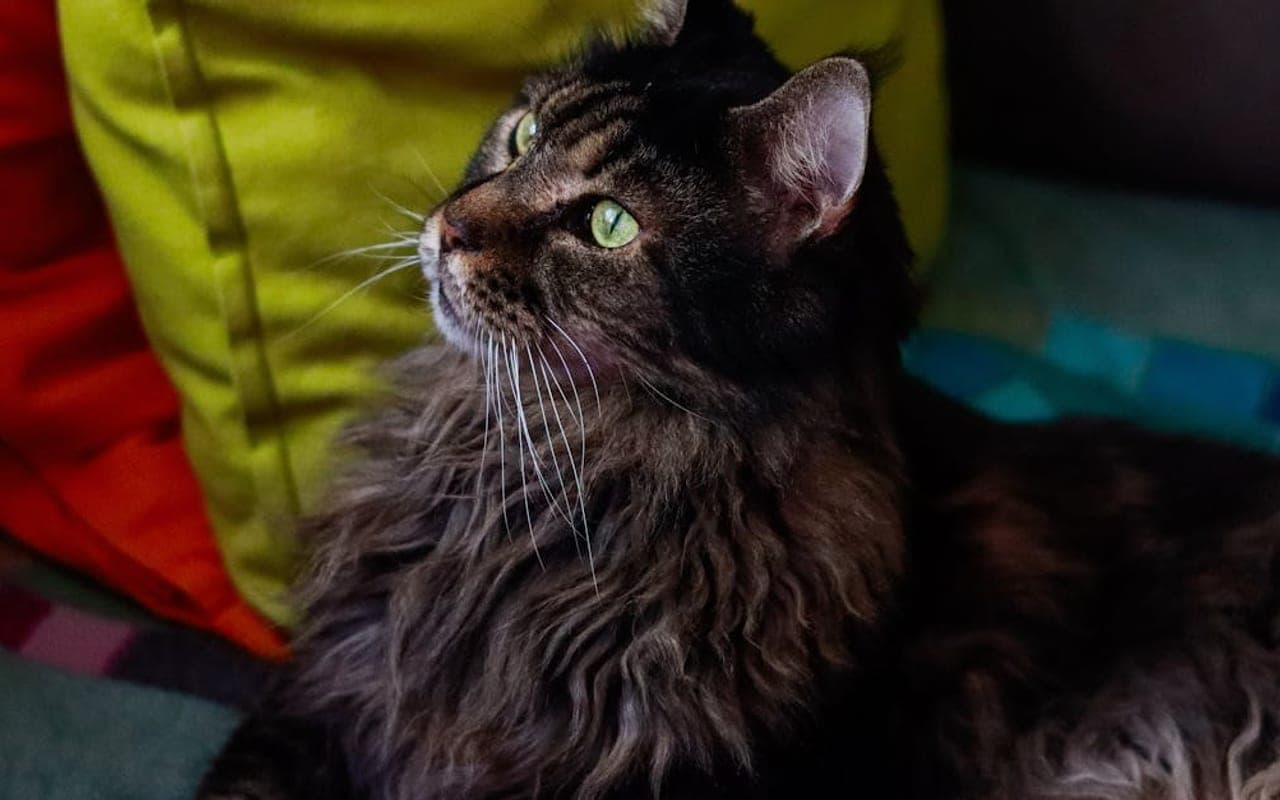
Maine Coon
Also in the Longhair group, with different care and temperament tradeoffs.
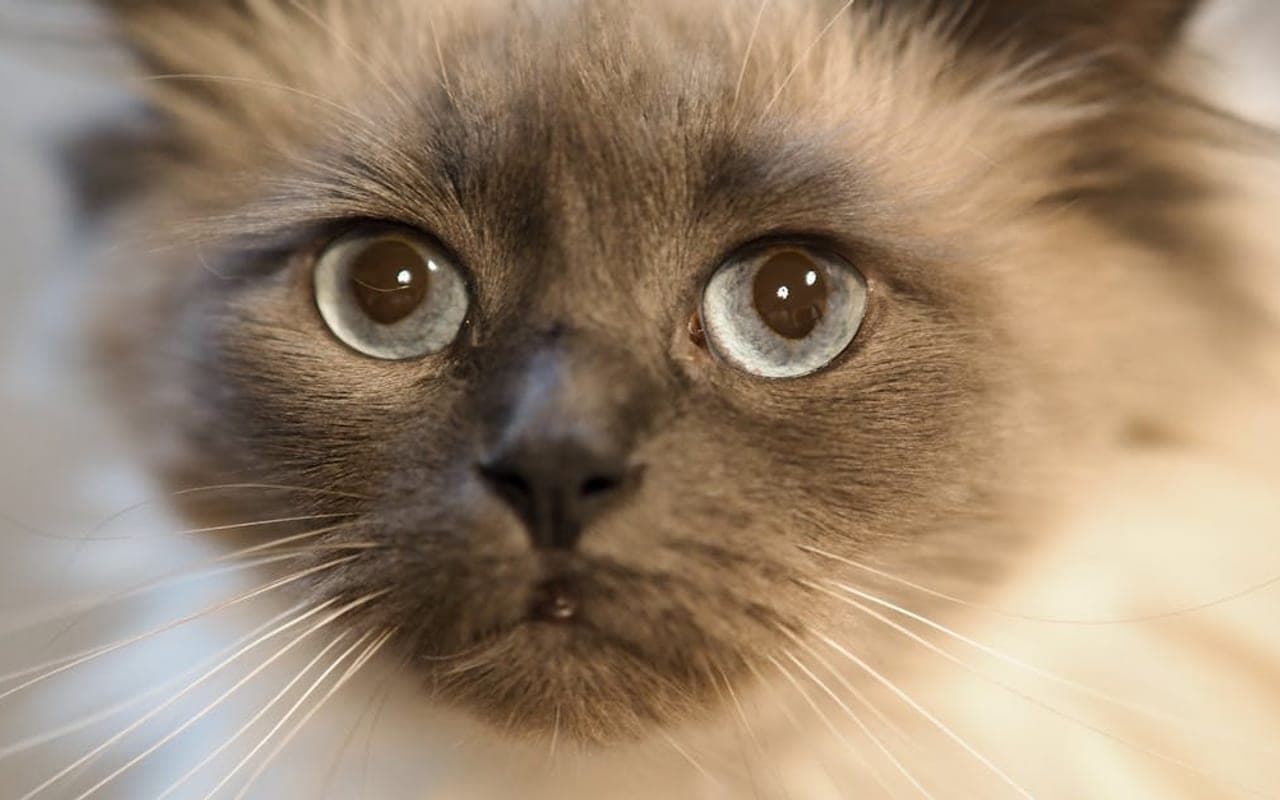
Ragdoll
Also in the Longhair group, with different care and temperament tradeoffs.
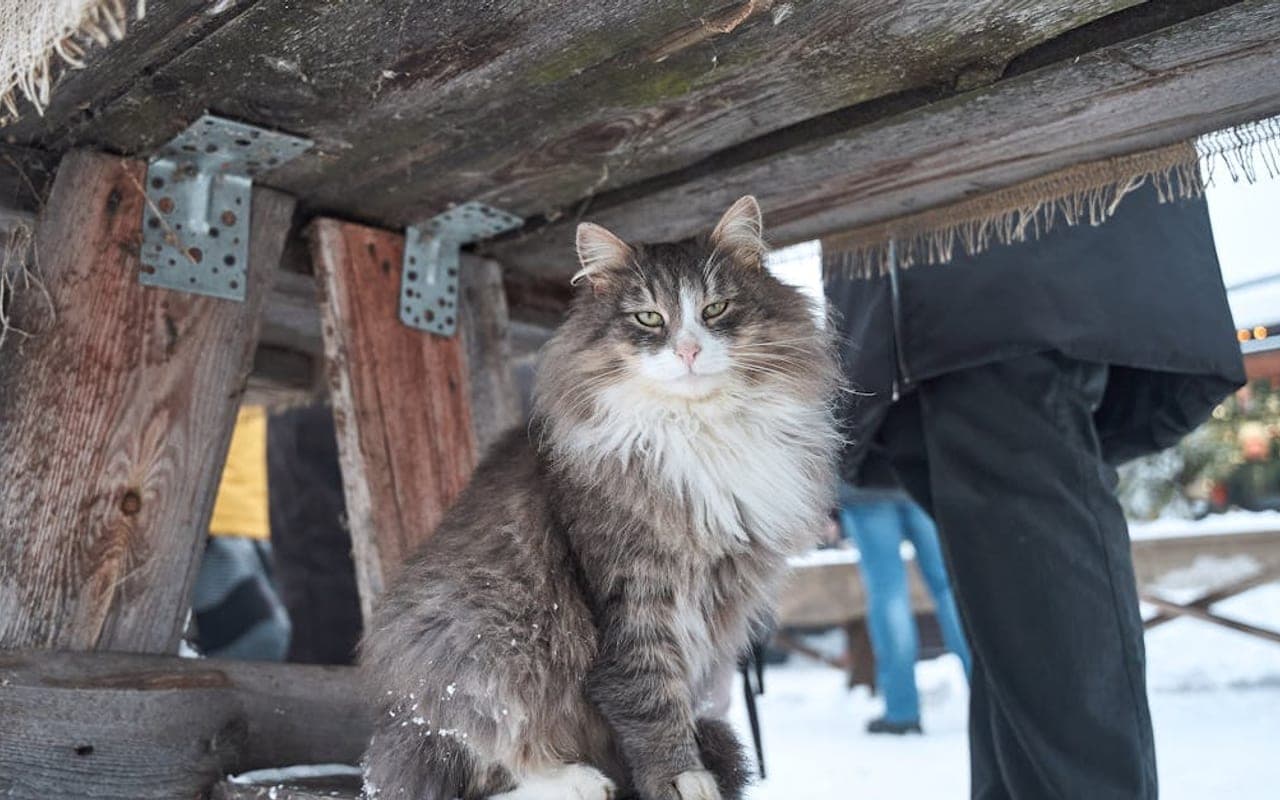
Norwegian Forest Cat
Also in the Longhair group, with different care and temperament tradeoffs.
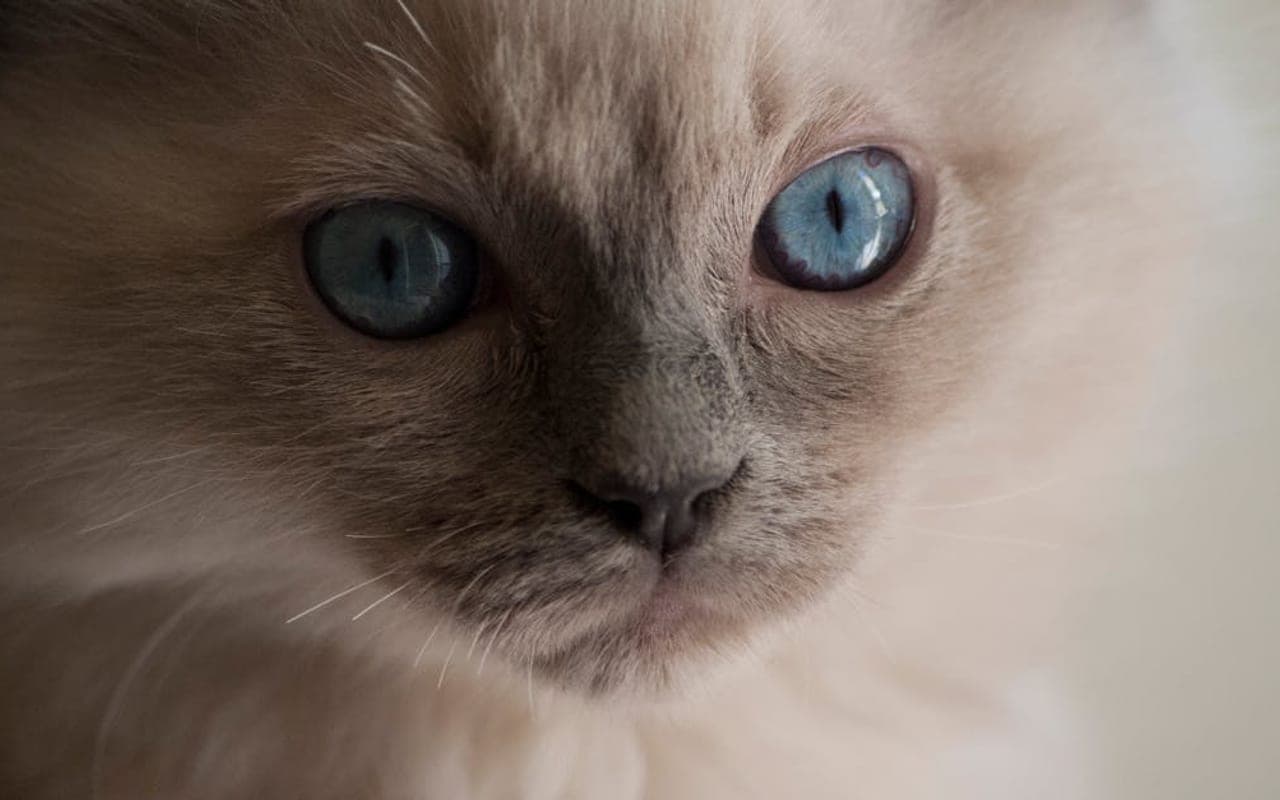
Birman
Also in the Longhair group, with different care and temperament tradeoffs.
Explore More About Persian
Dive deeper into everything Persian — costs, care, and expert insights.
How Much Does a Persian Cost?
Purchase price, monthly costs, and lifetime expenses
Complete Persian Cat Care Guide
The Persian cat doesn't rush anything — not their walk across the room, not their...
Kidney Disease in Cats: The Silent Killer Explained
Kidney disease is the leading cause of death in senior cats. Early detection and management can add...
How to Trim Your Cat's Nails Without Getting Scratched
Gentle technique, gradual desensitization, and the right tools make cat nail trimming manageable —...
Why Does My Cat Knead? The Science Behind 'Making Biscuits'
Kneading traces back to nursing instinct — but it also involves territory marking, comfort-seeking,...
Considering a dog instead?
Browse Dogs