
Kidney Disease in Cats: The Silent Killer Explained
Not individually reviewed by a veterinarian. Read our editorial standards.
Last updated:
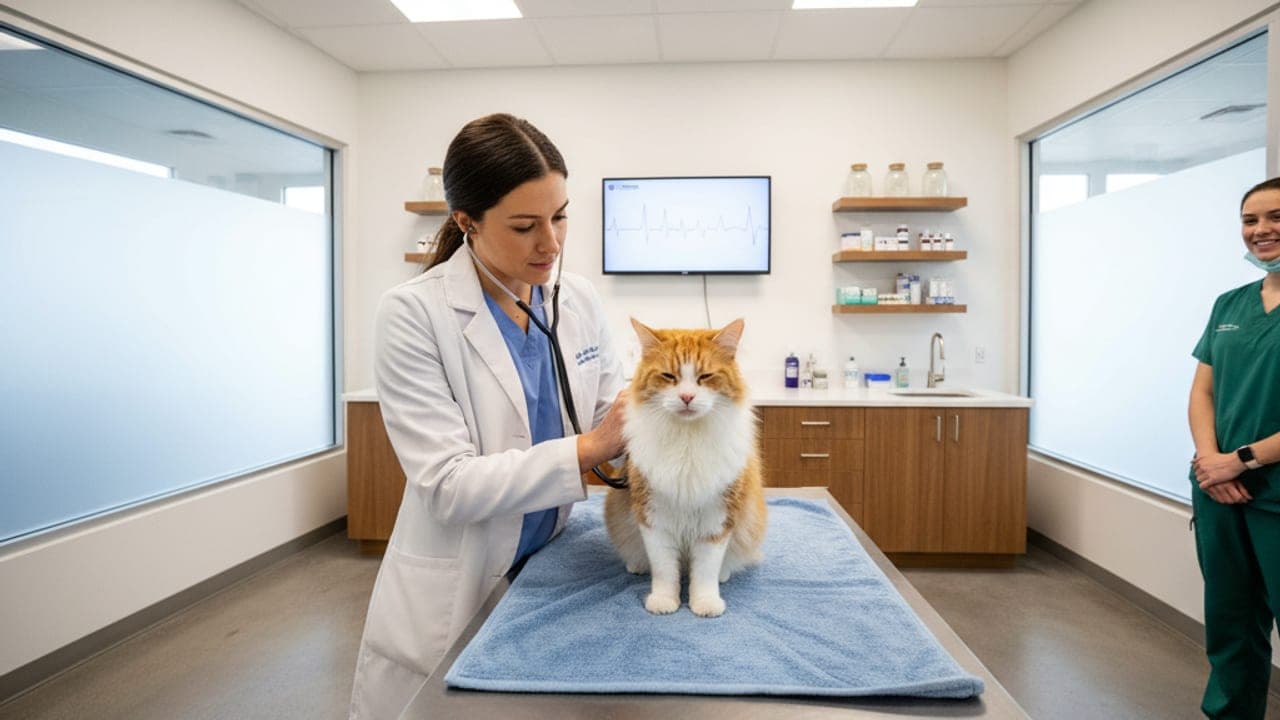
- Chronic kidney disease affects 1 in 3 cats over age 10
- Increased thirst and urination are often the first noticeable symptoms
- Early detection through annual bloodwork dramatically improves outcomes
- Prescription renal diets slow progression by reducing phosphorus and protein load
- With proper management, many cats live years after diagnosis
Discovering that your cat has kidney disease is one of the most common — and most worrying — diagnoses senior cat owners face. But here's what matters most: cats diagnosed early and managed properly can live comfortably for months to years beyond diagnosis. Knowledge is your strongest tool.
What Is Kidney Disease in Cats?
The kidneys filter waste from the blood, regulate hydration, manage blood pressure, and produce hormones essential for red blood cell production. When kidney function declines, toxins accumulate in the blood, leading to a cascade of symptoms.
Chronic kidney disease (CKD) is the most common form in cats, affecting an estimated 30-40% of cats over 10 years old and up to 81% of cats over 15. It develops gradually over months to years as kidney tissue is irreversibly damaged and replaced with scar tissue.
Acute kidney injury (AKI) is sudden-onset kidney failure, often caused by toxins (lilies, antifreeze, certain medications), urinary obstruction, or severe dehydration. AKI can sometimes be reversed if caught early.
What Causes Chronic Kidney Disease?
In many cats, the exact cause is never identified. Known contributing factors include:
- Age-related degeneration — the most common cause
- Chronic infections — including dental disease and chronic pyelonephritis
- Polycystic kidney disease (PKD) — a genetic condition common in Persians
- Lymphoma — kidney lymphoma is relatively common in cats
- Hypertension — high blood pressure damages kidney tissue
- Previous AKI — recovery from acute injury may leave permanent damage
- Chronic dehydration — cats that don't drink enough water over years
- Siamese and Abyssinian breeds may have genetic predisposition
Recognizing the Symptoms
CKD symptoms emerge gradually and often go unnoticed until the disease is moderately advanced. By the time most cats show clinical signs, approximately 65-75% of kidney function is already lost.
Early signs (often subtle):
- Increased thirst — seeking water bowls more often, drinking from faucets or unusual sources
- Increased urination — larger, wetter clumps in the litter box
- Slight weight loss
- Mildly decreased appetite
Moderate signs:
- Noticeable weight loss, especially muscle mass along the spine
- Poor coat quality — dull, matted, unkempt fur
- Decreased appetite — may become picky or eat less at each meal
- Mild dehydration — check by gently tenting the skin on the back of the neck (it should snap back instantly)
- Occasional vomiting
- Bad breath (uremic breath — a distinctive chemical smell)
Advanced signs:
- Significant weight loss
- Lethargy and withdrawal
- Frequent vomiting
- Mouth ulcers (from uremic toxins)
- Anemia — pale gums, weakness
- Very large or very small urine volume
How Is Kidney Disease Diagnosed?
Early detection saves lives. Annual blood work for cats over 7 is the single best screening tool.
Key tests:
- Blood urea nitrogen (BUN) and creatinine — traditional markers of kidney function
- SDMA (symmetric dimethylarginine) — a newer, more sensitive marker that detects kidney disease earlier than creatinine, sometimes when only 25-40% of function is lost
- Urinalysis — dilute urine (low specific gravity) is often the earliest detectable change
- Urine protein-to-creatinine ratio — detects protein loss through damaged kidneys
- Blood pressure measurement — hypertension is common with CKD
- Complete blood count — to check for anemia
- Imaging — ultrasound can reveal kidney size, structure, and the presence of cysts or tumors
IRIS Staging: Understanding the Numbers
The International Renal Interest Society (IRIS) classifies CKD into four stages based on creatinine (or SDMA) levels:
| Stage | Creatinine (mg/dL) | What It Means | Kidney Function Remaining |
|---|---|---|---|
| Stage 1 | < 1.6 | Non-azotemic but has CKD indicators | >67% |
| Stage 2 | 1.6-2.8 | Mild azotemia, often first detected | 33-67% |
| Stage 3 | 2.9-5.0 | Moderate azotemia, clinical signs present | 15-33% |
| Stage 4 | > 5.0 | Severe azotemia, significant illness | <15% |
Each stage is further sub-staged based on proteinuria and blood pressure. Staging guides treatment decisions and provides prognostic information.
Treatment and Management
CKD cannot be cured, but management can dramatically slow progression and maintain quality of life.
Diet Management
Renal diets are the cornerstone of CKD management. Prescription kidney diets are:
- Reduced in phosphorus (one of the most important dietary interventions)
- Moderately restricted in protein (high-quality protein sources)
- Supplemented with omega-3 fatty acids
- Higher in potassium
- Calorie-dense to combat weight loss
Studies show that cats fed renal diets live an average of 2-3 times longer than those on regular food. Diet change alone is one of the most impactful treatments available. For nutrition fundamentals, see our cat nutrition guide.
Hydration
Dehydration accelerates kidney damage. Increasing water intake is critical:
- Wet food — canned or pouch food is 70-80% water
- Water fountains — many cats prefer moving water
- Multiple water bowls in different locations
- Subcutaneous fluids — for moderate to advanced CKD, your vet may teach you to give fluids under the skin at home. This sounds intimidating but becomes routine quickly and makes a significant difference in how cats feel.
Phosphorus Control
Elevated phosphorus drives CKD progression. Management includes:
- Renal diet (reduced phosphorus)
- Phosphorus binders (mixed with food) if dietary restriction isn't sufficient
- Regular monitoring of phosphorus levels
Blood Pressure Management
Hypertension damages kidneys further and can cause blindness. Anti-hypertensive medication (typically amlodipine) is prescribed when blood pressure exceeds safe thresholds.
Anemia Treatment
Advanced CKD reduces erythropoietin production, causing anemia. Treatment may include:
- Iron supplementation
- Erythropoietin-stimulating agents (darbepoetin)
- In severe cases, blood transfusion
Additional Medications
- Anti-nausea medication (maropitant/Cerenia, mirtazapine) — for cats with poor appetite
- Appetite stimulants (mirtazapine, capromorelin) — maintaining caloric intake is critical
- Potassium supplements — if levels drop below normal
- Antacids — for stomach acid excess from uremic toxins
Prognosis by Stage
| Stage | Median Survival (with management) | Quality of Life |
|---|---|---|
| Stage 1 | Years (often 5+) | Excellent — may be asymptomatic |
| Stage 2 | 2-4 years | Good — mild symptoms, manageable |
| Stage 3 | 6-24 months | Variable — requires active management |
| Stage 4 | Weeks to months | Guarded — comfort-focused care |
These are averages. Individual cats can outperform or underperform these timelines significantly. Regular monitoring and treatment adjustments make the biggest difference.
Quality of Life: The Most Important Metric
As CKD progresses, quality of life becomes the central consideration. Ask yourself regularly:
- Is my cat eating and drinking adequately?
- Does she still enjoy being petted, sitting in the sun, or her favorite activities?
- Is she free from persistent nausea or discomfort?
- Is she maintaining a reasonable weight?
- Are there more good days than bad days?
Your veterinarian can help you assess quality of life objectively. When bad days consistently outnumber good days, a compassionate conversation about end-of-life care is appropriate.
When in doubt about your cat's kidney health — especially if she's drinking more or losing weight — ask your vet for blood work. Early detection is the single most powerful tool. Visit our cat guides for breed-specific health insights.
FAQ
Can kidney disease in cats be prevented?
There's no guaranteed prevention, but you can reduce risk by ensuring adequate hydration (wet food, water fountains), maintaining dental health, avoiding nephrotoxic substances (lilies, NSAIDs, antifreeze), and scheduling annual blood work for cats over 7.
How long can a cat live with kidney disease?
It depends on the stage at diagnosis and how well the disease is managed. Stage 1-2 cats can live 3-5+ years. Stage 3 cats average 1-2 years. Stage 4 cats typically survive weeks to months, though individual variation is significant.
Is kidney disease painful for cats?
CKD itself isn't painful in the way we typically think of pain, but the nausea, dehydration, and mouth ulcers it causes are uncomfortable. Proper management addresses these symptoms. Many well-managed CKD cats appear comfortable and content.
Should I force-feed a cat with kidney disease?
Force-feeding is stressful and rarely beneficial. Instead, work with your vet on appetite stimulants, anti-nausea medications, and food warming or flavor enhancers. If a cat consistently refuses food despite these interventions, it's important to discuss quality of life with your vet.
Are there warning signs that kidney disease is getting worse?
Increasing vomiting frequency, refusal to eat for 24+ hours, significant weight loss, extreme lethargy, pale gums, or a sudden strong ammonia smell to the breath all indicate progression. Contact your vet promptly if you notice any of these changes.
Mr Pet Lover Team
The Mr Pet Lover team is dedicated to providing warm, accurate, and practical pet care advice backed by veterinary research and real-world experience.
Related Articles
Hyperthyroidism in Cats: The Overactive Thyroid Explained
If your senior cat is losing weight but eating more than ever, hyperthyroidism may be the reason. Here's how it's diagnosed and the treatment options available.

Feline Diabetes: Symptoms, Treatment, and Remission
A diabetes diagnosis for your cat can feel overwhelming. But with proper management, many cats live well — and some even go into remission.

Obesity in Pets: The #1 Preventable Health Problem
Over 50% of dogs and cats are overweight. Extra weight shortens lives and causes real health problems. Here's how to assess and address it safely.