
Feline Diabetes: Symptoms, Treatment, and Remission
Not individually reviewed by a veterinarian. Read our editorial standards.
Last updated:

- Overweight cats are 4x more likely to develop diabetes than lean cats
- Increased thirst, frequent urination, and weight loss despite eating are key symptoms
- Many cats achieve remission with early insulin therapy and diet change
- High-protein, low-carbohydrate diets are the dietary standard for diabetic cats
- Home blood glucose monitoring makes management easier and more accurate
Learning that your cat has diabetes can feel like a daunting diagnosis, especially when insulin injections are mentioned. But here's something many owners don't know: with early, aggressive management, up to 30% of diabetic cats can actually go into remission. Understanding this condition puts you and your vet on the best path forward.
What Is Feline Diabetes?
Diabetes mellitus in cats is a condition where the body can't properly regulate blood sugar. The pancreas either doesn't produce enough insulin (Type 1) or the body's cells don't respond properly to insulin (Type 2). In cats, Type 2 diabetes accounts for 80-95% of cases — similar to Type 2 diabetes in humans.
Insulin is the hormone that allows glucose (sugar) from food to enter cells and be used for energy. Without effective insulin action, glucose accumulates in the blood while cells starve for energy.
Risk Factors: Which Cats Are Most Likely to Develop Diabetes?
Obesity is the single greatest risk factor. Obese cats are up to 4 times more likely to develop diabetes than lean cats. Every extra pound increases insulin resistance.
Age — most commonly diagnosed in cats over 7 years old, with peak incidence between 10-13 years.
Sex — male cats are about twice as likely to develop diabetes as females.
Breed — Burmese cats have a notably higher incidence, approximately 4 times the risk of other breeds. Siamese cats and other Oriental breeds may also have increased risk.
Other factors:
- Chronic pancreatitis (inflammation of the pancreas)
- Steroid medications (prednisone, dexamethasone)
- Acromegaly (growth hormone excess)
- Indoor-only lifestyle with low activity
Recognizing the Symptoms
The classic signs of feline diabetes form a pattern that becomes unmistakable once you know what to look for:
Early signs:
- Increased thirst (polydipsia) — drinking noticeably more water, seeking unusual water sources
- Increased urination (polyuria) — larger clumps in the litter box, more frequent box visits
- Weight loss despite a normal or increased appetite — the hallmark paradox of diabetes
- Increased appetite (polyphagia) — the body is hungry because cells can't access glucose
Progressive signs:
- Muscle wasting, especially along the spine
- Poor coat quality — dull, greasy, or unkempt fur
- Decreased activity and lethargy
- Plantigrade stance — walking flat on the hocks instead of on tiptoe, indicating diabetic neuropathy
Emergency signs (diabetic ketoacidosis — DKA):
- Vomiting
- Complete loss of appetite
- Severe lethargy or collapse
- Fruity-smelling breath
- Rapid breathing
DKA is a life-threatening emergency. If your diabetic cat vomits, stops eating, or becomes suddenly lethargic, go to the emergency vet immediately.
How Is Diabetes Diagnosed?
Diagnosis requires both persistent hyperglycemia (high blood sugar) AND glucosuria (sugar in the urine). A single high blood sugar reading isn't sufficient because stress alone can elevate feline blood glucose dramatically ("stress hyperglycemia").
Your vet will likely run:
- Blood glucose — fasting levels above 300 mg/dL are strongly suggestive
- Fructosamine — measures average blood sugar over the past 2-3 weeks, eliminating stress artifacts
- Urinalysis — confirms glucose in urine and checks for urinary tract infection (common in diabetic cats)
- Complete blood count and chemistry panel — rules out concurrent disease
- Thyroid level — hyperthyroidism can mimic or mask diabetes in older cats
Insulin Therapy: Not as Scary as It Sounds
Most newly diagnosed diabetic cats need insulin injections. The idea is daunting, but the reality is far more manageable than most owners expect:
The needles are tiny — insulin syringes use 29-31 gauge needles, thinner than a human hair. Most cats barely notice the injection.
Injections are given under the skin — not into muscle or veins. The scruff of the neck or the skin along the sides are common sites. Your vet will demonstrate the technique.
Twice-daily injections are standard, typically 12 hours apart. Consistency in timing matters more than hitting the exact minute.
Common insulin types for cats:
- Glargine (Lantus) — often preferred for newly diagnosed cats because of its association with higher remission rates
- ProZinc (protamine zinc insulin) — FDA-approved for cats, good blood sugar control
- Vetsulin (lente insulin) — another veterinary-approved option
Your vet will start with a conservative dose and adjust based on monitoring.
Diet: A Critical Part of Management
Dietary change is as important as insulin for many diabetic cats:
High-protein, low-carbohydrate diets are the foundation. Cats are obligate carnivores, and their metabolism handles protein and fat far better than carbohydrates. Many commercial dry foods contain 30-50% carbohydrates — far more than a diabetic cat should eat.
Wet food is strongly preferred — canned food is naturally lower in carbohydrates and higher in protein than most dry foods. Many vets recommend transitioning entirely to wet food.
Prescription diabetic diets are available from several manufacturers. Your vet can recommend the best option.
Consistent feeding schedule — feed meals at consistent times, ideally coordinated with insulin injections.
For more on feline nutrition, our guide on what to feed your cat covers the fundamentals.
Monitoring at Home
Home monitoring helps your vet fine-tune insulin doses:
Blood glucose curves — your vet may ask you to check blood sugar at home at specific intervals. Home monitoring using a pet glucometer and ear-prick technique reduces stress compared to in-clinic curves.
Clinical signs — track water intake, urination volume, appetite, weight, and energy level. A diary helps identify trends.
Urine glucose strips — less precise than blood testing but can indicate general control between vet visits.
Weight tracking — weigh your cat weekly. Stable or gaining weight suggests improving control.
The Possibility of Remission
This is the best news about feline diabetes: up to 30% of cats achieve diabetic remission — meaning they no longer need insulin.
Factors that increase remission chances:
- Early, aggressive insulin therapy (especially with glargine)
- Rapid transition to a low-carbohydrate diet
- Achieving weight loss in overweight cats
- Short duration of diabetes before treatment begins
- Absence of concurrent diseases (pancreatitis, hyperthyroidism)
Remission is most likely within the first 3-6 months of treatment. Cats that require insulin beyond 6 months are less likely to achieve full remission, though dose reductions are still possible.
Important: Remission doesn't always mean permanent cure. Some cats relapse months or years later. Continued dietary management and regular vet monitoring are essential for all cats that have been diabetic.
Living With a Diabetic Cat
Daily management becomes routine surprisingly quickly. Most owners report that within 2-3 weeks, insulin injections feel as natural as feeding.
Work closely with your vet to optimize your cat's insulin dose, diet, and monitoring schedule. Regular check-ups (every 3-6 months for stable diabetics) ensure that management stays on track.
When in doubt about your cat's blood sugar — whether too high or too low — always contact your vet. Hypoglycemia (low blood sugar) is the most dangerous acute complication of insulin therapy and requires immediate action.
Visit our cat breed guides for breed-specific health information, including diabetes predisposition.
FAQ
How long can a cat live with diabetes?
With proper management, diabetic cats can live for many years — often as long as non-diabetic cats. Median survival times in well-managed cats range from 2-5 years after diagnosis, and many live significantly longer.
Is feline diabetes caused by diet?
Diet is a major contributing factor, especially high-carbohydrate dry food and overfeeding leading to obesity. However, genetics, age, and other health conditions also play roles. Switching to a low-carb, high-protein diet is one of the most impactful management tools.
Can I give my cat insulin at slightly different times each day?
Aim for consistency, but a 1-2 hour variation is generally acceptable. Significant timing shifts can affect blood sugar control. If your schedule is unpredictable, discuss flexible dosing strategies with your vet.
What happens if I miss an insulin dose?
One missed dose won't cause a crisis in most cases. Do not give a double dose to make up for it. Resume the normal schedule at the next injection time and note the missed dose for your vet. If it happens frequently, discuss your concerns with your veterinarian.
Is insulin expensive?
Insulin costs vary: glargine and ProZinc typically run $100-300 for a vial that lasts 1-3 months depending on dose. Syringes, glucose monitoring supplies, and prescription food add to monthly costs. Budget $100-250 per month for well-managed diabetes. Pet insurance purchased before diagnosis may cover a portion.
Mr Pet Lover Team
The Mr Pet Lover team is dedicated to providing warm, accurate, and practical pet care advice backed by veterinary research and real-world experience.
Related Articles
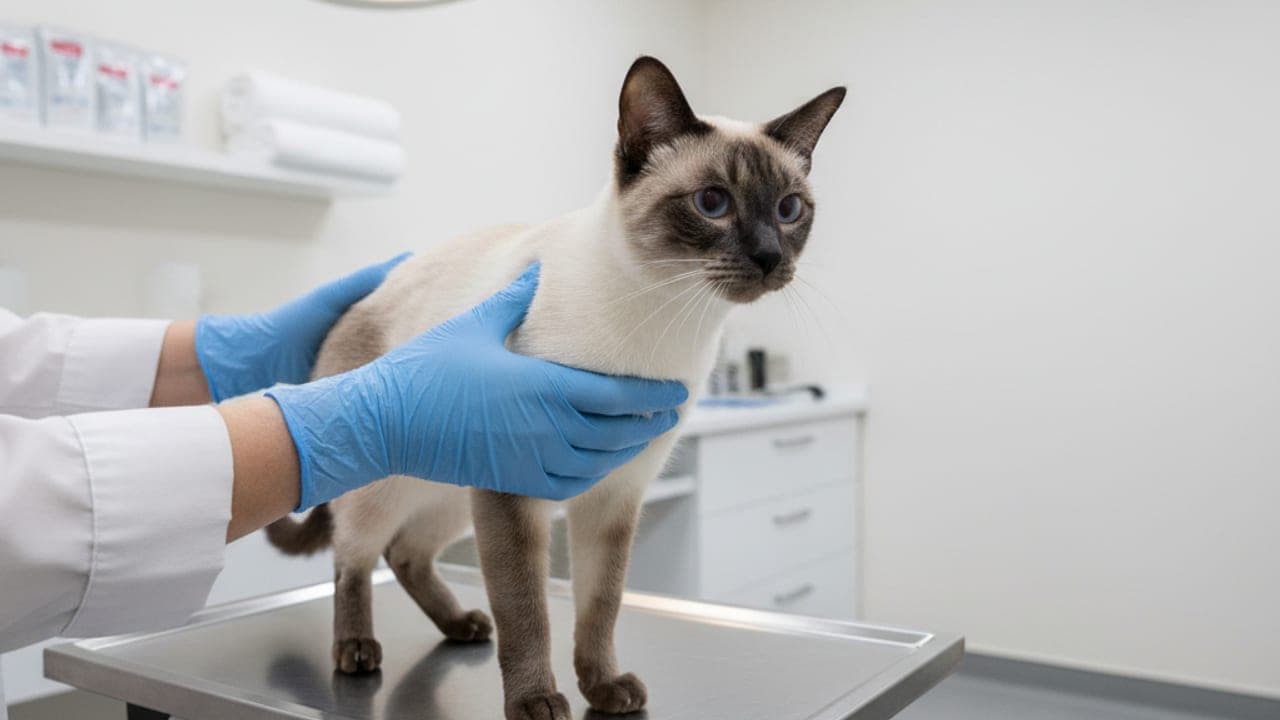
Hyperthyroidism in Cats: The Overactive Thyroid Explained
If your senior cat is losing weight but eating more than ever, hyperthyroidism may be the reason. Here's how it's diagnosed and the treatment options available.
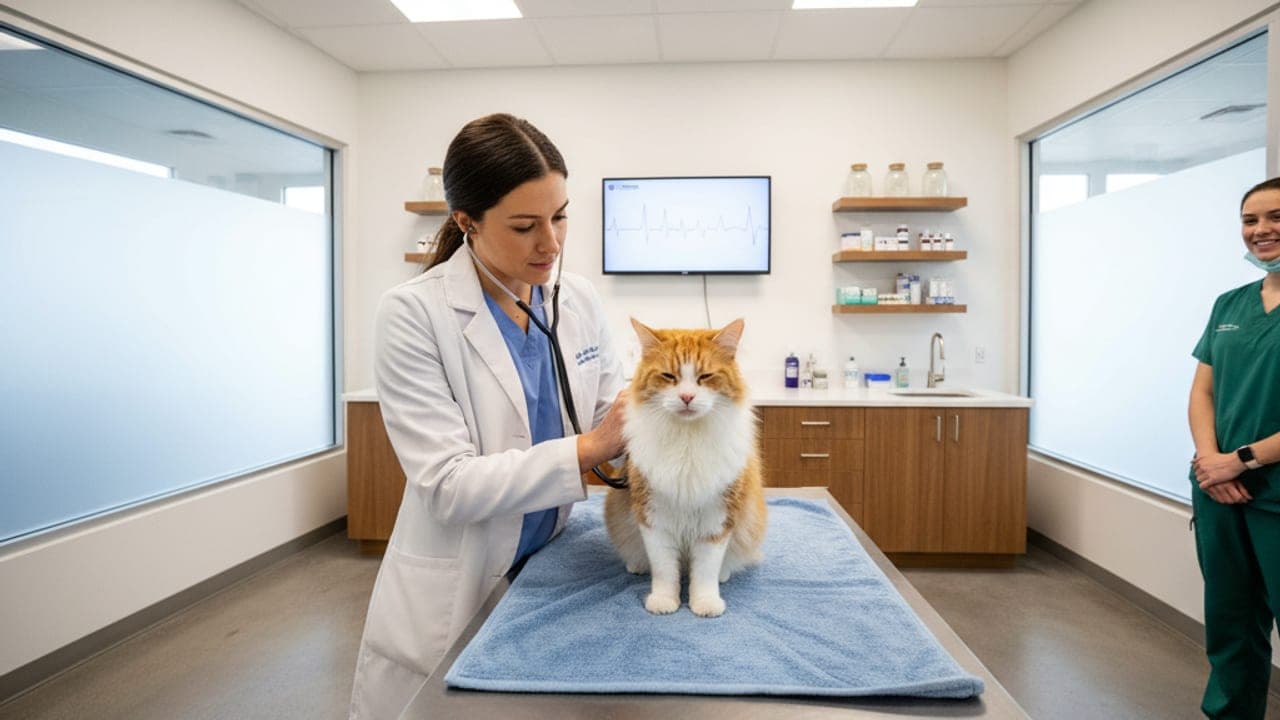
Kidney Disease in Cats: The Silent Killer Explained
Kidney disease is the leading cause of death in senior cats. Early detection and management can add months or years to your cat's life.

Obesity in Pets: The #1 Preventable Health Problem
Over 50% of dogs and cats are overweight. Extra weight shortens lives and causes real health problems. Here's how to assess and address it safely.