
Shorthair group
Siamese
A vocal, highly social, intelligent shorthair cat that thrives with daily interaction, climbing space, play, and owners who enjoy an expressive companion.
Size
6-12 lb
Lifespan
12-15 years
Play
30-60 minutes
Shedding
Low
Experience
Best for engaged homes
Decision first
Is a Siamese right for you?
Start with fit before history or trivia. These are ownership signals, not guarantees about any individual cat.
Best suited for
- Homes that want an interactive cat involved in daily routines.
- Owners who enjoy a vocal, people-focused companion.
- Apartments with vertical space, daily play, and reliable enrichment.
- Families prepared to teach respectful handling and provide escape spaces.
- People who want a low-grooming coat but can still meet high social needs.
Think carefully if
- You want a quiet, independent cat that mostly keeps to itself.
- The cat will spend long days alone without interaction or enrichment.
- You cannot provide climbing furniture, puzzle feeding, and daily play.
- Frequent vocalization would be stressful in your home.
- You are not prepared to monitor eyes, breathing, dental health, or appetite changes.
Conditional fit
Can live well in an apartment when vertical territory, daily play, predictable routines, and social contact are handled consistently. A Siamese usually needs engagement more than square footage.
Daily reality
Siamese commitment snapshot
Daily play
30-60 minutes
Use wand toys, chase games, climbing, puzzle feeders, and short training sessions.
Coat care
Weekly brushing
The short coat is easy, but nails, teeth, ears, and weight still need routine checks.
Social needs
Very high
Many Siamese cats follow their people and dislike being ignored for long stretches.
Noise level
Very vocal
Expect conversation, demands, and clear opinions, especially around routines.
Expected cost
Moderate
Routine costs are manageable, but screening and breed-associated health issues need planning.
Before you choose
Hard truths about Siamese cats
These points are not meant to discourage good matches. They make the tradeoffs visible before the cat comes home.
Low grooming does not mean low attention
The coat is easy, but Siamese cats often need more play, conversation, and enrichment than calmer breeds.
Vocalization is part of the package
A Siamese may call for meals, attention, closed doors, or schedule changes. This is normal breed behavior, not a defect.
Boredom can become behavior trouble
Without climbing, hunting-style play, and mental work, a smart Siamese may create its own entertainment.
Health monitoring still matters
Eye, respiratory, dental, liver, kidney, and tumor concerns make regular veterinary care and prompt symptom checks important.
Structured facts
Siamese at a glance
The measurements and traits that most affect day-to-day life with this breed.
Origin
Thailand
Group
Shorthair
Weight
6-12 lb
Height
9-12 in
Lifespan
12-15 years
Temperament
Active | Agile | Clever | Sociable | Loving | Energetic
View all characteristics and methodology
Lifestyle fit
- Apartment suitabilityWorks best with clean litter setup, vertical space, and daily enrichment.
- Likely fit
- Child friendliness
- Often good, with socialisation and supervision
- Other-pet fit
- Often compatible with careful introductions
- Adaptability
- Very high
Owner commitment
- Daily play
- 30-60 minutes
- Grooming
- Low
- Shedding
- Low
- Indoor enrichment
- High
Behavior
- Affection
- Very high
- Energy
- Very high
- Vocalization
- Very high
- Social needs
- Very high
Environment and health
- Intelligence
- Very high
- Health risk
- Needs planning
- Weight sensitivity
- Routine monitoring
Ratings combine structured breed data, visible breed fields, and editorial context. They are planning aids, not predictions for an individual cat.
Daily life
Siamese temperament and behavior
Siamese cats are typically vocal, people-focused, intelligent, and busy. Their affectionate side works best when owners actively build play, routine, and enrichment into the day.
Active | Agile | Clever | Sociable | Loving | Energetic
Talkative companion
Siamese cats are known for frequent vocal interaction and strong opinions about household routines.
People focused
Many bond closely with their family and prefer being near activity instead of watching from a distance.
Smart and busy
Puzzle feeders, climbing routes, clicker training, and rotating toys help prevent boredom.
Sensitive to routine
Predictable feeding, play, litter, and rest spaces can help a social Siamese feel settled.
Owner note
Plan for a cat that wants interaction, not just food and a clean litter box. The same social drive that makes Siamese cats engaging can become demanding behavior when daily play and attention are weak.
Care essentials
How to care for a Siamese
What looking after one actually involves: play, grooming, food, litter, and routine health.
Play and enrichmentDaily, 30-60 minutes
- Use wand toys, fetch, chase games, food puzzles, and short training sessions.
- Provide vertical space such as cat trees, shelves, or window perches.
- Rotate toys so the cat has novelty without constant new purchases.
GroomingWeekly
- Brush the short coat weekly to remove loose hair and check skin condition.
- Trim nails regularly and provide sturdy scratching surfaces.
- Do not skip dental care just because the coat is easy.
NutritionMeasured meals
- Use body condition and veterinary guidance to avoid weight creep.
- Puzzle feeders can slow meals and add mental work.
- Ask a veterinarian before major diet changes, especially with appetite, urinary, or digestive issues.
Indoor environmentAlways available
- Keep litter boxes clean, accessible, and separated from noisy appliances.
- Offer high resting places and quiet retreats away from children or visitors.
- Window perches and scent-safe enrichment can make indoor life more satisfying.
Routine healthWeekly checks, annual exams
- Watch eyes, breathing, teeth, gums, appetite, weight, and new lumps.
- Discuss inherited eye disease, asthma-like signs, dental care, and breed-line risks with your veterinarian.
- Urgent breathing trouble, collapse, or sudden appetite loss should be assessed by a veterinary professional.
Care calendar
Daily
- Meals, water, litter check, social time, active play, and a quick behavior check.
Several times weekly
- Puzzle feeding, toy rotation, brushing, and climbing-space reset.
Weekly
- Nails, teeth or gum check, ears, eyes, weight trend, and litter-box pattern review.
Monthly
- Deeper environment refresh, scratching-surface check, and lump or breathing-symptom review.
Annually
- Veterinary examination, dental plan, vaccination review, parasite prevention, and breed-risk discussion.
Health planning
Siamese health risks and screening
Siamese cats have several breed-associated risks worth planning for. Screening, family history, and regular veterinary care reduce uncertainty but cannot guarantee an individual cat's outcome.
Progressive retinal atrophy
Why it mattersInherited retinal disease can cause gradual vision loss in affected lines.
ScreeningAsk breeders about DNA testing, eye exams, and ophthalmic history.
Call a vet forNight-vision changes, bumping into objects, dilated pupils, or sudden eye changes.
Amyloidosis
Why it mattersAmyloid deposits can damage organs such as the liver or kidneys in affected family lines.
ScreeningAsk about family history and discuss bloodwork or monitoring with your veterinarian.
Call a vet forPoor appetite, weight loss, vomiting, jaundice, excessive thirst, or severe lethargy.
Asthma or chronic bronchial disease
Why it mattersSiamese cats are over-represented for airway disease that may need long-term management.
ScreeningVeterinary exam, history review, and diagnostics when coughing or wheezing appears.
Call a vet forCoughing, wheezing, open-mouth breathing, fast breathing, or breathing effort.
Dental disease
Why it mattersEarly periodontal disease and oral inflammation can affect comfort, eating, and long-term health.
ScreeningRoutine oral exams and veterinarian-directed dental cleanings when needed.
Call a vet forBad breath, drooling, pawing at the mouth, appetite change, or red gums.
Lumps or sudden breathing changes
Why it mattersSiamese and related Oriental lines have elevated concern for some tumors, so changes should not be ignored.
ScreeningRegular home checks and veterinary assessment of new masses or respiratory signs.
Call a vet forAny new lump, rapid growth, weight loss, breathing change, or persistent lethargy.
Ownership cost
How much does a Siamese cost?
Cost figures are structured so first-year and lifetime estimates do not conflict with the underlying line items.
| Acquisition | $400-$2,500 |
|---|---|
| Routine monthly | About $70/month |
| Routine annual | About $840/year |
| First-year estimate | $1,240-$3,340 |
| Lifetime routine estimate | $10,080-$12,600 routine costs |
Currency: USD. Region: United States. Typical ranges for this breed. Equipment, insurance, emergency veterinary care, boarding and training are NOT included: we hold no sourced figures for them, and estimating them would be a guess presented as data.
kitten development
Siamese kitten growth timeline
Milestones vary by individual cat. Vaccination and medical timing should be veterinarian-directed and location-dependent.
Stage 1
Birth to 8 weeks
- Focus
- Litter development, nursing, and early handling by the breeder or rescue.
- Training
- Gentle handling and early confidence building.
- Care
- Kittens should remain with the litter and receive breeder- or rescue-managed veterinary care.
Stage 2
8 to 16 weeks
- Focus
- Home transition, litter-box routine, safe rooms, scratching surfaces, and gentle socialization.
- Training
- Name response, carrier comfort, nail handling, and short play routines.
- Care
- Veterinarian-directed vaccination, parasite prevention, and feeding plan.
Stage 3
4 to 6 months
- Focus
- Teething, climbing confidence, play manners, and household boundaries.
- Training
- Redirect biting to toys, reward calm handling, and build carrier confidence.
- Care
- Discuss spay or neuter timing and monitor weight, appetite, and litter patterns.
Stage 4
6 to 12 months
- Focus
- Adolescence, high play drive, vocal routines, and territory confidence.
- Training
- Keep daily play predictable and reward scratching posts, perches, and calm greetings.
- Care
- Continue dental, eye, respiratory, and weight monitoring.
Stage 5
Adult maturity
- Focus
- Stable routines, enrichment rotation, and long-term health monitoring.
- Training
- Maintain carrier, handling, and enrichment habits so veterinary care stays easier.
- Care
- Annual exams, dental planning, and prompt review of breathing, appetite, eye, or lump changes.
Responsible ownership
Finding a Siamese responsibly
A responsible path can be a documented breeder or a good rescue match. The important part is transparency and support.
Reputable breeder
- Documented eye, respiratory, dental, and family health history relevant to Siamese lines.
- Transparent pedigree context, temperament notes, and early kitten socialization.
- Clean housing, age-appropriate veterinary care, written contract, and lifetime return support.
- No pressure selling, no always-available kittens, and no refusal to answer health questions.
Rescue or adoption
- Check breed-specific cat rescue groups and reputable shelters.
- Ask about temperament, medical history, foster notes, and support after adoption.
- Match the individual cat's age, energy, litter habits, and behavior history to your household.
Warning signs
- No health documentation.
- Pressure to buy immediately.
- No questions about your home or experience.
- Unclear return policy or unwillingness to provide references.
Original purpose
Siamese history
History is useful when it explains today's behavior, coat, exercise needs, and training style.
Read the breed history
The Siamese is among the oldest documented cat breeds, native to Thailand (formerly Siam), where it appears in the centuries-old illustrated manuscript the Tamra Maew (Cat-Book Poems) and was historically associated with temples and the royal court rather than working roles. It was introduced to the West in the late 1800s — a famous early pair was a diplomatic gift to the US — and rapidly became a fashionable show and companion cat. Unlike breeds shaped by a working function, the Siamese was selected primarily for its striking appearance (the temperature-sensitive enzyme producing the dark 'points' on a pale body) and its intensely social, vocal temperament, which is exactly why the modern cat is so people-oriented and talkative rather than independent. Twentieth-century show breeding then split the breed: the traditional rounder 'applehead' versus the progressively more extreme, slender 'wedge' show type. Knowing the Siamese was bred for closeness to people, not for a solitary job, explains why it bonds so hard, talks so much, and tolerates isolation so poorly — that dependence is the deliberate product of its history, not a behavior to be corrected.
Gallery
Siamese photos
Images are cropped consistently and loaded progressively to keep the page responsive.
Lower-page context
Siamese cats in culture
Where the breed shows up in film, sport, work and folklore — the enjoyable part, once the practical questions are answered.
Fun facts
- The Siamese originated in Thailand.
- Siamese cats are considered one of the most intelligent cat breeds.
- Siamese cats are known for being very vocal and communicative with their owners.
- The Siamese is one of the most energetic and playful cat breeds.
- The Siamese is considered a hypoallergenic breed, producing fewer allergens than most cats.
Siamese FAQs
How long do Siamese cats live?
Typically 12-15 years, and often longer with good care, as the breed is relatively long-lived. The factors most likely to shorten that are the breed-linked organ diseases — particularly amyloidosis of the liver or kidneys — and chronic asthma. Buying from a breeder who screens for PRA and is honest about amyloidosis in their lines, plus routine dental and organ monitoring as the cat ages, are the levers that protect that lifespan.
Are Siamese cats good with children and other pets?
Generally yes — they are social, active, and people-seeking, which suits an engaged family, and they often do well with other cats or even dogs because they want company. The caveats: they are vocal and attention-demanding, can be jealous of attention going elsewhere, and dislike being ignored. They thrive with older children who will interact and play, and notably benefit from a second cat in households that are out a lot.
Why are Siamese cats so loud, and can I stop it?
The Siamese is one of the most vocal cat breeds by genetics, not by accident — it was bred for closeness to people and communicates constantly with a loud, distinctive voice. You cannot train this out; it is core to the breed. You can reduce stress-driven excessive yowling by meeting its needs: 30-45 minutes of daily interactive play, enrichment, and ideally a feline companion if you are out a lot. If the noise itself would bother you, this is the wrong breed — choose a quieter cat rather than fight the trait.
Can a Siamese be left alone while I work?
Poorly, if alone. The Siamese is one of the most companionship-dependent cats and a lone Siamese in an empty house for 8+ hours commonly develops stress behaviors — excessive yowling, overgrooming, destructiveness. The realistic solution is a second compatible cat plus enrichment, not just more toys. If you cannot provide companionship, in-person interaction, or accept these stress behaviors, a more independent breed is the kinder choice for the cat.
How much does a Siamese cat cost to own?
A pedigree kitten from a screening breeder typically runs $600-$1,800; rescue is far less. Grooming costs are minimal because the coat is so easy. Ongoing costs are about $1,100-$2,200 a year for food, litter, routine vet, and the dental care this breed needs more of. The hidden costs are organ-related: amyloidosis management, chronic asthma medication, or dental surgery can each add $1,000-$3,000+, so puppy-stage pet insurance is worth considering for this breed's risk profile.
What is amyloidosis and why does it matter for Siamese?
Amyloidosis is the deposition of an abnormal protein (amyloid) in organs — in Siamese and Oriental lines typically the liver or kidneys — progressively impairing function and potentially causing organ failure or, with hepatic amyloidosis, a life-threatening liver bleed. It runs in families, so the main lever is buying from a breeder who is transparent about its presence in their lines rather than dismissive. There is no cure, only management, so treat unexplained vomiting, lethargy, increased drinking, or weight loss in a Siamese as a prompt vet visit, not a wait-and-see.
Owner essentials
Essentials for Siamese owners
Kit that follows from this breed's actual care demands, rather than a generic starter list.
Vertical space
Cat tree, shelves, window perch, and retreats.
Interactive play
Wand toys, fetch toys, tunnels, and rotation.
Puzzle feeding
Food puzzles and measured meals for busy minds.
Scratching and litter
Sturdy scratchers and clean litter stations.
Dental and carrier care
Tooth routine, nail tools, and carrier practice.
Sources
These are the published sources this page draws on. Each opens in a new tab so you can check it yourself.
Cat Fanciers' Association
Siamese — breed standard and profile(opens in a new tab)Supports: Breed standard and recognition details.
Similar breeds to consider
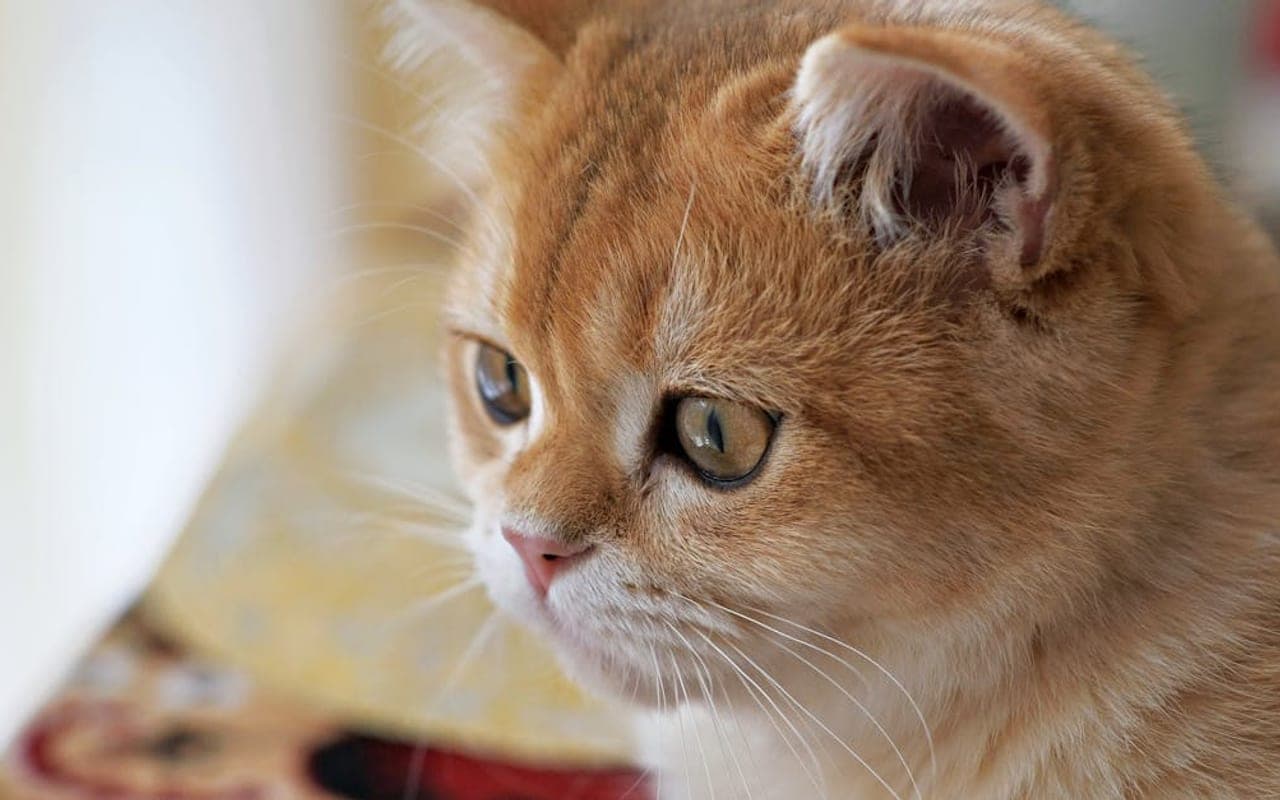
British Shorthair
A calmer shorthair option that often asks less from daily play and conversation.
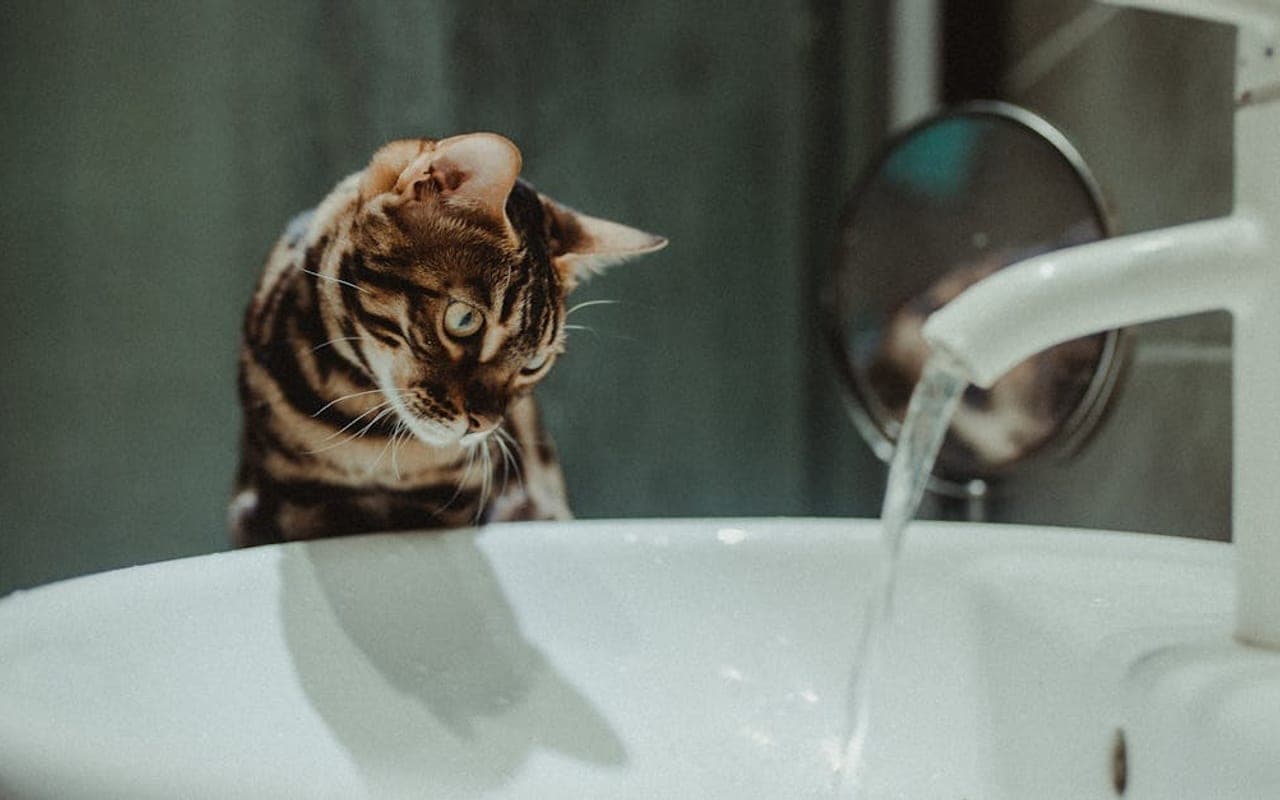
Bengal
Another highly interactive cat, usually more athletic and demanding for enrichment.
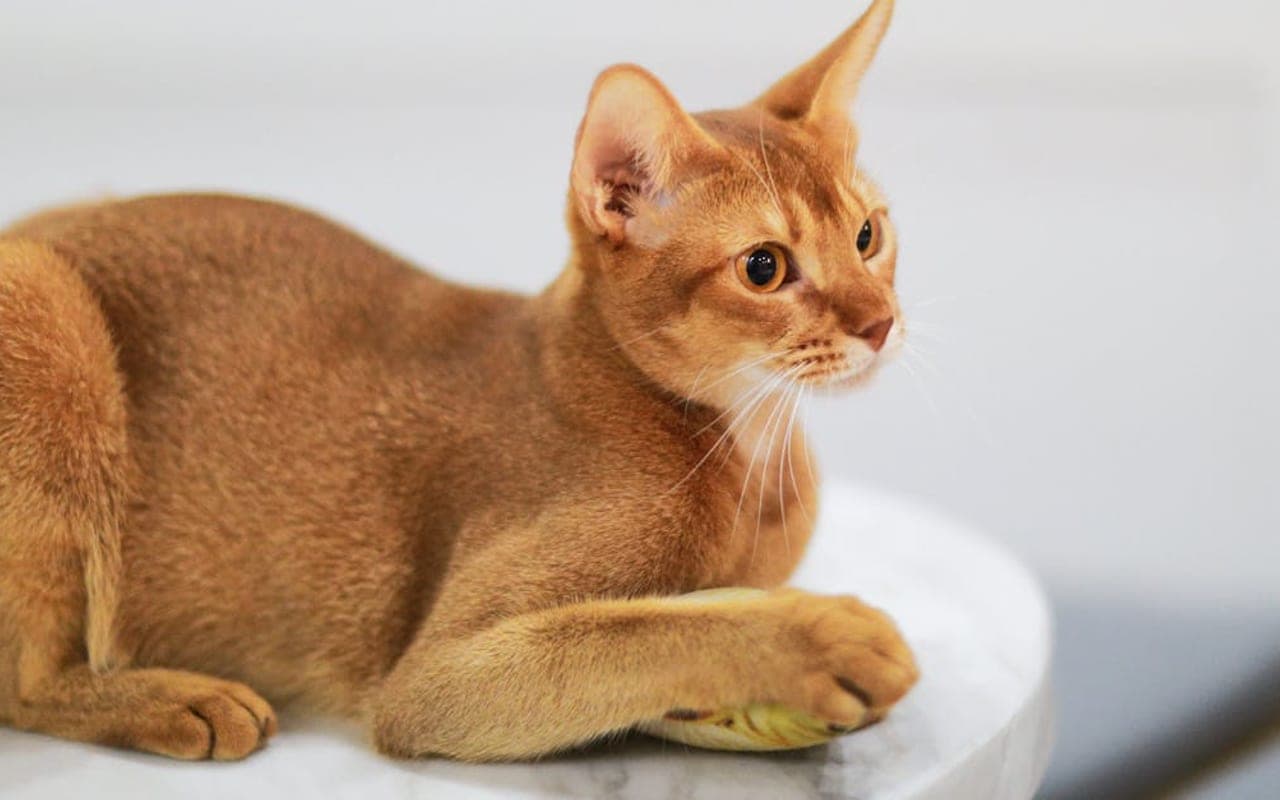
Abyssinian
Worth comparing for vocalization, enrichment needs, grooming, and family fit.
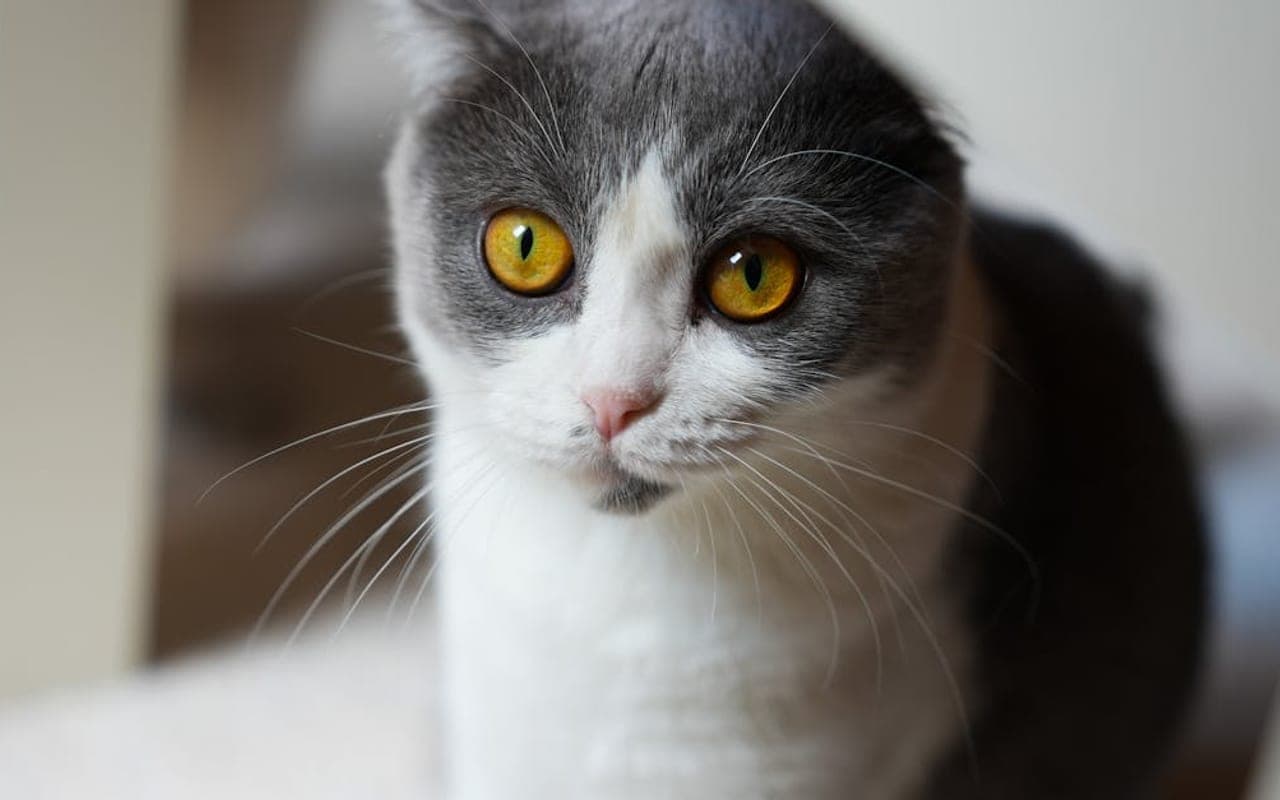
Scottish Fold
Worth comparing for vocalization, enrichment needs, grooming, and family fit.
Explore More About Siamese
Dive deeper into everything Siamese — costs, care, and expert insights.
How Much Does a Siamese Cost?
Purchase price, monthly costs, and lifetime expenses
Complete Siamese Cat Care Guide
Your Siamese doesn't meow — they have opinions. Loud, persistent, elaborately...
Can Cats Eat This? The Complete Toxic & Safe Human-Foods List
A cat-specific list of which human foods are safe, which are risky, and which are an emergency —...
Furbo vs Petcube: Which Pet Camera and Treat Dispenser Should You Buy?
Furbo and Petcube both make popular pet cameras, but they serve different buyers. Compare video...
Litter-Robot 4 vs. PetSafe ScoopFree: Is the $700 Automatic Box Actually Worth It?
Litter-Robot 4 costs far more up front, while PetSafe ScoopFree keeps the first purchase lower....
Considering a dog instead?
Browse Dogs