
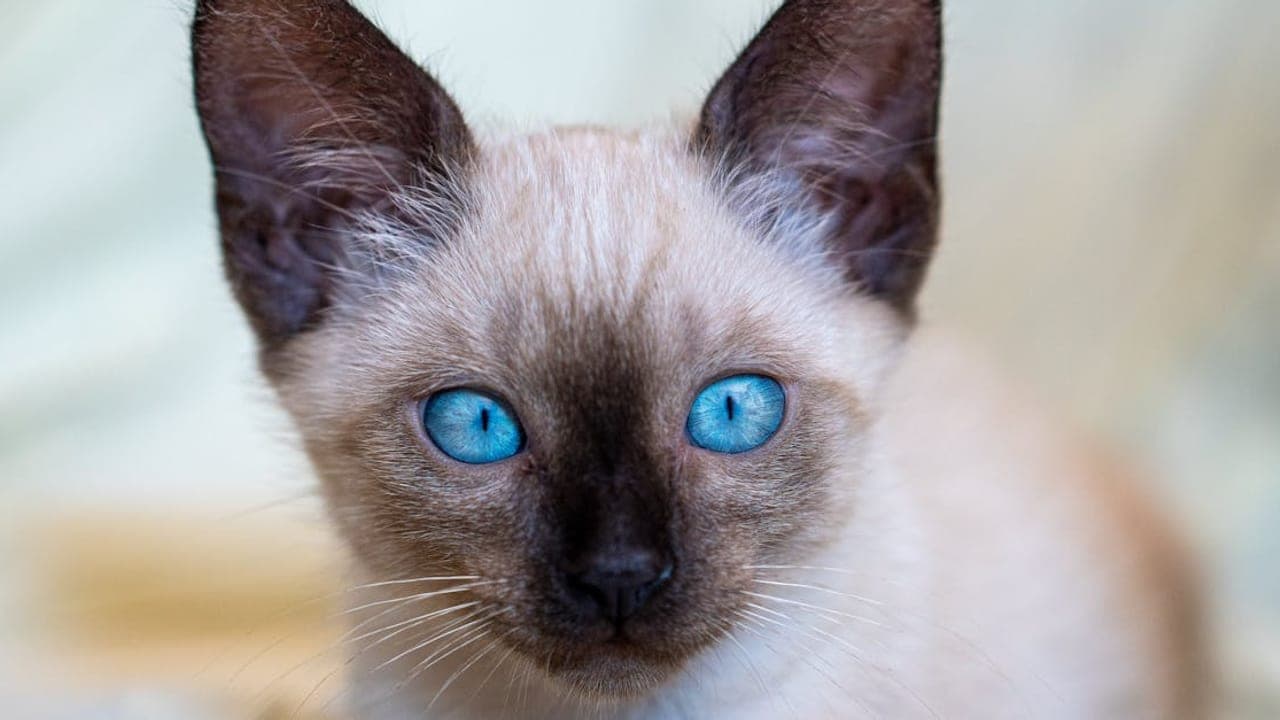
Complete Siamese Cat Care Guide
Your Siamese doesn't meow — they have opinions. Loud, persistent, elaborately vocalized opinions about when dinner should be served, why the bathroom door is closed, and whether you've been paying ade
In This Guide
Overview
Your Siamese doesn't meow — they have opinions. Loud, persistent, elaborately vocalized opinions about when dinner should be served, why the bathroom door is closed, and whether you've been paying adequate attention in the last eleven minutes. If you wanted a quiet cat, you chose the wrong breed. If you wanted a companion with more personality per pound than any other feline, you chose perfectly.
Why Siamese Care Is Unique
Siamese cats break nearly every stereotype about independent, aloof felines. They're social to the point of neediness, vocal to the point of conversation, intelligent to the point of mischief, and bonded to their humans to the point where separation anxiety is a genuine clinical concern. Caring for a Siamese means understanding that this isn't a decorative pet — it's a relationship.
What This Guide Covers
This guide addresses the specific needs that make Siamese cats different from other breeds:
- How to meet their extraordinary social and mental stimulation needs
- Nutrition for a lean, active metabolism with specific dietary sensitivities
- Exercise and enrichment that prevent the behavioral problems bored Siamese develop
- Coat care that takes advantage of their low-maintenance beauty
- Health conditions that Siamese owners must monitor proactively
- Realistic costs for a breed that's affordable to groom but may carry higher veterinary expenses
A well-understood Siamese is a magnificent companion. A misunderstood one is a loud, destructive household tornado. This guide keeps you firmly in the first category.
Daily Care
Siamese cats are demanding in the most endearing way possible. They want to be involved in everything you do, and their daily routine should accommodate a cat who considers themselves a full participant in family life.
Morning Routine
- Breakfast — Siamese cats often wake their owners for breakfast (vocally). Feeding at a consistent time reduces the 5 AM serenade. Use a timed automatic feeder if your Siamese's morning demands are affecting your sleep.
- Interactive play (10–15 minutes) — A wand toy, laser pointer chase, or fetch session (yes, many Siamese play fetch) burns off morning energy. Siamese who don't get morning play are more likely to knock things off counters for entertainment.
- Litter box maintenance — Clean daily. Siamese cats are particular about litter box cleanliness and will loudly inform you (or find alternative locations) if the box isn't up to their standards.
Social Needs — The Core of Siamese Care
Siamese cats form deep bonds and can develop genuine separation anxiety when left alone for extended periods.
- Alone time limit: No more than 8 hours regularly. If you work full-time, seriously consider:
- A second cat (ideally another Siamese or Oriental breed) for companionship
- A reliable midday visitor
- Interactive toys that provide stimulation during your absence
- Signs of loneliness: Excessive vocalization (even by Siamese standards), over-grooming leading to bald patches, destructive behavior, loss of appetite, and inappropriate elimination.
- Quality time: Dedicate at least 30 minutes of focused, interactive attention daily — not just being in the same room, but actively engaging with your cat.
Evening Routine
- Dinner — Second meal of the day. Siamese do well on scheduled feeding rather than free-feeding (helps prevent weight gain and gives you routine interaction).
- Extended play session (15–20 minutes) — Evening play mimics the natural crepuscular hunting pattern cats evolved for. Interactive toys, puzzle feeders, and training sessions all work.
- Lap time — Most Siamese demand evening lap time. This isn't optional from their perspective. Enjoy it — the Siamese purr is among the most therapeutic sounds in the animal kingdom.
Environmental Enrichment
- Vertical space — Cat trees, shelves, and window perches. Siamese are athletic climbers who feel more secure at height.
- Window access — Bird-watching is a favorite Siamese pastime. A window perch near a bird feeder provides hours of entertainment.
- Rotating toys — Put out 3–4 toys at a time and rotate weekly. Siamese lose interest in familiar toys quickly.
- Training — Siamese are among the most trainable cat breeds. Clicker training for tricks, recall, and even walking on a harness engages their intelligence and strengthens your bond.
Nutrition
Siamese cats have lean, muscular builds with fast metabolisms. They hold condition well on a measured diet, but they still gain weight if free-fed, and they have specific nutritional needs that support their active lifestyle and address breed health predispositions.
Feeding Guidelines by Life Stage
| Life Stage | Daily Amount | Meals Per Day | Key Focus | |---|---|---|---| | Kitten (2–12 months) | 1/3–3/4 cup dry or 6–9 oz wet | 3–4 meals | Growth, brain development | | Adult (1–10 years) | 1/4–1/2 cup dry or 5–7 oz wet | 2 meals | Lean muscle maintenance, dental health | | Senior (10+ years) | 1/4–1/3 cup dry or 4–6 oz wet | 2–3 meals | Kidney support, joint health, hydration |
Siamese cats tend toward the leaner side of feeding ranges. Their body type is naturally slender — don't overfeed trying to "fill them out." A healthy Siamese has visible waist definition and a slight abdominal tuck.
Nutritional Priorities
- High-quality animal protein — Siamese are obligate carnivores who need protein from animal sources. Look for named meats (chicken, turkey, salmon) as the first ingredients, not "meat meal" or "animal by-products."
- Wet food emphasis — Siamese cats benefit from a diet weighted towards wet food. Cats take much of their water with their food, and steady moisture intake supports urinary and kidney health. Note that the amyloidosis this breed is prone to is a liver disease — the renal form is the Abyssinian pattern, not the Siamese one.
- Taurine — An essential amino acid for cats that supports cardiac function and vision. Quality commercial cat foods include adequate taurine, but verify it's listed on the guaranteed analysis.
- Omega-3 and omega-6 fatty acids — Support their sleek coat and reduce inflammation associated with breed-specific health conditions.
Dental Health Through Diet
Siamese cats are prone to dental disease. Nutritional strategies that support dental health:
- Dental-specific kibble — Larger kibble pieces that encourage chewing and mechanically clean teeth; look for the Veterinary Oral Health Council seal rather than a marketing claim
- Avoid sticky treats — Soft, sticky treats adhere to teeth and accelerate tartar formation
- Raw chicken necks — Some veterinary nutritionists recommend these as a natural dental abrasive (discuss with your vet first, as raw feeding carries its own considerations)
Hydration
- Using a cat water fountain (moving water is more attractive than still)
- Placing multiple water stations throughout the house
- Adding water to dry food or using broth toppers
- Ensuring water bowls are wide enough that whiskers don't touch the sides
Exercise
Siamese cats are among the most athletic domestic cat breeds. They're agile, fast, and endlessly curious — but they need direction for that energy. A Siamese without adequate exercise and mental stimulation will find ways to entertain themselves that you won't appreciate.
Daily Activity Requirements
| Age | Active Play | Mental Enrichment | Total Daily | |---|---|---|---| | Kitten (under 1 year) | 30–45 min | Continuous (they never stop) | 45+ min | | Adult (1–10 years) | 20–30 min | 15–20 min structured | 35–50 min | | Senior (10+ years) | 15–20 min | 10–15 min | 25–35 min |
Best Activities for Siamese Cats
Interactive play (requires your participation — this is not optional):
- Wand toys — Feather and ribbon wand toys trigger their intense prey drive. Move the toy like real prey — erratic, with pauses and bursts. A Siamese who can predict the pattern loses interest.
- Fetch — Siamese are one of the few cat breeds that reliably learn fetch. Start with lightweight crinkle balls or small plush toys. Most Siamese pick up the concept within 2–3 sessions.
- Harness walking — Many Siamese adapt well to harness training, especially if started young. Begin indoors, then graduate to quiet outdoor areas. The mental stimulation of outdoor exploration exhausts them productively.
Independent enrichment (for when you're busy or away):
- Puzzle feeders — Serve at least one meal in a puzzle feeder. Food trees, treat balls, and snuffle mats make Siamese work for their food, channeling their intelligence.
- Automated toys — Battery-operated mice, rotating laser toys, and interactive circuits provide stimulation during your absence.
- Cat TV — Videos designed for cats (bird and fish footage) genuinely engage Siamese. Many owners report their Siamese will watch for 30+ minutes.
- Bird feeder placement — Position a bird feeder outside their favorite window. This is the most effective passive enrichment for the breed.
The Boredom Consequence
- Vocalize excessively (and Siamese vocalization is loud)
- Over-groom, leading to bald patches (psychogenic alopecia)
- Knock objects off surfaces methodically
- Open cabinets and drawers
- Develop aggression toward other pets or humans
- Engage in compulsive behaviors (pacing, excessive kneading)
If these behaviors appear, increase stimulation before assuming a medical cause. In most cases, enrichment resolves them within 2–3 weeks.
Grooming
Siamese cats are one of the lowest-maintenance breeds for coat care — their short, fine, close-lying coat requires minimal grooming effort. But other grooming needs (dental, nail, ear) require consistent attention.
Coat Care
The Siamese coat is single-layered, short, and fine with a natural sheen. It rarely mats and sheds less than most breeds.
- Brushing: Once weekly with a rubber grooming mitt or soft bristle brush. This removes loose hair and distributes skin oils. Many Siamese enjoy brushing as a bonding activity.
- Bathing: Rarely needed — every 2–3 months at most, or only when they get into something. Siamese coats self-maintain well. If bathing, use a gentle cat shampoo and dry thoroughly (they chill due to their thin coat).
- Coat changes: Siamese coat color is temperature-sensitive (darker on cooler body extremities — ears, face, paws, tail). This is normal and fascinating, not a health concern. Coat may darken slightly in winter and lighten in summer.
Dental Care — The Siamese Priority
Siamese cats are significantly predisposed to dental disease, including gingivitis, periodontal disease, and tooth resorption.
- Daily brushing: Use a finger brush or small cat toothbrush with enzymatic cat toothpaste. Start young — kittens who learn to tolerate brushing accept it lifelong.
- Dental treats: Enzymatic chews and dental treats as supplements to brushing (not replacements) — look for the Veterinary Oral Health Council seal rather than a marketing claim.
- Professional cleanings: Annually at minimum. Many Siamese need cleanings every 6–8 months. Your vet may recommend dental X-rays to check for resorptive lesions below the gumline.
- Watch for: Drooling, difficulty eating, red gums, bad breath, pawing at the mouth.
Nail Care
- Trim every 2 weeks — Siamese are active cats with fast-growing nails. Sharp nails combined with their climbing and scratching habits mean regular trimming prevents furniture damage and painful snags.
- Multiple scratching surfaces — Provide both vertical (posts) and horizontal (pads) scratching options. Siamese who have adequate scratching surfaces rarely damage furniture.
Ear and Eye Care
- Ears: Check weekly for debris or wax buildup. Siamese ears are large and open, making them less prone to infections than folded-ear breeds. Clean only when visible debris is present.
- Eyes: Siamese cats occasionally develop tear staining, especially lighter-pointed individuals. Wipe gently with a warm, damp cloth daily if staining is present. Excessive tearing may indicate eye irritation or blocked tear ducts — have your vet evaluate.
Health
Siamese cats typically live 12–20 years — one of the longest-lived pedigreed breeds. However, they carry genetic predispositions to several conditions that require awareness and proactive monitoring.
Amyloidosis
A condition where abnormal proteins (amyloid) deposit in organs, most commonly the liver in Siamese cats. This breed has a higher genetic predisposition than other cat breeds.
- Signs: Lethargy, decreased appetite, weight loss, jaundice (yellowing of gums and ear skin), abdominal swelling
- Diagnosis: Blood tests showing liver enzyme elevation, ultrasound, definitive diagnosis via biopsy
- Management: No cure, but early detection allows supportive care that can maintain quality of life. Liver-support diets and supplements may slow progression.
Progressive Retinal Atrophy (PRA)
A genetic condition causing gradual vision loss, potentially leading to blindness.
- Signs: Dilated pupils, reluctance to jump or navigate in dim light, bumping into objects in unfamiliar environments
- Genetic testing: Available for the rdAc variant of the CEP290 gene, which is autosomal recessive — a cat needs two copies to be affected. It is not Siamese-specific; the same variant is tested for in Abyssinian, Balinese, Bengal, Cornish Rex, Ocicat, Oriental Shorthair, Somali and Tonkinese among others. It covers that one variant, so a clear result is not a clear eye. Signs typically appear at one to two years and blindness follows by three to five, which is why breeders test and eye examinations continue regardless of the result.
- Management: Cats adapt remarkably well to vision loss in familiar environments. Avoid rearranging furniture and use auditory cues to help them navigate.
Respiratory Issues
Siamese cats are more prone to upper respiratory infections and feline asthma than many breeds.
- Asthma: Signs include coughing (often mistaken for hairball attempts), wheezing, and labored breathing. Managed with inhaled corticosteroids (using a feline spacer device) or oral medications.
- Prevention: Keep environment smoke-free, use unscented litter, avoid aerosol sprays near your cat, and maintain good ventilation.
Other Conditions to Monitor
- Dental disease — Covered in grooming section. Budget for dental work as a medical necessity.
- Feline Hyperesthesia Syndrome — Extreme skin sensitivity causing rippling skin, frantic self-grooming, and erratic behavior. More common in Siamese than other breeds.
- Convergent strabismus (crossed eyes) — A trait long associated with the breed. Generally does not affect vision or quality of life.
- Kinked tail — Another breed trait. Purely cosmetic, no health impact.
Preventive Health Schedule
| Age | Frequency | Key Screenings | |---|---|---| | Kitten (8 weeks–1 year) | Every 3–4 weeks | Vaccinations, PRA genetic test, baseline blood panel | | Adult (1–10 years) | Annually | Complete blood panel (liver focus), dental evaluation, urinalysis | | Senior (10+ years) | Every 6 months | Blood panel, kidney function, liver enzymes, thyroid, dental, eye exam |
Costs
Siamese cats are moderately priced to own, with grooming costs well below average but potential veterinary costs above average due to breed-specific health conditions.
First-Year Costs
| Category | Estimated Cost | |---|---| | Purchase/Adoption | $800–$2,500 (breeder) / $100–$300 (rescue) | | Initial vet visits + vaccinations | $350–$550 | | Spay/neuter | $200–$400 | | Supplies (cat tree, litter box, toys, carrier) | $250–$400 | | Total First Year | $1,600–$3,850 |
Annual Ongoing Costs
| Category | Estimated Cost | |---|---| | Quality cat food (wet + dry mix) | $400–$700 | | Routine vet care + vaccinations | $250–$450 | | Professional dental cleaning | $300–$500 | | Litter | $150–$250 | | Toys and enrichment (rotating supply) | $80–$150 | | Pet insurance (recommended) | $250–$400 | | Annual Total | $1,430–$2,450 |
Breed-Specific Cost Considerations
Dental work beyond routine cleanings: $200–$500 per extraction session. Asthma management: $30–$80/month for inhaled medications. Amyloidosis diagnosis and management: $500–$2,000 initial workup plus ongoing supportive care. A companion cat (recommended for Siamese): $100–$500 adoption plus shared ongoing costs.
Cost-Saving Strategies
- Home grooming is easy — Siamese need no professional grooming. A $10 rubber brush handles all coat care.
- DIY enrichment — Cardboard boxes, paper bags, and homemade puzzle feeders work as well as purchased toys. Rotate them for novelty.
- Adopt in pairs — Many shelters discount the second cat. Two Siamese together need less human-provided entertainment, reducing behavioral issues and associated costs.
- Dental investment — Consistent daily brushing reduces professional cleaning frequency and prevents expensive extractions. The $20 toothbrush kit is the best investment in Siamese care.
- Water fountain — A $30 cat fountain encourages hydration, supporting kidney health and potentially preventing expensive kidney-related vet visits later in life
Frequently Asked Questions
The fur grew back dark where my Siamese was clipped for surgery. Will it stay that way?
Usually not permanently. The Siamese pattern comes from a tyrosinase variant that reviews of feline colour genetics describe as unstable at core body temperature, so pigment only forms where the skin runs cooler. Clipping removes the coat's insulation, the skin cools, and the new fur comes in dark. As thickness returns the patch normally pales again over months. Warn your vet before any clip if you show the cat.
My Siamese sees perfectly at eighteen months. Is it too early to stop worrying about inherited blindness?
Too early. The rdAc form of progressive retinal atrophy runs in Siamese lines and, as Langford Vets sets out, needs two copies of a CEP290 variant to cause disease. Affected cats see normally at birth, show changes on an eye examination at one to two years, and go blind by three to five. Confident behaviour at this age proves nothing. Ask for both parents' rdAc results and book an ophthalmic examination rather than waiting for stumbling.
Can my Siamese be screened for the liver condition the breed is known for?
Not by DNA. Science for Animal Welfare states that a genetic test for amyloidosis in cats is unavailable, and a 2023 paper in the journal Genes concluded the inheritance is probably not down to a single gene. VCA describes Siamese and Oriental cats as prone to liver amyloidosis severe enough to cause rupture and bleeding, sometimes diagnosed between one and four years. Treat sudden weakness, pale gums or a swollen belly as an emergency.
My Siamese coughs in a crouch but never brings anything up. Is that a hairball?
A dry cough with the neck extended is an airway sign, not a hairball attempt. Cornell's feline health centre puts asthma at one to five percent of all cats and is careful to say the suggested Siamese predisposition has not been definitively proven, so the breed neither confirms nor rules it out. Film an episode on your phone and take the video to your vet, because chest imaging settles this and breed does not.
Will my Siamese ever quieten down, or is the noise permanent?
Permanent, and it is the breed doing what it was selected to do. The Cat Fanciers' Association calls the Siamese unsurpassed in its ability to communicate with humans and tells buyers to expect loud protests when they want time alone. Volume tracks how occupied the cat is, not how firmly you discourage it, and answering the shouting reinforces it. Commit to predictable feeding, play and company before you buy, or choose another breed.
Sources
This guide draws on the following published references. Each opens in a new tab so you can check it against what you have read here.
Cat Fanciers' Association
Siamese Breed Profile(opens in a new tab)Cat Fanciers' Association
Siamese — breed standard and profile(opens in a new tab)VCA Animal Hospitals
Amyloidosis in Cats(opens in a new tab)Science for Animal Welfare (UFAW)
Amyloidosis - Siamese(opens in a new tab)ASPCA
Cat Grooming Tips(opens in a new tab)Langford Vets, University of Bristol
Progressive Retinal Atrophy (rdAc)(opens in a new tab)Genes (MDPI), via Europe PMC / PMC
Single Nucleotide Polymorphisms Associated with AA-Amyloidosis in Siamese and Oriental Shorthair Cats(opens in a new tab)Genes (MDPI), via PMC
Colour Variants in Siberian Cats: A Comprehensive Review(opens in a new tab)Animal Genetics, via PMC
Albinism in the domestic cat (Felis catus) is associated with a tyrosinase (TYR) mutation(opens in a new tab)Merck Veterinary Manual
Proper Nutrition for Cats(opens in a new tab)Cornell Feline Health Center
Feeding Your Cat(opens in a new tab)Merck Veterinary Manual
Routine Health Care of Cats(opens in a new tab)Cornell Feline Health Center
Feline Asthma: What You Need To Know(opens in a new tab)
Affiliate disclosure: We may earn a commission from qualifying purchases. This doesn't affect our recommendations.
Recommended Products
Siamese Care Guide Book
Breed-focused reading and owner references for Siamese care, training, grooming, and health planning.
PetFusion Ultimate Cat Scratcher
Curved design perfect for active Siamese cats
Catit Senses Food Tree
Interactive feeder for intelligent Siamese cats
Get personalized pet care tips
Join our newsletter for breed-specific advice, care guides, and expert tips delivered weekly.
No spam, ever. Unsubscribe anytime.