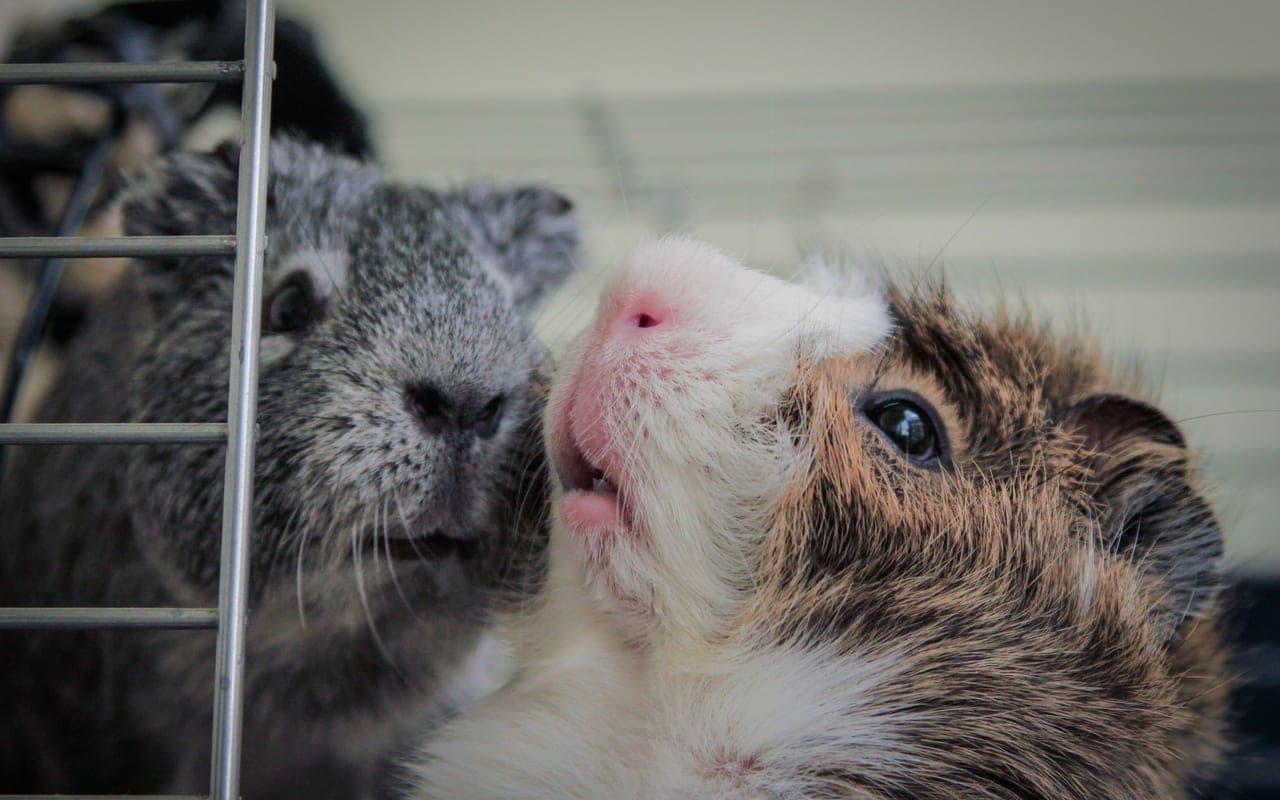
ACBA RegisteredLong-haired
Silkie Guinea Pig
The Silkie is the long-haired guinea pig whose face you can always see
- Trait
- Medium
- Trait
- Moderate energy
- Trait
- High grooming
- Trait
- 5-7 years

Guinea Pig Breed Explorer
Browse detailed guinea pig breed profiles or narrow your options by coat type, temperament, grooming needs, and lifestyle fit. Whether you're a first-time cavy owner or an experienced breeder, our comprehensive database helps you find the perfect guinea pig breed for your home and family. Compare characteristics like energy level, social needs, coat requirements, and lifespan.
12 breed profiles across registered, recognized, and international classifications.
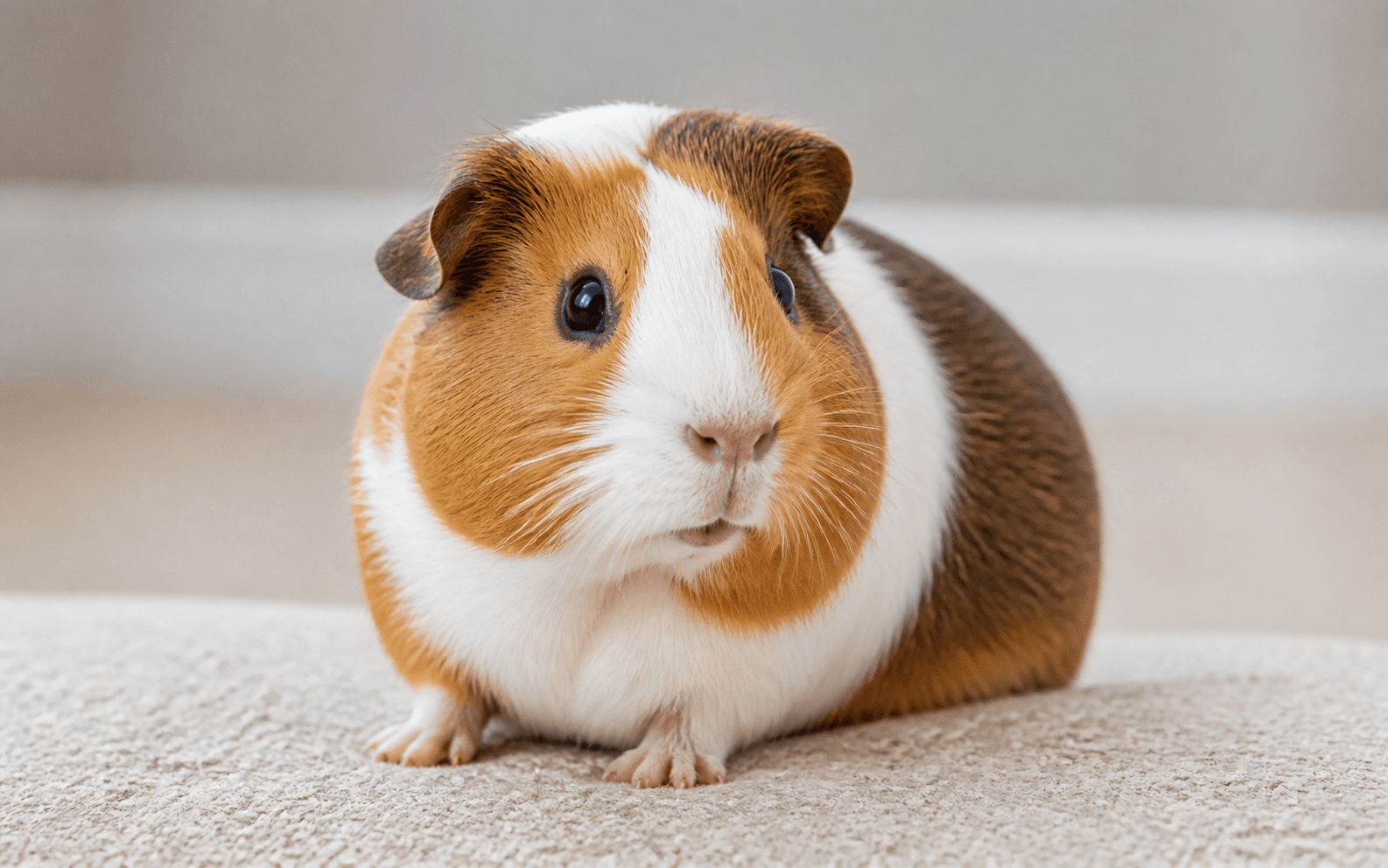
Popular starting points
Six paths to match your living situation and preferences.
Breed Finder
Search by breed name or narrow by coat type, grooming, energy level, and lifestyle fit.
Showing 12 of 12 breeds
The Silkie is the long-haired guinea pig whose face you can always see
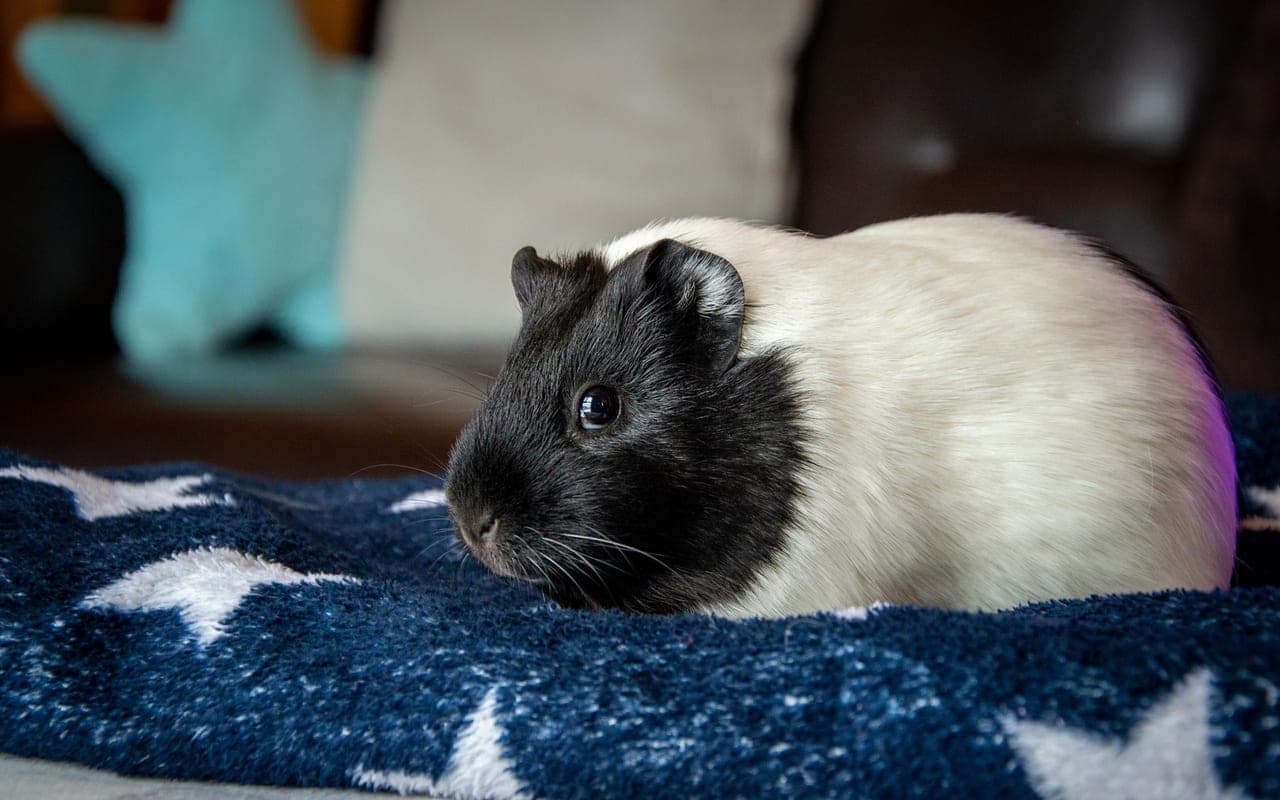
The Swiss is a ball of upright coat, and almost everything written about it elsewhere gets its c
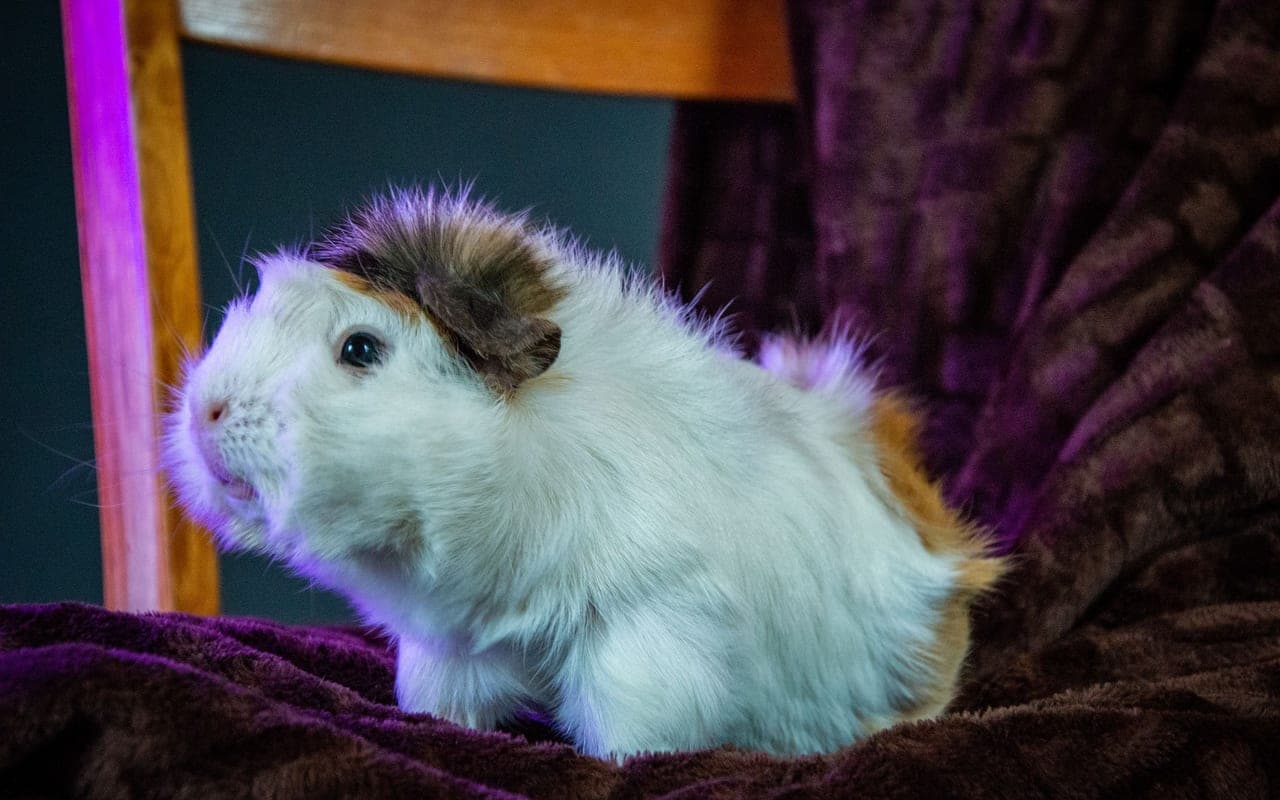
The Teddy's coat runs the wrong way, and that is the whole breed in one sentence
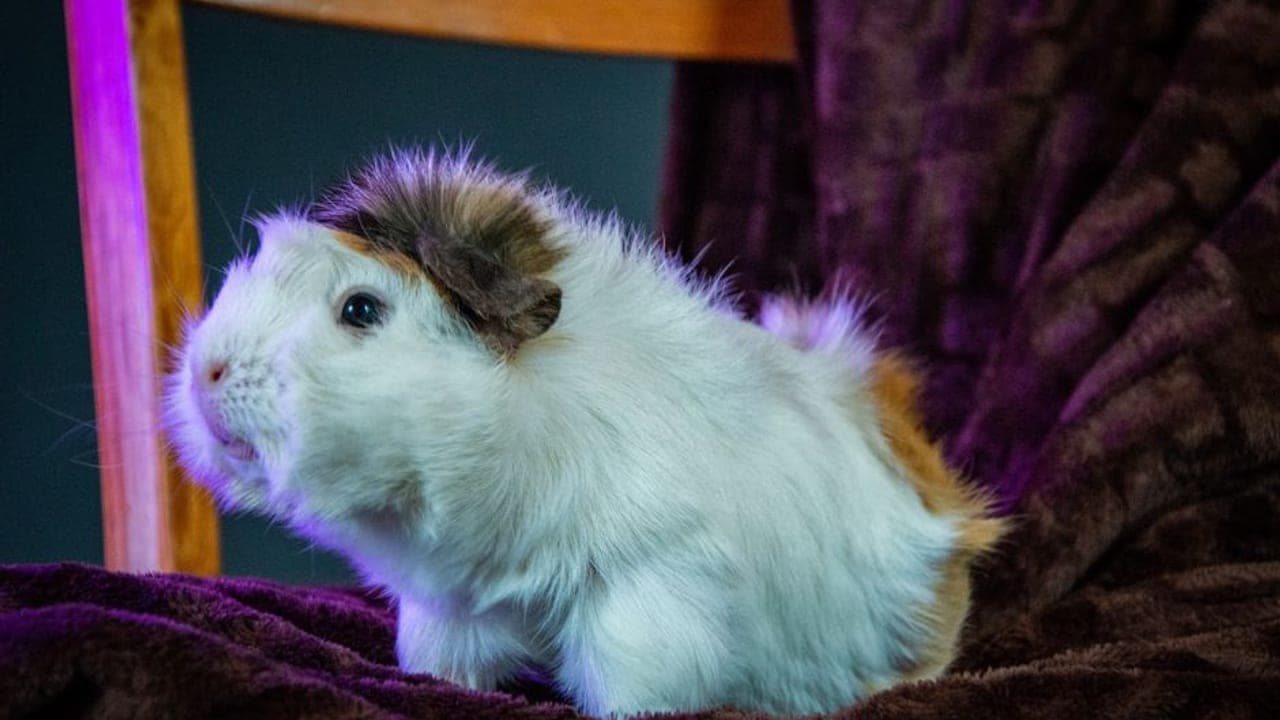
A Coronet is a Silkie with a crown
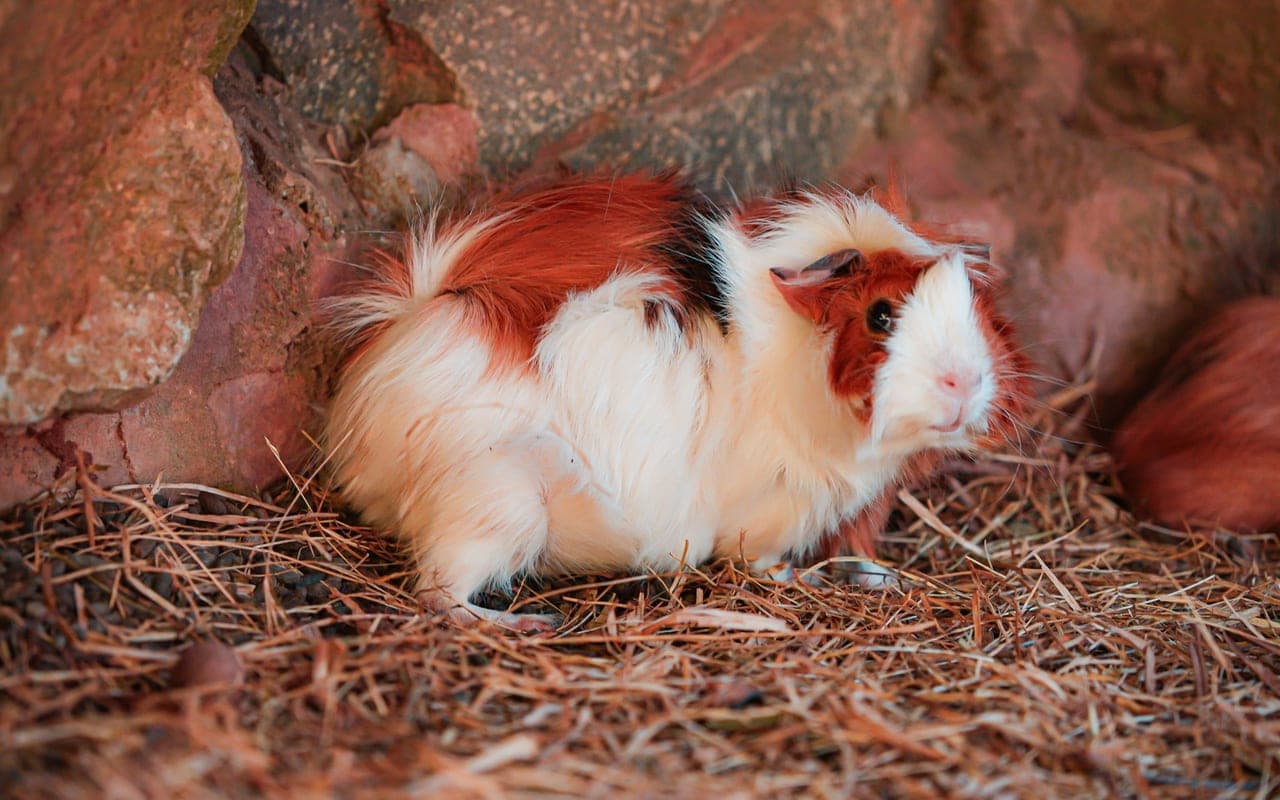
"Crested" is not one breed
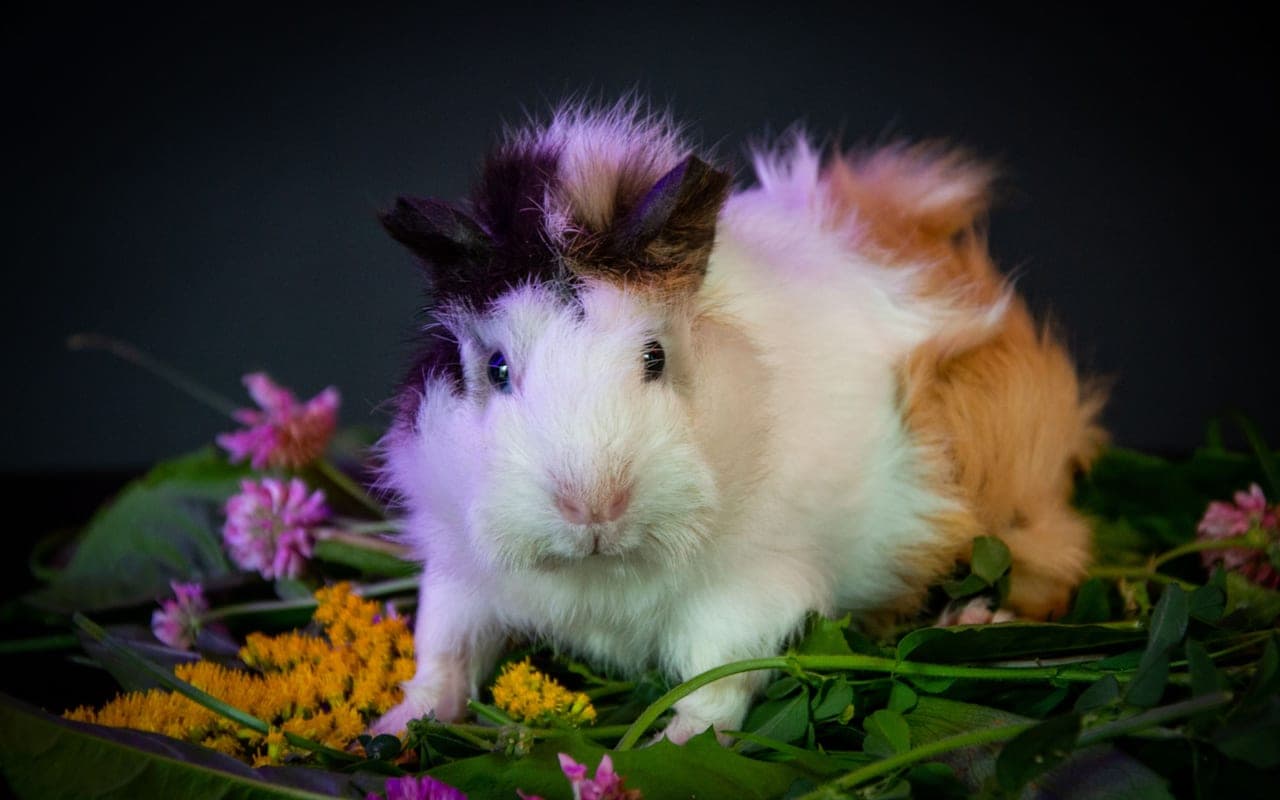
The Lunkarya is the cavy that is supposed to look untidy, and the standard says so in those word
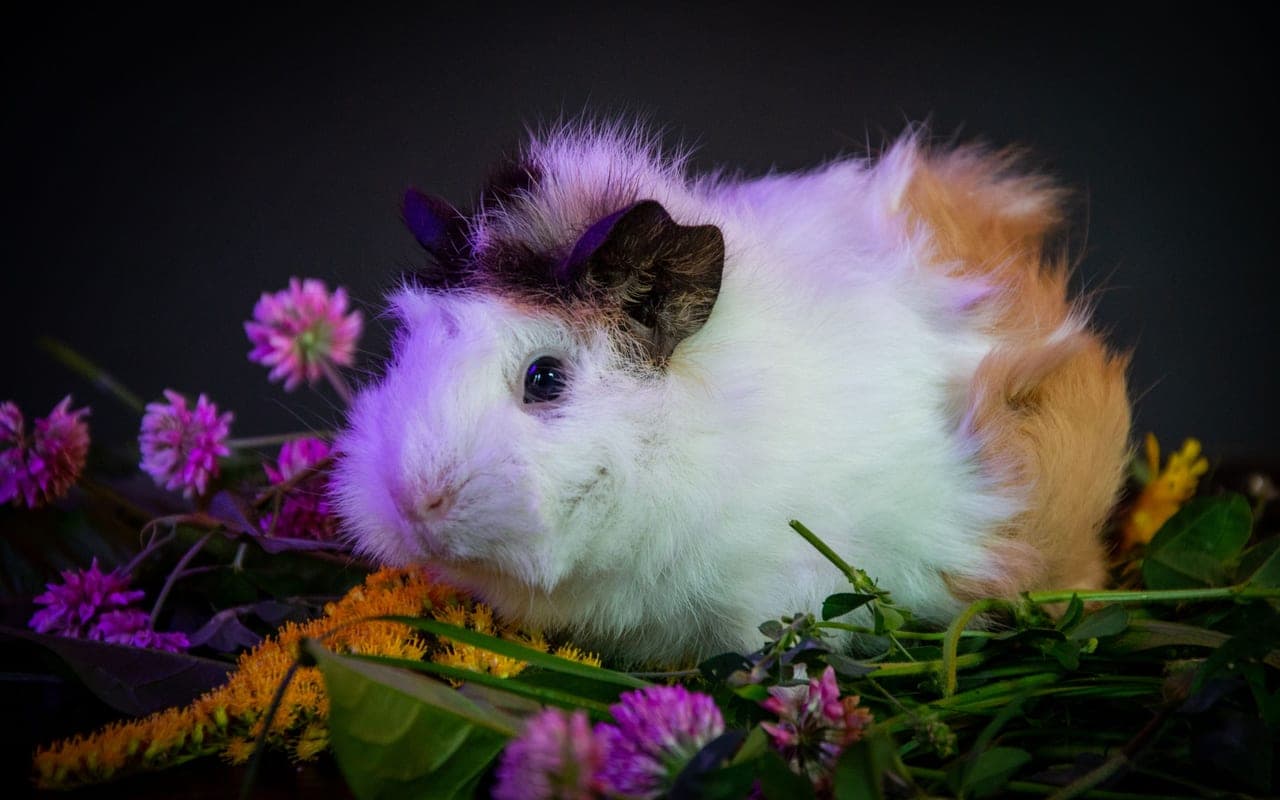
The Texel is the curly one, and the curls are the reason it is the hardest cavy in common keepin
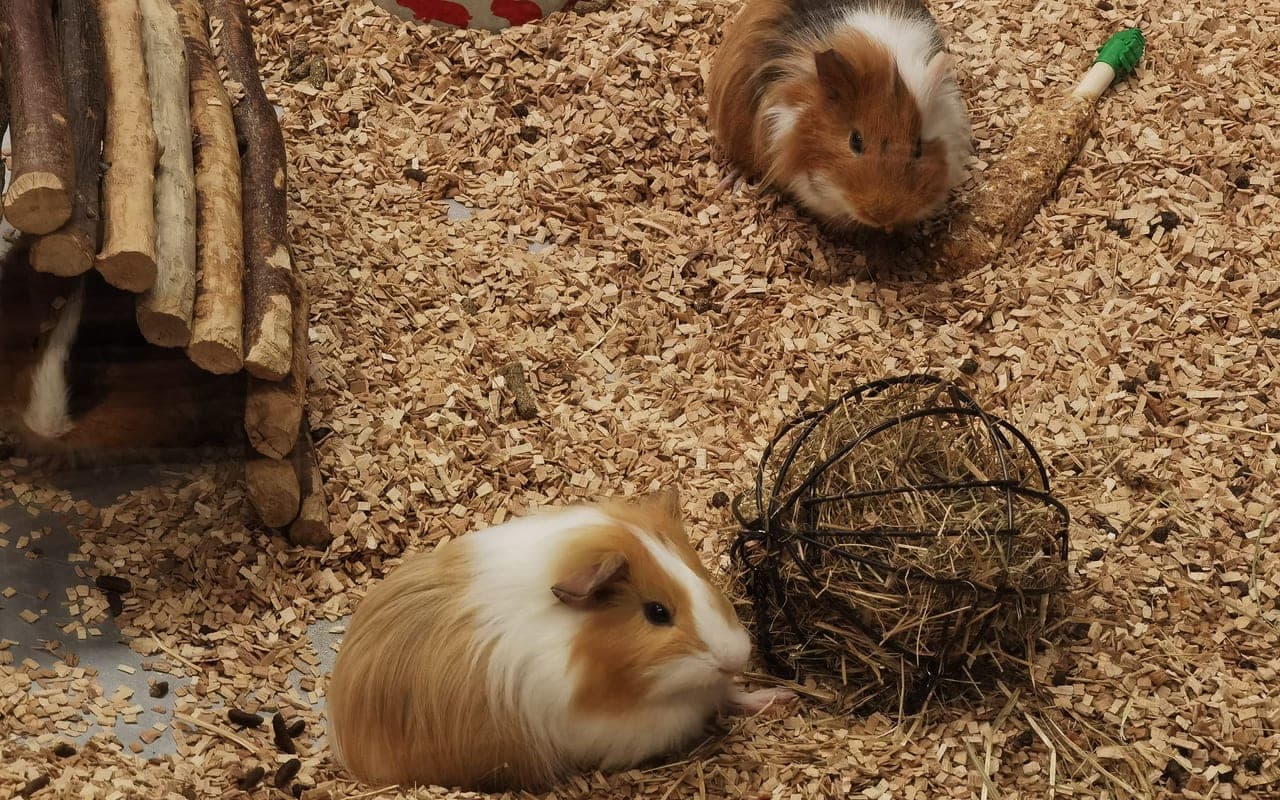
The Merino is the corner of the grid where both difficulties meet
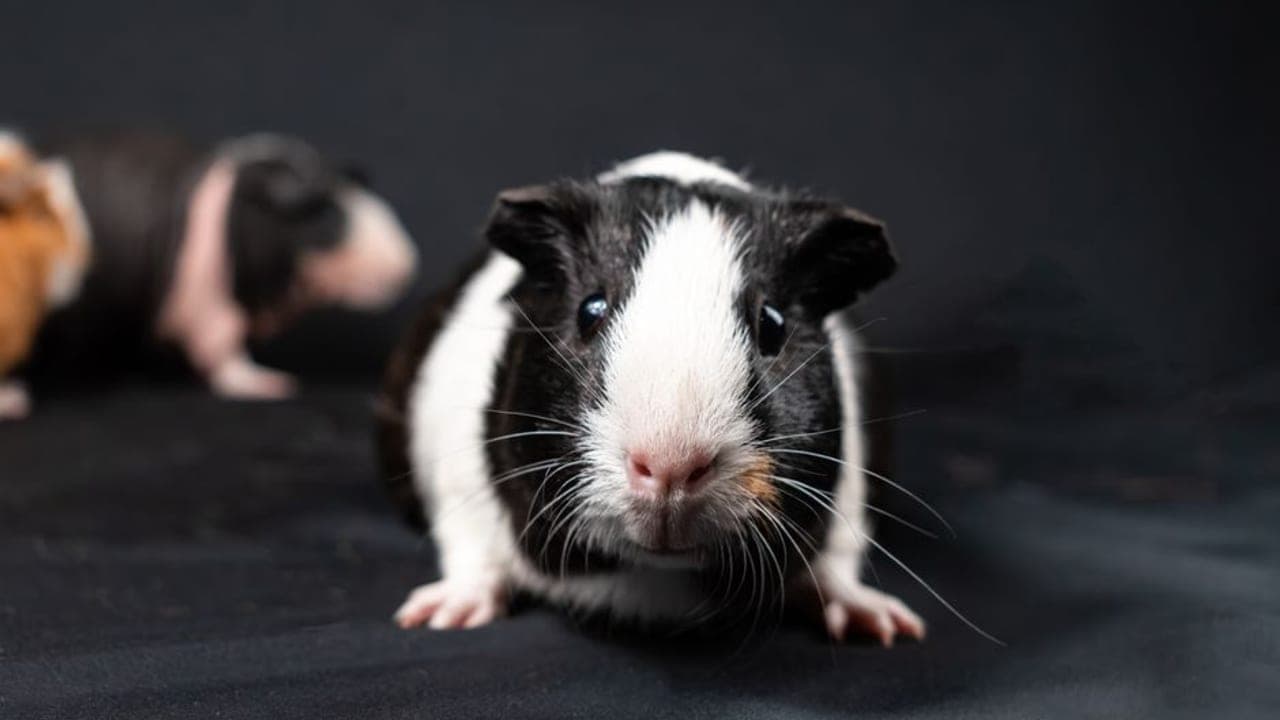
The American is the guinea pig every other guinea pig is a variation of, and that is the stronge
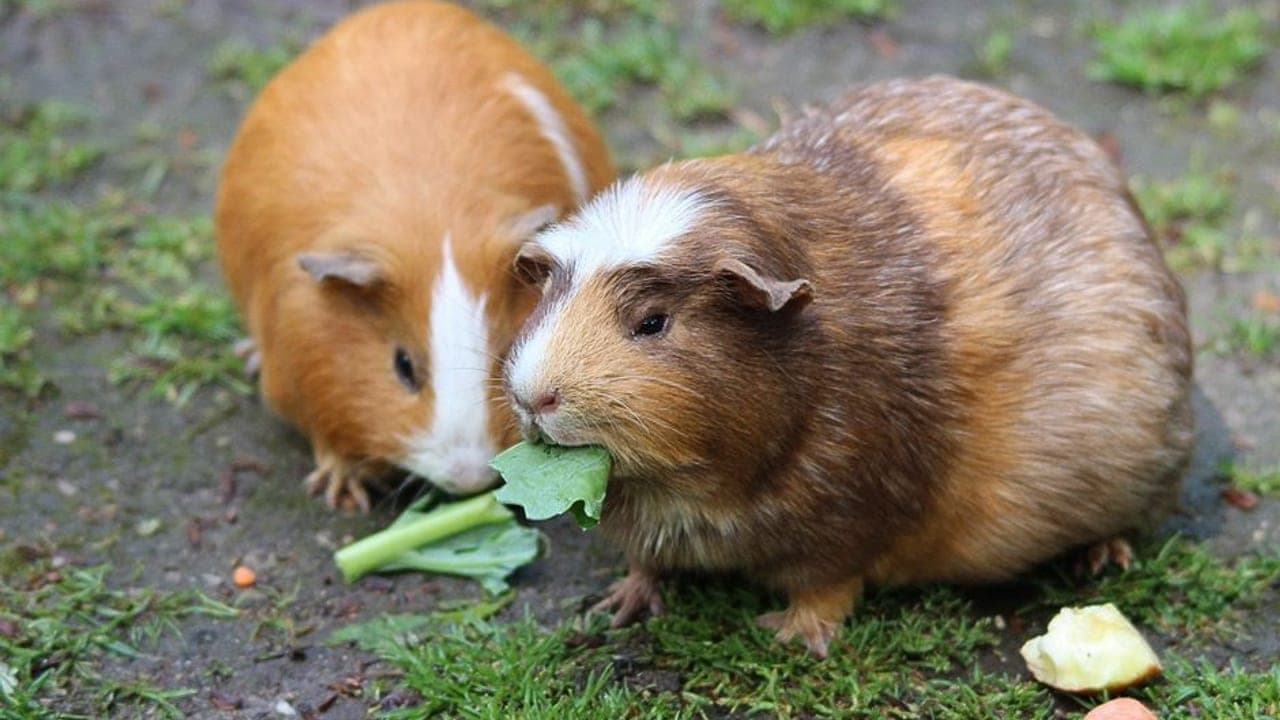
The Abyssinian is the guinea pig people buy for its looks and then discover is one of the lowest
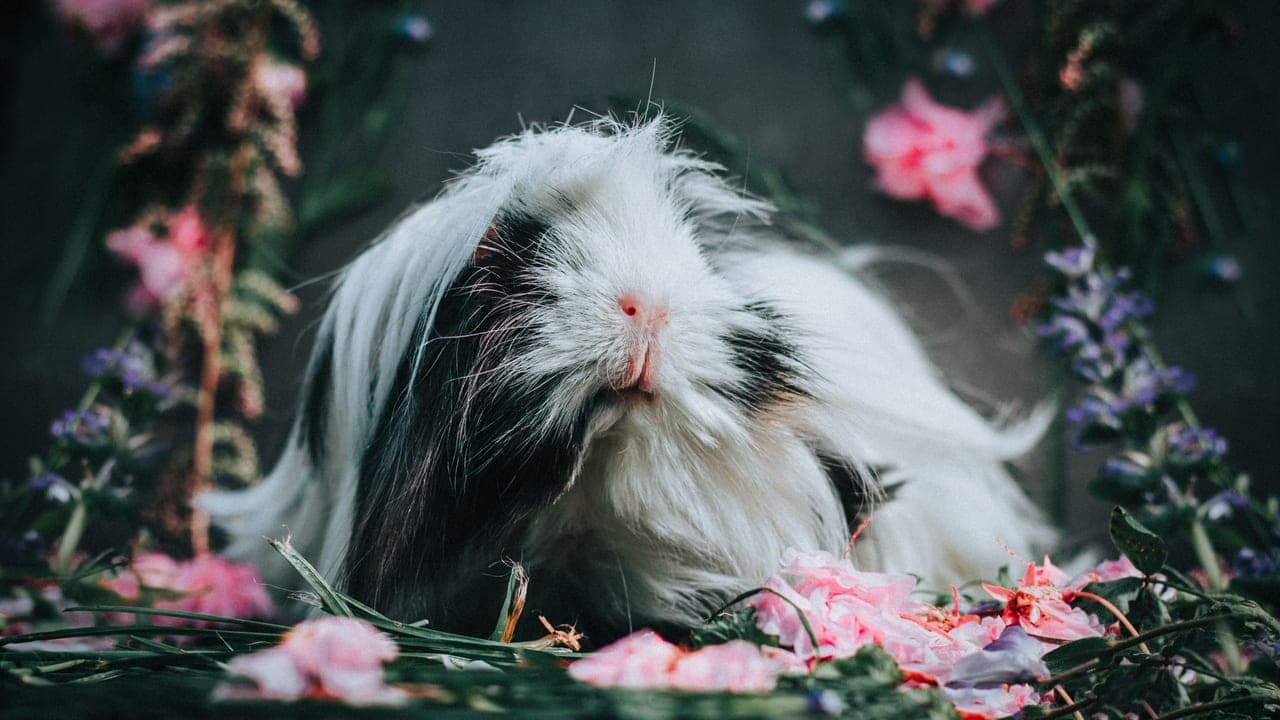
The Peruvian is the guinea pig whose face you often cannot find
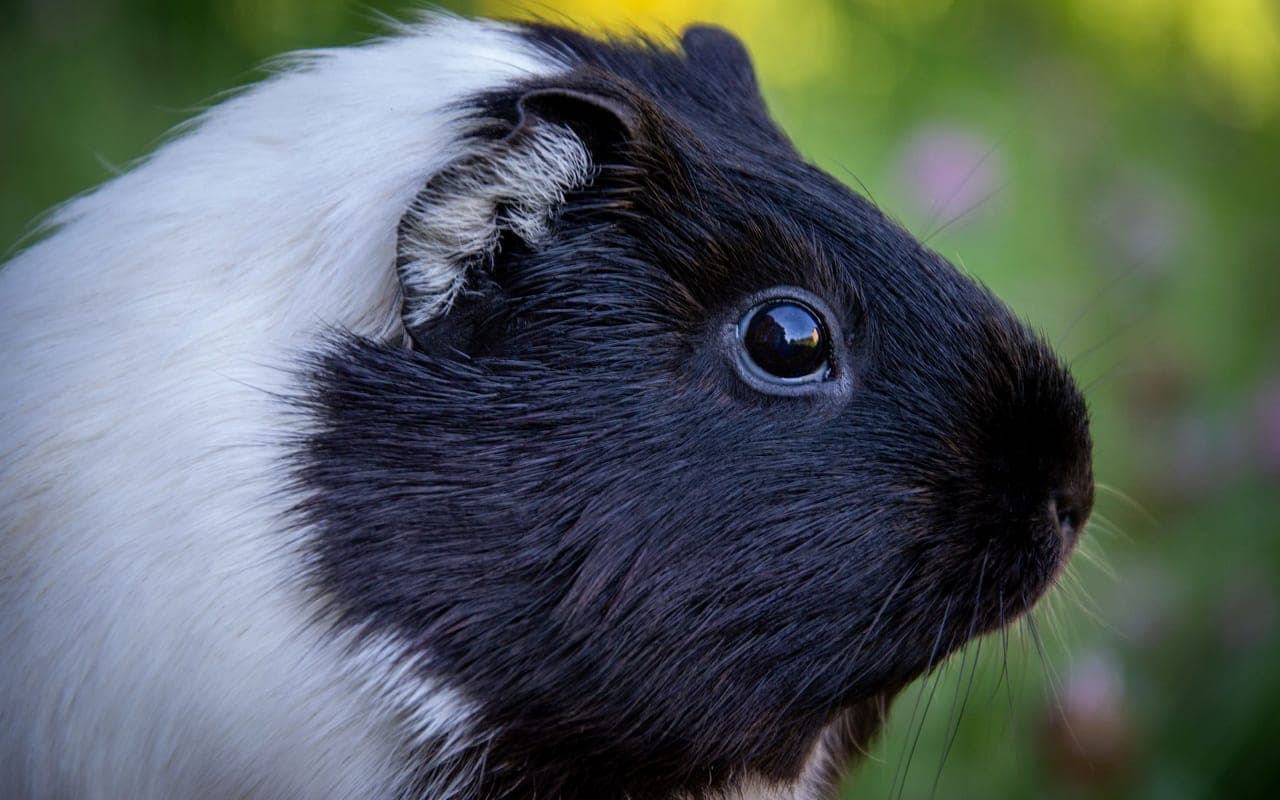
The Satin's shine is structural, and that single fact answers most of the questions people arriv
Guinea pigs vary significantly in coat type, size, energy level, and social needs. Understanding these characteristics helps match the right breed to your lifestyle.
Peruvian and Silkie guinea pigs feature long, flowing coats requiring daily brushing or regular trims to prevent matting. American guinea pigs need only light weekly grooming and are ideal for first-time owners. Abyssinian breeds have rough rosettes that need regular coat checks. Consider your grooming commitment before choosing a long-haired variety.
Abyssinian guinea pigs are often active and curious, so tunnels, hides, chew-safe toys, and daily floor time matter. American guinea pigs are usually content with moderate activity and predictable routines. Peruvians are generally calmer but need careful coat management. Match the breed's energy to your household activity level and available enrichment resources.
Most guinea pig breeds are highly social and thrive better in pairs or small groups of 2-4. Abyssinians are exceptionally social and interactive. Americans are friendly but can be territorial if not properly introduced. Avoid housing incompatible breeds together. Same-sex groups work best when proper introductions are made during youth.
Guinea pig sizes range from 800g (small breeds) to 1.2kg (large breeds). Larger breeds require more spacious housing (minimum 10.5 sq ft per pair). Budget $500-1200/year per pig for hay, pellets, vegetables, bedding, and veterinary care. Factor in initial setup costs ($200-400) and consider pet insurance ($15-30/month).
American and Crested guinea pigs are often the easiest handling matches for gentle families. Abyssinians are active and curious but may resist long holding sessions. Peruvians can be delicate and may stress under excessive handling. Choose based on desired interaction level and the individual guinea pig's behavior history.
Long-haired breeds are prone to mats and skin problems if coat care slips. All guinea pigs need daily vitamin C from fresh foods or supplements, unlimited hay, and low-dust bedding. Respiratory sensitivity to ammonia and dust makes ventilation and cleaning essential. Annual exotic-vet checks help catch dental, urinary, and respiratory issues early.
Guinea pig breeds grouped by coat characteristics for easy comparison.
Learn about the most common and distinctive guinea pig breeds to make an informed choice. Each breed has unique characteristics including coat type, grooming requirements, energy levels, temperament, and care needs. Understanding these differences helps ensure you select a breed that fits your lifestyle and experience level. From docile Americans to energetic Abyssinians, we profile each major breed type with detailed information to support your decision-making process.
Smooth coat, docile temperament
The most common guinea pig breed. Weighs 700-1000g. Requires minimal grooming (weekly brushing). Extremely calm and gentle, perfect for beginners and families. Highly social and thrives in pairs. Lives 5-7 years typically. Excellent apartment pet.
Rough coat, active personality
Distinctive wiry coat with rosettes. Weighs 900-1200g. Medium grooming needs. Highly energetic and curious, requires excellent enrichment. Very social and interactive. Can be vocal and performative ('popcorning'). Lives 5-8 years. Needs more space and stimulation.
Long silky coat, calm nature
Elegant long coat reaching 6 inches. Weighs 800-1000g. Requires daily brushing and regular grooming to maintain. Very calm and gentle temperament. Less active than Americans. Prefers predictable environments. Lives 5-7 years. Best for experienced owners.
Long soft coat, gentle breed
Soft, flowing long coat distinct from Peruvian. Weighs 750-950g. Requires daily grooming and coat care. Calm and docile, even more laid-back than Peruvians. Social and affectionate. Susceptible to respiratory issues. Lives 5-8 years. Needs climate control.
Dense plush coat, bold personality
Short dense coat with a plush texture. Weighs 700-1100g. Weekly brushing is usually enough, but the coat benefits from regular skin checks. Often curious, confident, and more opinionated than an American. Lives 5-8 years. Good for owners who want an interactive short-haired cavy.
Smooth coat with crest, balanced
American-type coat with a distinctive crest on the head. Weighs 800-1100g. Weekly grooming is usually sufficient. Calm with gentle curiosity and good social skills. Moderately active. Lives 5-7 years. A useful comparison point for owners considering an American guinea pig.
Wavy or curly coat, unique texture
Distinctive curly or wavy coat texture throughout the body. Weighs 800-1100g. Requires regular grooming to maintain coat texture and prevent matting. Friendly and social temperament, often playful. Moderate energy level. Lives 5-8 years. Rarer breed requiring specialized care and grooming knowledge.
Mixed color coat, distinctive pattern
Coat characterized by mixture of colored and white hairs creating a roan pattern. Usually smooth coat with roan coloring. Weighs 700-1100g. Standard grooming requirements. Generally calm and friendly. Social and adaptable. Lives 5-7 years. Primarily a color variety rather than breed type, can appear in American and other smooth-coated varieties.
Long curly coat, luxurious texture
Combines long coat length with curly/wavy texture throughout body. Weighs 700-1000g. Requires daily grooming (45-60 min) and regular baths to maintain coat. Gentle, calm temperament. Social and friendly with proper handling. Lives 5-8 years. Extremely rare breed requiring specialized breeders. High grooming commitment essential.
Pointed coloring, docile temperament
Distinctive pointed coat pattern (dark ears, nose, feet on light body). Weighs 700-1100g. Short smooth coat with standard grooming needs (weekly). Very calm and gentle breed, excellent for families and gentle handling. Moderate social needs. Lives 5-7 years. Less common than Americans but more available than rare varieties. Good for first-time owners.
A beginner's guide to preparing your home and selecting the perfect breed for your family.
Different breeds suit different lifestyles. Consider these factors:
Use our comparison tool to make detailed breed decisions. Here's what to focus on when comparing.
About the Breed (Critical Information):
About the Individual:
For Specific Breeds:
Compare breeds, estimate costs, explore comprehensive care guides, or identify a breed from a photo. Our essential resources help both new and experienced guinea pig owners make informed decisions about breed selection, care routines, and long-term commitment requirements.
Interested in other pet types?