
Can Cats Eat This? The Complete Toxic & Safe Human-Foods List
Not individually reviewed by a veterinarian. Read our editorial standards.
Last updated:
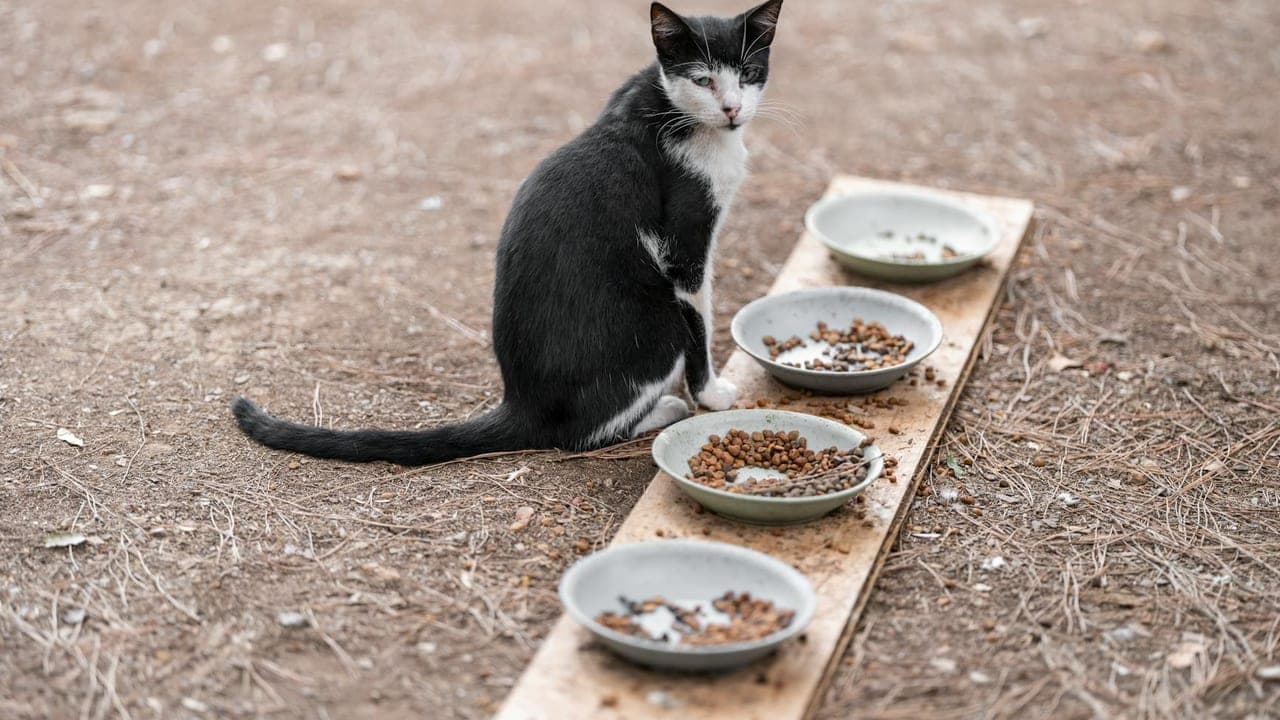
Can Cats Eat This? The Complete Toxic & Safe Human-Foods List
Most human foods are fine for a cat in tiny amounts — but a short list will hurt or kill one, and the danger is cat-specific, not the same as for dogs. This is the feline list: what is safe in moderation, what to give cautiously, and what is a poison-control emergency. If your cat has already eaten something on the toxic list, skip to What to do if your cat ate something toxic.
Emergency now: If your cat ate something toxic, is vomiting repeatedly, seems weak, has trouble breathing, is seizing, or you are unsure how much was eaten — contact a veterinarian or pet-poison hotline immediately. ASPCA Animal Poison Control 888-426-4435 · Pet Poison Helpline 855-764-7661. Both lines run 24/7.
Medical disclaimer: This article is general feline-safety information, not a diagnosis. Cat toxicity depends on the cat's weight, health, and the exact amount eaten — only a veterinarian or poison-control toxicologist can assess your specific cat.
The quick verdict: SAFE, CAUTION, TOXIC
Cats are obligate carnivores, so almost nothing on your plate is nutritionally useful to them — treats should stay under 10% of daily calories. The point of this list is not what's healthy, it's what is dangerous. The four entries at the top of the TOXIC column are the ones that put cats in the ER.
| Food | Verdict | The cat-specific reason | Vet-now trigger |
|---|---|---|---|
| Lilies (Lilium / Hemerocallis — true & day lilies) | TOXIC — life-threatening | All parts, even pollen groomed off fur or vase water, cause acute kidney failure in cats specifically (Pet Poison Helpline). | Any suspected exposure — call before symptoms appear. |
| Onion, garlic, chives, leeks (raw, cooked, powdered) | TOXIC | Allium organosulfur compounds rupture red blood cells → Heinz-body hemolytic anemia; cats are more sensitive than dogs (Merck Veterinary Manual). | Any meaningful amount, or garlic/onion powder in a sauce or baby food. |
| Chocolate (dark & baker's worst) | TOXIC | Theobromine + caffeine; cats metabolize theobromine slowly, so even small amounts build up (Pet Poison Helpline). | Any dark/baking chocolate, or vomiting/tremors after any chocolate. |
| Xylitol (sugar-free gum, candy, some peanut butters) | TOXIC | Sugar substitute linked to dangerous blood-sugar drop and liver injury; treat any ingestion as an emergency (ASPCA). | Any amount — do not wait for symptoms. |
| Grapes & raisins | TOXIC (treat as) | Linked to kidney damage; the toxic dose is unpredictable, so no amount is "known safe" (ASPCA). | Any ingestion. |
| Alcohol (drinks, raw bread dough, rum-soaked foods) | TOXIC | Ethanol depresses the nervous system fast in a small cat (ASPCA). | Any ingestion. |
| Caffeine (coffee, tea, energy drinks, grounds) | TOXIC | Same methylxanthine family as chocolate; affects heart and nervous system (Pet Poison Helpline). | Any meaningful amount or grounds eaten. |
| Cow's milk / dairy | CAUTION | Most adult cats are lactose-intolerant → GI upset; not poisonous, just a myth that it's a treat (Cornell Feline Health Center). | Only if persistent vomiting/diarrhea. |
| Canned tuna (human) | CAUTION | Fine as an occasional bite; not a staple — mercury load and thiamine concerns over time (Cornell Feline Health Center). | Not an emergency; a feeding mistake. |
| Plain cooked meat (chicken, turkey, beef — no salt, no garlic) | SAFE in moderation | Species-appropriate protein; remove bones, skin, and seasoning. | n/a |
| Cooked egg, plain cooked fish | SAFE in moderation | Safe occasional protein, fully cooked, unseasoned. | n/a |
| Small amounts of certain veg (cooked plain pumpkin, green beans, peas) | SAFE in moderation | Tolerated as a tiny treat; never seasoned and never onion/garlic-containing. | n/a |
The four that send cats to the ER (read these first)
1. Lilies — the most overlooked feline killer
If you take one thing from this page: true lilies and daylilies are catastrophically toxic to cats and to almost no other common pet. This is the clearest example of why dog lists fail cats — most "toxic foods" articles barely mention lilies because they are written for dogs.
According to Pet Poison Helpline, members of the Lilium (Easter, Tiger, Asiatic, Japanese Show, Rubrum) and Hemerocallis (daylily) genera cause severe acute kidney failure in cats, and all parts are poisonous — leaf, stem, flower, pollen, and even the water in the vase. Just 2–3 leaves, or pollen groomed off the fur, can poison a cat (Pet Poison Helpline). Signs often begin within 6–12 hours (vomiting, not eating, lethargy), and kidney damage sets in at 24–72 hours; Pet Poison Helpline reports that IV fluids ideally started within 18 hours give the best prognosis, and untreated cases are frequently fatal.
Mistake this page is here to prevent: waiting to "see if she's okay." With lilies, the window where treatment works closes before the worst symptoms show. Call poison control on suspicion, not on symptoms.
2. Onion, garlic, chives, and leeks
All Allium species are toxic to cats — raw, cooked, dehydrated, or powdered. The Merck Veterinary Manual states that Allium organosulfur compounds (thiosulfates and related sulfur compounds) cause oxidative damage to red blood cells, producing Heinz-body hemolytic anemia, and that cats are more sensitive than dogs. Per Merck, Heinz bodies appear within 24 hours, but visible signs of anemia (weakness, pale gums, rapid breathing) can take several days to surface.
The real-world trap is concentration: a lick of garlic-bread butter is one thing, but onion or garlic powder in gravy, broth, or baby food is far more concentrated than the fresh vegetable. Never use human baby food as a cat treat without reading the label — many contain onion powder.
3. Chocolate
Chocolate is toxic to cats because of theobromine and caffeine, both methylxanthines. Pet Poison Helpline notes that cats absorb and clear theobromine more slowly, so the compound accumulates and even modest amounts can be hazardous to a small cat. Toxicity rises with darkness: dark and baker's chocolate carry the most theobromine; milk and white chocolate carry less theobromine but more fat and sugar (an upset-stomach and pancreatitis risk, not a "safe" pass). Early signs per Pet Poison Helpline include vomiting, diarrhea, restlessness, and hyperactivity, progressing to tremors and seizures.
Cats rarely seek out sweets — most chocolate poisonings happen by accident (baking, holiday treats left out), which is exactly why people underestimate it.
4. Xylitol
Xylitol is the sugar substitute in many sugar-free gums, mints, candies, baked goods, and some "no-sugar-added" peanut butters. The ASPCA lists it among the people-foods to keep away from pets; it is linked to a dangerous drop in blood sugar and potential liver damage. Because the safe margin is so narrow, treat any xylitol ingestion as an emergency and call a hotline rather than monitoring at home.
The other toxic foods — briefly
- Grapes & raisins — The ASPCA links them to kidney damage; because the toxic dose is unpredictable, no amount is considered safe. Watch for raisins hidden in trail mix, baked goods, and cereal.
- Alcohol — The ASPCA warns ethanol is dangerous to pets; in a small cat, even a little depresses the nervous system fast. Includes cocktails, raw yeast bread dough (ferments into alcohol in the stomach), and alcohol-soaked desserts.
- Caffeine — Coffee, tea, energy drinks, and especially coffee grounds and tea bags affect a cat's heart and nervous system (Pet Poison Helpline groups it with chocolate as methylxanthine toxicity).
- Other toxic plants (not just lilies) — For the home, not the plate: sago palm, tulip and daffodil bulbs, and azalea/rhododendron are also toxic to cats. But lilies are in their own category of feline-lethal — keep them out of any home with a cat.
Two myths worth correcting
Myth: "Cats should drink milk." This is the most persistent feeding myth, and it's backwards. Cornell Feline Health Center notes that most cats are lactose-intolerant and milk is not recommended as a treat — the lactose they can't digest causes GI upset (gas, diarrhea). A saucer of milk isn't a kindness; it's a stomachache. Fresh water is the only drink a cat needs.
Myth: "Tuna is a great cat food." Cats love it, but an all-tuna or heavy-tuna diet causes problems. Cornell Feline Health Center reports that cats fed human canned-fish products have developed neurological problems tied to thiamine (vitamin B1) deficiency, because raw fish enzymes destroy thiamine — and human tuna also raises mercury-load concerns over time. The fix is simple: tuna is an occasional bite, not a meal, and complete commercial cat food (which is heat-processed and thiamine-fortified) should be the staple.
What to do if your cat ate something toxic
Do not wait for symptoms with the top-four toxins — for lilies and xylitol especially, the treatment window closes before a cat looks sick.
Call immediately — do not monitor at home — if your cat:
- Had any exposure to a lily (chewed, licked pollen, drank vase water), or ate any xylitol, grapes/raisins, alcohol, or dark/baking chocolate.
- Is vomiting repeatedly, weak, wobbly, breathing hard, drooling heavily, or seizing.
- Has pale gums or sudden lethargy (possible Allium-induced anemia, which can lag a few days per Merck).
- Ate an unknown amount of anything on the toxic list.
Who to call (24/7):
- ASPCA Animal Poison Control Center — 888-426-4435
- Pet Poison Helpline — 855-764-7661
- Your own veterinarian or the nearest emergency animal hospital.
Before you call, note what was eaten, how much, and when, and keep the packaging or plant. Do not induce vomiting unless a veterinarian or poison-control toxicologist tells you to — the wrong substance can cause more harm coming back up.
Monitor at home only for the CAUTION items — a little milk or a bite of tuna usually causes nothing worse than temporary GI upset. If that upset lasts beyond a day, call your vet.
FAQ
Are lilies really that dangerous to cats? Yes — uniquely so. Pet Poison Helpline reports that true lilies and daylilies cause acute kidney failure in cats, and even pollen groomed off the fur or 2–3 leaves can poison one. There is no safe amount; treat any exposure as an emergency.
Can cats eat tuna? As an occasional bite, yes — as a staple, no. Cornell Feline Health Center links human canned-fish diets to thiamine-deficiency neurological problems, and mercury is a concern over time. Keep tuna to a treat and feed complete cat food as the main diet.
Is milk bad for cats? It's not poisonous, but most cats are lactose-intolerant (Cornell Feline Health Center), so milk tends to cause stomach upset and diarrhea. Water is the only drink they need. The "saucer of milk" image is a myth.
My cat ate a little chocolate and seems fine — do I still call? Call for any dark or baking chocolate, or any symptoms. Cats clear theobromine slowly, so "seems fine" early doesn't rule out trouble (Pet Poison Helpline). Use ASPCA APCC 888-426-4435 or Pet Poison Helpline 855-764-7661.
Is garlic safe in small amounts for cats? No. Merck Veterinary Manual notes cats are more sensitive than dogs to Allium species, and powdered garlic/onion in sauces is especially concentrated. Skip seasoned foods and garlic supplements entirely.
What human foods CAN I give my cat as a treat? Small amounts of plain, unseasoned cooked meat (chicken, turkey, beef — no bones, skin, garlic, or onion), plain cooked egg or fish, and tiny bits of cooked plain pumpkin or green beans — under about 10% of daily calories.
Internal links to add at publish (placeholder — 3–5):
- Food-safety hub:
/care(Care & Health pillar) or/blogfood-safety cluster page.- Cat breed pages: link 2–3 from
/cats/[slug](e.g., a popular breed) back to this list.- Cat-vomiting triage article (cat-first cluster) — "why is my cat throwing up."
- A toxic-plants-for-cats companion piece if/when it exists.
** · Next review due 2026-11-23.
Mr Pet Lover Team
The Mr Pet Lover team is dedicated to providing warm, accurate, and practical pet care advice backed by veterinary research and real-world experience.
Related Articles
Why Does My Cat Knead? The Science Behind Those Happy Paws
That rhythmic push-pull your cat does on your lap has roots in kittenhood, territory, and pure contentment. Here's what veterinary science tells us about kneading.
Indoor vs Outdoor Cats: How to Give Your Indoor Cat a Rich, Happy Life
The indoor-outdoor debate divides cat owners. Here's what the research says about safety and longevity, plus how to make indoor life stimulating enough that your cat thrives.
Why Does My Cat Knock Things Off Tables? (And How to Redirect It)
Your cat nudges your glass to the edge and stares at you. Here is what is really going on and how to redirect it.