
Longhair group
Ragdoll
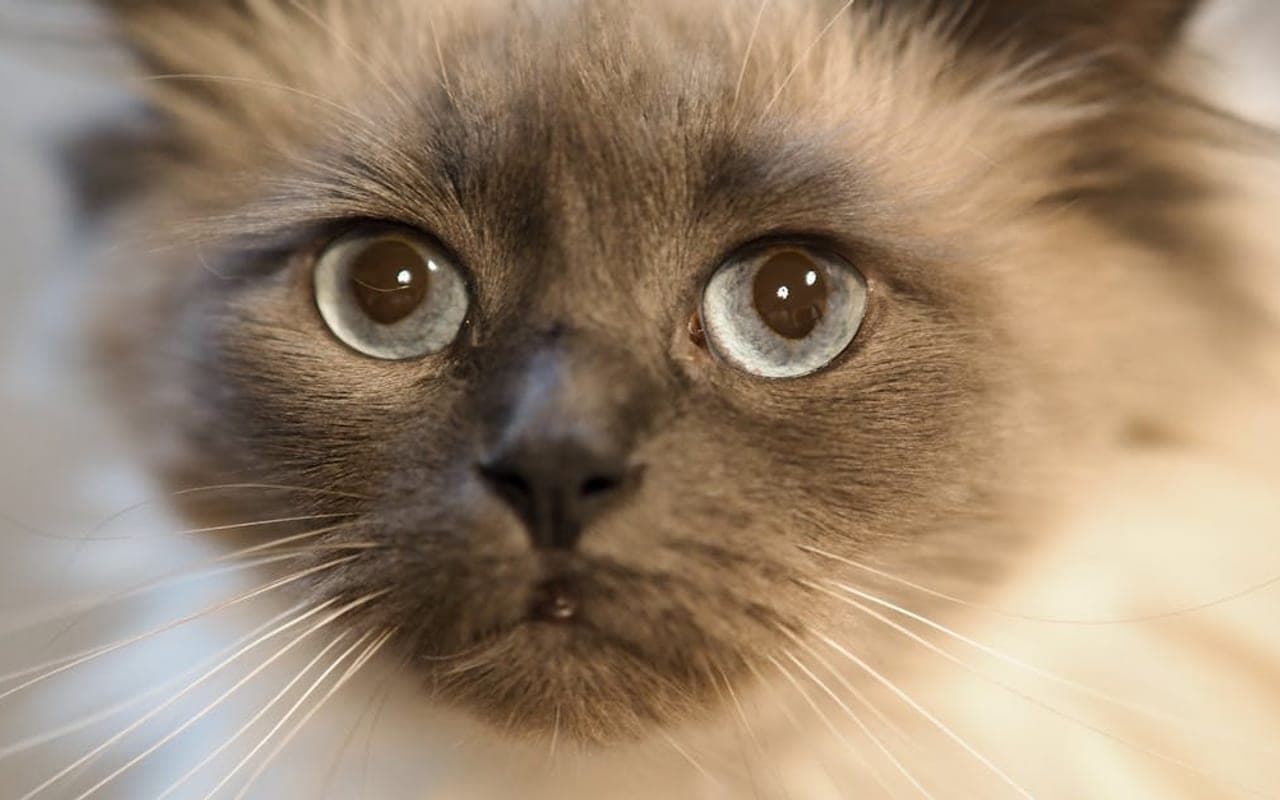
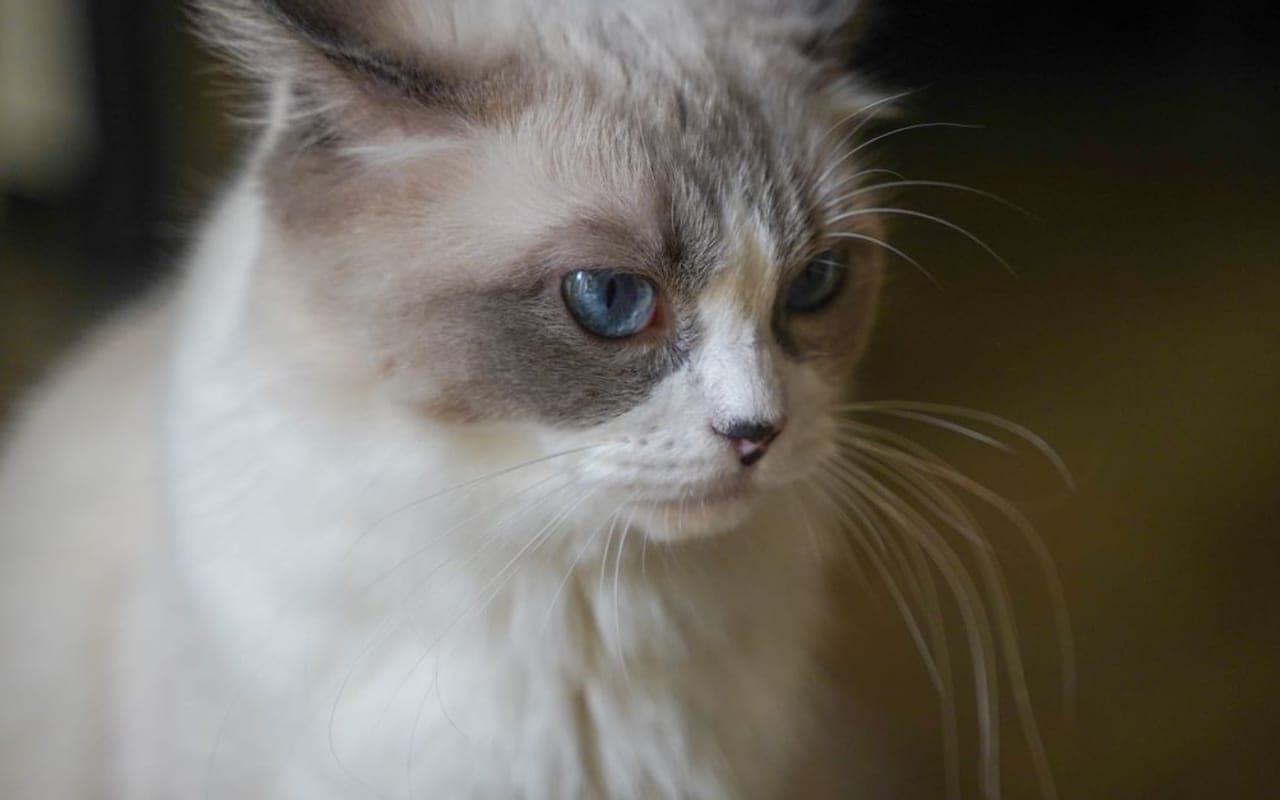
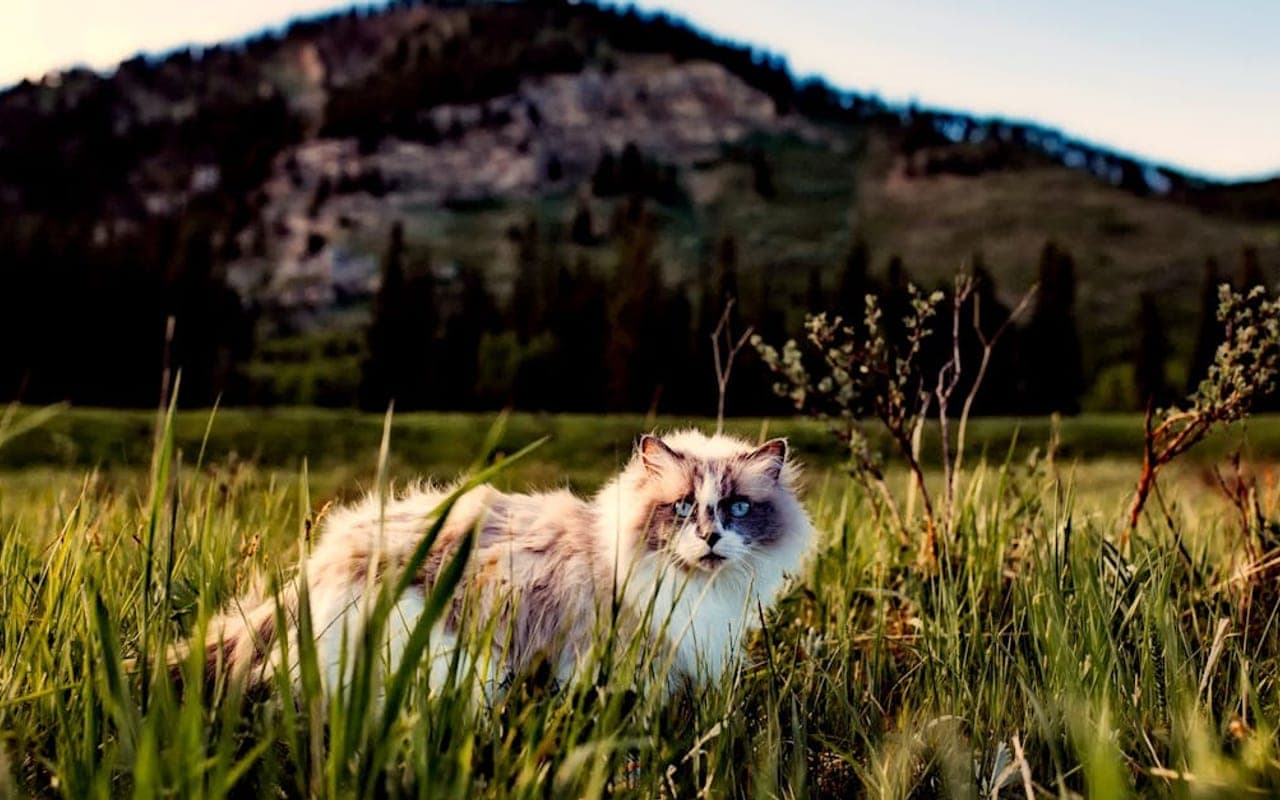
The Ragdoll is a large, slow-maturing semi-longhair cat (5-9 kg, often not at full size until 3-4 years) bred in 1960s California for one defining trait: an extreme tolerance of handling.
Size
10-20 lb
Lifespan
12-17 years
Play
15-30 minutes
Shedding
Moderate
Experience
Match to owner routine
Decision first
Is a Ragdoll right for you?
Start with fit before history or trivia. These are ownership signals, not guarantees about any individual cat.
Best suited for
- Households with children.
- Homes with other compatible pets.
- Apartment homes with a consistent routine.
- Owners seeking a manageable indoor routine with predictable care.
Think carefully if
- You need a cat with almost no daily routine.
- You cannot keep up with grooming and preventive care.
- The cat will spend most days without interaction or enrichment.
Conditional fit
Apartment fit depends on vertical space, litter setup, play, enrichment, and noise tolerance.
Daily reality
Ragdoll commitment snapshot
Daily play
15-30 minutes
Match play and enrichment to age, health, appetite, and household routine.
Coat care
Low
Grooming needs vary by coat, shedding, and lifestyle.
Social needs
Needs planning
Most cats still need predictable contact, enrichment, litter care, and monitoring.
Structured facts
Ragdoll at a glance
The measurements and traits that most affect day-to-day life with this breed.
Origin
United States
Group
Longhair
Weight
10-20 lb
Height
9-15 in
Lifespan
12-17 years
Temperament
Affectionate | Friendly | Gentle | Quiet | Easygoing
View all characteristics and methodology
Lifestyle fit
- Apartment suitabilityWorks best with clean litter setup, vertical space, and daily enrichment.
- Likely fit
- Child friendliness
- Often good, with socialisation and supervision
- Other-pet fit
- Often compatible with careful introductions
- Adaptability
- Very high
Owner commitment
- Daily play
- 15-30 minutes
- Grooming
- Low
- Shedding
- Moderate
- Indoor enrichment
- Moderate
Behavior
- Affection
- Very high
- Energy
- Moderate
- Vocalization
- Low
- Social needs
- Very high
Environment and health
- Intelligence
- Moderate
- Health risk
- Needs planning
- Weight sensitivity
- Routine monitoring
Ratings combine structured breed data, visible breed fields, and editorial context. They are planning aids, not predictions for an individual cat.
Daily life
Ragdoll temperament and behavior
The Ragdoll is a large, slow-maturing semi-longhair cat (5-9 kg, often not at full size until 3-4 years) bred in 1960s California for one defining trait: an extreme tolerance of handling. The name comes from the tendency of many Ragdolls to go limp and relaxed when picked up. That docility is the breed's whole selling point and also its biggest hidden liability, and an honest profile has to say both things. Temperament is why people choose this cat. Ragdolls are dog-like: they greet you at the door, follow you room to room, flop into laps, ride around in arms, and are quiet (a soft chirp, not a yowl). They are gentle with children and notably good with dogs. They bond to the household rather than fixating on one person, and they stay playful but rarely destructive. For a family that wants an affectionate, easygoing, low-drama cat, few breeds deliver more. The trade-off is exactly that placid nature. A cat that does not struggle, does not flee, and trusts everyone is a cat that must be kept indoors. Ragdolls have poor street survival instincts, are easily stolen, and are too trusting to defend themselves. This is not a 'maybe' — indoor-only is a breed requirement, not a preference. The second hidden cost is genetic: the breed carries a well-documented heart condition (HCM) and a kidney mutation, both of which a responsible breeder screens for and a backyard seller does not. The semi-long coat is also more work than the breed's reputation suggests. Who the Ragdoll is right for: an indoor home wanting a calm, affectionate, family-and-dog-friendly companion, with budget for a screened kitten. Who it is wrong for: anyone wanting an outdoor cat, an independent low-attention pet, or a bargain kitten from an unscreened source. Decide on the screening and the indoor rule before you fall for the floppy charm.
Affectionate | Friendly | Gentle | Quiet | Easygoing
Affectionate
A common Ragdoll temperament descriptor that should be interpreted alongside enrichment, handling, and household fit.
Friendly
A common Ragdoll temperament descriptor that should be interpreted alongside enrichment, handling, and household fit.
Gentle
A common Ragdoll temperament descriptor that should be interpreted alongside enrichment, handling, and household fit.
Quiet
A common Ragdoll temperament descriptor that should be interpreted alongside enrichment, handling, and household fit.
Owner note
Temperament labels are starting points, not guarantees. Meet the individual cat and ask about behavior history whenever possible.
Care essentials
How to care for a Ragdoll
What looking after one actually involves: play, grooming, food, litter, and routine health.
ExerciseAs needed
- Moderately active breed that enjoys regular play sessions and exploration. Provide toys and occasional interactive games.
GroomingAs needed
- Low-maintenance coat requiring weekly brushing. Occasional bathing as needed.
NutritionAs needed
- Feed a high-quality cat food appropriate for their age and activity level. Maintain fresh water at all times. Monitor weight to prevent obesity.
SocializationAs needed
- Highly social breed that thrives on companionship. Does not do well left alone for extended periods. Consider a companion pet.
Veterinary CareAs needed
- Annual wellness exams, vaccinations, dental checkups, and parasite prevention. Spay/neuter recommended if not breeding.
Health planning
Ragdoll health risks and screening
Every cat breed has individual health variation. Use this profile for planning and discuss medical decisions with a veterinarian.
Ownership cost
How much does a Ragdoll cost?
Cost figures are structured so first-year and lifetime estimates do not conflict with the underlying line items.
| Acquisition | $800-$3,500 |
|---|---|
| Routine monthly | About $80/month |
| Routine annual | About $960/year |
| First-year estimate | $1,760-$4,460 |
| Lifetime routine estimate | $11,520-$16,320 routine costs |
Currency: USD. Region: United States. Typical ranges for this breed. Equipment, insurance, emergency veterinary care, boarding and training are NOT included: we hold no sourced figures for them, and estimating them would be a guess presented as data.
Responsible ownership
Finding a Ragdoll responsibly
What to ask a breeder or rescue is the same conversation for every breed, so we keep it in one place and keep it current.
Health documentation, meeting the parents or foster, contracts and return support, and the warning signs worth walking away from.
Original purpose
Ragdoll history
History is useful when it explains today's behavior, coat, exercise needs, and training style.
Read the breed history
The Ragdoll was created in Riverside, California, in the 1960s by breeder Ann Baker, who developed the line from a free-roaming domestic longhair queen named Josephine and several other cats, selecting hard for large size, pointed coloring, a silky non-matting coat, and above all an unusually placid, handling-tolerant temperament. Baker trademarked the name and built an unusual franchised registry around the breed, which slowed mainstream recognition; breakaway breeders established the cat with conventional registries through the 1970s and 1980s, and major bodies later granted full championship status. Folklore around the breed (claims of pain immunity or unique genetics) is marketing myth, not biology — Ragdolls feel pain normally and must be protected accordingly. The breed's deliberate selection for docility, rather than any working function, directly explains its modern profile: a trusting, indoor companion cat with little of the wariness that protects free-roaming cats.
Gallery
Ragdoll photos
Images are cropped consistently and loaded progressively to keep the page responsive.
Lower-page context
Ragdoll cats in culture
Where the breed shows up in film, sport, work and folklore — the enjoyable part, once the practical questions are answered.
Fun facts
- The Ragdoll originated in United States.
- The Ragdoll is a true lap cat that loves to curl up with their owners.
- Ragdoll cats are exceptionally dog-friendly and can live harmoniously with canine companions.
Ragdoll FAQs
Can a Ragdoll be an outdoor or indoor-outdoor cat?
No — indoor-only is a breed requirement for Ragdolls, not a lifestyle preference. They were selected for an extremely trusting, non-defensive temperament, so they do not flee danger, do not fight back, and are easily stolen because they greet strangers. Their semi-long coat also mats badly with outdoor debris. Provide enrichment indoors (cat trees, window perches, 15-20 minutes of daily play) instead of outdoor access.
How serious is HCM in Ragdolls and can I avoid it?
HCM is the breed's most serious risk — a thickening of the heart muscle that can cause heart failure, clotting, or sudden death, sometimes in otherwise young cats. You substantially lower the odds by buying from a breeder who DNA-tests for the Ragdoll MYBPC3 mutation and echocardiogram-screens breeding cats, and by getting written proof. It cannot be reduced to zero, so also watch for fast or labored breathing and sudden hind-leg weakness as emergency signs.
Is a Ragdoll really low-maintenance for grooming?
Less than a Persian, but the 'no-grooming' reputation is overstated. The semi-long coat has little undercoat so it mats more slowly, but it still needs a steel-comb session 2-3 times a week — daily during spring and autumn shed — focused on the ruff, armpits, and britches. Skip a few weeks and you get pelted mats that require a sedated vet clip ($60-$150). Budget 10 minutes a few times a week, not zero.
Are Ragdolls good with children and dogs?
Yes, this is one of the breed's genuine strengths. Ragdolls are large, sturdy (5-9 kg), patient, and bred for handling tolerance, so they generally accept the noise and clumsiness of children better than most cats and are notably dog-friendly. Still supervise young children, teach them to support the cat's body and not carry it by the limbs, and introduce dogs gradually. Their calmness is real but not a substitute for supervision.
How long do Ragdolls live and what does ownership cost?
A healthy Ragdoll from screened lines typically lives 12-17 years. Expect $800-$2,500 for a kitten from a breeder who scans for HCM and DNA-tests for PKD (rescues far less), then $500-$1,000 a year for routine indoor care. The cost that swings the budget is cardiac or kidney disease: HCM management or PKD progression can run $1,500-$4,000+ over time, which is exactly why upfront screening is the cheapest insurance available.
Do Ragdolls really go limp when you pick them up?
Many do relax and 'flop' when held, which is where the name comes from, but it is a temperament tendency, not a guarantee or a superpower — not every Ragdoll does it, and it does not mean they feel no pain (a debunked myth). Treat them as a normal cat physically: support the whole body, never assume they cannot be hurt by rough handling, and watch for pain or distress the same as any other cat.
Sources
These are the published sources this page draws on. Each opens in a new tab so you can check it yourself.
Cat Fanciers' Association
Ragdoll — breed standard and profile(opens in a new tab)Supports: Breed standard and recognition details.
Similar breeds to consider
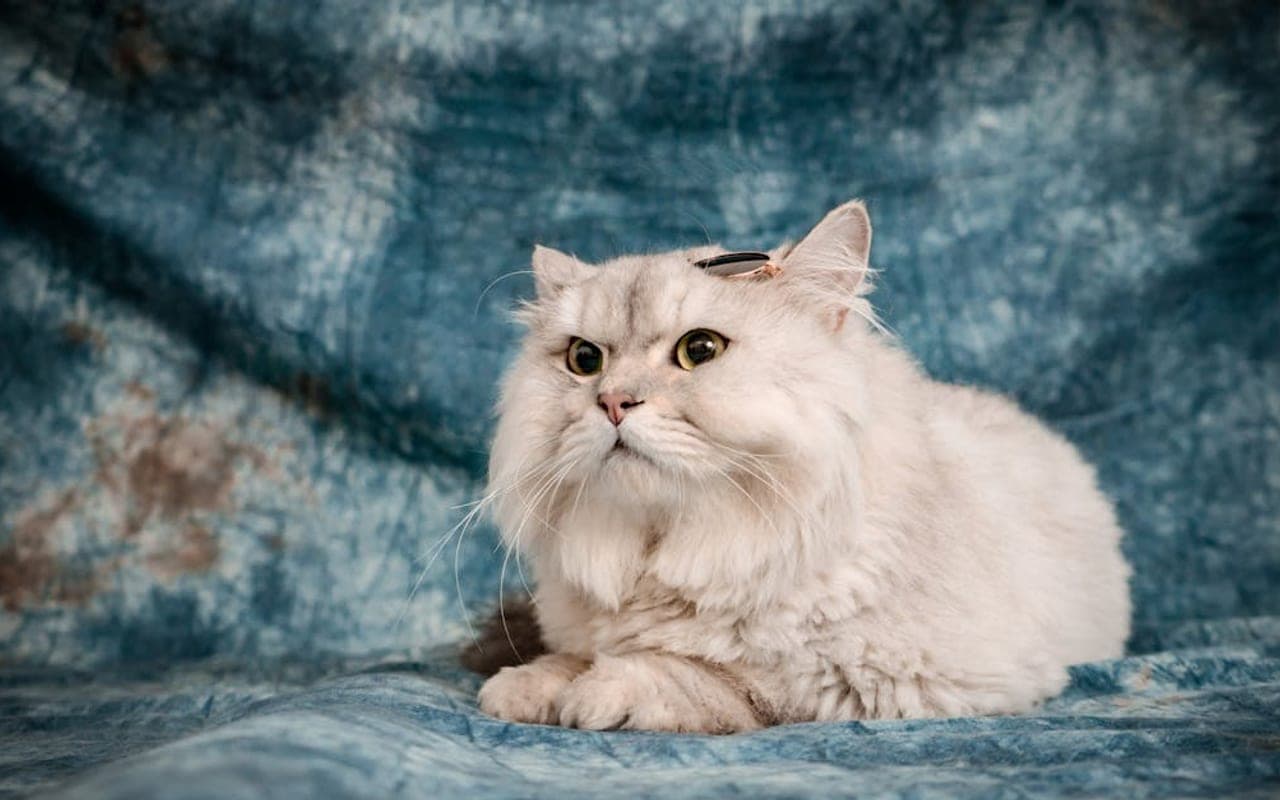
Persian
Also in the Longhair group, with different care and temperament tradeoffs.
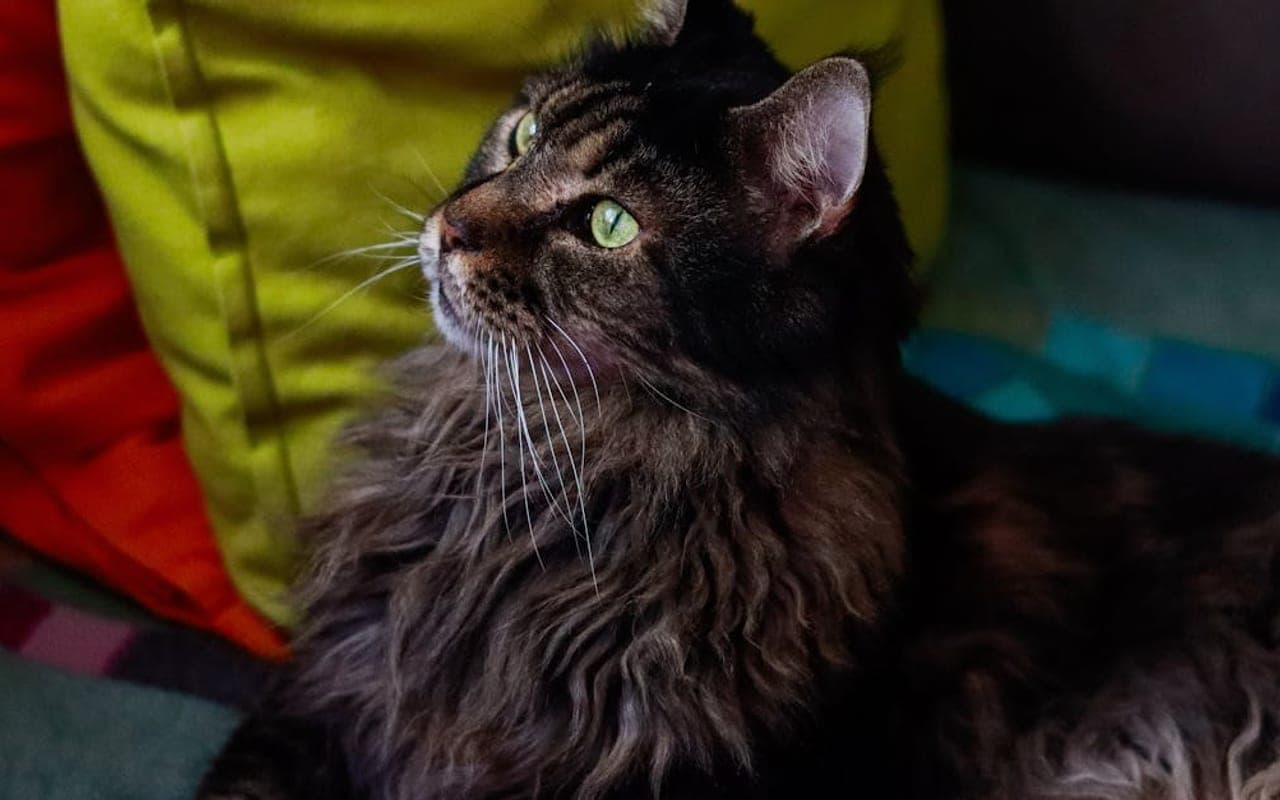
Maine Coon
Also in the Longhair group, with different care and temperament tradeoffs.
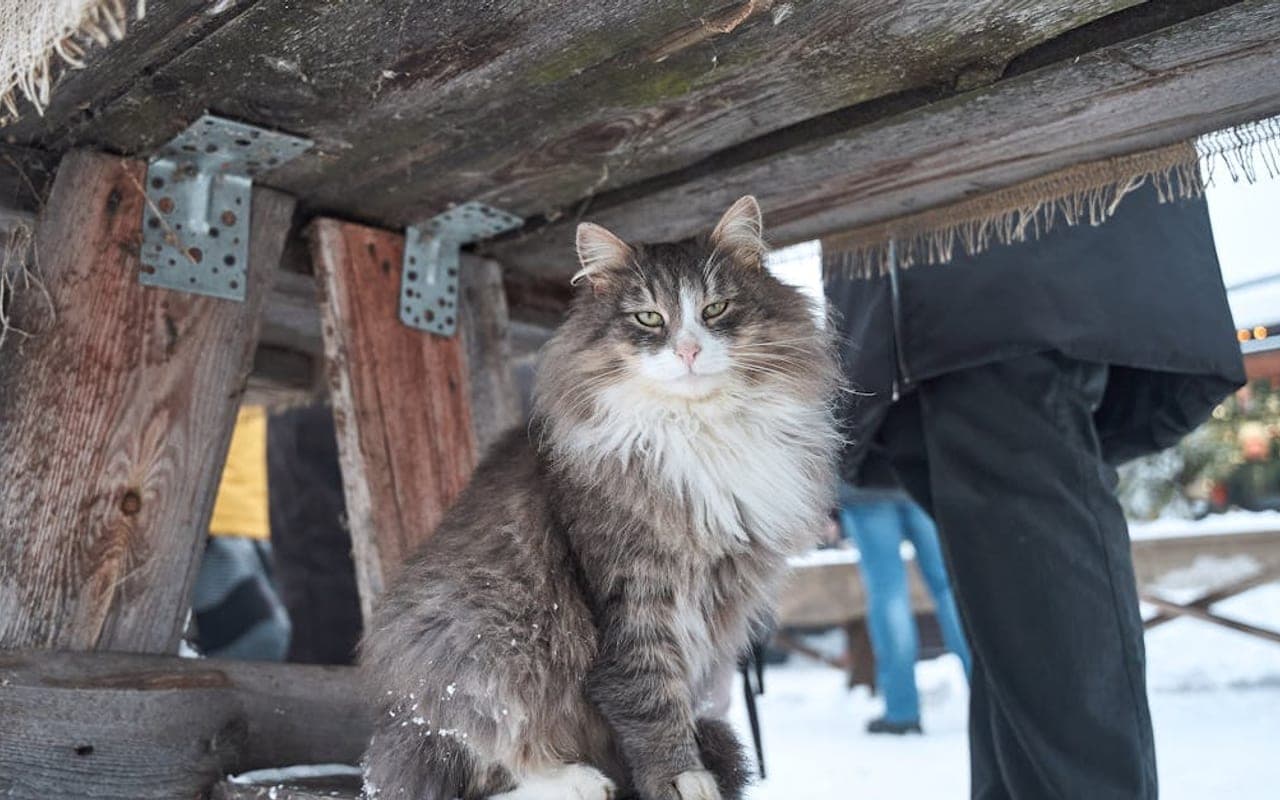
Norwegian Forest Cat
Also in the Longhair group, with different care and temperament tradeoffs.
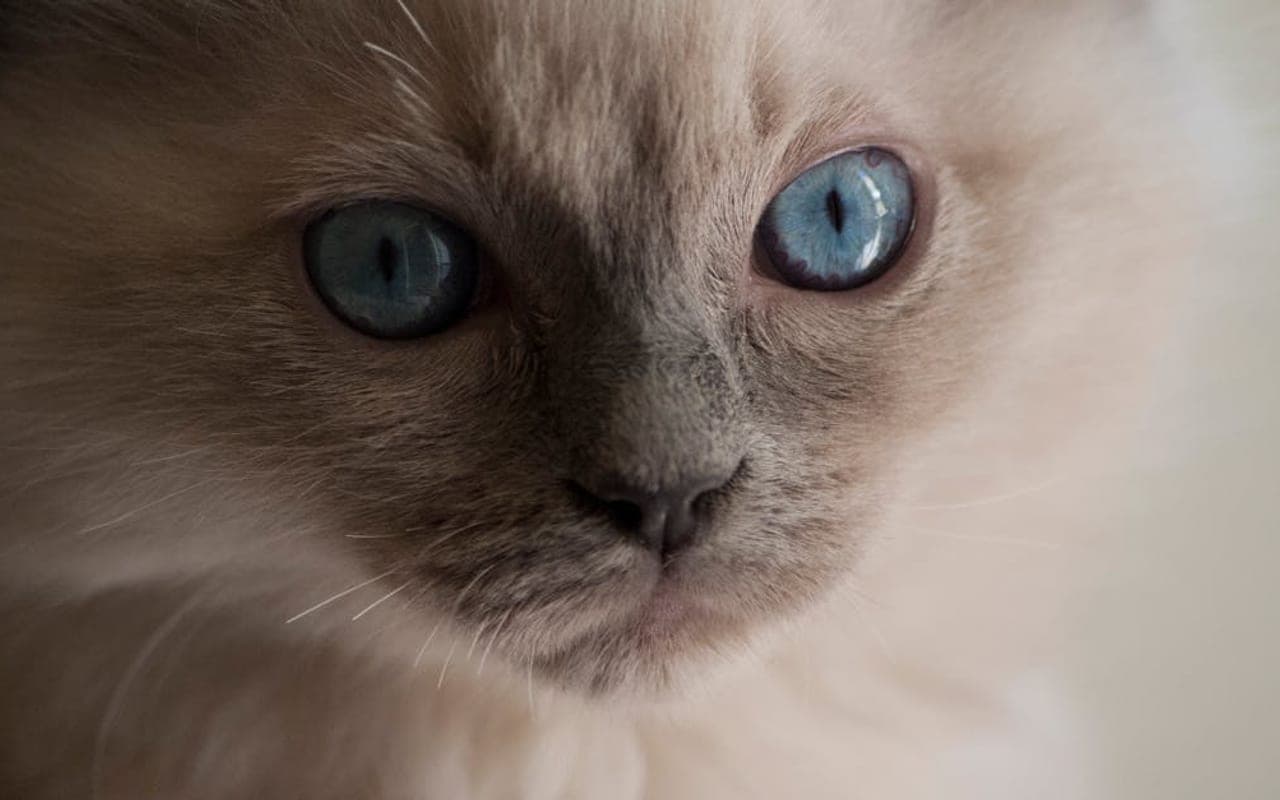
Birman
Also in the Longhair group, with different care and temperament tradeoffs.
Explore More About Ragdoll
Dive deeper into everything Ragdoll — costs, care, and expert insights.
How Much Does a Ragdoll Cost?
Purchase price, monthly costs, and lifetime expenses
Ragdoll Cat Care Guide: The Gentle Giant
Ragdolls are the gentle giants of the cat world — males reach 15-20 lbs, females 10-15 lbs, and...
Can Cats Eat This? The Complete Toxic & Safe Human-Foods List
A cat-specific list of which human foods are safe, which are risky, and which are an emergency —...
Litter-Robot 4 vs. PetSafe ScoopFree: Is the $700 Automatic Box Actually Worth It?
Litter-Robot 4 costs far more up front, while PetSafe ScoopFree keeps the first purchase lower....
ChomChom Roller Review: Best Reusable Pet Hair Remover?
The ChomChom Roller is a simple reusable pet hair remover for couches, bedding, and car seats. See...
Considering a dog instead?
Browse Dogs