
At a Glance
| Attribute | Ragdoll | Siamese |
|---|---|---|
| Origin | United States | Thailand |
| Breed Group | Longhair | Shorthair |
| Life Span | 12–17 yrs | 12–15 yrs |
| Weight | 4.5–9.1 kg | 2.7–5.4 kg |
| Height | 23–38 cm | 23–30 cm |
| Temperament | Affectionate, Friendly, Gentle | Active, Agile, Clever |
| Exercise Needs | Moderate (30-60 min/day) | Very High (90+ min/day) |
| Grooming | low | low |
| Shedding | moderate | low |
| Good with Children | Yes | Yes |
| Apartment Friendly | Yes | Yes |
Temperament Comparison
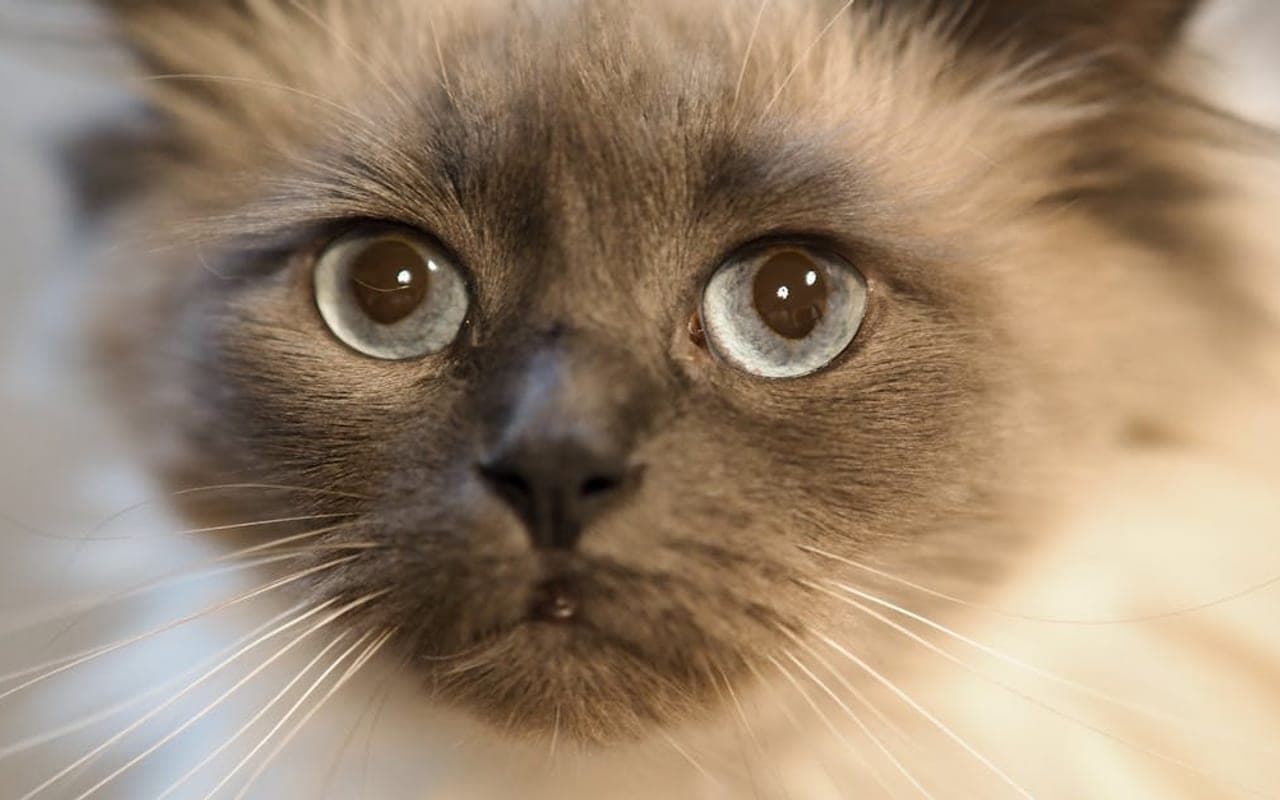
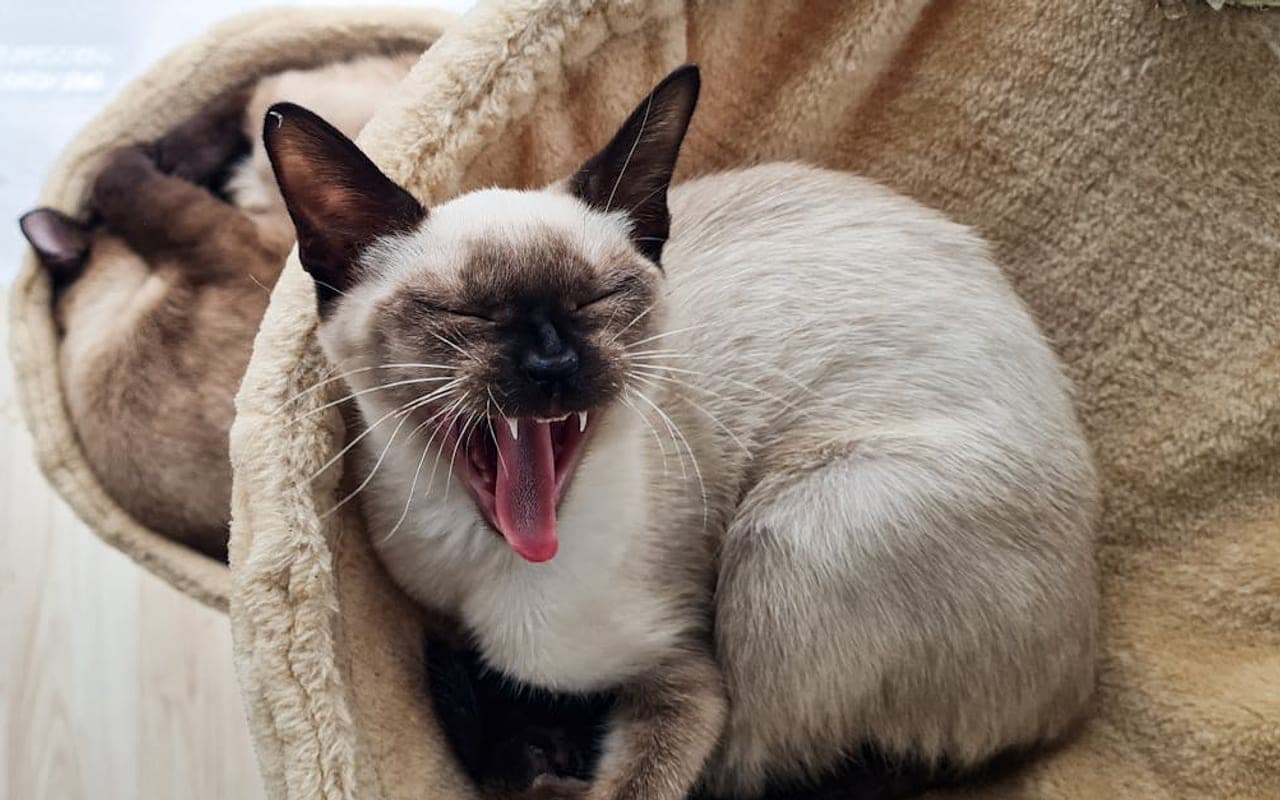
The Ragdoll is known for being affectionate, friendly, gentle, while the Siamese tends to be active, agile, clever.
Ragdoll
Siamese
Family Suitability
Ragdoll
- Good with children: Yes
- Good with other pets: Yes
- Apartment friendly: Yes
- Exercise: moderate
Siamese
- Good with children: Yes
- Good with other pets: Yes
- Apartment friendly: Yes
- Exercise: very high
Training & Exercise
When it comes to daily activity, the Ragdoll requires moderate (30-60 min/day) exercise, compared to the Siamese which needs very high (90+ min/day).
Ragdoll
- Exercise
- moderate
- Grooming
- low
- Shedding
- moderate
Siamese
- Exercise
- very high
- Grooming
- low
- Shedding
- low
Cost Comparison
Understanding the financial commitment of each breed helps you plan for a lifetime of care.
| Cost | Ragdoll | Siamese |
|---|---|---|
| Purchase Price | $800 – $3,500 | $400 – $2,500 |
| Monthly Cost | ~$80/mo | ~$70/mo |
| Est. Lifetime Cost | ~$11,520+ | ~$10,080+ |
Health Considerations
Both breeds have breed-specific health considerations. Being aware of these helps you plan for preventive care and vet visits.
Ragdoll
Life span: 12–17 yrs
- Hypertrophic cardiomyopathy (HCM) — the most important Ragdoll health risk: thickening of the heart muscle that can cause heart failure, clots, or sudden death. A breed-specific MYBPC3 mutation is testable; responsible breeders also screen breeding cats by echocardiogram. Buy only from cardiac-screened lines.
- Polycystic kidney disease (PKD) — inherited fluid-filled cysts that enlarge and impair the kidneys over years; a DNA test exists and screened lines should be clear, so ask for the parents' PKD-negative results.
- Bladder/urinary stones and FLUTD — Ragdolls are reported prone to lower urinary tract disease and stones; signs are straining, blood in urine, or going outside the box. Adequate water intake and prompt vet care matter.
- Feline infectious peritonitis (FIP) susceptibility — Ragdolls (often acquired young from catteries) are over-represented in FIP cases, a coronavirus-related disease; minimize stress and crowding in kittens and source from low-density, hygienic breeders.
- Gastrointestinal sensitivity / hairball obstruction — the semi-long coat plus a relaxed groomer means ingested hair; regular brushing and a fiber or hairball diet reduce vomiting and rare obstruction.
- Obesity-related joint and cardiac strain — not breed-unique but amplified here because the breed is large, food-motivated, and low-energy, and excess weight worsens the heart and joint risks above.
Siamese
Life span: 12–15 yrs
- Progressive retinal atrophy (PRA) — an inherited retinal degeneration causing gradual blindness; the Siamese is a classically affected breed and responsible breeders DNA- and exam-screen breeding cats.
- Amyloidosis (hepatic and renal) — abnormal amyloid protein deposits in the liver or kidneys leading to organ failure; a recognized familial problem in Siamese and Oriental lines and a defining breed health risk.
- Feline asthma / chronic bronchial disease — the Siamese is over-represented for allergic airway disease causing coughing and wheezing, often needing lifelong inhaled or oral medication.
- Progressive (Siamese-type) dental disease and gingivitis — the breed shows higher rates of early periodontal disease and gingivostomatitis, making routine dental care a recurring necessity rather than optional.
- Convergent strabismus and nystagmus — an inherited cross-eyed appearance and eye-flicker tied to the breed's pointed-coat genetics; usually cosmetic but a recognized breed trait.
- Vaccine-associated and mast cell tumors / mediastinal lymphoma — Siamese and related Oriental breeds show elevated rates of certain neoplasias, warranting prompt investigation of any new lump or breathing change.
Which Breed is Right for You?
Choose the Ragdoll if you want a breed that's affectionate and friendly and works well in apartments, especially with a family.
Choose the Siamese if you prefer a breed that's active and agile and adapts to smaller spaces, great with kids.
Explore More About Ragdoll
Dive deeper into everything Ragdoll — costs, care, and expert insights.
How Much Does a Ragdoll Cost?
Purchase price, monthly costs, and lifetime expenses
Ragdoll Cat Care Guide: The Gentle Giant
Ragdolls are the gentle giants of the cat world — males reach 15-20 lbs, females 10-15 lbs, and...
Can Cats Eat This? The Complete Toxic & Safe Human-Foods List
A cat-specific list of which human foods are safe, which are risky, and which are an emergency —...
Litter-Robot 4 vs. PetSafe ScoopFree: Is the $700 Automatic Box Actually Worth It?
Litter-Robot 4 costs far more up front, while PetSafe ScoopFree keeps the first purchase lower....
ChomChom Roller Review: Best Reusable Pet Hair Remover?
The ChomChom Roller is a simple reusable pet hair remover for couches, bedding, and car seats. See...
Considering a dog instead?
Browse Dogs