
Complete Persian Cat Care Guide
The Persian cat doesn't rush anything — not their walk across the room, not their decision about which sunbeam to occupy, and certainly not their opinion of you (which, once earned, is quietly devotio
In This Guide
Overview
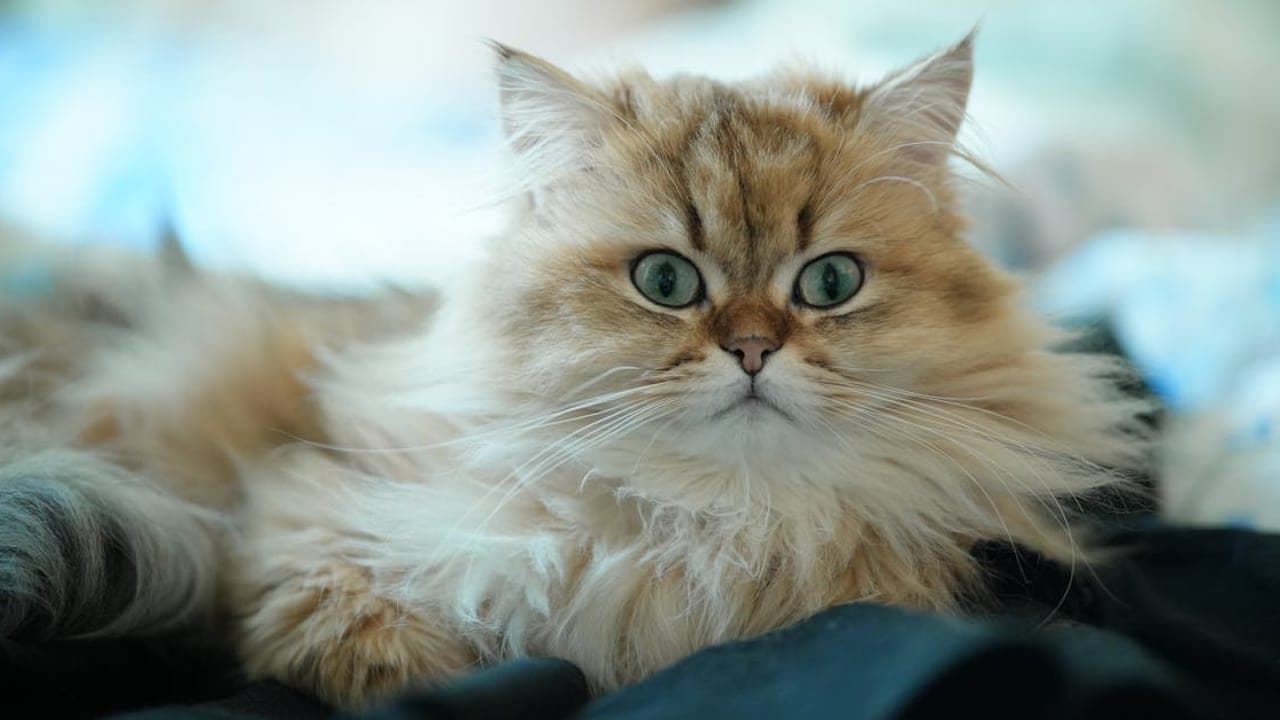
The Persian cat doesn't rush anything — not their walk across the room, not their decision about which sunbeam to occupy, and certainly not their opinion of you (which, once earned, is quietly devotional). That flowing coat, that pansy-like flat face, those enormous copper or blue eyes — everything about the Persian communicates calm, luxury, and a dignified beauty that has made them one of the world's most beloved cat breeds for over a century.
Why Persian Care Is a Commitment
Let's be direct: Persians are high-maintenance cats. Their long, dense coat mats within 48 hours without brushing. Their brachycephalic (flat) face creates breathing limitations, tear overflow, and skin fold infections. Their sedentary nature makes obesity a constant risk. None of this is insurmountable, but it requires daily dedication that some owners underestimate.
What This Guide Covers
- The daily grooming routine that prevents matting and skin problems
- Flat-face care: tear stain management, breathing considerations, and feeding adaptations
- Nutrition for a breed that gains weight and has sensitive digestion
- Exercise strategies for a naturally low-energy cat
- Health screenings that can catch breed-specific conditions early
- Realistic cost expectations, especially grooming and veterinary expenses
A well-cared-for Persian is a serene, beautiful companion who brings calm to your home. A neglected Persian coat becomes a painful, matted mess that requires professional intervention. The difference is 15 minutes of daily care.
Daily Care
Persian cat care revolves around two non-negotiable commitments: coat maintenance and facial care. Everything else is secondary to these daily requirements.
Morning Routine
- Wipe each eye with a separate warm, damp cloth (separate cloths prevent spreading infection between eyes)
- Clean the nasal fold (the deep crease beside the nose)
- Dry the area thoroughly — moisture in folds causes bacterial and yeast infections
- Keep the fur under the eyes dry after cleaning; persistent wetness or a change in the discharge is a veterinary question, not a home-remedy one
- Breakfast — Serve in a flat, shallow dish. Persian flat faces can't access food in deep bowls. Many Persians eat more comfortably from plates or very shallow bowls designed for brachycephalic cats.
- Coat brushing (10–15 minutes) — The non-negotiable. A Persian coat unbrushed for even 2 days begins developing mats, especially in friction areas: armpits, behind ears, under the chin, between hind legs, and along the belly.
Brushing Technique
- Spray with detangling conditioner — Never dry-brush a Persian coat. It causes breakage and static.
- Start with a wide-toothed comb — Work through the coat section by section, starting from the ends and working toward the skin.
- Switch to a slicker brush — Remove loose undercoat and smooth the outer coat.
- Mat check — Run your fingers through the coat feeling for developing tangles. Address them immediately — small tangles become painful mats within 24 hours.
- Finish with a bristle brush — Adds shine and distributes natural oils.
Evening Routine
- Second facial wipe — Same protocol as morning. Twice-daily facial care prevents tear staining from becoming permanent.
- Quick brush (5 minutes) — Not as thorough as morning, but catches any tangles from the day's activity.
- Litter box check — Persian long coats collect litter. Consider a high-sided box with fine-grain litter that doesn't cling to fur. Some owners trim the fur around the hindquarters ("sanitary trim") to reduce litter tracking.
Environmental Considerations
- Temperature: Persians are indoor cats who overheat due to their dense coat and brachycephalic breathing. Maintain home temperature between 65–72°F.
- Humidity: Low humidity dries their coat and increases static/matting. A humidifier in their primary room helps during dry months.
- Air quality: Their compromised airways make them more sensitive to dust, smoke, strong scents, and aerosol sprays.
Nutrition
Persians are naturally low-energy cats with a metabolism that stores calories efficiently — too efficiently. Without careful feeding, they become overweight, which worsens their breathing difficulties, stresses their joints, and shortens their lifespan.
Feeding Guidelines by Life Stage
| Life Stage | Daily Amount | Meals Per Day | Key Focus | |---|---|---|---| | Kitten (2–12 months) | 1/3–2/3 cup dry or 6–8 oz wet | 3–4 meals | Controlled growth, coat development | | Adult (1–10 years) | 1/4–1/3 cup dry or 4–6 oz wet | 2 meals | Weight control, coat quality, urinary health | | Senior (10+ years) | 1/4–1/3 cup dry or 4–5 oz wet | 2–3 meals | Kidney support, joint care, hydration |
These amounts are deliberately conservative. Persians gain weight. Measure food precisely with a kitchen scale — not a scoop. Adjust based on body condition: you should feel your Persian's ribs under their thick coat without pressing hard.
Nutritional Priorities
- Moderate calorie density — Unlike active breeds that need calorie-dense food, Persians need moderate calories to prevent weight gain. Look for foods specifically formulated for indoor or low-activity cats.
- Hairball management — That magnificent coat means Persians ingest significant amounts of fur during self-grooming. Choose foods with added fiber (beet pulp, psyllium) to move hair through the digestive system, or supplement with hairball-formula treats.
- Omega fatty acids — Essential for coat health and shine. Foods with fish oil or flaxseed support the coat from the inside.
- Urinary health — Persians are predisposed to calcium oxalate kidney stones. Foods with controlled mineral levels and ingredients that promote slightly acidic urine help reduce risk.
- Kibble shape — Some manufacturers make flat, almond-shaped kibble intended for flat-faced cats that struggle to pick up standard round pieces; ask your vet whether it suits your cat.
Hydration Is Critical
Persians are predisposed to polycystic kidney disease (PKD) and urinary stones. Maximizing water intake protects kidney function:
- Wet food: At least 50% of their diet should be wet food for moisture content
- Water fountains: Moving water encourages drinking. Place fountains in multiple locations
- Broth toppers: Unsalted bone broth or commercial cat broth added to dry food increases moisture intake
- Multiple water stations: Persians won't travel far for water. Place bowls in every room they frequent
Exercise
Persians are typically among the least active cats, so activity has to be offered rather than assumed. They're content to lounge in a sunbeam for hours, and they'll choose napping over playing almost every time. This natural inclination toward inactivity makes owner-initiated exercise essential for preventing obesity and maintaining muscle tone.
Daily Activity Requirements
| Age | Active Play | Mental Stimulation | Total Daily | |---|---|---|---| | Kitten (under 1 year) | 20–30 min | 10–15 min | 30–45 min | | Adult (1–10 years) | 15–20 min | 10–15 min | 25–35 min | | Senior (10+ years) | 10–15 min | 10 min | 20–25 min |
Engaging a Low-Energy Cat
Persians won't chase a laser pointer across the room with the intensity of a Siamese. Their play style is more measured — they prefer gentle, close-range games.
- Feather wands moved slowly — Wave a feather wand near your Persian, letting them bat at it while lying down. Slow, close movements engage their prey instinct without requiring sprinting.
- Crinkle balls — Many Persians are attracted to the sound and will bat crinkle balls short distances. Roll them gently toward your cat.
- Catnip toys — Persians respond well to catnip. A catnip-stuffed toy can motivate even the laziest Persian to a few minutes of batting and rolling.
- Puzzle feeders — Serve one meal in a puzzle feeder. This provides mental stimulation and extends eating time, giving their brain a workout even if their body isn't sprinting.
- Gentle chase games — Drag a ribbon or feather slowly along the floor in front of them. Let them "catch" it frequently to maintain interest.
- High-speed laser pointer chases (too vigorous for their breathing capacity)
- Intense interactive toys that require jumping and running
- Expecting them to self-exercise (they won't)
The Obesity Prevention Imperative
A sedentary Persian who free-feeds will almost certainly become overweight. The combination of low activity and efficient calorie storage makes structured, portion-controlled feeding essential. Monitor weight monthly — even a half-pound gain on a 7–10 lb cat is significant.
An overweight Persian breathes harder, grooms less effectively (increasing mat formation), and is at higher risk for diabetes, hepatic lipidosis (fatty liver disease), and urinary problems.
Grooming
Persian grooming is the defining aspect of ownership. There is no shortcut, no compromise, and no "I'll catch up tomorrow." A missed day becomes a mat. A missed week becomes a professional grooming bill and potential shave-down. Commit to the routine or choose a different breed.
Daily Coat Care (15–20 minutes)
- Detangling spray — Mist entire coat lightly
- Wide-toothed comb — Section by section from ends to skin, starting at the hindquarters and working forward
- Slicker brush — Remove loosened undercoat
- Mat check — Fingers through high-friction areas (armpits, belly, behind ears, under chin, between hind legs)
- Bristle brush — Final smoothing pass for oil distribution and shine
- Quick comb-through of high-mat areas
- Check for any developing tangles from the day
Bathing
Persians need regular baths — every 4–6 weeks — more frequently than most cat breeds. Their dense coat traps oil, dust, and dander that brushing alone can't remove.
- Thorough brush-out before bathing (wet mats tighten irreversibly)
- Warm water, gentle cat shampoo — work through the coat with your fingers, not just surface application
- Conditioner — essential for Persian coats. Leave on for 2–3 minutes.
- Thorough rinse — any residue causes skin irritation and accelerated matting
- Complete drying — This is critical. A Persian coat left damp will mat as it dries. Use a pet dryer on low heat, working section by section until completely dry. Air drying alone is insufficient for this coat type.
Professional Grooming
- Professional-grade drying techniques
- Sanitary trim (around hindquarters and paws)
- Lion cut option: If maintaining the full coat becomes unmanageable, a lion cut (body shaved, head/tail/legs left natural) is a practical solution that many Persian owners adopt. Cost: $60–$100 per session.
Facial Grooming (Tear Stain Management)
- Ask your vet which cleaning products are safe to use near a cat's eye before applying anything
- If staining is severe or worsening, have the eye and tear ducts examined rather than treating the stain — antibiotics are not an appropriate response to a cosmetic sign
- Keep facial fur trimmed short around the eyes
- Address underlying causes: entropion (inward-rolling eyelids), blocked tear ducts, or food sensitivities can worsen tearing
Nail, Dental, and Ear Care
- Nails: Trim every 2 weeks. Persians' low activity means nails don't wear naturally.
- Dental: Daily brushing recommended. Persians are moderately predisposed to dental disease. Annual professional cleanings.
- Ears: Check weekly. Their dense ear furnishings (hair inside the ear) can trap debris. Clean gently with a vet-recommended solution as needed.
Health
Persians are predisposed to several breed-specific health conditions, most related to their brachycephalic facial structure and genetic heritage. Proactive screening makes a significant difference in outcomes.
Polycystic Kidney Disease (PKD)
The most significant genetic condition in Persians. PKD causes fluid-filled cysts to develop in the kidneys, gradually reducing kidney function.
- Prevalence: Historically reported as high in the breed, which is why registries and breeders screen for it; figures vary by population and era, so treat any single percentage with caution. Responsible breeding with DNA testing is reducing prevalence.
- Screening: DNA test available (PKD1 gene). Cornell's Feline Health Center notes that cysts may be diagnosed in kittens as young as six months of age, and that ultrasound is the only way to get a definitive diagnosis — a genetic test will not tell you how seriously a cat is affected.
- Signs: Increased thirst and urination, weight loss, decreased appetite, vomiting — often not apparent until significant kidney damage has occurred
- Management: No cure, but early detection allows kidney-supportive diets, hydration management, and medications that slow progression. Progression varies between individuals, and Cornell describes the disease as leading toward potentially fatal kidney failure, so monitoring is lifelong rather than reassurance.
- When adopting/purchasing: Always request PKD testing documentation from breeders. This is the single most important health test for Persians.
Brachycephalic Airway Issues
Relevant for Persians, and most of all for the flattest-faced individuals:
- Stenotic nares — Narrowed nostrils that restrict airflow. Surgical widening may be recommended for severe cases.
- Signs: Noisy breathing, snoring, mouth breathing, exercise intolerance
- Management: Maintain healthy weight, keep environment cool, avoid stress and overheating
Eye Conditions
Persian facial anatomy creates several eye-related concerns:
- Epiphora (excessive tearing) — Chronic in most Persians due to their facial structure. Managed through daily cleaning.
- Entropion — Inward rolling of eyelids, causing lashes to scratch the cornea. Requires surgical correction.
- Cherry eye — Prolapse of the third eyelid gland. Surgical tacking is the preferred treatment.
- Corneal ulcers — Their prominent eyes are vulnerable to scratches and ulcers.
Other Conditions
- Hypertrophic Cardiomyopathy (HCM) — The most common heart disease in cats. Annual cardiac screening recommended after age 3.
- Calcium oxalate urinary stones — Prevented through diet and hydration management.
- Dermatophytosis (ringworm) — Persians are more susceptible than short-haired breeds. Their dense coat can harbor fungal spores.
- Hepatic lipidosis (fatty liver) — Risk increases with obesity and anorexia. Never fast an overweight Persian — even 48 hours without eating can trigger this life-threatening condition.
Preventive Health Schedule
| Age | Frequency | Key Screenings | |---|---|---| | Kitten (8 weeks–1 year) | Every 3–4 weeks | Vaccinations, PKD DNA test, baseline blood panel, eye evaluation | | Adult (1–10 years) | Annually | Blood panel (kidney focus), urinalysis, cardiac echo, dental, eye exam | | Senior (10+ years) | Every 6 months | Complete blood panel, kidney function, blood pressure, cardiac, dental |
Costs
Persian cats are among the most expensive cat breeds to maintain, driven primarily by grooming requirements and breed-specific veterinary needs.
First-Year Costs
| Category | Estimated Cost | |---|---| | Purchase/Adoption | $1,000–$3,000 (breeder) / $100–$400 (rescue) | | Initial vet visits + vaccinations | $400–$600 | | PKD DNA test (if not done by breeder) | $50–$100 | | Spay/neuter | $200–$400 | | Supplies (cat tree, litter box, grooming tools, carrier) | $300–$500 | | Professional grooming (4–6 visits) | $240–$600 | | Total First Year | $2,290–$5,200 |
Annual Ongoing Costs
| Category | Estimated Cost | |---|---| | Quality cat food (wet + dry) | $400–$650 | | Routine vet care + vaccinations | $300–$500 | | Professional grooming (6–8 visits) | $360–$800 | | Grooming supplies (brushes, combs, shampoo, conditioner) | $100–$200 | | Tear stain products | $40–$80 | | Litter | $150–$250 | | Professional dental cleaning | $300–$500 | | Pet insurance (recommended) | $250–$450 | | Annual Total | $1,900–$3,430 |
Breed-Specific Costs to Budget For
PKD management (if diagnosed): $500–$1,500 annually for kidney-supportive diet, medications, and monitoring. Entropion surgery: $1,000–$2,000. Emergency mats requiring professional shave-down: $80–$150 per session (avoid by maintaining daily brushing). Lion cuts (if chosen): $60–$100 every 8–10 weeks.
Cost-Saving Strategies
- Master home grooming — Learning to bathe and properly dry a Persian at home saves $50–$100 per professional session. Invest in a pet dryer ($40–$80) — it pays for itself within 2 months.
- Prevent PKD — Only purchase from breeders who test. PKD treatment costs far exceed the premium of a health-tested kitten.
- Hydration focus — A $30 water fountain encouraging kidney-protective hydration is far cheaper than kidney disease management.
- Adopt from Persian rescue — Breed-specific rescues often have healthy adults with known health histories at $100–$400, already spayed/neutered and vaccinated.
- Daily grooming prevents emergencies — 15 minutes of daily brushing prevents the $80–$150 professional mat-removal sessions that result from neglect.
Frequently Asked Questions
Is a "doll-face" Persian a different type that registries actually recognise?
No registry splits the breed that way. The CFA Persian show standard, revised 2025, sets out one head, with the nose "short, snub, and broad" and the break centred between the eyes, and divides Persians by colour rather than by face. It does require nostrils "sufficiently open to allow cat to breathe without restriction", and a CT study of 69 Persians found every measured airway area significantly smaller than in domestic shorthairs. Judge the nostrils and the breathing in front of you, not the wording of the advert.
The breeder says both parents are PKD clear, so is my kitten's kidney risk settled?
It is the right question but not the whole answer. Polycystic kidney disease is autosomal dominant: Langford Vets records a cat carrying one mutant copy of PKD1 as Affected, so a single affected parent is enough to pass it on. Cornell's Feline Health Center adds that the gene test cannot tell you how seriously a cat is affected, and that ultrasound is the only route to a definitive diagnosis. Ask for dated certificates naming each parent, then ask your own vet whether to scan.
Could a Persian kitten already be losing its sight on the day I collect it?
It can, and it will look like nothing is wrong. Langford Vets describes a Persian form of progressive retinal atrophy in which photoreceptor loss begins around five weeks and most affected cats are blind by sixteen to seventeen weeks, which is after the age most kittens go home. It is recessive, so two untested carriers can produce it, and Langford found around four to five percent of UK and European Persians tested were carriers. Ask for both parents' PRA results before paying a deposit.
Why do my Persian's eyes still run when I clean them twice a day?
Because the overflow is plumbing rather than hygiene. A CT and anatomical study of 46 cats in the Journal of Feline Medicine and Surgery found that in severe brachycephaly the tear drainage system becomes shorter and steeper and is forced below the canine tooth into a V-shaped course, which the authors link directly to epiphora. Cleaning controls staining and fold infection; it cannot reopen a duct. Squinting, cloudiness or any sudden change in the discharge is a same-day veterinary appointment.
Can a Persian keep its own coat in order the way a shorthaired cat does?
No, and that is the real cost of the breed. The VetCompass study of 3,235 UK Persians found haircoat disorders were the most prevalent diagnosis at 12.7 percent, and it cites grooming research showing that a coat this long and dense blocks full access to the deeper layers of fur, leaving these coats, in the authors' word, "ungroomable". The same paper asks vets to check matted Persians for dental disease as a comorbid condition. Book the mouth exam alongside the de-matting.
Sources
This guide draws on the following published references. Each opens in a new tab so you can check it against what you have read here.
The Cat Fanciers' Association (CFA)
Persian Show Standard (revised 2025)(opens in a new tab)Cat Fanciers' Association
Persian — breed standard and profile(opens in a new tab)ASPCA
Cat Grooming Tips(opens in a new tab)Merck Veterinary Manual
Routine Health Care of Cats(opens in a new tab)Langford Vets, University of Bristol
Polycystic Kidney Disease (AD-PKD) genetic test(opens in a new tab)Cornell Feline Health Center, Cornell University College of Veterinary Medicine
Polycystic Kidney Disease(opens in a new tab)Langford Vets, University of Bristol
Persian Progressive Retinal Atrophy genetic test(opens in a new tab)Journal of Feline Medicine and Surgery (Schlueter et al., 2009), via PubMed Central
Brachycephalic Feline Noses: CT and Anatomical Study of the Relationship between Head Conformation and the Nasolacrimal Drainage System(opens in a new tab)PLOS ONE, via PubMed Central
Correlation of brachycephaly grade with level of exophthalmos, reduced airway passages and degree of dental malalignment in Persian cats(opens in a new tab)Scientific Reports (O'Neill et al., 2019, RVC VetCompass), via PubMed Central
Persian cats under first opinion veterinary care in the UK: demography, mortality and disorders(opens in a new tab)Merck Veterinary Manual
Proper Nutrition for Cats(opens in a new tab)Cornell Feline Health Center
Feeding Your Cat(opens in a new tab)
Affiliate disclosure: We may earn a commission from qualifying purchases. This doesn't affect our recommendations.
Recommended Products
Get personalized pet care tips
Join our newsletter for breed-specific advice, care guides, and expert tips delivered weekly.
No spam, ever. Unsubscribe anytime.