
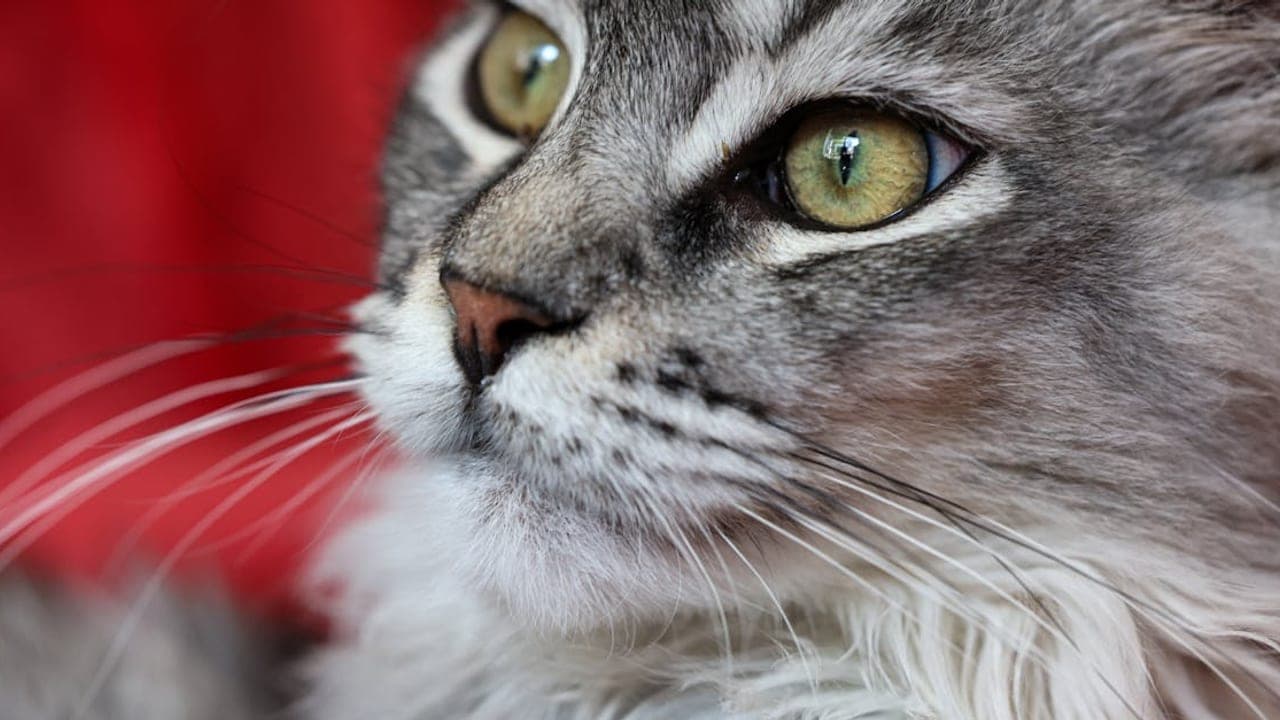
Complete Maine Coon Care Guide
The first time a Maine Coon walks into a room, you understand why they're called the "gentle giants" of the cat world. At 15–25 lbs for males, with tufted ears, a flowing mane, and a luxuriously plume
In This Guide
Overview
The first time a Maine Coon walks into a room, you understand why they're called the "gentle giants" of the cat world. At 15–25 lbs for males, with tufted ears, a flowing mane, and a luxuriously plumed tail, they're more wild lynx than house cat in appearance — and more loyal dog than aloof feline in personality.
Why Maine Coon Care Is Unique
Maine Coons aren't just big cats with long fur. They're a distinct breed with needs that differ significantly from standard domestic cats. Their large frame requires nutrient-dense food and sturdy furniture. Their semi-long coat needs regular maintenance but is far more forgiving than a Persian's. Their dog-like social behavior means they follow you room to room, play fetch, and may even learn to walk on a leash. And their breed-specific health concerns — particularly hypertrophic cardiomyopathy (HCM) and hip dysplasia — require proactive screening that many cat owners never think about.
What This Guide Covers
- Daily routines calibrated for a 20-lb cat with a sociable disposition
- Nutrition that supports their slow growth cycle (Maine Coons don't reach full size until 3–5 years)
- Exercise and enrichment for an active, intelligent breed
- Coat care that's simpler than you'd expect for a long-haired cat
- Health screenings that can save your Maine Coon's life
- Honest cost expectations for the largest domestic cat breed
Daily Care
Maine Coons are active, social cats who integrate into family life more completely than most breeds. Your daily routine should accommodate a cat who wants to participate in household activities — and has the size and intelligence to insert themselves into most of them.
Morning Routine
- Breakfast — Maine Coons have larger appetites than standard cats. Serve in a wide, shallow bowl (their large heads don't fit comfortably in narrow dishes). Use a puzzle feeder for one meal to provide mental stimulation.
- Interactive play (10–15 minutes) — Maine Coons are most active in morning and evening. A wand toy, ball fetch, or feather chase starts their day well. These cats are athletic — expect impressive leaps and surprisingly fast sprints for their size.
- Quick coat check (3 minutes) — Run your fingers through their coat checking for developing mats, particularly behind the ears, under the forelegs, and in the belly ruff. Catching tangles early takes seconds; ignoring them costs hours.
Social Needs
Maine Coons are the Labrador Retrievers of the cat world — social, loyal, and happiest when near their people. Key social care considerations:
- Alone time tolerance: Better than Siamese, but Maine Coons still shouldn't be left alone for more than 8–10 hours regularly. They develop loneliness-related behaviors (excessive vocalization with their characteristic chirping trill, over-grooming, destructive behavior).
- Multi-pet compatibility: Maine Coons generally get along well with other cats and even dogs. Their laid-back temperament makes them excellent in multi-pet households.
- Family integration: They often choose a "primary person" but bond with the whole family. Include them in family activities — many Maine Coons will sit at the dinner table (on a chair beside you) and participate in family game nights.
Evening Routine
- Dinner — Second meal of the day. Maine Coons do well on scheduled feeding rather than free-feeding, which helps monitor intake and prevent obesity.
- Extended play (15–20 minutes) — Their evening energy peak is an ideal time for vigorous play. Many Maine Coons enjoy fetch, and some will retrieve toys indefinitely.
- Grooming session (5–10 minutes) — Evening brushing doubles as bonding time. Most Maine Coons enjoy being brushed and will purr through the session.
Maine Coon-Proofing Your Home
- Reinforce cat furniture — Standard cat trees may not support Maine Coon weight. Look for models rated for 25+ lbs with sturdy bases.
- Secure breakables — A 20-lb cat jumping onto a shelf is very different from a 8-lb cat doing the same thing.
- Provide large litter boxes — Standard boxes are too small. Use extra-large boxes or storage containers. One and a half times the cat's length is the minimum.
- Water access — Maine Coons are fascinated by water. Don't be surprised to find them playing in sinks, drinking from faucets, or batting at water bowls. A water fountain satisfies this interest while encouraging hydration.
Nutrition
Maine Coons have unique nutritional needs driven by their large size, extended growth period, and breed-specific health concerns. Getting their diet right supports everything from coat quality to cardiac health.
Feeding Guidelines by Life Stage
| Life Stage | Daily Amount | Meals Per Day | Key Focus | |---|---|---|---| | Kitten (2–12 months) | 1/2–1 cup dry or 8–12 oz wet | 3–4 meals | Controlled growth, bone development | | Adolescent (1–3 years) | 3/4–1 cup dry or 8–10 oz wet | 2–3 meals | Continued growth support (still growing!) | | Adult (3–10 years) | 1/2–3/4 cup dry or 6–10 oz wet | 2 meals | Weight management, joint support | | Senior (10+ years) | 1/2–2/3 cup dry or 6–8 oz wet | 2–3 meals | Kidney support, joint health, cardiac support |
Maine Coons are still growing until age 3–5. This is one of the few cat breeds that needs "adolescent" nutrition guidance. Don't switch to adult maintenance food at 12 months — continue with growth-support nutrition until they reach full size.
Nutritional Priorities
- High-quality animal protein — a bigger cat needs more total protein than a small one, though requirement per unit of body weight does not rise with size. 40%+ protein content from named animal sources is ideal.
- Joint support — a breed with well-documented hip dysplasia screening. Foods with added glucosamine, chondroitin, and omega-3 fatty acids support joint health. Ask your vet whether and when joint support is worth starting for your cat.
- Taurine — Essential for cardiac function. Given the breed's HCM predisposition, ensure the diet provides adequate taurine (most quality commercial foods do, but verify).
- Hairball management — Their semi-long coat produces more hairballs than short-haired breeds. Fiber-enhanced diets and regular grooming reduce occurrence.
- Calorie monitoring — Despite their size, indoor Maine Coons can become overweight. Use body condition scoring: you should feel ribs without pressing through a layer of fat. Their thick coat can hide weight gain.
Hydration
- Water fountain — Almost mandatory. Maine Coons are more likely to drink from moving water.
- Multiple stations — Place bowls in 3–4 locations throughout the house.
- Wet food — Include wet food in their diet for moisture content, supporting kidney health long-term.
Exercise
Maine Coons are among the most athletic and playful cat breeds, retaining kitten-like playfulness well into their senior years. Their large size and intelligence mean they need exercise that challenges both body and mind.
Daily Activity Requirements
| Age | Active Play | Mental Enrichment | Total Daily | |---|---|---|---| | Kitten (under 1 year) | 30–40 min | 15–20 min | 45–60 min | | Adolescent (1–3 years) | 25–35 min | 15–20 min | 40–55 min | | Adult (3–10 years) | 20–30 min | 15 min | 35–45 min | | Senior (10+ years) | 15–20 min | 10–15 min | 25–35 min |
Best Activities for Maine Coons
Their dog-like personality opens up activities most cats won't do:
- Fetch — Maine Coons are natural fetchers. Start with lightweight toys like crinkle balls or small mice. Most learn within a few sessions and will play fetch for 15+ minutes.
- Leash walking — Maine Coons adapt to harness training better than almost any other cat breed. Start indoors, graduate to a quiet patio, then explore quiet outdoor areas. The mental stimulation of outdoor environments is profound.
- Water play — Many Maine Coons enjoy playing in shallow water. A shallow tray or dripping faucet provides entertainment and exercise. Supervised only — never leave water play unattended.
- Wand and fishing rod toys — Their size and athleticism make them impressive hunters. Use sturdy wand toys — standard ones may not survive a Maine Coon's enthusiastic pounce.
- Puzzle feeders — Required, not optional. Serve at least one meal in a puzzle to challenge their problem-solving abilities.
- Training — Maine Coons are among the most trainable cats. Clicker training works exceptionally well. Teach: sit, high-five, spin, come when called, and complex tricks.
- Interactive circuits — Ball-track toys and complex circuit systems keep them engaged during alone time.
- Climbing structures — Extra-large cat trees, wall-mounted shelves, and elevated walkways. Maine Coons are confident climbers who enjoy surveying their territory from height.
Exercise Cautions
- Joint protection — Avoid encouraging jumps from extreme heights (tops of refrigerators, tall bookshelves). Their heavy weight creates more joint impact than lighter breeds.
- Weight-bearing awareness — An overweight Maine Coon (and some can exceed 30 lbs) should have exercise modified to reduce joint stress. Swimming (yes, some enjoy it) and puzzle feeders provide activity without impact.
- Heat awareness — Their thick coat means they overheat faster than short-haired breeds. Exercise in cool environments.
Grooming
Here's the pleasant surprise of Maine Coon ownership: despite their long, flowing coat, they're significantly easier to groom than Persians. Their coat texture is silky rather than cottony, and it resists matting better than most long-haired breeds. But "easier" still means "regular commitment."
Coat Care
The Maine Coon coat is semi-long and denser around the ruff (chest), belly, and hindquarters. It's a working cat's coat — designed for New England winters, not cat shows.
- Brushing frequency: 2–3 times per week (compared to daily for Persians). During spring shedding season, increase to every other day.
- Tools: A stainless steel wide-toothed comb is your primary tool. Follow with a slicker brush for the undercoat. A mat splitter for occasional tangles.
- Technique: Always brush in the direction of hair growth. Pay extra attention to behind the ears, under the legs, the belly ruff, and the "pants" (thick fur on the hind legs). These are the mat-prone zones.
Bathing
Maine Coons often tolerate (and sometimes enjoy) water, making bathing easier than with most cats.
- Frequency: Every 6–8 weeks, or when the coat feels oily or dirty
- Shampoo: Use a degreasing cat shampoo — their coat's natural oils can build up and make the coat look stringy
- Drying: Towel dry first, then use a pet dryer on low heat. Their dense coat takes longer to dry than it looks. Ensure complete drying to prevent skin irritation under the thick fur.
Nail, Dental, and Ear Care
- Nails: Trim every 2 weeks. Maine Coon nails are large and strong — use a sturdy pair of clippers or a rotary grinder. Their tufted paws may need occasional trimming of the fur between toe pads to prevent litter clinging and slipping on hard floors.
- Dental: Brush teeth 3–4 times weekly. Maine Coons have average dental health for cats — regular brushing and annual cleanings maintain it.
- Ears: Those magnificent lynx-tip ears have tufted furnishings that can trap debris. Check weekly and clean with a vet-recommended solution as needed. The ear tufts themselves don't need trimming — they're a breed hallmark.
Professional Grooming
Optional for Maine Coons with consistent home care. If used, every 8–10 weeks. A professional groomer experienced with long-haired breeds can provide a thorough undercoat removal that's difficult to replicate at home. Cost: $50–$90 per session.
Health
Maine Coons are generally robust cats with lifespans of 12–15 years, but they carry predispositions to several conditions that require proactive screening — particularly cardiac and joint concerns unusual in other cat breeds.
Hypertrophic Cardiomyopathy (HCM)
The most significant health concern for Maine Coons. HCM causes thickening of the heart muscle, reducing the heart's ability to pump blood effectively.
- Prevalence: One of the highest HCM rates among cat breeds. The MyBPC3 gene mutation has been identified, but not all HCM cases test positive for this specific mutation.
- Screening: Echocardiogram (cardiac ultrasound) — the only reliable screening method. Start at age 1, repeat annually or biennially.
- DNA testing: Available for the MyBPC3 mutation. A negative test does not guarantee HCM-free status, and a positive test is not a diagnosis either. In the largest genotyped cohort, half the Maine Coons diagnosed with HCM did not carry the variant at all, while heterozygous cats showed only about 2.4% prevalence. The test reports risk; echocardiography diagnoses the disease.
- Signs: Labored breathing, lethargy, decreased appetite, sudden hind-limb paralysis (saddle thrombus — a medical emergency). Some cats show no signs until a crisis.
- Management: medication chosen by a veterinary cardiologist, based on the echocardiogram. Blood thinners reduce clot risk. Early detection dramatically improves outcomes.
Hip Dysplasia
Hip dysplasia is unusually well documented in Maine Coons and screening programmes exist for the breed, but it is recorded in other pedigree breeds and in domestic shorthairs too — the breed is not uniquely affected.
- Prevalence: a 20-year screening programme covering 5,038 pedigree-registered Maine Coons found radiographic signs in 37.4% — note that is a screening cohort of breeding cats, not a rate for the breed at large
- Signs: Reluctance to jump, stiff gait, difficulty using stairs, reduced activity
- Management: Weight management (critical — every extra pound stresses joints), joint supplements (glucosamine, chondroitin, omega-3), environmental modifications (ramps, low-entry litter boxes), pain management for severe cases
- Breeding consideration: OFA hip screening is available for cats. Responsible Maine Coon breeders screen breeding stock.
Spinal Muscular Atrophy (SMA)
A genetic condition causing progressive muscle weakness and wasting, particularly in the hind limbs.
- DNA test available: Carriers can be identified. Responsible breeders test before breeding.
- Signs: Muscle wasting in hind limbs, difficulty jumping, swaying gait
- Management: No cure, but affected cats can live comfortable indoor lives with accommodations. Not painful.
Other Conditions
- Polycystic Kidney Disease (PKD) — Less common than in Persians but present in the breed. DNA testing available.
- Stomatitis — Severe inflammation of the mouth. More common in Maine Coons than some breeds. Signs: difficulty eating, drooling, weight loss.
- Obesity — Their large frame disguises weight gain. Monthly weigh-ins are important.
Preventive Health Schedule
| Age | Frequency | Key Screenings | |---|---|---| | Kitten (8 weeks–1 year) | Every 3–4 weeks | Vaccinations, HCM DNA test, SMA DNA test, baseline echo if possible | | Adolescent (1–3 years) | Annually | Echocardiogram (HCM), blood panel, dental, hip assessment | | Adult (3–10 years) | Annually | Echo, blood panel, urinalysis, dental, weight monitoring | | Senior (10+ years) | Every 6 months | Echo, complete blood panel, kidney function, blood pressure, joint assessment |
Costs
Maine Coons are a moderate-to-high cost breed, driven by their size (more food, larger supplies), breed-specific health screening, and the premium that their popularity commands.
First-Year Costs
| Category | Estimated Cost | |---|---| | Purchase/Adoption | $1,200–$3,500 (breeder) / $100–$500 (rescue) | | Initial vet visits + vaccinations | $400–$600 | | HCM/SMA DNA testing (if not done by breeder) | $100–$200 | | Spay/neuter | $250–$450 | | Supplies (extra-large cat tree, XL litter box, bowls, carrier) | $400–$700 | | Total First Year | $2,450–$5,450 |
Annual Ongoing Costs
| Category | Estimated Cost | |---|---| | Quality cat food (higher volume than standard cats) | $500–$900 | | Routine vet care + vaccinations | $300–$500 | | Annual echocardiogram (HCM screening) | $250–$500 | | Professional grooming (3–4 visits, optional) | $150–$360 | | Grooming supplies | $60–$120 | | Litter (more for extra-large boxes) | $200–$350 | | Joint supplements | $100–$200 | | Pet insurance (recommended) | $300–$500 | | Annual Total | $1,860–$3,430 |
Breed-Specific Costs to Anticipate
HCM medication (if diagnosed): $30–$100/month ongoing. Hip dysplasia management: $200–$500/year for supplements and pain management. Emergency saddle thrombus treatment: $1,500–$5,000. Dental stomatitis treatment (if needed, extractions): $1,000–$3,000.
Pet insurance is strongly recommended for Maine Coons. Their HCM and hip dysplasia predisposition means veterinary costs can escalate significantly. Enroll while young — before any conditions develop as pre-existing exclusions.
Cost-Saving Strategies
- Adopt from Maine Coon rescue — Pure and mixed Maine Coons are available through breed-specific rescues at $100–$500
- Home grooming — Their coat is manageable at home. Professional grooming is optional, not required. A $30 comb and $20 slicker brush handle everything.
- Buy food in bulk — Maine Coons eat more than standard cats. Buying quality food in 12+ lb bags or case quantities of wet food saves 15–25%.
- Prioritize cardiac screening — The $250–$500 annual echo is the most important breed-specific investment. Early HCM detection allows management that can extend life by years.
- Heavy-duty supplies — Buy cat trees, beds, and carriers rated for their weight the first time. Replacing broken standard-sized items costs more long-term than investing in large-breed equipment upfront.
Frequently Asked Questions
My breeder says both parents tested clear for HCM. Is my kitten safe?
No. The Langford Vets MC-HCM test reads a single MYBPC3 variant, A31P, and Langford states that a normal result means only that the cat lacks that mutation, since some cats develop cardiac disease from other, as yet unidentified mutations. In a study of 332 Maine Coons in BMC Veterinary Research, 10 of the 21 cats diagnosed with HCM on echocardiogram carried no copy of it. Book echocardiographic screening regardless.
The certificate says heterozygous rather than homozygous. Should I panic?
Probably not, but ask what it changes. In that same 332-cat cohort, half the homozygous cats already had HCM, with an odds ratio of 21.6, while heterozygous cats sat at 2.4 percent and showed no significant increase in risk; the authors called penetrance in young heterozygotes very low. Langford still advises ultrasound for any cat testing positive. Treat one copy as a reason to screen, two as a reason to start early.
My Maine Coon has never limped, so his hips must be fine?
Not necessarily. A twenty-year radiographic screening programme covering 5,038 pedigree Maine Coons, reported in Scientific Reports, found 37.4 percent had signs of hip dysplasia, with severity rising alongside age and body mass. The authors note cats do not show the obvious clinical symptoms dogs do, so dysplastic hips stay invisible at home. Radiographs, not gait-watching, are what find this. Ask your breeder for the parents' hip scores.
Which DNA tests besides HCM should a Maine Coon breeder have run?
Langford Vets lists spinal muscular atrophy and pyruvate kinase deficiency for this breed, both autosomal recessive, so only cats inheriting two copies are affected. Langford puts SMA signs at three to four months and notes affected cats appear not to be in pain, while PK deficiency can stay mild, intermittent, or silent for life. Ask to see both certificates, and remember a neutered carrier pet passes nothing on.
Should I hold out for the biggest kitten in the litter?
Think twice. The CFA describes a slow-maturing breed that can take up to three years to reach full growth, and says a mature male reaching or exceeding twenty pounds is not unusual, so size at twelve weeks predicts little. More to the point, that Scientific Reports hip study found body mass genetically correlated with dysplasia severity, and cats bred away from bad hips grew smaller each generation. Choose screened hips over headline size.
Sources
This guide draws on the following published references. Each opens in a new tab so you can check it against what you have read here.
The Cat Fanciers' Association
Maine Coon Cat breed profile and breed standard(opens in a new tab)Cat Fanciers' Association
Maine Coon — breed standard and profile(opens in a new tab)VCA Animal Hospitals
Cardiomyopathy in Cats(opens in a new tab)ASPCA
Cat Grooming Tips(opens in a new tab)Merck Veterinary Manual
Routine Health Care of Cats(opens in a new tab)Langford Vets, University of Bristol
Maine Coon Hypertrophic Cardiomyopathy (MC-HCM)(opens in a new tab)BMC Veterinary Research (PubMed Central)
Hypertrophic cardiomyopathy in young Maine Coon cats caused by the p.A31P cMyBP-C mutation - the clinical significance of having the mutation(opens in a new tab)Scientific Reports (PubMed Central)
Demography, heritability and genetic correlation of feline hip dysplasia and response to selection in a health screening programme(opens in a new tab)Langford Vets, University of Bristol
Spinal Muscular Atrophy (SMA) genetic test(opens in a new tab)Langford Vets, University of Bristol
Pyruvate Kinase Deficiency genetic test(opens in a new tab)Cornell Feline Health Center
Feeding Your Cat(opens in a new tab)Cornell Feline Health Center, Cornell University College of Veterinary Medicine
Hypertrophic Cardiomyopathy(opens in a new tab)Merck Veterinary Manual
Proper Nutrition for Cats(opens in a new tab)
Affiliate disclosure: We may earn a commission from qualifying purchases. This doesn't affect our recommendations.
Recommended Products
Maine Coon Care Guide Book
Breed-focused reading and owner references for Maine Coon care, training, grooming, and health planning.
Go Pet Club 72-Inch Cat Tree
Extra-large cat tree built for Maine Coon weight and size
Catit Pixi Smart Fountain
Stainless steel fountain with app-controlled filter alerts
Get personalized pet care tips
Join our newsletter for breed-specific advice, care guides, and expert tips delivered weekly.
No spam, ever. Unsubscribe anytime.