
Cat Nutrition 101: What Your Cat Actually Needs
Not individually reviewed by a veterinarian. Read our editorial standards.
Last updated:
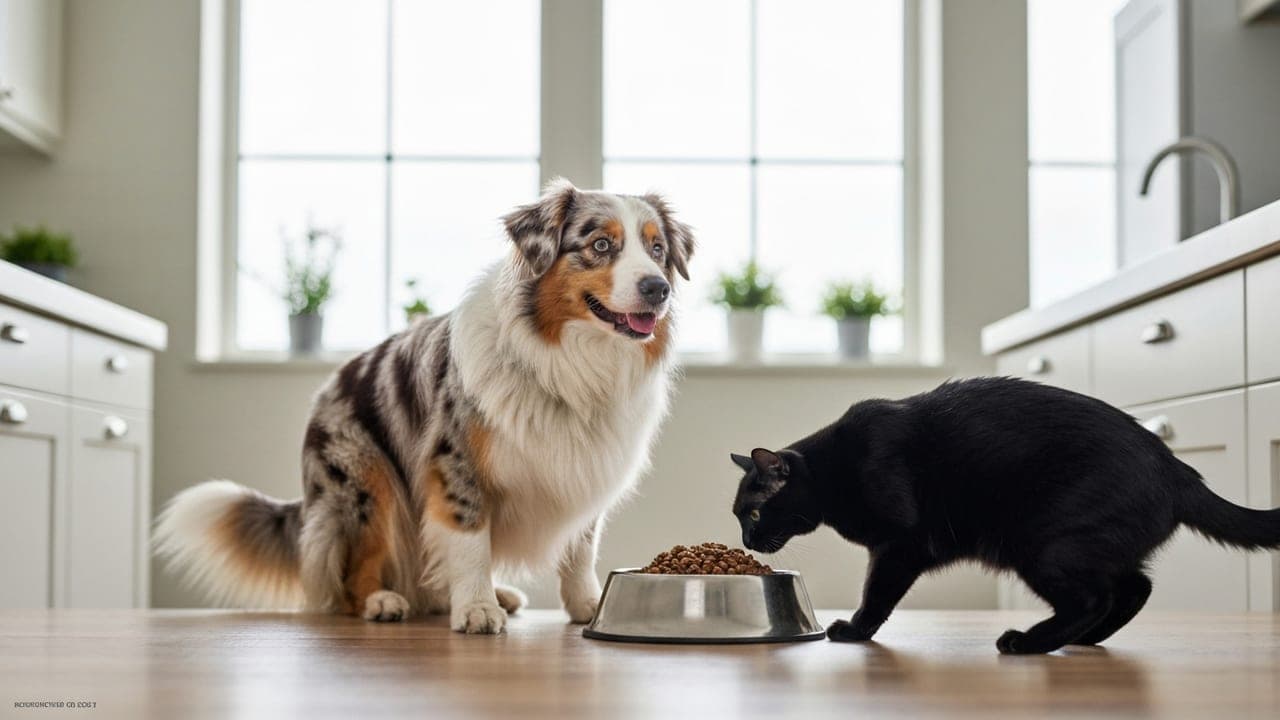
- Cats are obligate carnivores and need 30-45% protein from animal sources
- Wet food supports hydration — critical for cats who are naturally low drinkers
- Free-feeding dry food is a leading contributor to cat obesity
- Taurine deficiency causes heart disease and blindness — cat food must contain it
- Senior cats (11+) need higher protein and more frequent smaller meals
Your cat turns up her nose at the expensive food you just bought, then ten minutes later tries to steal your chicken. Frustrating? Yes. But her instincts are telling you something important about what her body actually needs — and it's different from what most owners assume.
Cats are obligate carnivores, which means their biology is fundamentally designed to process animal protein. Understanding this distinction — and how it shapes every dietary decision you make — is the foundation of feeding your cat well.
What "Obligate Carnivore" Really Means
Unlike dogs (who are omnivores and can thrive on a varied diet) or humans (who are omnivores by nature), cats have evolved to obtain their essential nutrients from animal tissue. This isn't a preference. It's a biological requirement.
Taurine is an amino acid that cats cannot synthesize in sufficient quantities. Without dietary taurine from animal protein, cats develop dilated cardiomyopathy (fatal heart disease) and retinal degeneration (blindness). This is why cat food always contains supplemental taurine and why vegetarian or vegan diets are dangerous for cats.
Arachidonic acid is a fatty acid that cats can only obtain from animal fat. Dogs and humans can synthesize it from plant-based linoleic acid. Cats cannot.
Vitamin A — cats cannot convert beta-carotene (from plants) into usable vitamin A the way dogs and humans can. They need preformed vitamin A from animal liver or supplementation.
High protein requirements. Cats need significantly more protein than dogs — approximately 26–30% of calories from protein for adult maintenance, compared to 18–25% for dogs. Their bodies preferentially metabolize protein for energy, even when carbohydrates are available.
Protein: Quality Over Quantity
Not all protein is equal. The protein in your cat's food should come primarily from named animal sources.
Best: Chicken, turkey, salmon, tuna, duck, rabbit, beef, lamb. Named whole meats and named meals (chicken meal, salmon meal) are high-quality protein sources.
Acceptable: Named by-products (chicken by-products, turkey by-products). These include organ meats — liver, heart, kidney — which are actually nutrient-dense and closer to what cats eat in the wild than muscle meat alone.
Avoid: Generic or unnamed proteins ("meat meal," "animal fat," "poultry by-products"). Without a named species, you don't know what's in the food, and quality can vary between batches.
Maine Coon cats, as one of the largest domestic breeds, have particularly high protein needs. Their large, muscular frames require adequate protein to maintain lean mass.
The Wet Food vs. Dry Food Debate
This is one of the most debated topics in feline nutrition, and the answer is more nuanced than either side admits.
Wet Food Advantages
Hydration. Wet food is 75–80% water. Cats evolved in desert environments and have a low natural thirst drive — they're designed to get most of their water from food. A cat eating only dry food is chronically mildly dehydrated, which may contribute to urinary and kidney problems over time.
Higher protein, lower carbohydrate. Most wet foods contain 40–50% protein (on a dry-matter basis) and 5–10% carbohydrate. This more closely mimics the macronutrient profile of a cat's natural diet (mouse: ~55% protein, 3% carbohydrate).
Palatability. Cats generally prefer wet food because it smells stronger, has better texture, and is served at room temperature (closer to freshly caught prey).
Dry Food Advantages
Convenience. Doesn't spoil quickly, can be left out for free-feeding, easier to store.
Cost. Significantly less expensive per calorie than wet food.
Dental benefit? This is controversial. The theory is that dry kibble scrapes plaque off teeth. In practice, most cats swallow kibble whole without much chewing, and studies show minimal dental benefit from dry food alone.
The Optimal Approach
Most feline nutritionists recommend a diet that includes at least some wet food — ideally 50% or more of total intake. If budget is a concern, even one wet meal daily provides meaningful hydration benefits. Combination feeding (wet and dry) is practical and nutritionally sound.
Feeding Schedule vs. Free-Feeding
Free-feeding (leaving dry food out all day) is convenient but problematic for many cats. Without portion control, cats tend to overeat, leading to obesity — which affects over 60% of domestic cats.
Scheduled feeding (measured portions at set times) is better for weight management, allows you to monitor appetite (a key health indicator), and creates a routine that reduces anxiety.
Recommended schedule for adult cats: Two meals daily, 12 hours apart. This mimics a natural hunting pattern and prevents the "gorge and starve" cycle.
Kittens (up to 6 months) should eat 3–4 times daily. Their small stomachs can't hold enough food in two meals.
Senior cats (10+) may benefit from 3 smaller meals to reduce digestive burden.
Water Intake: The Overlooked Essential
Chronic mild dehydration contributes to urinary tract disease and kidney disease — two of the most common health problems in cats. And most cats don't drink enough water.
Tips to increase water intake:
- Feed wet food (the single most effective strategy)
- Use a cat water fountain — moving water attracts more drinking
- Place multiple water bowls in different locations
- Keep water bowls away from food bowls (cats instinctively separate water and food sources)
- Use wide, shallow bowls to avoid whisker fatigue
- Refresh water daily — cats prefer fresh water
A healthy adult cat should consume approximately 3.5–4.5 ounces of water per kilogram of body weight daily. On a dry food diet, most cats fall short.
Persian cats, who are prone to kidney disease, benefit particularly from high-moisture diets.
Supplements: When They're Actually Needed
If your cat eats a complete and balanced commercial diet (AAFCO-compliant), additional supplements are usually unnecessary. However, there are exceptions:
Omega-3 fatty acids (fish oil) — beneficial for skin health, coat quality, and anti-inflammatory support. Especially helpful for cats with skin allergies or inflammatory conditions.
Probiotics — can help cats with chronic digestive issues, especially during or after antibiotic treatment.
Glucosamine/chondroitin — may support joint health in senior cats, particularly larger breeds like Maine Coons.
Never supplement without consulting your vet. Over-supplementation — particularly with fat-soluble vitamins A and D — can cause toxicity.
Life Stage Nutrition
Kittens (0–12 months): High calorie, high protein kitten formula with DHA for brain development. Kitten food has specific calcium-to-phosphorus ratios for growing bones. Don't feed adult food to kittens — the nutrient profile doesn't support growth.
Adults (1–7 years): Maintenance formula balanced for protein, fat, and moderate calories. Portion control is critical during this stage to prevent obesity.
Seniors (7+ years): May need higher protein to maintain muscle mass, reduced calories to prevent weight gain (or increased calories if the cat is losing weight), and targeted nutrients for kidney and joint support. Senior formulas vary widely — your vet can recommend based on your cat's specific health profile.
Foods That Are Toxic to Cats
Beyond their specialized dietary needs, cats are sensitive to several foods that are safe for humans and even dogs:
- Onions and garlic — damage red blood cells, causing anemia
- Grapes and raisins — can cause kidney failure
- Chocolate — theobromine toxicity
- Alcohol — even small amounts are dangerous
- Xylitol — artificial sweetener found in gum, candy, and some peanut butters
- Raw eggs — risk of Salmonella and biotin deficiency from avidin in raw whites
- Caffeine — toxic at relatively low doses
For a deeper dive into what your cat should eat, see our comprehensive cat nutrition guide.
When in doubt, ask your vet about your cat's specific nutritional needs. A board-certified veterinary nutritionist can create a customized diet plan for cats with complex health conditions.
Breed traits can influence feeding routines and weight management. Compare the Persian, Maine Coon, Siamese, and Ragdoll pages when tailoring nutrition to a specific cat.
FAQ
How many calories does my cat need per day?
An average 10-pound adult indoor cat needs approximately 200–250 calories per day. Active cats may need 250–300 calories. Overweight cats on a diet may be restricted to 180–200 calories. Kittens need significantly more calories per pound of body weight than adults. Your vet can calculate the precise caloric need based on your cat's weight, age, activity level, and body condition score.
Is tuna safe for cats?
Small amounts of tuna as an occasional treat are fine. However, a tuna-only diet causes nutritional deficiencies (it lacks adequate taurine and vitamin E) and can lead to mercury accumulation. Tuna-based cat foods that are formulated as complete and balanced diets are safe for regular feeding — it's the plain canned tuna meant for human consumption that should be limited.
Should I give my cat milk?
Most adult cats are lactose intolerant. Cow's milk can cause diarrhea, vomiting, and stomach upset. If your cat loves milk, use a specially formulated cat milk product that has the lactose removed. Even then, treat it as an occasional treat, not a dietary staple, because of the extra calories.
How do I switch my cat to a new food?
Transition gradually over 7–10 days: Days 1–2: 75% old food, 25% new. Days 3–4: 50/50. Days 5–7: 25% old, 75% new. Days 8–10: 100% new food. Cats are more resistant to diet changes than dogs, so extend the transition if your cat shows reluctance or digestive upset. Some cats may need 2–3 weeks for a full transition.
Are raw diets safe for cats?
Raw diets carry risks of bacterial contamination (Salmonella, E. coli, Listeria) for both the cat and the humans in the household. If you choose raw, use commercially prepared, AAFCO-compliant raw diets rather than homemade recipes, which are frequently nutritionally imbalanced. Discuss raw feeding with your veterinarian and practice rigorous food safety hygiene.
Mr Pet Lover Team
The Mr Pet Lover team is dedicated to providing warm, accurate, and practical pet care advice backed by veterinary research and real-world experience.
Related Articles

How to Choose the Right Dog Food: A Vet-Informed Guide
AAFCO statements, ingredient lists, grain-free debate, life stage feeding — how to choose the right dog food without falling for marketing.

How to Start a Dog Breeding Business
Most guides to this business will tell you how to register an LLC. None of the six ranking guides we read in full will tell you that when the 2004 UK Kennel Club/BSAVA purebred dog health survey covered 22,005 litters from 13,141 bitches across 151 breeds, more than 80% of litters in Boston Terriers, Bulldogs and French Bulldogs were delivered by caesarean section.
Can Cats Eat This? The Complete Toxic & Safe Human-Foods List
A cat-specific list of which human foods are safe, which are risky, and which are an emergency — with the active risk and a clear vet-now trigger for each.