
Complete German Shepherd Care Guide
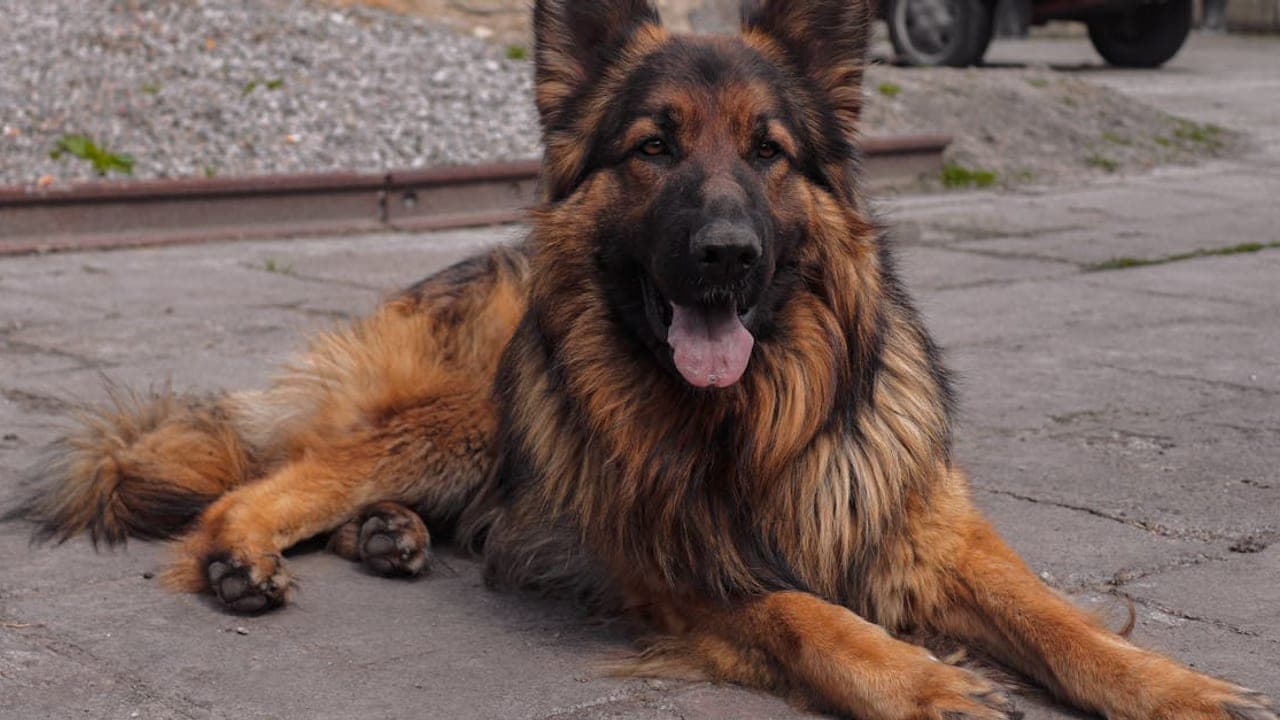
They move with a purpose that smaller dogs don't possess — a fluid, ground-covering trot that tells you this German Shepherd was built for work. Whether yours is a devoted family companion, a hiking p
In This Guide
Overview
They move with a purpose that smaller dogs don't possess — a fluid, ground-covering trot that tells you this German Shepherd was built for work. Whether yours is a devoted family companion, a hiking partner, or a dog who needs a job to feel complete, caring for a German Shepherd means understanding a breed that demands more than most but gives back in equal measure.
Why German Shepherd Care Is Unique
German Shepherds occupy a space between family pet and working animal that few breeds share. They're the second most popular dog in America, but they were designed for police work, herding, search and rescue, and military service. That working heritage means their care profile includes higher exercise demands, specific joint health considerations, intensive grooming needs, and a mental stimulation requirement that, if unmet, produces a dog capable of remodeling your furniture.
What You'll Learn
This guide covers the specific care requirements that make German Shepherds thrive:
- Daily routines that meet their physical and mental needs
- Nutrition strategies that support their joints, coat, and energy levels
- Exercise programs that build strength without damaging growing joints
- Grooming approaches for their notorious double coat
- Health screenings every German Shepherd owner must schedule
- Realistic cost breakdowns including breed-specific veterinary expenses
A well-cared-for German Shepherd is one of the most loyal, capable, and rewarding companions you'll ever know. An under-cared-for one is one of the most destructive. Let's make sure yours is the former.
Daily Care
German Shepherds need structure. They were bred to follow commands, patrol boundaries, and stay focused on tasks for hours. Without a daily routine that provides purpose, they create their own — and their version usually involves digging, barking, or shredding anything not bolted down.
Morning Routine (6:00–8:00 AM)
- Morning exercise (45–60 minutes) — A brisk walk, jog, or off-leash session in a secure area. German Shepherds need vigorous morning exercise to set a calm tone for the day. This isn't a leisurely stroll — they need to move with purpose.
- Training integration — Work obedience commands into the walk. Heel work, sit-stays at intersections, and recall practice give them the mental engagement they crave alongside physical exertion.
- Breakfast — Serve in a puzzle feeder or scatter-feed in the yard. German Shepherds prone to bloat (gastric dilatation-volvulus) should eat from elevated bowls and rest 30 minutes before and after meals.
- Quick grooming check (3 minutes) — Run your hands through their coat checking for mats, ticks, or skin irritation, especially behind the ears and around the collar line.
Midday
- Mental challenge (20–30 minutes) — Frozen KONG, snuffle mat, or obedience drills. German Shepherds who don't get midday mental stimulation are significantly more likely to develop nuisance barking.
- Socialization opportunity — If your schedule allows, dog-friendly errands, dog park visits, or playdates with known dogs. German Shepherds can develop reactivity without ongoing socialization.
Evening Routine (5:00–8:00 PM)
- Second exercise session (30–45 minutes) — Different activity than morning. If you walked in the morning, try fetch, tug, or agility work in the evening. Variety matters for this intelligent breed.
- Dinner — Same bloat precautions as breakfast. Wait 30 minutes post-exercise.
- Bonding time — German Shepherds are velcro dogs. They need proximity to their people in the evening. Training practice, grooming sessions, or lying near you while you read all count.
- Final potty break — German Shepherds have a strong patrol instinct. A brief perimeter walk of the yard before bed satisfies this drive.
The Boredom Factor
An under-stimulated German Shepherd doesn't just get bored — they get destructive, vocal, and anxious. If you work long hours, invest in doggy daycare, a dog walker for midday breaks, or interactive toys that challenge their problem-solving abilities.
Nutrition
German Shepherds have specific nutritional needs driven by their large frame, high energy expenditure, joint vulnerability, and a digestive system that's more sensitive than their tough appearance suggests.
Feeding Guidelines by Life Stage
| Life Stage | Daily Amount | Meals Per Day | Key Nutrient Focus | |---|---|---|---| | Puppy (2–6 months) | 2–3 cups | 3 meals | Controlled calcium, DHA for brain development | | Adolescent (6–18 months) | 3–4 cups | 2 meals | Joint support, controlled growth rate | | Adult (2–7 years) | 3–4 cups | 2 meals | Lean protein, omega-3s, glucosamine | | Senior (7+ years) | 2.5–3.5 cups | 2 meals | Joint supplements, reduced calories, fiber |
Important: German Shepherd puppies should eat large-breed puppy food, not regular puppy food. Large-breed formulas have controlled calcium-to-phosphorus ratios that support proper bone development and reduce hip and elbow dysplasia risk. Rapid growth from excessive calories is a documented risk factor for joint problems.
The Sensitive Stomach Reality
German Shepherds are notorious for digestive sensitivity. Chronic loose stools, food intolerances, and inflammatory bowel disease (IBD) affect this breed at higher rates than average.
- Gradual food transitions — Any food change should take 10–14 days (longer than the typical 7-day recommendation)
- Limited ingredient diets — Fewer potential irritants. Lamb, salmon, or duck-based single-protein formulas often work well
- Probiotics — Daily probiotic supplementation significantly reduces digestive upset in many German Shepherds
- Avoid common triggers — Chicken, corn, soy, and wheat are frequent culprits. An elimination diet supervised by your vet can identify specific sensitivities
Joint-Supporting Nutrition
Given the breed's predisposition to hip and elbow dysplasia, nutritional joint support should start early:
- Glucosamine and chondroitin — Look for foods with these included, or supplement with glucosamine at a vet-advised dose
- Omega-3 fatty acids — Fish oil (EPA/DHA) reduces joint inflammation. Ask your vet what dose suits your dog
- Maintain lean body weight — Every extra pound increases force on dysplastic joints. Your German Shepherd should have a visible waist when viewed from above and an abdominal tuck from the side
Exercise
German Shepherds are athletes. They were bred for all-day herding work in demanding terrain, and that endurance is still programmed into every fiber of their muscular frame. Adequate exercise isn't just about health — it's about sanity (yours and theirs).
Daily Exercise Requirements
| Age | Duration | Intensity | Activities | |---|---|---|---| | Puppy (under 6 months) | 30–45 min total | Low to moderate | Short walks, supervised play on soft surfaces | | Adolescent (6–18 months) | 45–75 min total | Moderate | Walks, swimming, basic agility, fetch | | Adult (2–7 years) | 90–120 min total | Moderate to vigorous | Runs, hikes, advanced training, sports | | Senior (7+ years) | 45–60 min total | Low to moderate | Walks, swimming, gentle play |
Ideal Exercise Mix
German Shepherds need both physical and mental exercise. A 2-hour walk without mental challenges leaves their brain under-stimulated. A 30-minute training session without physical activity leaves their body restless. The combination is what produces a calm, satisfied dog.
- Structured walks/runs — Vary routes to provide new scent environments. German Shepherds who walk the same path daily become bored.
- Swimming — Exceptional low-impact exercise that builds muscle without stressing joints. Ideal for puppies with growing joints and seniors with arthritis.
- Hiking — Their natural element. German Shepherds excel on trails with varied terrain. Build distance gradually and bring water — they overheat in their thick coat.
- Fetch and retrieving — Satisfies their drive to chase and carry. Use balls on surfaces that provide traction (grass, not hardwood).
- Obedience and trick training — 15–20 minutes of focused training exhausts their brain. Teach complex commands, chain behaviors, and problem-solving tasks.
- Nose work — Hide treats or scented objects. German Shepherds were bred to track — this taps into their deepest instincts.
- Agility — Builds confidence, strengthens the handler-dog bond, and provides a physical-mental combo. Start with basic equipment at 18+ months (after growth plates close).
- Herding activities — If accessible, herding lessons or herding ball games channel their genetic programming perfectly.
Critical Exercise Precautions
- Puppy joint protection — No sustained running, jumping from heights, or stair climbing before 18 months. Growth plates are still developing, and premature high-impact exercise increases dysplasia risk.
- Bloat prevention — No vigorous exercise within 30 minutes of meals. Gastric dilatation-volvulus (GDV) is a life-threatening emergency more common in deep-chested breeds like German Shepherds.
- Heat management — Their thick double coat makes them prone to overheating. In temperatures above 80°F, exercise in early morning or evening only, and always carry water.
Grooming
The German Shepherd double coat is magnificent, functional, and everywhere — on your clothes, your furniture, your food, and surfaces you didn't know existed. Accepting this reality is step one. Managing it effectively is what this section covers.
The Double Coat Explained
German Shepherds have a dense, weather-resistant outer coat over a thick, soft undercoat. This combination insulates them in cold weather and provides sun protection in warm weather. It also produces a phenomenon affectionately known as "the German Shepherd blow" — a twice-yearly mass shedding event where the undercoat comes out in clumps that could insulate a small cabin.
Brushing Schedule
| Season | Frequency | Tool | Time | |---|---|---|---| | Regular season | 3–4 times per week | Slicker brush + undercoat rake | 15–20 minutes | | Shedding season (spring/fall) | Daily | Undercoat rake + deshedding tool + slicker brush | 20–30 minutes |
Technique: Work in sections, brushing in the direction of hair growth. Start with the undercoat rake to remove loose undercoat, then follow with a slicker brush for the outer coat. During shedding season, a high-velocity dryer (or a professional grooming session) removes undercoat dramatically faster than brushing alone.
Bathing
Bathe every 6–8 weeks, or when noticeably dirty. Over-bathing strips the natural oils that make their coat weather-resistant.
- Shampoo: Use a formula designed for double-coated breeds. Avoid human shampoos and anything with artificial fragrances.
- Thorough drying: A German Shepherd coat that stays wet develops a musty odor and can lead to hot spots. Use a high-velocity dryer or ensure complete air drying.
- Never shave: Shaving a German Shepherd's coat does NOT keep them cooler. It removes their natural insulation and sun protection, and the coat may never grow back correctly.
Nail, Dental, and Ear Care
- Nails: Trim every 2–3 weeks. Active German Shepherds on hard surfaces may self-maintain, but check weekly. Long nails alter gait and worsen joint problems.
- Dental: Brush 3–4 times per week. German Shepherds' large mouths make brushing easier than many breeds. Dental chews supplement (but don't replace) brushing.
- Ears: Check weekly for debris, redness, or odor. Their upright ears are well-ventilated, making infections less common than floppy-eared breeds, but not impossible.
Health
German Shepherds are predisposed to several serious health conditions. Proactive screening, early detection, and preventive management can add years to your dog's life and dramatically improve quality of life.
Hip and Elbow Dysplasia
The breed's most well-known health concern. Dysplasia is a malformation of the hip or elbow joint where the ball and socket don't fit together properly, causing pain, lameness, and arthritis.
- Prevalence: Approximately 20% of German Shepherds show radiographic evidence of hip dysplasia
- Risk reduction: Responsible breeding (OFA-certified parents), controlled puppy growth rate, appropriate exercise (no high-impact before 18 months), maintaining lean body weight
- Signs: Bunny-hopping gait, difficulty rising, reluctance to climb stairs, decreased activity, hind-end lameness
- Management: Weight management, joint supplements (glucosamine/chondroitin), physical therapy, anti-inflammatory medications, surgical options for severe cases (FHO, TPO, total hip replacement at $5,000–$7,000 per hip)
Degenerative Myelopathy (DM)
A progressive spinal cord disease similar to ALS in humans. It typically appears after age 7 and causes progressive hind-limb weakness.
- Genetic test available: The SOD1 gene mutation can be identified with a DNA test. Carriers can be managed proactively.
- Signs: Dragging hind feet, crossing hind legs, difficulty standing from lying down
- Management: No cure, but physical therapy, mobility aids (harnesses, carts), and maintaining muscle mass through swimming slow progression
Gastric Dilatation-Volvulus (Bloat/GDV)
A life-threatening emergency where the stomach fills with gas and twists. German Shepherds are among the highest-risk breeds.
- Prevention: Feed 2–3 smaller meals (not one large meal), use slow-feeder bowls, no exercise 30 minutes before or after eating, consider prophylactic gastropexy surgery during spay/neuter
- Emergency signs: Distended abdomen, unproductive retching, restlessness, drooling, rapid breathing
- Action: This is a 30-minute emergency. If you suspect GDV, drive to the nearest emergency vet immediately. Do not wait.
Other Conditions to Monitor
- Exocrine Pancreatic Insufficiency (EPI) — The pancreas doesn't produce enough digestive enzymes. Signs: weight loss despite ravenous appetite, voluminous yellow stools. Manageable with enzyme supplementation.
- Allergies — Skin and food allergies are common. Itchy skin, chronic ear infections, and hot spots are typical presentations.
- Von Willebrand Disease — A bleeding disorder. Test before any surgery.
Preventive Health Schedule
| Age | Frequency | Key Screenings | |---|---|---| | Puppy (8 weeks–1 year) | Every 3–4 weeks | Vaccinations, growth monitoring, early joint assessment | | Adult (2–6 years) | Annually | Hip/elbow X-rays (if not done), thyroid, dental, DM genetic test | | Senior (7+ years) | Every 6 months | Blood panel, hip assessment, cardiac evaluation, DM monitoring |
Costs
German Shepherds are a medium-to-high cost breed to own, driven primarily by their size (more food, larger medications, bigger everything) and their predisposition to joint and digestive conditions.
First-Year Costs
| Category | Estimated Cost | |---|---| | Purchase/Adoption | $1,000–$3,000 (breeder) / $200–$500 (rescue) | | Initial vet visits + vaccinations | $500–$700 | | Spay/neuter (+ optional gastropexy) | $400–$1,000 | | Supplies (large crate, bed, bowls, leads) | $400–$600 | | Puppy training/socialization classes | $200–$400 | | Total First Year | $2,500–$5,700 |
Annual Ongoing Costs
| Category | Estimated Cost | |---|---| | Premium large-breed food | $600–$1,000 | | Routine vet care + vaccinations | $400–$600 | | Flea/tick/heartworm prevention | $250–$400 | | Grooming supplies + occasional professional groom | $100–$300 | | Joint supplements (glucosamine, fish oil) | $150–$300 | | Training/enrichment toys | $100–$200 | | Pet insurance (recommended) | $400–$800 | | Annual Total | $2,000–$3,600 |
Breed-Specific Cost Considerations
Hip dysplasia treatment ranges from $500 (conservative management with supplements and physical therapy) to $7,000+ per hip (total hip replacement surgery). EPI management costs approximately $100–$200/month for enzyme supplementation — a lifelong expense. Emergency GDV surgery runs $3,000–$7,000.
Pet insurance that covers hereditary conditions is strongly recommended. Enroll before age 2, as many conditions become pre-existing exclusions after that.
Saving Strategies
- Adopt from a GSD rescue — German Shepherd-specific rescues are plentiful and dogs often come vetted and trained
- Learn home grooming — Professional grooming for a German Shepherd costs $60–$100 per session. A $50 undercoat rake and $30 slicker brush handle 95% of grooming needs
- Buy food and supplements in bulk — Large-breed food in 30–40 lb bags saves 25–30% over smaller quantities
- Invest in training early — A well-trained German Shepherd has fewer behavioral issues, fewer destructive episodes, and is easier to manage at the vet, saving money long-term
Frequently Asked Questions
How much exercise does a German Shepherd need each day?
Adult German Shepherds (2-7 years) need 90-120 minutes of moderate to vigorous exercise daily, and they require both physical and mental exercise to stay calm and satisfied. A typical routine is a 45-60 minute vigorous morning session plus a 30-45 minute evening session of a different activity. Avoid sustained running, jumping, and stair climbing before 18 months, since the growth plates are still developing and premature high-impact exercise increases dysplasia risk.
Do German Shepherds shed a lot?
Yes. The German Shepherd double coat sheds year-round and undergoes a twice-yearly heavy shed known as 'the German Shepherd blow,' where the undercoat comes out in clumps. Brush 3-4 times per week normally with a slicker brush and undercoat rake, increasing to daily during spring and fall shedding season. Never shave the coat, as it does not keep them cooler and removes their natural insulation and sun protection.
What health conditions affect German Shepherds?
Hip and elbow dysplasia is the breed's best-known concern, with approximately 20% of German Shepherds showing radiographic evidence of hip dysplasia. They are also predisposed to degenerative myelopathy (DM), a progressive spinal cord disease that typically appears after age 7, and they are among the highest-risk breeds for bloat (gastric dilatation-volvulus). Other conditions to monitor include exocrine pancreatic insufficiency, allergies, and Von Willebrand disease.
Why do German Shepherds have sensitive stomachs, and how should they be fed?
German Shepherds are notorious for digestive sensitivity, with chronic loose stools, food intolerances, and inflammatory bowel disease affecting the breed at higher rates than average. Make any food change gradually over 10-14 days, consider limited-ingredient single-protein diets such as lamb, salmon, or duck, and daily probiotics can significantly reduce digestive upset. Puppies should eat large-breed puppy food, which has controlled calcium-to-phosphorus ratios that reduce hip and elbow dysplasia risk.
What does the first year with a German Shepherd cost?
Total first-year costs run about $2,500 to $5,700, covering purchase or adoption, initial vet visits and vaccinations, spay/neuter, supplies, and puppy training classes. After that, annual ongoing costs are roughly $2,000 to $3,600. Because the breed is predisposed to expensive joint and digestive conditions, pet insurance that covers hereditary conditions is strongly recommended, ideally enrolled before age 2.
Sources
This guide draws on the following published references. Each opens in a new tab so you can check it against what you have read here.
American Kennel Club
German Shepherd — breed standard and profile(opens in a new tab)ASPCA
Dog Nutrition Tips(opens in a new tab)ASPCA
Dog Grooming Tips(opens in a new tab)ASPCA
General Dog Care(opens in a new tab)Merck Veterinary Manual
Routine Health Care of Dogs(opens in a new tab)
Affiliate disclosure: We may earn a commission from qualifying purchases. This doesn't affect our recommendations.
Recommended Products
German Shepherd Care Guide Book
Breed-focused reading and owner references for German Shepherd care, training, grooming, and health planning.
Furminator Undercoat Deshedding Tool
Essential for managing the German Shepherd double coat
Glucosamine Joint Supplement for Dogs
Supports hip and joint health in large breeds
Get personalized pet care tips
Join our newsletter for breed-specific advice, care guides, and expert tips delivered weekly.
No spam, ever. Unsubscribe anytime.