
Miscellaneous Class group
Alaskan Klee Kai
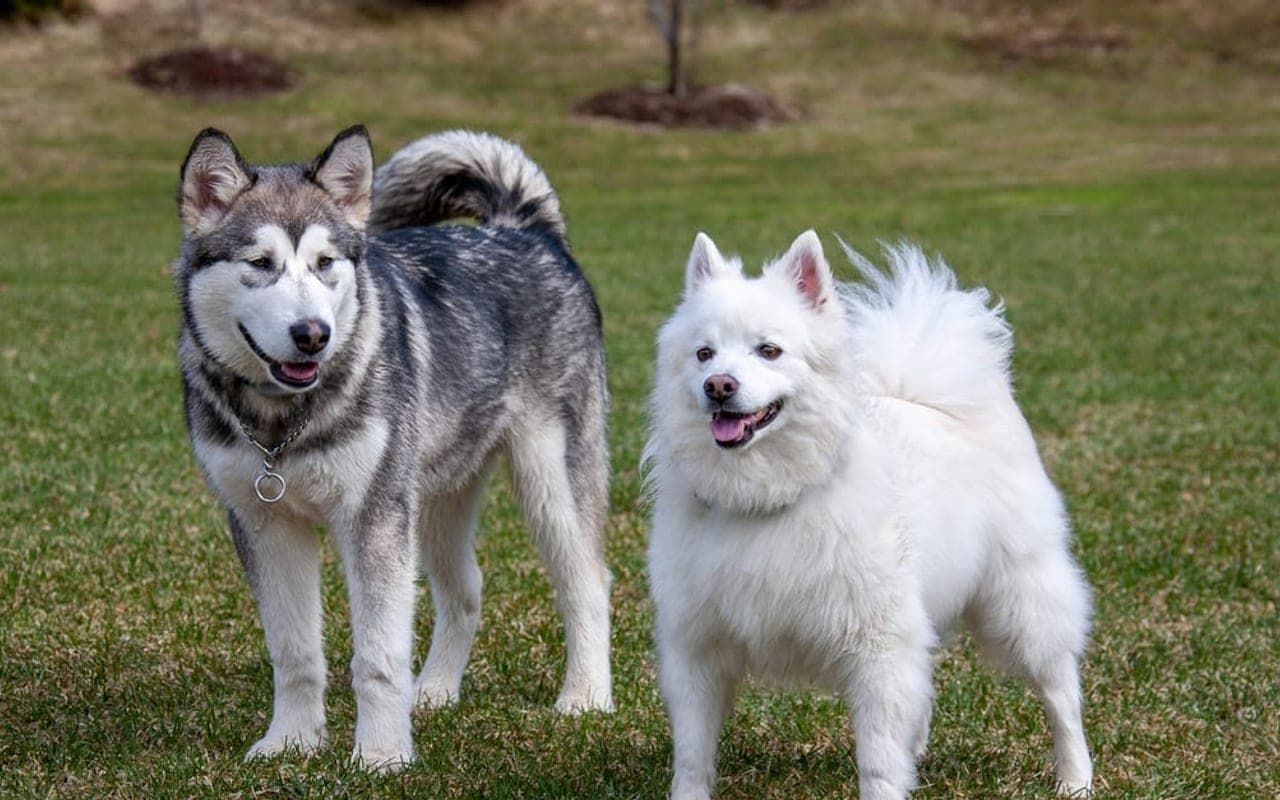
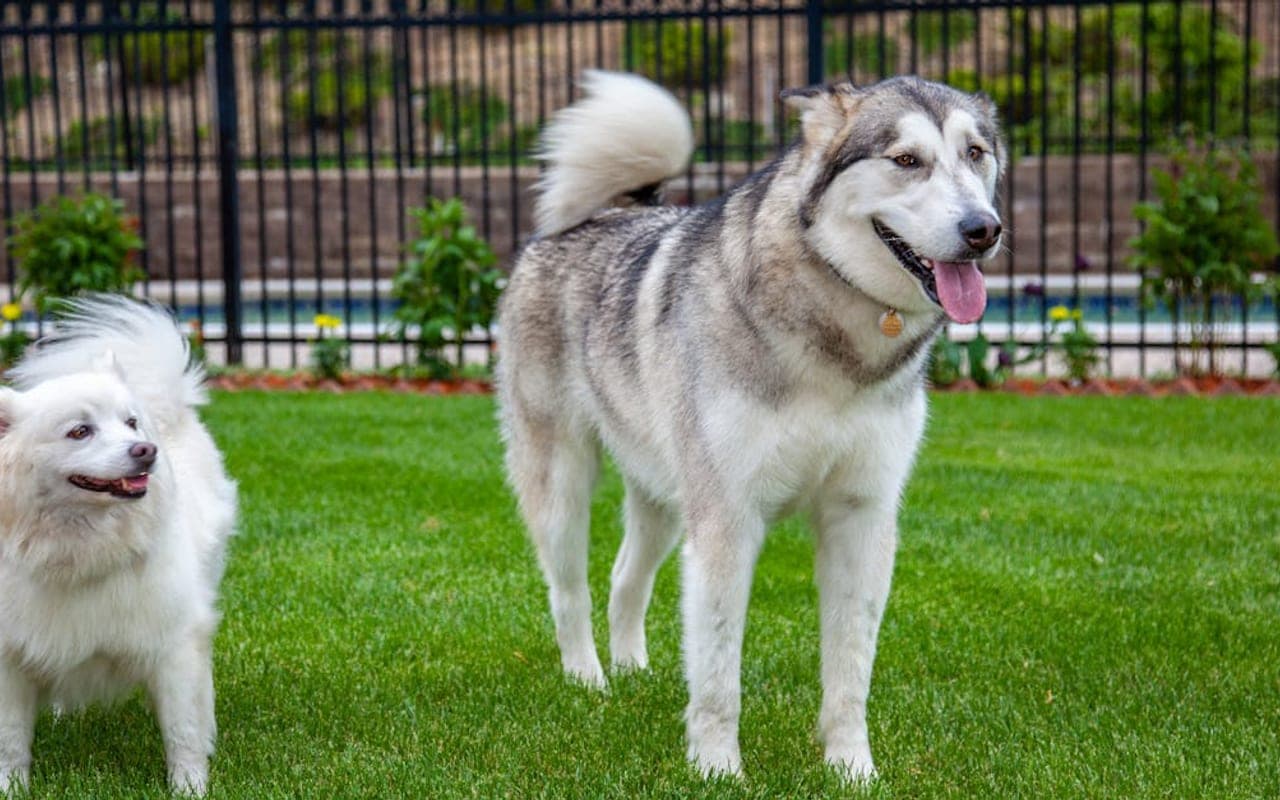
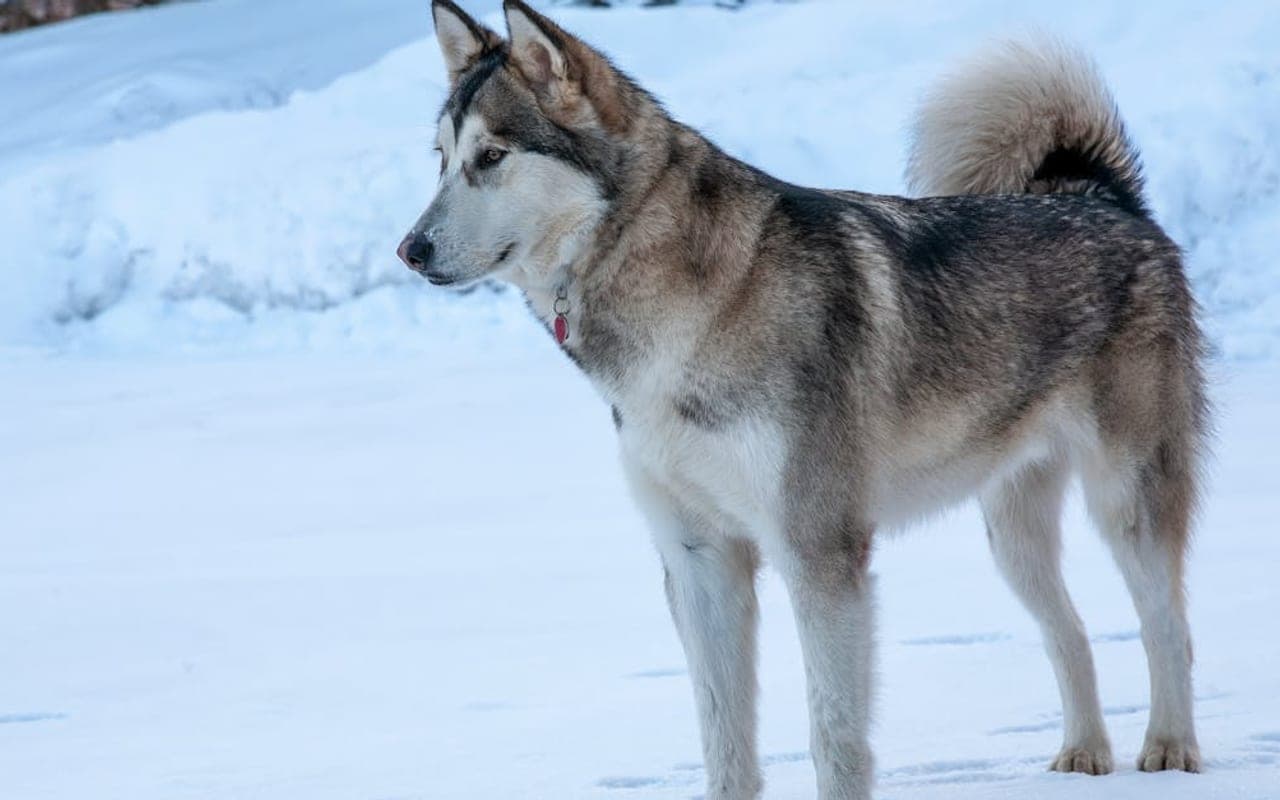
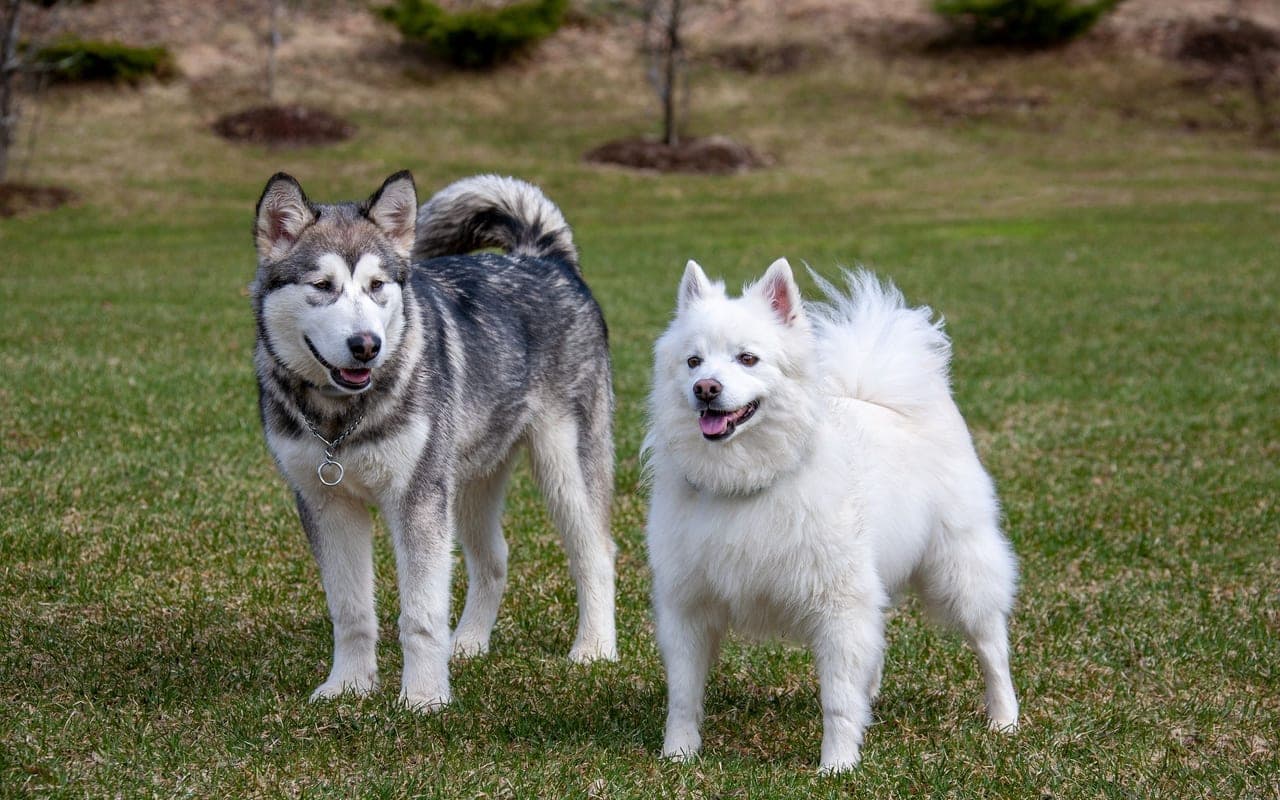
The Alaskan Klee Kai looks like a miniature Siberian Husky, and that resemblance is exactly the thing that gets people into trouble.
Size
8-22 lb
Lifespan
12-15 years
Exercise
30-60 minutes
Shedding
Moderate
Experience
Match to owner routine
Decision first
Is a Alaskan Klee Kai right for you?
Start with fit before history or trivia. These are ownership signals, not guarantees about any individual dog.
Best suited for
- Households with children.
- Homes with other compatible pets.
- Owners seeking a manageable daily exercise routine.
Think carefully if
- You need a dog with almost no daily routine.
- You cannot keep up with grooming and preventive care.
- The dog will spend most days alone without support.
Conditional fit
Apartment living may be difficult unless the owner can meet the breed's exercise, training, and space needs.
Daily reality
Alaskan Klee Kai commitment snapshot
Daily exercise
30-60 minutes
Match activity to age, health, weather, and training goals.
Coat care
Moderate
Grooming needs vary by coat, shedding, and lifestyle.
Time alone
Needs planning
Most dogs need gradual alone-time conditioning and support.
Structured facts
Alaskan Klee Kai at a glance
The measurements and traits that most affect day-to-day life with this breed.
Group
Miscellaneous Class
Weight
8-22 lb
Height
10-17 in
Lifespan
12-15 years
View all characteristics and methodology
Lifestyle fit
- Apartment suitability
- Needs caution
- Child friendliness
- Often good, with socialisation and supervision
- Other-pet fit
- Often compatible with careful introductions
Owner commitment
- Exercise
- 30-60 minutes
- Grooming
- Moderate
- Shedding
- Moderate
Environment and health
- Health risk
- Needs planning
Ratings combine structured breed data, visible breed fields, and editorial context. They are planning aids, not predictions for an individual dog.
Daily life
Alaskan Klee Kai temperament and behavior
The Alaskan Klee Kai looks like a miniature Siberian Husky, and that resemblance is exactly the thing that gets people into trouble. It was created in Alaska in the 1970s as a small companion spitz, not a sled dog — but it kept the husky's intelligence, alertness, energy, and strong prey drive while shrinking the body. Buyers who choose it expecting a cute, low-effort apartment dog are choosing a sharp, vocal, escape-prone, often aloof-with-strangers working brain in a 13-to-18-pound frame. The looks are the easy part; the temperament and the health screening are where the real decisions are. The breed comes in three height-defined sizes — toy (up to 13 inches, roughly 8-14 lb), miniature (over 13 to 15 inches, roughly 13-18 lb), and standard (over 15 to 17 inches, roughly 17-22 lb) — and notably, all three sizes can appear in a single litter regardless of the parents' size. The double coat comes in gray-and-white, black-and-white, or red-and-white, usually with a striking facial mask. Temperament: highly intelligent and trainable, intensely bonded to their family, but typically reserved or shy with strangers and not a natural greeter. They are talkative — they 'talk', yodel, and alarm-bark — and many are skilled escape artists with real prey drive toward small animals. Early, thorough socialization is not optional with this breed; under-socialized Klee Kai become anxious and reactive. Who it is right for: an owner who wants an active, clever, devoted small dog, will commit to socialization and secure fencing, and does not need a dog that loves strangers. Who it is wrong for: someone wanting an instantly friendly, quiet, hands-off lapdog, or a home with free-roaming small pets and a low tolerance for vocalization.
Owner note
Temperament labels are starting points, not guarantees. Meet the individual dog and ask about behavior history whenever possible.
Care essentials
How to care for a Alaskan Klee Kai
What looking after one actually involves: exercise, grooming, food, training, and routine health.
NutritionAs needed
- Feed high-quality dog food appropriate for age and size.
Health planning
Alaskan Klee Kai health risks and screening
Every breed has individual health variation. Use this profile for planning and discuss medical decisions with a veterinarian.
Responsible ownership
Finding a Alaskan Klee Kai responsibly
What to ask a breeder or rescue is the same conversation for every breed, so we keep it in one place and keep it current.
Health documentation, meeting the parents or foster, contracts and return support, and the warning signs worth walking away from.
Original purpose
Alaskan Klee Kai history
History is useful when it explains today's behavior, coat, exercise needs, and training style.
Read the breed history
The Alaskan Klee Kai is a deliberately created modern breed, not an ancient landrace. It was developed in Wasilla, Alaska, beginning in the 1970s by Linda Spurlin, who set out to produce a companion-sized dog with the appearance of the Alaskan Husky but at a fraction of the size, using Siberian and Alaskan Husky stock with small-breed outcrosses to bring the size down without dwarfism. The breed was made available to the public in the late 1980s and was accepted into the American Kennel Club's Foundation Stock Service, with breed advocacy organized through clubs such as the Alaskan Klee Kai Association of America. Because it was built from a relatively small founding population in a short timeframe, the breed has a comparatively narrow gene pool, which is precisely why parent-club health screening — patella, cardiac, eyes, thyroid, and the Factor VII DNA test — is emphasized so heavily today: a young, small-founder breed concentrates inherited conditions unless breeders test deliberately.
Gallery
Alaskan Klee Kai photos
Images are cropped consistently and loaded progressively to keep the page responsive.
Lower-page context
Alaskan Klee Kais in culture
Where the breed shows up in film, sport, work and folklore — the enjoyable part, once the practical questions are answered.
Fun facts
- With proper care, this breed can live 12 to 15 years.
Alaskan Klee Kai FAQs
How long do Alaskan Klee Kai dogs live?
A healthy, well-screened Alaskan Klee Kai typically lives 12 to 15 years, which is good for a small dog and reflects the absence of extreme conformation. The variable that moves that number is breeder screening: cardiac disease, untreated thyroid disorder, and the bleeding risk from Factor VII deficiency are the things that shorten lives in this breed, and all three are addressable through the parent-club health panel. A puppy from fully screened parents has a materially better outlook than a bargain puppy from untested lines.
What is Factor VII deficiency and can I avoid it?
Factor VII deficiency is an inherited, recessively transmitted blood-clotting disorder documented specifically in the Alaskan Klee Kai. The danger is that affected dogs often look completely normal until a nail trim, minor cut, dental, or surgery produces far more bleeding than expected. It is fully DNA-testable, so you avoid it by buying from a breeder who has tested both parents: pairing dogs so that no puppy can inherit two copies eliminates affected offspring. Always ask to see the Factor VII DNA results, not just a verbal assurance.
Are Alaskan Klee Kai good with strangers and children?
This breed is devoted to its own family but is typically reserved, cautious, or shy with strangers — it is not a natural greeter, and that is normal breed temperament, not a defect. With early, thorough socialization they can be reliable with respectful older children in their household, but they are not an ideal match for homes wanting a dog that loves everyone or tolerates rough handling from very young kids. Under-socialized Klee Kai tip from reserved into fearful and reactive, so socialization is the deciding factor.
How much exercise and mental work does an Alaskan Klee Kai need?
Plan on 45 to 60 minutes of genuine daily activity plus training and puzzle-style mental work. This is a small dog with a working-spitz brain: a walk alone does not satisfy it. A Klee Kai that is under-exercised and under-stimulated becomes destructive, anxious, and noticeably more vocal — most 'problem' Klee Kai are bored, not bad. Budget the brain time as deliberately as the physical exercise, and treat training as a daily need rather than a one-time course.
Are Alaskan Klee Kai good for apartments?
They can be, with two honest caveats. First, vocalization: the breed 'talks', yodels, and alarm-barks, which can be a real problem in shared-wall housing without training and management. Second, they still need 45-60 minutes of daily exercise plus mental work regardless of square footage. A Klee Kai whose energy and brain are met is a quiet, clean, manageable apartment dog; one whose needs are ignored is the neighbor everyone complains about. Apartment suitability depends on your routine, not the breed's size.
How much does an Alaskan Klee Kai cost?
Expect roughly $1,500 to $3,000 or more for a well-bred Alaskan Klee Kai puppy from a breeder doing full parent-club screening, reflecting the breed's rarity and small gene pool. The hidden cost is what an unscreened bargain puppy can cost later: cardiac disease, lifelong thyroid medication, patella surgery, or an undetected Factor VII bleeding crisis during a routine procedure. Paying more upfront for documented patella, cardiac, eye, thyroid, and Factor VII clearances is the cheapest risk reduction available in this breed.
Sources
These are the published sources this page draws on. Each opens in a new tab so you can check it yourself.
American Kennel Club
Alaskan Klee Kai — breed standard and profile(opens in a new tab)Supports: Breed standard and recognition details.
Similar breeds to consider
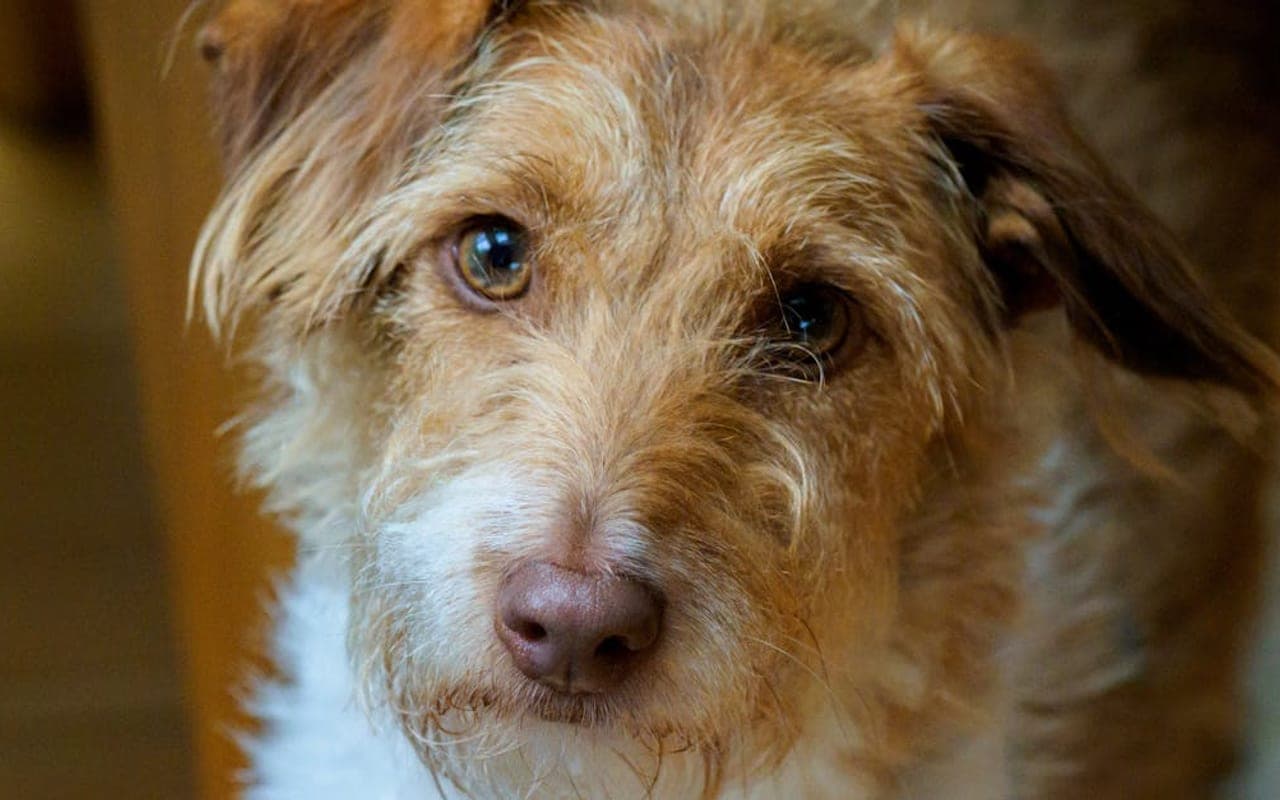
Portuguese Podengo
Also in the Miscellaneous Class group, with different care and temperament tradeoffs.
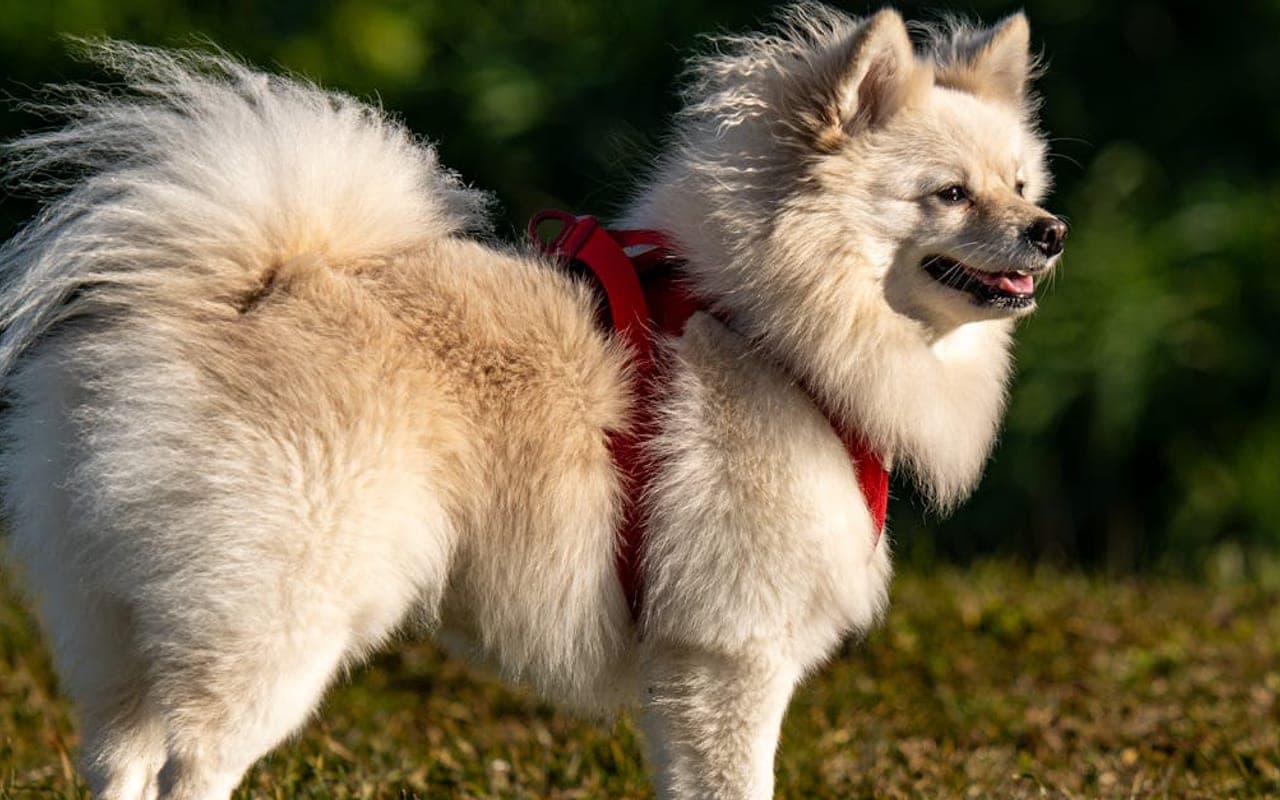
German Spitz
Also in the Miscellaneous Class group, with different care and temperament tradeoffs.
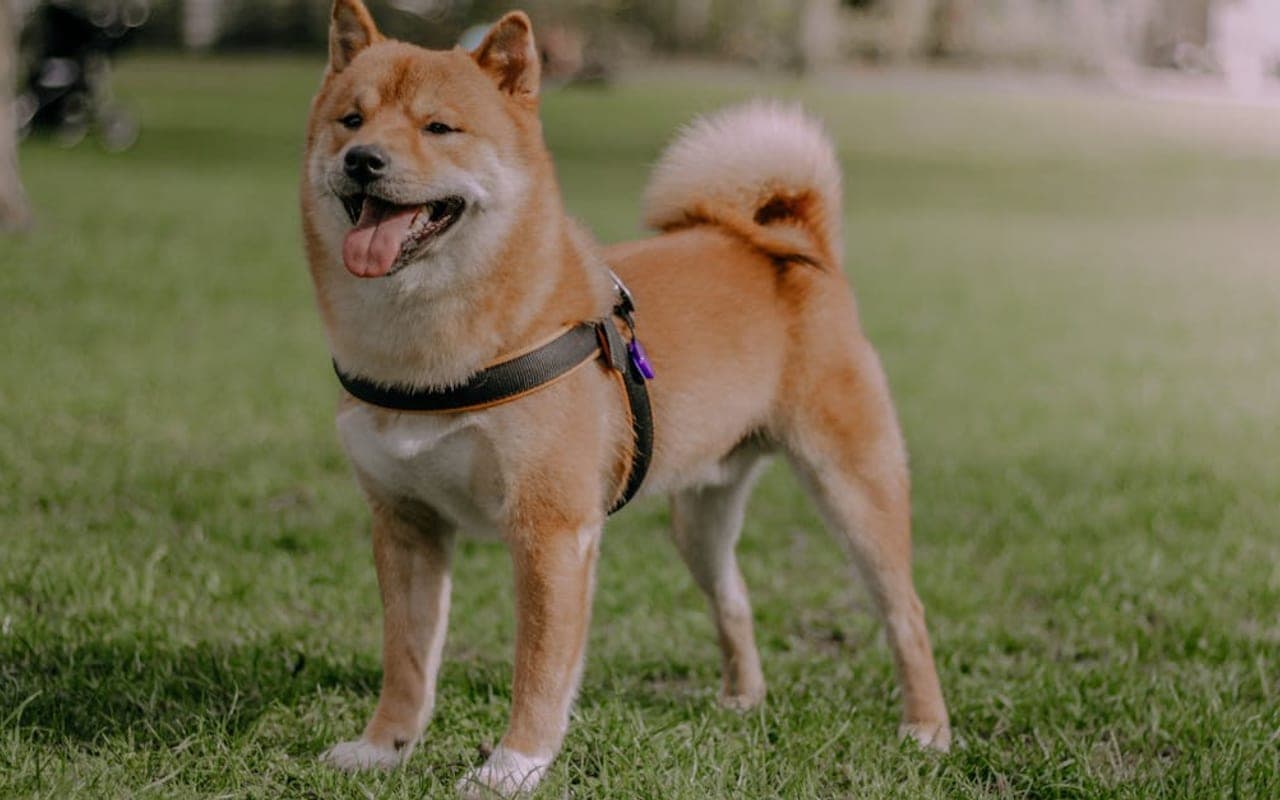
Kai Ken
Also in the Miscellaneous Class group, with different care and temperament tradeoffs.
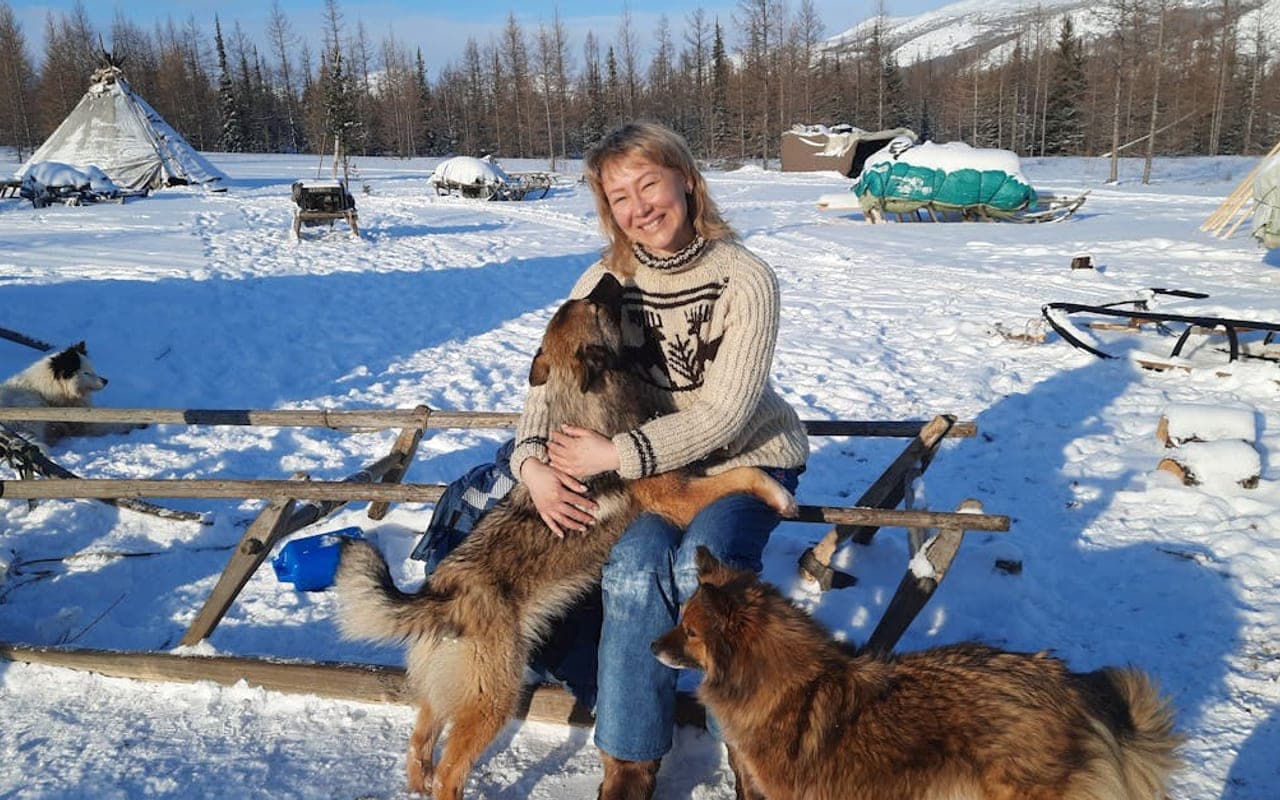
Yakutian Laika
Also in the Miscellaneous Class group, with different care and temperament tradeoffs.
Explore More About Alaskan Klee Kai
Dive deeper into everything Alaskan Klee Kai — costs, care, and expert insights.
Considering a cat instead?
Browse Cats