
Alaskan Klee Kai Care Guide
The Alaskan Klee Kai at a glance The Alaskan Klee Kai is a modern breed, not an ancient landrace. Linda Spurlin and her family developed it in Wasilla, Alaska, through the 1970s and 1980s and released
In This Guide
Overview
The Alaskan Klee Kai at a glance
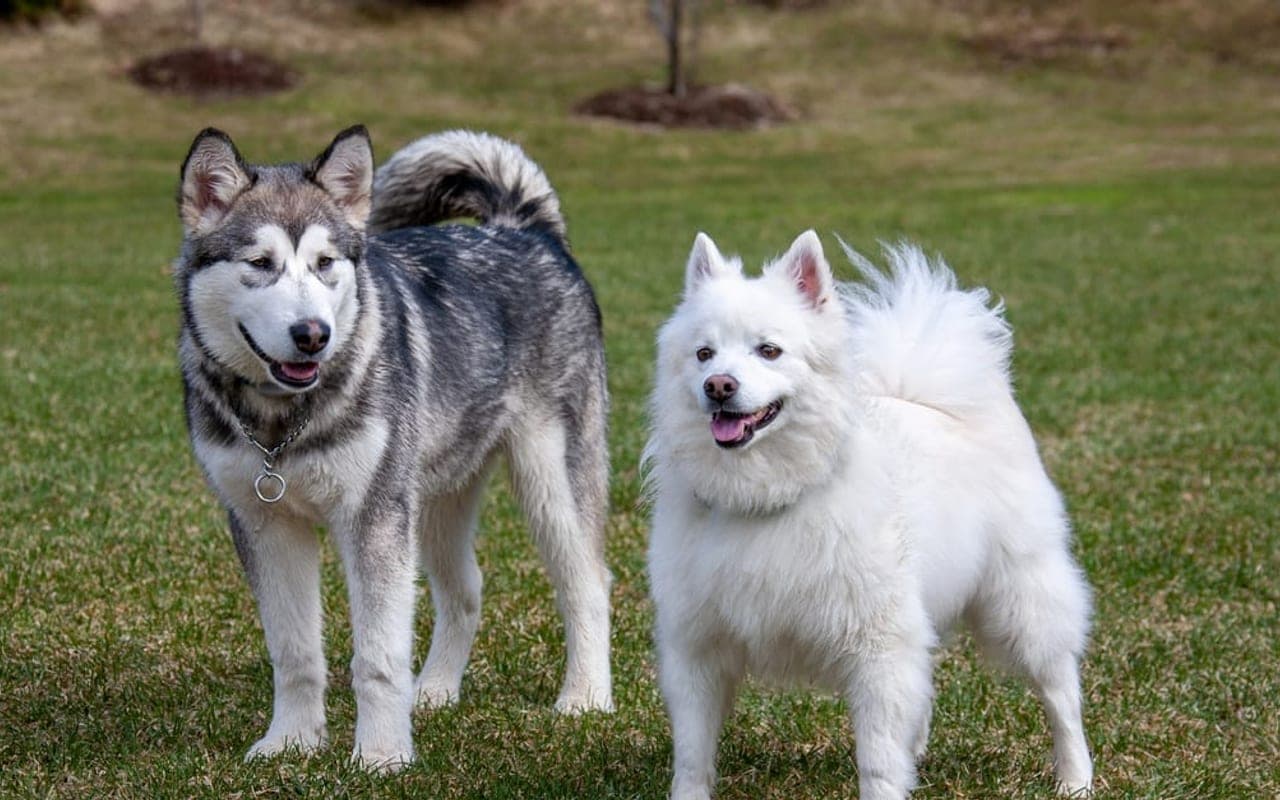
The Alaskan Klee Kai is a modern breed, not an ancient landrace. Linda Spurlin and her family developed it in Wasilla, Alaska, through the 1970s and 1980s and released it to the public in 1988. The aim was deliberate: a companion-sized spitz that captured the look of the northern sled dogs without their size or working drive. To reduce the frame without introducing dwarfism, the founders crossed Alaskan and Siberian Husky stock with smaller spitz-type dogs, the Schipperke and the American Eskimo Dog. The name comes from Athabaskan words meaning "little dog," which is exactly what the breed was built to be.
The result reads like a Siberian Husky in miniature: a wedge-shaped facial mask, pricked ears, a plumed tail carried over the back, and a symmetrical mask that gives each dog its own expression. Eyes may be brown, blue, amber, or parti-colored, and one blue with one brown eye is common. The breed comes in three sizes measured at the shoulder: Toy (up to 13 inches), Miniature (over 13 up to 15 inches), and Standard (over 15 up to 17 inches).
Temperament is where the Klee Kai parts ways with the husky it resembles. This is a companion, not a sled dog: alert, quick to learn, energetic, and tightly bonded to its own household, but naturally reserved and often aloof with strangers. That caution is a breed trait rather than a flaw, which is why early, patient socialization matters so much. Klee Kai are also famously vocal, prone to "talking," yodeling, and announcing anything new. Anyone drawn to the small-husky looks should plan for a sensitive, watchful, busy-minded dog rather than a placid lap pet.
Exercise
Exercise and enrichment for the Alaskan Klee Kai
Small does not mean sedentary. The Klee Kai was bred down from working sled dogs, and it kept the energy and the sharp, curious mind that came with them. Plan on daily physical exercise — a couple of good walks, a run in a secure yard, or a play session — paired with real mental work, because a Klee Kai that is only walked will still be bored. Puzzle feeders, trick training, scent games, and dog sports such as agility suit the breed well, since this is a quick learner that wants a job to think about.
Two husky-inherited traits shape how that exercise has to happen. First, the Klee Kai is an accomplished escape artist with a strong prey drive: it can climb, dig, and slip fences, and it may bolt after a squirrel or cat without a backward glance. For that reason, keep it on leash in unfenced areas and give it a securely fenced yard rather than trusting recall around temptation. Second, recall is genuinely unreliable in many individuals, which is the same reason off-leash freedom in open spaces is a poor bet for this breed.
Temperament matters as much as mileage. Klee Kai are sensitive and naturally reserved with strangers, so build confidence through steady, positive socialization from puppyhood — new people, places, dogs, and surfaces introduced gently, because a well-socialized Klee Kai is far less likely to grow fearful or reactive. Expect a vocal companion, too; the breed "talks," yodels, and alerts readily, and channeling that energy into training and enrichment does more than any attempt to simply suppress the noise.
Grooming
Grooming the Alaskan Klee Kai
The Klee Kai carries the same double coat as its full-sized husky ancestors, scaled down: a dense, insulating undercoat beneath a straight, weather-resistant outer coat. For most of the year this coat is genuinely low-maintenance, because the breed is fastidious and often described as "cat-like" — many Klee Kai groom themselves and stay clean between baths. A thorough brush once a week is usually enough to lift dead hair and keep the coat and mask looking sharp.
Twice a year the picture changes. Like other northern spitz breeds, the Klee Kai "blows" its undercoat in a heavy seasonal shed, typically in spring and fall, when loose hair comes out in clumps. During these weeks, brush several times a week with an undercoat rake or slicker, because removing the shedding underlayer prevents mats and keeps air moving through the coat. Bathe only when the dog is actually dirty; over-bathing strips the coat's natural oils.
Never shave a Klee Kai down. That double coat regulates temperature in both heat and cold, and shaving can damage regrowth and remove the insulation the dog relies on, so let the coat do its job.
Round out grooming with routine care the breed's build makes important. Check and gently clean the ears, since the breed can be prone to recurring ear infections, and watch for occasional tear staining around those pale eyes. Trim the nails regularly so they never click on the floor, and introduce nail work early and calmly — for a breed with a documented clotting concern, a quicked nail is worth avoiding. Brush the teeth several times a week, because small breeds are especially prone to dental disease.
Health
Alaskan Klee Kai health
The Alaskan Klee Kai is generally a hardy, long-lived breed, and PetMD notes it is not unusual for one to live 13 to 16 years. That said, the Klee Kai was built from a small number of founding dogs over just a few decades, and a young breed drawn from a limited gene pool carries a handful of inherited conditions worth knowing before problems appear. None of the following is a diagnosis — treat it as the checklist to raise with your own vet and any responsible breeder.
Factor VII deficiency
This is the concern most specifically tied to the Klee Kai. Factor VII deficiency is an inherited disorder of a blood-clotting protein, and PetMD describes it as a genetic blood disorder that can cause excessive bleeding. In practice it is usually mild — the Journal of Veterinary Internal Medicine characterized the canine form as a mild-to-moderate, largely asymptomatic bleeding disorder, meaning many affected dogs look completely normal in daily life. The risk shows up when the blood is challenged: surgery, a spay or neuter, a dental extraction, injury, or even a nail cut too short can bleed more than expected. Because it is inherited in a recessive pattern, a dog needs two copies to be affected, and carriers show no signs at all. A DNA test identifies affected dogs and carriers, which is why the UC Davis Veterinary Genetics Laboratory offers a canine Factor VII test that reputable breeders use to avoid pairing two carriers. Tell your veterinary team about this breed risk before any planned procedure so they can weigh pre-surgical clotting screening.
Joints, heart, thyroid, and eyes
Beyond clotting, PetMD and breed-health sources flag a familiar small-dog and spitz cluster:
- Patellar luxation (luxating patella): the kneecap slips out of its groove, which in a small dog can show as an intermittent skip or hop in the back legs. Mild cases are often managed conservatively; more severe ones may need surgical correction, so a vet's assessment guides the plan.
- Heart murmurs and other cardiac issues: some lines show a predisposition to murmurs, which a vet detects on a stethoscope exam and investigates before deciding whether they matter.
- Thyroid disease: PetMD notes autoimmune thyroiditis in the breed, an immune attack on the thyroid that is a leading cause of canine hypothyroidism; signs such as weight gain, low energy, or coat changes warrant a simple blood test rather than guesswork.
- Eye conditions: the breed is watched for juvenile cataracts and other eye problems, which is why breed clubs recommend routine eye screening of breeding stock.
Treat any condition you see listed beyond these as unconfirmed until a vet or a health-tested pedigree backs it up.
Everyday care that protects a Klee Kai
Screening upstream matters: the Alaskan Klee Kai Association of America directs breeders toward health testing, so ask to see results for a puppy's parents. Day to day, keep this active breed lean, because excess weight strains the same knees prone to luxation. Stay current on ear cleaning, dental care, and careful nail trims, keep vaccinations and parasite prevention on schedule, and book an exam promptly for any limp, unusual bleeding or bruising, persistent lethargy, or change in appetite. Common questions from owners and prospective owners are answered below.
Frequently Asked Questions
Is the Alaskan Klee Kai a healthy breed?
Broadly yes — PetMD notes many live 13 to 16 years — but as a young breed from a small gene pool it has a few inherited concerns, chiefly factor VII deficiency, patellar luxation, heart murmurs, thyroid disease, and some eye conditions. A health-testing breeder and regular vet care are the best protections.
What is factor VII deficiency and how serious is it?
It is an inherited disorder of a blood-clotting protein and the concern most specific to the breed. It is usually mild and often causes no everyday symptoms, but it can lead to excessive bleeding during surgery, dental work, injury, or a nail cut too short, so tell your vet before any procedure. A DNA test identifies affected dogs and carriers.
How long do Alaskan Klee Kai usually live?
PetMD reports it is not unusual for a Klee Kai to live 13 to 16 years, a long life typical of small breeds and helped along by a healthy weight, dental care, and regular veterinary checkups.
What health tests should a Klee Kai breeder have done?
Responsible breeders follow the Alaskan Klee Kai Association of America's health-testing guidance, which typically includes a DNA test for factor VII deficiency plus screening of the knees, heart, thyroid, and eyes. Ask to see the parents' results before committing to a puppy.
Sources
This guide draws on the following published references. Each opens in a new tab so you can check it against what you have read here.
Alaskan Klee Kai Association of America (AKKAOA)
Breed Standards — Alaskan Klee Kai(opens in a new tab)PetMD
Alaskan Klee Kai Dog Breed Health and Care(opens in a new tab)UC Davis Veterinary Genetics Laboratory
Factor VII Deficiency DNA Test(opens in a new tab)VCA Animal Hospitals
Luxating Patella in Dogs(opens in a new tab)
Affiliate disclosure: We may earn a commission from qualifying purchases. This doesn't affect our recommendations.
Recommended Products
Alaskan Klee Kai Care Guide Book
Breed-focused reading and owner references for Alaskan Klee Kai care, training, grooming, and health planning.
Alaskan Klee Kai Food and Supplies
Helpful supplies for alaskan klee kai dog supplies routines at home.
Alaskan Klee Kai Grooming Tools
Helpful supplies for alaskan klee kai grooming tools routines at home.
Get personalized pet care tips
Join our newsletter for breed-specific advice, care guides, and expert tips delivered weekly.
No spam, ever. Unsubscribe anytime.