
Working group
Alaskan Malamute
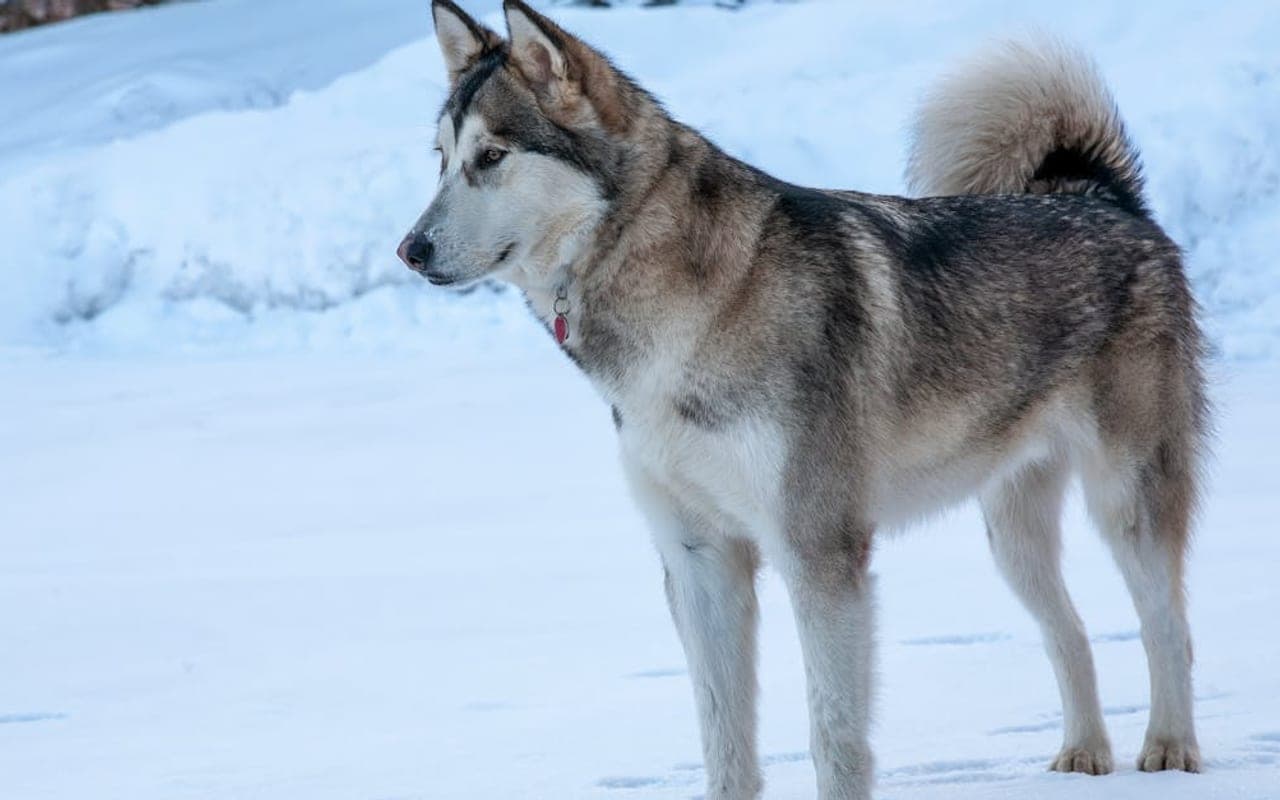
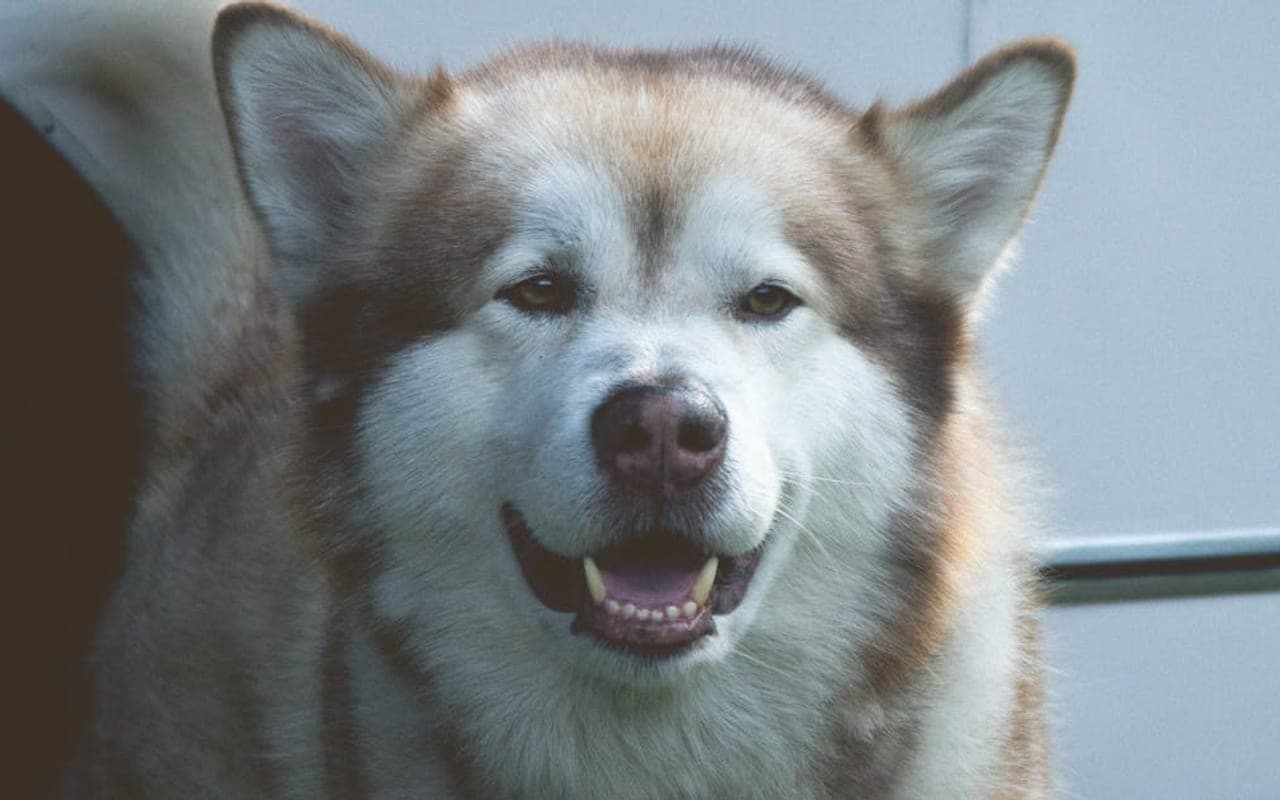
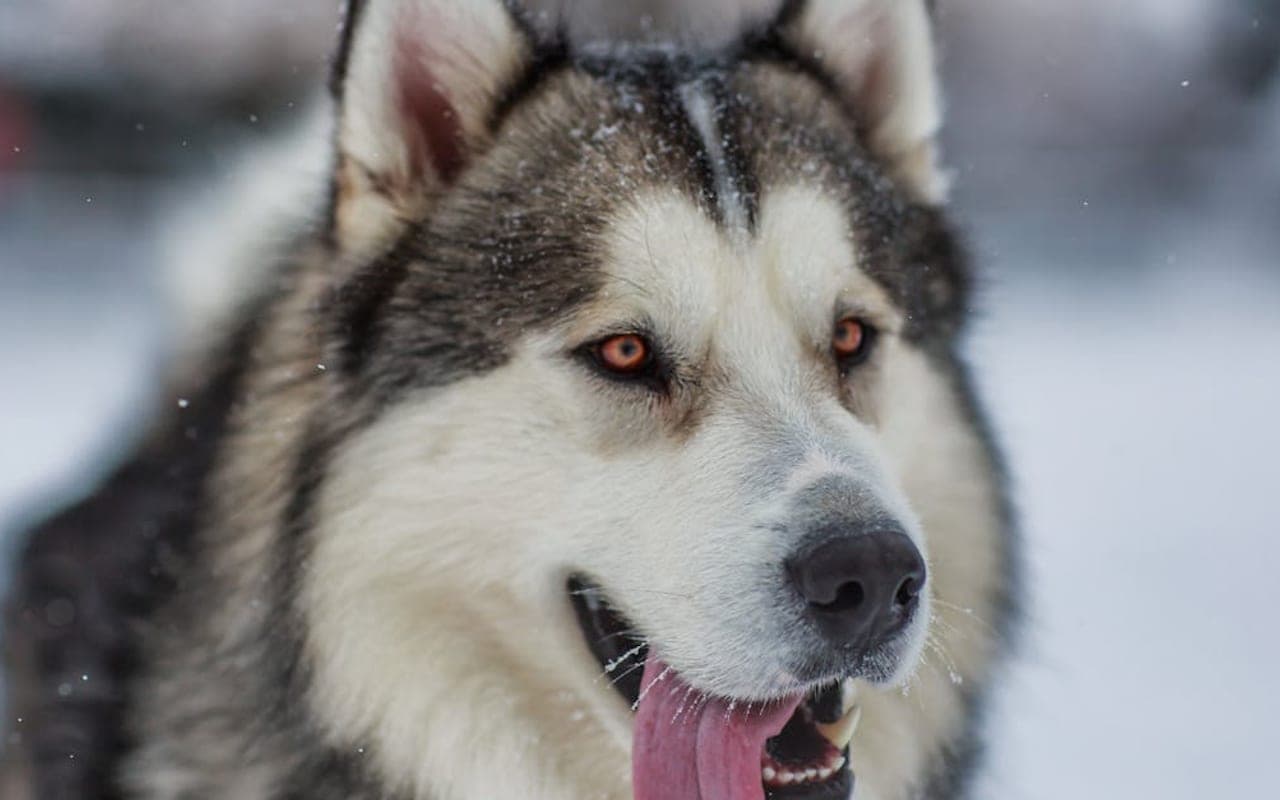
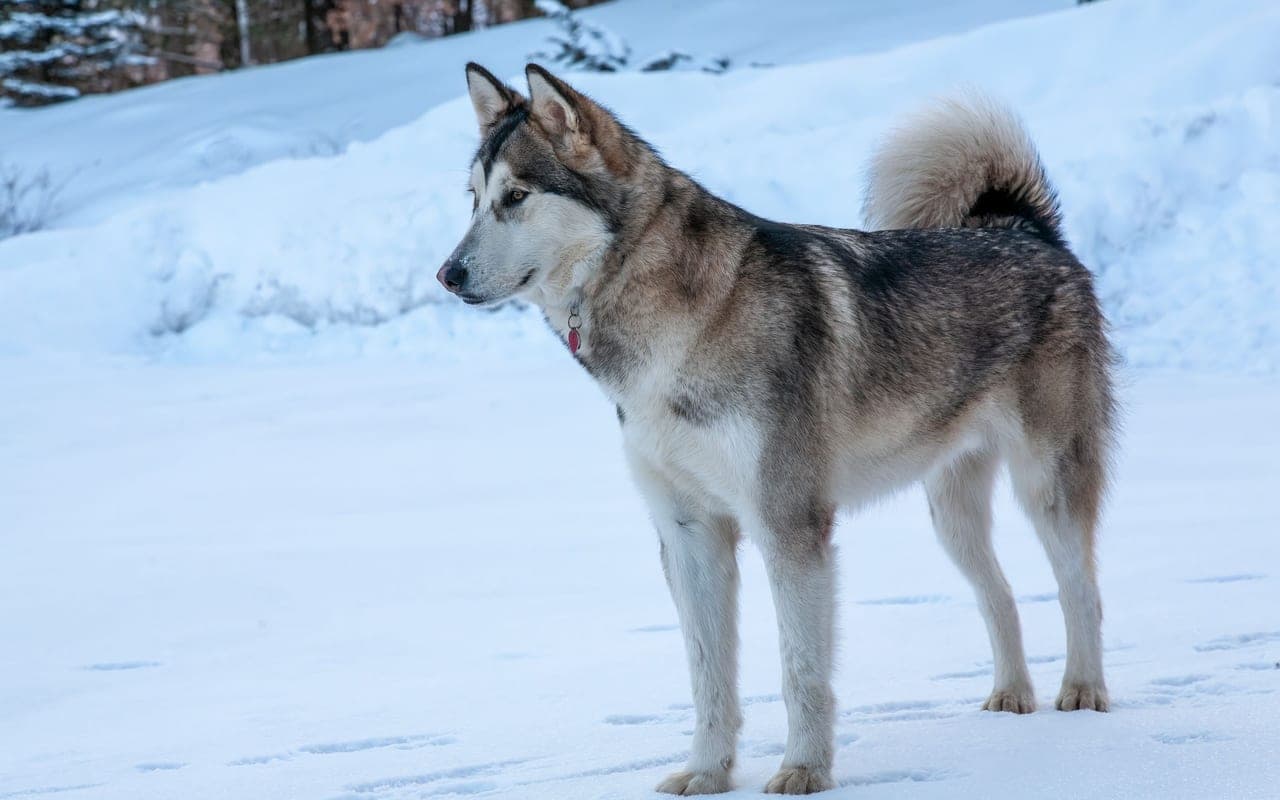
The Alaskan Malamute is a heavy-freight Arctic sled dog of 75-85 lb (the AKC standard's ideal is 75 lb females / 85 lb males, with many pet Mals larger) standing 23-25 inches at the shoulder.
Size
75-86 lb
Lifespan
10-14 years
Exercise
60-90 minutes
Shedding
High
Experience
Match to owner routine
Decision first
Is a Alaskan Malamute right for you?
Start with fit before history or trivia. These are ownership signals, not guarantees about any individual dog.
Best suited for
- Households with children.
- Active owners who enjoy daily outdoor exercise.
Think carefully if
- You cannot provide substantial daily exercise.
- You want a very low-shedding home.
- The dog will spend most days alone without support.
Conditional fit
Apartment living may be difficult unless the owner can meet the breed's exercise, training, and space needs.
Daily reality
Alaskan Malamute commitment snapshot
Daily exercise
60-90 minutes
Match activity to age, health, weather, and training goals.
Coat care
Moderate
Grooming needs vary by coat, shedding, and lifestyle.
Time alone
Needs planning
Most dogs need gradual alone-time conditioning and support.
Structured facts
Alaskan Malamute at a glance
The measurements and traits that most affect day-to-day life with this breed.
Origin
United States (Alaska)
Group
Working
Weight
75-86 lb
Height
23-25 in
Lifespan
10-14 years
Temperament
Affectionate | Loyal | Playful | Dignified | Stubborn | Friendly
View all characteristics and methodology
Lifestyle fit
- Apartment suitability
- Needs caution
- Child friendliness
- Often good, with socialisation and supervision
Owner commitment
- Exercise
- 60-90 minutes
- Grooming
- Moderate
- Shedding
- High
- Training
- Moderate
Environment and health
- Health risk
- Needs planning
Ratings combine structured breed data, visible breed fields, and editorial context. They are planning aids, not predictions for an individual dog.
Daily life
Alaskan Malamute temperament and behavior
The Alaskan Malamute is a heavy-freight Arctic sled dog of 75-85 lb (the AKC standard's ideal is 75 lb females / 85 lb males, with many pet Mals larger) standing 23-25 inches at the shoulder. The single biggest mistake buyers make is treating it like a large, fluffy Siberian Husky. It is not. The Husky was bred for speed over distance; the Malamute was bred for raw strength to haul heavy loads slowly — it is a stronger, more powerful, more independent, and considerably more dog than most first-time owners are prepared for. The Malamute is affectionate, dignified, playful, and genuinely friendly — including toward strangers, which makes it a poor guard dog. But it is also stubborn, strongly pack-oriented, and carries a high prey drive that makes cats and small animals a real liability. It is a champion-class escape artist and digger. It rarely barks but is famously vocal with the breed's signature 'woo-woo' talking and howling. Who the Alaskan Malamute is right for: an experienced owner in a cool climate with a securely (and dig-proof) fenced yard, who can deliver 2+ hours of daily exercise, accept heavy year-round shedding plus two dramatic coat 'blows,' and lead a strong-willed dog with calm consistency. Who it is wrong for: first-time owners, hot-climate households, homes with cats or small pets, apartment dwellers, and anyone wanting an off-lead-reliable or low-shedding dog. The Malamute is a magnificent breed for the right life and a 4-year regret in the wrong one — and climate, containment, and experience are the deciding factors.
Affectionate | Loyal | Playful | Dignified | Stubborn | Friendly
Affectionate
A common Alaskan Malamute temperament descriptor that should be interpreted alongside training, exercise, and household fit.
Loyal
A common Alaskan Malamute temperament descriptor that should be interpreted alongside training, exercise, and household fit.
Playful
A common Alaskan Malamute temperament descriptor that should be interpreted alongside training, exercise, and household fit.
Dignified
A common Alaskan Malamute temperament descriptor that should be interpreted alongside training, exercise, and household fit.
Owner note
Temperament labels are starting points, not guarantees. Meet the individual dog and ask about behavior history whenever possible.
Care essentials
How to care for a Alaskan Malamute
What looking after one actually involves: exercise, grooming, food, training, and routine health.
ExerciseAs needed
- Alaskan Malamutes require significant daily exercise to maintain their physical and mental health. They thrive with activities like hiking, jogging, sledding, skijoring, and weight pulling. Without adequate exercise, they may become destructive or develop behavioral problems. Their thick coat makes them susceptible to overheating, so avoid strenuous exercise in hot weather.
GroomingAs needed
- Malamutes have a thick double coat that sheds heavily twice a year during seasonal changes. During these 'blowing coat' periods, daily brushing is necessary. Regular brushing (2-3 times per week) is needed during non-shedding seasons. Despite their self-cleaning nature, occasional baths are beneficial. Nail trimming, teeth brushing, and ear checks should be part of regular maintenance.
TrainingAs needed
- Early and consistent training is essential for Malamutes. They are intelligent but can be stubborn and independent-minded. Positive reinforcement methods work best, as they respond poorly to harsh correction. Socialization from puppyhood is crucial to ensure they develop into well-adjusted adults. Basic obedience training is mandatory, and activities that challenge their minds and bodies are beneficial.
NutritionAs needed
- These working dogs benefit from high-quality dog food with adequate protein. Portion control is important as Malamutes can become overweight easily. The amount of food needed may vary based on activity level, with working Malamutes requiring more calories than companion pets. Always provide fresh water, particularly important for double-coated northern breeds.
Health planning
Alaskan Malamute health risks and screening
Every breed has individual health variation. Use this profile for planning and discuss medical decisions with a veterinarian.
Ownership cost
How much does a Alaskan Malamute cost?
Cost figures are structured so first-year and lifetime estimates do not conflict with the underlying line items.
| Acquisition | $1,000-$3,000 |
|---|---|
| Routine monthly | About $150/month |
| Routine annual | About $1,800/year |
| First-year estimate | $2,800-$4,800 |
| Lifetime routine estimate | $18,000-$25,200 routine costs |
Currency: USD. Region: United States. Typical ranges for this breed. Equipment, insurance, emergency veterinary care, boarding and training are NOT included: we hold no sourced figures for them, and estimating them would be a guess presented as data.
Responsible ownership
Finding a Alaskan Malamute responsibly
What to ask a breeder or rescue is the same conversation for every breed, so we keep it in one place and keep it current.
Health documentation, meeting the parents or foster, contracts and return support, and the warning signs worth walking away from.
Original purpose
Alaskan Malamute history
History is useful when it explains today's behavior, coat, exercise needs, and training style.
Read the breed history
The Alaskan Malamute is one of the oldest Arctic breeds, named for the Mahlemut (Kuuvangmiut) Inuit people of the Norton Sound region of northwestern Alaska, who developed it not for racing but as a heavy-freight hauler and pack animal — a dog bred to move large loads at a steady pace over long Arctic distances and to help with hunting seal and polar bear. Its ancestors are believed to have crossed from Siberia with migrating peoples thousands of years ago, and the relative isolation of the Mahlemut kept the type comparatively pure. The 1896 Gold Rush flooded Alaska with prospectors and indiscriminate crossbreeding of native sled dogs for the demand, nearly diluting the breed; dedicated fanciers reconstructed it in the 1920s-30s, and the AKC recognized the Alaskan Malamute in 1935. Malamutes later served in World War II as freight haulers, pack and search-and-rescue dogs and on polar expeditions. This freight-hauling, strength-over-speed, Arctic-survival heritage directly explains the modern dog's power, independence, dense double coat, heat intolerance, and need for serious work.
Gallery
Alaskan Malamute photos
Images are cropped consistently and loaded progressively to keep the page responsive.
Lower-page context
Alaskan Malamutes in culture
Where the breed shows up in film, sport, work and folklore — the enjoyable part, once the practical questions are answered.
Fun facts
- Alaskan Malamutes were one of the breeds used in Admiral Richard Byrd's South Pole expeditions in the 1930s.
- The breed is so well-adapted to cold weather that they can comfortably sleep outdoors in sub-zero temperatures.
- Malamutes rarely bark, but they are vocal and often 'talk' with a characteristic 'woo woo' sound.
- Their name comes from the Mahlemut tribe, an Inuit tribe in Alaska's Norton Sound region.
- Unlike Siberian Huskies, Malamutes were bred for strength and endurance rather than speed.
Alaskan Malamute FAQs
Are Alaskan Malamutes good family dogs?
For the right family, yes — they are affectionate, playful, and generally good with children they are raised with. The caveats are substantial: their size and strength mean small children must be supervised, their high prey drive makes them risky with cats and small pets, and they need an experienced owner who can meet 2+ hours of daily exercise and provide firm, consistent leadership. They are a poor choice for first-time owners or sedentary households.
Can Alaskan Malamutes live in hot climates?
Only with serious, deliberate management, because they are built for the Arctic and overheat dangerously. In a warm climate you must exercise only in the cool of early morning or evening, provide constant shade and water, use air conditioning on hot days, never leave the dog in a car, and never shave the coat (it insulates against heat too). Heatstroke is a real and fast killer in this breed — treat panting, drooling, and weakness in heat as an emergency.
How much do Alaskan Malamutes shed?
Heavily and constantly. The thick double coat sheds year-round and then 'blows' completely twice a year, usually spring and fall, when the undercoat comes out in clumps and daily brushing is required for weeks. Even between blows, plan on brushing 2-3 times a week and frequent vacuuming. Anyone unwilling to manage substantial, ongoing dog hair throughout the home should not choose this breed.
Are Alaskan Malamutes hard to train?
They are intelligent but independent and stubborn — bred to make decisions alone in harsh conditions, not to take direction. They respond to positive reinforcement, consistency, and calm leadership; harsh or punishment-based training backfires and damages the relationship. Keep sessions short and motivating, socialize and train from puppyhood, and accept that even a well-trained Malamute is generally not safe off-lead because prey drive overrides recall.
How long do Alaskan Malamutes live?
Typically 10-14 years. Lifespan in this breed is most affected by orthopedic disease (hip dysplasia, accelerated by excess weight) and by inherited conditions such as polyneuropathy and hypothyroidism. Keeping the dog lean, buying from parents screened for hips and the polyneuropathy DNA mutation, and managing thyroid and skin conditions promptly are the interventions that most directly support a long, sound life.
Why does my Malamute dig and try to escape?
Because digging and roaming are hardwired into a high-energy Arctic working breed, and they intensify when the dog is under-exercised. A Malamute will dig under fences, climb them, and exploit any gap. The fix is twofold: meet the exercise and mental-work requirement (2+ hours daily) so the drive has an outlet, and physically contain it with tall, secure fencing plus a dig barrier (buried wire or a concrete footer). Never rely on recall or an invisible fence.
Sources
These are the published sources this page draws on. Each opens in a new tab so you can check it yourself.
American Kennel Club
Alaskan Malamute — breed standard and profile(opens in a new tab)Supports: Breed standard and recognition details.
Similar breeds to consider
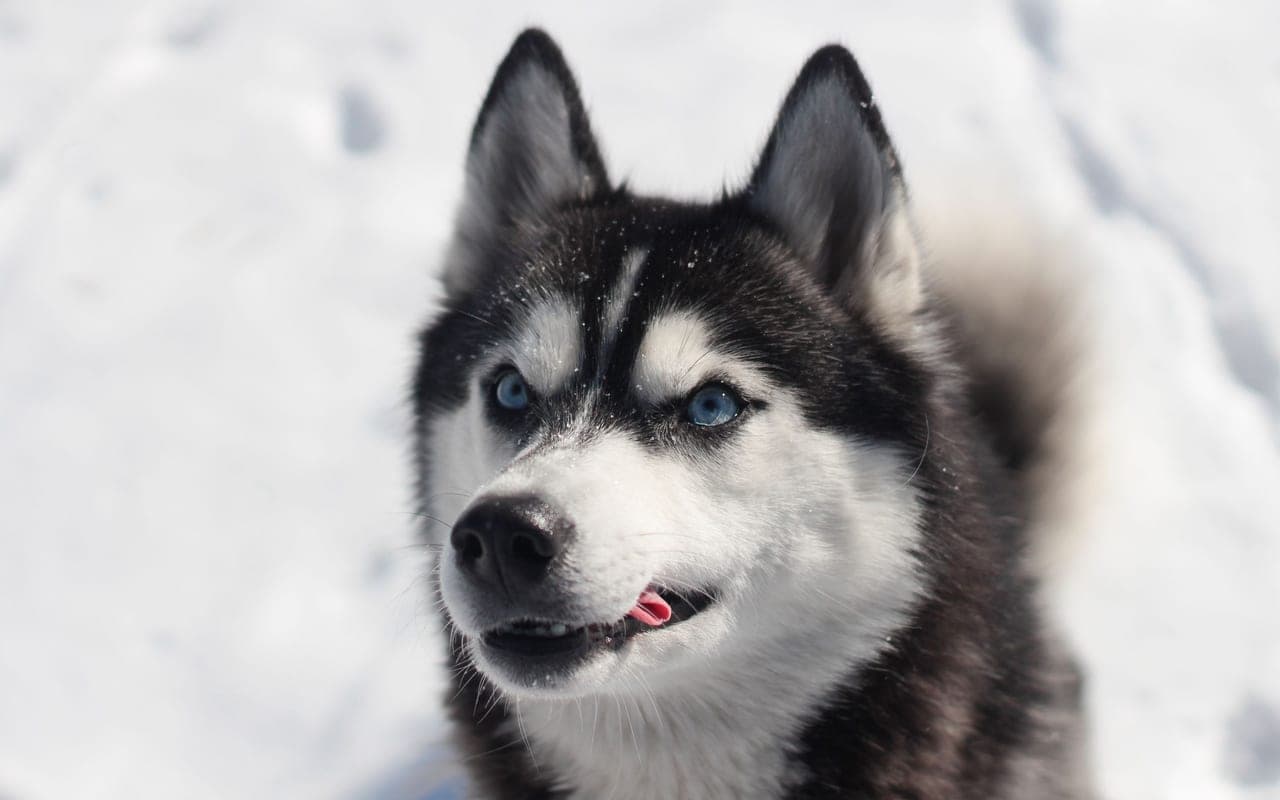
Siberian Husky
Also in the Working group, with different care and temperament tradeoffs.
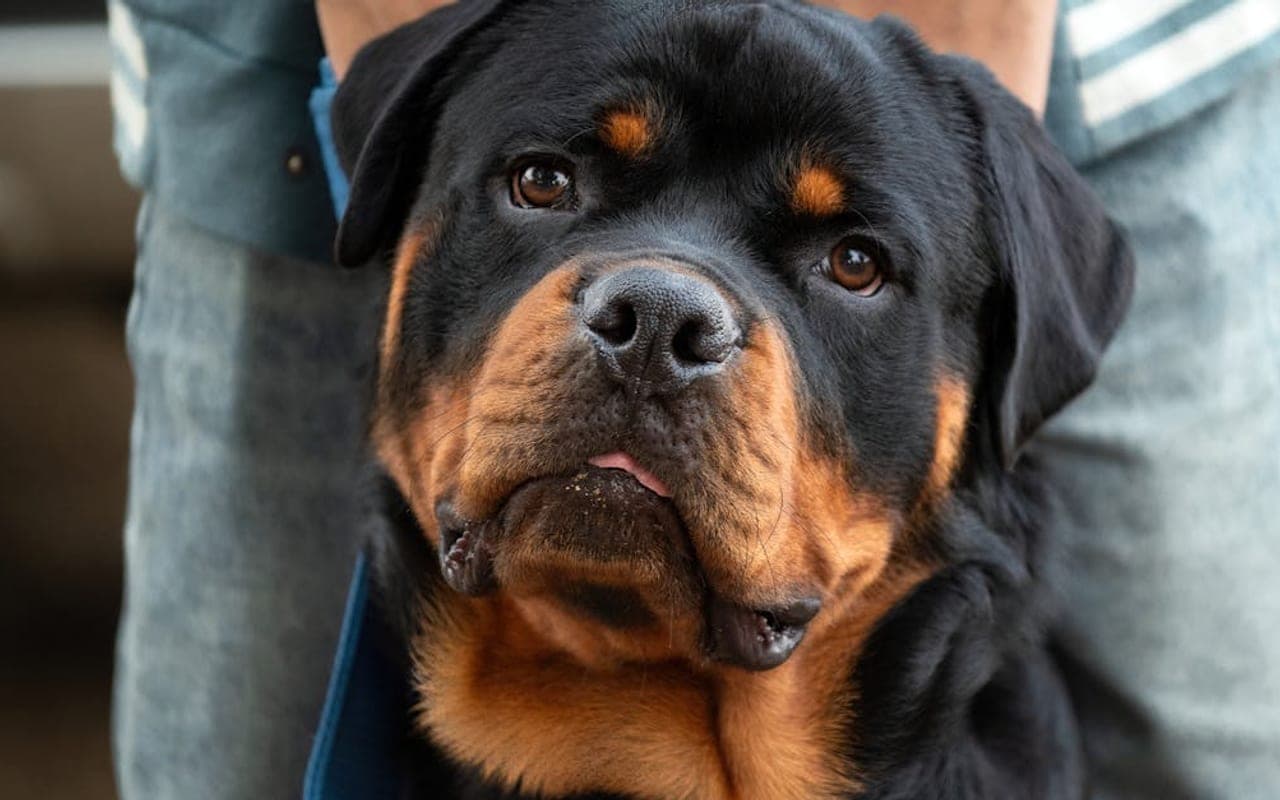
Rottweiler
Also in the Working group, with different care and temperament tradeoffs.
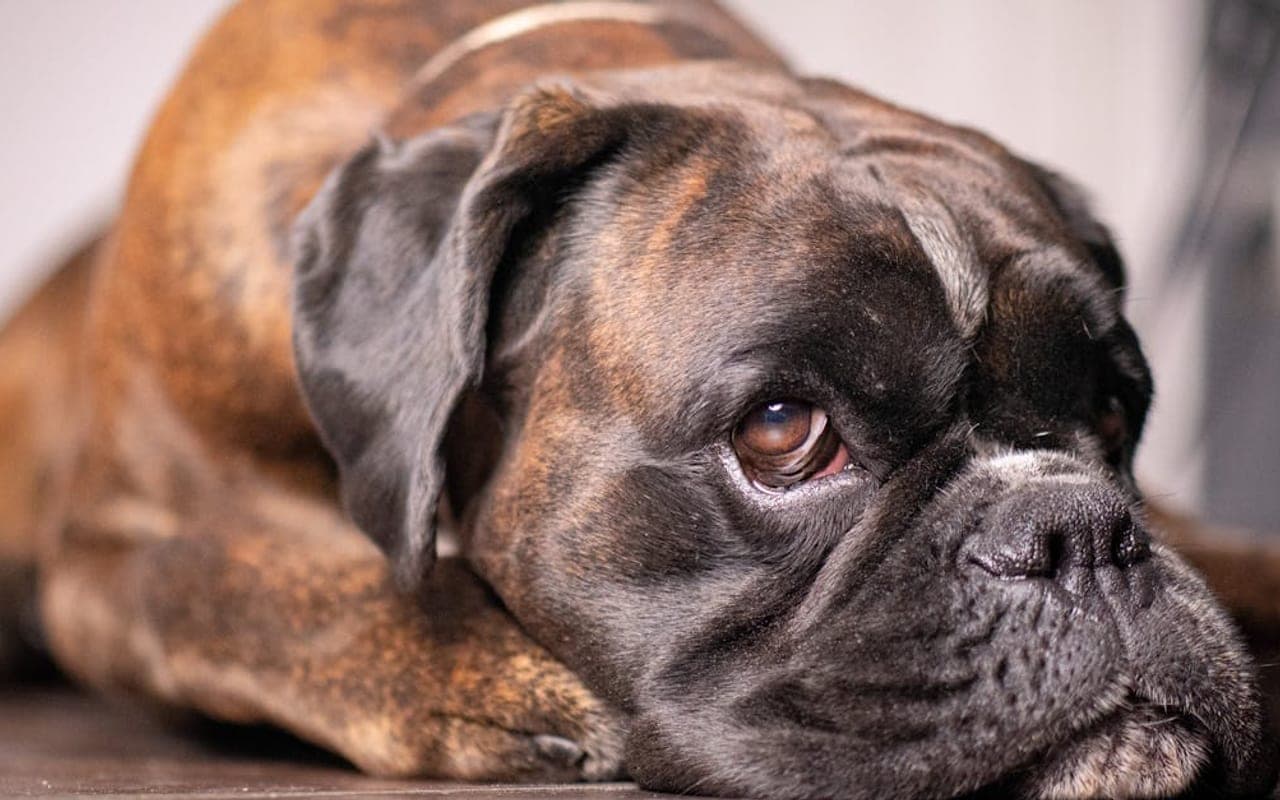
Boxer
Also in the Working group, with different care and temperament tradeoffs.
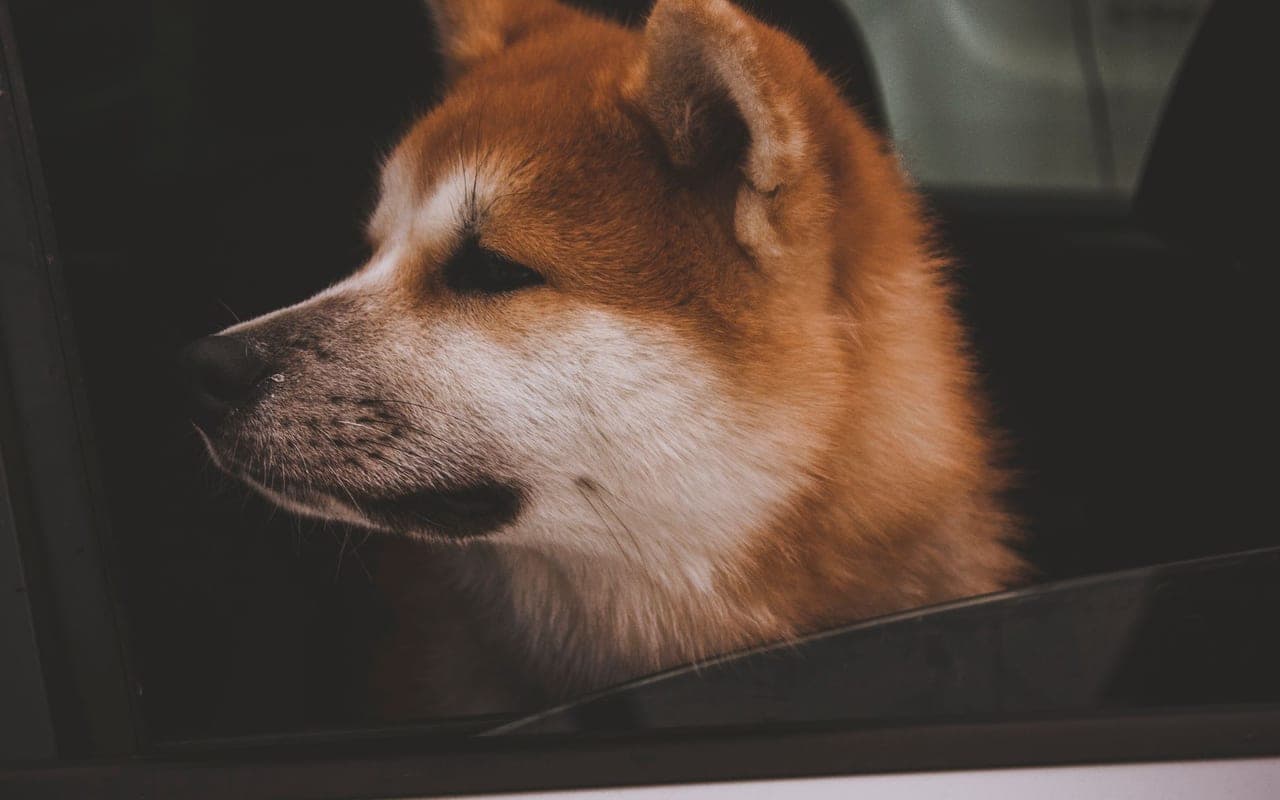
Akita
Also in the Working group, with different care and temperament tradeoffs.
Explore More About Alaskan Malamute
Dive deeper into everything Alaskan Malamute — costs, care, and expert insights.
How Much Does a Alaskan Malamute Cost?
Purchase price, monthly costs, and lifetime expenses
Alaskan Malamute Care Guide
The Alaskan Malamute is a large, powerful arctic sled dog — commonly 75 to 85 pounds and 23 to 25...
Considering a cat instead?
Browse Cats