
Hound group
Dachshund
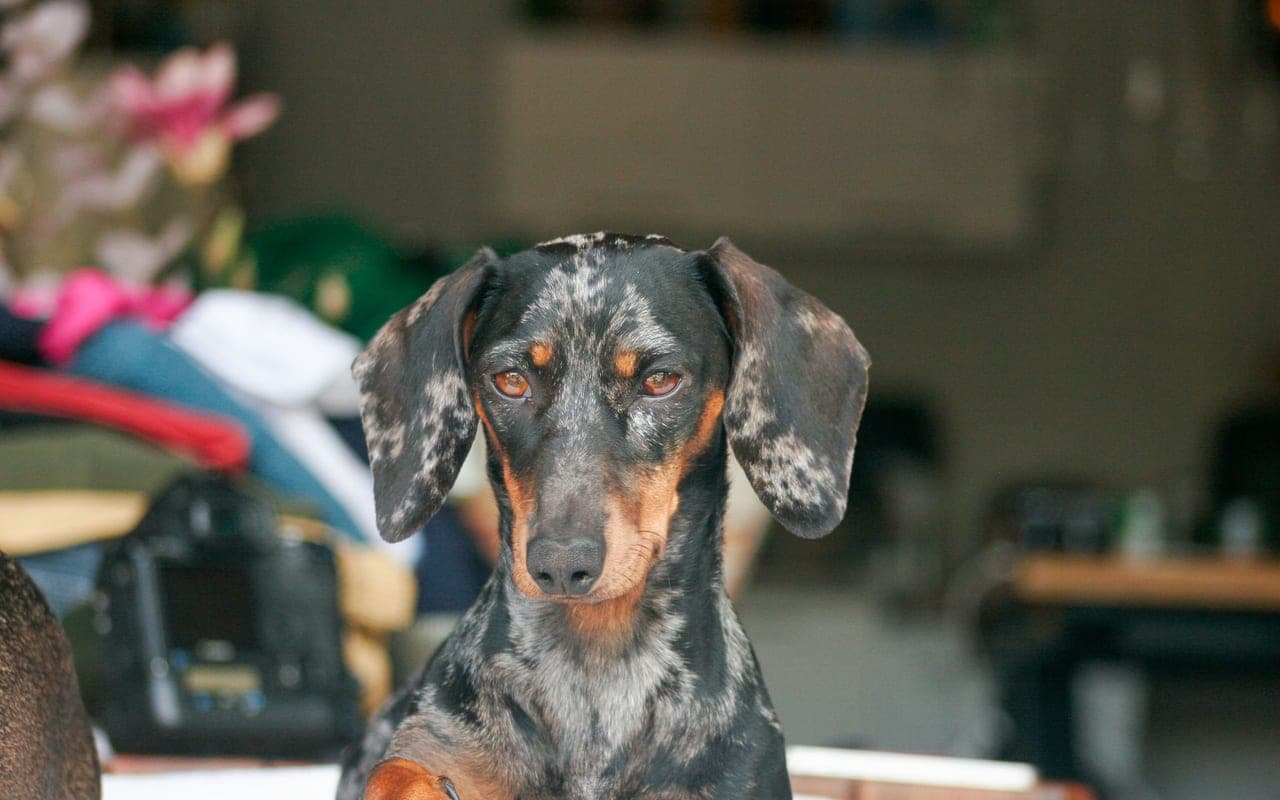
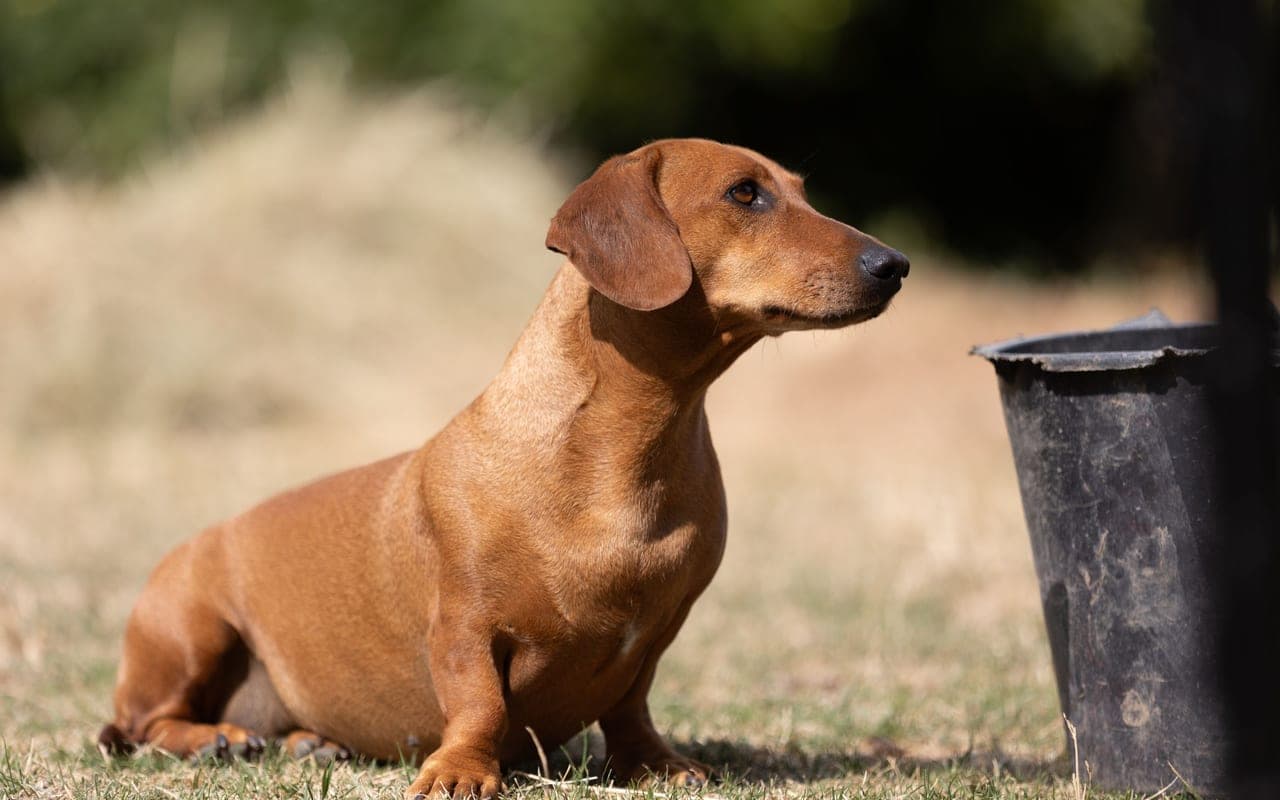
The Dachshund is a German scenthound built long and low to follow badgers and other den-dwelling game underground — and that famous silhouette is not a styling choice, it is a structural trade-off you are signing up to manage for the dog's whole life.


Size
8-33 lb
Lifespan
12-16 years
Exercise
30-60 minutes
Shedding
Moderate
Experience
Match to owner routine
Decision first
Is a Dachshund right for you?
Start with fit before history or trivia. These are ownership signals, not guarantees about any individual dog.
Best suited for
- Apartment homes with a consistent routine.
- Owners seeking a manageable daily exercise routine.
Think carefully if
- You need a dog with almost no daily routine.
- You cannot keep up with grooming and preventive care.
- The dog will spend most days alone without support.
Conditional fit
Apartment fit depends on exercise, enrichment, noise management, and outdoor access.
Daily reality
Dachshund commitment snapshot
Daily exercise
30-60 minutes
Match activity to age, health, weather, and training goals.
Coat care
Low
Grooming needs vary by coat, shedding, and lifestyle.
Time alone
Needs planning
Most dogs need gradual alone-time conditioning and support.
Structured facts
Dachshund at a glance
The measurements and traits that most affect day-to-day life with this breed.
Origin
Germany
Group
Hound
Weight
8-33 lb
Height
5-9 in
Lifespan
12-16 years
Temperament
Clever | lively | and courageous
View all characteristics and methodology
Lifestyle fit
- Apartment suitability
- Likely fit
- Adaptability
- High
Owner commitment
- Exercise
- 30-60 minutes
- Grooming
- Low
- Shedding
- Moderate
- Training
- Moderate
Environment and health
- Health risk
- Needs planning
Ratings combine structured breed data, visible breed fields, and editorial context. They are planning aids, not predictions for an individual dog.
Daily life
Dachshund temperament and behavior
The Dachshund is a German scenthound built long and low to follow badgers and other den-dwelling game underground — and that famous silhouette is not a styling choice, it is a structural trade-off you are signing up to manage for the dog's whole life. Every honest Dachshund profile has to lead with the back. The same elongated spine that makes the breed iconic also makes it one of the most disc-disease-prone dogs alive: roughly one in four Dachshunds will have a clinically significant intervertebral disc episode in their lifetime. You are not just buying a small dog; you are accepting a lifelong spinal-protection job. Dachshunds come in two sizes — standard (about 16-32 lb / 7-15 kg) and miniature (under 11 lb / 5 kg) — and three coats: smooth, longhaired, and wirehaired, each with its own grooming and slightly different temperament. Lifespan is long for a dog, commonly 12-16 years, which means the spinal-care commitment is a 12-16 year one. Temperament is pure hound: bold, stubborn, loud, devoted to its people, and wired to dig, bark, and chase. Dachshunds are clever but not biddable in the retriever sense — they were bred to work alone underground and make their own decisions, which owners experience as charm or as obstinacy depending on expectations. They alert-bark readily and bond intensely, sometimes to one person. Who the Dachshund is right for: an owner who wants a big personality in a small, low-shedding (smooth) package, will weight-manage strictly, and will physically prevent jumping and stair-leaping for the dog's entire life. Who it is wrong for: anyone who wants an off-switch quiet dog, an easily obedient dog, or who cannot or will not enforce the no-jumping rules — because in this breed, that lapse is measured in paralysis and four-figure surgery, not just a sore back.
Clever | lively | and courageous
Clever
A common Dachshund temperament descriptor that should be interpreted alongside training, exercise, and household fit.
lively
A common Dachshund temperament descriptor that should be interpreted alongside training, exercise, and household fit.
and courageous
A common Dachshund temperament descriptor that should be interpreted alongside training, exercise, and household fit.
Owner note
Temperament labels are starting points, not guarantees. Meet the individual dog and ask about behavior history whenever possible.
Care essentials
How to care for a Dachshund
What looking after one actually involves: exercise, grooming, food, training, and routine health.
HealthAs needed
- Dachshunds have a relatively long lifespan of 12-16 years but face several breed-specific health concerns. The most significant is intervertebral disc disease (IVDD), which affects approximately 25% of Dachshunds due to their long backs and chondrodystrophic (cartilage abnormality) build. This can lead to spinal disc herniation, causing pain, mobility issues, and potentially paralysis. Preventive measures include maintaining proper weight, limiting jumping, using ramps for furniture access, and proper lifting technique (supporting both front and rear ends). Other common health issues include patellar luxation (especially in miniatures), progressive retinal atrophy, various eye conditions, epilepsy, and Cushing's disease. Dachshunds can also develop skin problems, particularly in skin folds, and dental disease due to their often crowded teeth. Some bloodlines are prone to various heart conditions. Obesity dramatically increases the risk and severity of back problems, making weight management a health priority. Double-dapple breeding (mating two dapple-patterned Dachshunds) can result in serious health issues including deafness and eye defects, so responsible breeding practices are essential. Regular veterinary check-ups, dental care, appropriate diet, and exercise contribute to better health outcomes. Despite these concerns, many Dachshunds live long, healthy lives when properly cared for and maintained at appropriate weight.
ExerciseAs needed
- Despite their small size, Dachshunds require regular exercise to prevent obesity and maintain muscle tone, which is crucial for supporting their long backs. Aim for 30-60 minutes of activity daily through moderate walks, play sessions, and mental stimulation. Their exercise needs should be carefully balanced with their physical limitations—jumping, stair climbing, and rough play should be limited to protect their backs from injury. Dachshunds enjoy nose work and tracking activities that engage their hunting instincts. Due to their determined nature, they should be exercised in secure areas or on leash, as they may follow scents with single-minded focus. These dogs can be somewhat stubborn about exercising in inclement weather due to their low ground clearance, so indoor activities may be necessary during extreme weather. Puppies require less structured exercise than adults, as their developing joints and backs need protection. Swimming can be an excellent low-impact exercise option for Dachshunds when properly supervised, though not all enjoy water activities. Consistent, appropriate exercise helps prevent common behavior problems like excessive barking or destructive chewing that can develop when these intelligent dogs become bored.
GroomingAs needed
- Grooming requirements for Dachshunds vary significantly depending on their coat type. Smooth-coated Dachshunds have minimal grooming needs—weekly brushing with a soft bristle brush or grooming mitt removes loose hair and distributes skin oils. They should be bathed only when necessary, typically every 2-3 months. Wirehaired Dachshunds require more maintenance, including hand-stripping several times a year to remove dead hair and maintain proper coat texture, plus regular brushing with a slicker brush to prevent matting. Longhaired Dachshunds need brushing 2-3 times weekly using a pin brush to prevent tangles, with special attention to areas prone to matting like behind the ears and under the legs. All Dachshunds benefit from regular nail trimming (approximately every 3-4 weeks), as overgrown nails can affect their gait and potentially contribute to back problems. Their ears should be checked weekly for signs of infection, especially in floppy-eared individuals. Dental care is important—aim for tooth brushing 2-3 times weekly with dog-specific toothpaste. The facial wrinkles some Dachshunds have should be kept clean and dry to prevent skin fold dermatitis. Basic grooming routines should be established early in a Dachshund's life to ensure they accept handling.
TrainingAs needed
- Training a Dachshund requires patience, consistency, and an understanding of their independent, sometimes stubborn nature. Despite their intelligence, these dogs were bred to work independently, making obedience training more challenging than with some breeds. Dachshunds respond best to positive reinforcement methods using high-value treats, play, and praise. Their training should begin early, with special emphasis on proper socialization to prevent fearfulness or aggression toward strangers and other dogs. House training can be particularly challenging with this breed and may take longer than with other dogs—crate training often proves helpful. Basic obedience training is essential, though achieving reliability with commands like recall can be challenging when competing with interesting scents or prey drive. Training sessions should be kept short (5-10 minutes), engaging, and varied to maintain their interest. Dachshunds have a tendency toward excessive barking, so teaching a 'quiet' command early is beneficial. Their natural digging instinct can be directed to appropriate outlets like sandboxes rather than attempting to eliminate it entirely. Consistency is crucial—all family members should enforce the same rules to prevent confusion. Harsh methods or punishments are counterproductive with this sensitive breed and can damage the human-dog relationship. Throughout training, remember that their hunting heritage gives them a certain stubbornness that should be worked with rather than against.
NutritionAs needed
- Proper nutrition is critical for Dachshunds, as they're prone to obesity which can severely strain their long backs and increase the risk of intervertebral disc disease. High-quality dog food appropriate for their age, size, and activity level forms the foundation of their diet, with particular attention to caloric intake. Adult standard Dachshunds typically require 1-1.5 cups of quality dry food daily, divided into two meals, while miniatures need proportionally less. Monitor body condition closely, adjusting portions as needed to maintain ideal weight. The food should contain appropriate protein levels (18-22%) and moderate fat content (around 5-8% for adults), with controlled calcium and phosphorus levels to support proper bone development. Due to their propensity for begging and their persuasive nature, owners must be disciplined about limiting treats and human food, which can quickly lead to weight gain. Fresh water should always be available. Some Dachshunds benefit from elevated food dishes to improve posture while eating, potentially reducing strain on their necks and backs. As they age, senior-specific formulations with glucosamine and chondroitin may help support joint health. Consult with your veterinarian for dietary recommendations tailored to your individual dog, particularly if they have specific health conditions like diabetes or food allergies, which are not uncommon in the breed.
Health planning
Dachshund health risks and screening
Every breed has individual health variation. Use this profile for planning and discuss medical decisions with a veterinarian.
Ownership cost
How much does a Dachshund cost?
Cost figures are structured so first-year and lifetime estimates do not conflict with the underlying line items.
| Acquisition | $500-$2,000 |
|---|---|
| Routine monthly | About $90/month |
| Routine annual | About $1,080/year |
| First-year estimate | $1,580-$3,080 |
| Lifetime routine estimate | $12,960-$17,280 routine costs |
Currency: USD. Region: United States. Typical ranges for this breed. Equipment, insurance, emergency veterinary care, boarding and training are NOT included: we hold no sourced figures for them, and estimating them would be a guess presented as data.
Responsible ownership
Finding a Dachshund responsibly
What to ask a breeder or rescue is the same conversation for every breed, so we keep it in one place and keep it current.
Health documentation, meeting the parents or foster, contracts and return support, and the warning signs worth walking away from.
Original purpose
Dachshund history
History is useful when it explains today's behavior, coat, exercise needs, and training style.
Read the breed history
The Dachshund was developed in Germany several centuries ago as a specialist earth dog — the name translates literally as 'badger dog.' Breeders deliberately selected for an elongated body, short powerful legs, a deep chest for lung capacity, and a loud bark, so the dog could enter a badger or fox set, pursue the quarry underground, and bay loudly enough to be located and dug to from above. The paddle-shaped feet were selected for digging; the bold, independent temperament was selected because a dog working alone underground had to make its own decisions out of sight of the handler. The smooth coat came first; the longhaired and wirehaired varieties were later developed for working in colder and rougher terrain, with spaniel and terrier crosses contributing coat type. The breed was refined into standard and miniature sizes for different quarry. Recognized by the American Kennel Club in 1885, the Dachshund became a popular companion worldwide — but the conformation that owners now find charming is the same purpose-built underground-hunting structure that drives the breed's spinal vulnerability today.
Gallery
Dachshund photos
Images are cropped consistently and loaded progressively to keep the page responsive.

Lower-page context
Dachshunds in culture
Where the breed shows up in film, sport, work and folklore — the enjoyable part, once the practical questions are answered.
Movies and TV
- Crusoe the Celebrity Dachshund (2015)
Social media star and New York Times bestselling author with millions of followers across platforms.
- The Secret Life of Pets (2016)
Animated film featuring Buddy, a Dachshund who uses kitchen appliances to reach high places.
- Wiener-Dog (2016)
Independent film following a Dachshund as she touches the lives of several different owners.
Fun facts
- The Dachshund was the first Olympic mascot, representing the 1972 Munich Games with a colorful character named Waldi.
- Their name literally means 'badger dog' in German, reflecting their original purpose of hunting badgers.
- During WWI, Dachshunds in the US were called 'liberty hounds' because of anti-German sentiment.
- They come in more coat colors and patterns than almost any other breed.
- A Dachshund named Obie once made headlines for weighing 77 pounds - over twice what a healthy standard Dachshund should weigh!
Dachshund FAQs
How serious is back disease (IVDD) in Dachshunds, really?
It is the breed's defining health issue and should drive your buying and lifestyle decisions. About 1 in 4 Dachshunds will have a clinically significant disc episode, which can range from a painful week to permanent paralysis and incontinence. You can meaningfully lower the odds by keeping the dog lean, preventing jumping and stair impact from day one, and using ramps — but you cannot eliminate the genetic predisposition, so go in with eyes open.
Should I let my Dachshund use the stairs and jump on the couch?
No, not as routine behavior. Repeated high-impact jumping off furniture and bounding up and down stairs loads the discs and is a well-recognized contributor to IVDD episodes. Use a ramp or pet steps to the sofa and bed, gate off staircases or carry the dog, and lift with support under both the chest and the rear. Establishing these rules in puppyhood is far easier than retraining after an injury.
How long do Dachshunds live and what's the lifetime health budget?
Dachshunds commonly live 12-16 years. Routine costs are modest, but budget realistically for the breed's two big exposures: dental cleanings every 1-2 years ($400-$1,200 each) and the possibility of an IVDD event, where conservative care is $500-$2,000 and spinal surgery $4,000-$10,000+. Pricing pet insurance while the dog is young and healthy is genuinely worth doing for this breed specifically.
Are Dachshunds easy to train and house-train?
They are intelligent but independent and stubborn — bred to work alone underground and make their own decisions, so they do not default to pleasing you the way a retriever does. House-training in particular is notoriously slow; consistency, a strict schedule, and crate training help. Expect a dog that can learn well with short, motivating, reward-based sessions but will test boundaries. Patience and humor are part of the breed's cost of ownership.
Do Dachshunds bark a lot?
Yes. A loud, persistent bark was deliberately bred in so handlers could locate the dog underground, and that vocal drive carries straight into the living room. Dachshunds alert-bark at noises, visitors, and other dogs readily. Early training can shape it, but prospective owners in apartments or noise-sensitive settings should treat a notable barking tendency as an expected breed trait, not a trainable-away quirk.
Standard or miniature, and smooth, long, or wirehaired — does it matter for care?
All Dachshunds share the spinal risk regardless of size, so IVDD precautions apply across the board. Practically: miniatures fit smaller homes; standards have more substance. Smooth coats need only a weekly wipe; longhairs need brushing 2-3 times weekly to prevent mats; wirehairs need periodic hand-stripping. Choose by your grooming tolerance and living space, but never assume a smaller or smooth Dachshund needs less spinal protection.
Sources
These are the published sources this page draws on. Each opens in a new tab so you can check it yourself.
American Kennel Club
Dachshund — breed standard and profile(opens in a new tab)Supports: Breed standard and recognition details.
Similar breeds to consider
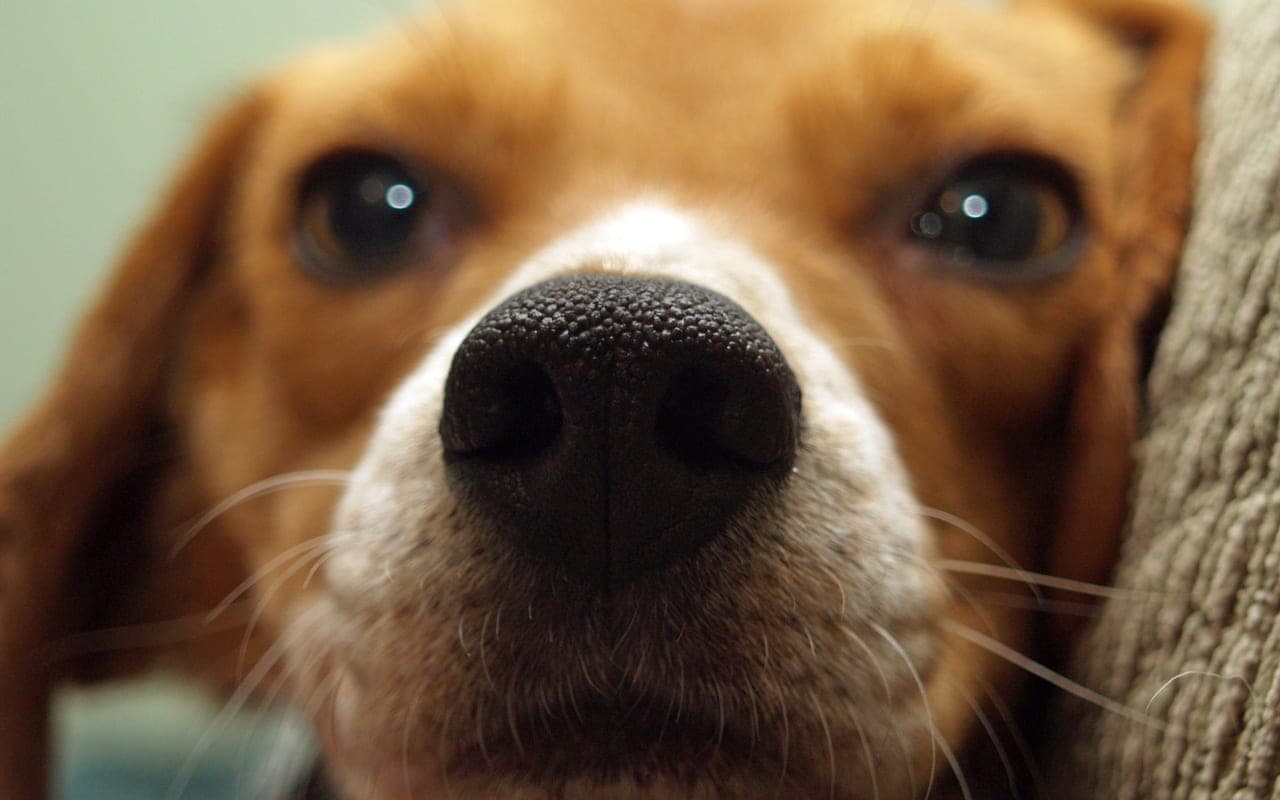
Beagle
Also in the Hound group, with different care and temperament tradeoffs.
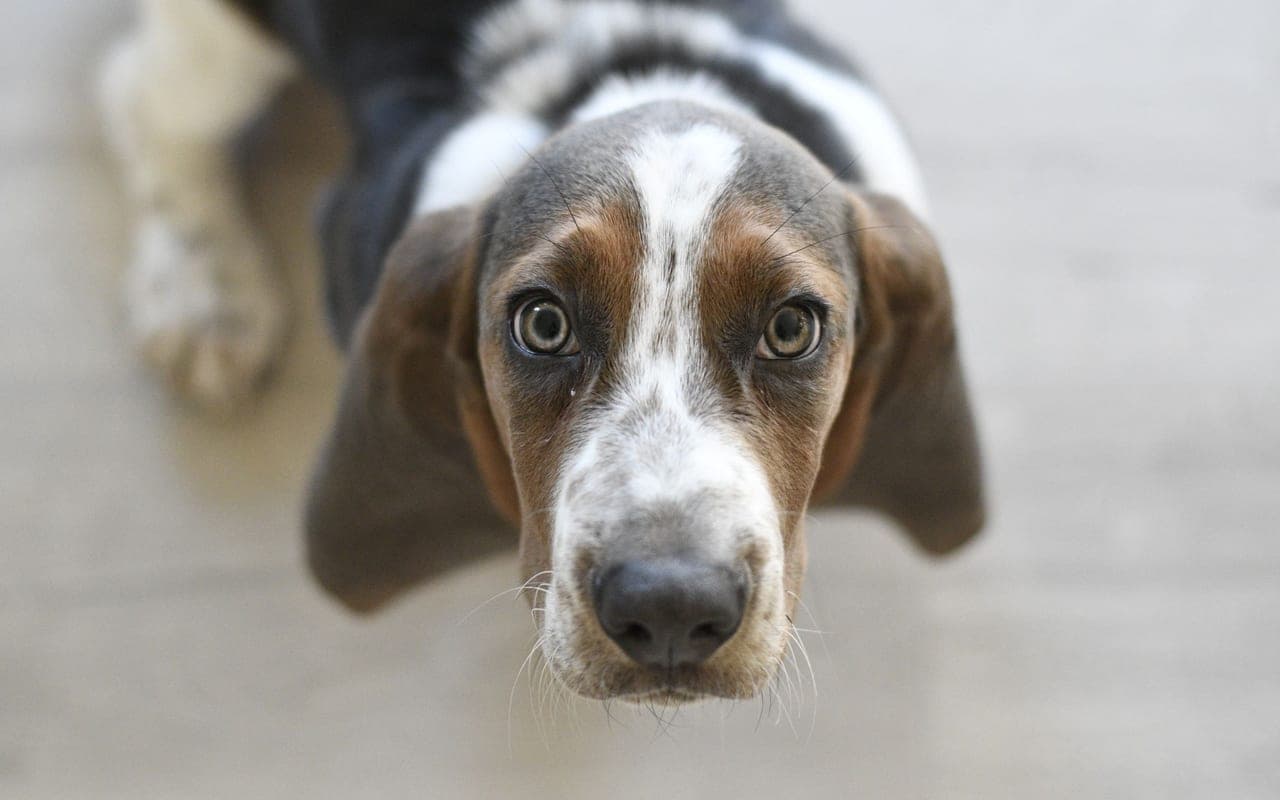
Basset Hound
Also in the Hound group, with different care and temperament tradeoffs.
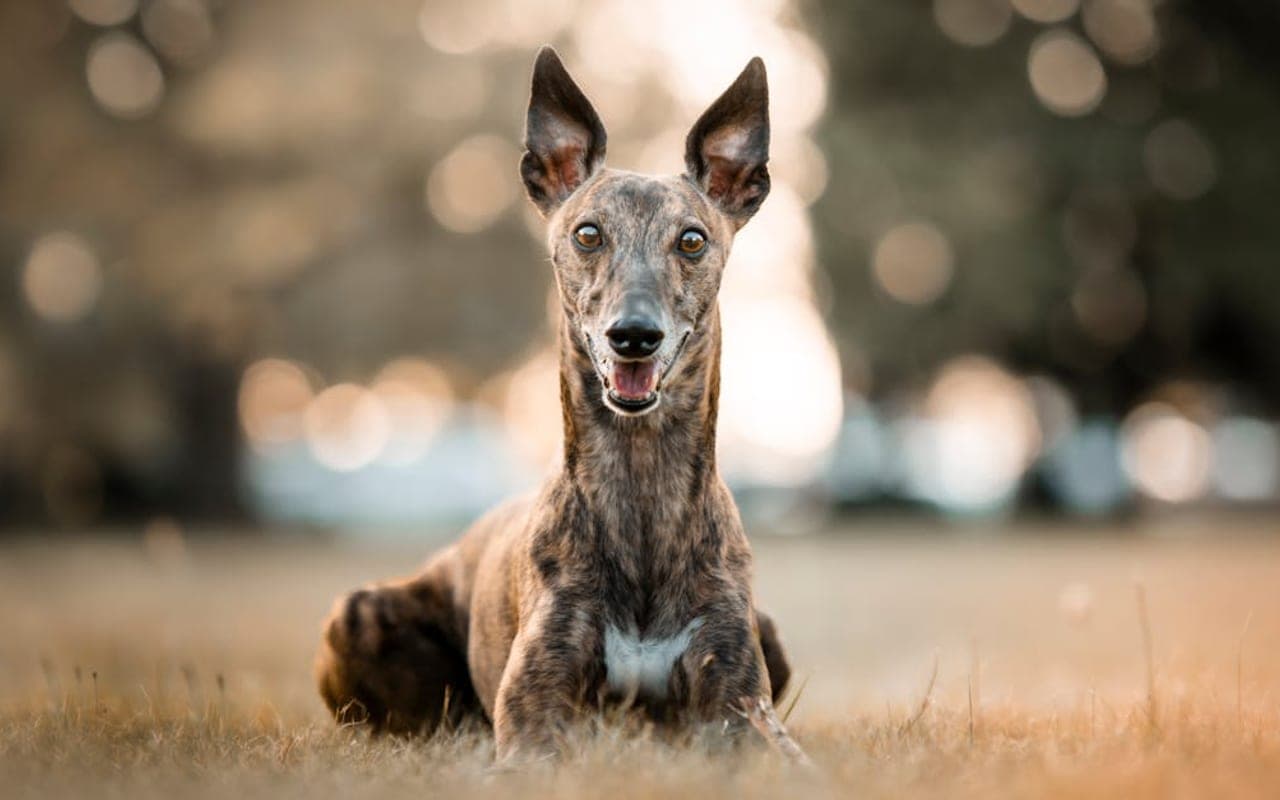
Greyhound
Also in the Hound group, with different care and temperament tradeoffs.
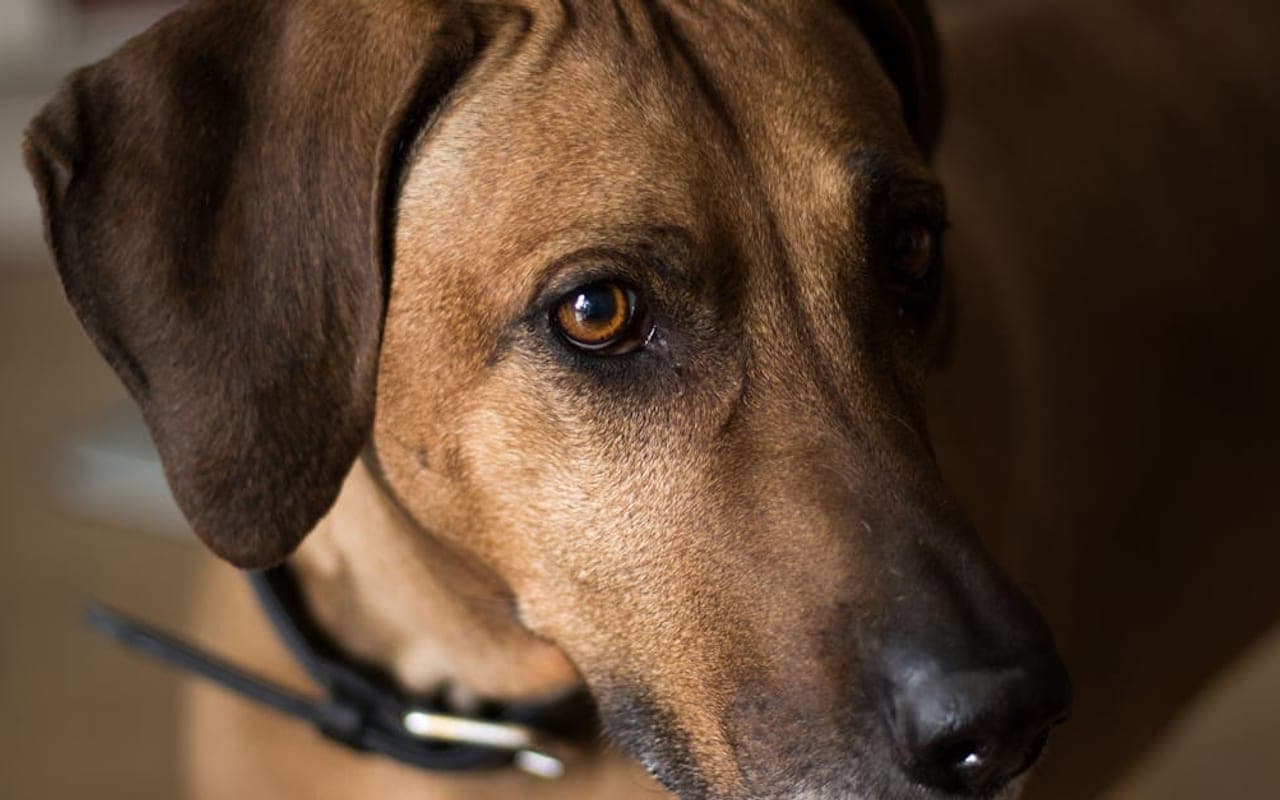
Rhodesian Ridgeback
Also in the Hound group, with different care and temperament tradeoffs.
Explore More About Dachshund
Dive deeper into everything Dachshund — costs, care, and expert insights.
How Much Does a Dachshund Cost?
Purchase price, monthly costs, and lifetime expenses
Dachshund Care Guide: Caring for the Wiener Dog
Dachshunds were bred in 17th-century Germany to hunt badgers — they had to fit inside a badger...
Considering a cat instead?
Browse Cats