
Herding group
Australian Shepherd
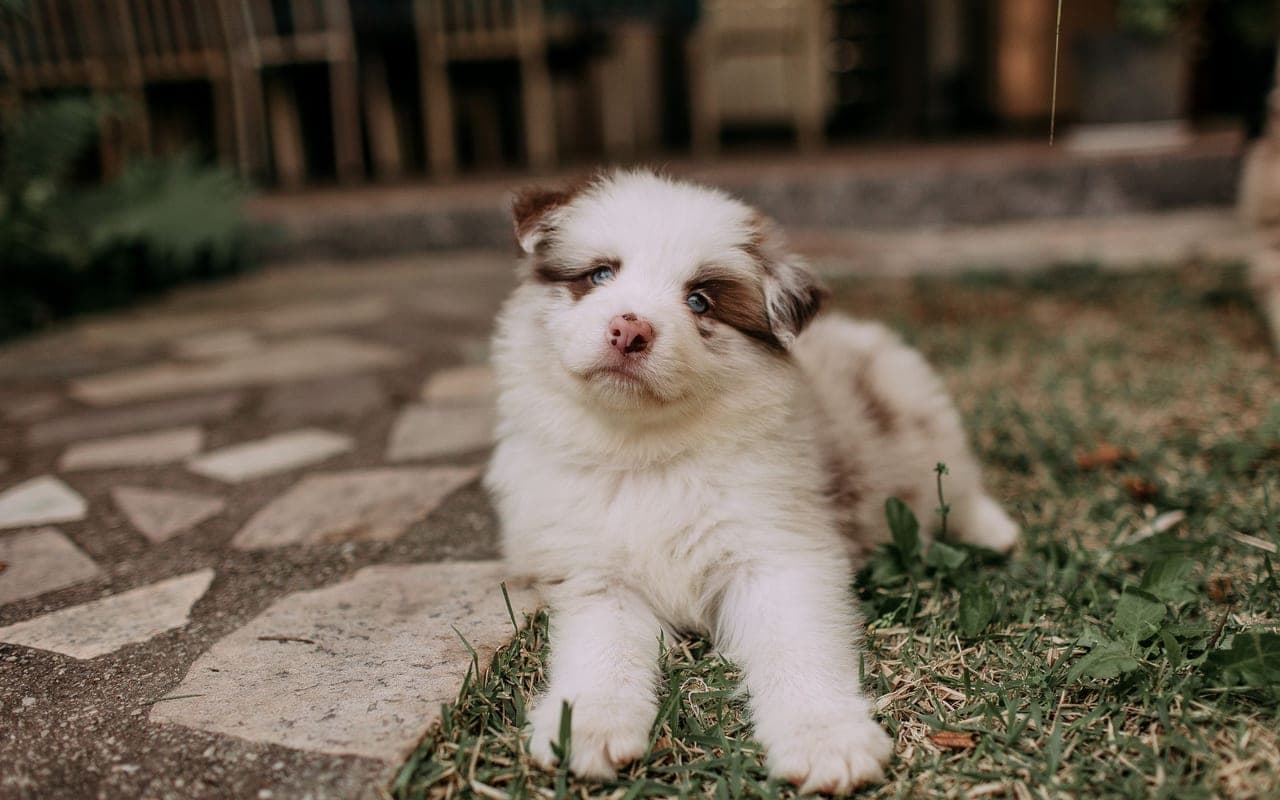
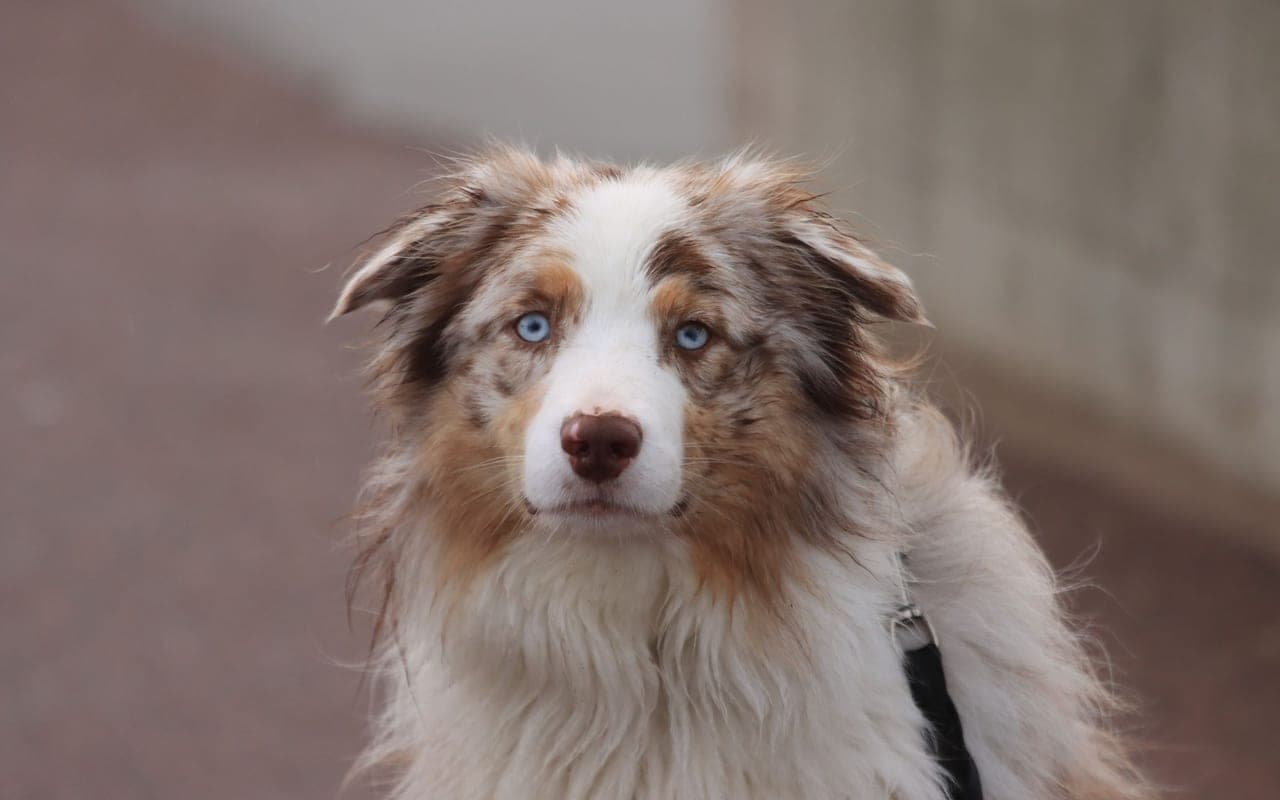
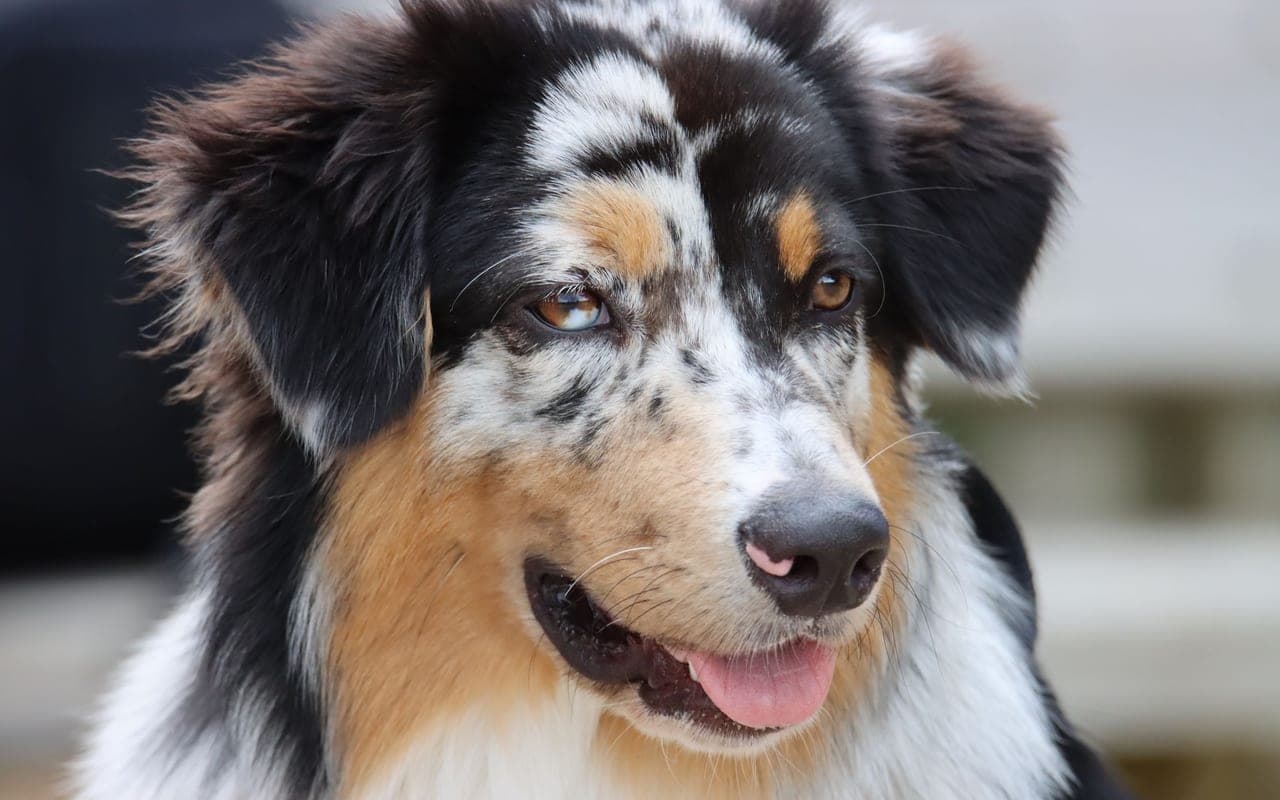
The Australian Shepherd is a 18-29 kg working herding dog with a brilliant brain, an off-the-charts work ethic, and a near-religious need for a job — and the single biggest mistake people make is buying one because it is beautiful.

Size
35-64 lb
Lifespan
12-15 years
Exercise
90+ minutes
Shedding
High
Experience
Match to owner routine
Decision first
Is a Australian Shepherd right for you?
Start with fit before history or trivia. These are ownership signals, not guarantees about any individual dog.
Best suited for
- Households with children.
- Active owners who enjoy daily outdoor exercise.
Think carefully if
- You cannot provide substantial daily exercise.
- You want a very low-shedding home.
- The dog will spend most days alone without support.
Conditional fit
Apartment living may be difficult unless the owner can meet the breed's exercise, training, and space needs.
Daily reality
Australian Shepherd commitment snapshot
Daily exercise
90+ minutes
Match activity to age, health, weather, and training goals.
Coat care
Moderate
Grooming needs vary by coat, shedding, and lifestyle.
Time alone
Needs planning
Most dogs need gradual alone-time conditioning and support.
Structured facts
Australian Shepherd at a glance
The measurements and traits that most affect day-to-day life with this breed.
Origin
United States
Group
Herding
Weight
35-64 lb
Height
18-23 in
Lifespan
12-15 years
Temperament
Smart | work-oriented | and exuberant
View all characteristics and methodology
Lifestyle fit
- Apartment suitability
- Needs caution
- Child friendliness
- Often good, with socialisation and supervision
Owner commitment
- Exercise
- 90+ minutes
- Grooming
- Moderate
- Shedding
- High
- Training
- Very high
Environment and health
- Health risk
- Needs planning
Ratings combine structured breed data, visible breed fields, and editorial context. They are planning aids, not predictions for an individual dog.
Daily life
Australian Shepherd temperament and behavior
The Australian Shepherd is a 18-29 kg working herding dog with a brilliant brain, an off-the-charts work ethic, and a near-religious need for a job — and the single biggest mistake people make is buying one because it is beautiful. The merle coat, the pale eyes, the bobbed tail and the agility-ring fame have made the 'Aussie' a fashionable family dog, and that popularity is precisely why so many end up in rescue. This is not a decorative breed. It was bred to work livestock from dawn to dusk, and a working drive that strong does not evaporate because you have a yard and good intentions. Denied real physical and mental work, an Aussie becomes hyper-vigilant, anxious, and often a problem dog — herding and nipping children, fence-running, obsessive ball-fixation, and destructive when bored. Physically the Aussie stands 46-58 cm at the shoulder, athletic and weatherproof, with a medium double coat that sheds heavily and needs genuine grooming. Lifespan is a strong 12-15 years. The temperament at its best is loyal, intensely bonded, highly trainable and confident, but with real reserve toward strangers and a strong protective and herding instinct that must be channelled, not suppressed. The defining trade-off is identical in shape to the Border Collie's and must be stated plainly: the intelligence and drive that make the Aussie a world-class sport, ranch and search dog are the same traits that make it a poor fit for a calm household. There is no low-energy version of a fulfilled Australian Shepherd. This breed is right for an owner who genuinely wants a herding, agility, ranch, hiking or canine-sport partner and will deliver 1.5-2 hours of combined physical and mental work daily for 13+ years. It is wrong for first-time owners, sedentary or nine-to-five households leaving the dog alone all day, or anyone choosing it for looks. There is also a hard medical reason to research the line before buying — see MDR1 below.
Smart | work-oriented | and exuberant
Smart
A common Australian Shepherd temperament descriptor that should be interpreted alongside training, exercise, and household fit.
work-oriented
A common Australian Shepherd temperament descriptor that should be interpreted alongside training, exercise, and household fit.
and exuberant
A common Australian Shepherd temperament descriptor that should be interpreted alongside training, exercise, and household fit.
Owner note
Temperament labels are starting points, not guarantees. Meet the individual dog and ask about behavior history whenever possible.
Care essentials
How to care for a Australian Shepherd
What looking after one actually involves: exercise, grooming, food, training, and routine health.
HealthAs needed
- Australian Shepherds are generally robust dogs with good longevity, but they're prone to several breed-specific health concerns. Eye conditions include cataracts, progressive retinal atrophy (PRA), and collie eye anomaly (CEA). The breed also has a higher-than-average incidence of the MDR1 gene mutation, which causes sensitivity to certain medications. Hip and elbow dysplasia affect some lines, making health screening of breeding stock essential. Epilepsy occurs at higher rates in Australian Shepherds than in many other breeds. The merle color gene associated with the breed's striking coat patterns can cause health issues when two merle dogs are bred together, potentially resulting in vision and hearing problems. The breed can also experience allergies and autoimmune disorders. Reputable breeders screen for these conditions to minimize risks. Regular veterinary check-ups, maintaining appropriate weight, and providing proper exercise contribute significantly to health and longevity. Despite these concerns, with proper care, many Australian Shepherds live active lives well into their teens.
ExerciseAs needed
- Australian Shepherds require substantial daily exercise to maintain physical and mental health. Plan for at least 1-2 hours of vigorous activity daily, which should include more than just walking—opportunities to run, play, and engage in mentally stimulating activities are essential. Without adequate exercise, Aussies often develop problematic behaviors stemming from boredom and pent-up energy. They excel in dog sports like agility, flyball, disc dog competitions, and herding trials, which provide both physical exertion and mental challenges. Beyond structured exercise, Aussies benefit from having a job to do, whether it's formal work or training exercises that simulate work. Young Australian Shepherds (under 18 months) should avoid excessive jumping or high-impact activities until their growth plates close. Their exercise regimen should be consistent regardless of weather; these dogs need outlets for their energy even during inclement conditions.
GroomingAs needed
- The Australian Shepherd's weather-resistant double coat requires regular maintenance to keep it in good condition. They shed moderately year-round and experience seasonal heavy shedding ("blowing coat") typically twice annually. During these shedding periods, daily brushing with an undercoat rake helps manage loose fur; otherwise, brushing 1-2 times weekly with a slicker brush and comb prevents matting. Pay special attention to areas prone to tangles: behind the ears, under the collar, and the feathering on legs and tail. Bathe only when necessary (typically every 2-3 months) to preserve natural oils. Routine care includes regular nail trimming, ear cleaning to prevent infections, and dental hygiene. The breed's coat serves an important purpose in providing protection from sunburn and insulation from both heat and cold, so shaving is not recommended. Professional grooming 3-4 times yearly can help maintain the coat's appearance and reduce shedding.
TrainingAs needed
- Few breeds match the Australian Shepherd's trainability, intelligence, and work ethic. Training should begin early with positive, consistent methods—harsh corrections are unnecessary and can damage their sensitive nature. Aussies excel in obedience, agility, herding, and service dog roles, often mastering complex commands with minimal repetition. Their intelligence means they need mentally stimulating training that progresses in complexity; basic obedience is just the beginning. Early and thorough socialization is crucial to prevent shyness or inappropriate wariness. Australian Shepherds are known for "checking in" with their handlers, making off-leash reliability better than in some other breeds when properly trained. They respond best to handlers who establish clear leadership while respecting the dog's intelligence. With proper training, Australian Shepherds develop into well-mannered companions with remarkable problem-solving abilities. Mental stimulation through training is as important as physical exercise for this breed.
NutritionAs needed
- Australian Shepherds thrive on high-quality dog food appropriate for their age, size, and activity level. Active working or sporting Aussies may require performance dog formulas with higher protein and fat content to maintain energy levels and muscle condition. Portion control is important, as these high-energy dogs can sometimes be fed too much in anticipation of their exercise needs; adjust quantities based on actual activity level, metabolism, and body condition. Adult Aussies typically need 1.5-2.5 cups of quality dry food daily, divided into two meals. The breed can be prone to food allergies, with some individuals requiring specialized diets. As with all breeds, clean, fresh water should be available at all times. Treats used for training should be factored into daily caloric intake to prevent weight gain. Obesity can exacerbate joint issues sometimes seen in the breed, so maintaining appropriate weight is important.
Health planning
Australian Shepherd health risks and screening
Every breed has individual health variation. Use this profile for planning and discuss medical decisions with a veterinarian.
Ownership cost
How much does a Australian Shepherd cost?
Cost figures are structured so first-year and lifetime estimates do not conflict with the underlying line items.
| Acquisition | $800-$2,500 |
|---|---|
| Routine monthly | About $120/month |
| Routine annual | About $1,440/year |
| First-year estimate | $2,240-$3,940 |
| Lifetime routine estimate | $17,280-$21,600 routine costs |
Currency: USD. Region: United States. Typical ranges for this breed. Equipment, insurance, emergency veterinary care, boarding and training are NOT included: we hold no sourced figures for them, and estimating them would be a guess presented as data.
Responsible ownership
Finding a Australian Shepherd responsibly
What to ask a breeder or rescue is the same conversation for every breed, so we keep it in one place and keep it current.
Health documentation, meeting the parents or foster, contracts and return support, and the warning signs worth walking away from.
Original purpose
Australian Shepherd history
History is useful when it explains today's behavior, coat, exercise needs, and training style.
Read the breed history
Despite its name, the Australian Shepherd was developed primarily in the western United States, not Australia. The breed traces to herding dogs that arrived with Basque shepherds and their flocks, some of whom came by way of Australia — hence the misleading name. American ranchers and, later, the rodeo and Western-riding world refined the dog for stamina, biddability and versatility in working cattle and sheep across the open ranches and high country of the American West through the 19th and 20th centuries. The breed's modern popularity was boosted by post-war rodeos, horse shows and televised demonstrations. The Australian Shepherd Club of America formed in 1957, and the American Kennel Club granted full recognition in 1993. Throughout, selection prioritized working ability, intelligence and trainability — which is exactly why the modern Aussie still carries a working dog's drive even when bought as a pet.
Gallery
Australian Shepherd photos
Images are cropped consistently and loaded progressively to keep the page responsive.

Lower-page context
Australian Shepherds in culture
Where the breed shows up in film, sport, work and folklore — the enjoyable part, once the practical questions are answered.
Movies and TV
- Famous 5 on the Case (2008)
An animated series featuring Timmy's dog, who was portrayed as an Australian Shepherd.
- The Lucky One (2012)
A film based on Nicholas Sparks' novel featuring an Australian Shepherd as the companion to Zac Efron's character.
Fun facts
- Australian Shepherds often have heterochromia (different colored eyes), with combinations including blue, brown, amber, or even split coloring within a single eye.
- Despite their name, Australian Shepherds were developed in the western United States, not Australia.
- About 20% of Australian Shepherds are born with naturally bobbed tails, a genetic trait that has been selected for in the breed.
- The breed gained popularity during the Western riding boom that followed World War II, often performing in rodeos with trick performances.
- Australian Shepherds come in four recognized colors: black, red (liver), blue merle, and red merle, always with or without white markings and/or tan points.
Australian Shepherd FAQs
Is an Australian Shepherd a good family or first-time dog?
Usually not as a default. The Aussie needs 90-120 minutes of physical and mental work daily for 12-15 years, and an under-worked one becomes anxious, hyper-vigilant and prone to herding and nipping children. They can be superb family dogs in active, experienced households doing sport, hiking or ranch work, but they are one of the most over-bought-for-looks breeds and a frequent rescue surrender for first-time, sedentary, or nine-to-five owners.
Why does the MDR1 gene matter so much for Australian Shepherds?
Australian Shepherds have a high frequency of the MDR1 mutation, which lets common drugs cross into the brain and cause severe or fatal neurotoxicity at normal doses — including ivermectin wormers, the anti-diarrheal loperamide, and some sedatives and chemo drugs. A roughly $50 DNA cheek swab establishes the dog's status for life. Knowing it before any vet treatment can prevent a $2,000+ emergency or a dead dog, making it the single highest-value test you will run for this breed.
What is the problem with two merle Australian Shepherds being bred together?
Breeding two merle-coated dogs produces a statistical share of 'double merle' puppies that are often congenitally deaf, blind, or both, due to the merle gene's effect on pigment cells in the eye and inner ear. This is entirely preventable through responsible colour pairing. Practically, it means you should ask any breeder directly about the colours of both parents and avoid anyone pairing merle to merle — beautiful coat colour is not worth a disabled puppy.
How much exercise and grooming does an Australian Shepherd need?
Plan on 90-120 minutes of combined physical and mental work every day for the full 12-15 year lifespan — and the mental work (training, herding, scentwork, agility) is not optional, because physical exercise alone leaves the mind restless. Grooming is moderate-to-high: brush the double coat 2-3 times weekly and daily during the heavy seasonal shed weeks. This is a substantial shedder, not a low-maintenance breed.
How long do Australian Shepherds live and what should I budget for?
Australian Shepherds typically live 12-15 years, so this is a 13-year-plus commitment. Routine annual costs are modest, but budget for genetic risk: hip dysplasia management, lifelong epilepsy medication, or cataract surgery can each add hundreds to thousands. The best cost-control move is buying from parents DNA-tested for MDR1 and CEA and hip-screened — prevention and informed selection here are far cheaper than treating an avoidable inherited problem.
Sources
These are the published sources this page draws on. Each opens in a new tab so you can check it yourself.
American Kennel Club
Australian Shepherd — breed standard and profile(opens in a new tab)Supports: Breed standard and recognition details.
Similar breeds to consider
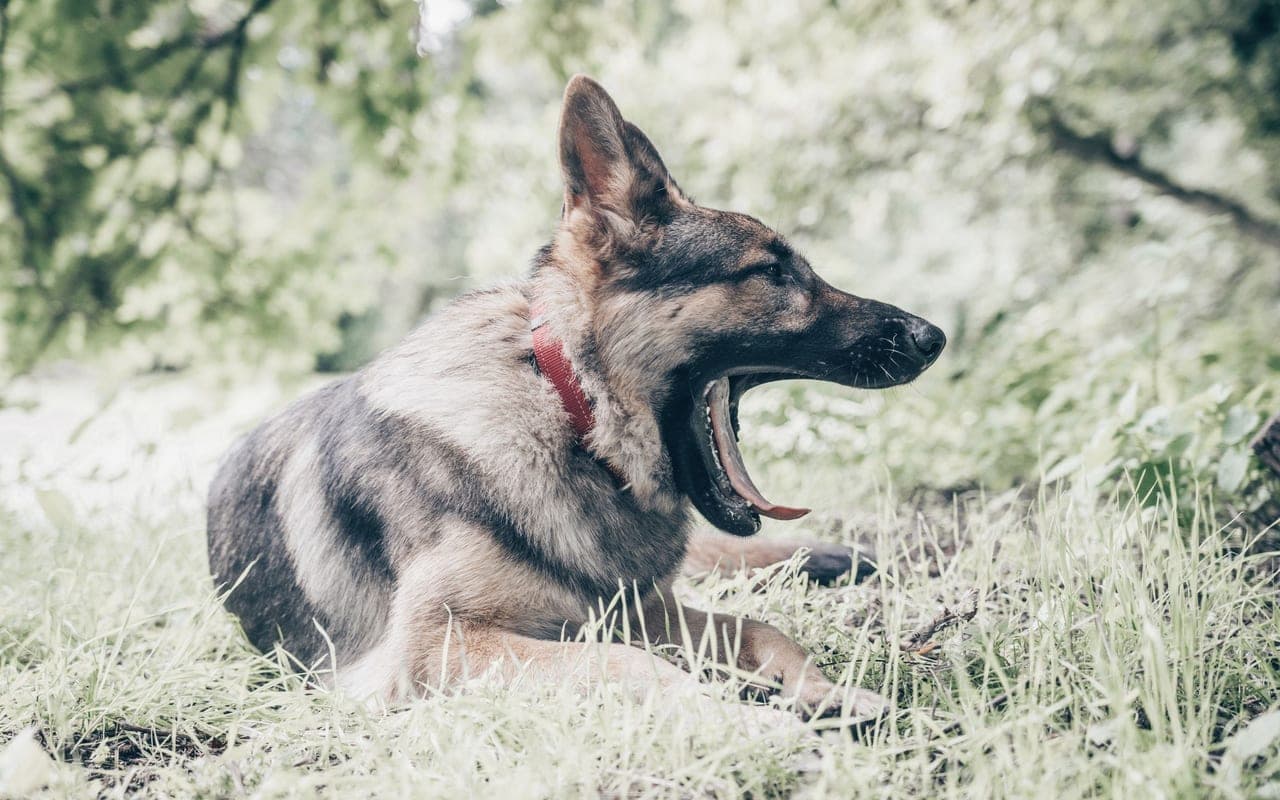
German Shepherd
Also in the Herding group, with different care and temperament tradeoffs.
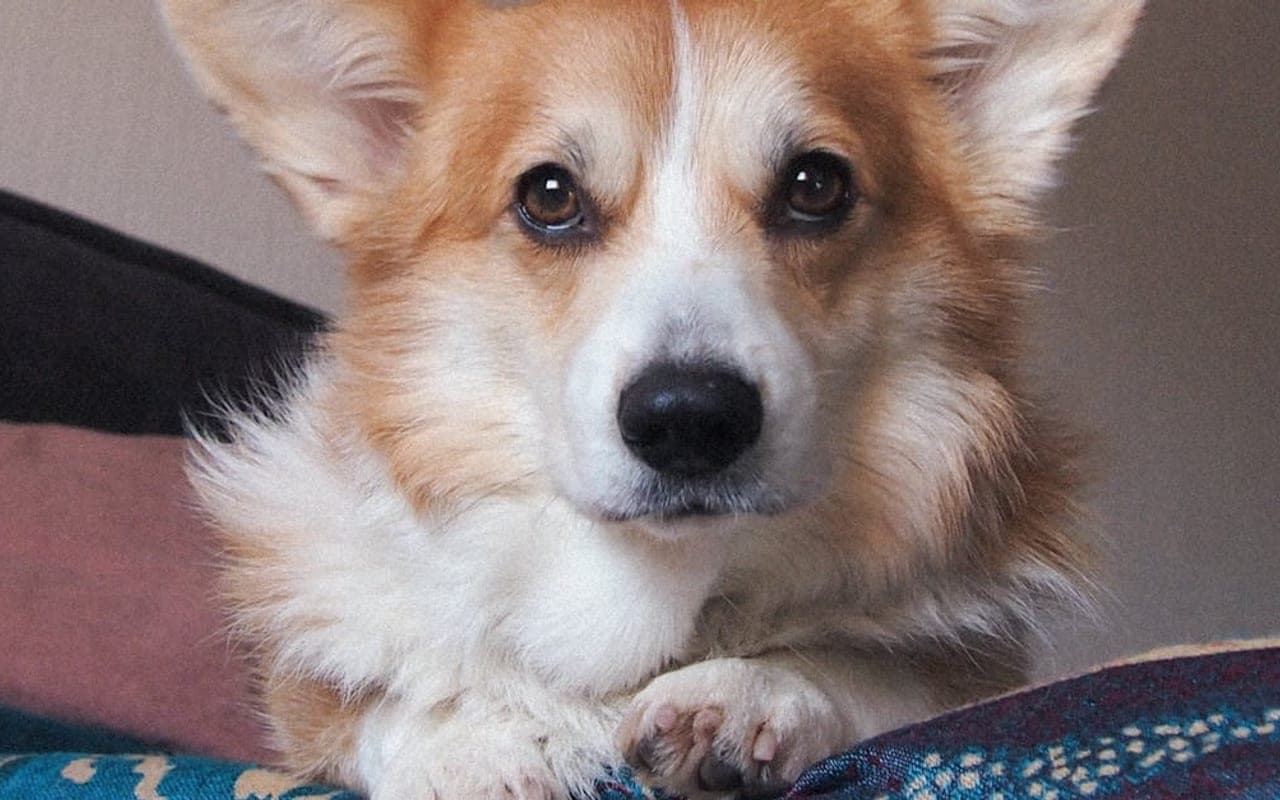
Pembroke Welsh Corgi
Also in the Herding group, with different care and temperament tradeoffs.
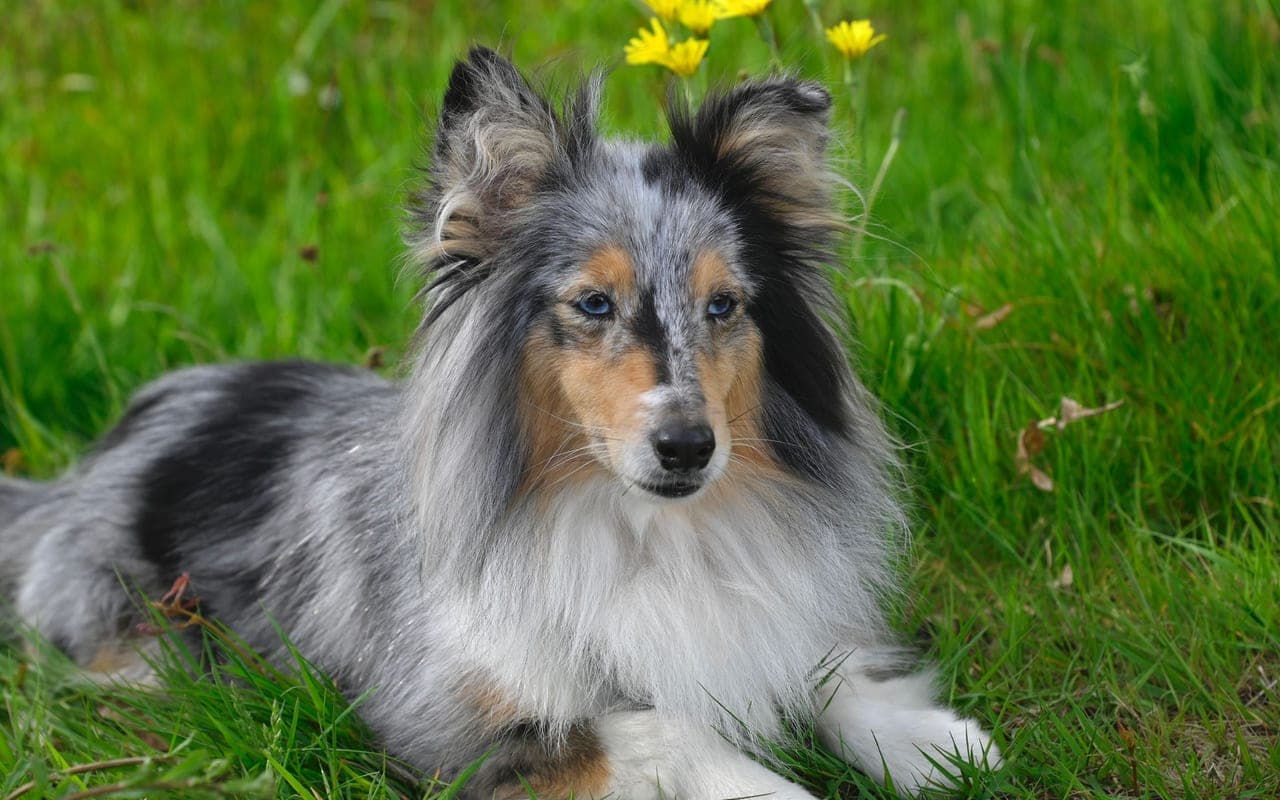
Shetland Sheepdog
Also in the Herding group, with different care and temperament tradeoffs.
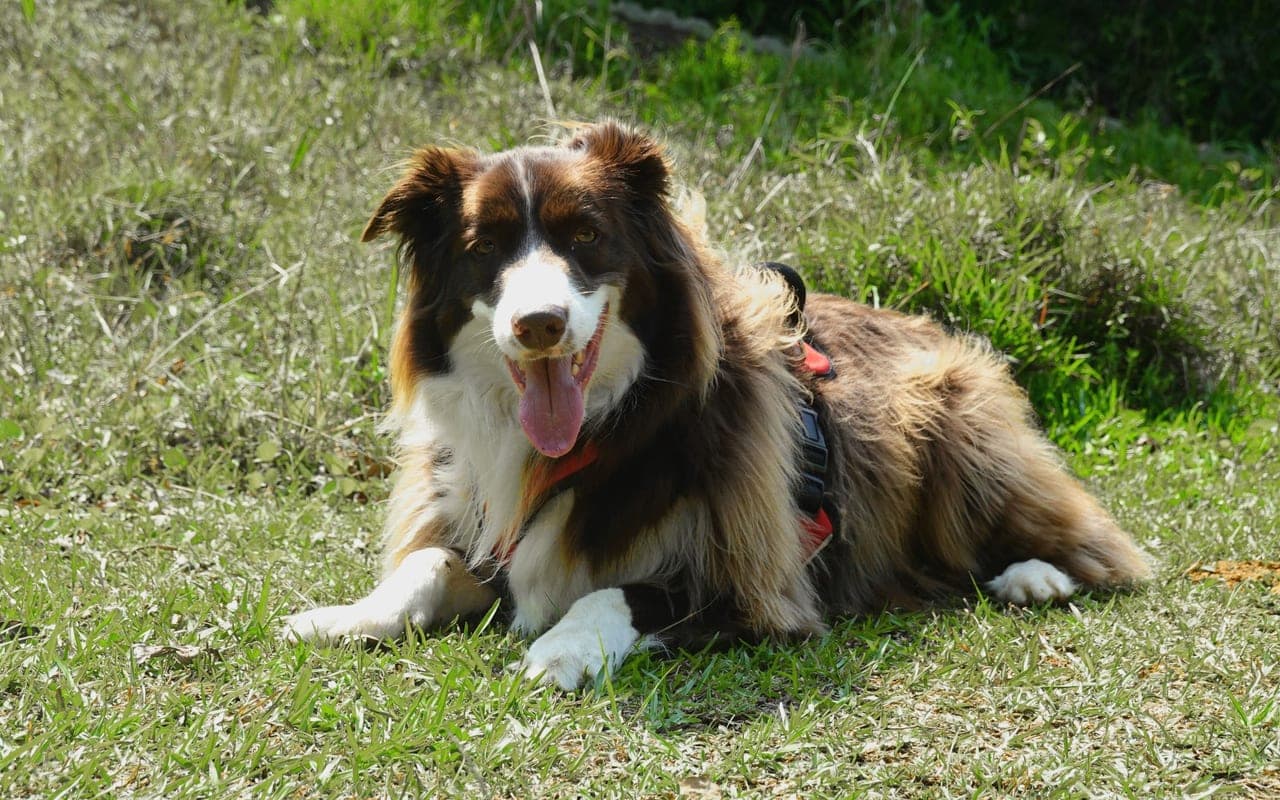
Border Collie
Also in the Herding group, with different care and temperament tradeoffs.
Explore More About Australian Shepherd
Dive deeper into everything Australian Shepherd — costs, care, and expert insights.
How Much Does a Australian Shepherd Cost?
Purchase price, monthly costs, and lifetime expenses
Australian Shepherd Care Guide
Despite the name, the Australian Shepherd was not developed in...
Is a Dog DNA Test Worth It? Embark, Wisdom Panel, and Rescue Dogs
Dog DNA tests can help mixed-breed and rescue-dog owners understand breed mix, traits, size clues,...
Dog Park Etiquette: 12 Rules Every Owner Should Follow
Dog parks are only fun when everyone follows the rules. 12 essential etiquette guidelines for safe,...
Can Dogs Eat Watermelon? Summer Treat Safety Guide
Watermelon is a safe, hydrating summer treat for dogs — just remove the seeds and rind first. Learn...
Considering a cat instead?
Browse Cats