
Australian Shepherd Care Guide
Australian Shepherd Overview Despite the name, the Australian Shepherd was not developed in Australia. The breed was refined in the American West in the late 19th and early 20th centuries, where they
Reading Time
📖 18 min read
Guide Type
🐾 Breed-Specific
Last Updated
📅 Sep 9, 2026
In This Guide
Overview
Australian Shepherd Overview
Despite the name, the Australian Shepherd was not developed in Australia. The breed was refined in the American West in the late 19th and early 20th centuries, where they became indispensable herding dogs for Western ranchers and Basque shepherds. The "Australian" designation likely derives from the association of these dogs with Australian sheep that were imported into the United States during the 1800s — the dogs came with the sheep and the name stuck, despite the breed being distinctly American in development. Today, the Australian Shepherd is one of the most popular breeds in the United States, beloved for their intelligence, athleticism, and stunning appearance.
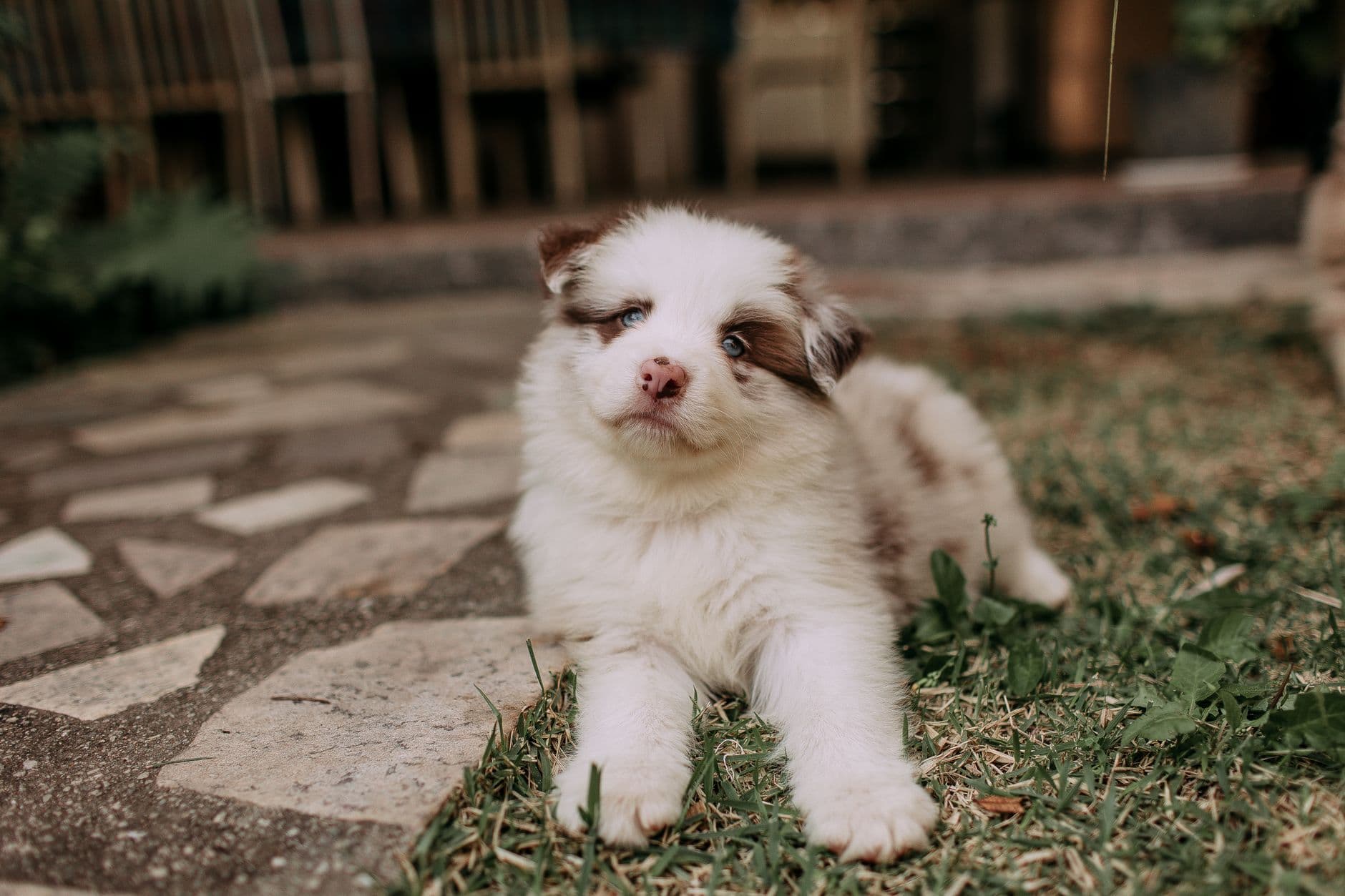
The Australian Shepherd is a medium-sized dog, typically weighing 40-65 pounds and standing 18-23 inches at the shoulder. They come in four accepted base colors — black, blue merle, red, and red merle — each with variable amounts of white and copper trim. The merle pattern creates a marbled, mottled effect in the coat that is one of the most visually striking in the dog world. The eyes can be brown, blue or amber, or any combination of those — the AKC and Royal Kennel Club standards list no green — heterochromia (two different-colored eyes) and split eyes (two colors within a single eye) are common and normal in this breed. The tail is naturally bobbed in some individuals — a genetic variant that has been present in the breed for generations and is not a defect.
Temperamentally, the Australian Shepherd is defined by two traits above all else: extreme energy and extreme intelligence. These are not hyperbolic descriptions — the Australian Shepherd is among the highest-energy, most demanding breeds available, and prospective owners must understand this before committing. This is a dog that was bred to work 8-12 hours per day herding sheep in rugged terrain. That drive does not disappear in a domestic setting; it redirects — sometimes productively, sometimes destructively.
Intelligence in Australian Shepherds is a double-edged trait. They learn commands with remarkable speed and can be trained to a level of precision that astonishes people accustomed to less capable breeds. They also apply that intelligence to every aspect of their environment — including figuring out how to escape enclosures, open doors and gates, manipulate household routines, and find entertainment when bored. A bored Australian Shepherd does not quietly sleep; it redecorates.
The herding instinct runs deep and manifests in ways that catch owners off guard. Australian Shepherds that have never herded sheep may "herd" children, other pets, cyclists, joggers, and moving vehicles — using eye contact, stalking behavior, and nipping at heels to move their "flock". This behavior requires active management and training, particularly in households with young children.
Socially, well-socialized Australian Shepherds are affectionate, loyal, and playful with their family. They can be reserved with strangers — watchful rather than aggressive — and early socialization is essential to prevent this reserve from developing into shyness or defensive reactivity. They are typically good with other dogs and can co-exist with cats, particularly when raised together.
The Australian Shepherd is emphatically not an apartment dog. They require space to run, a fenced yard for safe off-leash exercise, and an owner who is genuinely active. They excel as hiking partners, running companions, agility dogs, search and rescue dogs, therapy dogs, and cattle herders. For the active owner who can meet their needs, the Australian Shepherd is one of the most rewarding and capable dogs available. For the owner seeking a low-maintenance companion, this breed is a poor match that typically ends in a shelter surrender.
Explore the breed further at /dogs/australian-shepherd and test your knowledge with our dog breed quiz.
Daily Care
Daily Care for Australian Shepherds
Caring for an Australian Shepherd is a substantial daily commitment. This is not a dog that maintains itself — it needs active engagement, physical exercise, mental stimulation, and consistent training every single day.
Morning Exercise (Non-Negotiable)
Begin every day with vigorous exercise. For Australian Shepherds, a casual 20-minute walk is insufficient. A meaningful morning session includes 45-60 minutes of vigorous activity: off-leash running in a secure area, a long hike, a fetch or disc session, or a swim. Australian Shepherds that do not receive adequate morning exercise are more difficult to manage throughout the day — they carry the unspent energy into every interaction.
Training (Daily, Integrated Into Routine)
Australian Shepherds need structured training engagement every day, not just during dedicated sessions. Incorporate commands, impulse control exercises, and new learning into daily routines. Use breakfast and dinner as training rewards. Ask for a sit before every door crossing, a down-stay during meal preparation, a recall before releasing from the yard. This integration keeps the mind engaged without requiring hours of formal training sessions.
Managing the Herding Instinct
If children or other pets are present, proactively manage herding behavior. Teach "leave it" and redirect to appropriate outlets (fetch, tug, puzzle toys) when the dog begins stalking or nipping. Never allow nipping at children or joggers to become established behavior — it escalates. Enrolled obedience classes and herding lessons (which provide an appropriate outlet for the instinct) are both worth pursuing.
Mental Enrichment
Rotate puzzle feeders, Kong toys, sniff mats, and nose-work games throughout the week. Australian Shepherds deprived of mental stimulation develop anxiety, compulsive behaviors (pacing, spinning, flank-biting), and destructive habits.
Evening
A second exercise session (30-45 minutes) followed by calm downtime. Australian Shepherds can settle beautifully in the evening when their needs are met. Unsettled, anxious evening behavior is almost always a sign of insufficient daytime activity.
What to Check Daily
- Coat for debris, burrs, or tangles after outdoor activity
- Paws for cuts, foxtails, or irritation after trail exercise
- Eyes for any discharge or cloudiness (given CEA risk)
- Mental/behavioral status: has the dog received sufficient exercise and engagement today?
Nutrition
Australian Shepherd Nutrition Guide
Australian Shepherds are athletic, active dogs with higher caloric requirements than sedentary breeds of similar size. Nutrition should fuel their activity level and support their joint, eye, and coat health.
Caloric Needs
Activity level significantly determines caloric requirements for this breed:
- Lightly active adult (40-65 lbs): 1,200-1,500 calories/day
- Moderately active adult: 1,500-1,900 calories/day
- Highly active (working dog, agility competitor): 2,000-2,500 calories/day
Use body condition scoring monthly rather than relying on weight alone. Australian Shepherds in hard work can look lean — visible ribs from above with muscle mass is appropriate; visible ribs from a distance without muscle is underweight.
Feeding Schedule
- Puppies (under 4 months): 3-4 meals per day
- Puppies (4-6 months): 3 meals per day
- Puppies (6-12 months): 2-3 meals per day
- Adults: 2 meals per day
Divide meals for active dogs to support sustained energy throughout the day. Avoid heavy feeding immediately before or after intense exercise.
Food Selection
Choose a high-quality formula with a named animal protein as the first ingredient. Medium or large-breed formulas are appropriate for Standards. Active or working formulas (higher protein and fat) are beneficial for dogs in regular strenuous activity.
Eye Health and Nutrition
Given the breed's predisposition to eye conditions (CEA, PRA), antioxidant-rich diets with lutein and zeaxanthin (found in some premium kibbles or supplemented through vegetables like blueberries and leafy greens) may support retinal health, though evidence in dogs is still developing.
MDR1 Drug Sensitivity and Supplements
Ivermectin is a veterinary medicine, not a supplement, and Washington State University's veterinary pharmacology lab notes the FDA determined heartworm preventives containing it are safe for MDR1 dogs at label doses. The everyday product that matters is loperamide, the over-the-counter anti-diarrhoeal: WSU states it will cause neurological toxicity in dogs with the MDR1 mutation and should be avoided in all of them. Tell any vet or pharmacist that your dog is MDR1-affected before accepting any medication. Always check the MDR1 safety database before introducing any new supplement or medication.
Foods to Avoid
Grapes, raisins, chocolate, onions, garlic, xylitol, macadamia nuts, alcohol. For active dogs, avoid low-quality high-filler kibbles that fail to meet the caloric and nutrient density demands of the breed.
Exercise
Australian Shepherd Exercise Requirements
The Australian Shepherd requires more exercise than almost any other breed commonly kept as a pet. This is the most important fact a prospective owner must internalize before acquiring one. Two hours per day is the minimum for a typical pet-home Australian Shepherd — and working dogs may need significantly more.
Daily Minimum: 2 Hours of Active Exercise
This means genuine physical activity, not walks. While leash walks count toward total time, the Australian Shepherd needs sustained aerobic exercise: running, fetch, disc work, swimming, hiking, or equivalent. Off-leash time in a securely fenced area (a six-foot fence is minimum — Australian Shepherds are excellent climbers and can scale shorter fences) is essential.
Australian Shepherds are exceptional canine athletes capable of running for hours. A 20-minute fetch session is a warm-up, not a workout.
Best Exercise Activities
- Agility (one of the top-performing breeds in AKC agility trials)
- Frisbee and disc sports
- Fetch at a run over varied terrain
- Trail hiking and backpacking (they are exceptional trail partners)
- Swimming
- Herding lessons (provides the most psychologically satisfying outlet for their instinct)
- Flyball
- Dock diving
- Canicross and bikejoring (running or cycling alongside their owner)
Exercise and the Herding Instinct
Herding and sporting activities are not just physical exercise for Australian Shepherds — they engage the breed's psychological need for purposeful work. A dog that runs 2 miles on a leash and a dog that herds sheep for 2 miles are both physically tired, but only the second is mentally satisfied. Wherever possible, provide activities that involve problem-solving, directional commands, and goal-oriented movement.
Apartment Living: Do Not Do It
This cannot be stated more clearly. Australian Shepherds in apartments without adequate outdoor exercise develop anxiety, destructive behavior, compulsive behaviors, and reactive aggression. They are not suitable apartment dogs regardless of owner intent. A house with a large, secure yard is the minimum appropriate environment.
Puppy Exercise Caution
Growth plates in large breed puppies close around 12-18 months. Avoid sustained high-impact exercise (long runs, extended jumping in agility) until growth is complete to prevent joint damage. Structured play and moderate exercise are appropriate; forced sustained running is not until physical maturity.
See /care-guides for comparisons with other high-energy working breeds.
Grooming
Australian Shepherd Grooming Guide
The Australian Shepherd has a medium-length double coat — a weather-resistant outer coat with a dense, insulating undercoat — that requires regular maintenance, particularly during the two annual heavy shedding seasons.
Brushing (2-3 Times Per Week, Daily During Shedding Season)
Use a slicker brush to work through the outer coat, followed by an undercoat rake or de-shedding tool to pull loose undercoat. During the two annual blowouts (spring and fall), daily brushing is necessary to manage the volume of undercoat being shed — without it, the shed coat tangles into mats and creates a significant housekeeping burden.
Focus brushing attention on the feathering behind the ears, the "pants" (long hair on the hindquarters), the underside of the tail, and the backs of the front legs — these areas mat most quickly.
Never shave an Australian Shepherd's double coat. The double coat provides insulation against both cold and heat, and shaving disrupts the normal regrowth pattern, permanently alters coat texture, and does not actually reduce shedding meaningfully. This is a common and damaging grooming misconception.
Bathing (Every 6-8 Weeks or as Needed)
Australian Shepherds that spend significant time outdoors may need bathing more frequently during muddy seasons. Use a dog-specific shampoo and conditioner, and blow-dry thoroughly after bathing — a partially dried double coat is prone to matting. Brush thoroughly before bathing to remove loose coat and any existing tangles.
Trimming
Australian Shepherds are a "natural" breed — they do not require clip styling for breed standard. Trimming is limited to: neatening the feet (removing hair growing between the pads), tidying the edges of the ears, and optionally trimming the "pants" if they are particularly heavy and collecting debris.
Ear Cleaning (Every 2-3 Weeks)
Check ears regularly for odor, redness, or discharge. Australian Shepherds that swim frequently need more regular ear checking and cleaning. Use a veterinarian-approved ear cleaning solution.
Nail Trimming (Every 3-4 Weeks)
Active dogs that exercise regularly on pavement may need less frequent trimming as the nails wear down naturally. Trail dogs and yard dogs may need trimming every 3 weeks.
Dental Care
Brush teeth 3-5 times per week. Provide appropriate dental chews. Plan for annual professional dental cleanings.
Health
Australian Shepherd Health Guide
The Australian Shepherd is a generally healthy breed with a lifespan of 12-15 years, but carries several significant inherited health conditions that all owners — and particularly prospective buyers — must understand.
MDR1 Gene Mutation (Multi-Drug Resistance 1)
This is one of the most critical health facts for Australian Shepherd owners. Approximately 50% of Australian Shepherds carry at least one copy of the MDR1 (ABCB1) gene mutation, and homozygous dogs (two copies) are severely sensitive to several common veterinary drugs including ivermectin (found in some parasite preventatives), certain chemotherapy agents, and several other medications. In MDR1-affected dogs, these drugs cross the blood-brain barrier at toxic levels, causing neurological toxicity, coma, and potentially death at doses that are perfectly safe in normal dogs.
Every Australian Shepherd owner should know their dog's MDR1 status. DNA testing is inexpensive and widely available. Alert every veterinarian treating your dog. The Washington State University MDR1 drug list is the definitive reference for safe and unsafe medications — your vet should have access to this resource.
Collie Eye Anomaly (CEA)
CEA is a group of heritable eye defects affecting the choroid and retina. Severity ranges from minor (mild choroidal hypoplasia with no functional impact) to serious (colobomas, retinal detachment, blindness). CEA is diagnosed by a veterinary ophthalmologist — puppies should be evaluated by 8 weeks before pigmentation develops and obscures lesions. DNA testing is available for breeding dogs. Mildly affected dogs can live normal lives; severely affected dogs require careful management.
Progressive Retinal Atrophy (PRA)
Genetic degeneration of the retina progresses over months to years and results in complete blindness. DNA testing exists for the forms most prevalent in Australian Shepherds. Reputable breeders test breeding stock. There is no treatment, but affected dogs adapt well to blindness in familiar environments.
Double Merle Risks (Blindness and Deafness)
Merle coloring in Australian Shepherds is determined by a dominant gene. When two merle-patterned dogs are bred together, 25% of the offspring inherit two copies of the merle gene — called double merles. Double merles are predominantly white, and the lack of pigmentation in the eye and inner ear causes blindness, deafness, or both, in combination, in the majority of double merle puppies. Responsible Australian Shepherd breeding never pairs merle with merle. Any breeder doing so should be avoided.
Hip Dysplasia
Malformation of the hip joint affects Australian Shepherds at elevated rates given their athletic build and workload. OFA screening of breeding stock is standard in responsible breeding programs. Signs include difficulty rising, a swaying gait, and exercise reluctance. Management ranges from weight control and physical therapy to total hip replacement in severe cases.
Epilepsy
Idiopathic epilepsy (seizures with no identifiable structural cause) has higher prevalence in Australian Shepherds than in many other breeds. Be cautious of the reassurance that medication controls this in most cases. A study of 50 epileptic Australian Shepherds found poor seizure control in 56% of them, with cluster seizures and status epilepticus prevailing, and that this was unrelated to MDR1 genotype. The commitment is lifelong and the outcome is not guaranteed, so discuss realistic expectations with a neurologist early. Dogs with known epilepsy should not be bred.
Veterinary Schedule
- Puppies: core vaccines every 3-4 weeks until 16 weeks; ophthalmology exam by 8 weeks
- All dogs: MDR1 DNA test before first parasite prevention prescription
- Adults: annual wellness exam with hip and eye evaluation
- Adults 7+: biannual exams; discuss joint assessment
Costs
Australian Shepherd Cost Guide
Australian Shepherds are a moderate-to-high cost breed to own, driven primarily by their activity requirements (which necessitate investment in training, sports, and enrichment) and potential medical costs related to breed-specific conditions.
Acquisition Cost
- Reputable breeder (health-tested, MDR1 tested, CEA tested): $800-$2,000
- Working ranch lines: $500-$1,200
- Australian Shepherd rescue: $150-$500 — highly recommended for experienced owners seeking adult dogs
Avoid breeders who cannot provide MDR1 and CEA documentation for the parents. The cost of purchasing a puppy from untested lines may be lower upfront but dramatically higher in medical costs and heartbreak.
One-Time Setup Costs
- Spay/neuter: $200-$500
- Initial vet exam, vaccines, MDR1 DNA test: $250-$500
- Six-foot secure fencing (if not already installed): $1,500-$5,000+ (critical)
- Quality training tools (long line, harness, treat pouch): $75-$150
- Agility starter equipment or enrichment supplies: $100-$300
- Crate, bed, bowls, leash, collar: $150-$300
- Total setup: $2,275 - $6,750 (fencing highly variable)
Monthly Operating Costs
- Premium food (active adult, 40-65 lbs): $70-$110/month
- Parasite prevention (MDR1-safe products): $25-$45/month
- Training classes or dog sport fees: $50-$150/month
- Grooming supplies, de-shedding tools: $10-$20/month
- Enrichment toys (puzzle feeders, chews): $20-$40/month
- Monthly total: $175 - $365
Annual Veterinary Costs
- Annual wellness exam with hip and eye evaluation: $250-$500
- Core vaccines: $100-$200
- Dental cleaning (every 1-2 years): $300-$700
- Annual vet total: $650 - $1,400
Potential Major Medical Expenses
- MDR1 drug toxicity treatment (emergency): $1,000-$5,000
- Hip dysplasia surgery (TPO or THR): $3,000-$8,000 per hip
- Epilepsy management (lifetime medication): $50-$200/month
- Eye surgery (CEA complications): $1,000-$4,000
Total Annual Budget Range
- Healthy active adult: $3,500-$6,500
- Year with significant medical event: $5,000-$12,000+
Pet insurance is strongly recommended, particularly coverage that includes hereditary and congenital conditions. Compare plans before your puppy's first vet appointment — most policies exclude pre-existing conditions. Browse related active breed guides at /care-guides.
Frequently Asked Questions
My Australian Shepherd tested positive for MDR1. Which everyday medicines actually matter?
Washington State University, the reference laboratory for MDR1 testing, singles out loperamide, the active ingredient in common over-the-counter anti-diarrheal tablets, as one to avoid in every MDR1 dog because the doses used for diarrhea cause neurological toxicity. The same list notes the FDA determined monthly ivermectin heartworm prevention safe at label doses. Have your vet check that list before any prescription, and never treat your dog from your own medicine cabinet.
A breeder is advertising a mostly white, rare-colored Australian Shepherd puppy. Should I be worried?
Treat it as a reason to walk away. Britain's Royal Kennel Club refuses to register any litter produced by a merle-to-merle mating, because puppies inheriting two copies of the merle variant face raised risk of eye and ear problems causing blindness, deafness or both. The American Kennel Club standard separately disqualifies white body splashes and requires the eyes to be fully surrounded by color and pigment. Ask to see both parents and their colors before you commit.
When does the puppy eye examination need to happen, and whose responsibility is it?
The breeder's, and it happens before you ever collect the puppy. VCA Animal Hospitals notes that screening for Collie eye anomaly is carried out by a veterinary ophthalmologist between six and eight weeks of age, a window that closes while the litter is still at the breeder's home. Ask for the ophthalmologist report naming your individual puppy rather than a general claim about the bloodline, and treat its absence as an incomplete sale.
If my Aussie develops epilepsy, will medication bring it under control?
Often less well than owners expect. A Journal of Veterinary Internal Medicine study following fifty affected Australian Shepherds found poor seizure control in 56 percent of them, with cluster seizures and status epilepticus featuring prominently, and reported that this poor control was unrelated to the dog's MDR1 genotype. Cornell places typical onset between six months and six years. Plan for a condition that may never fully resolve, and agree with your vet in advance what to do when seizures arrive in clusters.
Does keeping an Aussie puppy lean really change its hip dysplasia risk?
More than most owners realize. VCA Animal Hospitals reports research in which roughly a third of puppies fed measured meals went on to develop hip dysplasia, against two-thirds of those allowed to overeat, and describes overweight puppies as almost twice as likely to develop the disease. For a breed already built to work hard on its joints, feeding to a visible waist instead of leaving food down is one of the few hip risks genuinely within your control.
Sources
This guide draws on the following published references. Each opens in a new tab so you can check it against what you have read here.
American Kennel Club
Australian Shepherd — breed standard and profile(opens in a new tab)Royal Kennel Club
What is merle? Registering your puppies with the Royal Kennel Club(opens in a new tab)American Kennel Club
Official Standard of the Australian Shepherd (PDF)(opens in a new tab)Royal Kennel Club
Australian Shepherd Breed Standard(opens in a new tab)ASPCA
General Dog Care(opens in a new tab)VCA Animal Hospitals
Hip Dysplasia in Dogs(opens in a new tab)Cornell University College of Veterinary Medicine, Riney Canine Health Center
Idiopathic epilepsy in dogs(opens in a new tab)Washington State University Program in Individualized Medicine
Dog breeds commonly affected by MDR1 mutation(opens in a new tab)Washington State University Washington Animal Disease Diagnostic Laboratory
MDR1 in Dogs: problem medications(opens in a new tab)Merck Veterinary Manual
Routine Health Care of Dogs(opens in a new tab)VCA Animal Hospitals
Collie Eye Anomaly(opens in a new tab)Journal of Veterinary Internal Medicine, via NCBI
Weissl et al. Disease Progression and Treatment Response of Idiopathic Epilepsy in Australian Shepherd Dogs. J Vet Intern Med 2012;26(1):116-25 (PMID 22182230)(opens in a new tab)
Affiliate disclosure: We may earn a commission from qualifying purchases. This doesn't affect our recommendations.
Recommended Products
Get personalized pet care tips
Join our newsletter for breed-specific advice, care guides, and expert tips delivered weekly.
No spam, ever. Unsubscribe anytime.