
Toy group
Poodle (Toy)
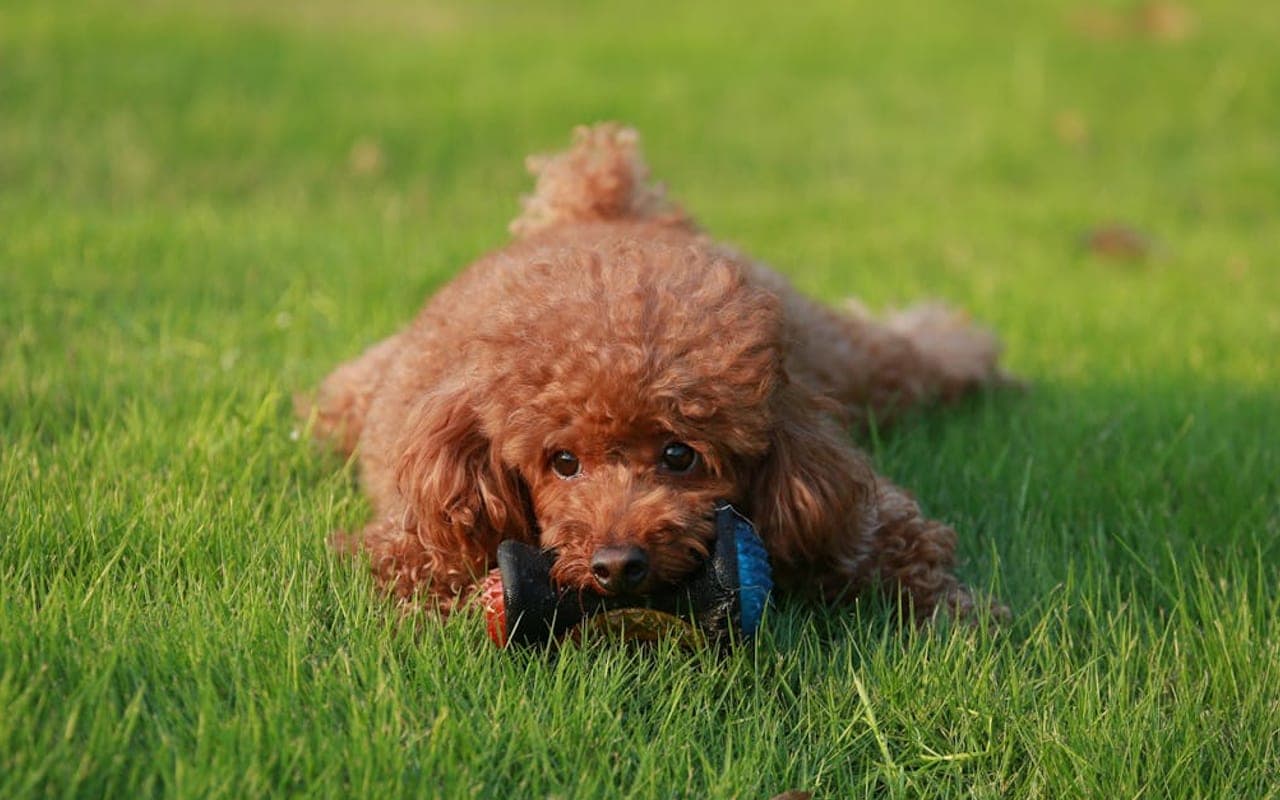
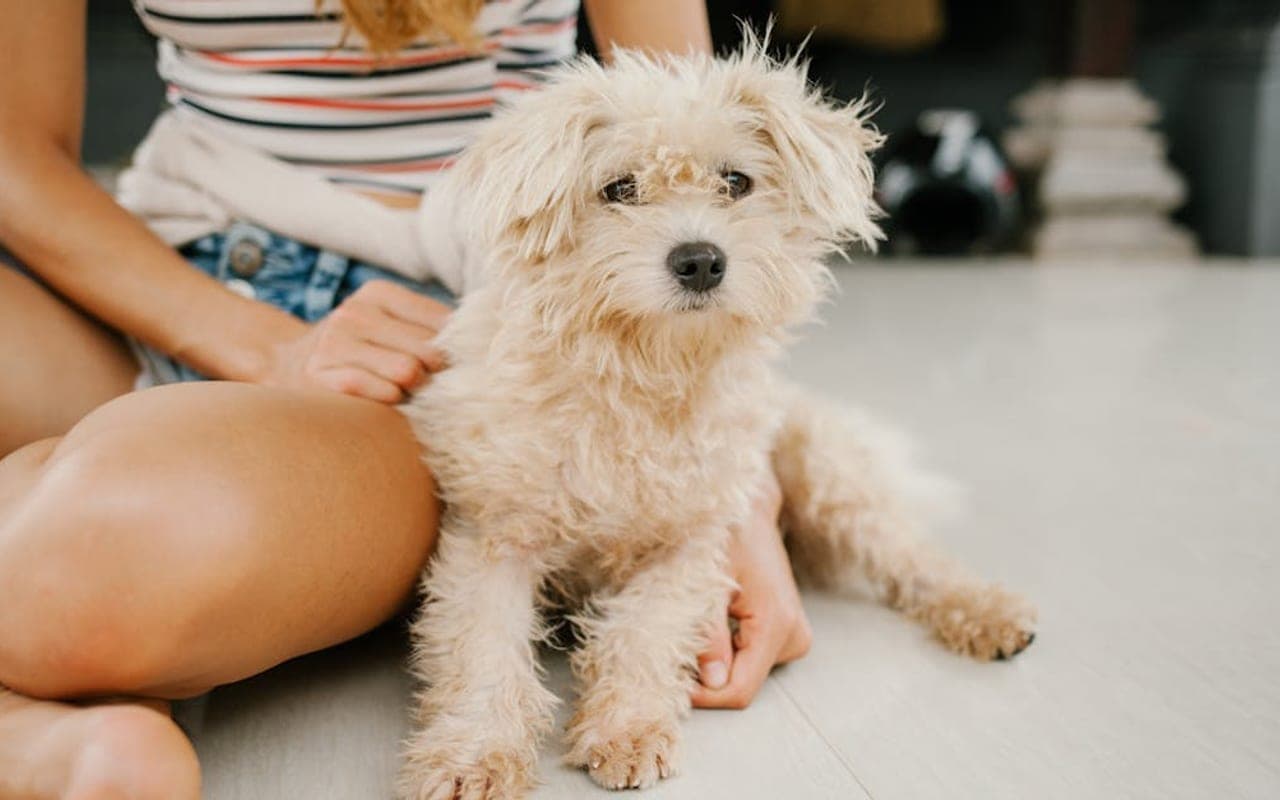
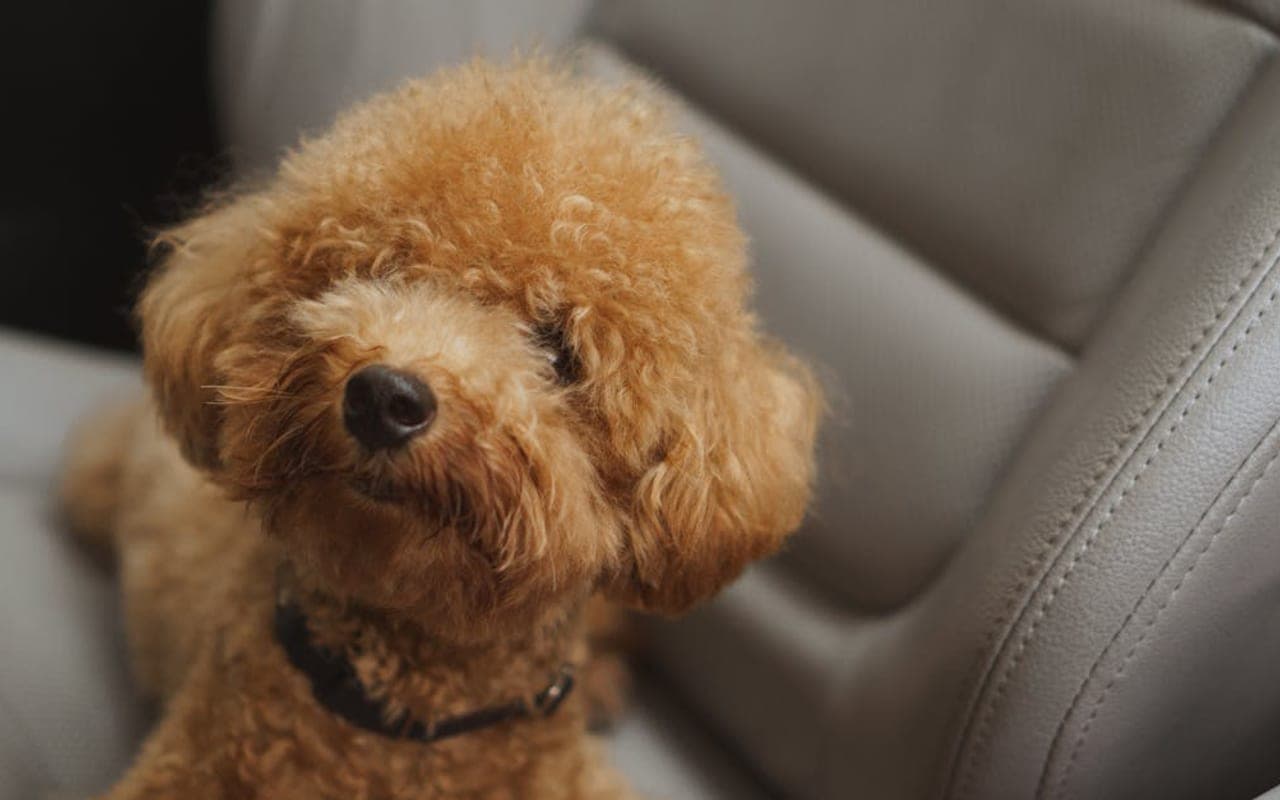
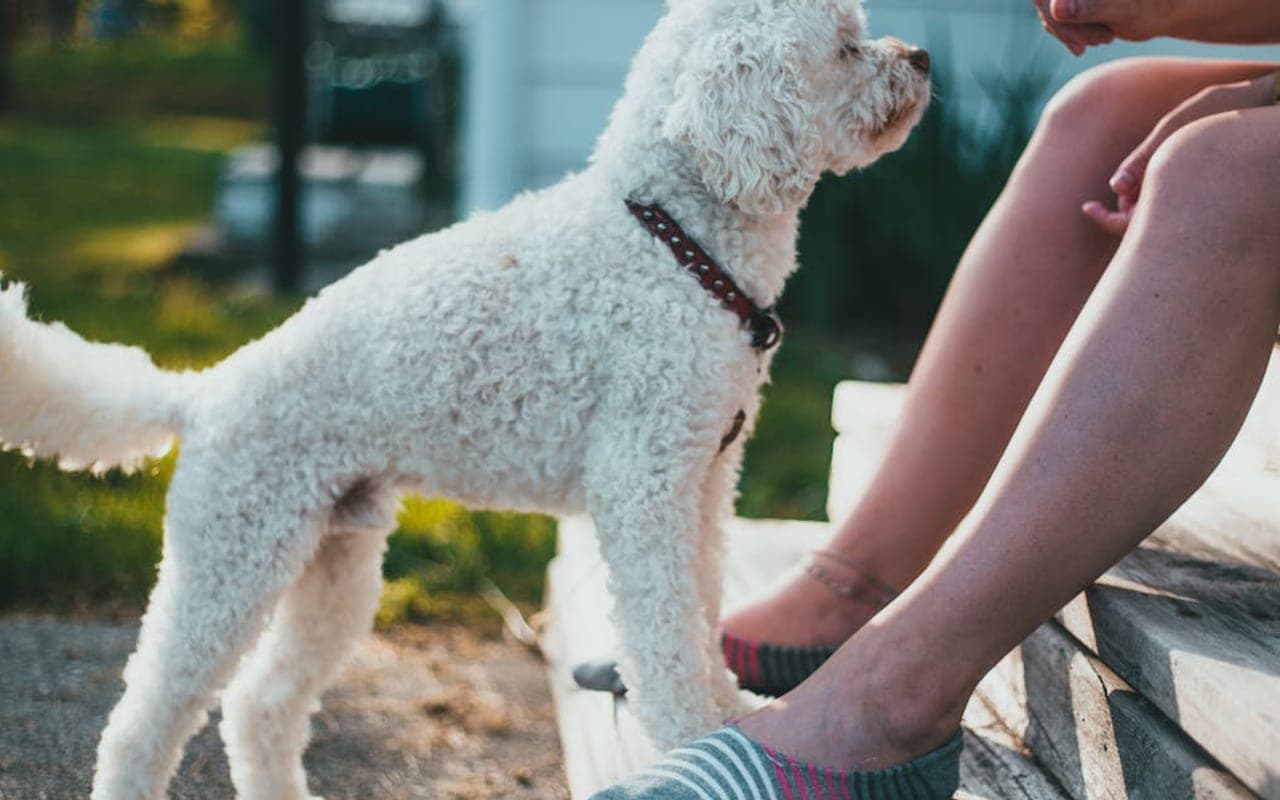
The Toy Poodle is the smallest of the three Poodle varieties — by breed standard no more than 10 inches at the shoulder and typically only a few kilograms — but it shares the exact same brain, coat, and temperament as the Standard.
Size
6-9 lb
Lifespan
10-18 years
Exercise
30-60 minutes
Shedding
Moderate
Experience
Match to owner routine
Decision first
Is a Poodle (Toy) right for you?
Start with fit before history or trivia. These are ownership signals, not guarantees about any individual dog.
Best suited for
- Households with children.
- Homes with other compatible pets.
- Apartment homes with a consistent routine.
- Owners seeking a manageable daily exercise routine.
Think carefully if
- You need a dog with almost no daily routine.
- You cannot keep up with grooming and preventive care.
- The dog will spend most days alone without support.
Conditional fit
Apartment fit depends on exercise, enrichment, noise management, and outdoor access.
Daily reality
Poodle (Toy) commitment snapshot
Daily exercise
30-60 minutes
Match activity to age, health, weather, and training goals.
Coat care
Low
Grooming needs vary by coat, shedding, and lifestyle.
Time alone
Needs planning
Most dogs need gradual alone-time conditioning and support.
Structured facts
Poodle (Toy) at a glance
The measurements and traits that most affect day-to-day life with this breed.
Group
Toy
Weight
6-9 lb
Height
9-11 in
Lifespan
10-18 years
Temperament
Agile | Intelligent | Self-Confident
View all characteristics and methodology
Lifestyle fit
- Apartment suitability
- Likely fit
- Child friendliness
- Often good, with socialisation and supervision
- Other-pet fit
- Often compatible with careful introductions
Owner commitment
- Exercise
- 30-60 minutes
- Grooming
- Low
- Shedding
- Moderate
- Training
- Low
Environment and health
- Health risk
- Needs planning
Ratings combine structured breed data, visible breed fields, and editorial context. They are planning aids, not predictions for an individual dog.
Daily life
Poodle (Toy) temperament and behavior
The Toy Poodle is the smallest of the three Poodle varieties — by breed standard no more than 10 inches at the shoulder and typically only a few kilograms — but it shares the exact same brain, coat, and temperament as the Standard. Drop the lap-ornament stereotype: this is a tiny, wickedly intelligent athlete, and an honest profile leads with what that intelligence and that tiny frame cost you, not the cute face. Intelligence is the headline. Poodles of every size rank among the smartest breeds; the Toy learns fast, trains easily, and is highly responsive — and that same quick mind turns into anxious barking, demand behavior, and destructiveness if it is under-stimulated or treated as a passive accessory. A Toy Poodle is small in body, not in needs. It wants training, interaction, and daily mental work. The coat is the second permanent commitment. Like all Poodles, the Toy has continuously growing, low-shedding curly hair — good for many allergy sufferers, but it is hair, not wash-and-go fur. Without regular brushing and a professional groom every 4-6 weeks, it mats to the skin and must be shaved off. That groomer bill is a lifelong line item. The size itself is the third honest trade-off. Toys are fragile: a jump off a sofa or a misjudged step can fracture a leg, and small size brings dental crowding, patellar (kneecap) problems, and a windpipe vulnerable to collar pressure (use a harness). They can be excellent with gentle older children but are easily injured by toddlers. Lifespan is a genuine upside — well-cared-for Toy Poodles often live 10-18 years, among the longest-lived dogs. Who the Toy Poodle is right for: an owner wanting a brilliant, long-lived, low-shedding companion who will train it, engage it daily, protect its fragile frame, and budget for lifelong grooming and dental care, ideally without very young children. Who it is wrong for: anyone wanting a low-effort decorative dog, a rough-and-tumble kids' pet, or a no-grooming breed. Decide on grooming, dental, and handling before the puppy.
Agile | Intelligent | Self-Confident
Agile
A common Poodle (Toy) temperament descriptor that should be interpreted alongside training, exercise, and household fit.
Intelligent
A common Poodle (Toy) temperament descriptor that should be interpreted alongside training, exercise, and household fit.
Self-Confident
A common Poodle (Toy) temperament descriptor that should be interpreted alongside training, exercise, and household fit.
Owner note
Temperament labels are starting points, not guarantees. Meet the individual dog and ask about behavior history whenever possible.
Care essentials
How to care for a Poodle (Toy)
What looking after one actually involves: exercise, grooming, food, training, and routine health.
ExerciseAs needed
- Moderately active breed needing 30-60 minutes of daily exercise.
GroomingAs needed
- Weekly brushing is sufficient.
TrainingAs needed
- Consistent, patient training works best.
NutritionAs needed
- Feed high-quality dog food appropriate for age, size, and activity level.
Veterinary CareAs needed
- Annual wellness exams, vaccinations, dental care, and parasite prevention.
Health planning
Poodle (Toy) health risks and screening
Every breed has individual health variation. Use this profile for planning and discuss medical decisions with a veterinarian.
Responsible ownership
Finding a Poodle (Toy) responsibly
What to ask a breeder or rescue is the same conversation for every breed, so we keep it in one place and keep it current.
Health documentation, meeting the parents or foster, contracts and return support, and the warning signs worth walking away from.
Original purpose
Poodle (Toy) history
History is useful when it explains today's behavior, coat, exercise needs, and training style.
Read the breed history
The Poodle originated in Germany over 400 years ago as a water-retrieving gundog — the name derives from the German 'pudeln,' to splash in water — and the elaborate clip began as a functional trim leaving hair over joints and vital organs for cold-water insulation. France adopted and refined the breed and, prizing it as a companion, bred down successively smaller versions: the Miniature and then the Toy were developed primarily as lapdogs and companions for nobility and, later, as celebrated circus performers thanks to the breed's trainability. The Toy is therefore not a separate breed but the smallest size of one breed, carrying the full working-Poodle intelligence in a companion-sized body. The AKC recognizes all three Poodle sizes. That history explains the modern Toy precisely: a highly trainable, people-oriented dog whose brain still expects a job even though its body now fits in a lap.
Gallery
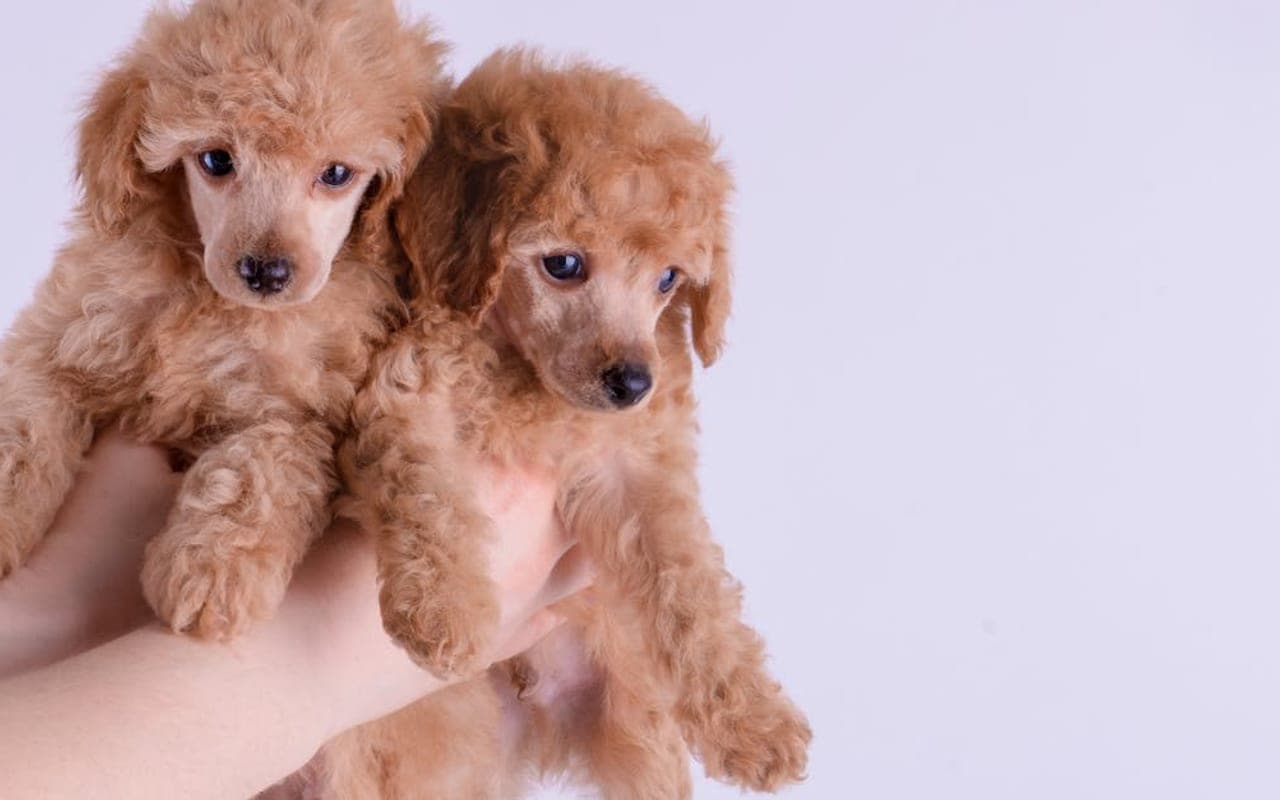
Poodle (Toy) photos
Images are cropped consistently and loaded progressively to keep the page responsive.
Lower-page context
Poodle (Toy)s in culture
Where the breed shows up in film, sport, work and folklore — the enjoyable part, once the practical questions are answered.
Fun facts
- The Poodle (Toy) belongs to the Toy Group.
- The average lifespan of a Poodle (Toy) is 10 to 18 years.
- Poodle (Toy) dogs are valued for their agile, intelligent, self-confident nature.
Poodle (Toy) FAQs
How long do Toy Poodles live?
Toy Poodles are among the longest-lived dogs, commonly reaching 10-18 years with good care. That longevity is a genuine reason to choose the breed, but it is also a long financial and care commitment: a decade-and-a-half of professional grooming every 4-6 weeks, ongoing dental care, and senior veterinary monitoring. Plan for the full lifespan, not just the puppy years, when deciding whether this breed fits your circumstances.
How much grooming does a Toy Poodle need?
A lot, for life. Poodle coat is hair that grows continuously and does not shed out, so it must be brushed to the skin every 1-2 days and professionally clipped every 4-6 weeks or it mats to the skin and must be shaved off. Budget roughly $450-$900 a year in professional grooming. A short pet clip is far easier to maintain than show coats, but there is no version of this breed that is low-grooming.
Are Toy Poodles good with children?
With gentle, older children who understand careful handling, yes — they are smart, affectionate, and playful. With toddlers, be cautious: a Toy Poodle weighs only a few kilograms and a dropped, squeezed, or stepped-on small dog can suffer real fractures. They are also sensitive and can become snappy if frightened by rough handling. Supervise all interactions and teach children to sit before holding the dog rather than picking it up.
Why should I use a harness instead of a collar on a Toy Poodle?
Small dogs, including Toy Poodles, are prone to tracheal collapse — a weakening of the windpipe cartilage that produces a chronic goose-honk cough and is aggravated by pressure on the neck. A neck collar that the dog pulls against concentrates force exactly there. A well-fitted harness distributes pressure across the chest and removes that risk factor entirely. It is one of the cheapest, simplest preventive choices you can make for this breed.
Are Toy Poodles easy to train, or do they bark a lot?
They are highly trainable — Poodles of every size are among the smartest breeds and learn quickly with positive reinforcement. The barking owners complain about is almost always an under-stimulated, under-trained Toy inventing its own job, not a fixed trait. Give 30-45 minutes of daily activity plus real mental work (training, puzzle toys) and the nuisance barking and anxiety largely resolve. Treat the brain, not just the body.
What does it cost to own a Toy Poodle?
A puppy from a breeder who screens eyes (PRA), patellas, and skin typically runs $1,200-$3,000+; breed rescues are far cheaper. The recurring costs owners underestimate are grooming (about $450-$900 a year for life) and dental — professional cleanings under anesthesia run $300-$800 each and are frequently needed in this small-jawed breed. Total routine annual cost is roughly $1,200-$2,500 including food, vet, grooming, and dental care.
Sources
These are the published sources this page draws on. Each opens in a new tab so you can check it yourself.
American Kennel Club
Poodle (Toy) — breed standard and profile(opens in a new tab)Supports: Breed standard and recognition details.
Similar breeds to consider
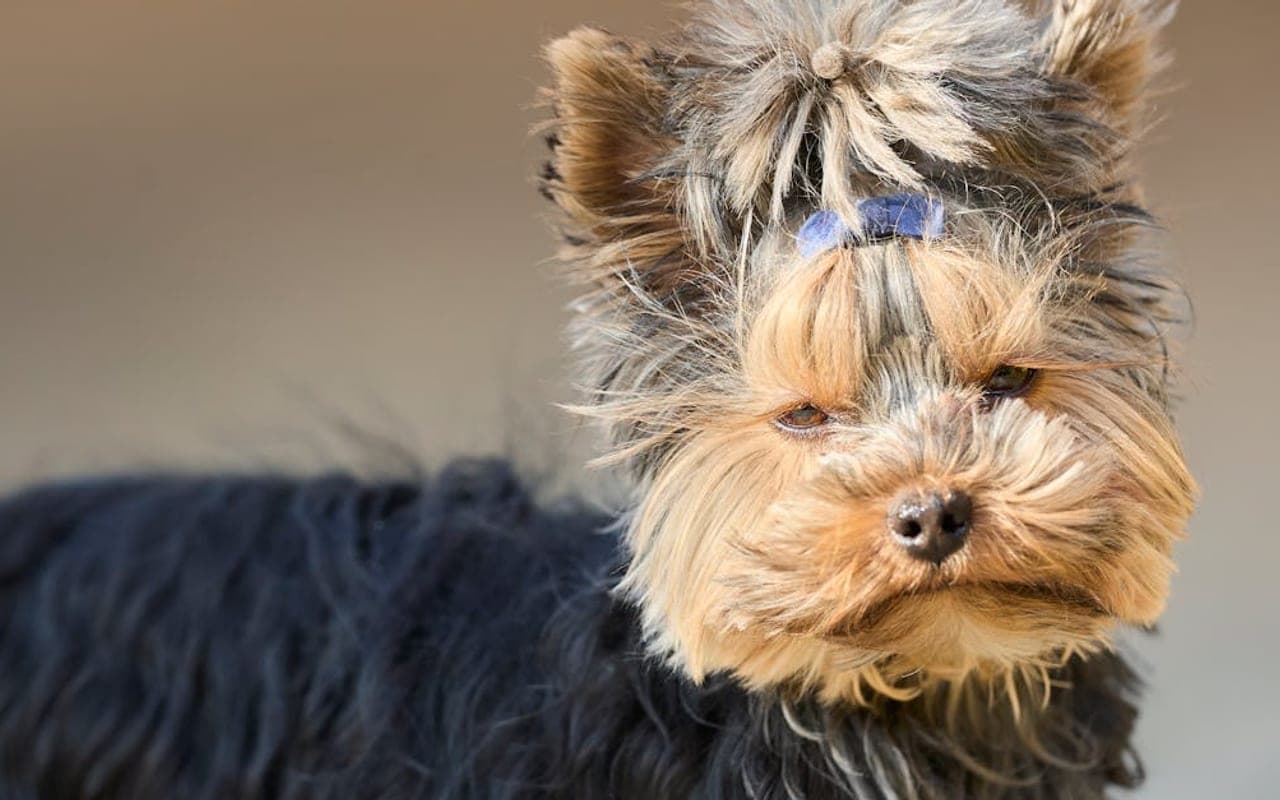
Yorkshire Terrier
Also in the Toy group, with different care and temperament tradeoffs.
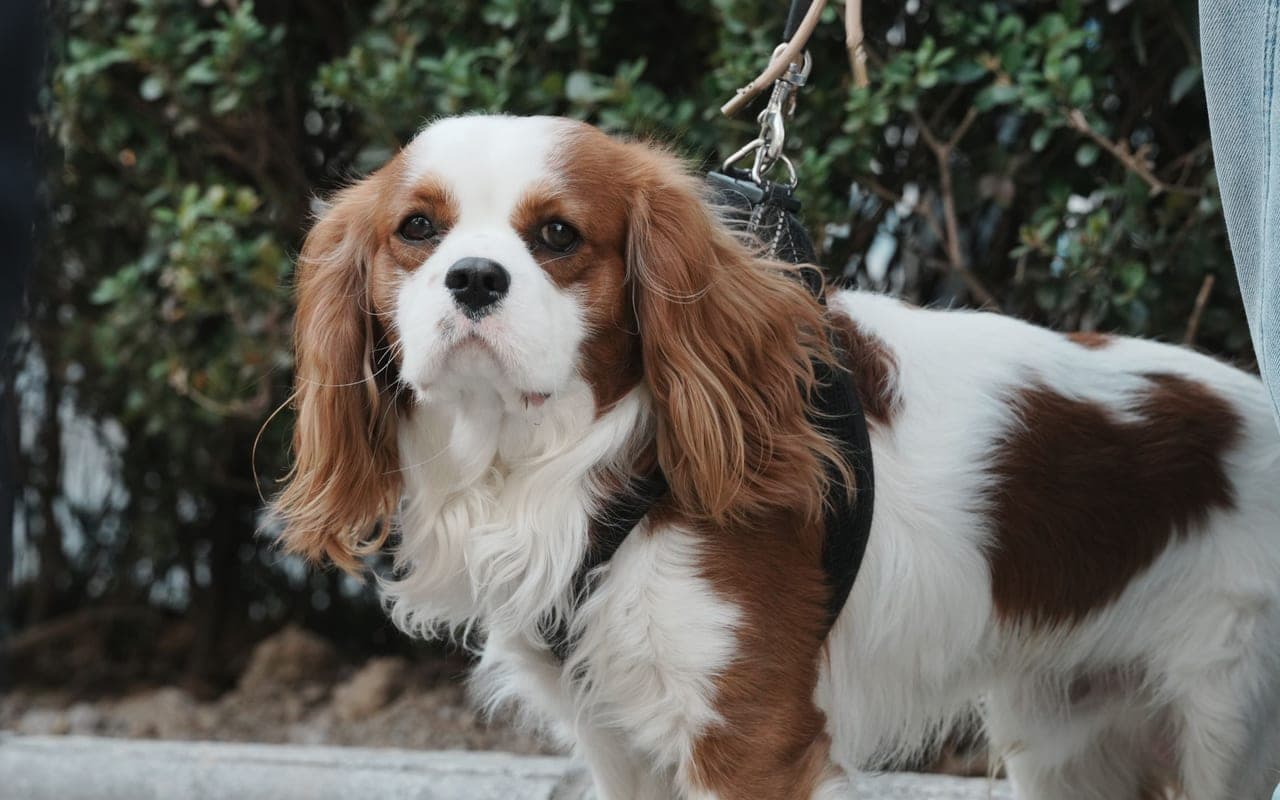
Cavalier King Charles Spaniel
Also in the Toy group, with different care and temperament tradeoffs.
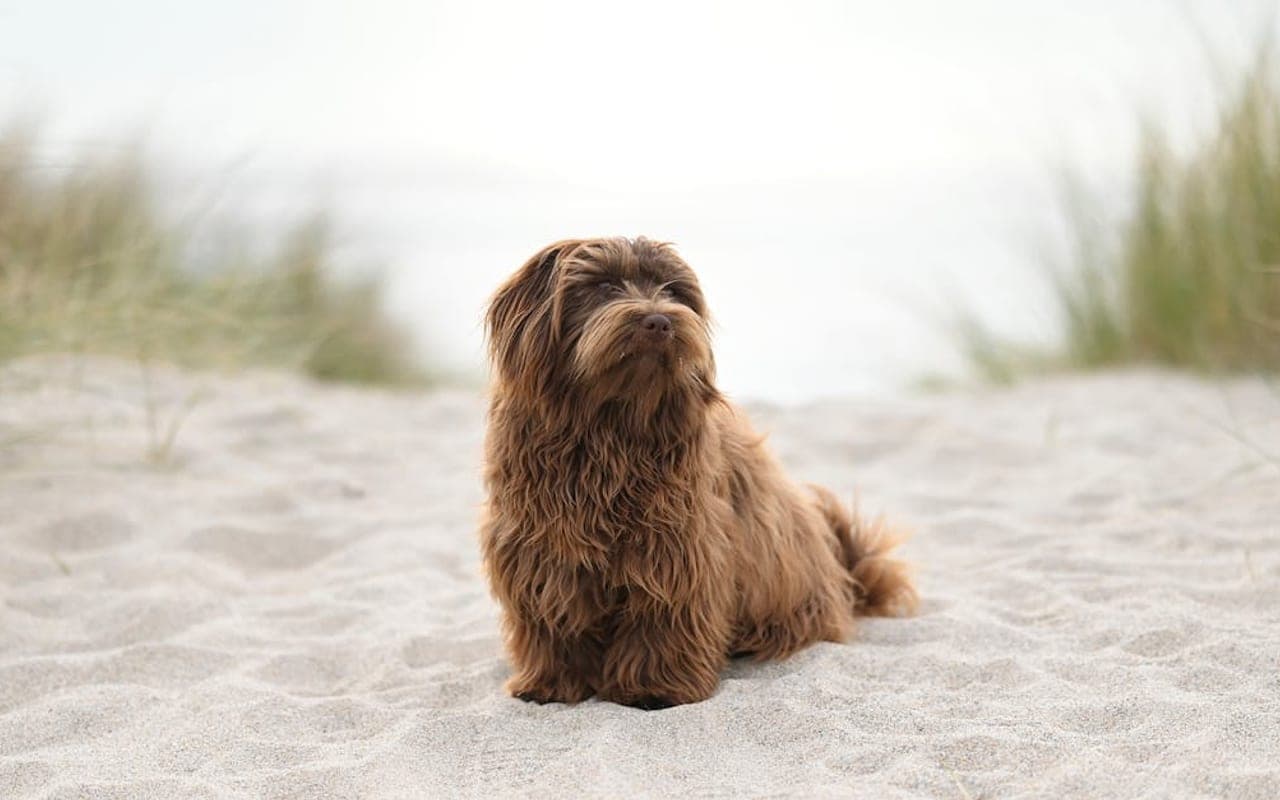
Havanese
Also in the Toy group, with different care and temperament tradeoffs.
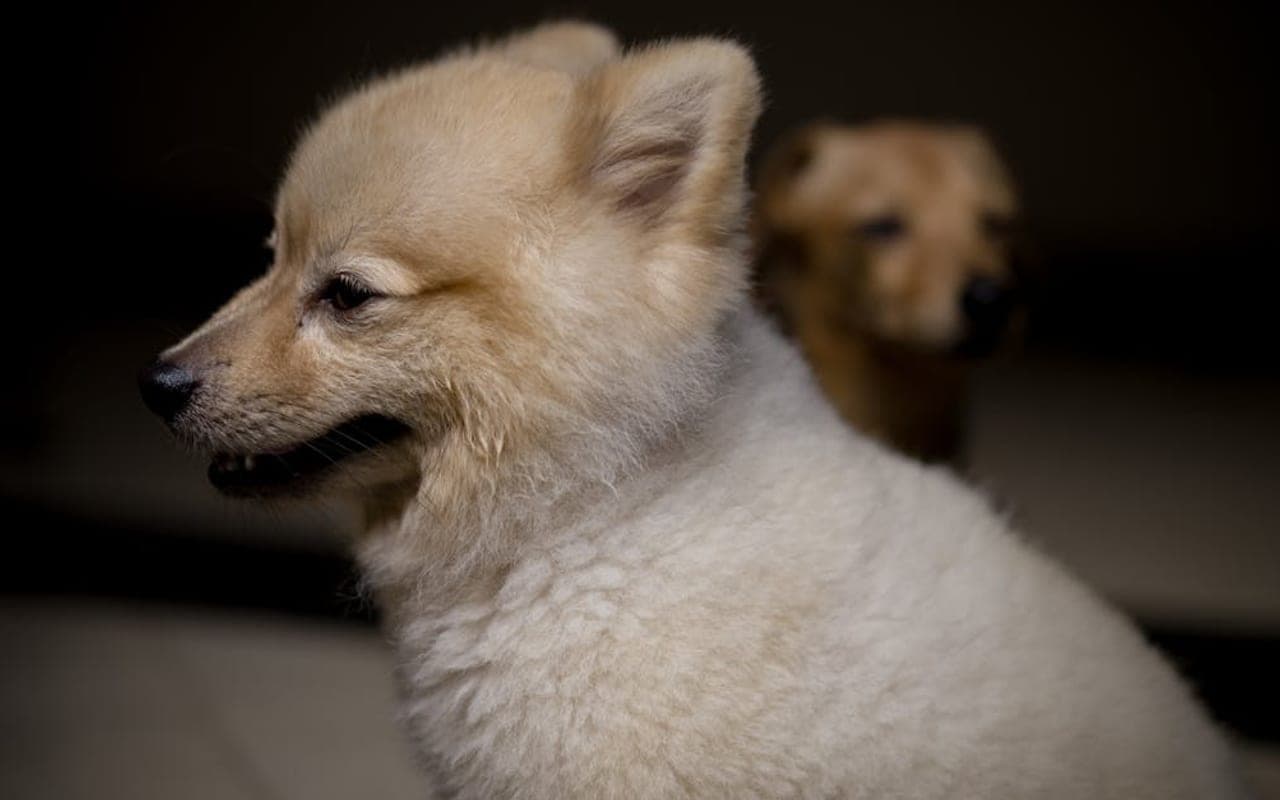
Pomeranian
Also in the Toy group, with different care and temperament tradeoffs.
Explore More About Poodle (Toy)
Dive deeper into everything Poodle (Toy) — costs, care, and expert insights.
Large Dog Care Guide: Everything Over 50 lbs
Owning a large or giant breed dog means accepting one of biology's...
Puppy Teething & Biting: Timeline and What Actually Works
A puppy has all 28 deciduous ("baby") teeth by roughly eight weeks of age, and...
Considering a cat instead?
Browse Cats