
Terrier group
Australian Terrier
The Australian Terrier is a small, hard-coated working terrier — roughly 6.
Size
13-15 lb
Lifespan
11-15 years
Exercise
30-60 minutes
Shedding
Moderate
Experience
Match to owner routine
Decision first
Is a Australian Terrier right for you?
Start with fit before history or trivia. These are ownership signals, not guarantees about any individual dog.
Best suited for
- Households with children.
- Homes with other compatible pets.
- Apartment homes with a consistent routine.
- Owners seeking a manageable daily exercise routine.
Think carefully if
- You need a dog with almost no daily routine.
- You cannot keep up with grooming and preventive care.
- The dog will spend most days alone without support.
Conditional fit
Apartment fit depends on exercise, enrichment, noise management, and outdoor access.
Daily reality
Australian Terrier commitment snapshot
Daily exercise
30-60 minutes
Match activity to age, health, weather, and training goals.
Coat care
Moderate
Grooming needs vary by coat, shedding, and lifestyle.
Time alone
Needs planning
Most dogs need gradual alone-time conditioning and support.
Structured facts
Australian Terrier at a glance
The measurements and traits that most affect day-to-day life with this breed.
Group
Terrier
Weight
13-15 lb
Height
10-11 in
Lifespan
11-15 years
Temperament
Affectionate | Courageous | Spirited
View all characteristics and methodology
Lifestyle fit
- Apartment suitability
- Likely fit
- Child friendliness
- Often good, with socialisation and supervision
- Other-pet fit
- Often compatible with careful introductions
Owner commitment
- Exercise
- 30-60 minutes
- Grooming
- Moderate
- Shedding
- Moderate
- Training
- Moderate
Environment and health
- Health risk
- Needs planning
Ratings combine structured breed data, visible breed fields, and editorial context. They are planning aids, not predictions for an individual dog.
Daily life
Australian Terrier temperament and behavior
The Australian Terrier is a small, hard-coated working terrier — roughly 6.5 to 7 kg and 25 to 28 cm at the shoulder — that was bred in 19th-century Australia to kill rats and snakes, bark an alarm, and tend sheep camps in isolated country. Everything about the dog still reflects that job. The body is slightly longer than it is tall and built low and sturdy, not delicate. The double coat is harsh and weather-resistant over a soft undercoat, with a distinctive soft silky topknot, and comes in blue-and-tan, solid sandy, or solid red. This is a true earthdog, not a lapdog that happens to be small. What that means in practice: the Aussie has a strong prey drive, will dig, will chase anything small and furry, and will bark to announce visitors, squirrels, and the postal carrier. It is one of the more biddable terriers — quick to learn and genuinely eager to work with its owner — but it still has the independent streak the breed was selected for. Aussies typically bond hard to one household and can be possessive of their people; many do not love sharing attention with other dogs, and a multi-dog terrier household can be a management project. The Australian Terrier is right for an owner who wants a small dog with a real personality, can give it 45 to 60 minutes of activity and engagement a day, has a securely fenced yard (it will tunnel under or scale a low fence after a rabbit), and wants an alert little watchdog rather than a silent companion. It is the wrong dog for someone who wants a quiet, low-prey-drive, dog-park-social small breed, or for a household that will leave it alone and under-stimulated for long days — a bored Aussie digs, barks, and finds its own entertainment. Decide on the terrier temperament first; the small size is the easy part.
Affectionate | Courageous | Spirited
Affectionate
A common Australian Terrier temperament descriptor that should be interpreted alongside training, exercise, and household fit.
Courageous
A common Australian Terrier temperament descriptor that should be interpreted alongside training, exercise, and household fit.
Spirited
A common Australian Terrier temperament descriptor that should be interpreted alongside training, exercise, and household fit.
Owner note
Temperament labels are starting points, not guarantees. Meet the individual dog and ask about behavior history whenever possible.
Care essentials
How to care for a Australian Terrier
What looking after one actually involves: exercise, grooming, food, training, and routine health.
ExerciseAs needed
- Moderately active breed needing 30-60 minutes of daily exercise through walks, play, and mental stimulation.
GroomingAs needed
- Regular grooming needed — brush 2-3 times per week and bathe monthly.
TrainingAs needed
- Moderately trainable — consistent, patient training with positive methods works best.
NutritionAs needed
- Feed a high-quality dog food appropriate for their age, size, and activity level. Monitor portions to prevent obesity.
Veterinary CareAs needed
- Annual wellness exams, core vaccinations, dental care, and parasite prevention. Breed-specific health screenings as recommended by your vet.
Health planning
Australian Terrier health risks and screening
Every breed has individual health variation. Use this profile for planning and discuss medical decisions with a veterinarian.
Responsible ownership
Finding a Australian Terrier responsibly
What to ask a breeder or rescue is the same conversation for every breed, so we keep it in one place and keep it current.
Health documentation, meeting the parents or foster, contracts and return support, and the warning signs worth walking away from.
Original purpose
Australian Terrier history
History is useful when it explains today's behavior, coat, exercise needs, and training style.
Read the breed history
The Australian Terrier was developed in the 1800s in Tasmania and mainland Australia from rough-coated British terrier stock — small working terriers brought by settlers, with likely input from the ancestors of the Cairn, Dandie Dinmont, Skye, Yorkshire, and Norwich-type terriers. Colonists needed a compact, hardy dog that could control rats and mice around homesteads and ports, dispatch snakes, sound an alarm at the approach of strangers, and travel and work in harsh, hot, isolated country. It was bred for function in a specific environment, not for show. The breed was exhibited in Australia from the 1860s–1880s and was one of the first breeds recognized as native to Australia. It was recognized in Britain in 1933 and by the American Kennel Club in 1960. Its working origin still explains the modern dog's weather-hardy coat, strong prey drive, alert watchdog voice, digging instinct, and the relatively biddable, people-oriented temperament that distinguishes it from more headstrong terriers.
Gallery
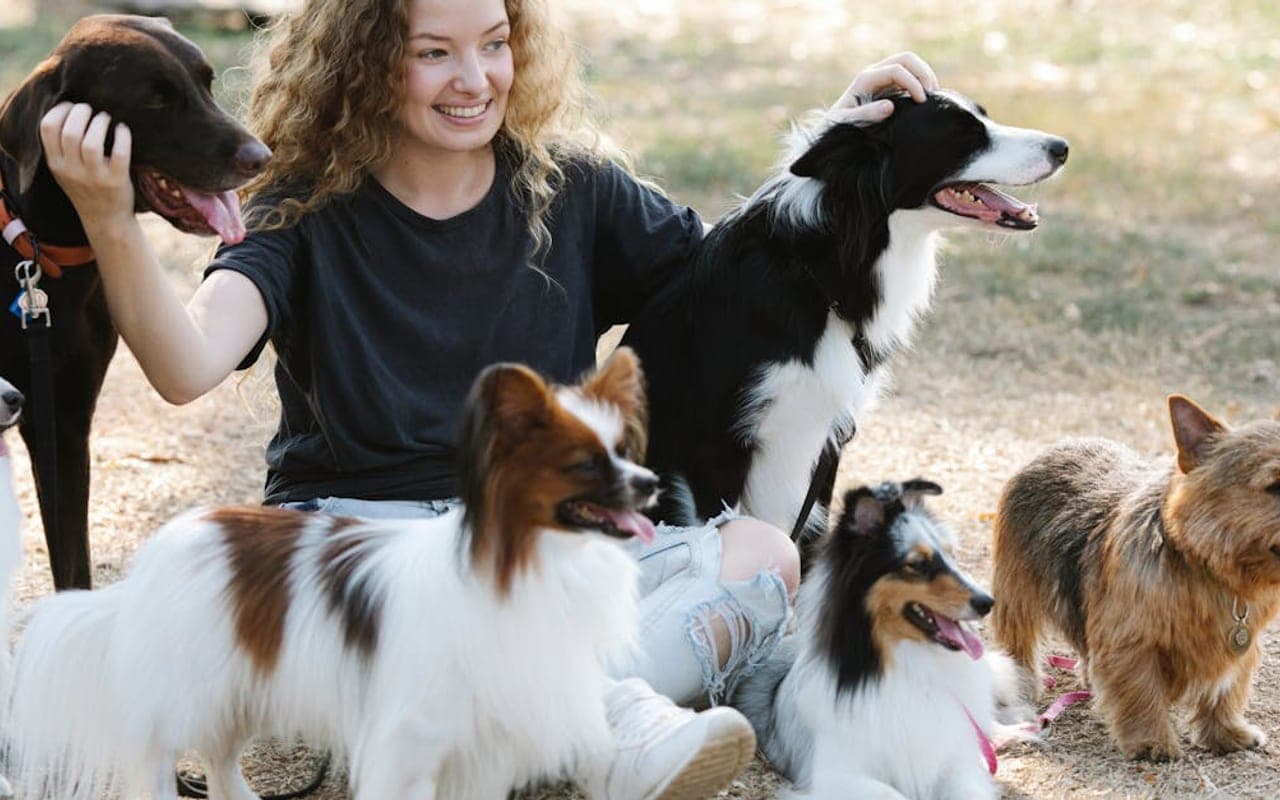
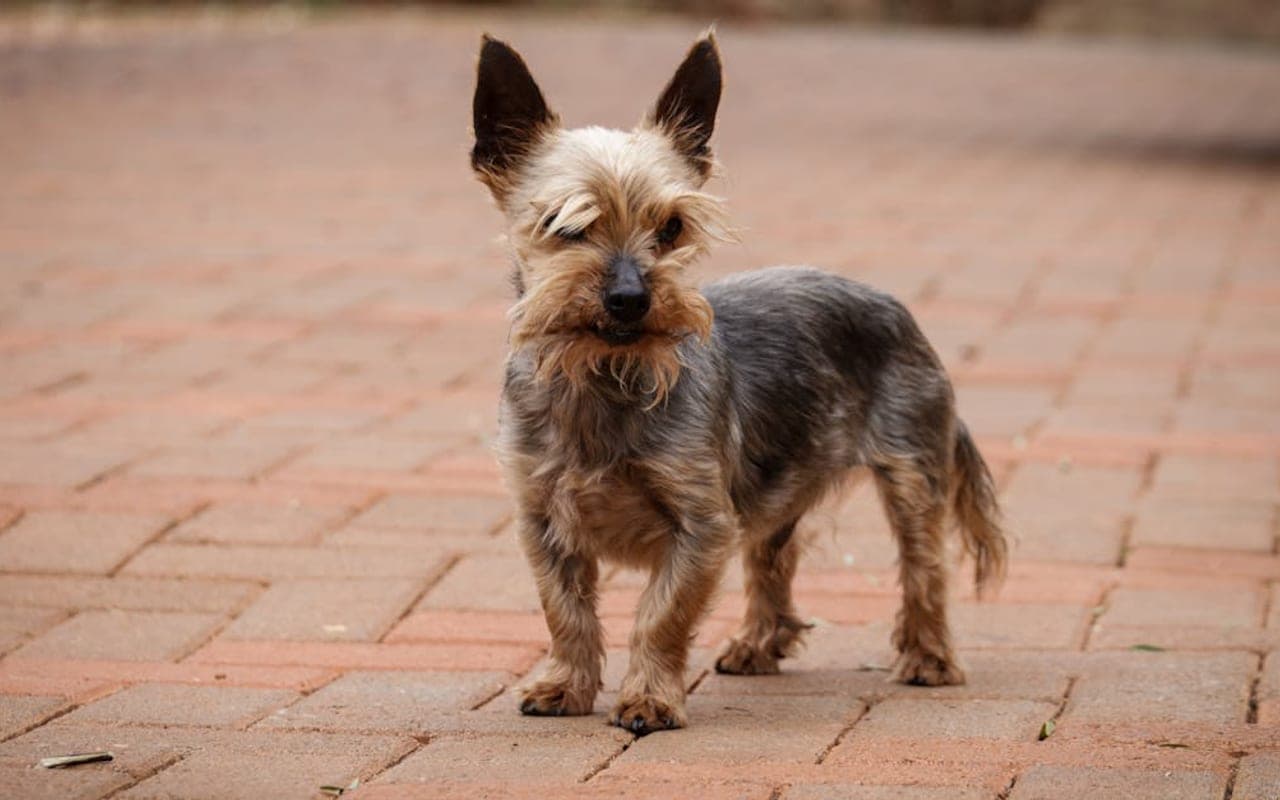
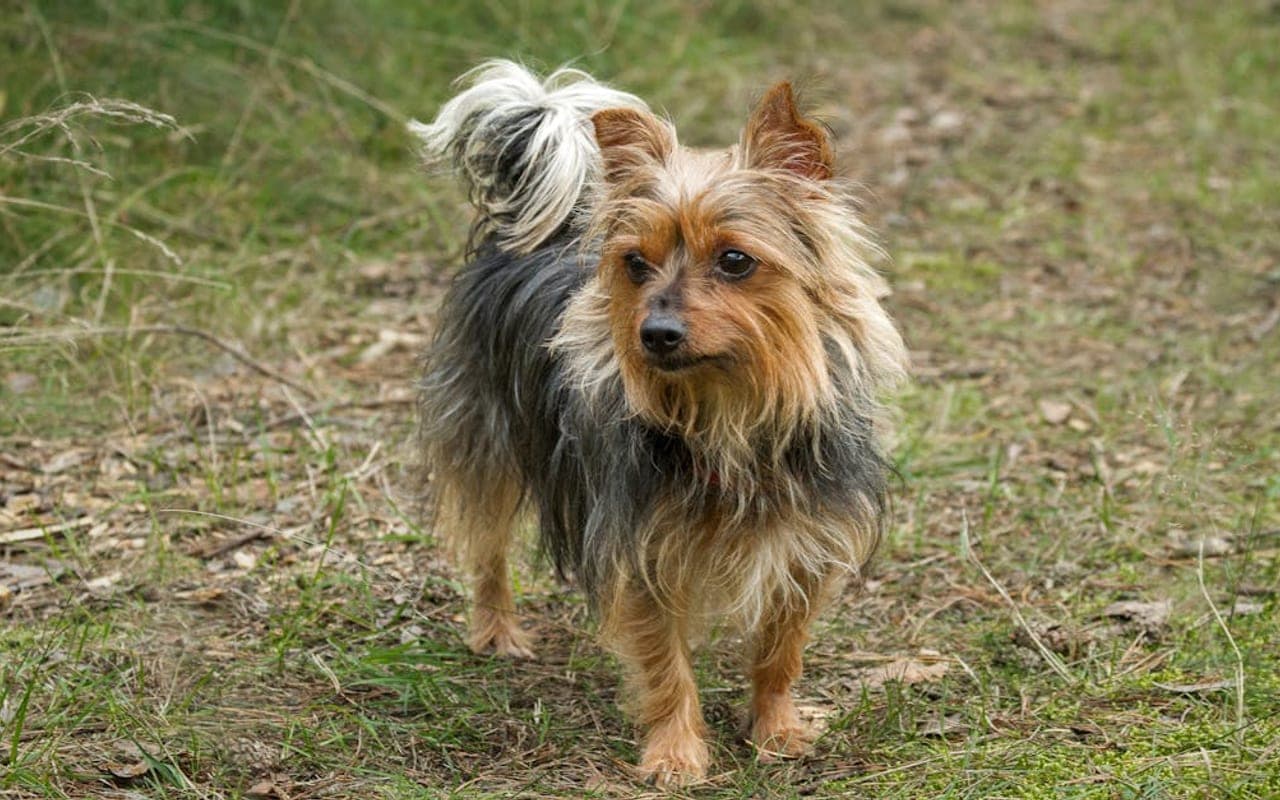
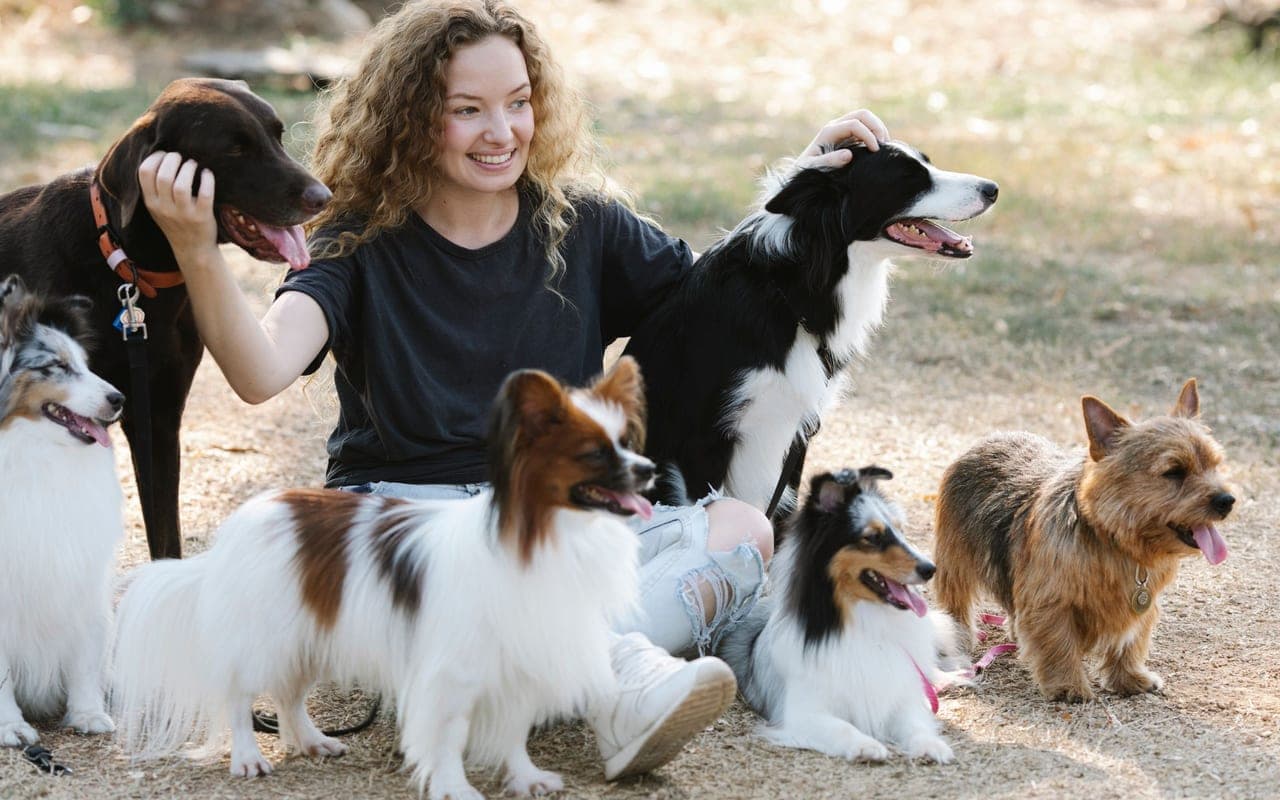
Australian Terrier photos
Images are cropped consistently and loaded progressively to keep the page responsive.
Lower-page context
Australian Terriers in culture
Where the breed shows up in film, sport, work and folklore — the enjoyable part, once the practical questions are answered.
Fun facts
- The Australian Terrier belongs to the Terrier Group.
- With proper care, Australian Terrier dogs can live up to 15 years or more.
- Australian Terrier dogs are valued for their affectionate, courageous, spirited nature.
Australian Terrier FAQs
How long do Australian Terrier dogs live?
A healthy Australian Terrier typically lives 11 to 15 years, which is a normal-to-long span for a small breed. The two factors most under your control are body weight and screening for the breed's diabetes predisposition: an Aussie kept lean with a visible waist, fed measured meals, and monitored for early diabetes signs in middle age tends to reach the upper end of that range with a better quality of life than an overweight, under-exercised one.
Are Australian Terriers good with children?
Generally yes with school-age children — the Aussie is sturdy, playful, and people-oriented rather than fragile. The realistic cautions are that it is a high-prey-drive terrier that may not tolerate rough handling or having toys grabbed, and it can be possessive of its people. Supervise interactions with toddlers, teach children not to disturb the dog while eating or resting, and give the dog an undisturbed retreat space.
How much exercise does an Australian Terrier need?
Plan on 45 to 60 minutes a day split across two walks plus active play, ideally with scent or puzzle work added. This is a working earthdog, not a sedentary toy breed: an under-exercised Aussie typically redirects energy into digging, barking, and destructive behavior. Mental engagement matters as much as distance — a long-line sniff walk and a food puzzle tire this dog more than a fast loop around the block.
Does an Australian Terrier shed and how much grooming is needed?
Shedding is light, which suits owners who want a low-hair-around-the-house small dog. Grooming is genuinely modest: brush twice a week for 5 to 10 minutes, hand-strip the harsh coat 2 to 3 times a year to keep correct texture and color, and bathe only when actually dirty. The one hidden cost is hand-stripping — if you want the correct coat and don't learn to do it yourself, budget for a groomer who offers stripping, since clipping permanently softens the jacket.
Are Australian Terriers easy to train?
They are among the more trainable terriers — quick learners, genuinely eager to engage with their owner, and capable in obedience, agility, and earthdog work. The trade-off is the terrier independence and prey drive: they will work with you on their terms, get bored by drilling, and tune you out for a moving squirrel. Short, varied, reward-based sessions and a reliably trained recall from puppyhood produce the best results.
What is the most important health issue to watch for in an Australian Terrier?
Diabetes mellitus. The breed is over-represented for canine diabetes, and it usually appears in middle age. Learn the early signs — noticeably increased drinking and urination, and weight loss despite a normal or increased appetite — and book a vet promptly for a blood glucose check if you see them. Early diagnosis means cheaper, more stable management and lowers the risk of secondary problems such as diabetic cataracts.
Sources
These are the published sources this page draws on. Each opens in a new tab so you can check it yourself.
American Kennel Club
Australian Terrier — breed standard and profile(opens in a new tab)Supports: Breed standard and recognition details.
Similar breeds to consider

Miniature Schnauzer
Also in the Terrier group, with different care and temperament tradeoffs.
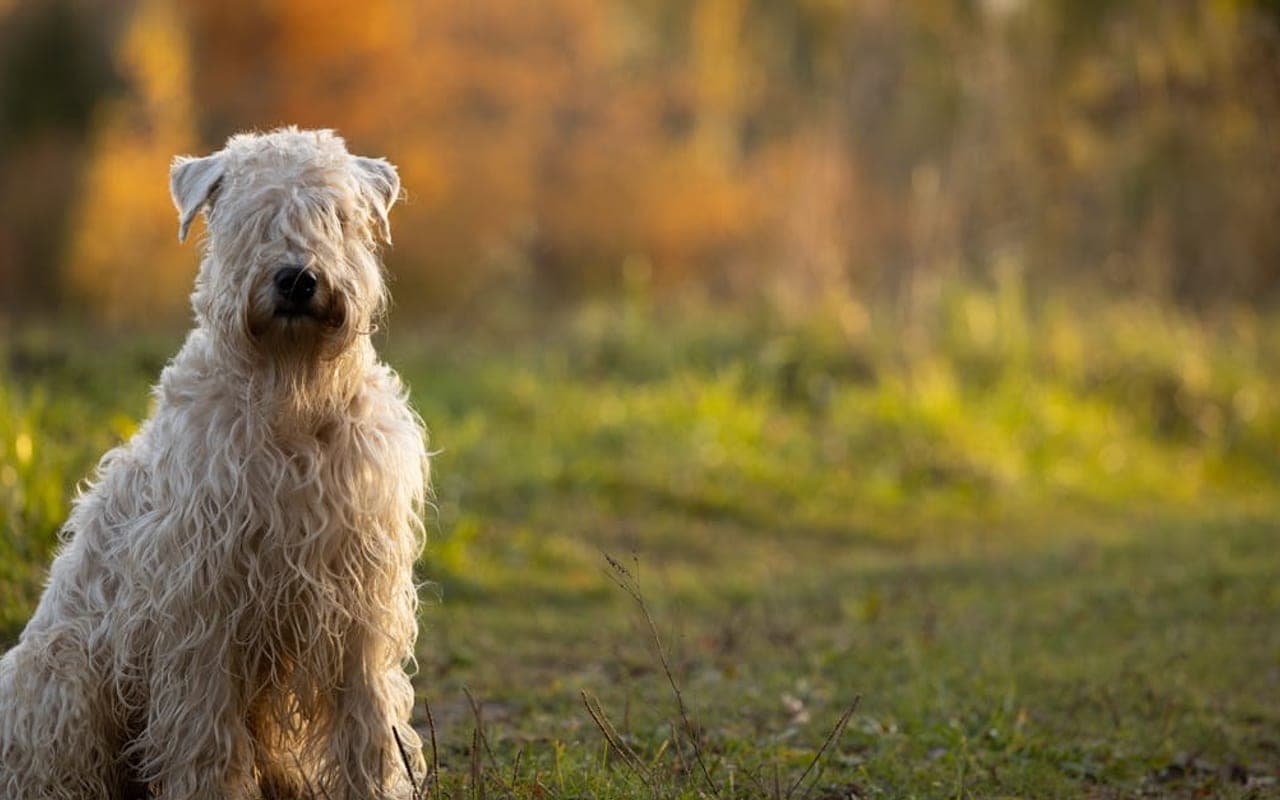
Soft Coated Wheaten Terrier
Also in the Terrier group, with different care and temperament tradeoffs.

Airedale Terrier
Also in the Terrier group, with different care and temperament tradeoffs.
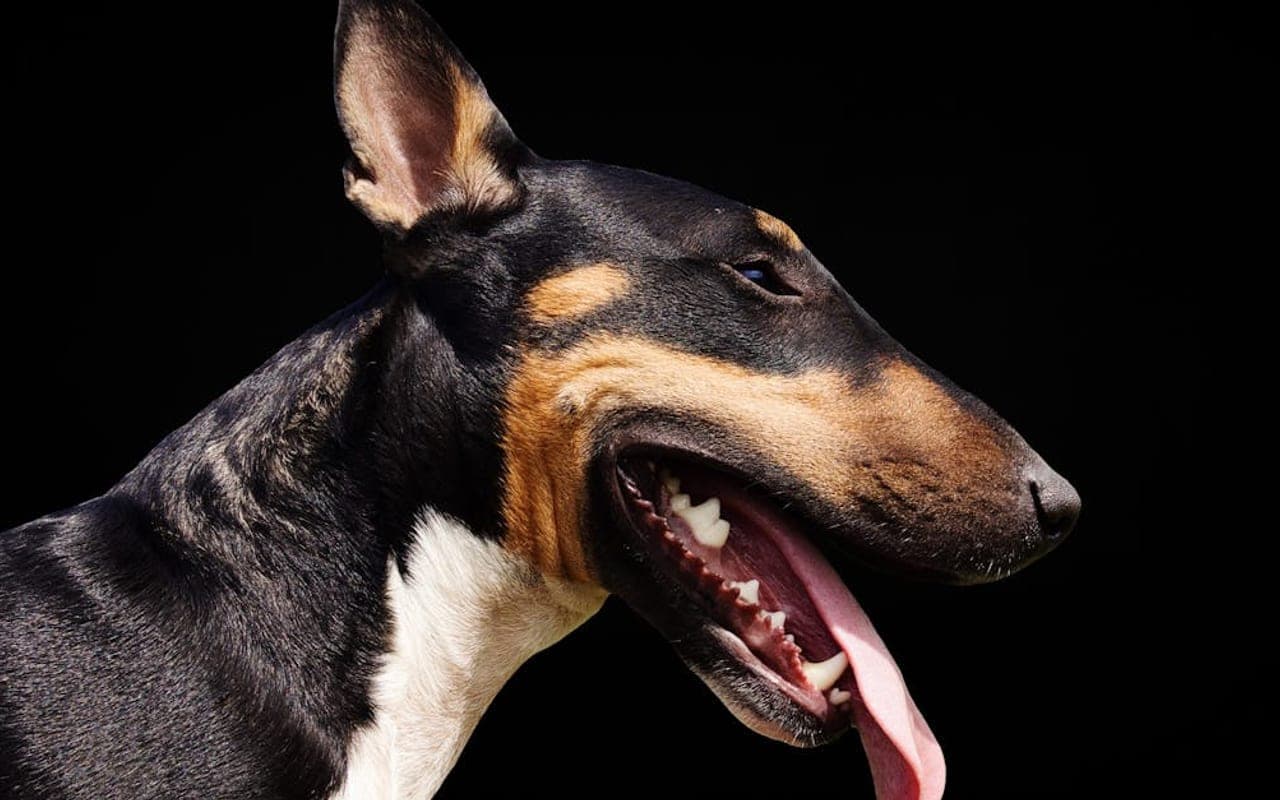
Bull Terrier
Also in the Terrier group, with different care and temperament tradeoffs.
Explore More About Australian Terrier
Dive deeper into everything Australian Terrier — costs, care, and expert insights.
Large Dog Care Guide: Everything Over 50 lbs
Owning a large or giant breed dog means accepting one of biology's...
Puppy Teething & Biting: Timeline and What Actually Works
A puppy has all 28 deciduous ("baby") teeth by roughly eight weeks of age, and...
Considering a cat instead?
Browse Cats