
Herding group
Australian Cattle Dog
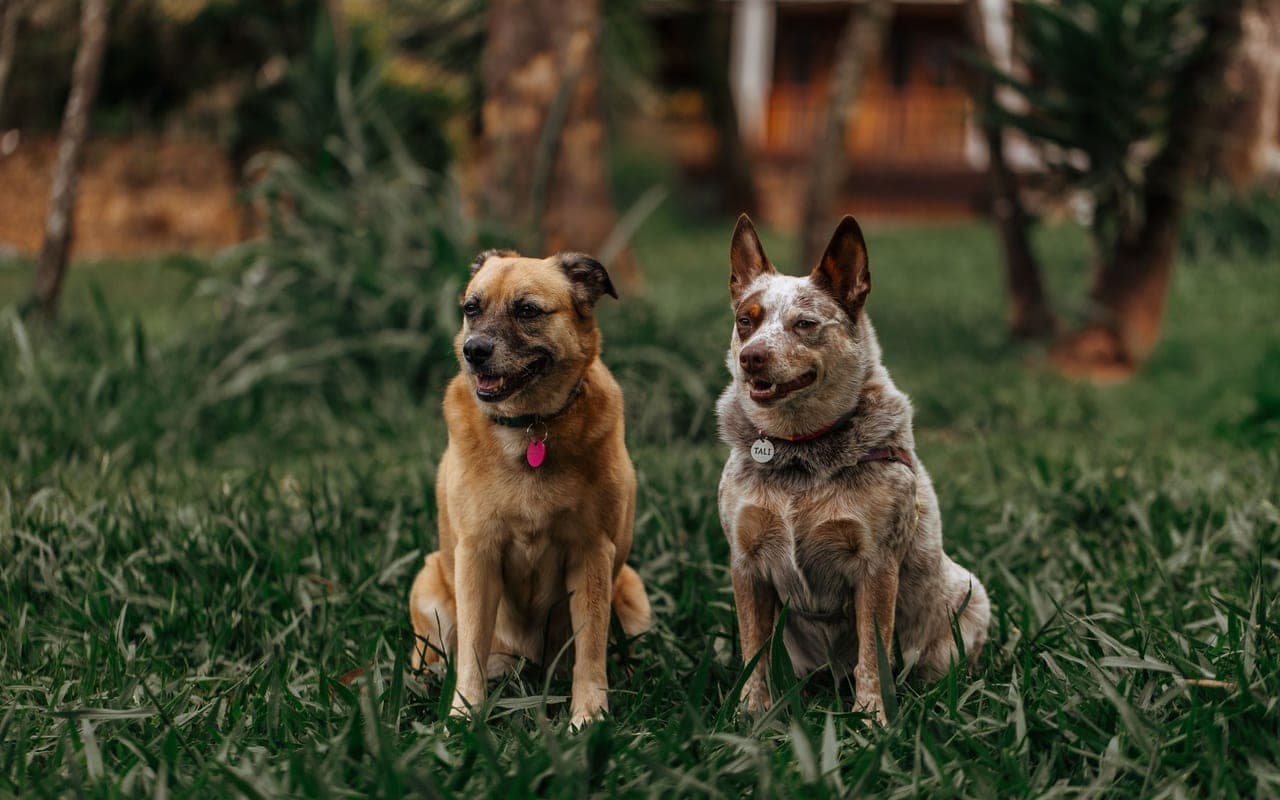
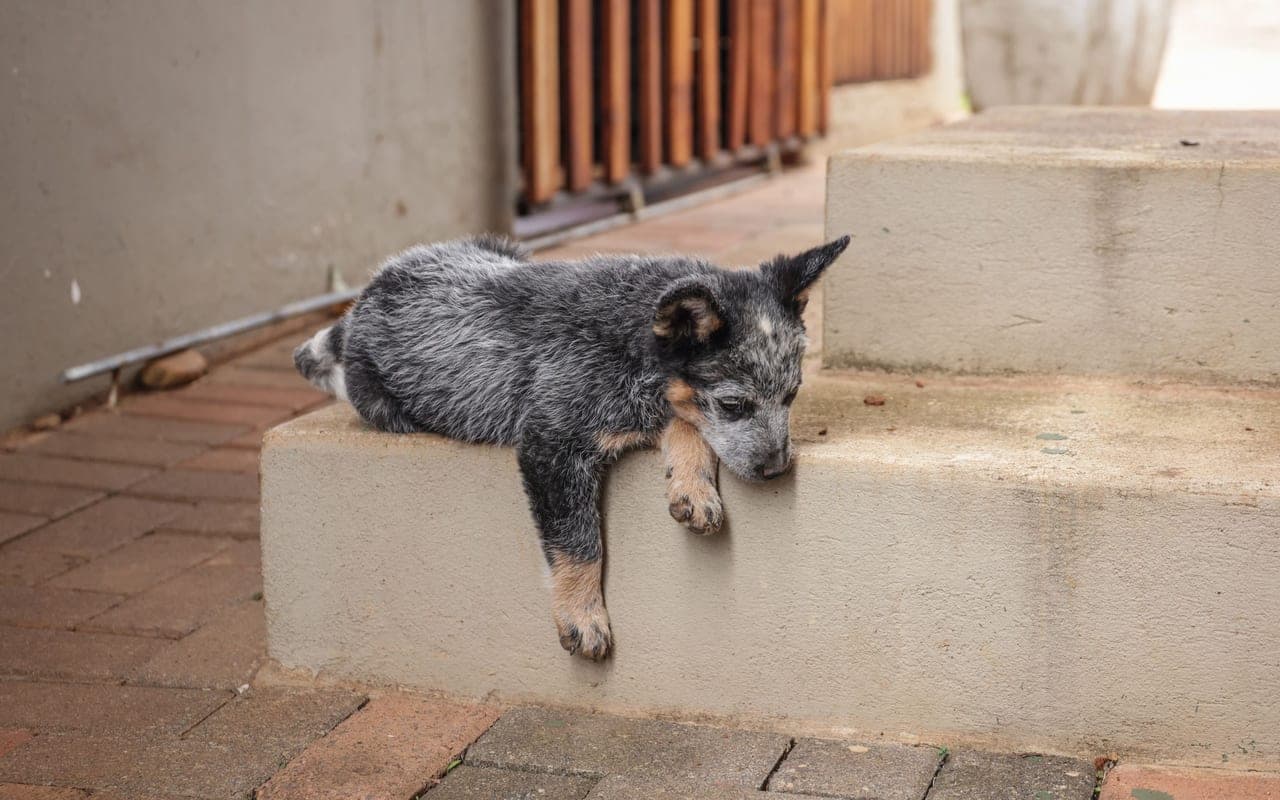
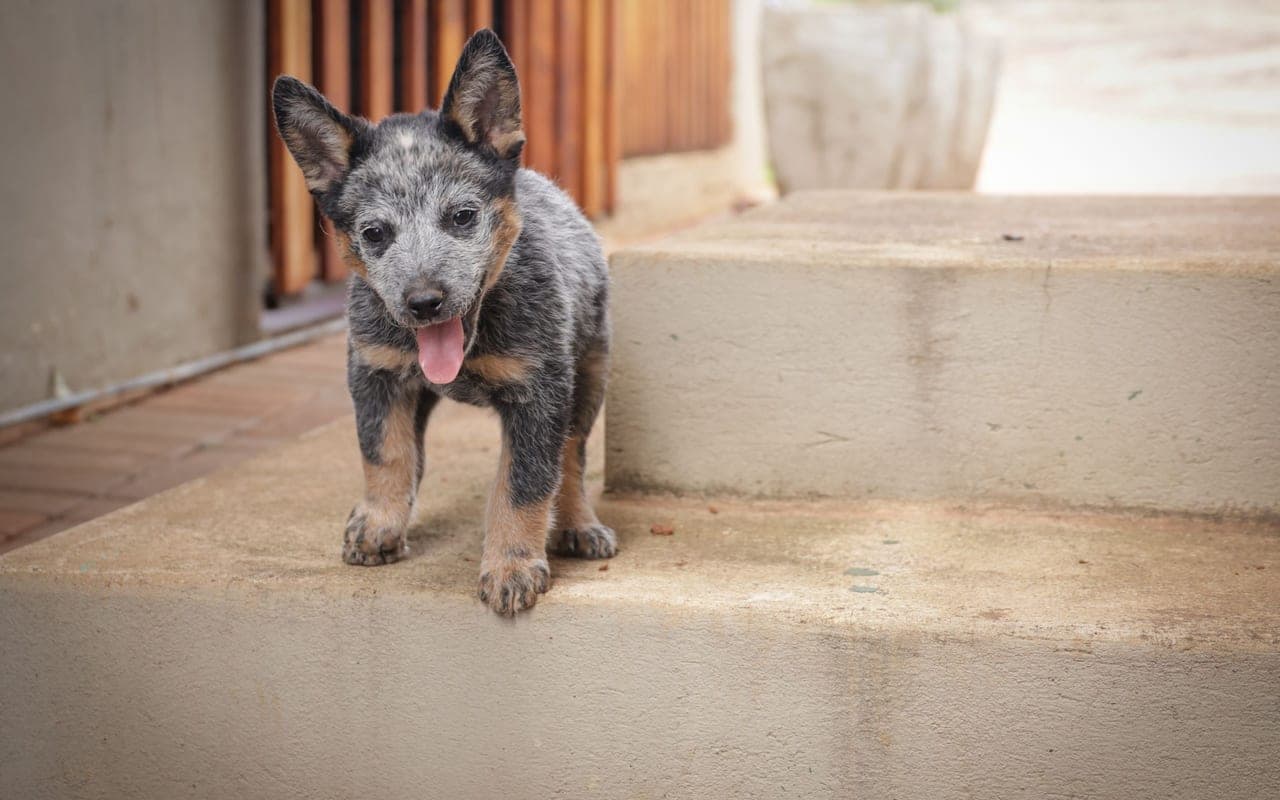
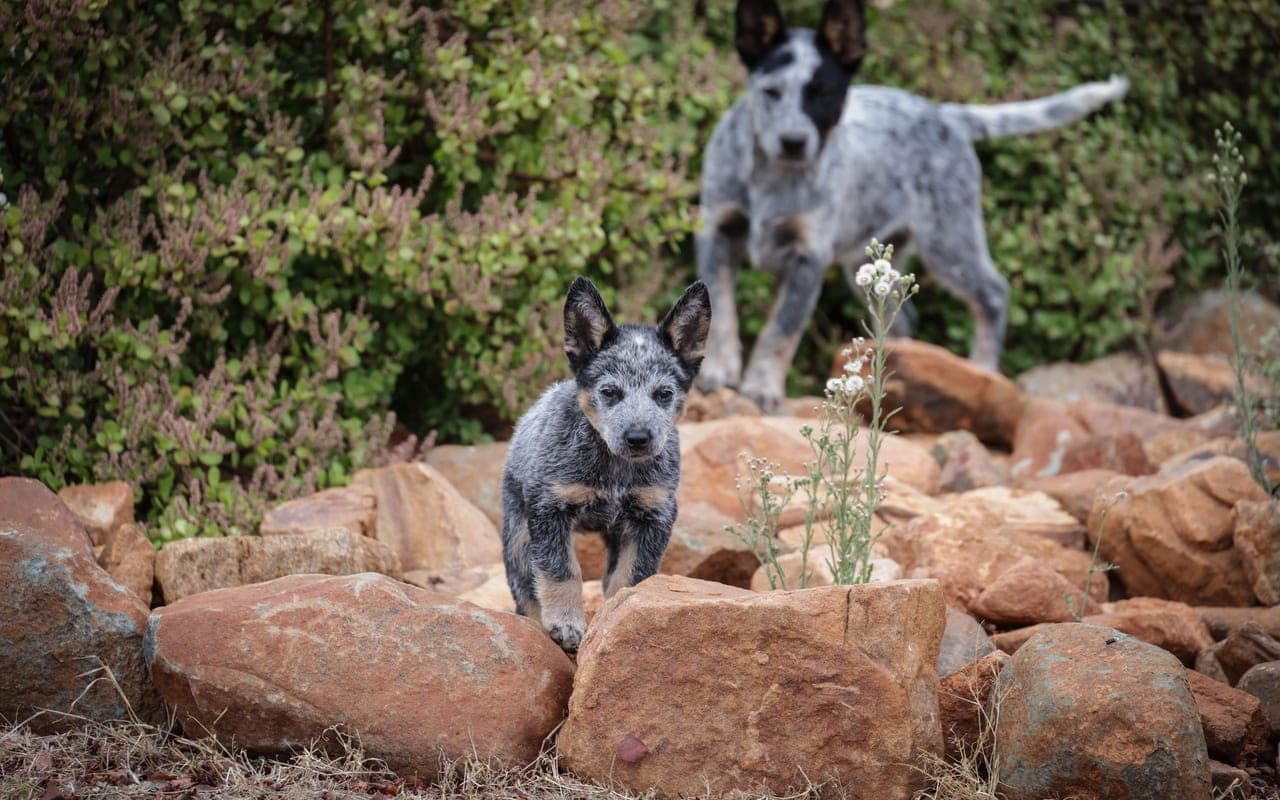
The Australian Cattle Dog — also called the Blue Heeler or Queensland Heeler — is a compact, hard-driving herding dog of 35-50 lb standing 17-20 inches at the shoulder, and it is one of the most commonly misjudged breeds in the shelter system.
Size
33-49 lb
Lifespan
12-16 years
Exercise
90+ minutes
Shedding
High
Experience
Match to owner routine
Decision first
Is a Australian Cattle Dog right for you?
Start with fit before history or trivia. These are ownership signals, not guarantees about any individual dog.
Best suited for
- Active owners who enjoy daily outdoor exercise.
Think carefully if
- You cannot provide substantial daily exercise.
- You want a very low-shedding home.
- The dog will spend most days alone without support.
Conditional fit
Apartment living may be difficult unless the owner can meet the breed's exercise, training, and space needs.
Daily reality
Australian Cattle Dog commitment snapshot
Daily exercise
90+ minutes
Match activity to age, health, weather, and training goals.
Coat care
Moderate
Grooming needs vary by coat, shedding, and lifestyle.
Time alone
Needs planning
Most dogs need gradual alone-time conditioning and support.
Structured facts
Australian Cattle Dog at a glance
The measurements and traits that most affect day-to-day life with this breed.
Origin
Australia
Group
Herding
Weight
33-49 lb
Height
17-20 in
Lifespan
12-16 years
Temperament
Alert | Loyal | Protective | Obedient | Energetic | Brave
View all characteristics and methodology
Lifestyle fit
- Apartment suitability
- Needs caution
Owner commitment
- Exercise
- 90+ minutes
- Grooming
- Moderate
- Shedding
- High
- Training
- Very high
Environment and health
- Health risk
- Needs planning
Ratings combine structured breed data, visible breed fields, and editorial context. They are planning aids, not predictions for an individual dog.
Daily life
Australian Cattle Dog temperament and behavior
The Australian Cattle Dog — also called the Blue Heeler or Queensland Heeler — is a compact, hard-driving herding dog of 35-50 lb standing 17-20 inches at the shoulder, and it is one of the most commonly misjudged breeds in the shelter system. People buy it for its intelligence and rugged good looks; they surrender it because nobody told them that 'bred to move cattle across the Australian outback all day' translates directly into 'will not be satisfied by a backyard and a walk.' This is a working dog with a working dog's needs, not negotiable. The ACD is intensely loyal, often to one or two people, earning the nickname 'velcro dog.' It is whip-smart, problem-solving (many learn to open doors and gates), naturally wary of strangers, and carries a strong herding drive that shows up as heel-nipping on running children, joggers, and bicycles if it is not redirected. It is not an aggressive breed, but it is a controlling, intense one that needs an experienced, active owner. Who the Australian Cattle Dog is right for: someone who will give it 1-2 hours of real physical and mental work daily — running, hiking, dog sport, herding, or structured training, not just yard time — who can socialize and channel the herding instinct, and who wants a deeply bonded, biddable partner for an active life. Who it is wrong for: first-time owners, sedentary households, families with young running children who will be heeled, or anyone who thinks a fenced yard equals exercise. Match the energy honestly and the ACD is one of the most capable dogs alive. Mismatch it and you get a frustrated, destructive, nipping dog that ends up rehomed.
Alert | Loyal | Protective | Obedient | Energetic | Brave
Alert
A common Australian Cattle Dog temperament descriptor that should be interpreted alongside training, exercise, and household fit.
Loyal
A common Australian Cattle Dog temperament descriptor that should be interpreted alongside training, exercise, and household fit.
Protective
A common Australian Cattle Dog temperament descriptor that should be interpreted alongside training, exercise, and household fit.
Obedient
A common Australian Cattle Dog temperament descriptor that should be interpreted alongside training, exercise, and household fit.
Owner note
Temperament labels are starting points, not guarantees. Meet the individual dog and ask about behavior history whenever possible.
Care essentials
How to care for a Australian Cattle Dog
What looking after one actually involves: exercise, grooming, food, training, and routine health.
HealthAs needed
- Australian Cattle Dogs are generally robust with good longevity, but they're prone to several genetic health issues. Progressive retinal atrophy (PRA) and hip dysplasia affect some lines, making screening of breeding stock essential. The breed has a higher than average incidence of deafness, particularly in dogs with extensive white markings, and puppies should be BAER-tested for hearing. ACDs may also develop primary lens luxation, a serious eye condition requiring surgical intervention. Their active lifestyle puts them at risk for injuries including cruciate ligament tears and shoulder problems. Some lines carry a recessive gene for a neurological condition called neuronal ceroid lipofuscinosis. Regular veterinary check-ups, maintaining appropriate weight, and providing proper exercise contribute significantly to their health and longevity.
ExerciseAs needed
- Australian Cattle Dogs require extensive daily exercise to maintain physical and mental health. Plan for at least 1-2 hours of vigorous activity daily, which might include running, hiking, cycling alongside you, swimming, or structured activities like agility, herding trials, or flyball. Simply walking this breed is usually insufficient—they need opportunities to run and engage their minds. Without adequate exercise, these dogs often develop destructive behaviors, excessive barking, or neurotic habits. Their high exercise needs make them ideal companions for athletic owners, but a poor match for sedentary households. Even with physical exercise, ACDs require mental challenges through training, puzzle toys, or work-simulation activities.
GroomingAs needed
- The Australian Cattle Dog has a short, dense double coat that requires minimal grooming yet provides excellent protection in harsh weather. They undergo two significant seasonal sheds annually when they'll need daily brushing to manage the heavy fur loss. During non-shedding periods, weekly brushing is sufficient to remove loose hair and distribute skin oils. Bathe only when necessary, as their water-resistant coat naturally repels dirt and sheds debris. Standard care includes regular nail trimming, ear cleaning, and dental hygiene. Their weather-resistant coat requires no special trimming or styling. This breed's practical, low-maintenance coat reflects its development as a working dog bred for function rather than appearance.
TrainingAs needed
- Australian Cattle Dogs are highly intelligent and trainable, but their independent nature and strong work drive require knowledgeable handling. Begin training early with consistent, firm but positive methods—harsh techniques damage trust with this sensitive breed. ACDs respond best to handlers who establish clear leadership while respecting the dog's intelligence. Early socialization is crucial to prevent suspicion of strangers and aggression toward other dogs. Their natural herding instincts may manifest as nipping at heels of children or other pets, requiring redirection to appropriate behaviors. Mental stimulation through advanced obedience, agility, tracking, or herding trials helps satisfy their problem-solving drive. These dogs thrive with a job to do and clear boundaries.
NutritionAs needed
- Australian Cattle Dogs thrive on high-quality dog food appropriate for their age, size, and activity level. Working ACDs or those engaged in intense physical activities may require performance-formulated foods with higher protein and fat content. Portion control is essential, as these dogs will often eat whatever is offered and can become overweight, especially if their exercise needs aren't met. Treats should be limited to training rewards and not exceed 10% of their daily caloric intake. Some owners opt for raw or home-prepared diets after consulting with veterinary nutritionists. As with all breeds, clean, fresh water should be available at all times. Monitor weight regularly and adjust portions accordingly.
Health planning
Australian Cattle Dog health risks and screening
Every breed has individual health variation. Use this profile for planning and discuss medical decisions with a veterinarian.
Ownership cost
How much does a Australian Cattle Dog cost?
Cost figures are structured so first-year and lifetime estimates do not conflict with the underlying line items.
| Acquisition | $600-$2,000 |
|---|---|
| Routine monthly | About $100/month |
| Routine annual | About $1,200/year |
| First-year estimate | $1,800-$3,200 |
| Lifetime routine estimate | $14,400-$19,200 routine costs |
Currency: USD. Region: United States. Typical ranges for this breed. Equipment, insurance, emergency veterinary care, boarding and training are NOT included: we hold no sourced figures for them, and estimating them would be a guess presented as data.
Responsible ownership
Finding a Australian Cattle Dog responsibly
What to ask a breeder or rescue is the same conversation for every breed, so we keep it in one place and keep it current.
Health documentation, meeting the parents or foster, contracts and return support, and the warning signs worth walking away from.
Original purpose
Australian Cattle Dog history
History is useful when it explains today's behavior, coat, exercise needs, and training style.
Read the breed history
The Australian Cattle Dog was purpose-built in 19th-century Australia to move semi-wild cattle over vast, harsh distances where existing British droving dogs failed. From the 1840s, stockmen — most famously Thomas Hall, whose 'Hall's Heelers' were foundational — crossed imported herding dogs (including blue-merle Collie types and Smithfields) with the native Australian Dingo to add heat tolerance, stamina, and silent working style. Later infusions of Dalmatian (for bonding to horses and a tolerance for working alongside them) and Black and Tan Kelpie/terrier blood (for grip and tenacity) shaped the modern dog, and the Bagust brothers standardized it in the 1890s. The breed's signature low, heel-biting working style — driving cattle by nipping their heels and ducking the kick — is the literal origin of 'Heeler.' The AKC recognized it as the Australian Cattle Dog in 1980. This Dingo-derived, all-day cattle-droving heritage is the single best predictor of the modern dog's stamina, independence, wariness, and need for a real job.
Gallery
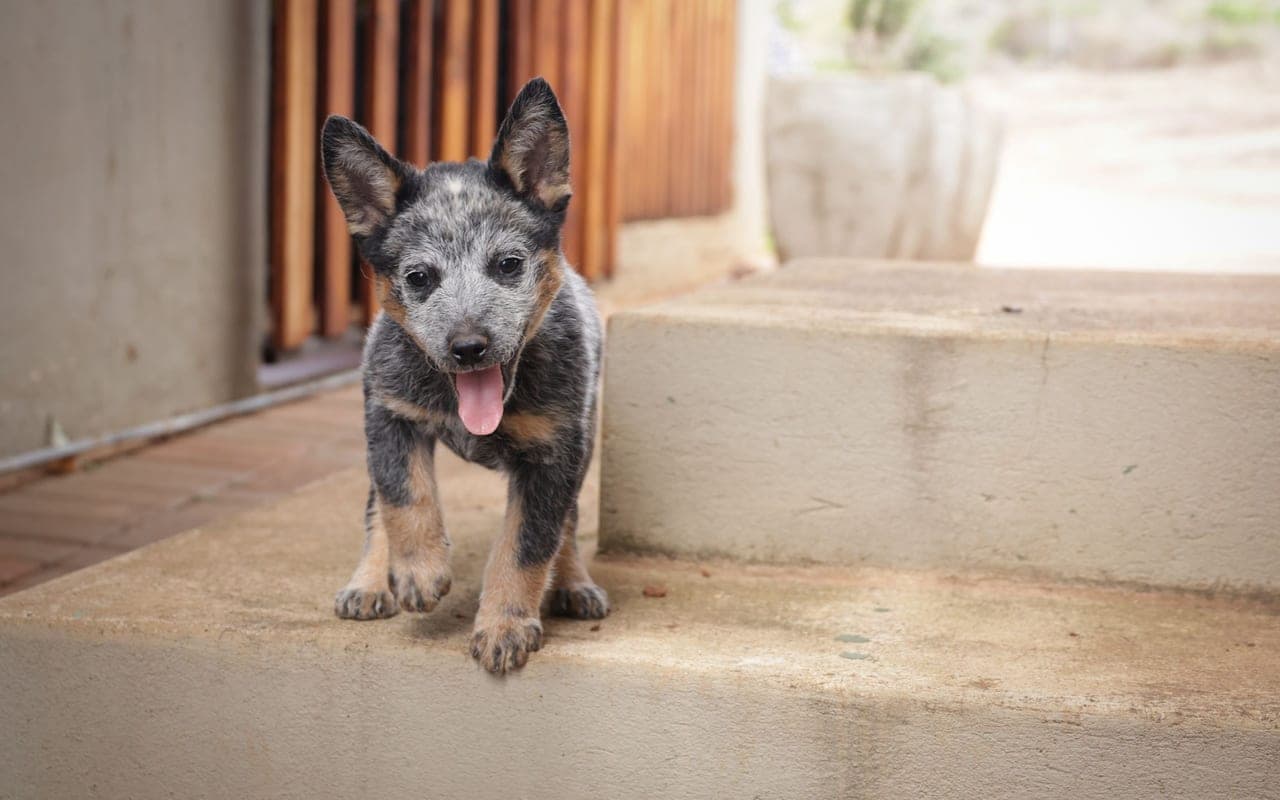
Australian Cattle Dog photos
Images are cropped consistently and loaded progressively to keep the page responsive.
Lower-page context
Australian Cattle Dogs in culture
Where the breed shows up in film, sport, work and folklore — the enjoyable part, once the practical questions are answered.
Movies and TV
- Mad Max 2: The Road Warrior (1981)
An Australian Cattle Dog named 'Dog' was the loyal companion to Mel Gibson's character in this post-apocalyptic film.
- Bluey (2018)
Popular Australian children's animated series featuring a Blue Heeler family, helping to introduce the breed to a global audience.
Fun facts
- An Australian Cattle Dog named Bluey, owned by Les and Mary Hall of Rochester, Australia, lived to the extraordinary age of 29 years and 5 months, holding the Guinness World Record for the longest-lived dog.
- Australian Cattle Dogs have a distinctive speckled or mottled coat pattern called 'bentley mark' - a white spot on the forehead that was originally a result of the Dalmatian influence in the breed's development.
- The breed was introduced to America in the 1940s, but wasn't officially recognized by the American Kennel Club until 1980.
- Australian Cattle Dogs have two main color varieties: blue (which can range from light silver to dark charcoal) and red (which appears as ginger or chocolate coloration).
- These dogs have earned the nickname 'velcro dogs' because of their tendency to form extremely close bonds with their owners and stick by their sides.
Australian Cattle Dog FAQs
Are Australian Cattle Dogs good family pets?
They can be outstanding family dogs for active, experienced households, but they are a poor fit for typical pet homes. They bond intensely and are protective and loyal, yet their herding drive means they often nip at the heels of running children, and their exercise and mental-work needs (1-2 hours daily) overwhelm low-energy families. They do best with older children who understand dog behavior, with owners who can train and channel the instinct rather than households wanting a relaxed companion.
How much exercise does an Australian Cattle Dog really need?
A minimum of 1-2 hours of vigorous daily activity that includes running, not just leash walks — and that is only half the requirement. Equally important is mental work: training, herding, scent games, or advanced obedience. A yard, even a large one, does not meet either need. An ACD whose body and mind are under-worked predictably develops destructive chewing, obsessive behaviors, and excessive barking; the exercise requirement is the breed, not an optional add-on.
Do Australian Cattle Dogs shed a lot?
Yes, more than the short coat suggests. They carry a dense double coat and shed moderately year-round, then heavily during two major seasonal 'coat blows' in spring and fall, when daily brushing is needed to control loose fur. Between sheds, weekly brushing keeps it manageable. The short, stiff hairs work into carpet and upholstery, so prospective owners should plan on consistent hair management as a normal part of life with the breed.
Why does my Australian Cattle Dog nip at people's heels?
Because that is literally what the breed was built to do — move cattle by nipping their heels and dodging the kick. Heel-nipping at running children, joggers, and cyclists is instinct, not aggression, and it appears even in pups never near livestock. It is managed, not punished out of them: provide a legitimate outlet (herding, a flirt pole, sport), redirect onto toys, train an incompatible behavior, and supervise around fast-moving children until the instinct is reliably channeled.
How long do Australian Cattle Dogs live?
Typically 12-16 years, which is long for a dog of this size and one of the breed's strengths — a well-bred, lean, well-exercised ACD often reaches its mid-teens (the record holder, Bluey, lived over 29 years). Lifespan is shortened most by preventable obesity-driven joint disease and by unscreened inherited eye conditions, so keeping the dog lean and buying from health-tested parents are the highest-impact longevity levers.
What health tests should an Australian Cattle Dog breeder have done?
Under the breed parent club's CHIC program, expect hip and elbow evaluations (OFA), a board-certified ophthalmologist eye exam, a prcd-PRA DNA test, a primary lens luxation DNA test, and BAER hearing testing for congenital deafness. A responsible breeder will produce these results on the sire and dam. Buying from untested parents — particularly for deafness and the two eye conditions — is the single biggest avoidable health risk in this breed.
Sources
These are the published sources this page draws on. Each opens in a new tab so you can check it yourself.
American Kennel Club
Australian Cattle Dog — breed standard and profile(opens in a new tab)Supports: Breed standard and recognition details.
Similar breeds to consider
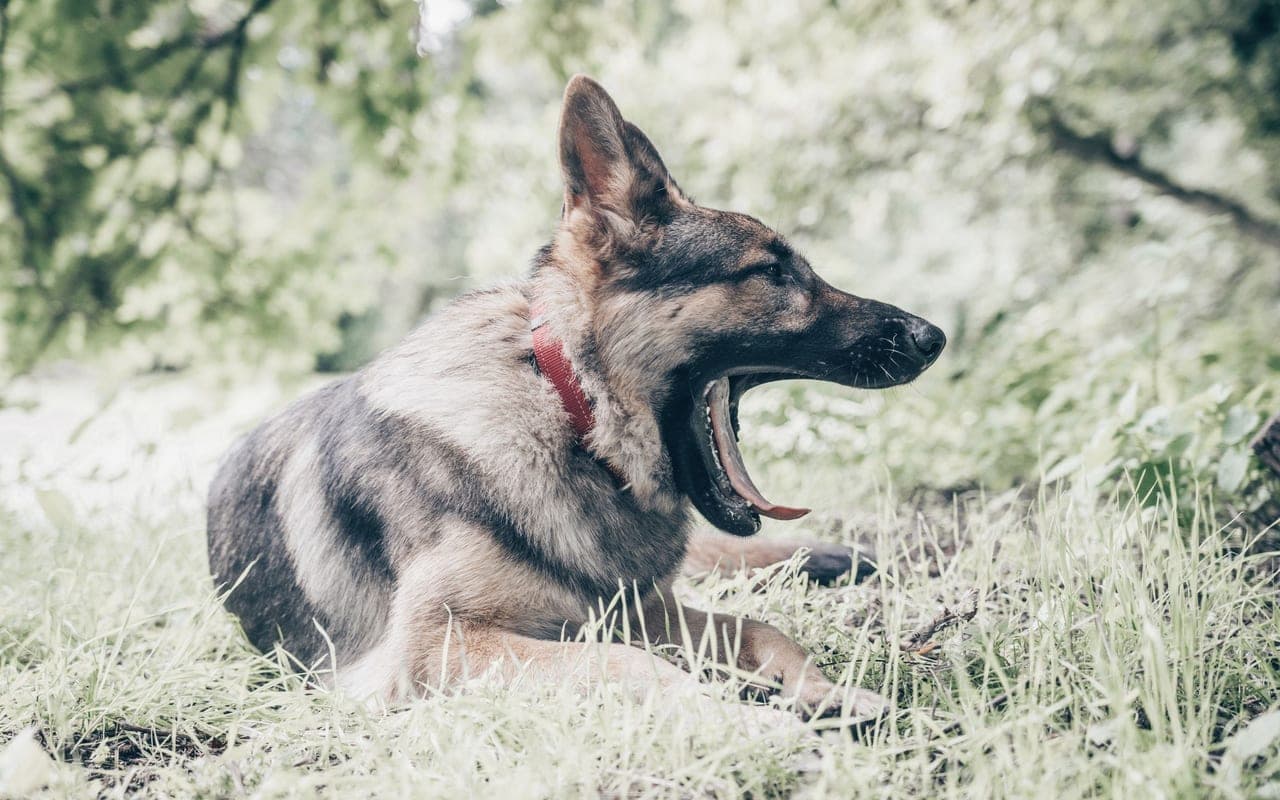
German Shepherd
Also in the Herding group, with different care and temperament tradeoffs.
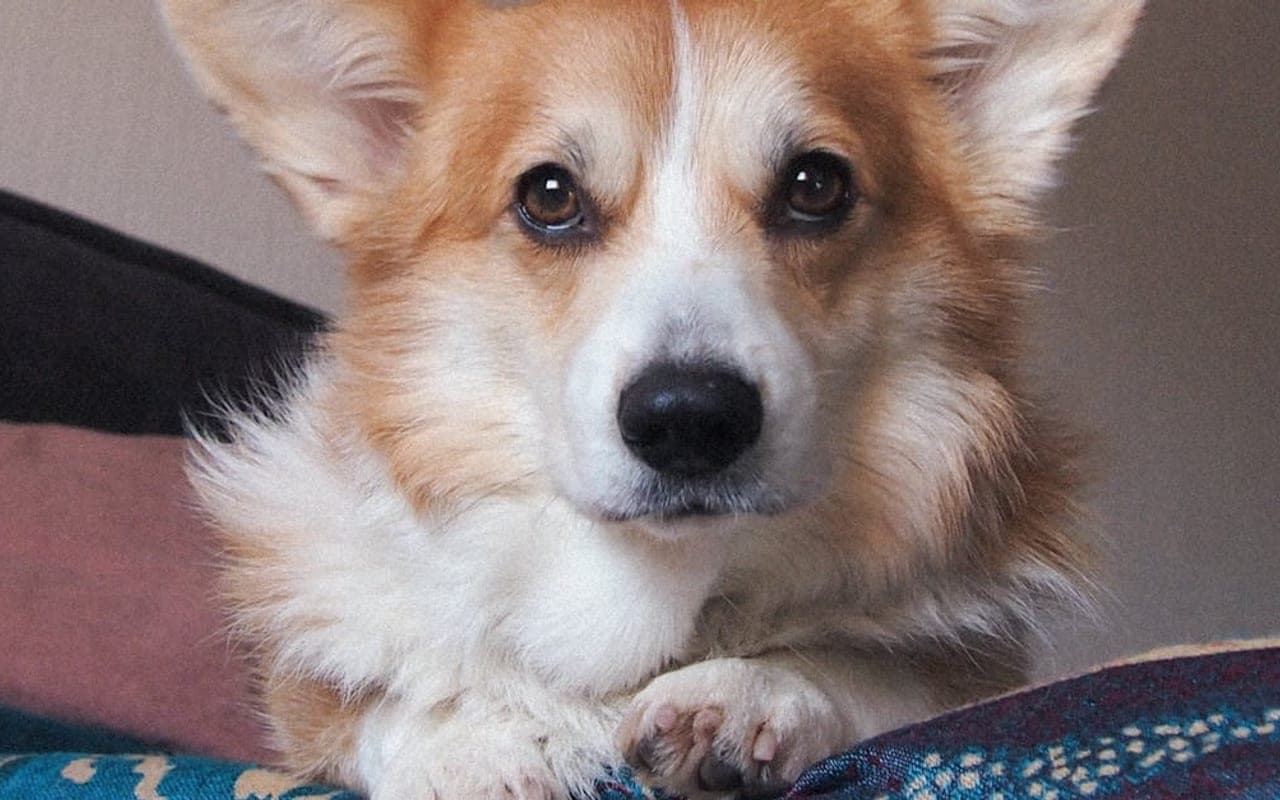
Pembroke Welsh Corgi
Also in the Herding group, with different care and temperament tradeoffs.
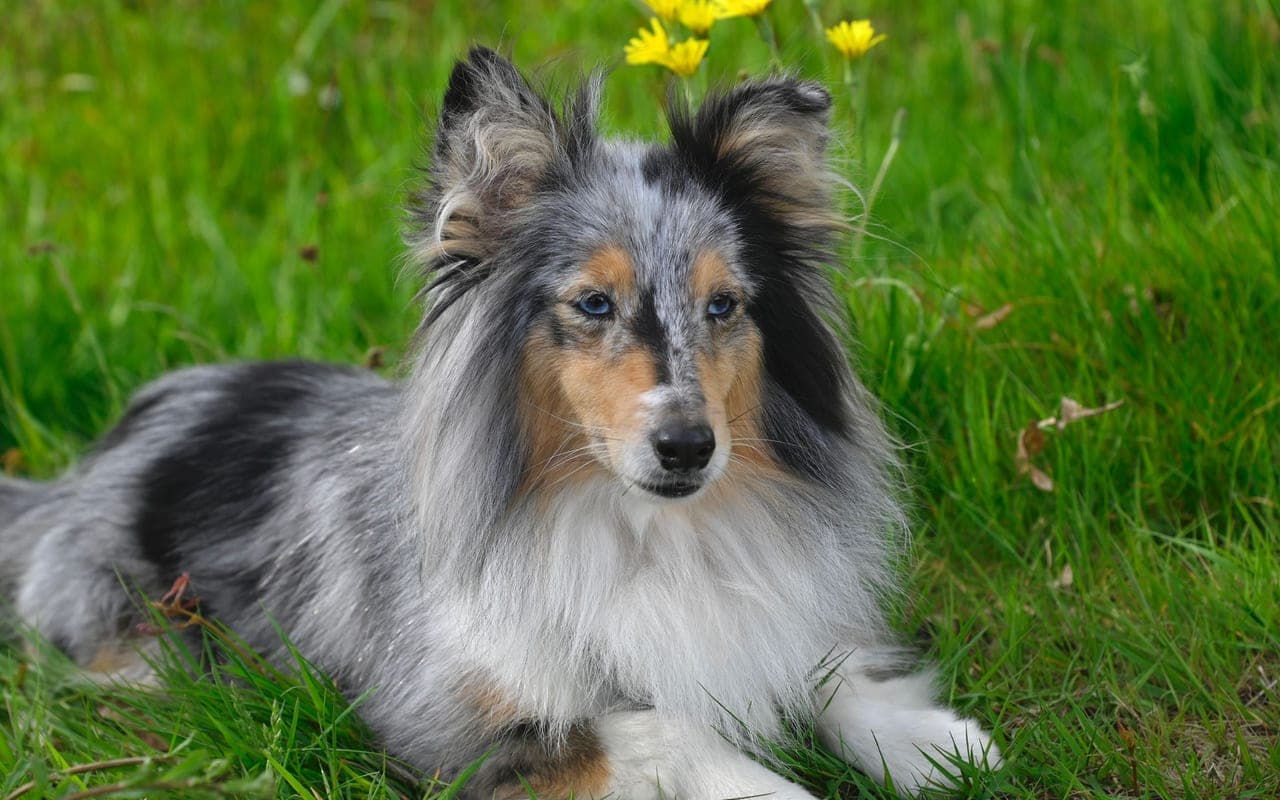
Shetland Sheepdog
Also in the Herding group, with different care and temperament tradeoffs.
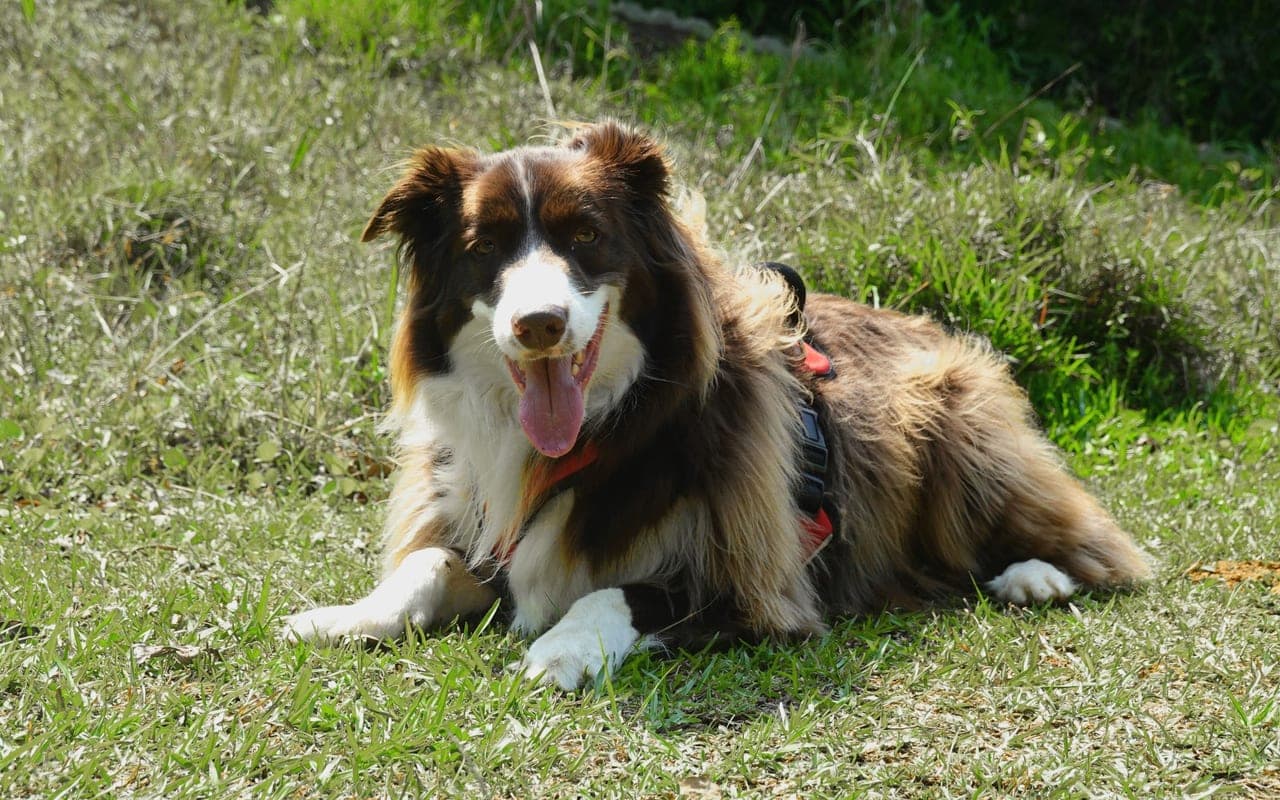
Border Collie
Also in the Herding group, with different care and temperament tradeoffs.
Explore More About Australian Cattle Dog
Dive deeper into everything Australian Cattle Dog — costs, care, and expert insights.
How Much Does a Australian Cattle Dog Cost?
Purchase price, monthly costs, and lifetime expenses
Large Dog Care Guide: Everything Over 50 lbs
Owning a large or giant breed dog means accepting one of biology's...
Puppy Teething & Biting: Timeline and What Actually Works
A puppy has all 28 deciduous ("baby") teeth by roughly eight weeks of age, and...
Considering a cat instead?
Browse Cats