
Foundation Stock Service group
Appenzeller Sennenhund
The Appenzeller Sennenhund is the most athletic and least common of the four Swiss Sennenhund (mountain dog) breeds, and that obscurity is the first thing a prospective owner has to reckon with.
Size
49-71 lb
Lifespan
12-15 years
Exercise
20-40 minutes
Shedding
Moderate
Experience
Match to owner routine
Decision first
Is a Appenzeller Sennenhund right for you?
Start with fit before history or trivia. These are ownership signals, not guarantees about any individual dog.
Best suited for
- Households with children.
- Homes with other compatible pets.
- Apartment homes with a consistent routine.
- Owners seeking a manageable daily exercise routine.
Think carefully if
- You need a dog with almost no daily routine.
- You cannot keep up with grooming and preventive care.
- The dog will spend most days alone without support.
Conditional fit
Apartment fit depends on exercise, enrichment, noise management, and outdoor access.
Daily reality
Appenzeller Sennenhund commitment snapshot
Daily exercise
20-40 minutes
Match activity to age, health, weather, and training goals.
Coat care
Moderate
Grooming needs vary by coat, shedding, and lifestyle.
Time alone
Needs planning
Most dogs need gradual alone-time conditioning and support.
Structured facts
Appenzeller Sennenhund at a glance
The measurements and traits that most affect day-to-day life with this breed.
Group
Foundation Stock Service
Weight
49-71 lb
Height
20-22 in
Lifespan
12-15 years
Temperament
Agile | Versatile | Lively
View all characteristics and methodology
Lifestyle fit
- Apartment suitability
- Likely fit
- Child friendliness
- Often good, with socialisation and supervision
- Other-pet fit
- Often compatible with careful introductions
Owner commitment
- Exercise
- 20-40 minutes
- Grooming
- Moderate
- Shedding
- Moderate
- Training
- Moderate
Environment and health
- Health risk
- Needs planning
Ratings combine structured breed data, visible breed fields, and editorial context. They are planning aids, not predictions for an individual dog.
Daily life
Appenzeller Sennenhund temperament and behavior
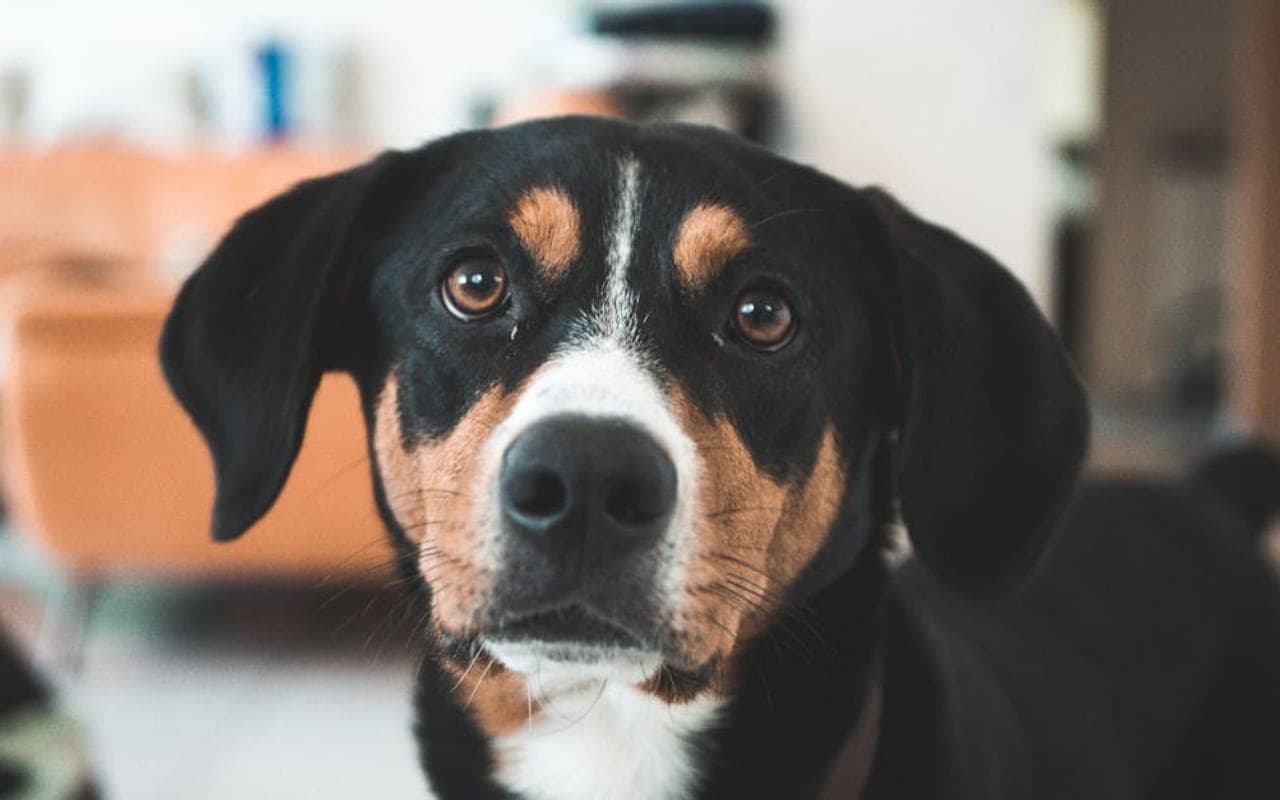
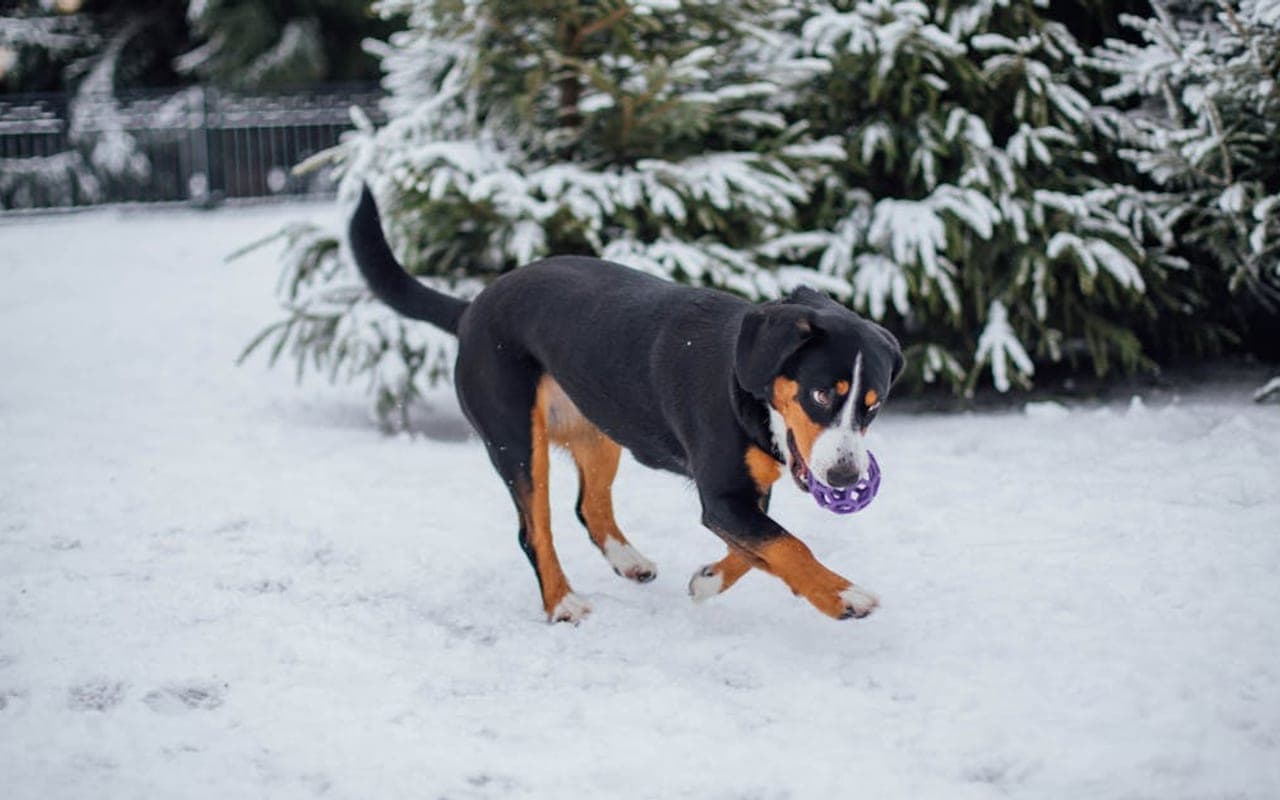
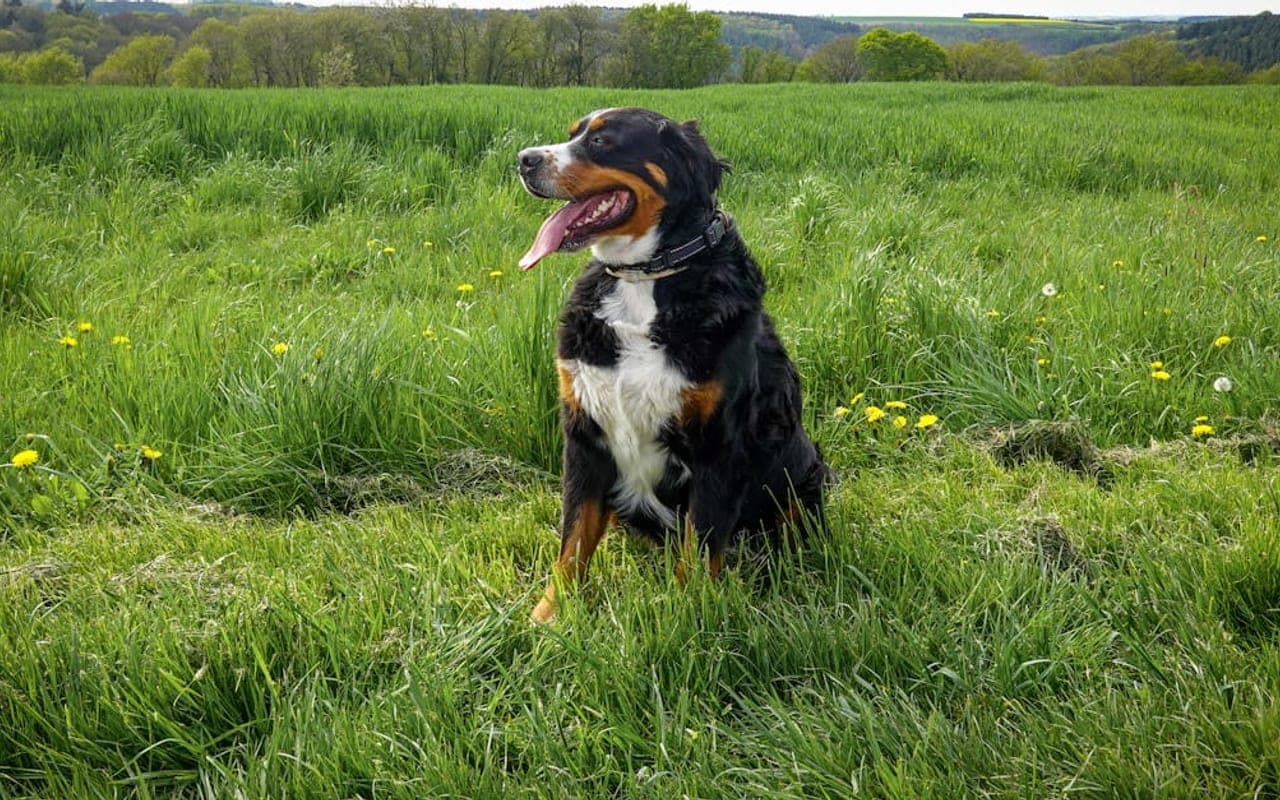
The Appenzeller Sennenhund is the most athletic and least common of the four Swiss Sennenhund (mountain dog) breeds, and that obscurity is the first thing a prospective owner has to reckon with. This is a 50-70 lb tricolor Alpine cattle drover bred to move livestock across steep terrain all day, bark down a threat, and guard a farm at night — and a body and brain built for that does not switch off because you live in a townhouse. The prep characteristics list 'Energy Level: 1,' which is a data artifact, not reality: the Appenzeller is a high-drive working dog, and treating it as a low-energy breed is the single most common way owners fail this dog. Physically the breed is medium-sized, almost square, and densely muscled, with a tight double coat in the classic Swiss black-or-havana-brown base with symmetrical white and rust markings, and a tail carried in a tight curl over the back. Expect 12-15 years of life — long for a working dog this size. Temperament is the deciding factor. The Appenzeller is intelligent, fearless, intensely loyal to its own family, and openly suspicious of strangers. It is a natural alarm dog that 'cannot be bribed,' which is charming in a remote farmhouse and a liability in a duplex with thin walls. It bonds hard, learns fast, and needs a job; bored and under-exercised, it redirects that drive into barking, herding the children, fence-running, and destruction. Who the Appenzeller is right for: an active owner — hiking, dog sport, herding, a real exercise commitment of 60-90 minutes of structured work daily — who wants a loyal guardian-companion and will invest in early, ongoing socialization to manage the wariness. Who it is wrong for: first-time owners, apartment dwellers without a serious exercise plan, and anyone who wants a soft, stranger-friendly family dog. This is a working breed in a pet's body; choose it for what it is, not what it looks like.
Agile | Versatile | Lively
Agile
A common Appenzeller Sennenhund temperament descriptor that should be interpreted alongside training, exercise, and household fit.
Versatile
A common Appenzeller Sennenhund temperament descriptor that should be interpreted alongside training, exercise, and household fit.
Lively
A common Appenzeller Sennenhund temperament descriptor that should be interpreted alongside training, exercise, and household fit.
Owner note
Temperament labels are starting points, not guarantees. Meet the individual dog and ask about behavior history whenever possible.
Care essentials
How to care for a Appenzeller Sennenhund
What looking after one actually involves: exercise, grooming, food, training, and routine health.
ExerciseAs needed
- Lower-energy breed that is content with daily walks and moderate play. Avoid over-exercising.
GroomingAs needed
- Regular grooming needed — brush 2-3 times per week and bathe monthly.
TrainingAs needed
- Moderately trainable — consistent, patient training with positive methods works best.
NutritionAs needed
- Feed a high-quality dog food appropriate for their age, size, and activity level. Monitor portions to prevent obesity.
Veterinary CareAs needed
- Annual wellness exams, core vaccinations, dental care, and parasite prevention. Breed-specific health screenings as recommended by your vet.
Health planning
Appenzeller Sennenhund health risks and screening
Every breed has individual health variation. Use this profile for planning and discuss medical decisions with a veterinarian.
Responsible ownership
Finding a Appenzeller Sennenhund responsibly
What to ask a breeder or rescue is the same conversation for every breed, so we keep it in one place and keep it current.
Health documentation, meeting the parents or foster, contracts and return support, and the warning signs worth walking away from.
Original purpose
Appenzeller Sennenhund history
History is useful when it explains today's behavior, coat, exercise needs, and training style.
Read the breed history
The Appenzeller Sennenhund originates in the Appenzell region of northeastern Switzerland, one of four regional Sennenhund (Alpine herdsman's dog) breeds developed by Swiss farmers to drive cattle, pull dairy carts, and guard isolated mountain farms. For centuries it existed as an unstandardized working landrace, valued strictly for function: stamina on steep ground, a loud incorruptible bark, and the nerve to face a predator or an intruder. The breed owes its modern survival to the Swiss geologist and dog expert Professor Albert Heim, who championed the Sennenhund breeds in the early 1900s. The dedicated Appenzeller Sennenhund Club was founded in 1906 to preserve the breed in its working form, establish a stud book, and prevent it from being absorbed into the more numerous Bernese Mountain Dog population. The Appenzeller remains rare outside Switzerland and is still primarily a working and farm dog rather than a pet line. In the United States it is recorded in the AKC Foundation Stock Service, not the regular stud book — meaning it has not been bred down into a softened companion type the way many heritage breeds have. For an owner, that history is the warning label: you are buying a relatively unmodified Alpine working dog, with the drive, the guarding instinct, and the exercise needs that the job required.
Gallery
Appenzeller Sennenhund photos
Images are cropped consistently and loaded progressively to keep the page responsive.
Lower-page context
Appenzeller Sennenhunds in culture
Where the breed shows up in film, sport, work and folklore — the enjoyable part, once the practical questions are answered.
Fun facts
- The Appenzeller Sennenhund belongs to the Foundation Stock Service.
- With proper care, Appenzeller Sennenhund dogs can live up to 15 years or more.
- Appenzeller Sennenhund dogs are valued for their agile, versatile, lively nature.
Appenzeller Sennenhund FAQs
How long do Appenzeller Sennenhund dogs live?
An Appenzeller typically lives 12-15 years, which is notably long for an active working dog of 50-70 lb. Lifespan is driven less by the breed itself — it is fundamentally robust — and more by weight management and orthopedic health. A lean dog from hip- and elbow-screened parents that stays fit reaches the top of that range; an overweight dog with untreated joint disease lives shorter and in more pain. The single biggest lever you control is keeping the dog lean for its entire life.
Are Appenzeller Sennenhund dogs good with children?
With their own family, yes — Appenzellers are loyal, protective, and tolerant of children they are raised with. The honest caveats are two: this is a herding breed that may nip at running children's heels (manage with training and supervision), and the strong guarding instinct means a poorly socialized Appenzeller can misread rough play from visiting kids as a threat. Early, consistent socialization and never leaving young children unsupervised with any guarding-type dog are non-negotiable here.
How much exercise does an Appenzeller Sennenhund need?
Far more than the breed's compact size suggests — plan on 60-90 minutes of structured physical and mental work every day, every day, for the life of the dog. This is a high-drive Alpine cattle dog, not a low-energy companion. Trail hiking, running, biking alongside, herding, agility, or scent work all work; a backyard and a short walk do not. Under-exercised Appenzellers become destructive, vocal, and reactive. If your week cannot reliably absorb an hour-plus of real exercise, this is the wrong breed.
Are Appenzeller Sennenhund dogs easy to train?
They are highly intelligent and learn quickly, but 'trainable' is not the same as 'easy.' The Appenzeller is independent, strong-willed, and bred to make decisions alone on a mountainside, so it questions handlers it does not respect. It responds well to confident, consistent, reward-based training started early, and poorly to harshness or inconsistency. The breed's wariness of strangers also means training must include heavy structured socialization, not just obedience. Best suited to an experienced owner or one committed to professional guidance.
How much grooming does an Appenzeller Sennenhund need?
Low. The tight double coat needs only a weekly brush most of the year, increasing to every other day for the 2-3 week spring and autumn shedding periods, and a bath only when actually dirty. The grooming task owners forget is the ears: the folded drop ears trap moisture and the breed is prone to ear infections, so a weekly ear check and clean is the maintenance that actually matters here — skipping it turns a free chore into a recurring vet bill.
Is an Appenzeller Sennenhund a good apartment dog?
Generally no, and pretending otherwise sets the dog up to fail. The breed is a high-energy working guardian with a loud, deliberate alarm bark that it uses freely — a serious problem in shared-wall housing. It can physically live in an apartment only if an owner guarantees 60-90 minutes of daily off-property exercise plus mental work and invests in managing the barking and stranger-wariness. Most apartment owners cannot sustain that, which is why this breed belongs with active owners who have space and a real exercise routine.
Sources
These are the published sources this page draws on. Each opens in a new tab so you can check it yourself.
American Kennel Club
Appenzeller Sennenhund — breed standard and profile(opens in a new tab)Supports: Breed standard and recognition details.
Similar breeds to consider
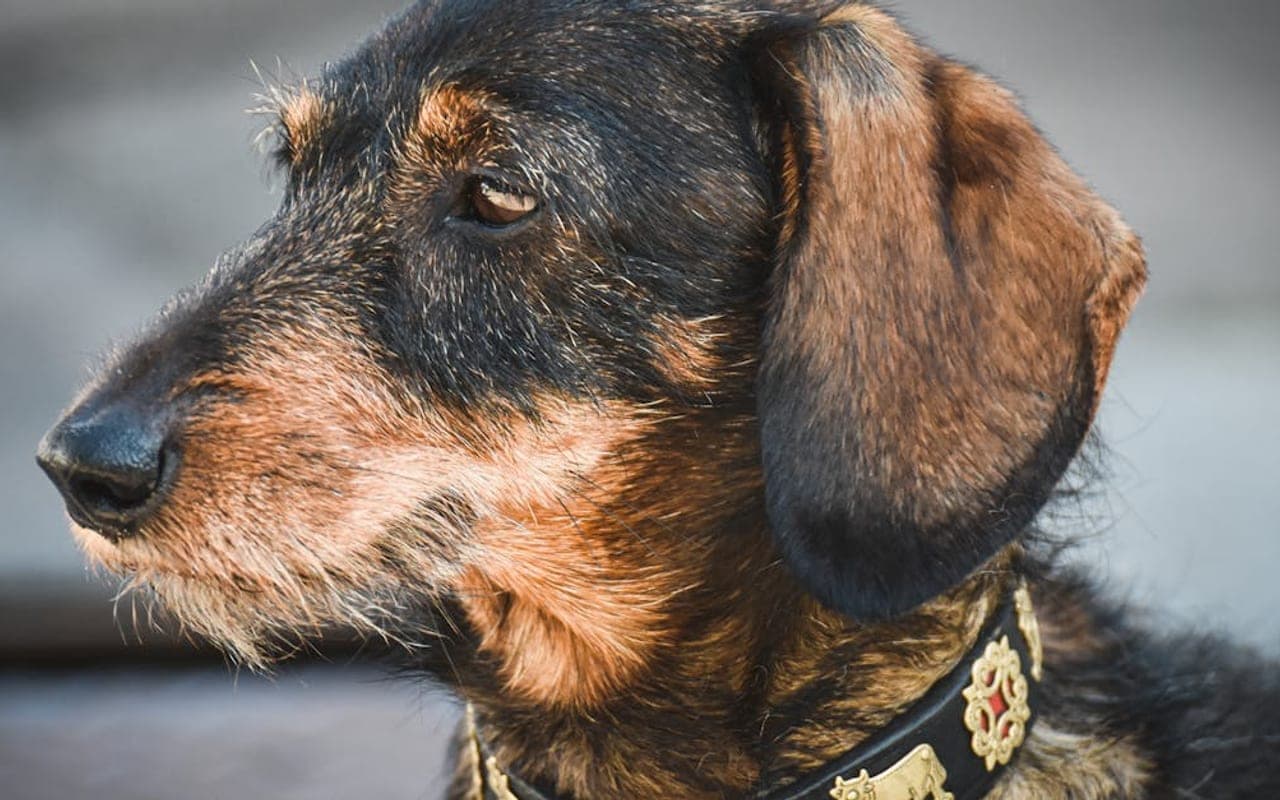
Jagdterrier
Also in the Foundation Stock Service group, with different care and temperament tradeoffs.
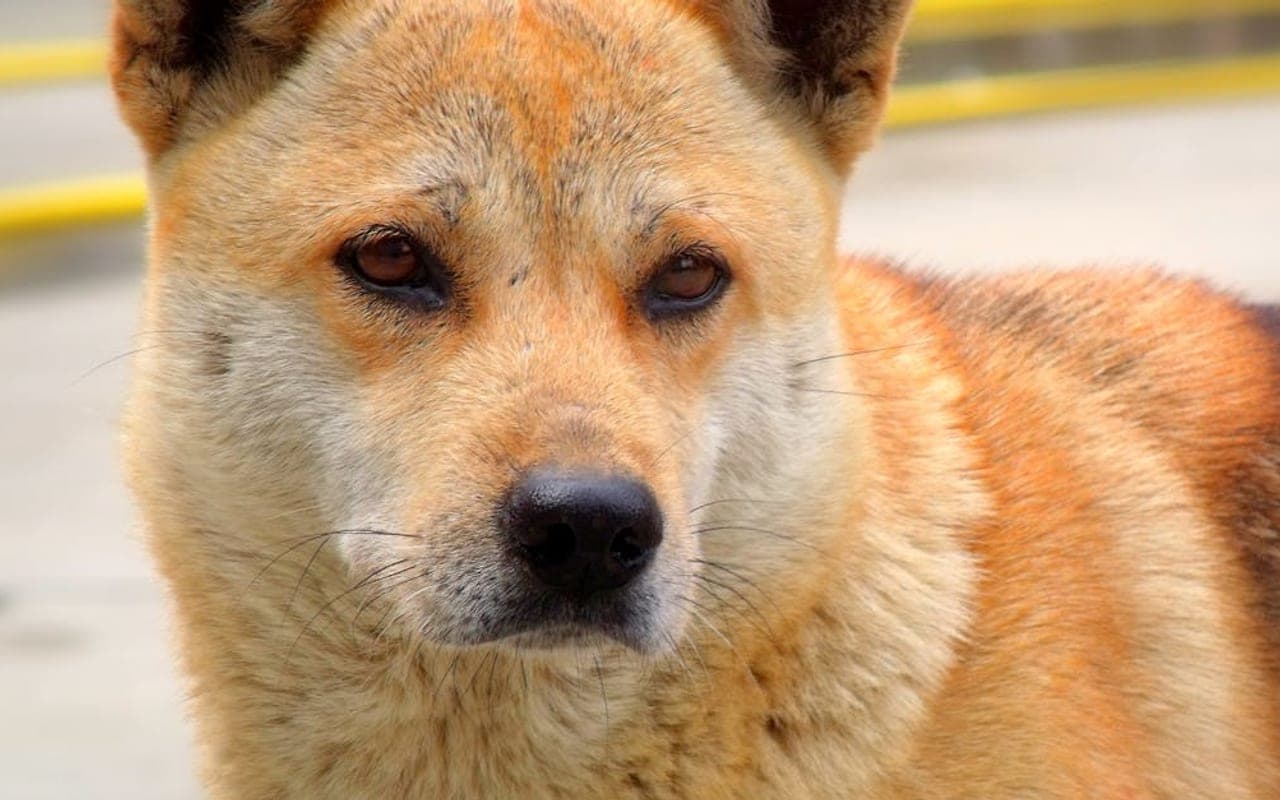
Jindo
Also in the Foundation Stock Service group, with different care and temperament tradeoffs.
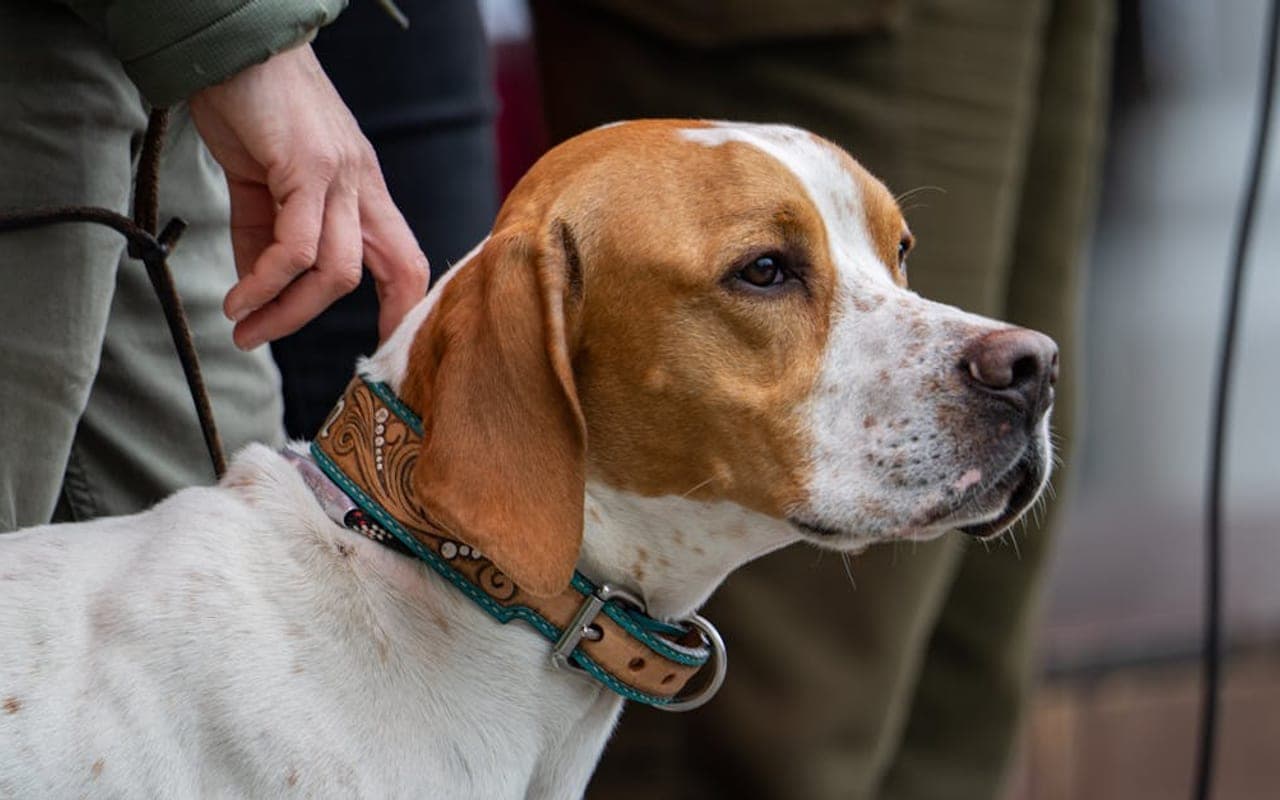
Portuguese Pointer
Also in the Foundation Stock Service group, with different care and temperament tradeoffs.
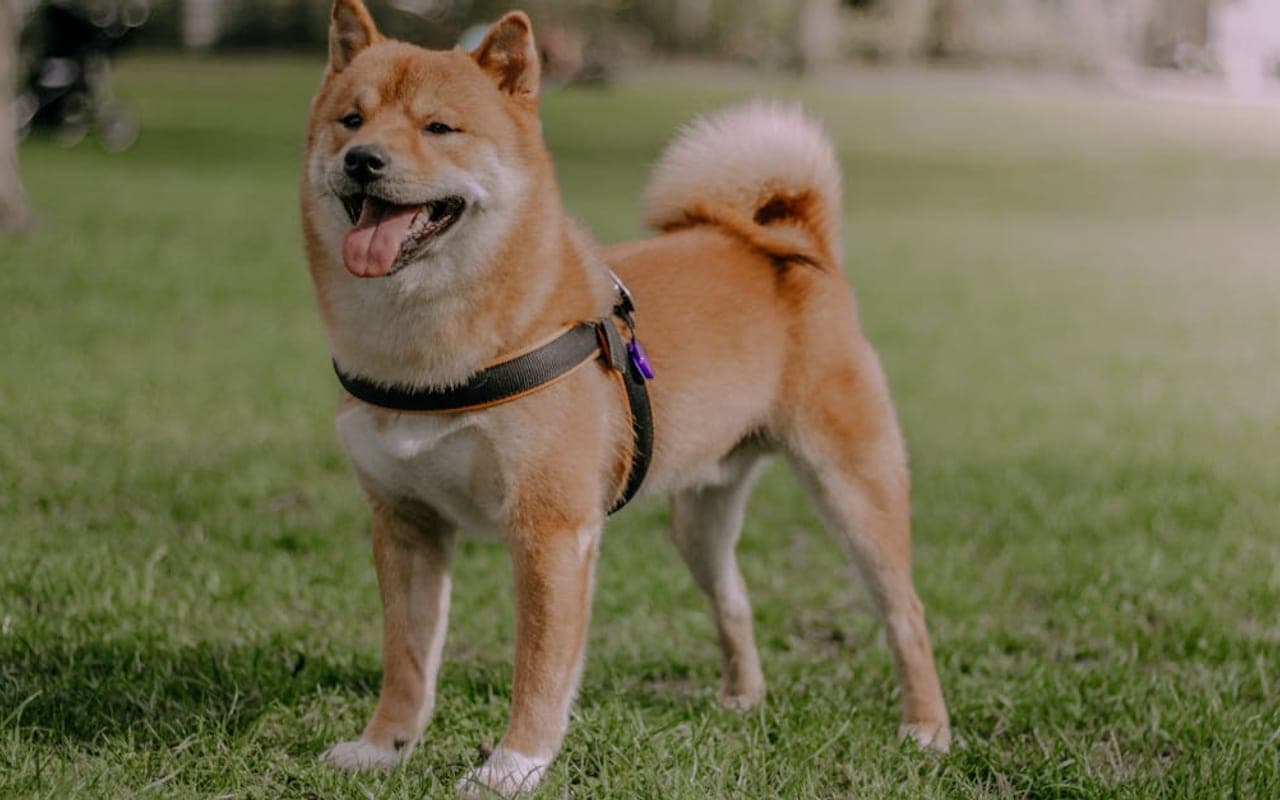
Kishu Ken
Also in the Foundation Stock Service group, with different care and temperament tradeoffs.
Explore More About Appenzeller Sennenhund
Dive deeper into everything Appenzeller Sennenhund — costs, care, and expert insights.
Considering a cat instead?
Browse Cats